Marbled Hatchetfish: Carnegiella strigata
A spectacular, surface-dwelling nano fish with a deep, axe-like belly and striking marbled patterns.
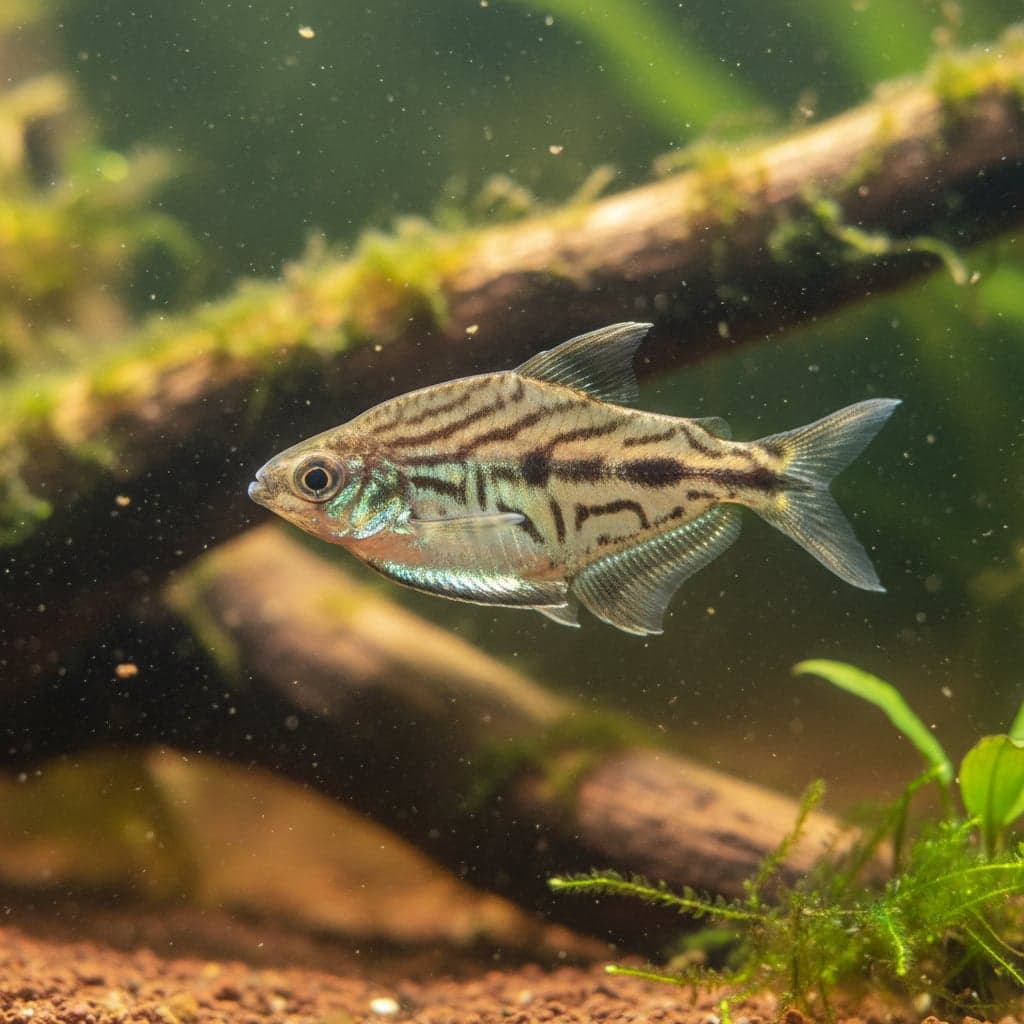
Marbled Hatchetfish
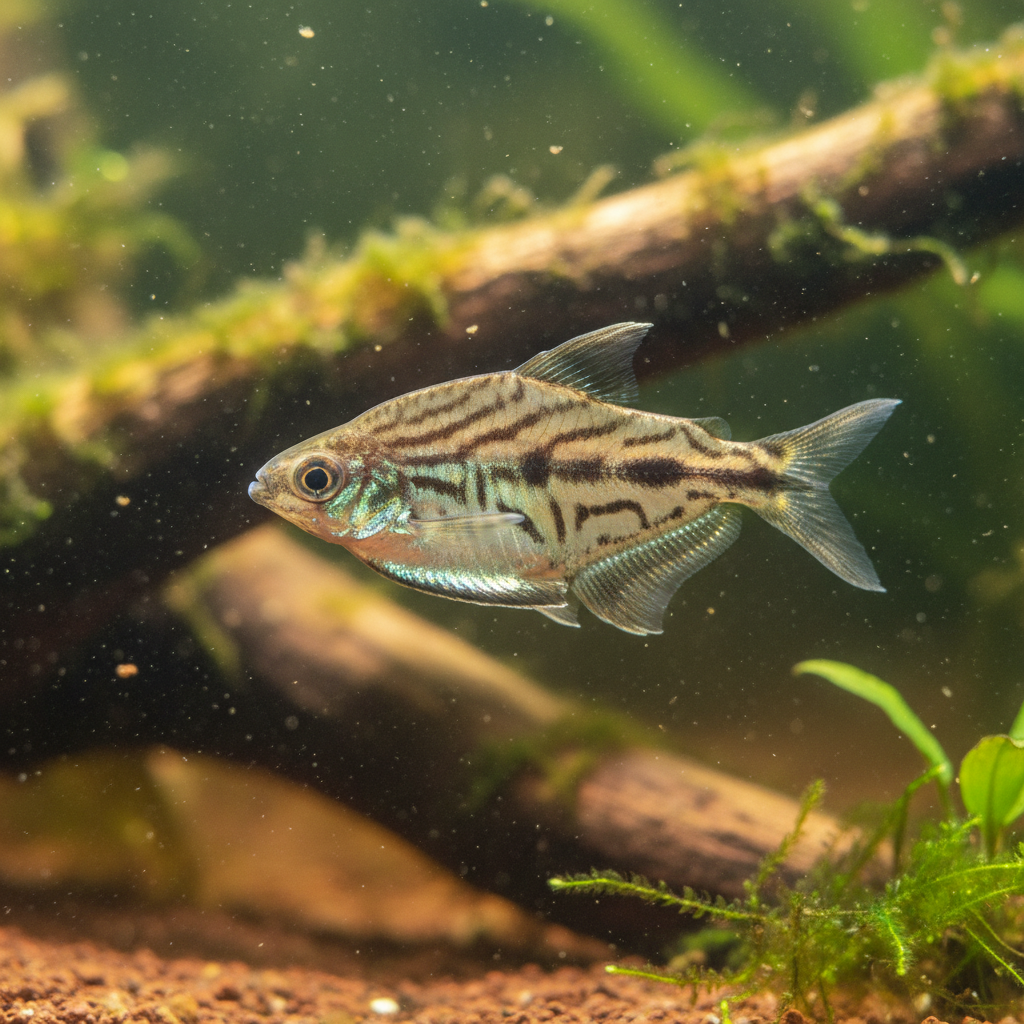
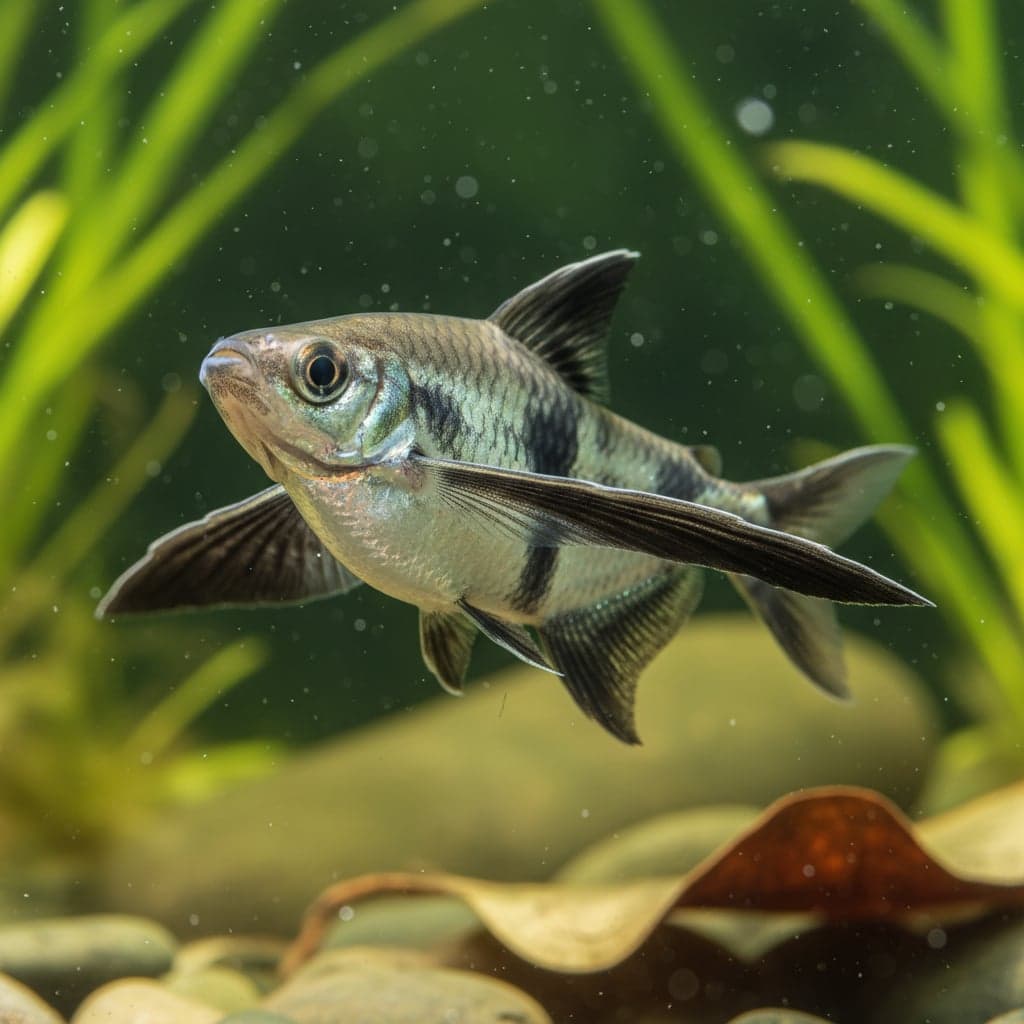
The Marbled Hatchetfish, scientifically known as Carnegiella strigata, is an exquisite freshwater fish that captures the attention of aquarists with its unique shape and stunning coloring. This small, surface-dwelling species radiates a characteristic flat body, resembling a hatchet—hence the name. The fish features an eye-catching marbled pattern in shades of silver, gray, and brown, creating a beautiful iridescent effect that shifts with the light. With a maximum size of about 2 inches (5 cm), the Marbled Hatchetfish adds a delicate elegance to aquariums, and its high swimming capabilities offer a dynamic display as they dart through the upper levels of the tank.
Beyond its aesthetic appeal, the Marbled Hatchetfish is significant within the aquarium hobby for its peaceful temperament and adaptability. As a schooling species, they thrive in groups of five or more, which encourages natural behaviors and enhances their display value in community tanks. These fish not only captivate novice and experienced aquarists alike but also encourage interest in species diversity and sustainable practices in the aquarium trade.
Natural Habitat & Origin
The Marbled Hatchetfish is native to the blackwater rivers and creeks of the Amazon Basin, primarily found in countries such as Brazil, Colombia, and Peru. These waters are typically slow-moving and filled with decaying organic matter, which contributes to their dark coloration. The Marbled Hatchetfish thrives in soft, acidic waters that are rich in tannins, produced by the breakdown of plant materials and contribute to the overall ecosystem in which they reside. Their natural habitat is characterized by densely vegetated areas with ample cover, which provides both protection and hunting grounds for their natural diet.
In their environment, the Marbled Hatchetfish is often seen gliding just beneath the water's surface, using their specialized adaptations to navigate the unique challenges of their habitat, such as low light conditions and the presence of predators. Understanding these environmental elements is crucial for replicating suitable conditions in captivity and ensuring their health and longevity in an aquarium setting.
Care Requirements
To provide optimal care for the Marbled Hatchetfish, specific water parameters and tank setups should be met. Ideal water conditions include a pH level between 6.0 and 7.5, a temperature range of 75°F to 82°F (24°C to 28°C), and very soft to moderately hard water (1-10 dGH). These parameters replicate the fish's natural habitat, promoting comfort and encouraging natural behaviors.
A minimum tank size of 20 gallons is recommended for a small school of Marbled Hatchetfish, providing ample swimming space. The aquarium should be well-structured with smooth substrate—fine sand or soft gravel is ideal—to minimize injury. Gentle lighting mimics their shaded habitat, and the use of floating plants can help diffuse brightness while offering cover. Additionally, incorporating driftwood and dense vegetation will not only create hiding spaces but also replicate the complexities of their natural environment.
Diet & Feeding
Marbled Hatchetfish are omnivorous, primarily feeding on small insects and larvae in their natural habitat. In captivity, they thrive on a varied diet to ensure optimal health and vibrant coloration. High-quality flake food or micro-pellets designed for surface feeders can serve as staples in their diet, along with small live or frozen foods such as brine shrimp, daphnia, and bloodworms. Although they are surface feeders, it's important to ensure food reaches them before it sinks, as they may miss it otherwise. A nutrient-rich, balanced diet will encourage better growth, coloration, and overall vitality.
Feeding should be done several times a day, but in small portions to prevent overfeeding and maintain water quality. Observing their eating patterns can help determine the right quantity and frequency, as individual appetites may vary.
Behavior & Temperament
The Marbled Hatchetfish is known for its peaceful nature and schooling habits. They are social creatures that thrive in groups, showing a preference for remaining close to their companions. These fish exhibit a unique behavior of swimming near the surface with occasional leaps, resembling their natural instinct to evade predators. They are generally non-aggressive and can be housed comfortably in community tanks alongside similarly peaceful species.
In terms of tank placement, Marbled Hatchetfish prefer the upper levels of the aquarium, where they can easily navigate and take advantage of floating plants for cover. Their placid demeanor makes them ideal companions for a variety of fish, as long as distance is maintained from aggressive or overly boisterous species.
Tank Mates
Marbled Hatchetfish can be successfully housed with a variety of compatible species. Ideal tank mates include smaller, passive fish such as Neon Tetras, Corydoras Catfish, Rasboras, and Guppies. Additionally, they coexist well with smaller species of non-aggressive livebearers and other gentle surface dwellers.
Species to avoid include larger or aggressive fish, such as Cichlids or aggressive barbs, which may threaten or outcompete the Marbled Hatchetfish for food and space. In general, maintaining a peaceful, well-balanced community tank setting ensures a harmonious environment conducive to the health and wellbeing of all inhabitants.
Breeding
Breeding Marbled Hatchetfish in captivity poses a unique challenge due to their specific spawning behaviors. They are egg scatterers, typically laying their eggs on plants or flat surfaces near the water's surface. To encourage successful spawning, a separate breeding tank with soft, acidic water and a spawning medium—like fine-leaved plants or spawning mops—can be set up.
Temperature and water conditions similar to their natural habitat will promote spawning, typically around 78°F (26°C). Once spawning occurs, it's crucial to separate the adults from the eggs to prevent them from eating their spawn. The eggs will generally hatch within 24 to 48 hours, and fry should be fed infusoria or finely crushed flake food once they become free-swimming.
Common Health Issues
While the Marbled Hatchetfish is generally resilient, they may be susceptible to specific health issues, particularly if not properly cared for. Common diseases include ich, fin rot, and bacterial infections, often resulting from stress or poor water quality.
To prevent these issues, maintaining consistent water parameters, performing regular water changes, and ensuring a balanced diet are critical. Quarantining new fish prior to introduction into an established tank environment helps to reduce the risk of introducing pathogens. Regular observation for signs of distress or illness will also enable timely intervention when needed, helping to secure the health and longevity of the Marbled Hatchetfish in your aquarium.