Marbled Headstander: Abramites hypselonotus
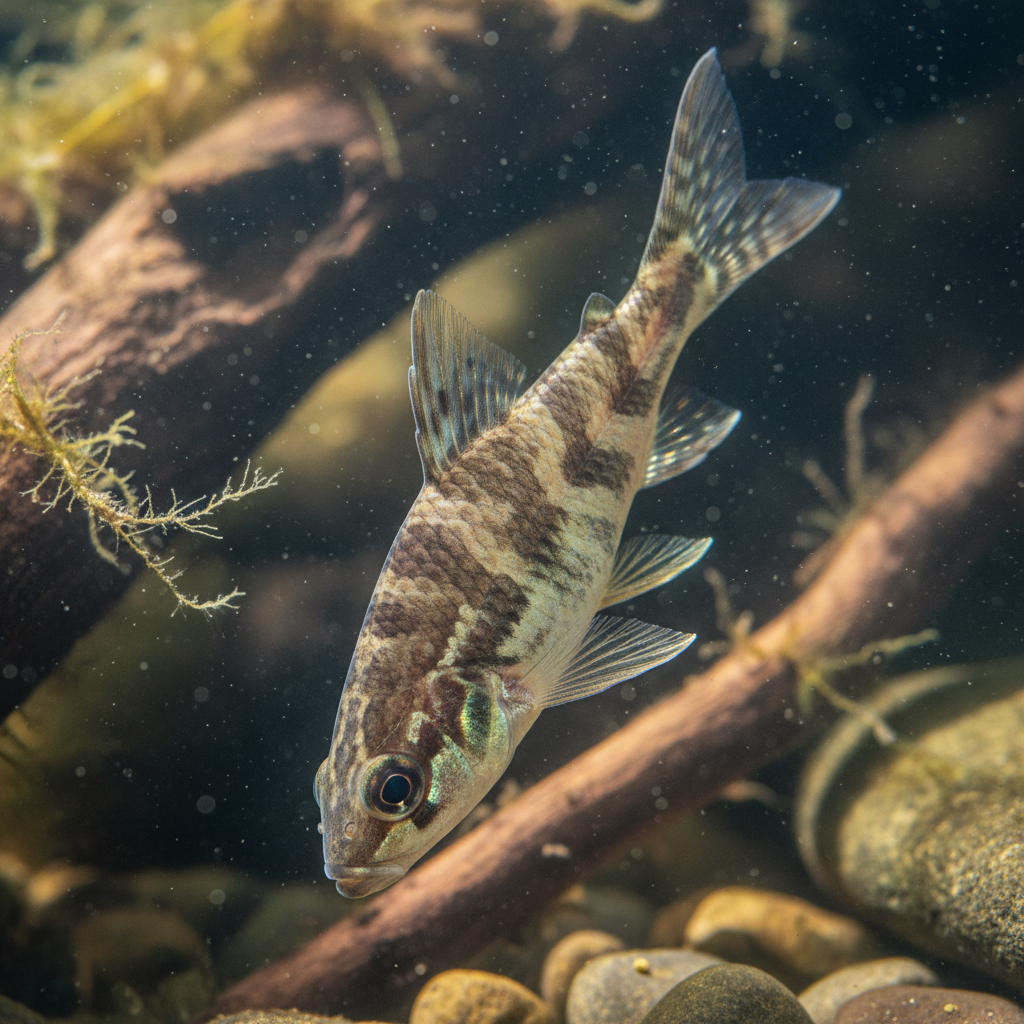
A striking, heavily banded torpedo-shaped fish that spends its entire life swimming pitched diagonally head-down.
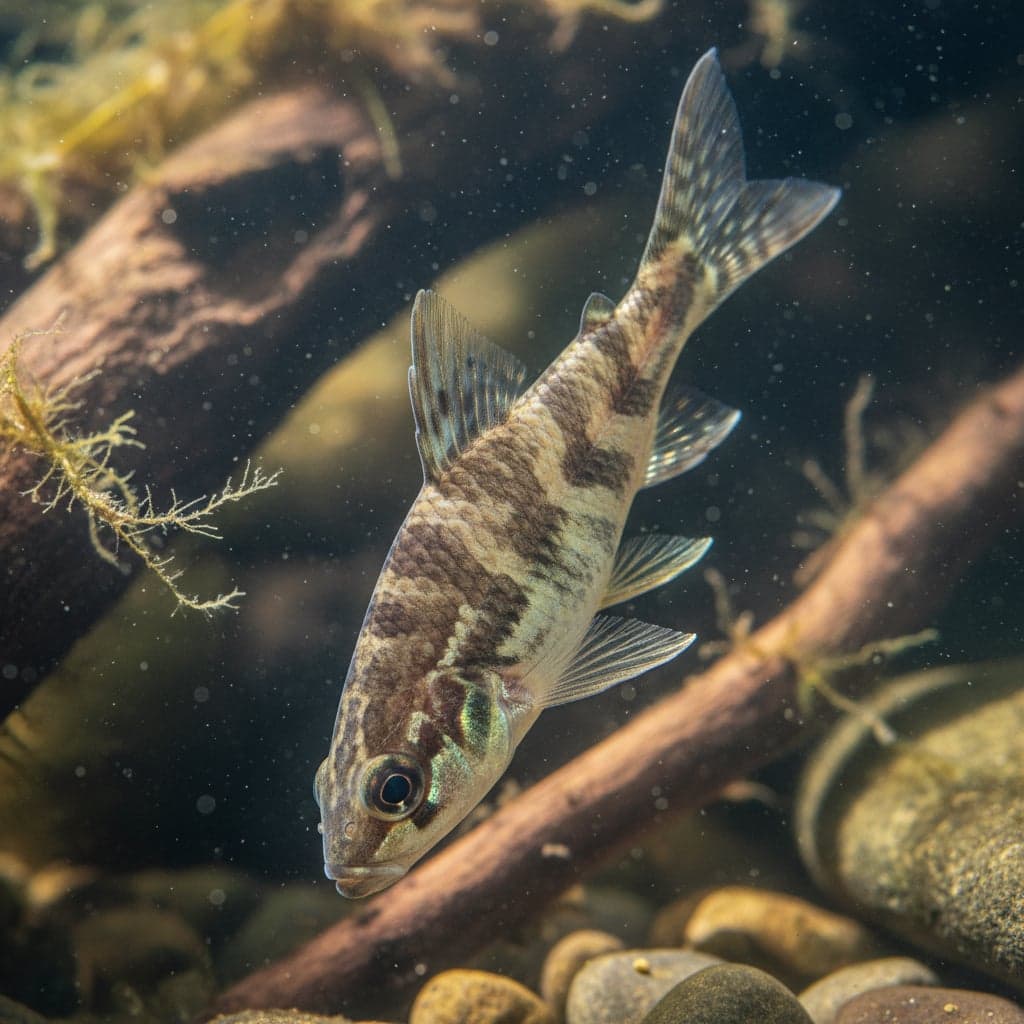
Marbled Headstander
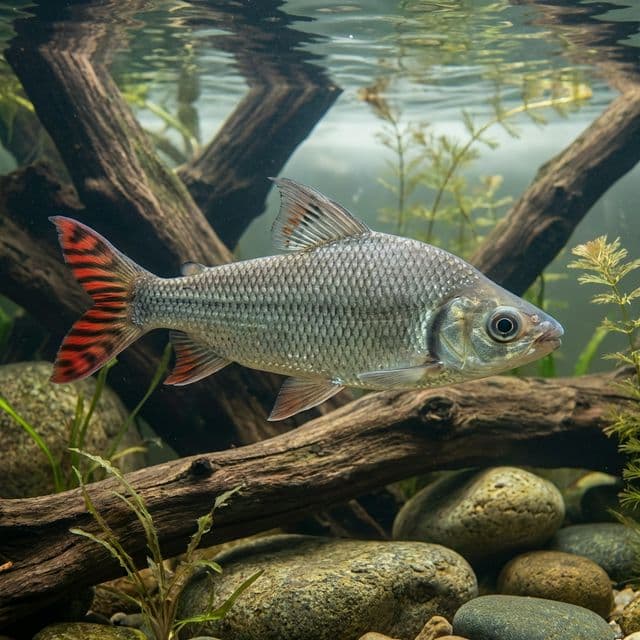
The Marbled Headstander (Abramites hypselonotus) is a captivating freshwater fish recognized for its unique swimming behavior and striking appearance. This species is characterized by its laterally compressed body, which is predominantly adorned with marbling patterns in shades of dark green, brown, and silvery blue. The striking coloration and unusual body shape give the Marbled Headstander an alluring visual appeal, making it a desirable choice for aquarists looking to enhance aesthetic value in community tanks. This fish exhibits a distinctive head-standing posture when resting, which adds an intriguing dynamic to its presence in the aquarium.
In the aquarium hobby, the Marbled Headstander holds significance not only for its beauty but also for its relatively peaceful nature and active behavior. Typically schooling in groups, these fish can create mesmerizing displays as they swim gracefully through the mid to upper levels of the tank. Their popularity among fish enthusiasts is also attributed to their suitability for larger community tanks, contributing to a vibrant underwater environment. Essentially, the Marbled Headstander serves as a captivating centerpiece in various aquascapes, attracting admiration from both novice and seasoned aquarists alike.
Natural Habitat & Origin
The Marbled Headstander is native to the waters of South America, particularly in the slow-moving rivers and streams of the Amazon Basin, where it is commonly found in Brazil and Peru. This species thrives in blackwater environments, which are characterized by low pH levels and high concentrations of humic acids from decaying leaf litter and organic matter. The Marbled Headstander prefers areas with ample submerged vegetation and driftwood, which provide both shelter and breeding opportunities. These natural settings create an intricate tapestry of habitats, underscoring the significance of replicating similar conditions in captivity to ensure the health and well-being of this species.
Aquarists seeking to keep the Marbled Headstander should aim to recreate its natural environment within their tanks. This includes providing dark substrates, ample hiding spots through plants and wood, and soft, diffused lighting to mimic the subdued illumination of its native habitat. Meeting these environmental preferences not only contributes to the overall aesthetic but also fosters a sense of security for the fish, allowing it to exhibit more natural behaviors.
Care Requirements
To successfully keep the Marbled Headstander, specific water parameters should be maintained. Ideal pH levels range from 5.5 to 7.0, with a temperature range of 24°C to 28°C (75°F to 82°F) and soft to moderately hard water (2 to 10 dGH). Regular water changes and a well-maintained filtration system are essential to ensure optimal water quality, given this species’ sensitivity to poor conditions. In terms of tank setup, a minimum aquarium size of 200 liters (approximately 53 gallons) is recommended to accommodate a small school of these fish, as they are highly social and thrive in groups.
The substrate should be soft and dark to emulate their natural habitat, while the tank should be embellished with plenty of hiding spots, including live plants like Amazon swords or Java ferns, and driftwood to create a more natural and enriching environment. Moderate lighting is preferred as it mimics the dappled sunlight found in their native habitats, thereby reducing stress for the Marbled Headstander. An appropriate tank setup will create a welcoming atmosphere that promotes healthy growth and vibrant colors in these elegant fish.
Diet & Feeding
Marbled Headstanders are omnivorous, enjoying a diverse diet that contributes to their health and vibrancy. In captivity, a well-balanced diet should include high-quality flake food, sinking pellets, and a variety of frozen or live foods such as bloodworms, brine shrimp, and daphnia. Routine feeding should occur two to three times a day, allowing these fish to forage and graze, mimicking their natural feeding behavior. Supplementing their diet with plant matter like spirulina or blanched vegetables can further enrich their nutritional intake, enhancing their well-being.
It's essential to provide variety in their diet to promote vibrant coloration and optimal growth. Care should be taken not to overfeed, as uneaten food can degrade water quality. By maintaining a balanced and diverse diet, aquarists can ensure the Marbled Headstander thrives in captivity, displaying its natural beauty and active behavior.
Behavior & Temperament
The Marbled Headstander is known for its inquisitive and active behavior, commonly found swimming in the upper and middle levels of the aquarium. They are social fish that prefer to be kept in groups of five or more, which helps to reduce stress and enhances their schooling behavior. In a tank setup, they exhibit a unique head-standing posture, especially when resting or observing their surroundings, which adds to the charm of keeping this species.
These fish are generally peaceful, although they can occasionally show some territorial behavior, particularly during feeding. Providing ample space and hiding spots in the aquarium helps reduce any potential aggression. Their schooling tendencies mean they feel most secure and confident when in the company of their own kind, and this social behavior not only contributes to their well-being but also creates a dynamic viewing experience for aquarists.
Tank Mates
When selecting tank mates for the Marbled Headstander, it is important to choose compatible species that can coexist peacefully in a community setup. Ideal tank mates include larger tetras, rasboras, danios, and peaceful cichlids. Fish that swim at different levels and share similar care requirements will help create a balanced aquarium environment. Species such as the Neon Tetra, Cherry Barb, and Gourami are excellent companions.
Conversely, aggressive or overly territorial fish should be avoided, as they may stress the Marbled Headstander and disrupt their schooling behavior. Fish like bettas, certain cichlid species (e.g., African cichlids), or any fin-nippers should not be housed with Marbled Headstanders. Careful selection of tankmates will ensure a harmonious aquarium ecosystem, allowing each species to thrive.
Breeding
Breeding the Marbled Headstander in captivity can be a challenging yet rewarding endeavor. They are often best bred in a separate spawning tank that mimics their natural environment, providing soft, dim lighting and plenty of plants for cover. The ideal conditions for breeding require water parameters to be adjusted slightly, with a slightly higher temperature range of 26°C to 30°C (79°F to 86°F) and a lower pH level.
During spawning, male Marbled Headstanders display courtship behaviors, which may include chasing and showing off their vibrant colors. Once a pair has formed, they will bind themselves to a flat surface or the leaves of live plants where the female can lay eggs. After spawning, it is crucial to remove the adults, as they may consume the eggs. The eggs typically hatch within a couple of days, and feeding with infusoria or finely crushed flake food can help nurture the fry during their early development stages.
Common Health Issues
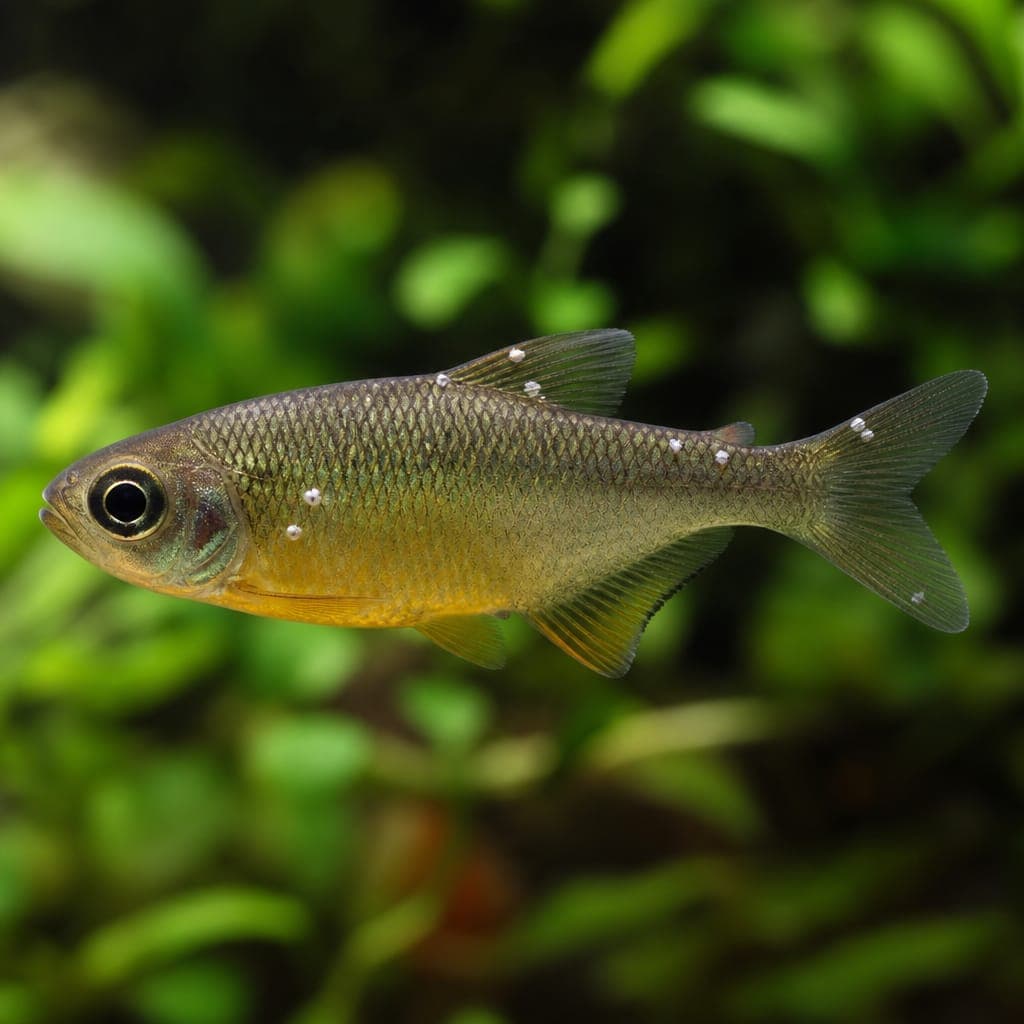
Like many freshwater fish, Marbled Headstanders can be susceptible to certain health issues, including ich (Ichthyophthirius multifiliis), fin rot, and various stress-related conditions. Maintaining optimal water quality is crucial in preventing these ailments, as poor conditions often lead to outbreaks of diseases. Regular water testing, routine maintenance, and preventive care practices are vital for their longevity.
To prevent common diseases, ensure that any new fish are quarantined before introducing them to the main tank, and offer a varied diet that supports a strong immune response. Watch for white spots, frayed fins, clamped fins, or sudden lethargy, and treat promptly with aquarium-safe medications in a quarantine setup. Keep water soft and clean, avoid overcrowding, and perform consistent water changes so Marbled Headstanders stay active, vividly patterned fish that thrive for years in a planted South American community aquarium.