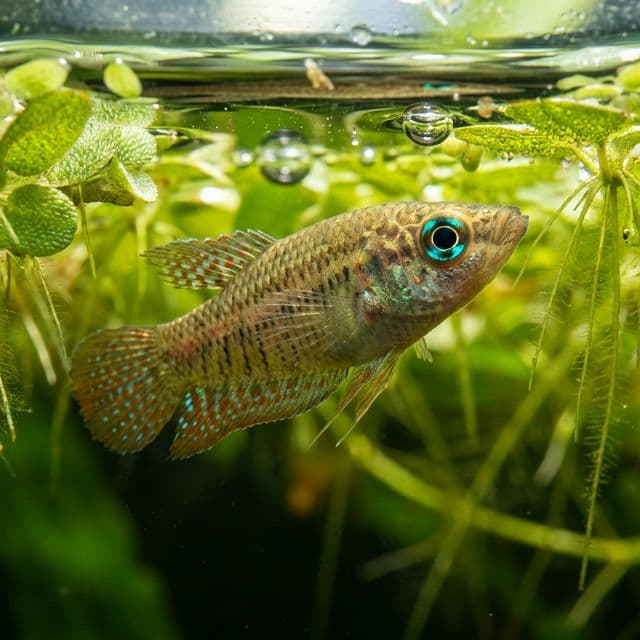
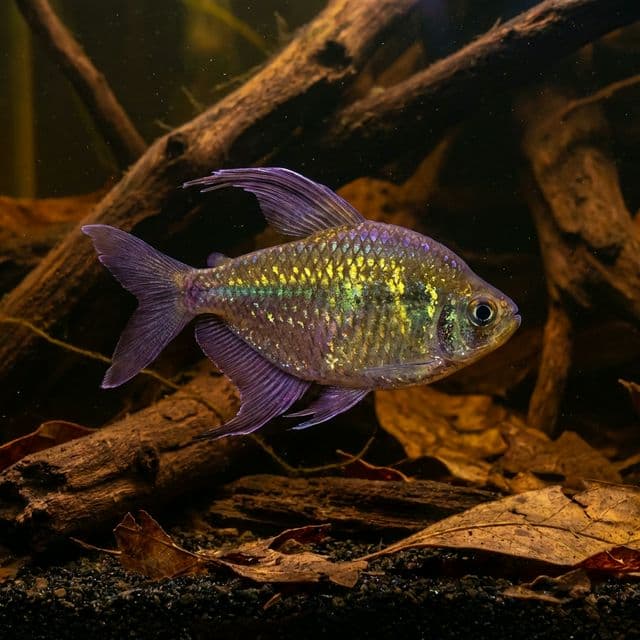
Maroni Cichlid: Cleithracara maronii
Often called the Keyhole Cichlid. A famously shy, incredibly peaceful cichlid from South America.
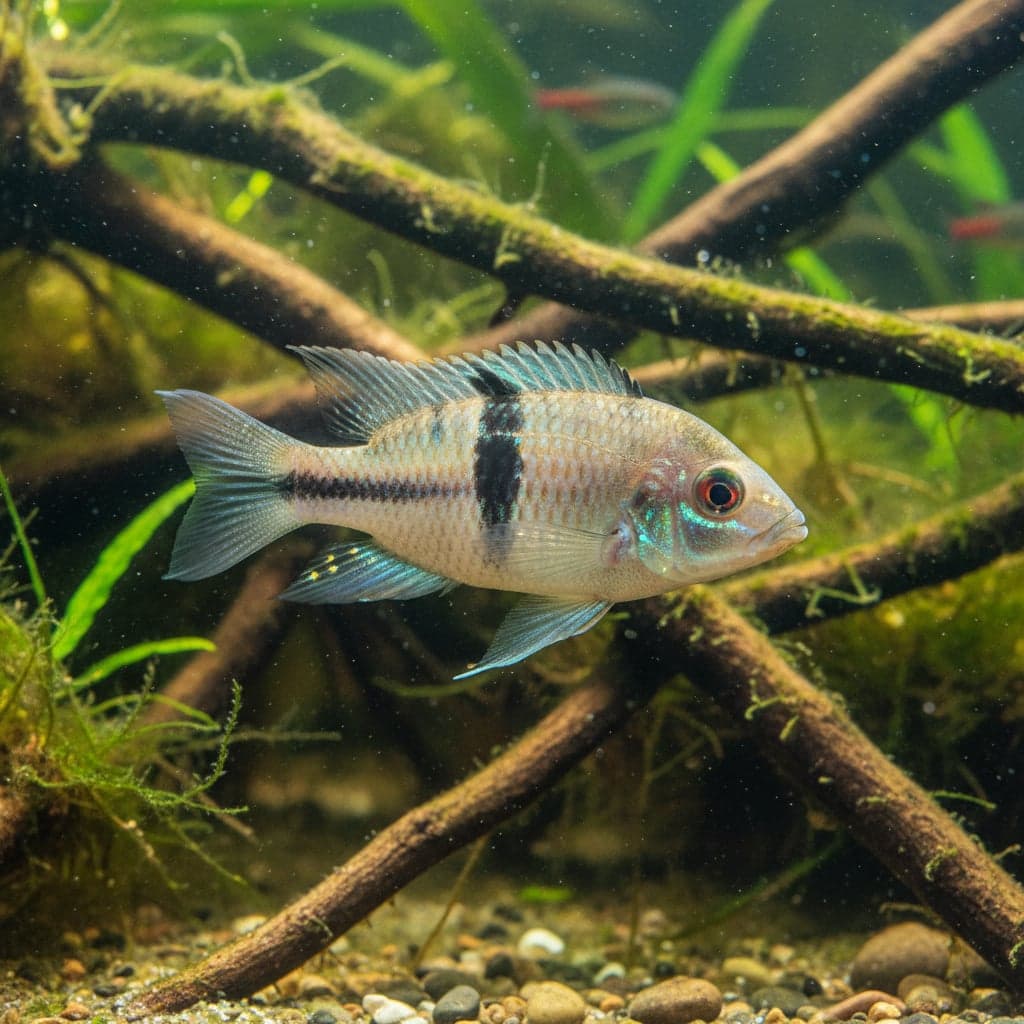
Maroni Cichlid
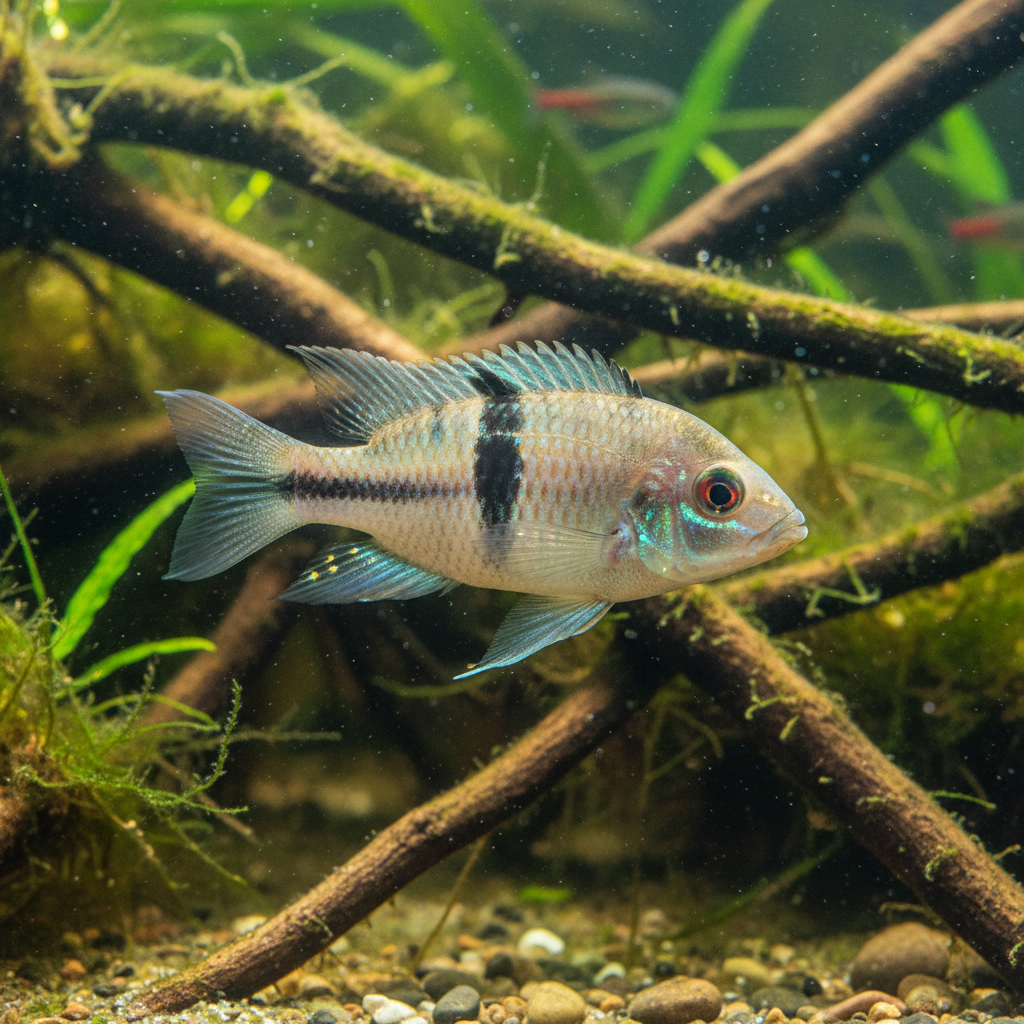
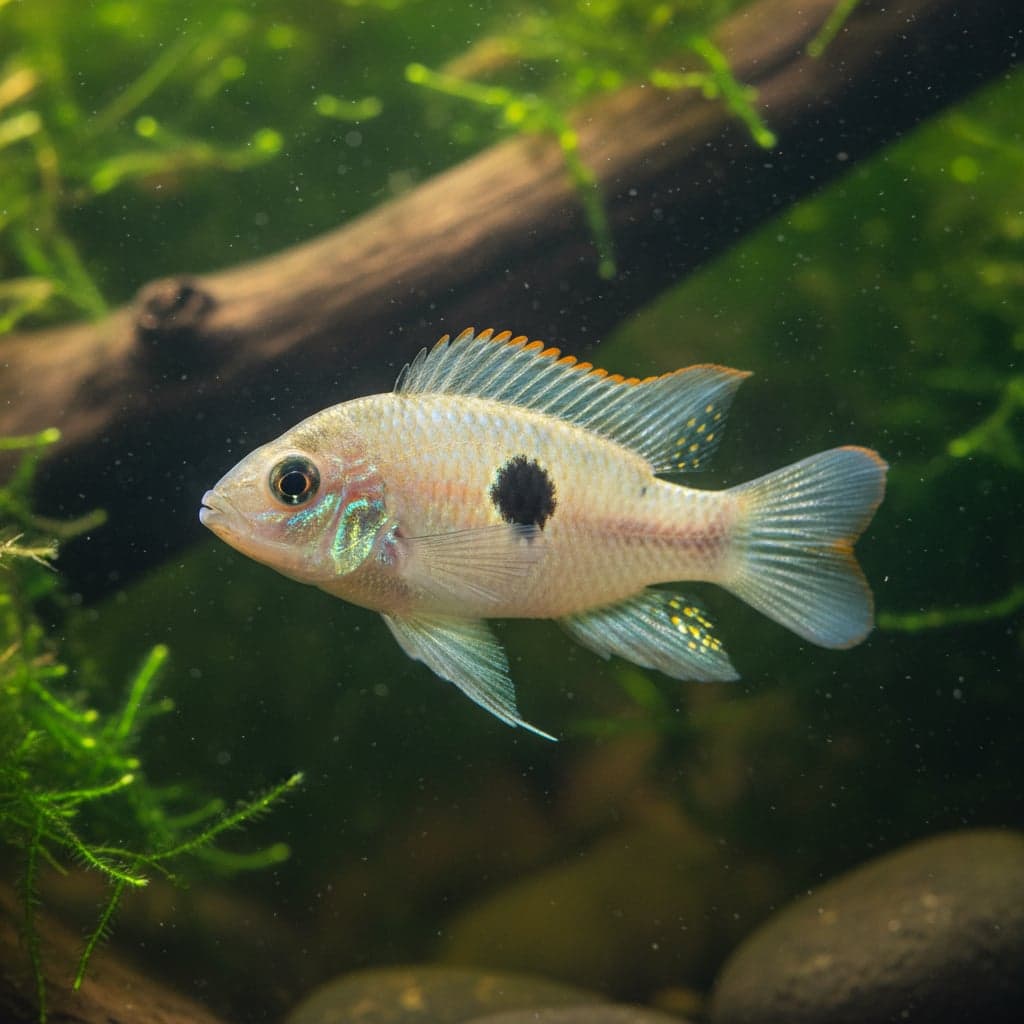
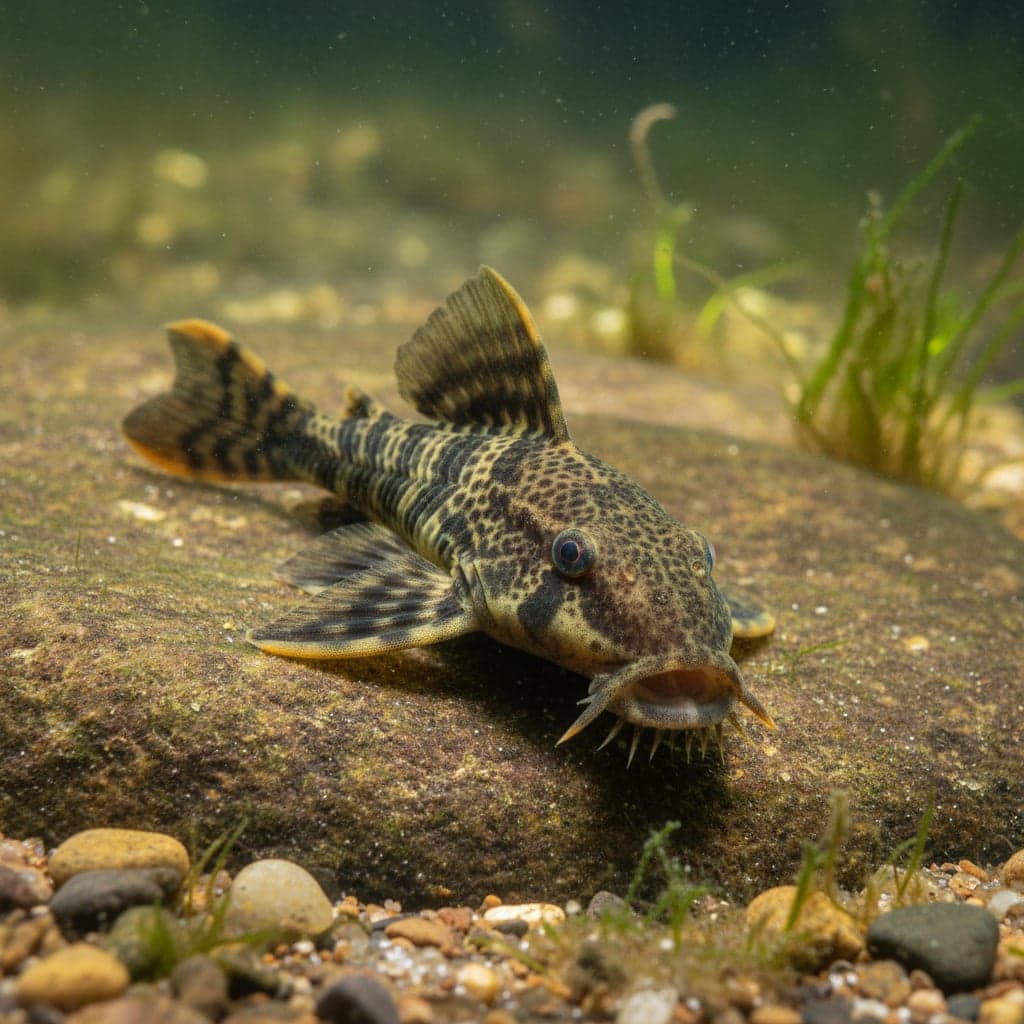
The Maroni Cichlid, scientifically known as Cleithracara maronii, is a captivating freshwater fish that enchants aquarium enthusiasts with its stunning appearance and intriguing behavior. This cichlid is characterized by its striking coloration, typically showcasing a blend of deep green and yellowish patterns that mimic the natural environment these fish inhabit. Their bodies are adorned with dark vertical stripes, adding to their allure and making them a popular choice among aquarists. Not only do they possess a unique aesthetic appeal, but they also play a significant role in the aquarium hobby as a peaceful species that thrives in community settings, making them ideal for a variety of tank configurations.
With a penchant for exploration and interaction, Maroni Cichlids exhibit an inquisitive nature that captivates observers. They are primarily known for their engaging behaviors, such as their territoriality during mating and their affectionate interactions with tank mates, which can provide a dynamic viewing experience. Their unique combination of beauty, charming personality, and compatibility with various species has garnered them a dedicated following within the aquarium community, further solidifying their significance in freshwater aquarium setups.
Natural Habitat & Origin
The Maroni Cichlid is indigenous to the waterways of the Amazon Basin in South America, where it thrives in specific ecological conditions. This species typically resides in slow-moving rivers and streams with a prevalence of dense vegetation, providing both shelter and forage. The waters in these regions are often characterized as blackwater, consisting of tannin-stained water with low mineral content and varying pH levels, generally around 5.5 to 7.0. The combination of soft, acidic water and shaded environments from overhanging branches contributes to the unique stress-free habitat that nurtures these fish.
In their natural setting, Maroni Cichlids are often found near submerged logs and leaves, which serve as both foraging grounds for food and safe havens from potential predators. Understanding their natural habitat not only gives aquarists insight into replication of suitable tank conditions but also enriches their experience of keeping these captivating fish.
Care Requirements
To ensure the successful keeping of Maroni Cichlids, specific water parameters must be maintained. Ideal conditions include a temperature range of 24-28°C (75-82°F), a pH between 6.0 and 7.5, and water hardness of around 5-15 dGH. These parameters replicate their natural aquatic environment and promote the fish's health and well-being. Maroni Cichlids thrive in a spacious aquarium of at least 75 gallons, allowing them room to swim and establish territories, especially during breeding.
When setting up the tank, it is essential to use a soft substrate such as sand or fine gravel, which is easier on their delicate bodies. The aquarium should also include plenty of hiding places made from driftwood, rocks, and live plants to mimic their natural habitat. Lighting should be moderate, simulating the dappled sunlight found in their Amazonian environment. Plants like Java Fern, Anubias, and Cryptocoryne add aesthetic value while providing shelter and grazing surfaces.
Diet & Feeding
Maroni Cichlids are classified as omnivores, meaning their diet consists of both plant and animal matter. In captivity, they thrive on a varied diet of high-quality flakes, micro pellets, and frozen or live foods such as brine shrimp, bloodworms, and daphnia. It’s advisable to include vegetable-based foods—like spirulina flakes or blanched vegetables—to cater to their herbivorous tendencies. Feeding them a diverse diet not only enhances their color but is also crucial for their overall health and longevity.
To ensure proper nutrition, it is recommended to feed them small amounts 2-3 times a day, allowing them to consume what they can within a few minutes. This strategy not only prevents overfeeding but also mimics their natural foraging behavior, promoting a more active lifestyle.
Behavior & Temperament
Maroni Cichlids are generally considered peaceful and relatively sociable fish, making them an excellent addition to community tanks. While they do exhibit some territoriality during breeding, they tend to be less aggressive compared to other cichlids, especially when provided with plenty of hiding spots and adequate space. They usually prefer to occupy the lower and mid-levels of the aquarium, often seen exploring and foraging among plants and substrate.
In terms of schooling habits, Maroni Cichlids can be kept in small groups but are known to thrive best when kept in pairs. They can display playful interactions with other tank inhabitants and are generally less confrontational, favoring a harmonious environment. However, care should be taken when introducing new companions, as individual personalities may vary.
Tank Mates
When selecting tank mates for Maroni Cichlids, it is vital to choose species that can coexist peacefully. Compatible tank mates include tetras, rasboras, cherry barbs, guppies, and larger danios. These species complement the semi-aggressive nature of the Maroni Cichlid while avoiding triggering territorial disputes.
Species to avoid include more aggressive cichlids or particularly nippy fish, such as zebra danios or tiger barbs, as these can annoy Maroni Cichlids, leading to undue stress or aggression. Additionally, smaller fish or those that inhabit the same territorial zones may fall victim to the Maroni Cichlids’ breeding instincts and inherent territorial nature.
Breeding
Breeding Maroni Cichlids can be a rewarding experience, given the right conditions and environment. To encourage spawning, it’s essential to provide a separate breeding tank with similar water parameters to their main habitat. Breeding typically occurs in a well-cared-for substrate, with flat, smooth surfaces such as rocks or specific spawning decorations placed strategically for egg laying.
Once spawning begins, the female will deposit eggs—often numbering in the hundreds—while the male fertilizes them. Both parents play a role in protecting the eggs and fry once they hatch, showing a nurturing behavior that adds to their appeal as community species. Maintaining optimal water quality and providing a high-protein diet during this time can significantly enhance breeding success.
Common Health Issues
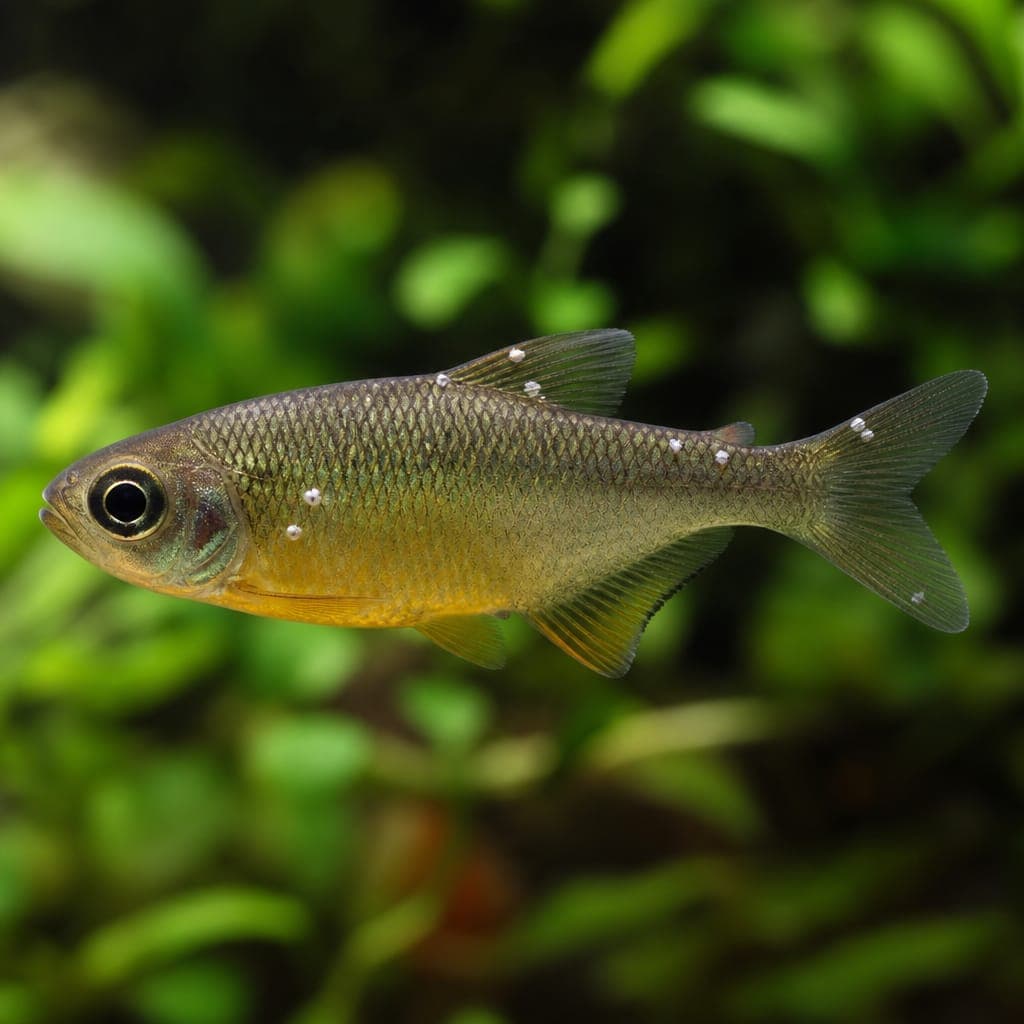
Maroni Cichlids can be vulnerable to several common health issues, especially if water quality is not meticulously managed. They may suffer from ailments such as ich (white spot disease), fin rot, and velvet disease, which can stem from stress or poor water conditions. Regular water changes, maintaining stable parameters, and ensuring proper tank hygiene are critical in preventing these diseases.
Additionally, offering a balanced diet rich in vitamins and minerals can bolster their immune systems, enabling them to better resist illness. Regular monitoring for signs of distress or illness—such as changes in behavior, lethargy, or noticeable changes in skin and fins—is vital in ensuring your Maroni Cichlid remains a healthy part of your aquarium community.