Mata Tang
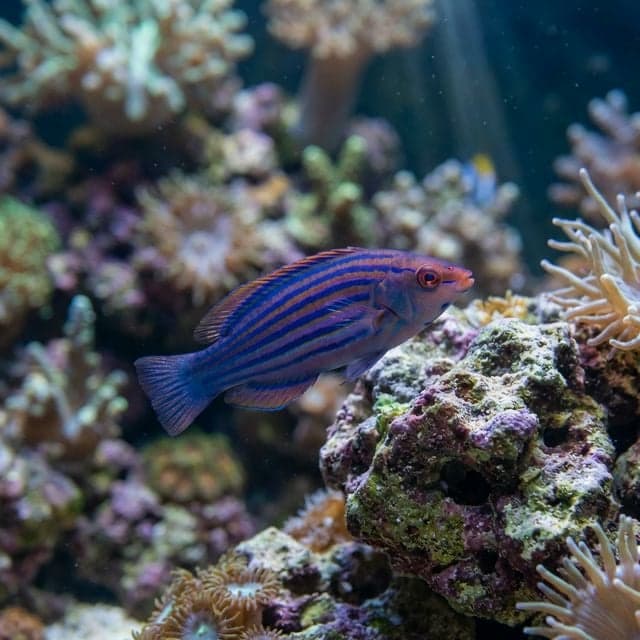
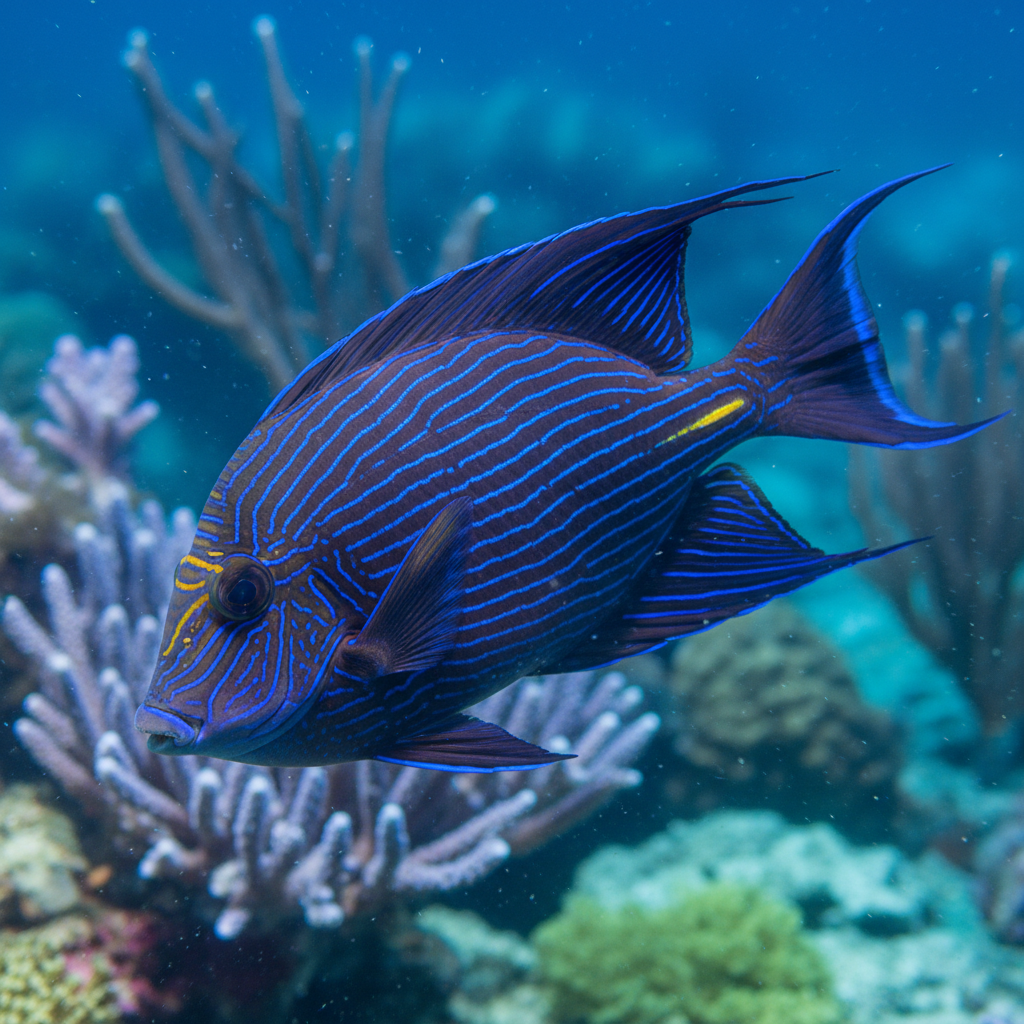
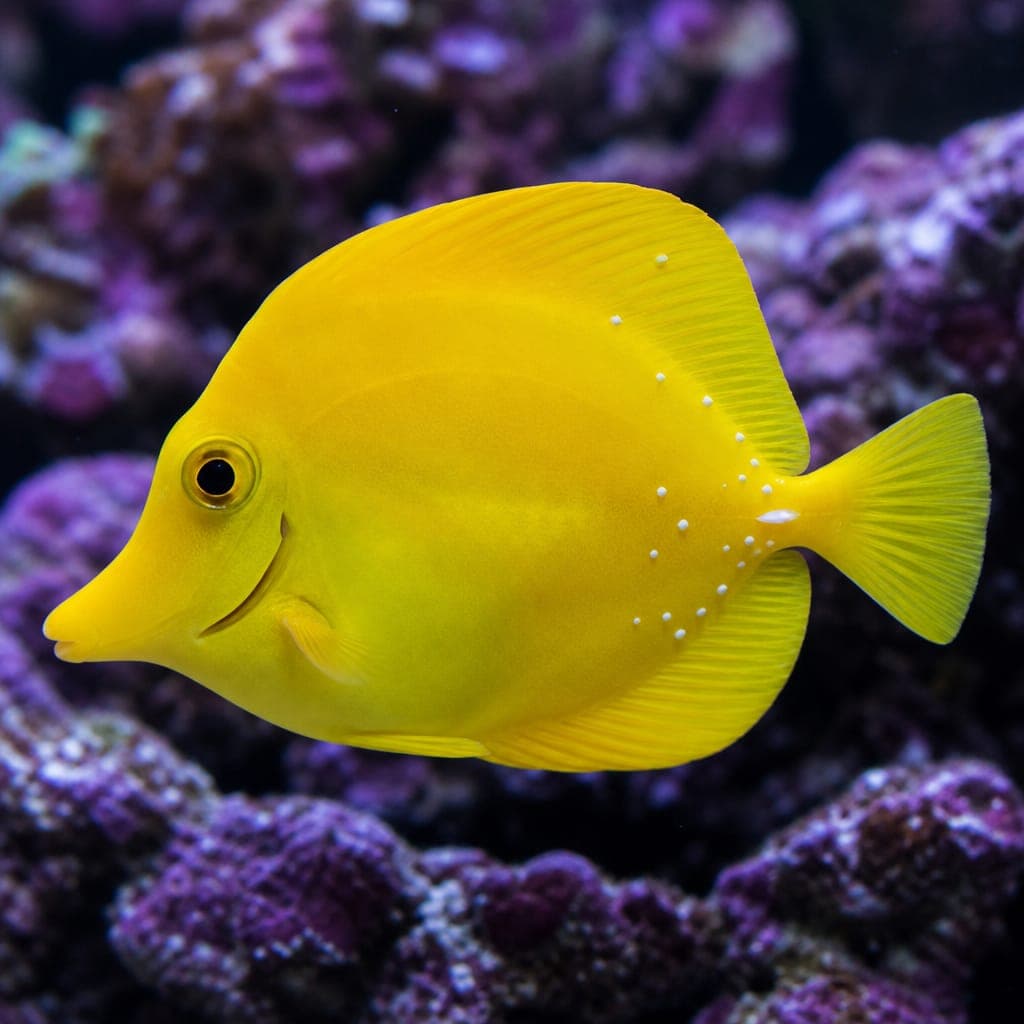
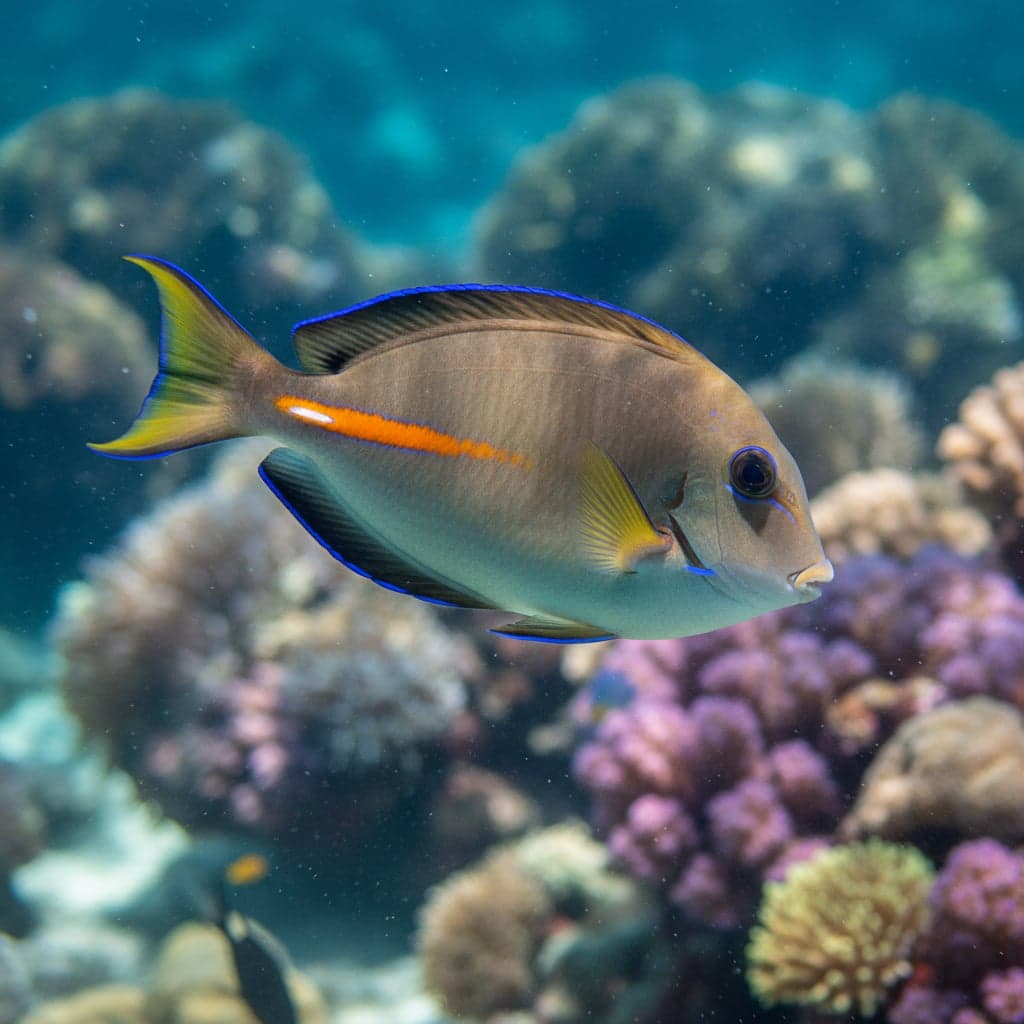
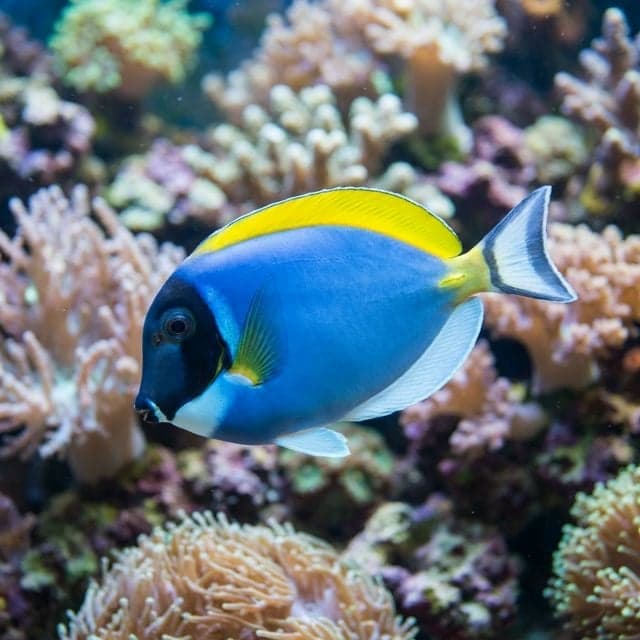
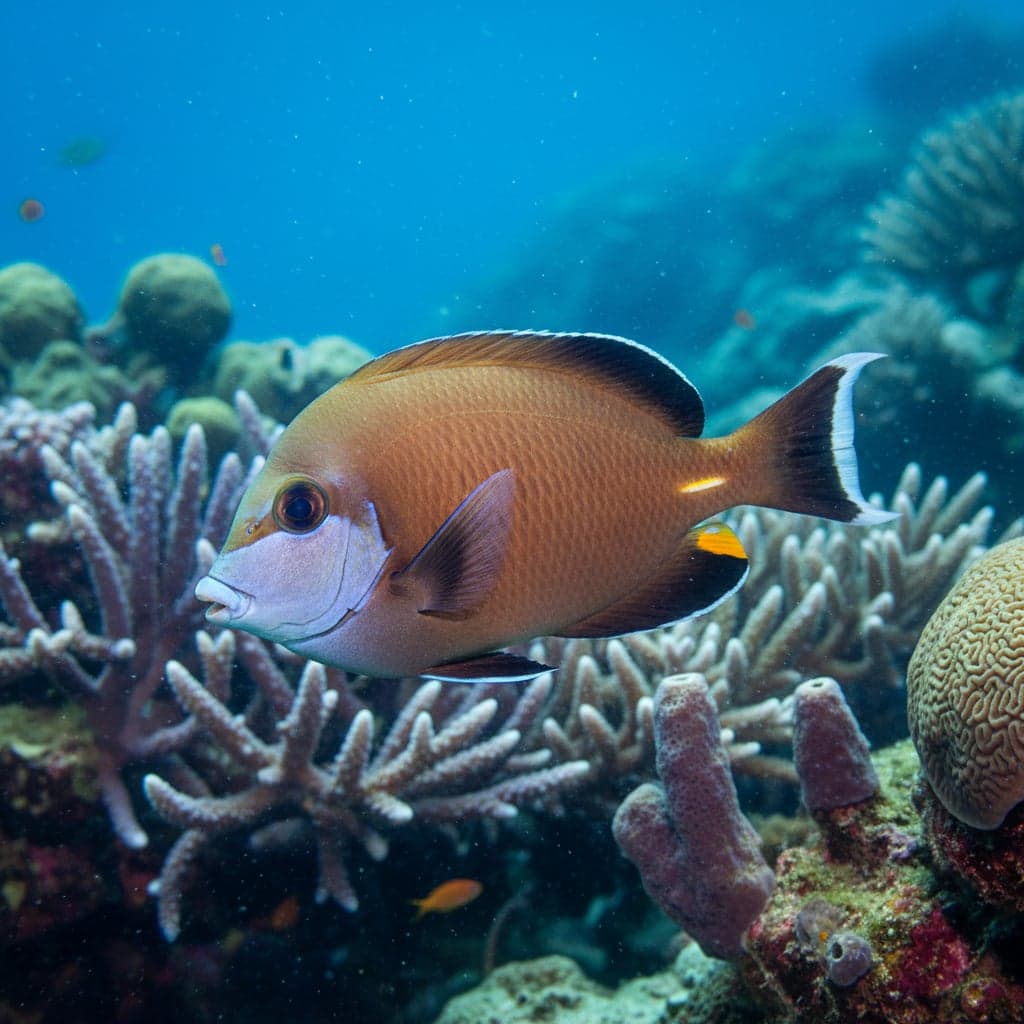
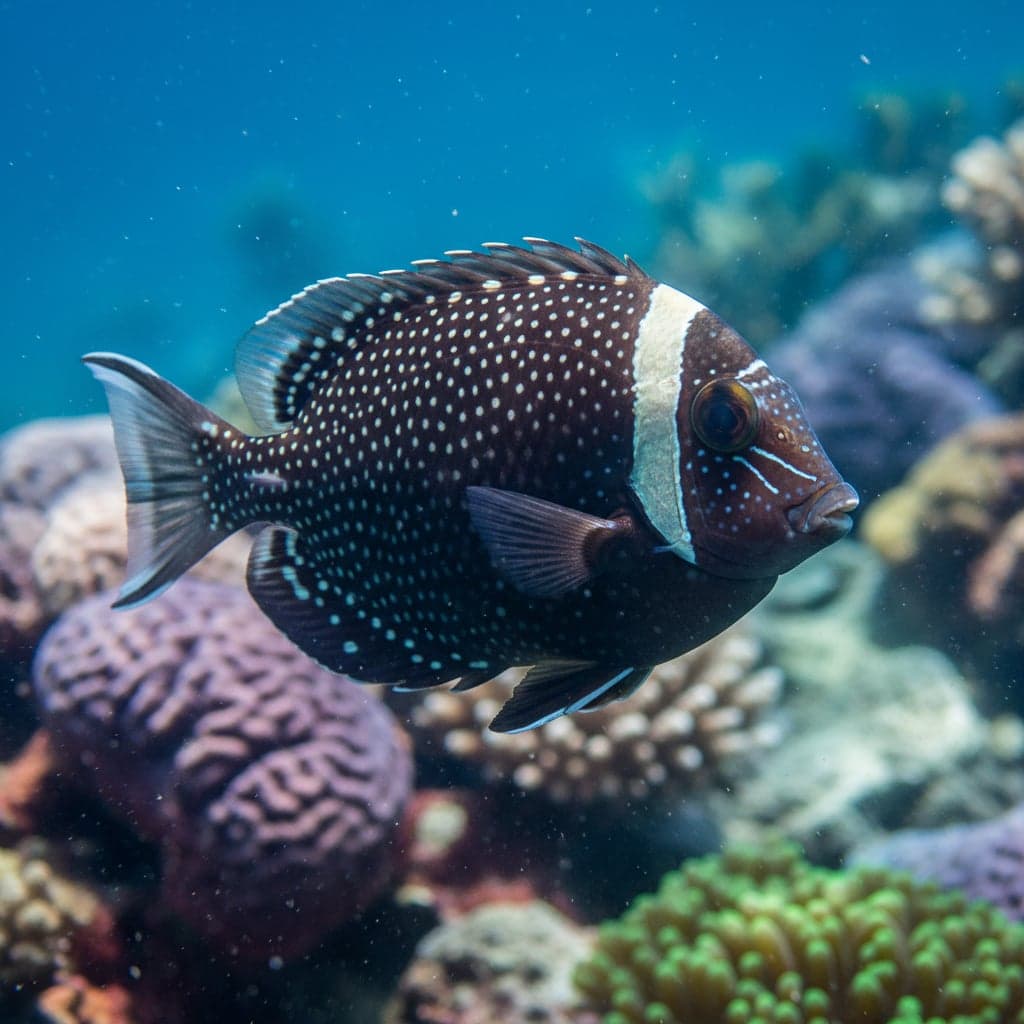
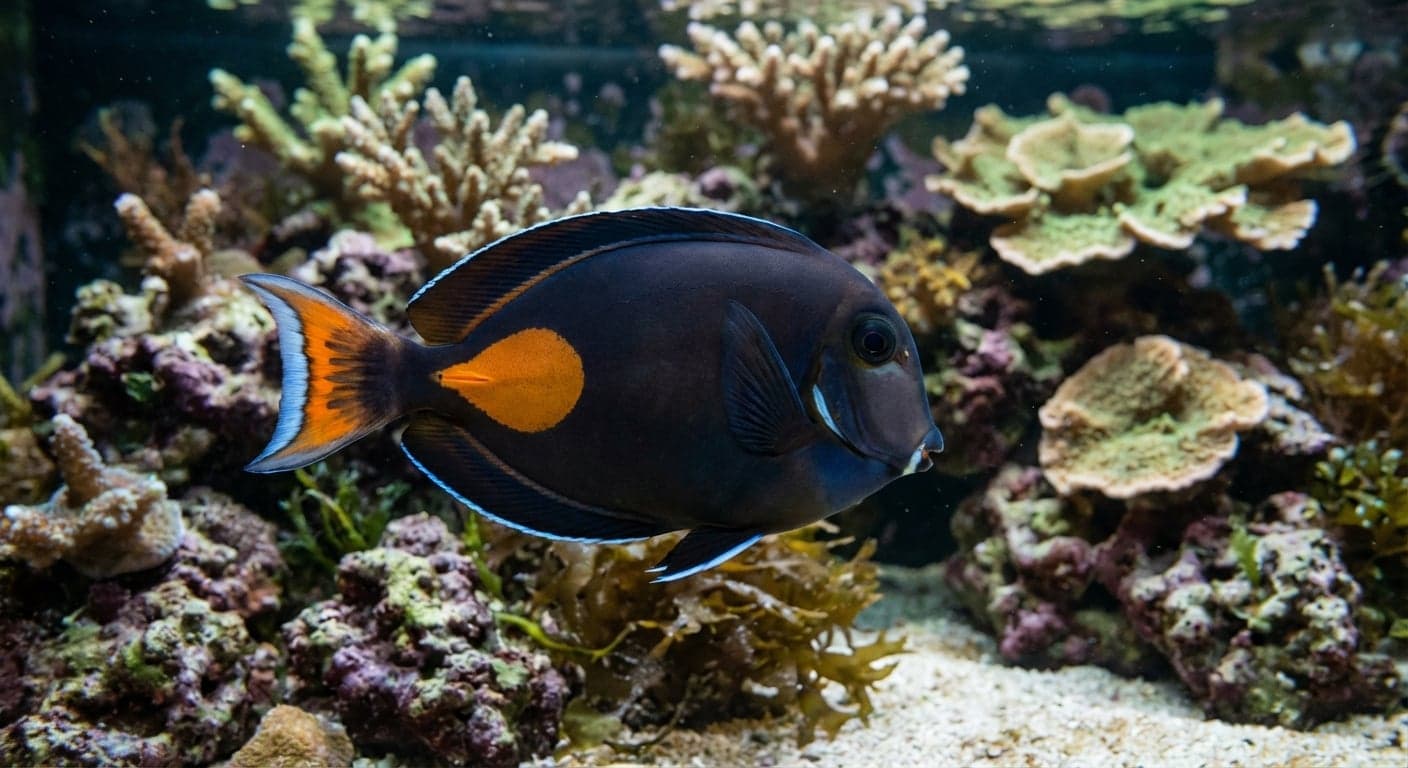
A 50cm tang that far outgrows the tanks it is sold for. Needs 1,500L+, heavy algae grazing and very strong flow.

Mata Tang
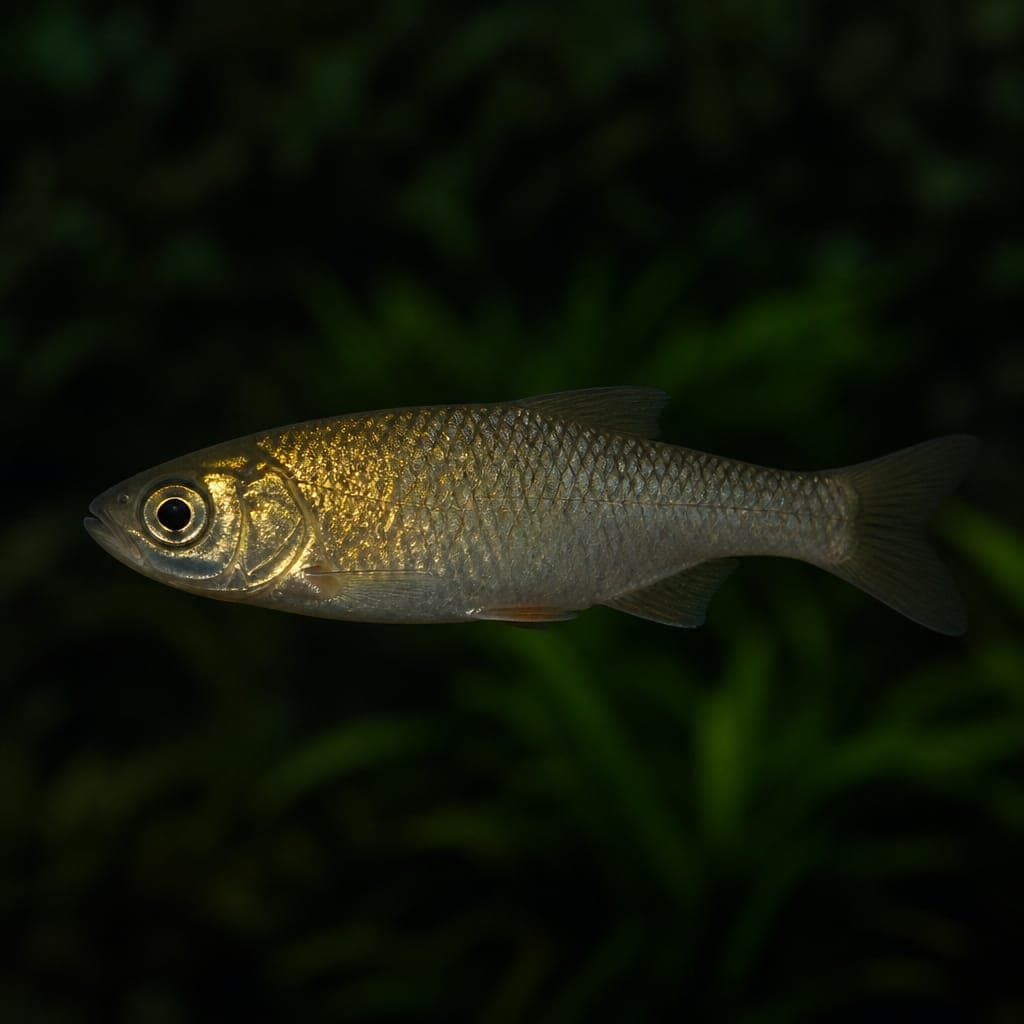
The Mata Tang, also known as the "Mata Tangsus" or "Giant Betta," is an exotic freshwater fish that has gained immense popularity among aquarium enthusiasts due to its striking appearance and unique characteristics. This vibrant species is admired for its elongated body and fins, which exhibit an array of vivid colors ranging from blues and reds to shimmering metallics. The Mata Tang is not just visually captivating; it also possesses a dynamic personality that brings life to any aquarium. Its gentle demeanor and breathtaking beauty make it a favorite among both novice and experienced aquarists alike.
In addition to its aesthetic appeal, the Mata Tang holds significance in the aquarium hobby due to its relatively easy care requirements and compatibility with other fish. This species serves as an excellent entry point for those looking to dive into the world of bettas—offering a stunning alternative to the more commonly known Betta splendens. The Mata Tang's unique biology and reproductive behaviors also provide fascinating opportunities for observation and study, making it a rewarding addition to one’s collection.
Natural Habitat & Origin
The Mata Tang originates from the slow-moving rivers and floodplains of Southeast Asia, particularly in regions such as Malaysia and Indonesia. They thrive in soft, acidic waters commonly referred to as blackwater environments, which are rich in organic materials from decaying plant matter. This unique habitat is characterized by dark, stained waters resulting from tannins leaching into the substrates, creating an environment that nourishes a diverse range of flora and fauna.
As a species adapted to such specific conditions, the Mata Tang has evolved to flourish in waters with a pH ranging from 5.5 to 7.0 and temperatures averaging 25-28°C (77-82°F). Understanding its natural habitat is crucial for aquarium enthusiasts looking to replicate these conditions for optimal health and well-being.
Care Requirements
For successful cultivation of the Mata Tang in captivity, particular attention must be given to water parameters and tank setup. Maintaining a stable pH between 5.5 and 7.0 and a water hardness of 2-12 dGH is essential to replicate its natural blackwater habitat. The recommended temperature range is 25-28°C (77-82°F), with consistent monitoring to avoid fluctuations, ensuring the fish remains healthy and active.
In terms of tank setup, a minimum tank size of 1500 litres (400 gallons) is recommended for this 50cm Acanthurus mata — a large tang that far outgrows typical sales tanks and needs open swimming room plus strong flow. Utilize a soft substrate, like sand or fine gravel, which mimics its natural environment and prevents injury. Lighting should be moderate, creating a dim ambiance that mimics the dappled light of the fish’s riverside habitat. Caves, driftwood, and a variety of live plants, such as Amazon swords and Java ferns, not only enhance aesthetics but also offer hiding and spawning spots.
Diet & Feeding
The Mata Tang is an omnivorous species with a varied diet consisting of both plant-based and protein-rich foods. To ensure proper nutrition, it is recommended to provide a mix of high-quality flakes, pellets, frozen foods (like bloodworms and brine shrimp), and occasional live foods. This diverse diet will support their health, color, and overall vitality. It's essential to feed in moderation, offering small portions one to two times a day to prevent overfeeding and water quality issues.
Since Mata Tang fish are also known to be surface feeders, sinking pellets and granules should be supplemented to ensure they receive adequate nutrition throughout the tank. Quality is key; choose high-protein foods to promote growth and maintain their vibrant coloration.
Behavior & Temperament
The Mata Tang is generally a peaceful fish, exhibiting friendly social behavior, especially when kept in a suitable community tank setting. They prefer to be in small groups but can also thrive as solitary specimens. These fish are known for their schooling tendencies, which can be encouraged by keeping them in groups of three to five. They exhibit fascinating interactions with companions, establishing a well-defined hierarchy among their peers.
In terms of aggression, the Mata Tang is less territorial compared to its relatives, but caution should still be exercised when housing them with other species. Typically, they occupy the mid to upper regions of the tank, demonstrating curious and active behaviors. Observing their swimming patterns and interactions can be an enriching experience for aquarists.
Tank Mates
When considering compatible tank mates, the Mata Tang pairs well with other peaceful species such as neon tetras, rasboras, and small corydoras catfish. It is essential to select fish that occupy different levels of the tank and share similar water parameters. Avoid housing them with overly aggressive species like cichlids or fin-nipping fish, as this can lead to stress and injury.
Suitable tank mates include:
- Neon Tetras
- Harlequin Rasboras
- Corydoras Catfish
- Guppies
- Zebra Danios
Fish to avoid include:
- Aggressive cichlids
- Larger barbs (e.g., Tiger Barbs)
- Other Betta species (due to territorial disputes)
Breeding
Breeding the Mata Tang can be a rewarding experience, but it does require specific spawning conditions. To encourage breeding behavior, set up a separate breeding tank with ample plants for cover, along with a gentle filtration system. The water should be slightly warmer, around 28-30°C (82-86°F), and water parameters should mimic their natural habitat, with a pH between 6.0-6.5.
Spawning typically occurs when a male displays courtship behaviors, and a bubble nest is formed at the surface. After successful spawning, the female should be removed to prevent aggressiveness from the male, who will tend to the eggs. With proper care and patience, aquarists can successfully raise the fry when they hatch, requiring specialized feeding until they can consume finely crushed flakes or infusoria.
Common Health Issues
While the Mata Tang is generally hardy, they are still susceptible to common freshwater fish illnesses such as ich, fin rot, and velvet disease. Regular water changes, maintaining stable water quality, and providing a balanced diet are key in preventing these health issues. Additionally, be observant of signs of stress or disease, including changes in coloration, appetite decrease, or unusual swimming behavior.
To promote good health, ensure to quarantine new arrivals before introducing them to the main tank, minimize stress by avoiding overcrowding, and promptly address any water quality issues. Implementing these preventative strategies will significantly enhance the lifespan and well-being of your Mata Tang.