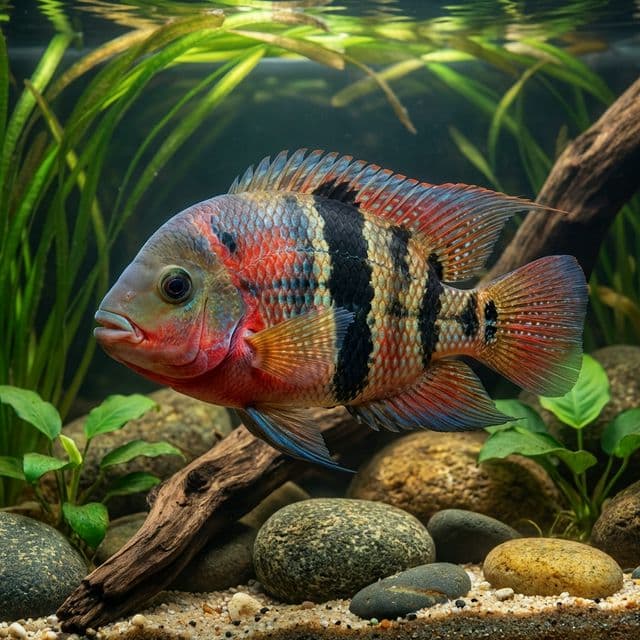
The Mbu Puffer: Tetraodon mbu
The giant of the puffer world. A massive, intelligent freshwater puppy that requires an enormous tank and a specialized diet.
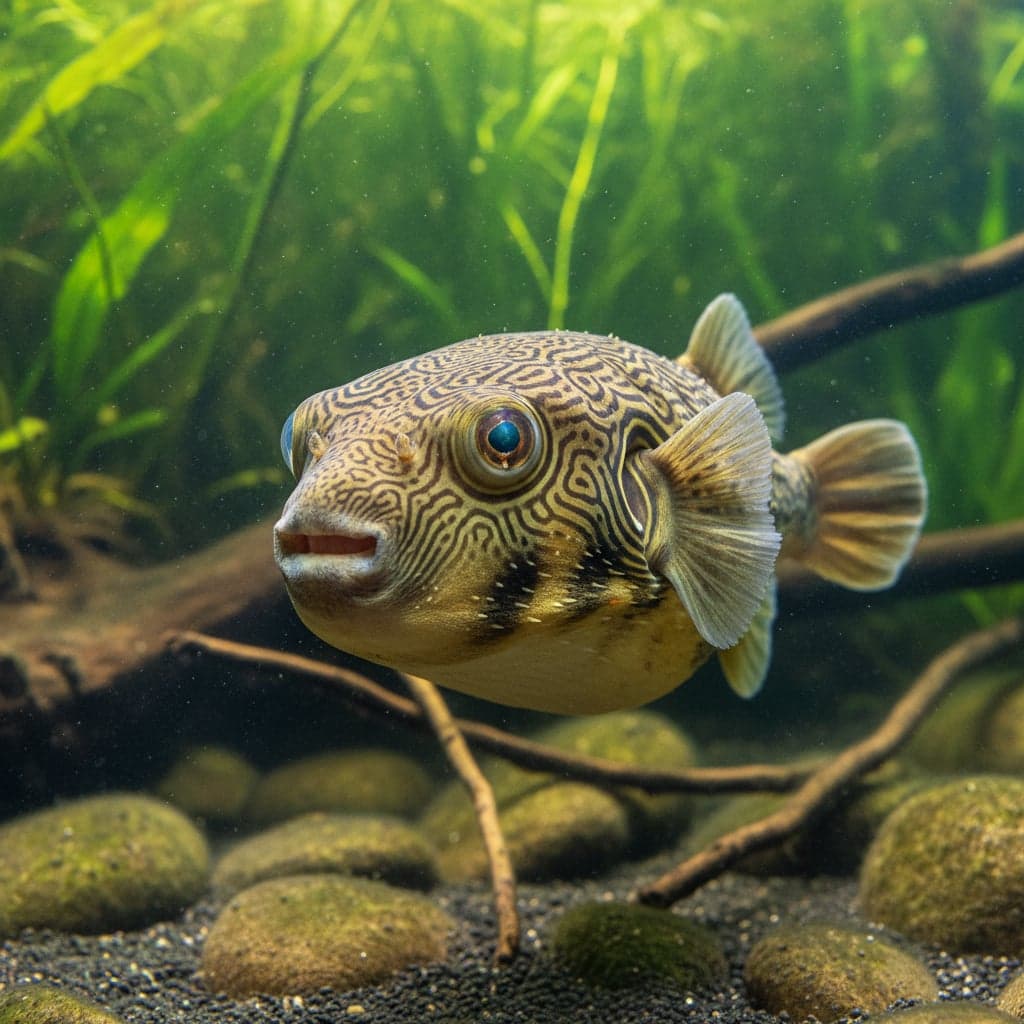
Mbu Puffer
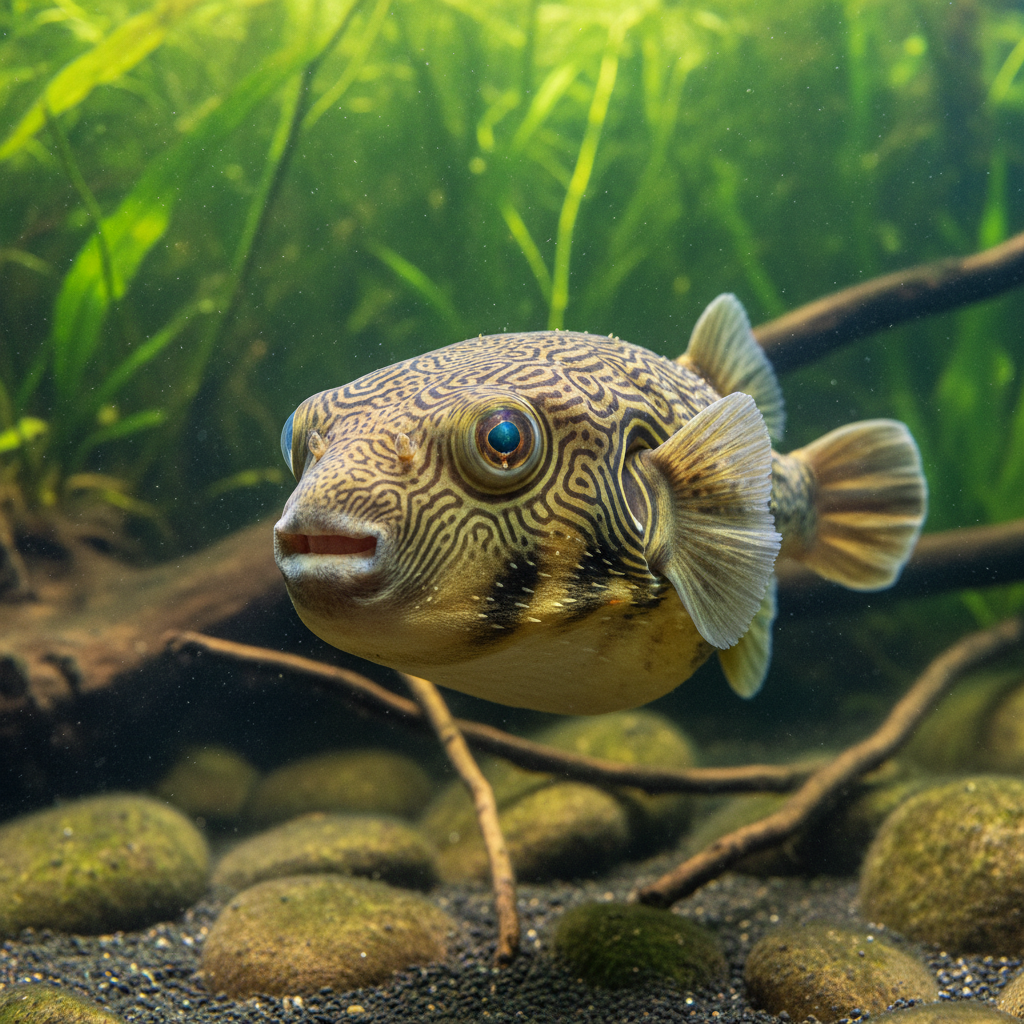
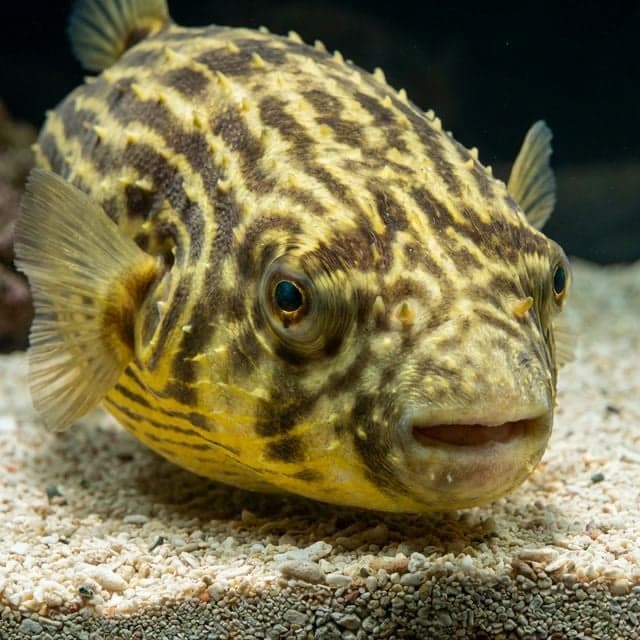
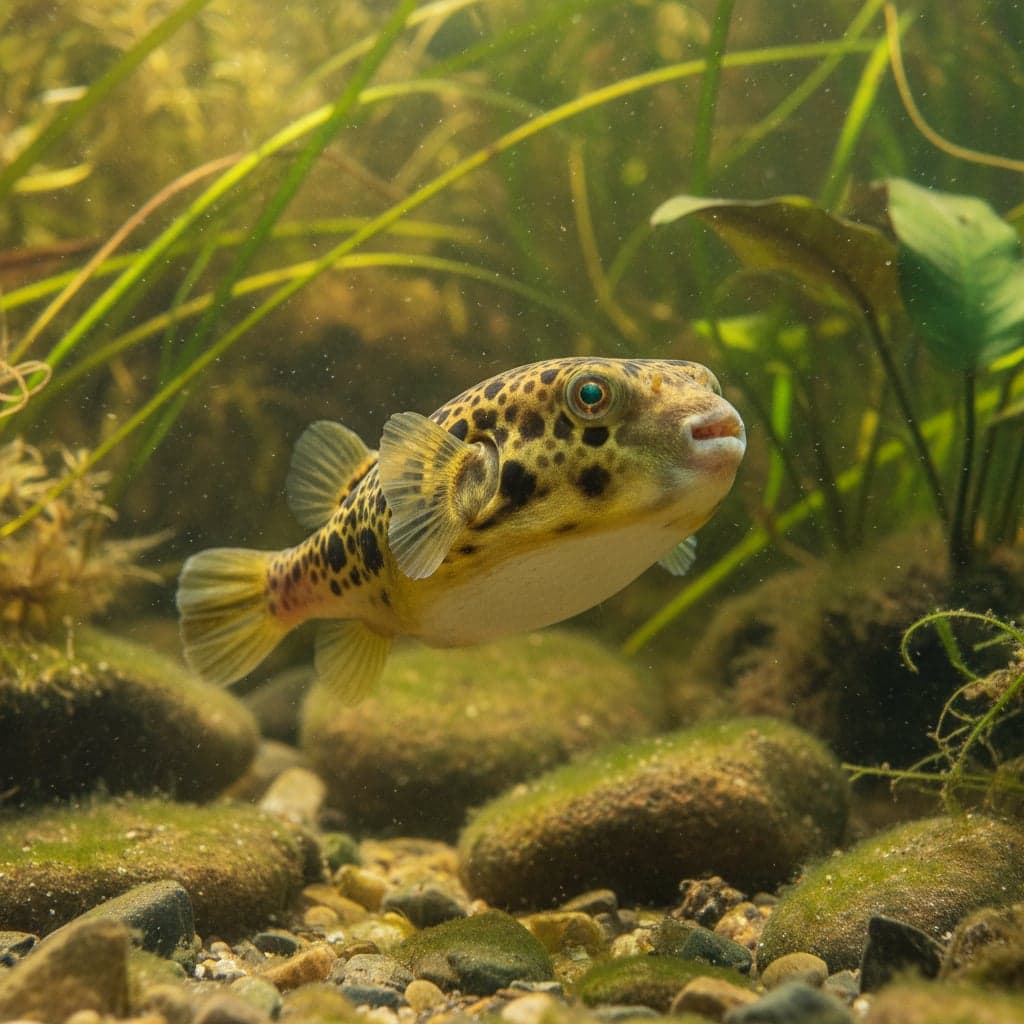
The Mbu Puffer, scientifically known as Tetraodon mbu, is a striking freshwater fish that captivates aquarists with its unique appearance and intriguing behavior. Recognized for its large size—often reaching up to 24-30 inches (60-75 cm) in captivity—this fish displays an array of colors with distinct patterns that range from greenish-brown to yellow, complemented by notable spines along its body. Its bulging eyes and round, puffy shape contribute to its charming and somewhat comical appearance, making it a prized addition to any aquatic collection. The Mbu Puffer is significant in the aquarium hobby not just for its eye-catching aesthetic but also for its complex personality, which can engage even the most seasoned aquarists.
In the aquarium setting, maintaining a Mbu Puffer can be a rewarding challenge, as these fish exhibit fascinating interactive behaviors. Known for their intelligence, Mbu Puffers can develop bonds with their keepers, often showcasing playful antics, which adds depth to the aquarium experience. However, their care requirements and unique social dynamics mean they are best suited for aquarists who have some prior experience, making them a truly fascinating species to explore and study.
Natural Habitat & Origin
The Mbu Puffer hails from the rivers and lakes of the Congo River Basin in Central Africa, where it resides primarily in areas characterized by slow-moving waters and dense aquatic vegetation. This species thrives in a unique ecological environment, predominantly found in blackwater conditions filled with leaf litter and tannins that tint the water brown. Here, the Mbu Puffer contributes to a rich biodiversity, playing a role in maintaining the ecological balance by preying on smaller fish and invertebrates.
The natural habitat of the Mbu Puffer provides insight into how aquarists can best replicate its needs. The type of water is warm and slightly acidic, which is crucial for both its health and longevity in captivity. Understanding the nuances of its natural setting not only assists in proper tank setup but also emphasizes the importance of replicating conditions that mirror the Mbu Puffer’s original environment for promoting its well-being.
Care Requirements
To successfully house a Mbu Puffer, aquarists need to ensure water parameters are optimal. The ideal pH level for this species ranges from 6.5 to 7.5, with temperatures maintained between 75°F and 82°F. Mbu Puffers thrive in soft to moderately hard water, with a hardness range of 5 to 15 dGH being ideal. Given the potential size of Mbu Puffers, a minimum tank size of 100 gallons is recommended, with larger tanks preferred for adult specimens, as they require ample swimming space and territory.
Creating an ideal tank setup involves adding a sandy or fine gravel substrate, which mimics their natural habitat and helps reduce injury. The inclusion of driftwood and rocks provides both shelter and foraging opportunities, while live plants can enhance water quality and offer enrichment. Lighting in the aquarium should mimic the natural dimness found in their habitat; thus, moderate lighting combined with shaded areas is optimal.
Diet & Feeding
The Mbu Puffer is primarily carnivorous, exhibiting a penchant for a diet that includes a variety of protein sources. In captivity, it thrives on high-quality pellets or flakes designed for carnivorous fish, along with frozen or live foods such as snails, shrimp, and other small invertebrates. Snails are particularly important; they not only serve as a treat but also help with beak maintenance, as Mbu Puffers have continuously growing teeth that need constant wear.
While Mbu Puffers can accept prepared foods, a well-rounded diet that includes a mix of protein-rich items and occasional plant matter—like blanched vegetables—can help ensure optimal health. Setting a feeding schedule of multiple small servings rather than one large feeding can replicate natural foraging behavior and prevent overeating, which helps reduce the risk of health issues.
Behavior & Temperament
The Mbu Puffer is known for its inquisitive nature and intelligence, often displaying a range of social behaviors. Though they are generally solitary fish, they can exhibit varying degrees of aggression toward their tank mates, especially if kept in insufficiently sized tanks or with incompatible species. They do not form schools like many other fish; instead, Mbu Puffers should generally be housed as single specimens or with compatible species in spacious aquaria.
These puffers are also known for their ability to change their color slightly when stressed or content, providing insights into their well-being. Mbu Puffers prefer to occupy the mid to upper levels of the aquarium, where they can easily swim and navigate their territory while also observing their environment. This vertical placement enhances their ability to thrive in captivity and adds dynamic movement to the aquarium.
Tank Mates
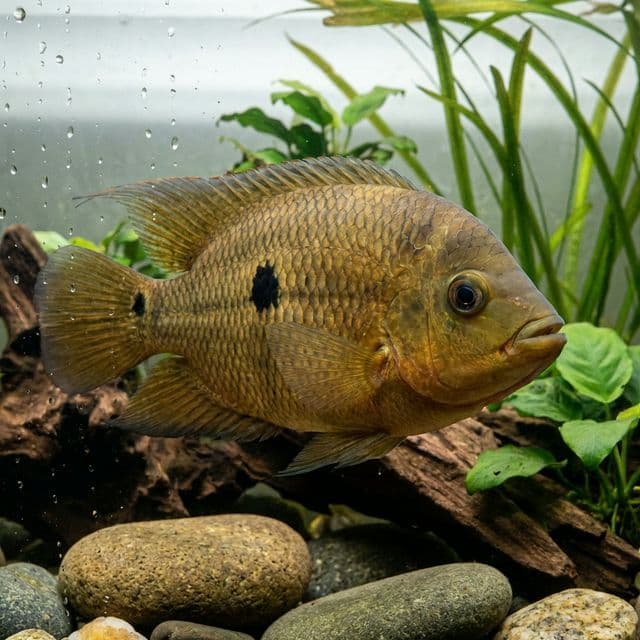
When selecting tank mates for the Mbu Puffer, it is crucial to choose species that can handle their potential aggression and large size. Compatible tank mates include robust species such as large catfish (e.g., Raphael Catfish), some cichlids (like African Cichlids that are not too small), and certain species of large tetras. However, it is advisable to avoid smaller fish, as they could become meals. Additionally, avoiding bottom dwellers that may conflict for space or further provoke the puffers is recommended.
Some species to avoid include: smaller tetras, guppies, and other small freshwater fish that may be viewed as prey. Potentially aggressive tankmates, like overly territorial species, should also be reconsidered, since they may induce stress and conflict in the Mbu Puffer's environment. A well-planned tank can promote harmony and reduce aggression, which is essential for a thriving community aquarium.
Breeding
Breeding the Mbu Puffer in captivity is considered a challenging endeavor due to their specific requirements. These fish exhibit interesting courtship behaviors, often involving displays of potential mates by showing off color and puffing up. However, successful spawning requires conditions mimicking their natural habitat, which includes slightly increased temperatures and soft, low pH water to stimulate breeding behaviors.
Mbu Puffers will typically lay eggs on flat surfaces or inside caves. After spawning, it is advisable to separate the male and female to prevent aggression, as post-spawning can evoke territorial behavior. A proper diet and water quality management prior to breeding can greatly improve the chances of successful egg development and eventual fry care, though raising the fry can be particularly challenging.
Common Health Issues
Mbu Puffers are generally hardy fish but can be prone to several health issues if their environmental or dietary needs are not met. Common ailments include ich (whitespot disease), fin rot, and various parasites, usually stemming from stress, poor water quality, or inadequate diet.
Preventative measures such as maintaining high water quality through regular water changes, ensuring stable water parameters, and providing a varied diet are essential. Quarantining new arrivals before introducing them to the main tank can also help prevent the spread of diseases. Regular monitoring of fish behavior and visible signs of distress will be crucial for early detection and treatment of health issues, ensuring a long, healthy life for the Mbu Puffer in captivity.