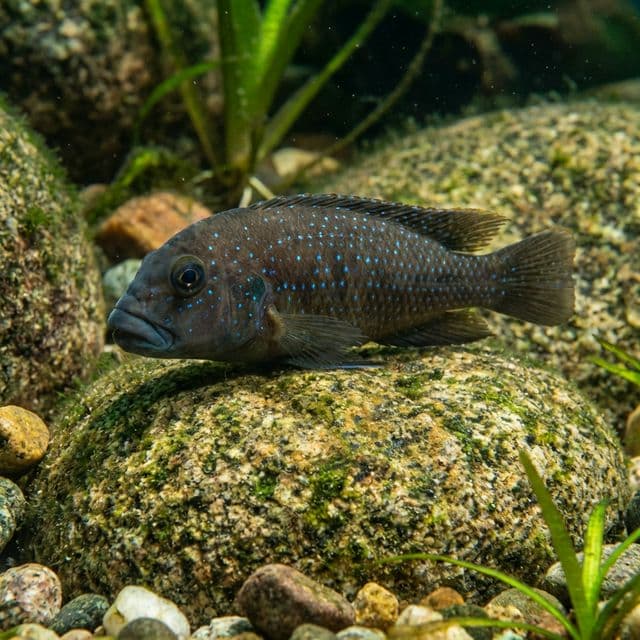
Mimic Sand Cichlid: Spathodus erythrodon
A peculiar Tanganyikan goby-cichlid that often mimics the behavior of true sand-sifting cichlids.
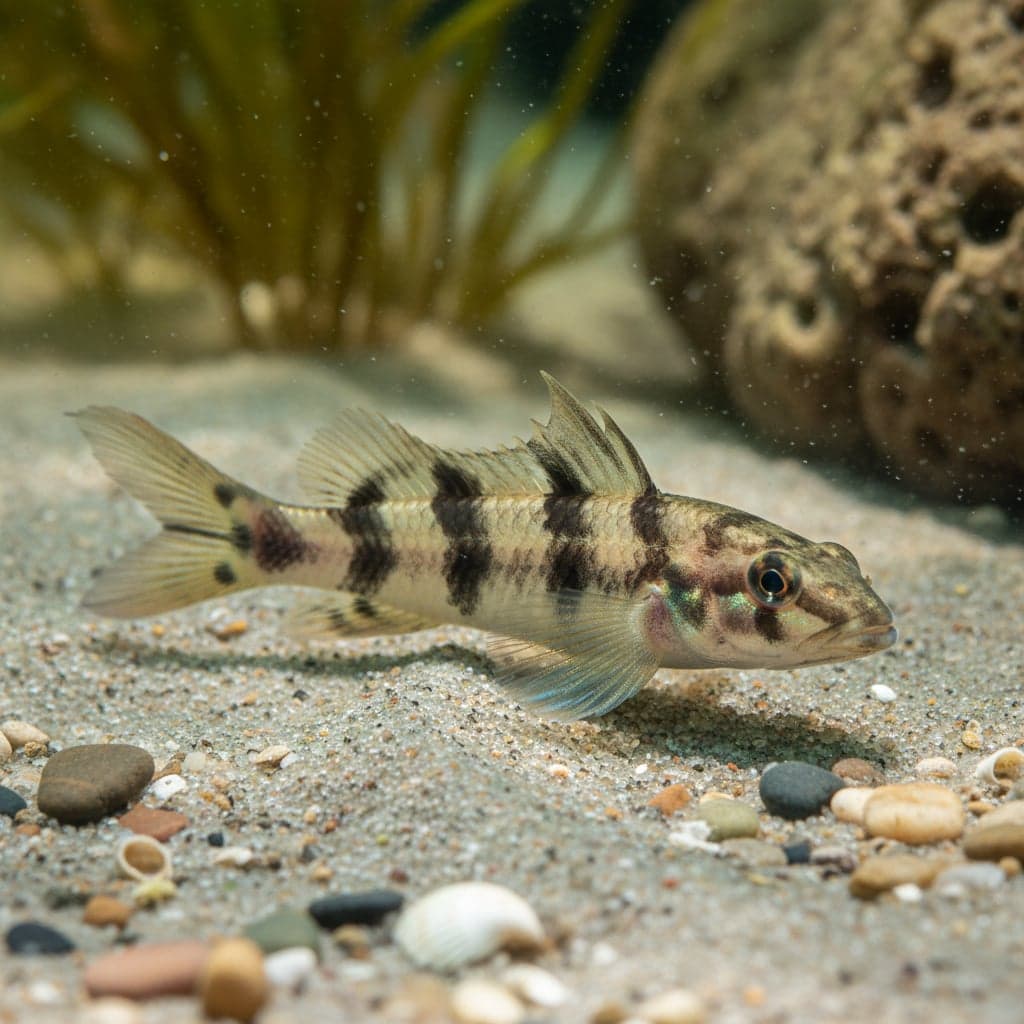
Mimic Sand Cichlid
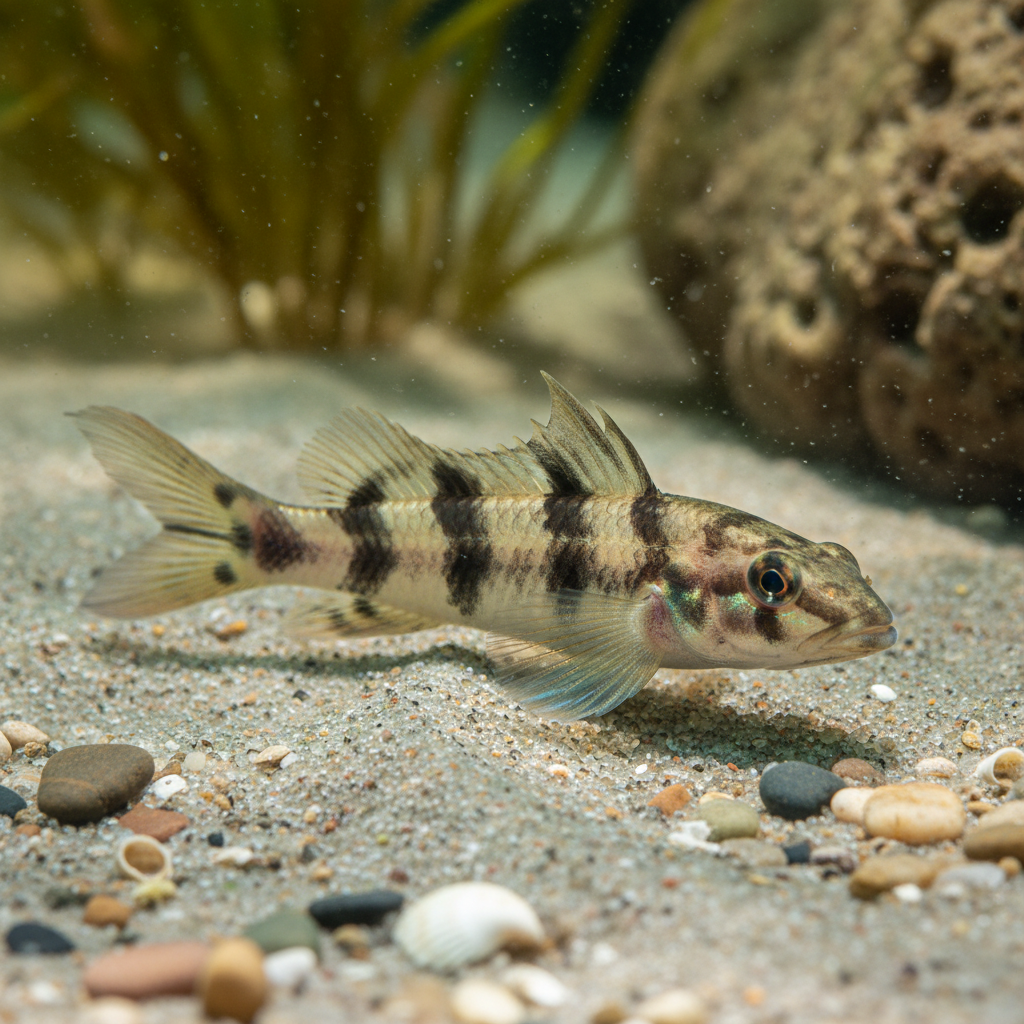
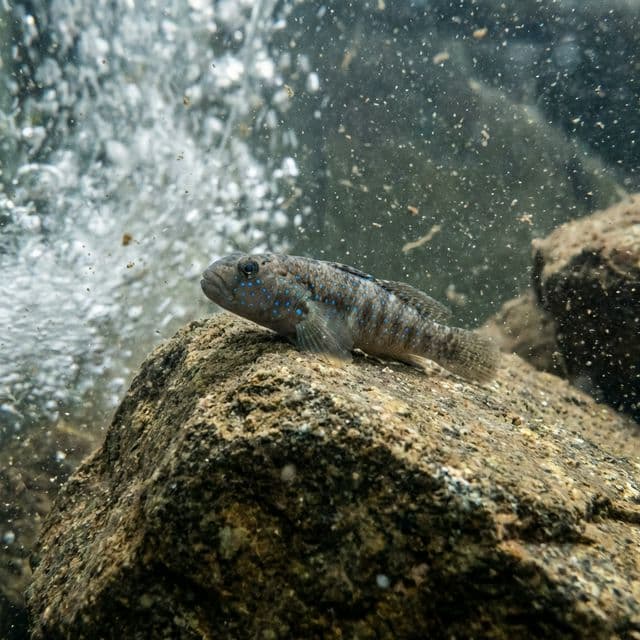
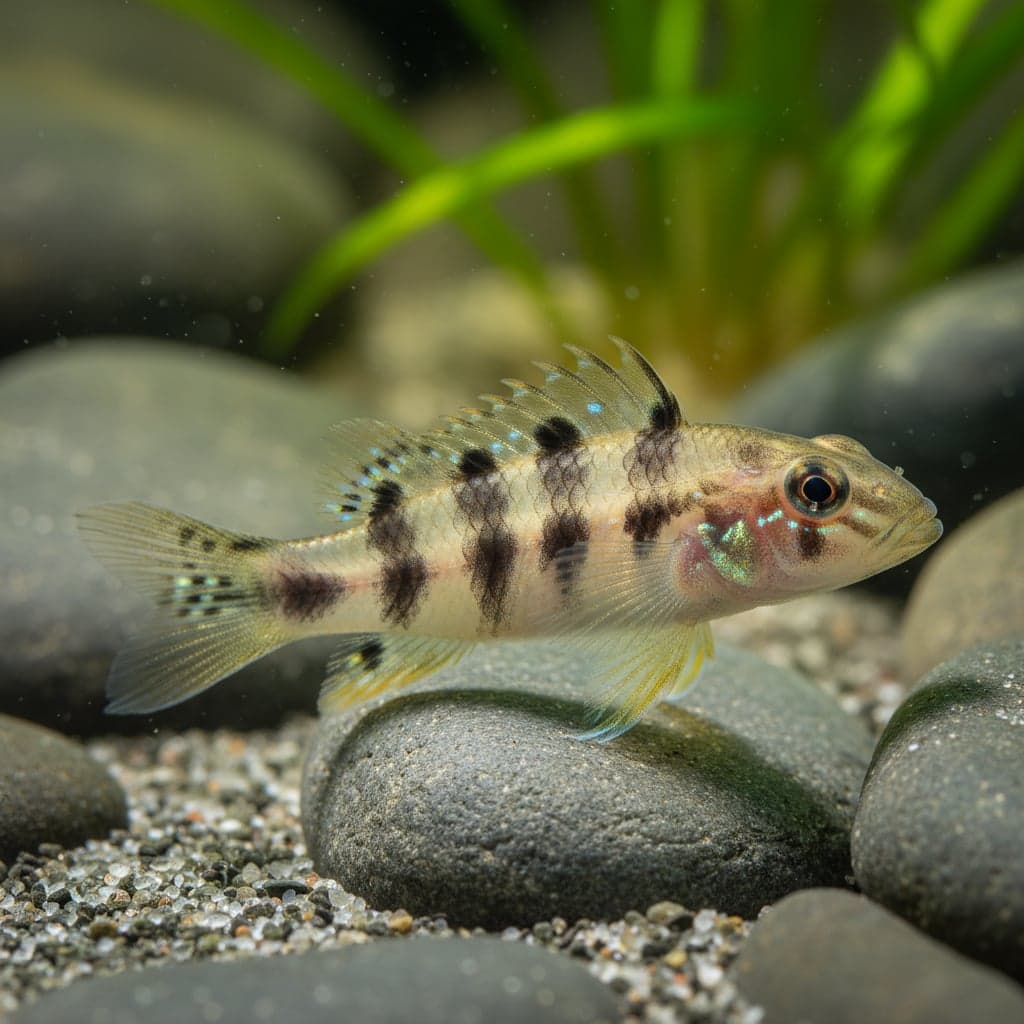
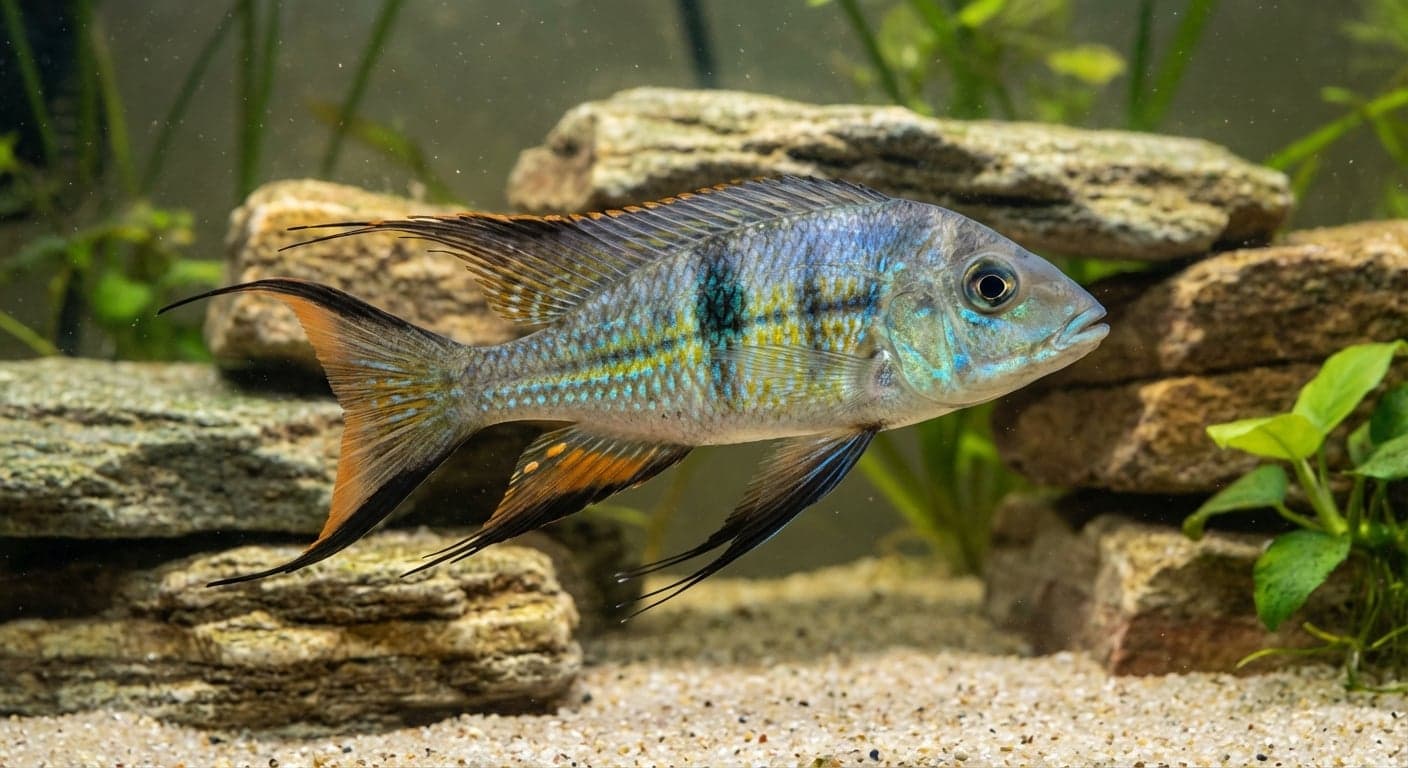
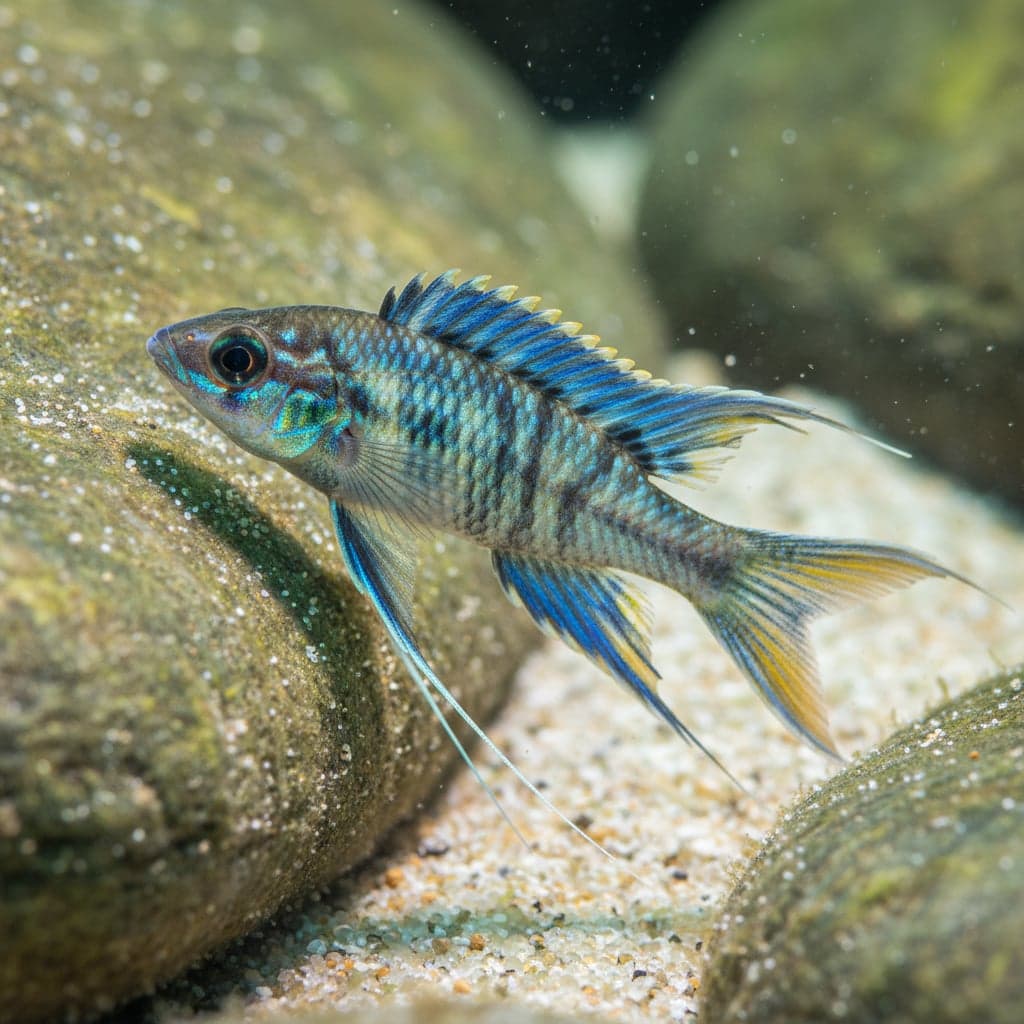
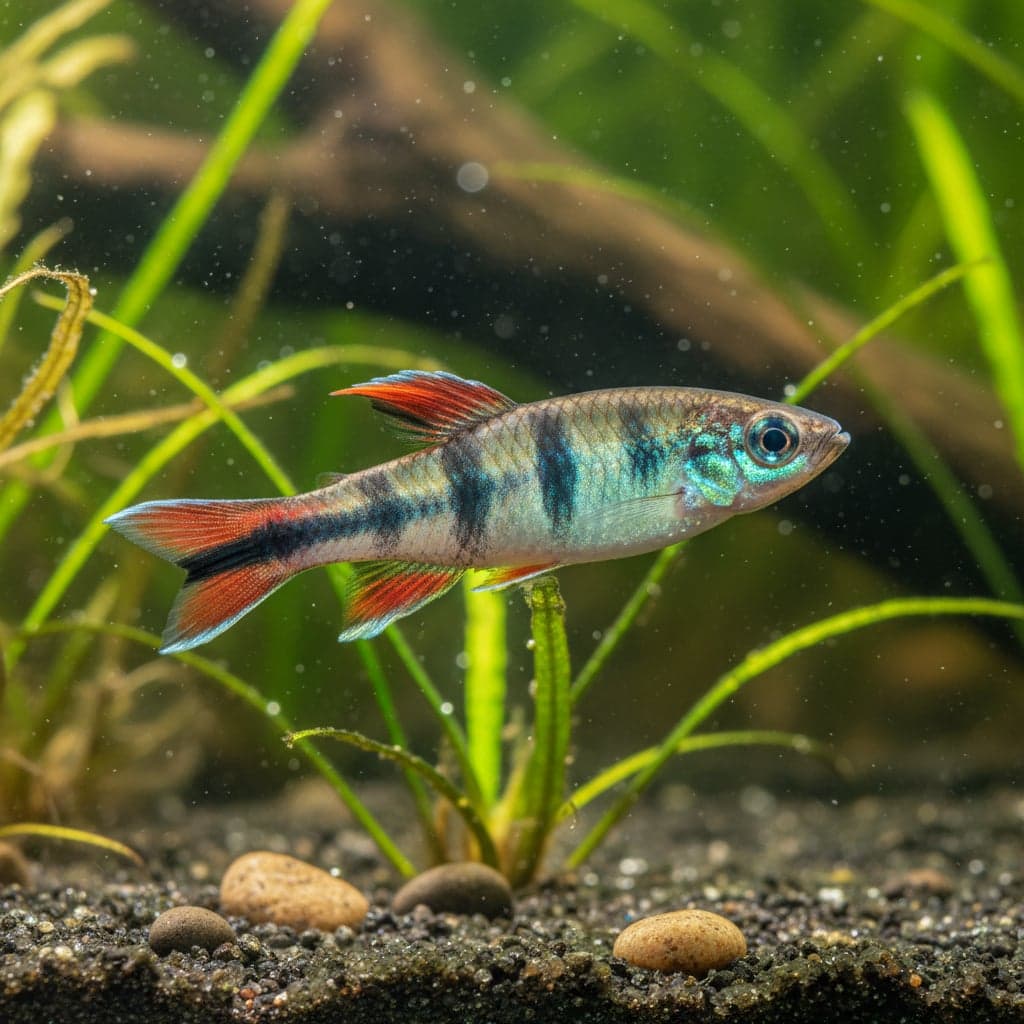
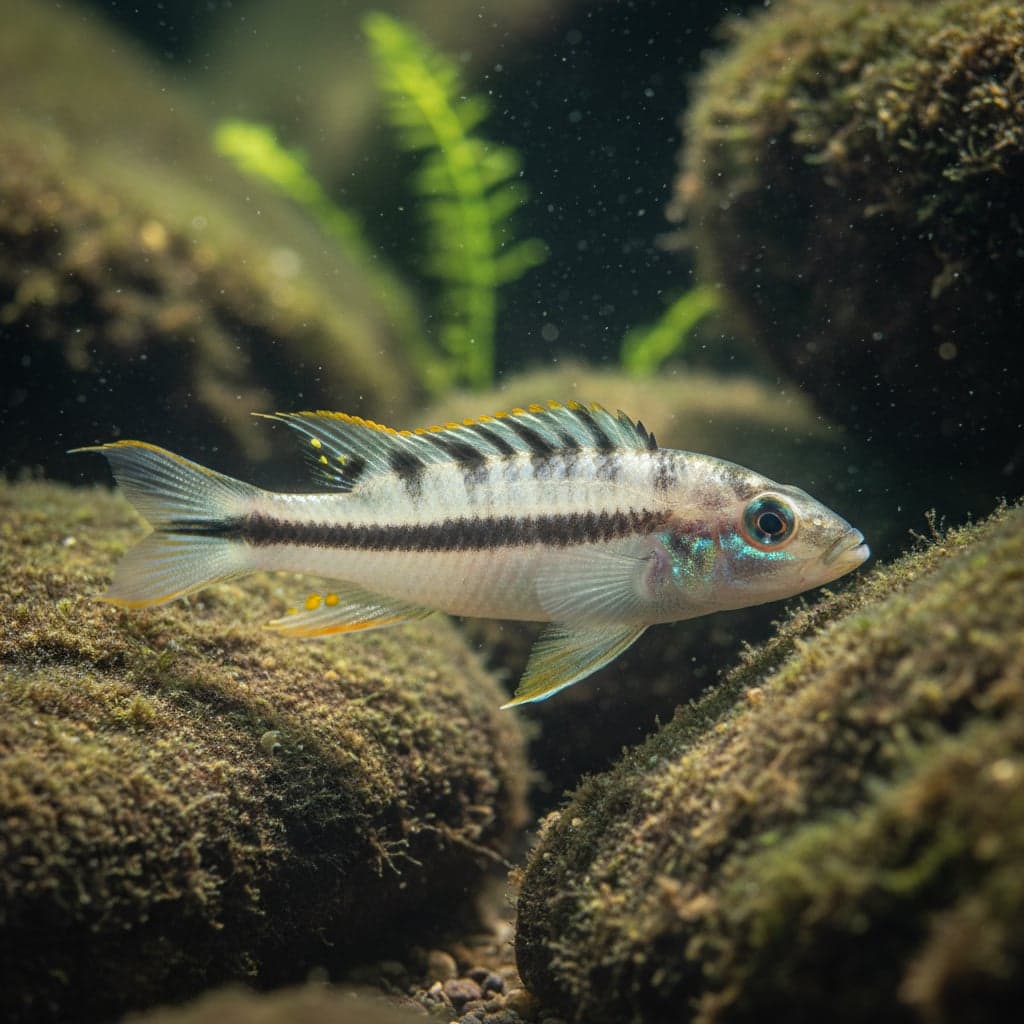
The Mimic Sand Cichlid (Spathodus erythrodon) is a striking freshwater fish that captures the attention of aquarists with its unique coloration and interesting behavior. Originating from the complex ecosystems of the African Great Lakes, particularly Lake Tanganyika, this species exhibits a remarkable ability to blend into its sandy environment, thanks to its bluish-grey body adorned with subtle variations that mimic the hues of its natural substrate. The visual appeal of the Mimic Sand Cichlid lies in its shimmering scales and the distinctive reddish-brown markings near its lips, which intensify during breeding season, showcasing an alluring contrast against its primarily pale body.
In the aquarium hobby, the Mimic Sand Cichlid is appreciated not just for its beauty but also for its fascinating behaviors and adaptability. Known for their interactive demeanor, they provide an engaging experience for aquarists as they exhibit territorial behavior and dynamic swimming patterns. Their significance extends beyond aesthetics; the Mimic Sand Cichlid serves as a perfect ambassador for the delicate ecological balance of freshwater ecosystems, allowing hobbyists to raise awareness about conservation and the importance of preserving their natural habitats.
Natural Habitat & Origin
The Mimic Sand Cichlid is native to the rocky and sandy substrates of Lake Tanganyika, located in East Africa. This lake is renowned for its exceptional biodiversity and complex aquatic environments, where the fish thrive in a variety of conditions. The waters of Lake Tanganyika are generally clear and well-oxygenated, with stable temperatures ranging from 23°C to 28°C (73°F to 82°F). The presence of both rocky outcroppings and soft sandy bottoms creates vital microhabitats ideal for spawning and shelter, reflecting the Mimic Sand Cichlid's adaptability to its surroundings in the wild.
In terms of water chemistry, Lake Tanganyika typically has a pH between 8.5 and 9.5, with moderate hardness levels, which further emphasizes the need for keeping these parameters consistent in captivity. The unique environmental context of this region, including varying depths and structures, has led to the evolution of the Mimic Sand Cichlid's behavioral traits, emphasizing the need for similar conditions in aquarium settings to ensure their health and vitality.
Care Requirements
To maintain the health and happiness of the Mimic Sand Cichlid within the aquarium, it is essential to replicate their natural habitat as closely as possible. A minimum tank size of 50 gallons is recommended to provide sufficient swimming space and territory for these active fish. The water parameters are crucial, with a pH level ideally maintained between 8.5 and 9.5, a temperature range of 23°C to 28°C (73°F to 82°F), and a general hardness of 10-20 dGH.
The tank setup should include a sandy substrate to emulate their natural environment, allowing for digging and foraging behavior. Additionally, incorporating plenty of rocks and caves will provide essential hiding spots and breeding sites, reducing territorial disputes. Lighting should mimic natural daylight, with a moderate intensity, enabling some live or artificial aquatic plants that can withstand these conditions and enhance the overall visual appeal of the aquarium.
Diet & Feeding
The Mimic Sand Cichlid is an omnivore with a varied diet, flourishing on a mix of protein-rich foods and plant matter. In captivity, it is crucial to provide a balanced diet that simulates their natural foraging behavior which includes high-quality sinking pellets specifically formulated for African cichlids. These pellets should complement a diet rich in frozen or live foods such as brine shrimp, bloodworms, and daphnia. Additionally, incorporating spirulina flakes or other vegetable-based foods not only enhances their color but also supports their overall health and digestive function.
It's important to establish a feeding routine that features multiple small meals throughout the day rather than one large feeding, which mimics their natural foraging behavior and helps prevent overfeeding and water quality issues.
Behavior & Temperament
In terms of social behavior, the Mimic Sand Cichlid is known for its semi-aggressive temperament, particularly during breeding and territorial disputes. Though they can exhibit schooling behavior, providing sufficient space and hiding spots is crucial. Adult males are typically more territorial, especially when courting females, and may chase away competitors. It is advisable to keep a single male with multiple females to minimize aggression and ensure a balanced social structure.
The Mimic Sand Cichlid generally occupies the mid to lower regions of the tank, often establishing its territory around caves or rocky structures, which highlight its natural behavior patterns while providing comfort and security.
Tank Mates
When selecting tank mates for the Mimic Sand Cichlid, compatibility is key to minimizing aggression and ensuring a harmonious aquarium environment. Recommended tank mates include other peaceful African cichlids such as the Shell Dweller (Neolamprologus multifasciatus) and various Tanganikan species that share similar water requirements. Some suitable non-cichlid options include larger tetras or peaceful catfish, like the bristlenose pleco.
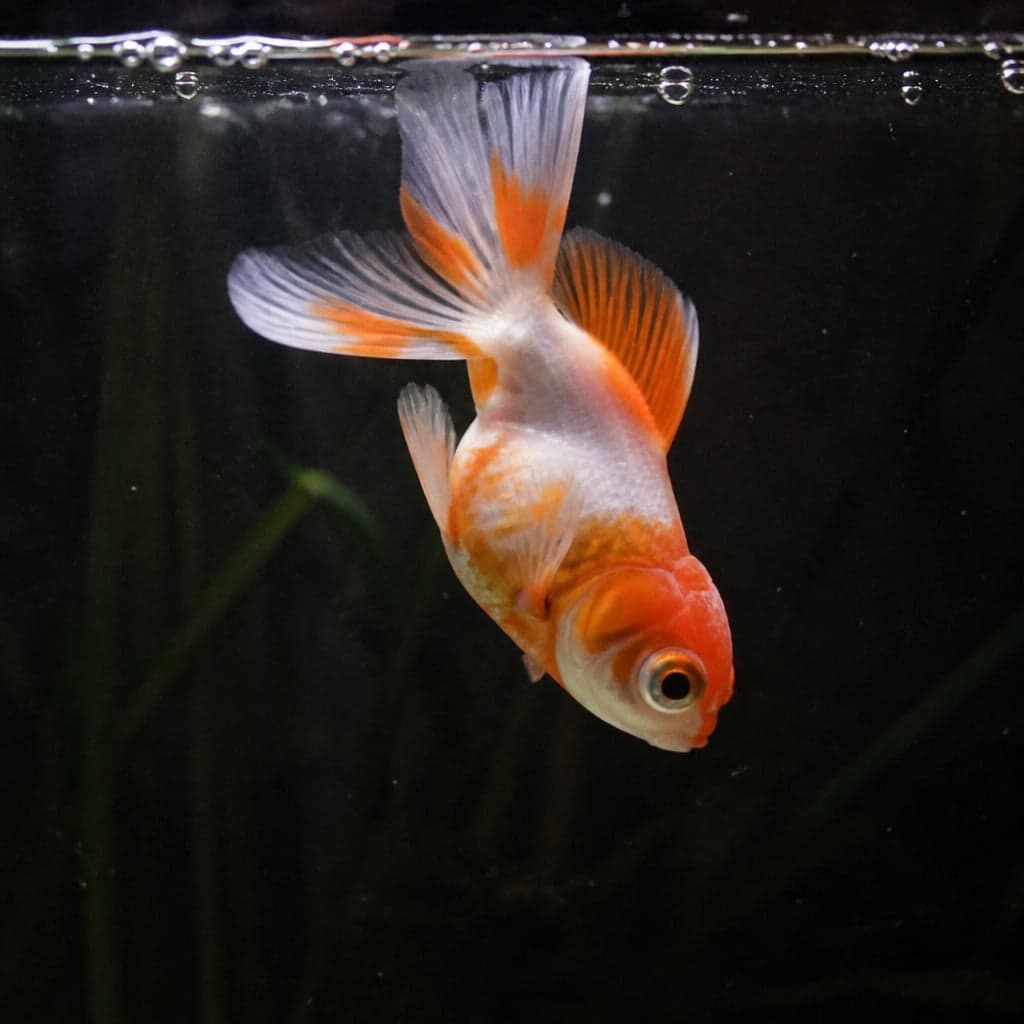
Conversely, it is advisable to avoid keeping them with smaller fish that may be viewed as prey, aggressive species, or those that require drastically different water parameters. Species such as the common goldfish or any aggressive cichlid like the Jaguar Cichlid (Parachromis managuensis) should be excluded from their habitat to prevent potential conflicts.
Breeding
Breeding the Mimic Sand Cichlid in captivity can be rewarding, provided the conditions are optimal. These fish exhibit a substrate spawning behavior, laying eggs in secluded spots within caves or among rocky areas. To encourage spawning, the tank should be maintained at elevated temperatures with slightly softer water and stable pH levels. It is beneficial to provide ample hiding spots, as the female will typically guard her eggs fiercely while the male engages in courtship displays.
After spawning, female Mimic Sand Cichlids may exhibit mouthbrooding behavior, often carrying the eggs or fry in their mouths for protection until they are strong enough to swim independently. Providing a separate rearing tank for the fry can improve their survival rates, as adults may view them as potential meals if kept in the same environment.
Common Health Issues
Despite being a resilient species, the Mimic Sand Cichlid is not immune to health issues generally common to aquarium fish. One of the primary concerns includes ich (Ichthyophthirius multifiliis), a parasitic disease characterized by white spots on the skin and fins. Regularly maintaining water quality and temperature, alongside quarantine practices for new additions, can help mitigate risks.
Other potential health issues may include fin rot due to poor water conditions or stress and swim bladder issues related to overfeeding. To prevent these occurrences, ensuring a clean tank environment, providing a varied and balanced diet, and avoiding overcrowding will significantly contribute to the well-being of these fascinating fish. Regular monitoring and routine water changes will further promote a healthy aquarium ecosystem.