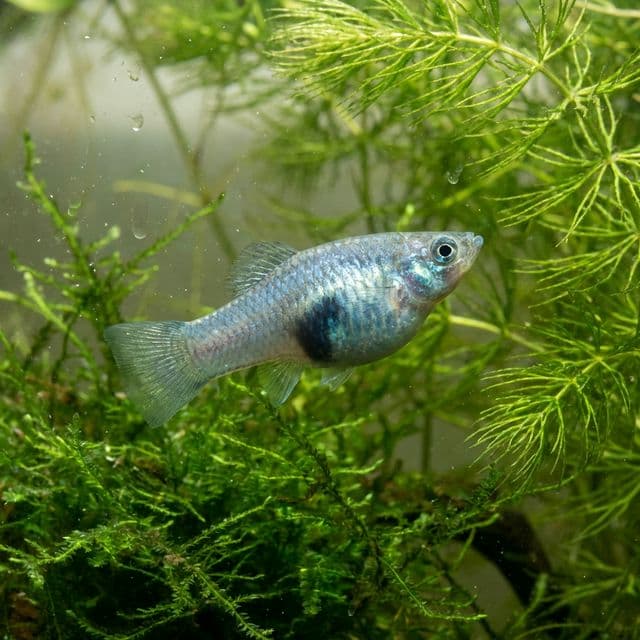
The Molly: Poecilia sphenops
A versatile livebearer that adapts to freshwater, brackish, and even marine conditions. Available in an enormous range of colors and fin shapes.
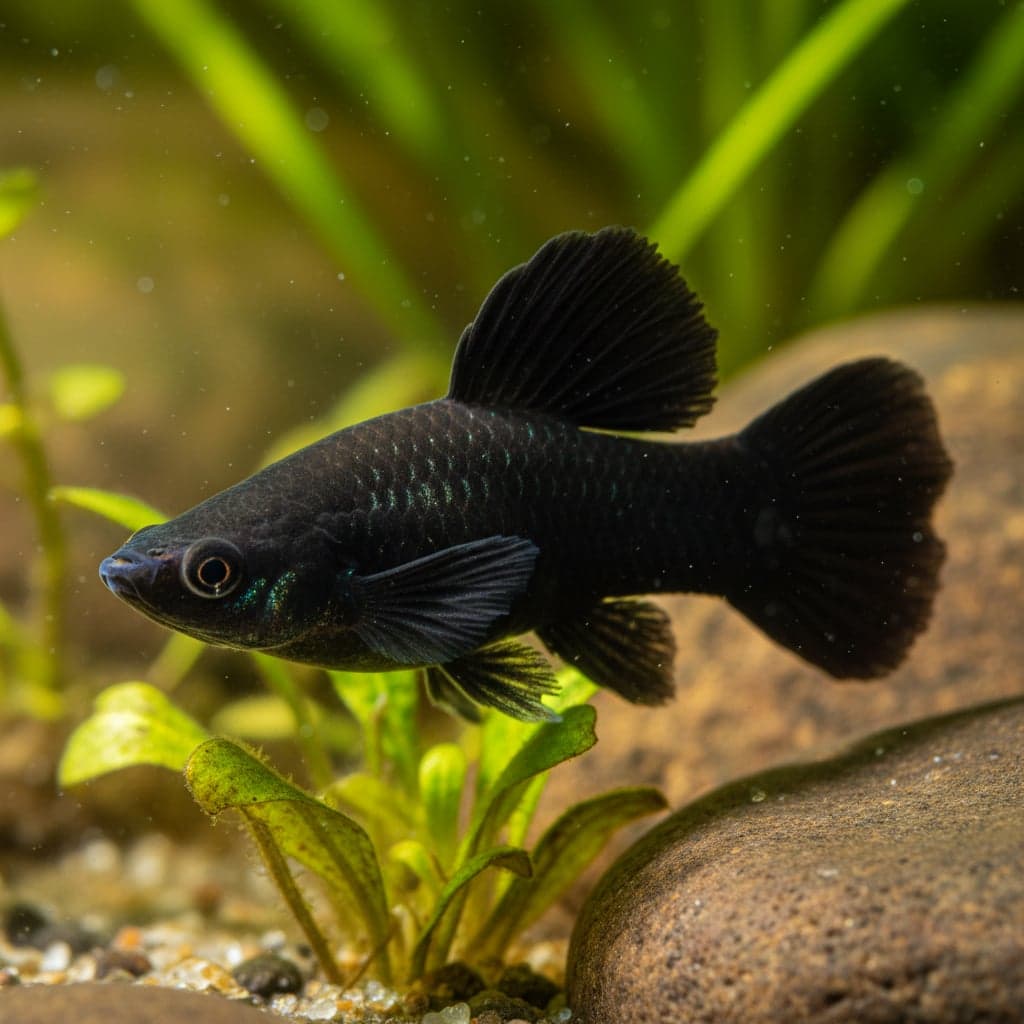
Molly
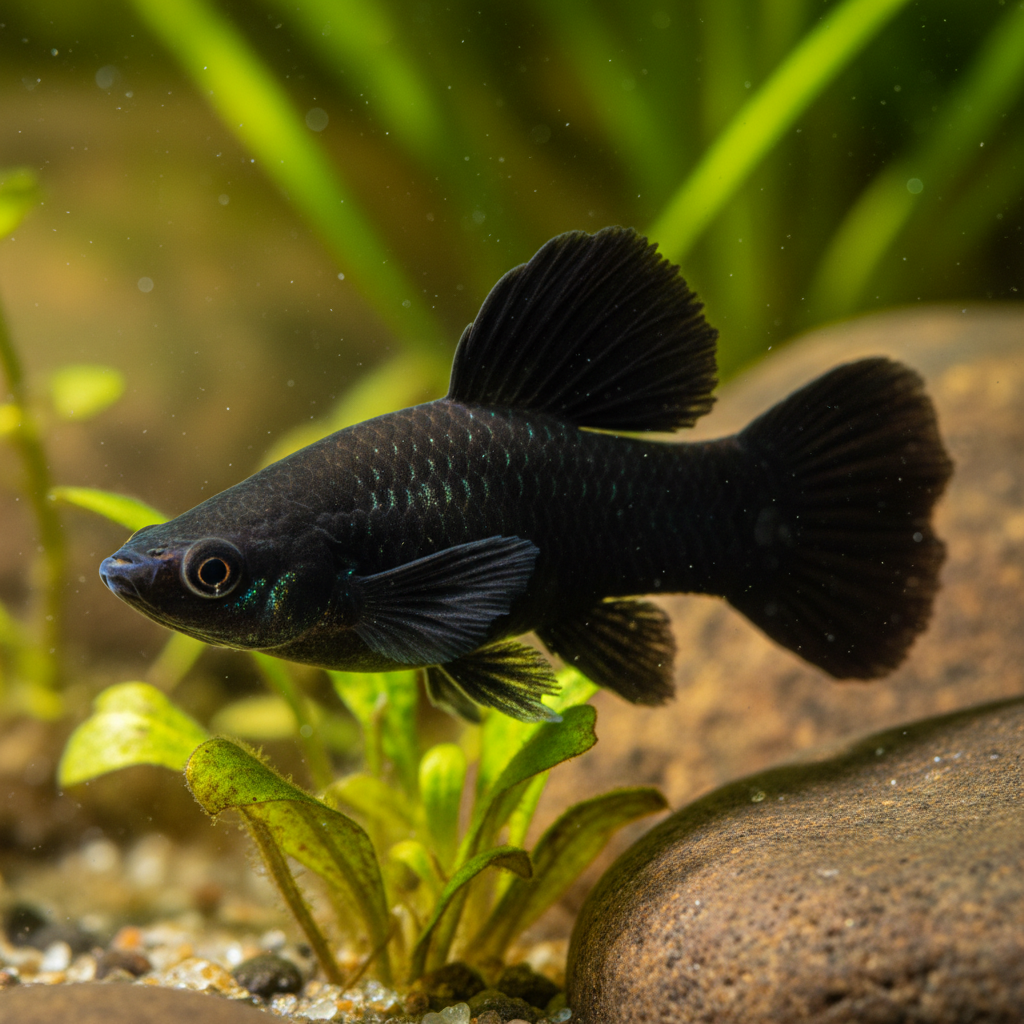
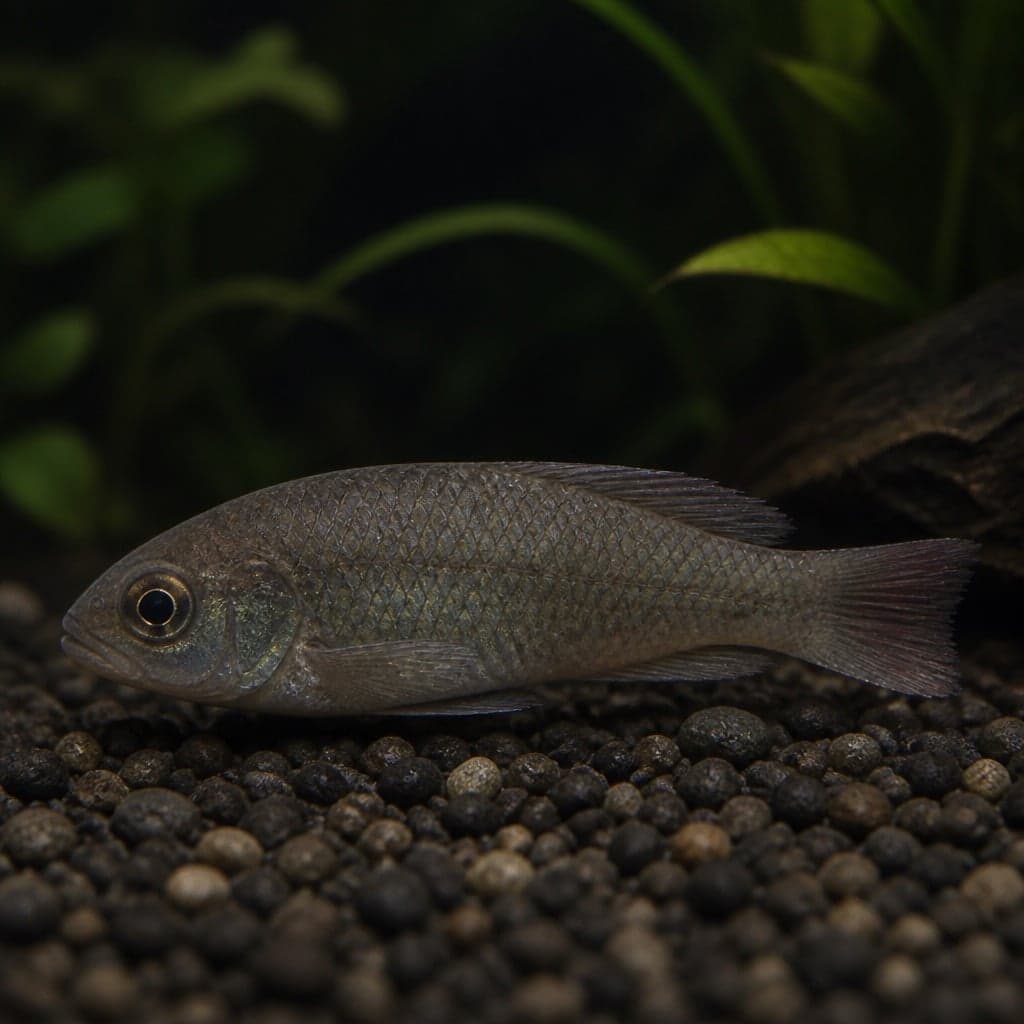
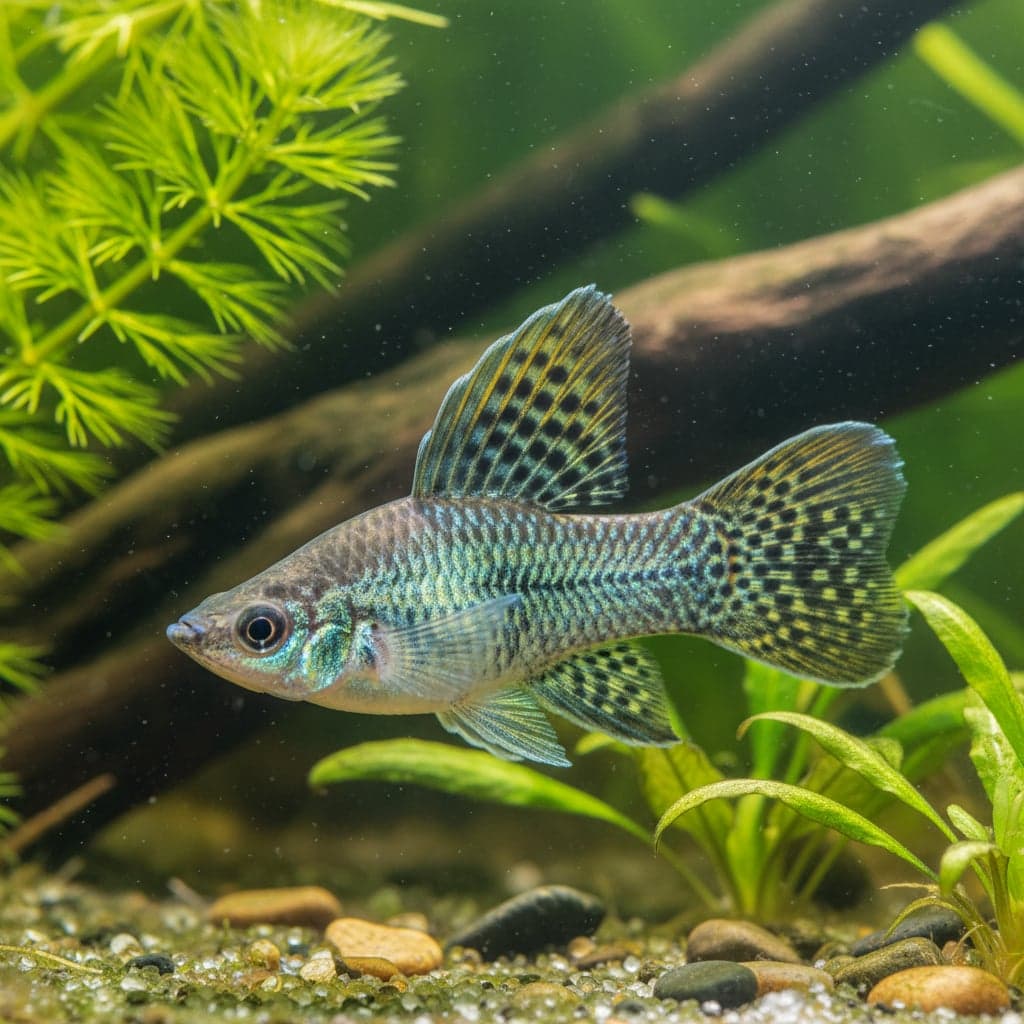
Mollies, scientifically known as Poecilia sphenops, are a visually captivating and popular choice among aquarium enthusiasts. With their vibrant coloration and elegant shapes, these fish can range from solid black to dazzling white, with shades of gold and silver often seen in different variants. Mollies possess a robust body structure and a distinctive triangular dorsal fin that adds to their aesthetic appeal. Their diverse colorations and patterns, coupled with their hardy nature, make them not only a beautiful addition to any aquarium but also an enduring presence in the freshwater fish hobby. Their popularity is enhanced by their ease of care and adaptability, characteristics that have made them favorites for both beginner and experienced aquarists.
In addition to their visual charm, Mollies are significant to the aquarium hobby for their role in fostering community tanks. These fish possess a gentle demeanor, making them suitable for various setups, and their ability to thrive in different water conditions offers greater flexibility in tank management. Importantly, Mollies are livebearers, giving aquarists the opportunity to engage in breeding activities, which can be a fascinating aspect of fishkeeping. Their resilient nature and charming characteristics create lasting enjoyment, establishing them as a staple in the world of freshwater aquatic pets.
Natural Habitat & Origin
Mollies originate from the warm, shallow waters of southern North America, particularly Mexico, Central America, and parts of the Caribbean. They typically inhabit brackish waters, lagoons, and coastal estuaries where freshwater and saltwater mix. In their natural environment, Mollies thrive in a range of water conditions, including both clear and slightly turbid water. They are often found in environments that contain abundant aquatic vegetation, which provides food and shelter, as well as a breeding ground. This natural habitat plays a crucial role in shaping their adaptability in captivity, allowing aquarists to mimic similar conditions to ensure their health and well-being.
The ecosystem in which Mollies flourish is typically characterized by stable temperatures and pH levels, which is crucial for their growth and reproduction. Brackish waters contain higher salinity than freshwater, thus Mollies are well-adapted to varying levels of salinity within their habitats. Understanding their wild origins can help aquarists create a more appropriate biozone in their tanks, promoting natural behaviors and ensuring the overall vitality of the fish.
Care Requirements
To maintain the health of Mollies, specific water parameters must be adhered to. The ideal pH range is between 7.5 and 8.5, while temperatures should be kept between 75°F and 82°F (24°C to 28°C). Additionally, Mollies can tolerate hardness levels of 10 to 30 dGH, which is a key factor in keeping them in good condition. Tank setup should consider a minimum size of 30 gallons to provide ample swimming space, as these fish thrive when they can explore. A substrate of fine gravel or sand is preferred, as it mimics their natural habitat and accommodates their foraging behaviors.
In terms of lighting, a moderate level of brightness should be provided, replicating the dappled sunlight they would typically encounter in the wild. Live plants such as Java fern, Anubias, or Vallisneria not only enhance the visual appeal of the aquarium but also offer shelter and a foraging environment. Incorporating decorations like rocks and driftwood can create hiding spots, helping to reduce stress among the fish and encouraging natural behaviors.
Diet & Feeding
Mollies are classified as omnivores, meaning they thrive on a varied diet. In captivity, they should be provided with a balanced diet that includes high-quality flakes, pellets, and freeze-dried or frozen foods. Options such as brine shrimp, daphnia, and bloodworms are excellent protein sources that enhance their diet and promote optimal growth. Plant materials, including spirulina and veggie-based flakes, are also beneficial in providing essential nutrients, especially due to their herbivorous tendencies.
It's important to offer a range of food types to ensure their nutritional needs are met. Feed them 2-3 small meals a day, ensuring that the food is consumed within a few minutes to maintain water quality. Regular dietary variety not only supports their health but also contributes to their vivid colors and overall vitality.
Behavior & Temperament
Mollies are known for their friendly and sociable nature, making them ideal inhabitants for community tanks. They exhibit schooling behaviors, often seen swimming in groups, which helps reduce stress and promotes a sense of security within the aquarium. They appreciate ample swimming space and are generally non-aggressive towards other species; however, male Mollies can sometimes display competitive behavior, particularly during mating rituals, leading to occasional squabbles.
Mollies are frequently seen occupying the mid to upper levels of the tank, where they feel most comfortable and secure. Their active swimming patterns and playful interactions contribute to a lively aquarium atmosphere, making them engaging fish for any aquarist. Observing their interactions with tank mates offers insights into their adaptive and social behavior, leading to a deeper appreciation of these captivating creatures.
Tank Mates
When selecting tank mates for Mollies, it's crucial to choose species that share similar water parameters and temperaments. Compatible species include Platies, Swordtails, Guppies, and small Tetras, as well as various types of Corydoras catfish. These fish typically share the same gentle disposition and thrive in similar environmental conditions, creating a harmonious community tank.
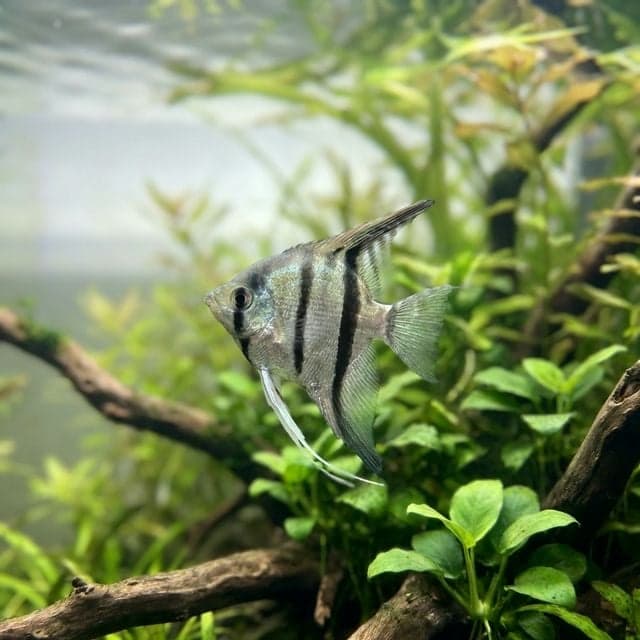
However, some species should be avoided to minimize aggression and stress. Predatory fish such as Angelfish, larger Cichlids, and larger Gouramis can pose a threat to Mollies and may lead to conflict. Additionally, species that are excessively fin-nippers or territorial may not be suitable tank mates, as they could adversely affect the well-being of the Mollies. Keeping a balanced and peaceful community ensures that all inhabitants can thrive in their shared aquatic environment.
Breeding
Breeding Mollies can be a rewarding endeavor for aquarists, thanks to their relatively straightforward spawning behavior. They are livebearers, which means that females give birth to free-swimming fry instead of laying eggs. To encourage successful breeding, create a breeding tank with good water quality, stable temperatures, and plenty of hiding spots for the fry. The ideal conditions for breeding include a pH close to neutral and a slight increase in temperature to around 80°F (27°C).
Molly females can often be distinguished by their larger, rounded bellies and a gravid spot near the anal fin, which indicates pregnancy. Once the fry are born, they should be separated from the adults as Mollies may consume their offspring. Providing adequate food for fry, such as crushed flakes or specialized fry food, will enhance their growth and survival rate. With proper care and a conducive environment, aquarists can enjoy the entire breeding process, from courtship to the emergence of new life.
Common Health Issues
Like many aquarium fish, Mollies can be susceptible to certain health issues. Common diseases include Ich (Ichthyophthirius multifiliis), fin rot, and bacterial infections. Keeping the tank environment clean and maintaining proper water conditions are essential prevention strategies. Regular water changes and monitoring ammonia, nitrite, and nitrate levels can drastically improve overall fish health.
Additionally, providing a well-balanced diet, minimizing stress through proper tank maintenance and harmonious tank mates, and quarantining new arrivals before introduction will further protect the community. Prompt treatment at the first sign of white spots, frayed fins, or clamped fins keeps Mollies healthy and active.