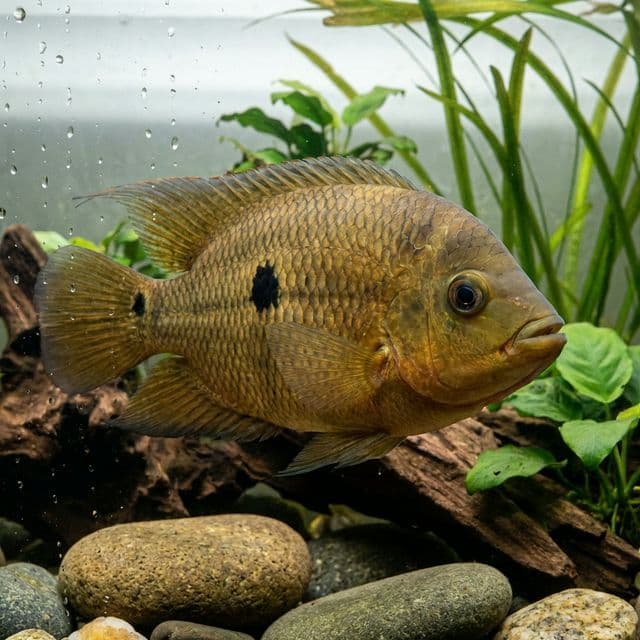
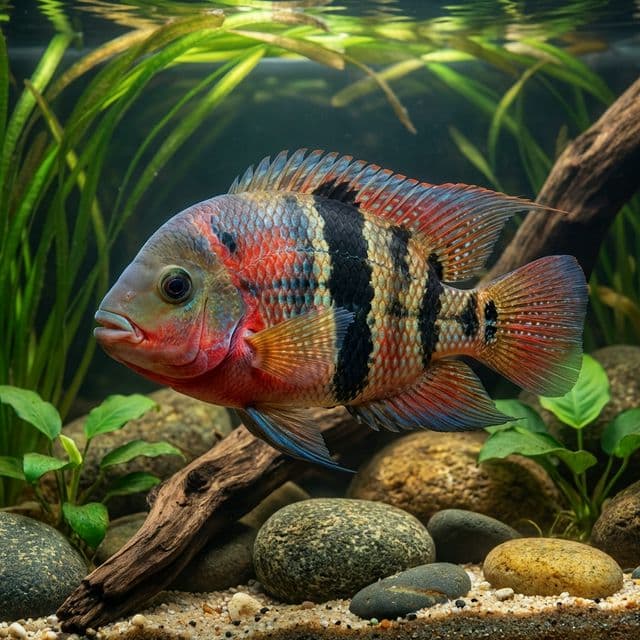
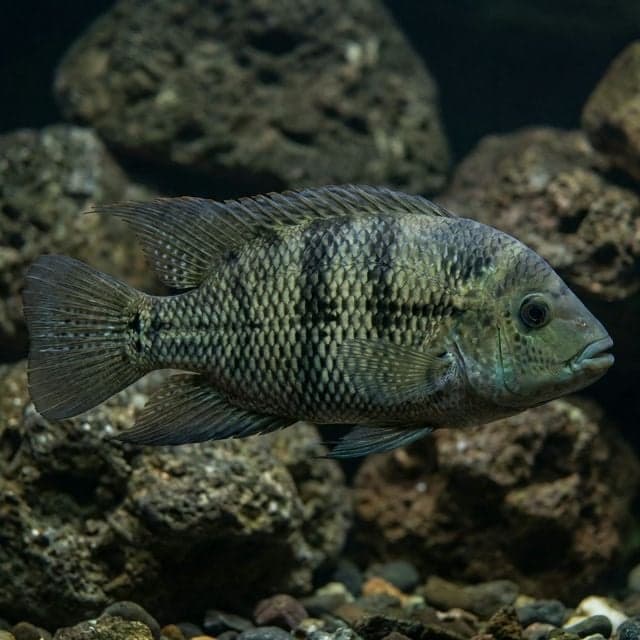
Mota Cichlid: Parachromis motaguensis
Often called the "Red Tiger Motaguense," a highly predatory and magnificently colored Central American cichlid.
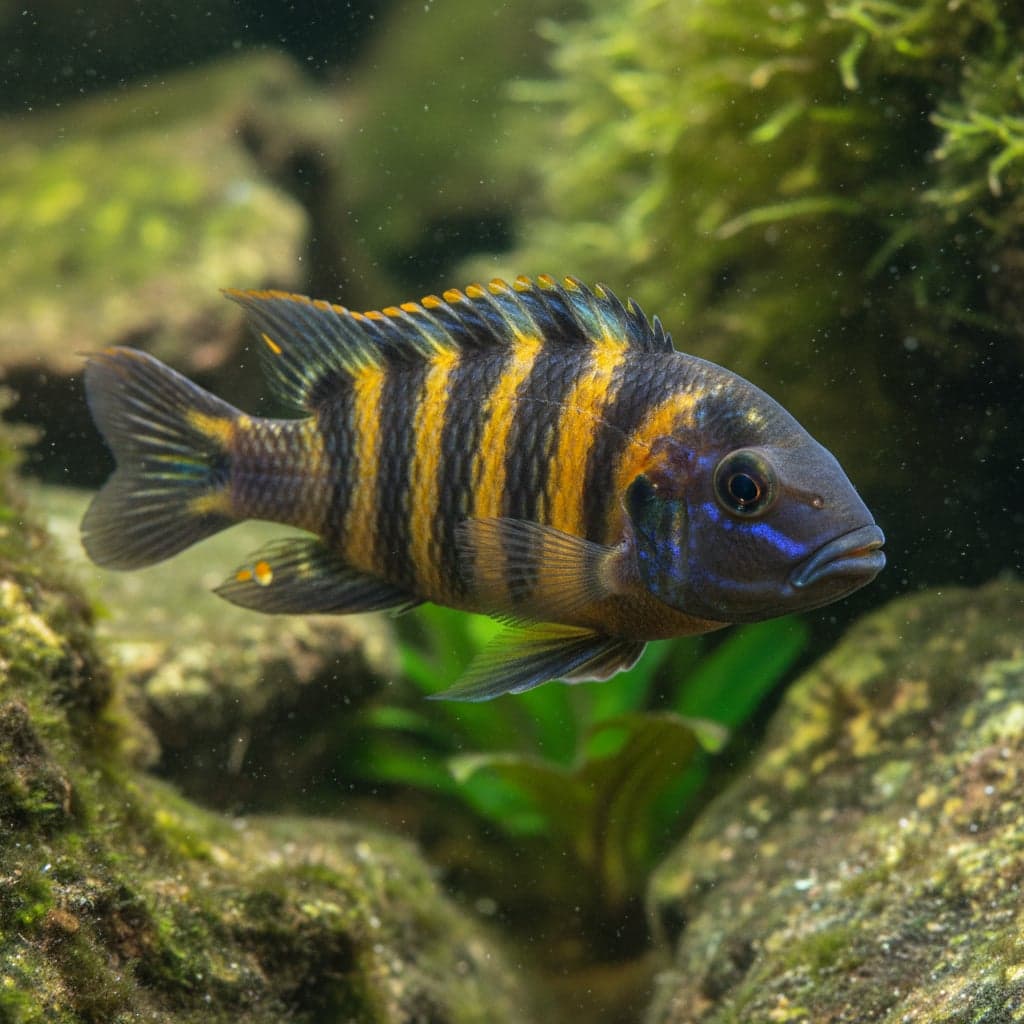
Mota Cichlid
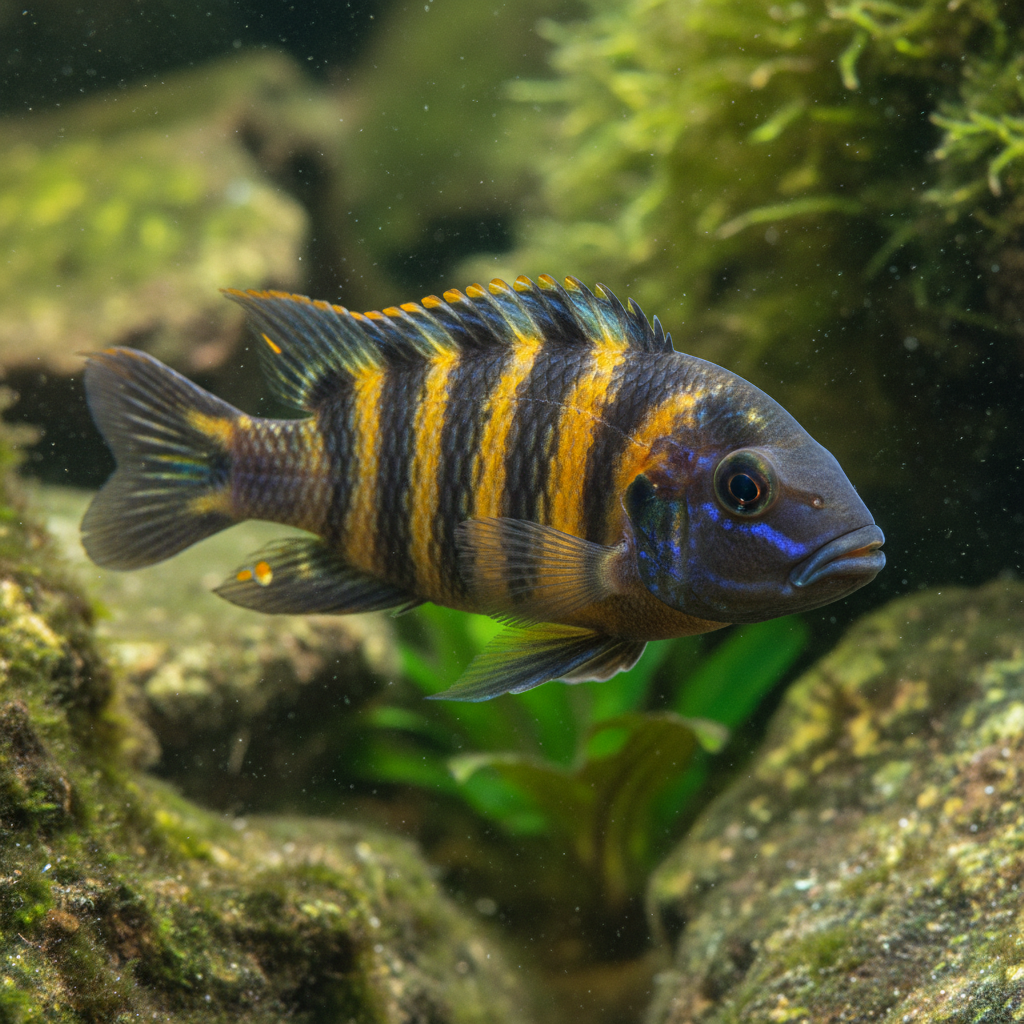
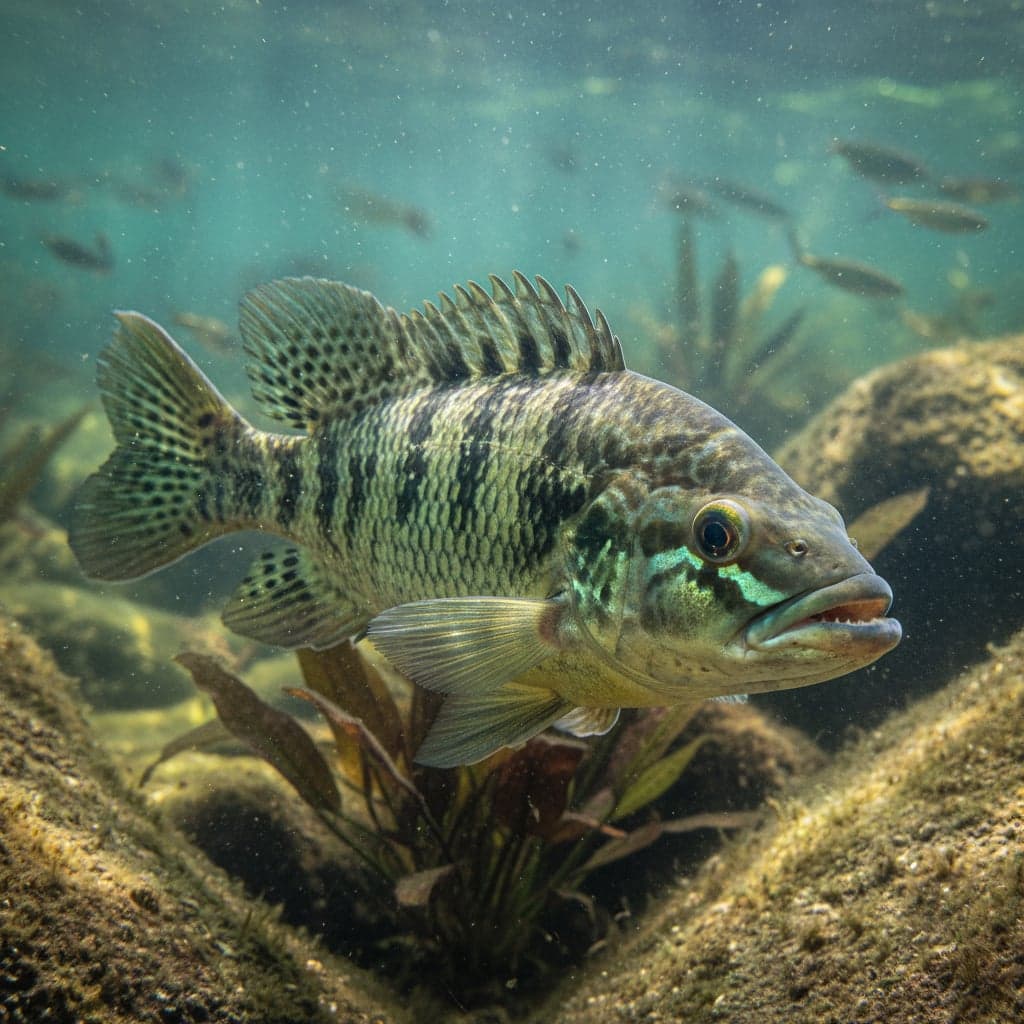
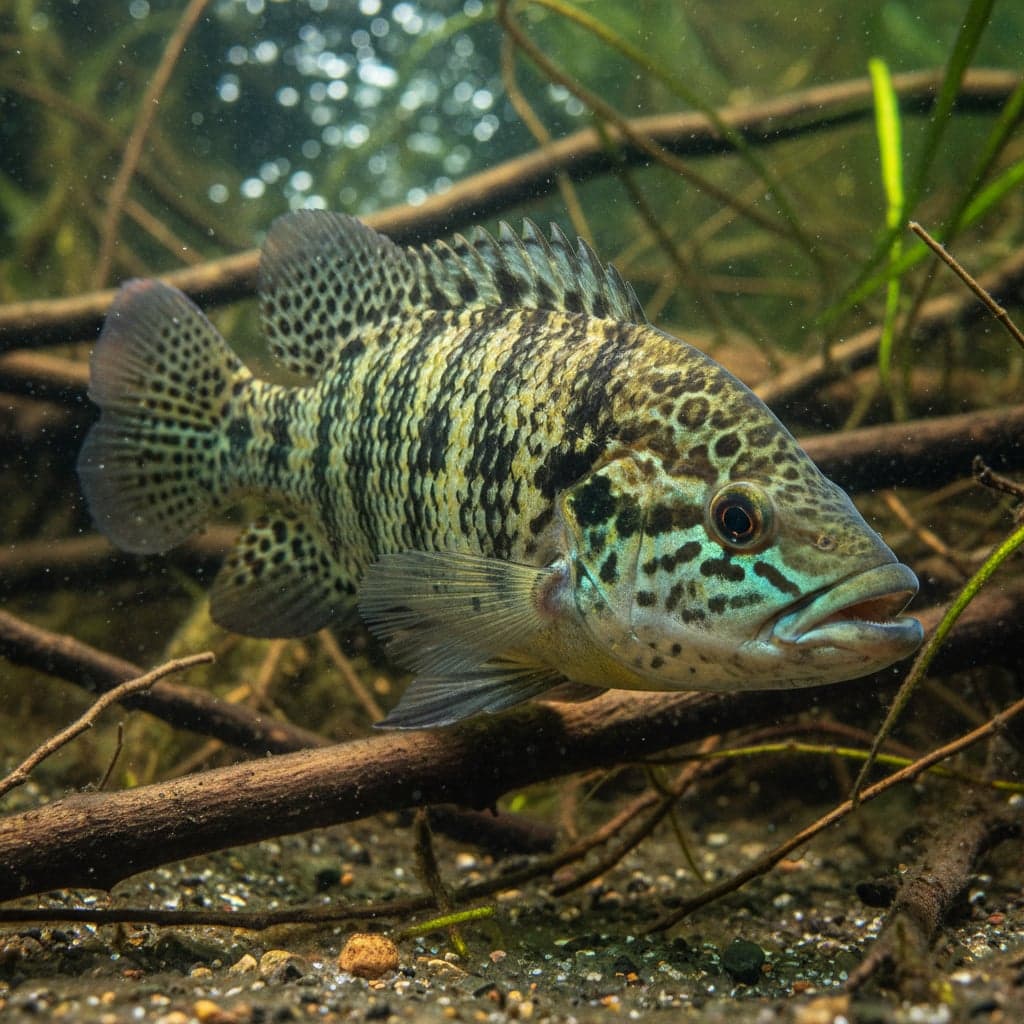
The Mota Cichlid, scientifically known as Parachromis motaguensis, is a striking freshwater fish that captivates aquarists with its vibrant coloration and dynamic behavior. Often referred to as the Motaguense or Motagua Cichlid, this species boasts a stunning array of hues ranging from deep blues and greens to electric yellows and oranges, especially during breeding seasons. Its elongated body and prominent dorsal fin lend it an elegant appearance, making it a popular choice among both novice and experienced aquarists. The Mota Cichlid not only enhances the visual appeal of an aquarium but also brings a unique personality that adds to the hobbyist's experience.
In the aquarium hobby, the Mota Cichlid holds significant importance due to its fascinating behaviors and adaptability. It is known for being an intelligent fish that exhibits territoriality, showcasing its natural instincts in well-structured environments. As part of the Cichlidae family, the Mota Cichlid is often appreciated for its engaging interactions with tank mates, making it a focal point in any community setup. Responsible care and awareness of its needs can yield a rewarding experience for hobbyists looking to cultivate a vibrant underwater habitat.
Natural Habitat & Origin
The Mota Cichlid is native to Central America, particularly found in the freshwater lakes and rivers of Nicaragua and Costa Rica. This fish thrives in various aquatic environments, including lagoons and swamps, characterized by their clear or lightly stained waters. The native habitats typically feature sandy bottoms intertwined with rocky substrates and abundant natural vegetation. Such environments offer essential hiding spots and breeding grounds, contributing to the overall health and well-being of the species.
The water conditions in its natural habitat are crucial for the Mota Cichlid's well-being. These fish are often found in waters with a neutral to slightly alkaline pH, generally ranging between 6.5 to 8.0. They thrive in temperatures around 75°F to 82°F (24°C to 28°C) and prefer moderately hard water (5-15 dGH). Understanding these parameters is vital for recreating an environment that mimics their natural setting, ensuring the fish’s health and vitality in an aquarium.
Care Requirements
To successfully keep Mota Cichlids, it’s essential to replicate their natural habitat as closely as possible. The minimum tank size recommended for a single Mota Cichlid is at least 55 gallons, which provides ample swimming space and territory. A substrate of fine sand or a mix of sand and gravel is ideal, as it allows for natural digging and burrowing behaviors. The tank setup should include plenty of caves, rocks, and hiding spots, as Mota Cichlids are naturally territorial and will appreciate the security these structures provide.
Lighting requirements are relatively flexible, though a dim to moderate light source is preferable to mimic natural conditions. Plant life can be included in the form of robust species such as Java Fern or Anubias; however, it's important to note that Mota Cichlids may uproot softer plants. Regular water changes should be conducted to maintain water quality. A filtration system is essential to keep the aquarium clean, and parameters should be regularly monitored to maintain a stable environment conducive to the health of this colorful species.
Diet & Feeding
Mota Cichlids are predominantly carnivorous, thriving on a diet that includes both protein-rich and vegetable-based foods. In captivity, their diet can consist of high-quality cichlid pellets, flakes, and freeze-dried or frozen foods like bloodworms, brine shrimp, and daphnia. The inclusion of live foods is highly beneficial, offering essential nutrients and promoting natural hunting behavior. While males may occasionally eat plant matter, their primary sustenance should focus on meat, supplemented by some leafy greens.
It is recommended to feed Mota Cichlids 2-3 times per day in small portions that they can consume within a few minutes to prevent overfeeding and maintain water quality. Rotating different types of food can help provide a balanced diet, ensuring all nutritional needs are met and enhancing their vibrancy and health.
Behavior & Temperament
The behavior of the Mota Cichlid is both enthralling and complex. In terms of social habits, these fish are generally territorial, especially males who become more aggressive during breeding. Unlike some other cichlid species, Mota Cichlids can display a level of tolerance for other fish when adequate space is provided, although they may become aggressive towards tank mates that intrude on their territory. Vertical swimming patterns are commonly observed, with Mota Cichlids favoring mid to lower levels of the tank but often using all areas during feeding or while displaying dominance.
In a well-maintained aquarium with plenty of hiding spots, Mota Cichlids may exhibit less aggression and can occasionally be seen schooling. However, it’s vital to monitor their interactions frequently, especially with new additions to the tank, to minimize stress and potential conflicts.
Tank Mates
When selecting tank mates for Mota Cichlids, compatibility is crucial. Suitable species include other medium to large cichlids that can hold their own, such as Convict Cichlids, Green Severums, and Rainbowfish. Additionally, larger peaceful river fish species, like certain types of catfish and danios, can coexist well with Mota Cichlids. It’s advisable to avoid smaller or timid fish, like tetras or small rasboras, as they may become targets for aggression or stress.
Caution should also be exercised with any fish that may compete for the same territory or hiding spaces. Regular observation will help ensure that all tank inhabitants are thriving. A well-selected community can provide a dynamic visual effect while maintaining peace in the aquarium.
Breeding
Breeding Mota Cichlids in captivity can be a rewarding experience, though it requires specific conditions to succeed. This species typically shows signs of breeding readiness through vibrant coloration and increased territoriality. To stimulate breeding behavior, a well-cared-for pair should be provided with a separate breeding tank, approximately 30 gallons or more.
The breeding environment should include flat surfaces (like stones or spawning tiles) where the female can lay her eggs. Water parameters should be stable, maintaining a pH between 7.0 to 8.0 and a temperature around 78°F to 82°F (26°C to 28°C). Once the eggs are laid, they will be guarded fiercely by both parents, who take on a role in protecting the fry after they hatch. Providing a well-structured and isolated environment for these fish during spawning helps increase the likelihood of successful breeding.
Common Health Issues
Like many freshwater fish, Mota Cichlids can be susceptible to certain health issues. Some common diseases include ich (white spot disease), fin rot, and bacterial infections. Maintaining high water quality through regular water changes and stable parameters is crucial in preventing these conditions. Additionally, stress caused by aggression or overcrowding can weaken their immune system, making them more vulnerable to illnesses.
Quarantine procedures for new arrivals, along with prompt treatment of any signs of disease, are effective steps in managing overall fish health. Ensuring a balanced diet rich in vitamins and minerals can enhance their resilience to common ailments, promoting a vigorous and thriving aquarium environment. Regular monitoring for signs of distress such as clamped fins, loss of colour, faded markings, or erratic swimming allows early intervention. Isolate sick fish when possible and use medications suited to freshwater cichlids. Avoid overcrowding and sudden water changes that spike stress. With stable parameters, clean filtration, and attentive observation, Mota Cichlids remain hardy, colourful centrepieces that reward careful husbandry in a well-managed African or compatible community setup.