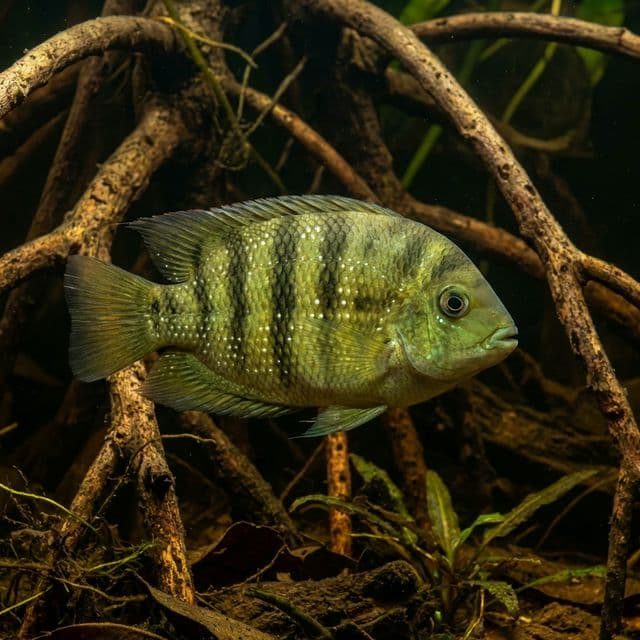
Mudskipper: Periophthalmus barbarus
An incredibly unique amphibious fish that spends the majority of its life out of the water, resting on mudflats and mangrove roots.
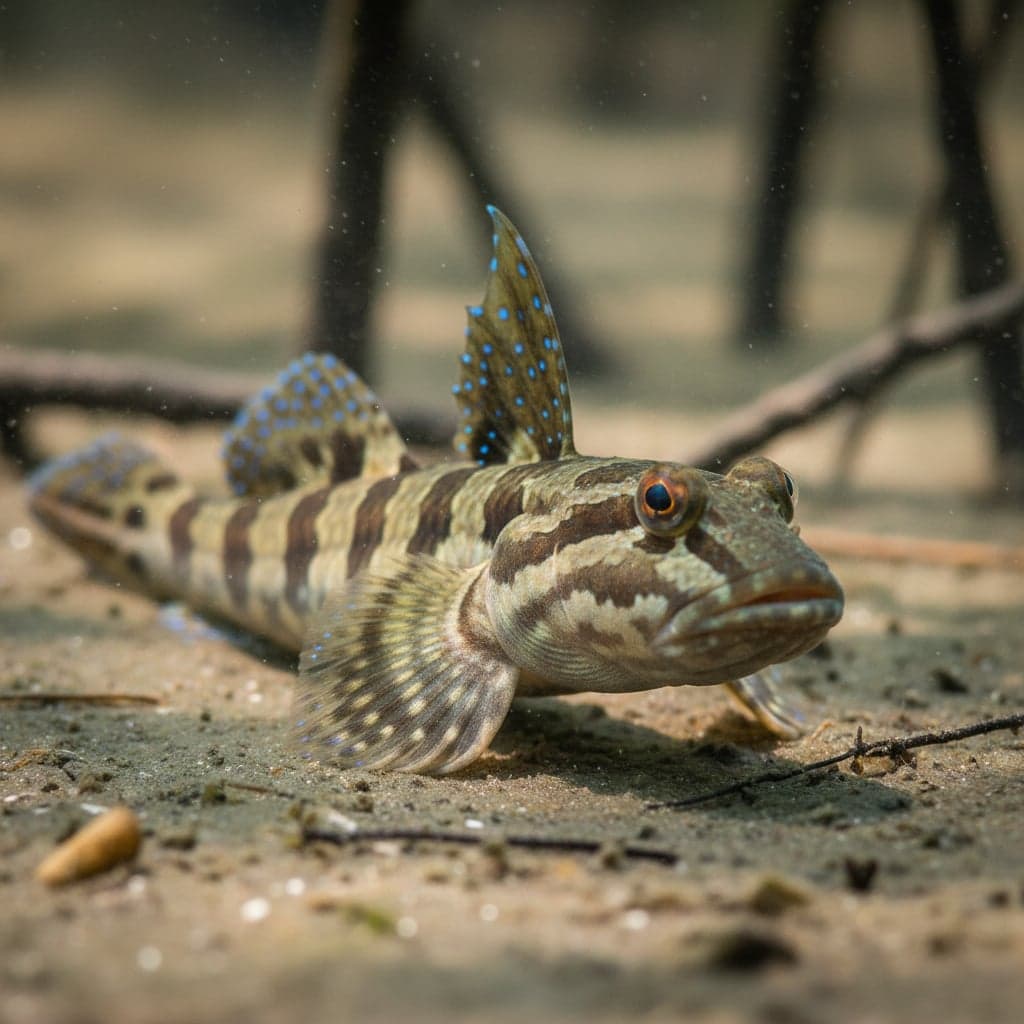
Mudskipper
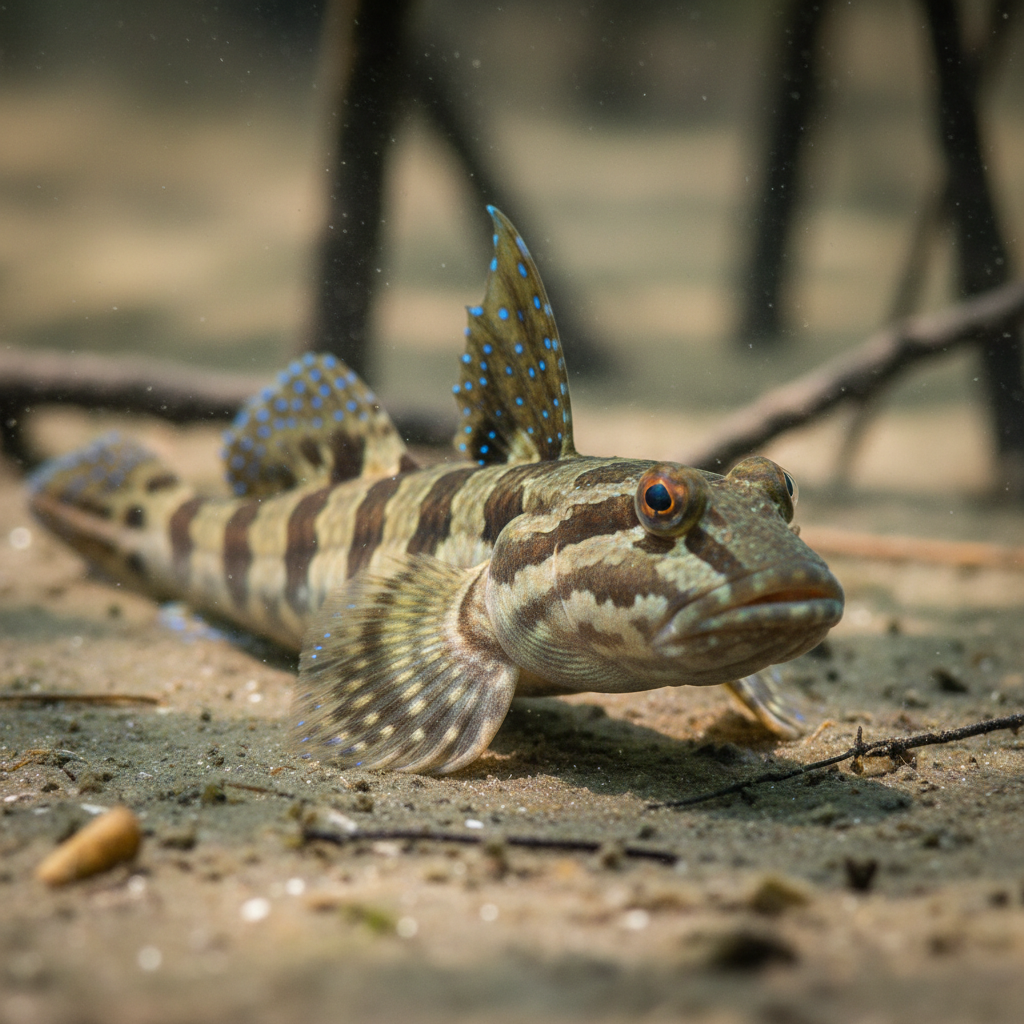
The Mudskipper (Periophthalmus barbarus) is a fascinating fish that stands out not only for its unique adaptations but also for its intriguing behavior. These semi-aquatic creatures are easily recognized by their distinct flattened bodies, elongated snouts, and bulging eyes positioned on top of their heads, giving them an almost amphibious appearance. Their coloration varies from browns to greens, often blending perfectly with the brackish water and mudflats they inhabit. What makes Mudskippers particularly appealing to aquarists is their ability to thrive both in and out of water; they can spend substantial time on land, using their pectoral fins to propel themselves while moving about on muddy surfaces. This unusual combination of characteristics makes them a remarkable addition to home aquariums.
In the aquarium hobby, Mudskippers have gained popularity due to their captivating behavior and adaptability. They are known for their energetic displays—climbing, jumping, and basking, which provide the aquarist with an engaging viewing experience. Additionally, Mudskippers are considered a keystone species in their natural ecosystems, contributing to the dietary needs of various predators while playing a role in sediment turnover and nutrient cycling. For aquarists seeking a unique challenge, the Mudskipper presents an opportunity to create a dynamic brackish-water setup that mirrors the natural habitats from which they derive.
Natural Habitat & Origin
Mudskippers are primarily found in the intertidal zones of West African coastal regions, particularly along mangrove forests and mudflats. Their geographical distribution spans from Senegal to Angola, where they thrive in brackish waters that typically include estuaries and lagoons. The environmental context of their habitat is characterized by fluctuating water levels, muddy substrates, and variable salinity, necessitating their adaptability to both aquatic and terrestrial conditions.
In their natural environment, Mudskippers prefer shallow waters with a substantial amount of submerged or partly submerged vegetation. These areas provide essential shelter and breeding opportunities while also serving as a habitat rich in food sources. The combination of mud and water allows Mudskippers to exploit the advantages of both realms, hunting for food, establishing territories, and avoiding predators effectively while exhibiting their unique behavioral traits.
Care Requirements
To keep Mudskippers healthy and thriving in an aquarium setting, specific water parameters must be maintained. The ideal pH range should be between 7.0 and 8.5, while temperatures should oscillate between 75°F and 85°F (24°C to 29°C). Water hardness should be maintained between 10-25 dGH. A minimum tank size of 50 gallons is recommended to provide ample space for walking, exploring, and establishing territories.
The tank setup is crucial for replicating their natural environment. A sandy substrate is ideal, as it allows Mudskippers to dig and burrow. Incorporating driftwood, rocks, and sturdy plants can create hiding spots and encourage natural behavior. An area of the tank should be kept dry to provide a land space, with a water level of approximately 6 inches. Adaptations like low-intensity lighting can mimic their natural day/night cycles, while providing adequate airflow with a surface agitation filter is recommended to ensure oxygen availability in the water.
Diet & Feeding
Mudskippers are opportunistic feeders and exhibit an omnivorous diet in their natural habitats. In an aquarium setup, they can thrive on a varied diet that includes high-quality pellets, flakes, and a combination of live and frozen foods. Incorporating protein sources, such as brine shrimp, bloodworms, and minced mollusks, will help mimic their natural feeding habits. Providing a diverse range of foods ensures they receive the necessary nutrients for optimal health. It's advisable to feed them small portions multiple times a day to prevent overfeeding and maintain water quality.
Due to their unique feeding behaviors, it's essential to observe how individual Mudskippers respond to different food types. Some may be more inclined to hunt live foods, while others might prefer a more straightforward approach, consuming pellets or flakes. Regular monitoring of their eating habits can help aquarists tailor their feeding regimen for each fish.
Behavior & Temperament
Mudskippers are known for their curious and interactive nature. They tend to exhibit a high level of activity both in water and on land, often seen basking or exploring their environment. These fish are generally social; however, they can show territorial aggression towards other Mudskippers, especially males. Adequate space and hiding spots are essential to accommodate any territorial disputes and reduce stress.
In terms of social behavior, Mudskippers do not form conventional schooling patterns like many other fish. Instead, they often establish territories which they defend vigorously. It is common for them to be seen perched on rocks or logs above the waterline, symbolizing their unique adaptation to a dual lifestyle. When designing an aquarium, the vertical space is crucial; providing a landscape that allows for climbing and basking will encourage natural behavior and reduce aggression.
Tank Mates
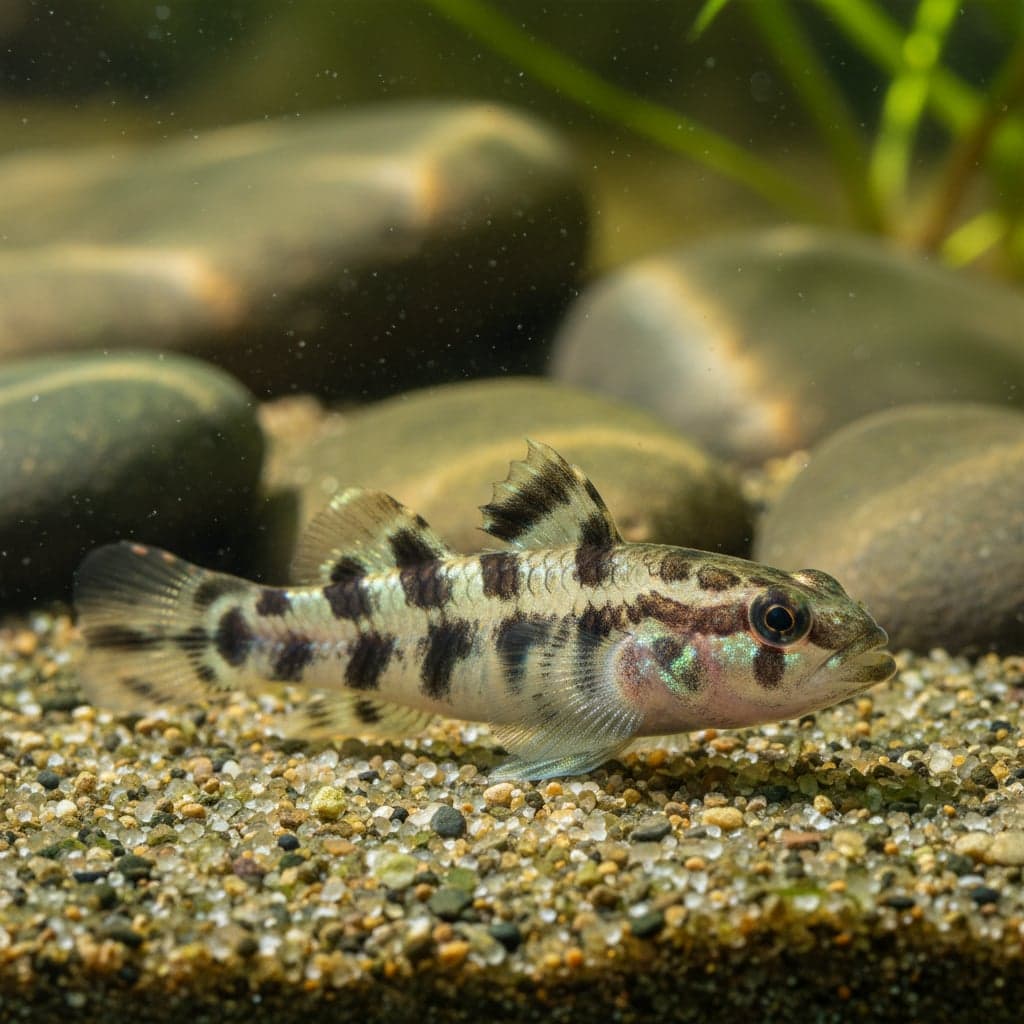
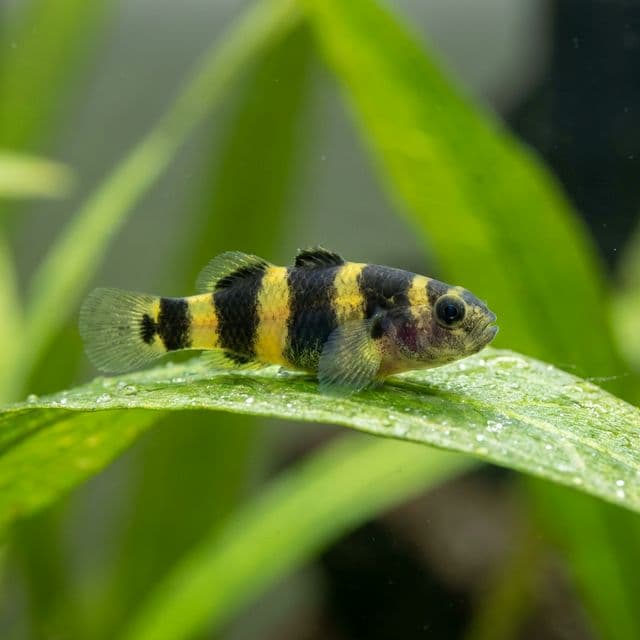
Choosing compatible tank mates for Mudskippers requires careful consideration, as their unique behaviors and territorial nature can lead to conflicts. Ideal tank mates include other peaceful brackish-water species, such as certain gobies and even freshwater species like African cichlids, as long as they're not overly aggressive. Other potential companions include fish like the Bumblebee Goby and Barbs, which can handle a similar water salinity level without competing for territory.
Species to avoid include larger, predatory fish that might see Mudskippers as prey, as well as overly aggressive species that will stress or out-compete them. Aquarists should also be cautious with other Mudskippers; keeping a combination of males and females is advisable if breeding is intended, whereas multiple males could lead to significant territorial disputes. Establishing a well-planned aquascape that provides plenty of hiding places and visual barriers can further enhance harmony within the tank community.
Breeding
Breeding Mudskippers in captivity is a challenging yet rewarding endeavor. They are known to undergo distinct spawning behaviors, typically taking place during specific environmental conditions that mimic their natural spawning grounds. Females will lay eggs in nests constructed from mud or sand within their territory. Males are responsible for guarding these nests, often exhibiting vibrant displays to attract females and deter potential intruders.
To create suitable conditions for breeding, water parameters should remain stable and within the target range previously discussed. Incorporating a strong air stone to ensure oxygenation and slight water movement can mimic natural breeding conditions. Providing multiple hides and nesting sites is essential; this encourages successful pairing and successful reproduction. In capturing the excitement of breeding Mudskippers, aquarists should be prepared for the subsequent care of fry and the conditions required for their growth.
Common Health Issues
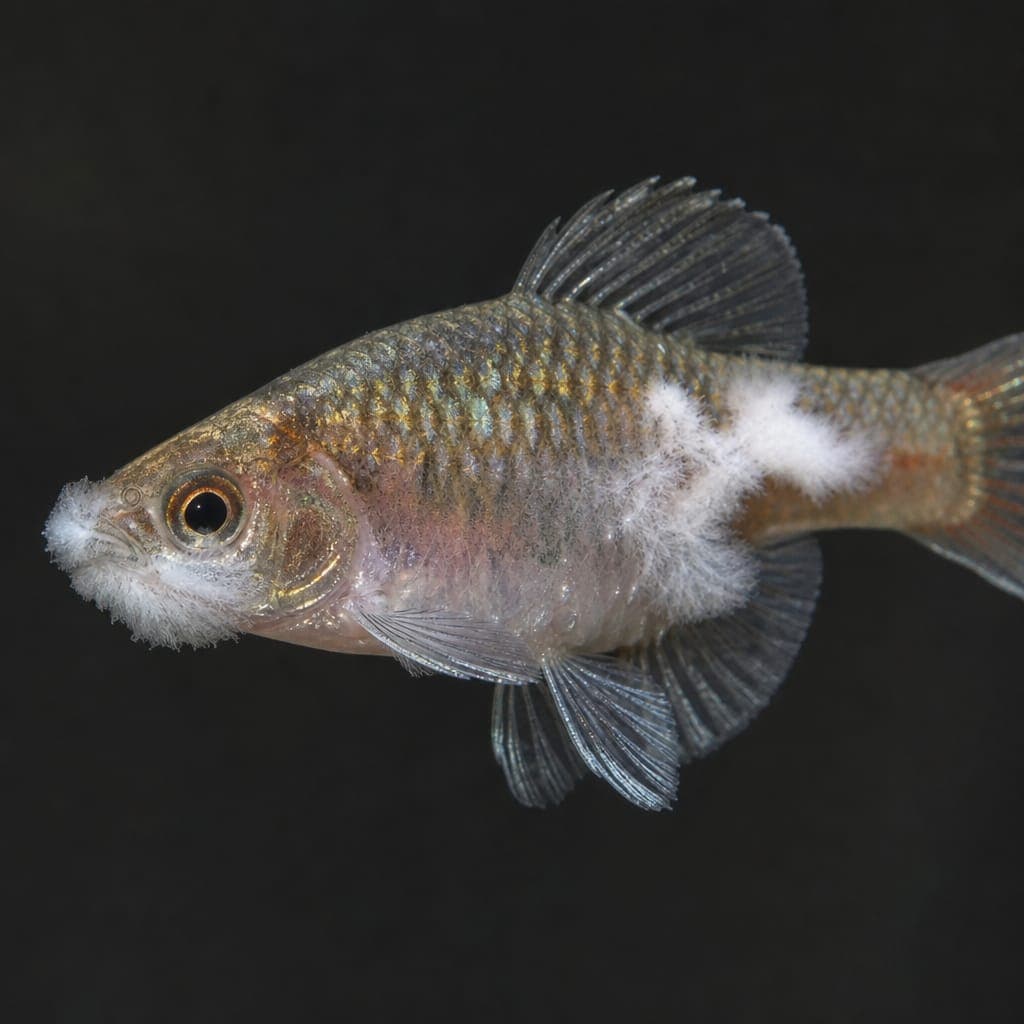
Mudskippers can be susceptible to various health issues, particularly when housed in suboptimal conditions. Common diseases include Ich (white spot disease), fin rot, and fungal infections. To prevent these diseases, maintaining stringent water quality and ensuring stable parameters is critical. Regular water changes and a reliable filtration system will help create a healthy environment, preventing the onset of stress and illness.
It is also essential to monitor their diet closely, as poor nutrition can weaken their immune system, making them more vulnerable to diseases. Keeping the aquarium clean and introducing quarantine protocols for new additions can significantly reduce the risk of introducing pathogens. Prompt intervention at the first sign of lethargy, clamped fins, or unusual skin lesions can prevent minor issues from becoming severe. A proper land–water setup with clean brackish conditions and a varied diet supports a strong immune system and long-term health.