Mummichog: Fundulus heteroclitus
An incredibly hardy North American killifish famous for being sent into space and surviving extreme pollution.
Mummichog
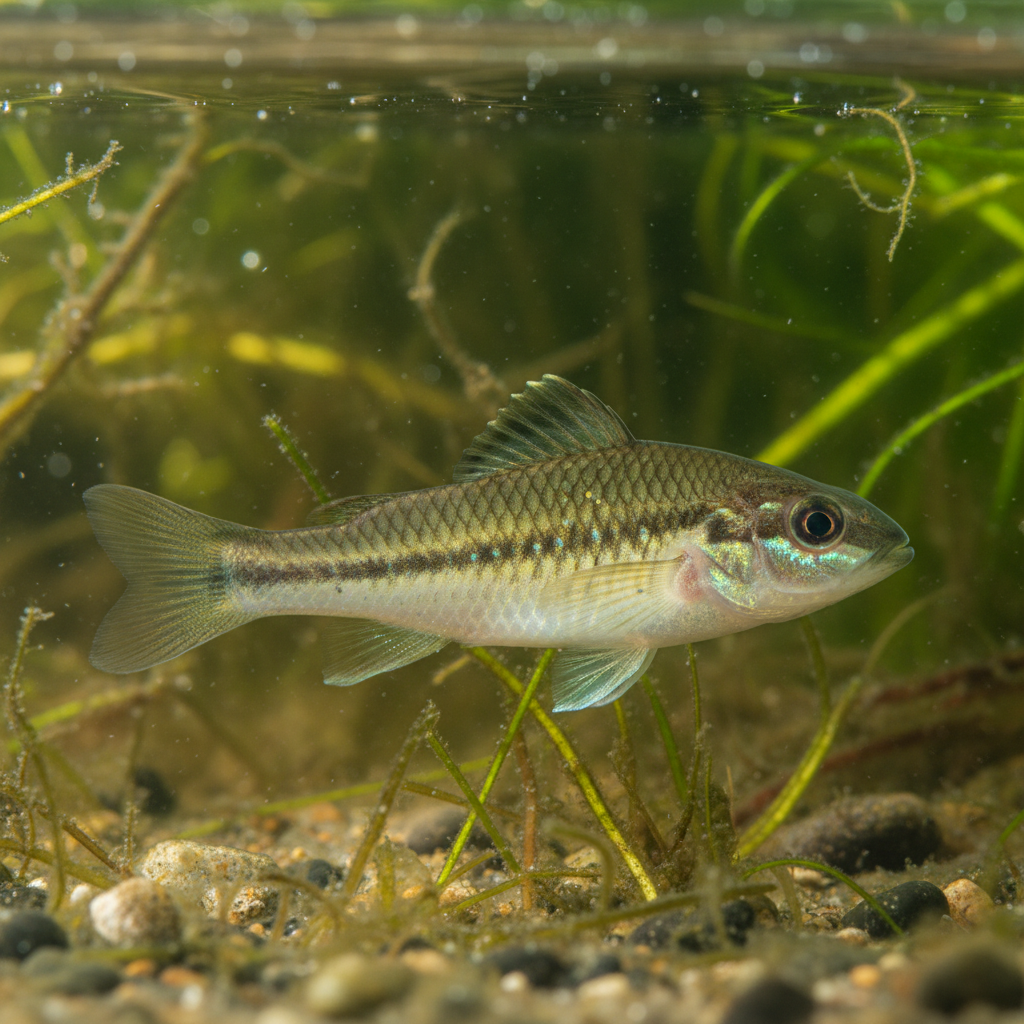
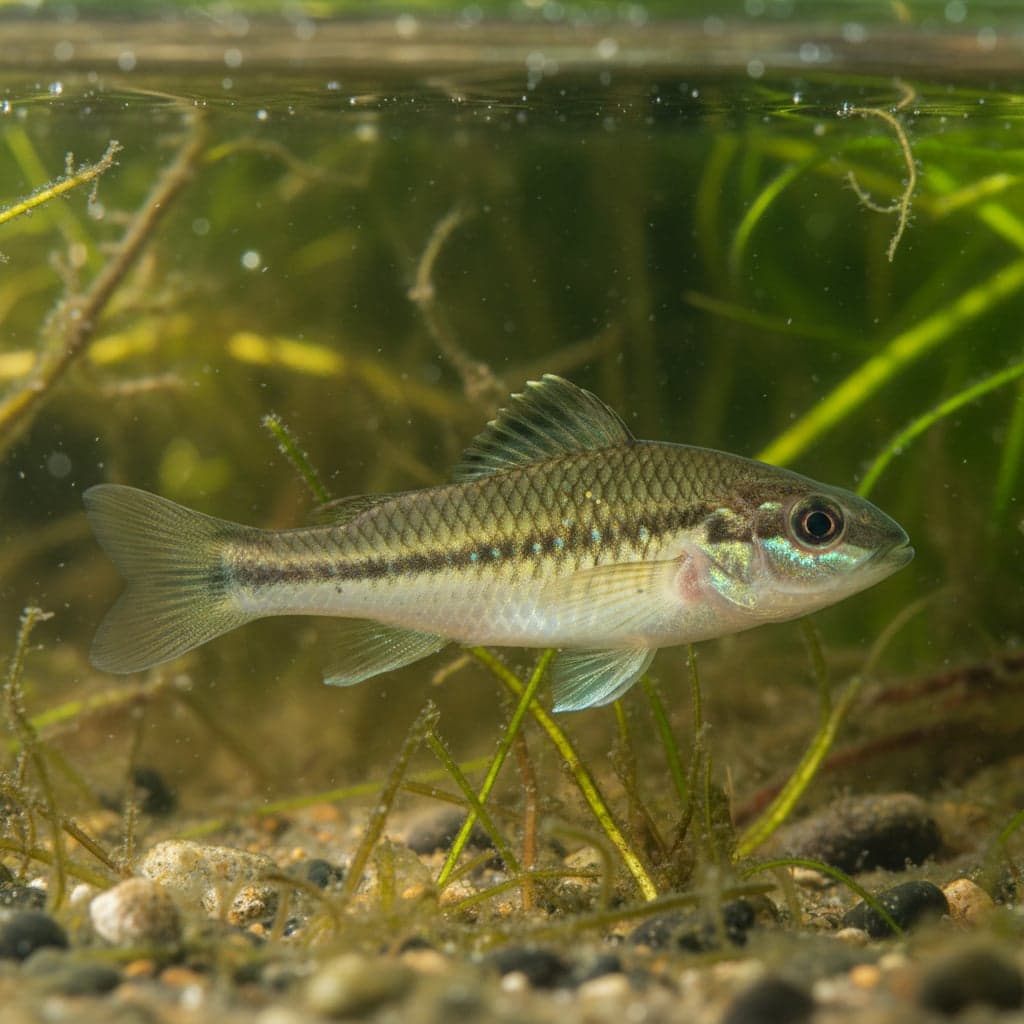
The Mummichog, scientifically known as Fundulus heteroclitus, is a small, resilient fish native to the brackish and freshwater environments of the eastern United States. This fish typically measures between 2 to 4 inches in length and displays a striking appearance, characterized by its elongated body, vibrant colors, and distinguishing patterns. Mummichogs display a variety of colorations, ranging from olive to grayish-green with spots or stripes, which enhances their visual appeal in an aquarium setting. Their lively movements and curious nature make them captivating inhabitants of any aquatic display.
In the aquarium hobby, the Mummichog holds significance not just for its attractive appearance but also for its adaptability and hardiness. This species can tolerate a wide range of salinity and is often used in ecological studies and bioindicators for assessing environmental health. Its lively disposition, coupled with its ability to thrive in diverse conditions, makes the Mummichog a favorite among aquarists seeking a low-maintenance yet visually striking fish for their tanks.
Natural Habitat & Origin
The Mummichog is predominantly found along the Atlantic Coast of North America, stretching from Nova Scotia in Canada down to northern Florida. This species is often located in brackish waters, estuaries, and tidal marshes, where freshwater from rivers meets the saltwater of the ocean. Mummichogs thrive in these fluctuating salinity levels, making them highly adaptable to varying conditions. In their natural habitat, they can be found in shallow areas with plenty of vegetation, which provides shelter and breeding grounds.
The water bodies inhabited by Mummichogs can range from blackwater rivers to clear, sandy-bottomed estuaries. Environments typically feature abundant aquatic plants and a variety of substrates like mud, sand, and detritus, offering both a rich ecological context and a nurturing environment for various life stages. Understanding their natural habitat is crucial for providing optimal care in captivity.
Care Requirements
To ensure the well-being of Mummichogs in an aquarium, specific water parameters are necessary. Ideally, the pH should range between 6.5 to 8.0, with temperatures maintained between 65°F to 75°F (18°C to 24°C). Water hardness can vary, though a range of 5 to 20 dGH is acceptable, providing flexibility for aquarists dealing with different water sources.
In terms of tank setup, a minimum tank size of 20 gallons is recommended for a small group of Mummichogs to allow for swimming space and to establish territories. The substrate should be fine gravel or sand to mimic their natural environment, while adequate lighting will not only facilitate plant growth but also showcase the vibrant colors of the fish. Incorporating live plants such as Java moss or floating vegetation can provide shelter and enrichment, while hiding places such as driftwood and rocks will offer additional security.
Diet & Feeding
The Mummichog is an omnivore, exhibiting a diverse diet in the wild that includes small invertebrates, detritus, and plant matter. In an aquarium setting, it thrives on a balanced diet, which can include high-quality flakes, pellets, and freeze-dried options that contain both protein and vegetable content. Offering a variety of frozen or live foods, such as brine shrimp, daphnia, and bloodworms, will enhance their diet and promote vibrant coloration and health. Feeding small portions two to three times daily is recommended to prevent overfeeding and ensure optimal growth.
Behavior & Temperament
Mummichogs are generally sociable and active fish that prefer to live in small groups, making them a perfect candidate for community tanks. They are known for their schooling behavior, which provides them with a sense of security and allows them to exhibit more natural behaviors. While they are not aggressive, males can become territorial during breeding periods, so providing ample space and hiding spots is important.
In terms of vertical placement in the tank, Mummichogs are mid-level swimmers but can often be found near the surface, particularly during feeding times. Their lively movements and playful nature contribute to an engaging and dynamic aquarium environment.
Tank Mates
When selecting tank mates for Mummichogs, it's crucial to choose non-aggressive species that share similar water parameter requirements. Ideal companions include small to medium community fish such as guppies, platies, neon tetras, and minnows. Other suitable tank mates include various types of shrimp and peaceful bottom-dwelling fish like Corydoras.
However, it is advisable to avoid larger or aggressive fish species, such as cichlids, as they may view Mummichogs as prey. Additionally, avoid keeping Mummichogs with highly territorial fish that could disrupt their natural behavior or invade their personal space in the tank.
Breeding
Breeding Mummichogs in captivity can be rewarding, although it does require specific conditions to promote successful spawning. They typically engage in spawning behaviors during warmer months, particularly when water temperatures are in the upper range of their tolerance. Creating a designated breeding tank with gentle water flow and abundant vegetation will mimic their natural breeding grounds.
Mummichogs often lay adhesive eggs on submerged vegetation, so providing ample plants is crucial. After spawning, the adult fish may need to be removed to prevent them from eating the eggs. The incubation period for the eggs is typically around 7 to 10 days, depending on temperature, and fry will emerge once they are ready to swim. Providing infusoria or finely crushed flakes as a first food source will encourage healthy growth in the young fish.
Common Health Issues
While Mummichogs are generally hardy fish, they can be susceptible to certain health issues, especially if kept in suboptimal conditions. Common ailments include ich (Ichthyophthirius multifiliis), fin rot, and various bacterial infections. To prevent such diseases, it is vital to maintain water quality through regular testing and partial water changes.
Quarantining new fish before introducing them to the main aquarium will help reduce the risk of disease transmission. Additionally, monitoring for signs of stress, such as lack of appetite or erratic swimming, can help in early detection and treatment of potential health problems. By providing a stable environment and proper care, Mummichogs can lead healthy lives in the aquarium.