The Mystery Snail: Pomacea bridgesii
A large, attractive freshwater snail available in gold, blue, ivory, and purple. Active, fun to watch, and excellent for community tanks.
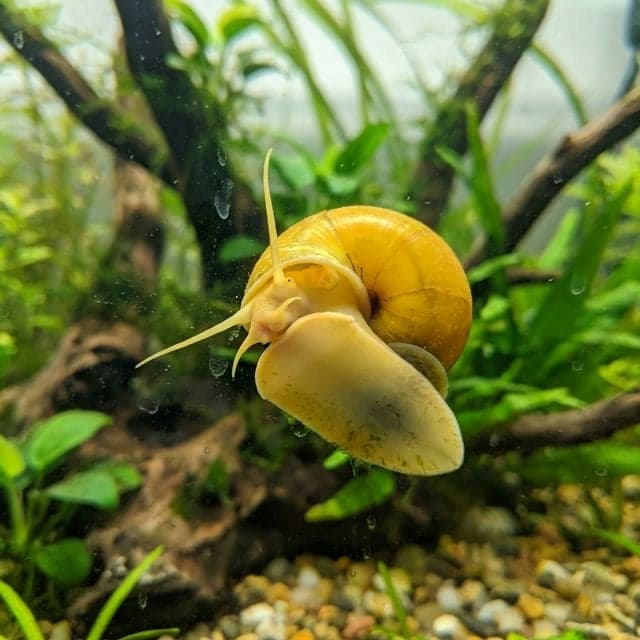
Mystery Snail
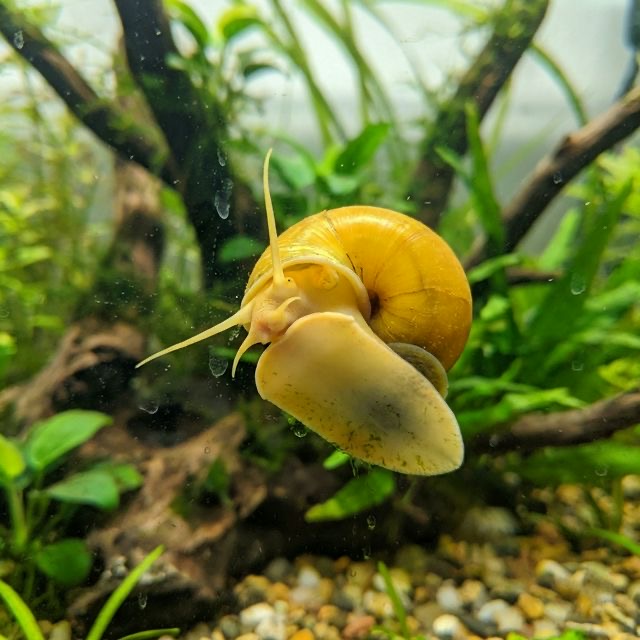
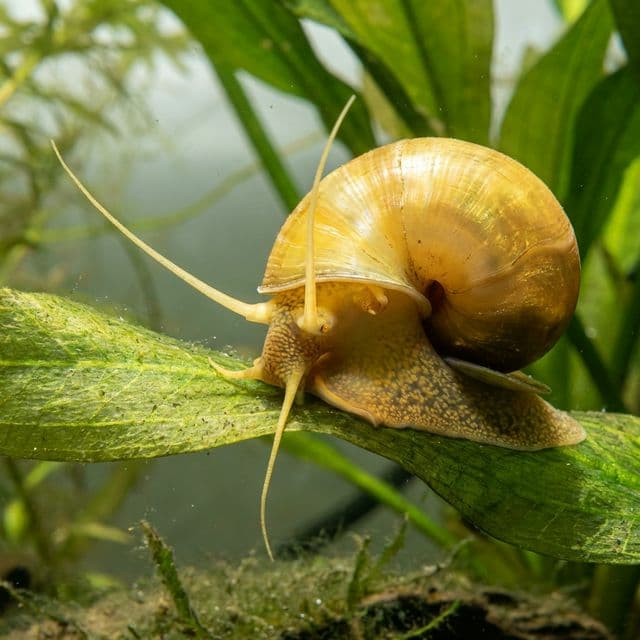
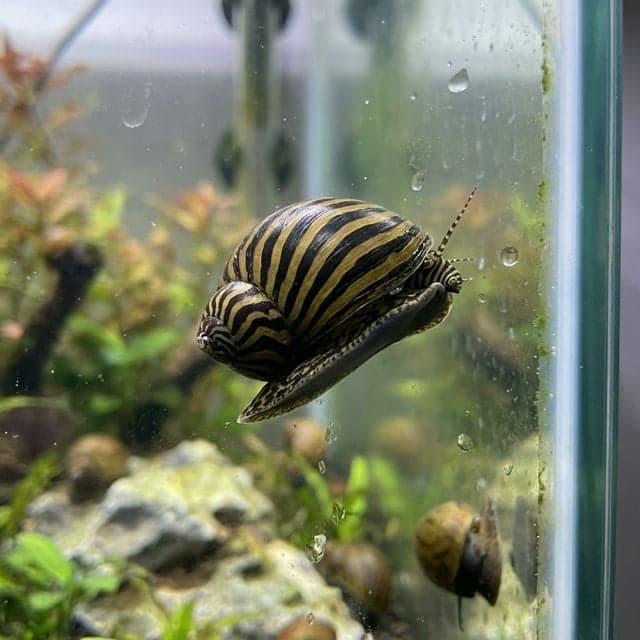
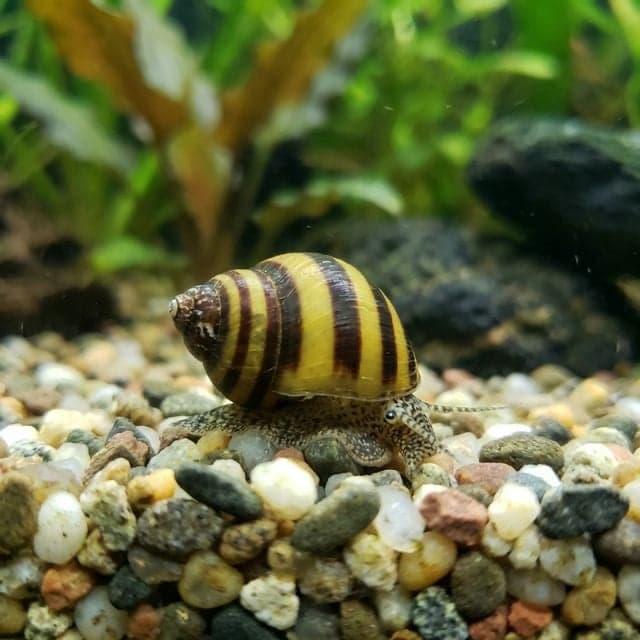
The Mystery Snail, scientifically known as Pomacea bridgesii, is a captivating freshwater gastropod that has gained immense popularity among aquarium enthusiasts. These snails are not only visually appealing due to their diverse color morphs – ranging from golden yellows to deep blues and striking blacks – but also possess a fascinating behavioral repertoire that enchants both novice and seasoned aquarists. Their charming spiral shells and curious nature make them a delightful addition to various aquarium setups. The Mystery Snail’s ability to thrive in a range of water conditions contributes to its significance in the aquarium hobby, allowing hobbyists to add an element of movement and interest without overwhelming the bioload of their tanks.
In addition to their aesthetic appeal, Mystery Snails play a vital role in the ecosystem of a planted aquarium. By feeding on algae, organic debris, and detritus, they help maintain water quality and assist in keeping the tank clean. This natural algae control is particularly appreciated in aquascaped tanks, where excess algae can detract from the beauty of the setup. Their non-aggressive nature and interactions with other tank inhabitants further enhance their reputation as ideal companions in community tanks, making them a staple in many aquarist collections.
Natural Habitat & Origin
The Mystery Snail is native to the freshwater rivers, lakes, and swamps of South America, particularly in regions like the Amazon Basin. These areas are characterized by diverse aquatic habitats where the snails can find ample vegetation and debris to feed on. The waters they inhabit are typically soft, with a neutral to slightly acidic pH, providing a perfect environment for their survival and reproduction. Interestingly, Mystery Snails prefer slow-moving water bodies, where they can often be found grazing on algae and organic material along the banks. The environmental context of these habitats showcases their adaptability to various ecological conditions, which translates well to a home aquarium setting.
In its natural environment, the Mystery Snail thrives in both clear and blackwater ecosystems, where the presence of decaying leaves and organic materials contributes to the nutrient cycle. This indicates that they are well-suited to various water qualities, allowing for versatility in aquascaping. Understanding their natural habitat helps aquarists recreate a suitable environment that mimics the conditions of their origin, further promoting their health and longevity in a controlled aquarium setting.
Care Requirements
To successfully maintain Mystery Snails in your aquarium, attention must be given to specific water parameters. Ideally, the pH should range between 7.0 and 8.5, with a temperature between 70°F and 82°F (21°C to 28°C). The hardness level can vary, but a range of 3 to 12 dGH is preferable for optimal health. A minimum tank size of 10 gallons is recommended to allow ample space for these snails to roam and graze without the risk of overcrowding, which can lead to stress.
The tank setup for Mystery Snails should include a soft substrate, like sand or fine gravel, to prevent shell damage as they graze. Live plants are highly beneficial as they provide both food and hiding places, crucial for the snails' comfort. Moderate lighting is suitable to encourage plant growth without promoting excessive algae blooms. Additionally, incorporating decorations such as driftwood can enhance the natural feel of the aquarium while providing places for snails to explore.
Diet & Feeding
As opportunistic feeders, Mystery Snails are classified as omnivores and have a diverse diet. Their natural inclination to graze on algae makes them excellent cleaning companions, but they require a well-rounded diet to thrive in captivity. High-quality algae wafers, specially-formulated snail pellets, and blanched vegetables (such as zucchini, spinach, and cucumbers) should be incorporated into their feeding regimen. The addition of occasional protein sources, such as finely chopped shrimp or fish food, can be beneficial as well.
It's essential to monitor their feeding habits closely since overfeeding can lead to water quality issues. Providing small amounts of food every couple of days is advisable, along with removing any uneaten food after 24 hours to maintain tank cleanliness. Treating Mystery Snails to a variety of food options not only ensures their nutritional needs are met but also promotes their overall health and vibrant coloration.
Behavior & Temperament
Mystery Snails exhibit a mostly docile and peaceful temperament, making them excellent candidates for community tanks. They do not engage in aggressive behavior and tend to coexist with various tank mates without issues. Interestingly, these snails do not school but rather explore their environment independently, often climbing on decorations, plants, and the aquarium glass. Their natural curiosity leads them to investigate new elements in the tank, providing an entertaining spectacle for aquarists.
Vertical placement in the tank is common for Mystery Snails, as they are known to climb towards the water surface in search of air. This behavior is essential, especially during breeding, as they need access to atmospheric oxygen. The natural movement of Mystery Snails adds a dynamic aspect to the aquarium, allowing hobbyists to enjoy their slow-paced but engaging activities.
Tank Mates
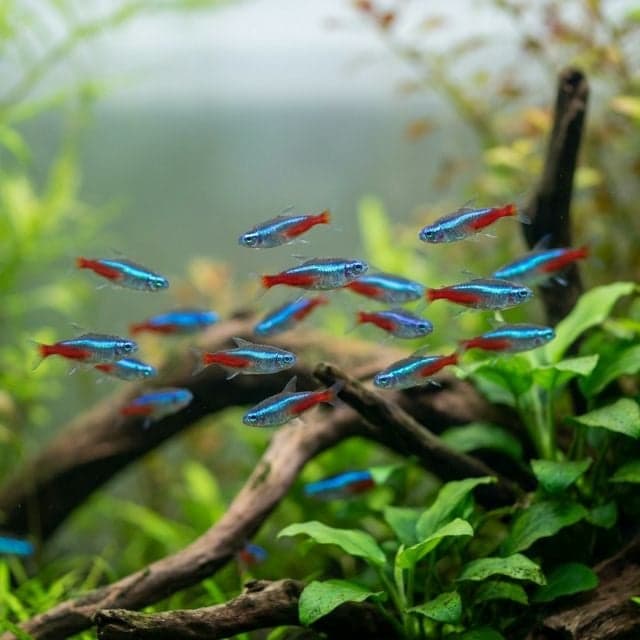
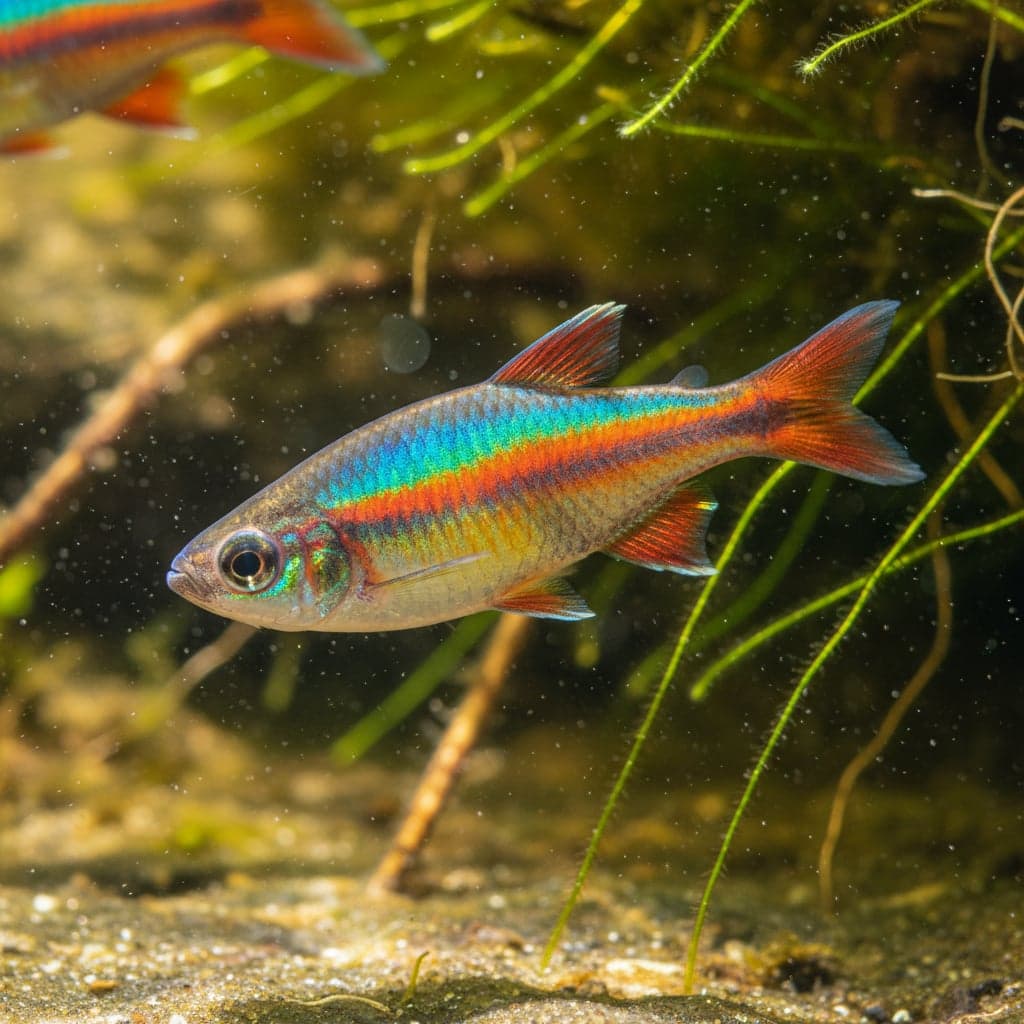
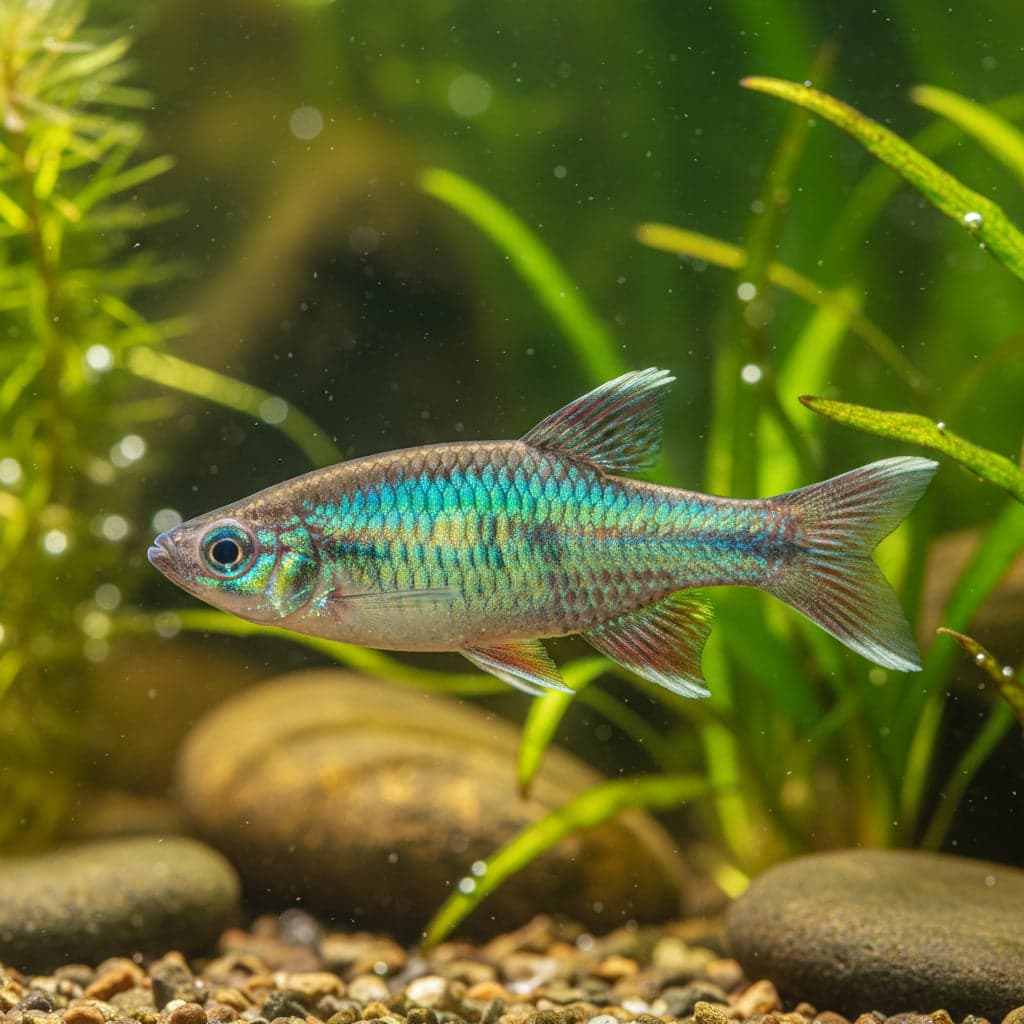
When choosing compatible tank mates for the Mystery Snail, it is crucial to select peaceful and non-aggressive species. Ideal companions include small to medium freshwater fish such as Tetras (like Neon or Rummy Nose), Guppies, Rasboras, and peaceful Gouramis. Additionally, other invertebrates and crustaceans, like shrimp or other non-invasive snails, can coexist harmoniously with Mystery Snails.
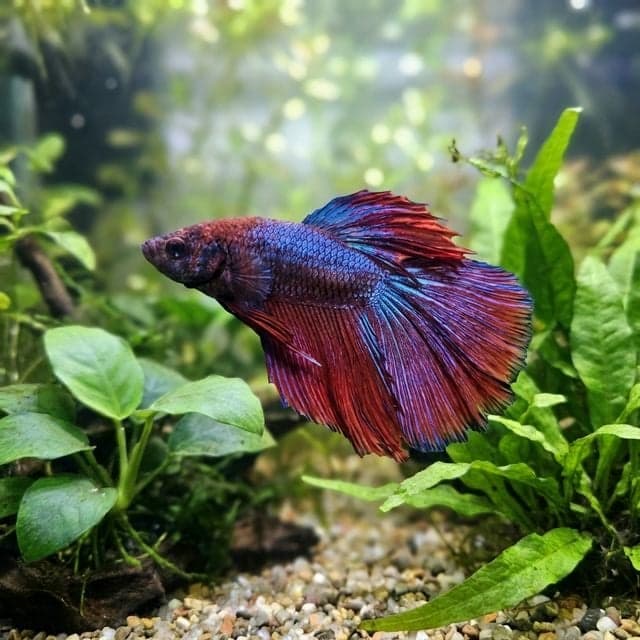
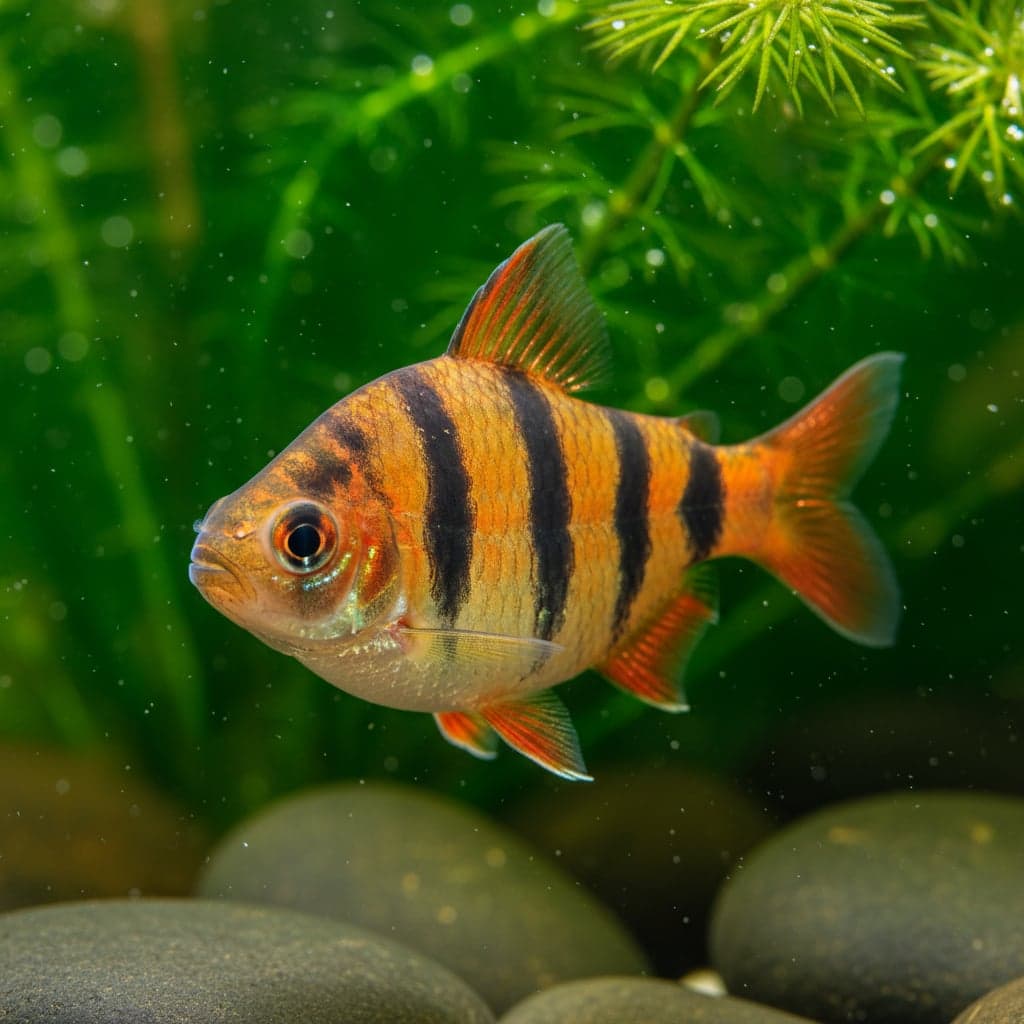
However, it's essential to avoid keeping them with aggressive or fin-nipping species, such as Cichlids or certain larger Barbs, which may pose a threat to the snails' well-being. Additionally, avoid fish that may view the snails as food, like some larger Betta species or carnivorous freshwater fish. Creating a balanced community that respects the gentle nature of Mystery Snails will promote a thriving aquarium environment.
Breeding
Breeding Mystery Snails in captivity can be a rewarding experience, but certain conditions must be met for successful spawning. They are known for their unique reproductive behavior, where females will lay clusters of bright, pink eggs above the waterline. Ideal breeding conditions include a slightly acidic pH (around 7.0) and stable water temperatures within the previously mentioned range (70°F to 82°F).
To encourage breeding, providing a well-planted tank with plenty of hiding spots will create a secure environment. If conditions are suitable, a healthy female may lay eggs every few weeks. After a few weeks, the eggs will hatch, releasing baby snails that can be fed crushed algae wafers or finely ground fish flakes. Careful attention to the care and feeding of the hatchlings is essential for their successful growth to maturity.
Common Health Issues
Mystery Snails can be prone to specific health issues, typically related to environmental stressors. One common issue is shell erosion, often caused by low water hardness or insufficient calcium levels. Regularly monitoring water parameters and ensuring a balanced diet rich in calcium sources, such as crushed coral or calcium supplements, can help prevent this problem.
Additionally, they may suffer from infections or parasites if water conditions are poor or if they are exposed to contaminated food. Observing their behavior and physical condition closely will enable prompt detection of any potential health issues. Regular water changes and maintaining a clean environment are fundamental to sustaining healthy Mystery Snails. Provide a calcium-rich diet and avoid copper-based medications, which are toxic to invertebrates. With stable water chemistry and attentive care, Mystery Snails remain active, long-lived grazers that contribute both beauty and cleanup to the community aquarium.