Neon Goby: Elacatinus oceanops
A tiny electric-blue cleaner goby that removes parasites from larger fish. Hardy, captive-bred, and perfect for nano reef tanks.
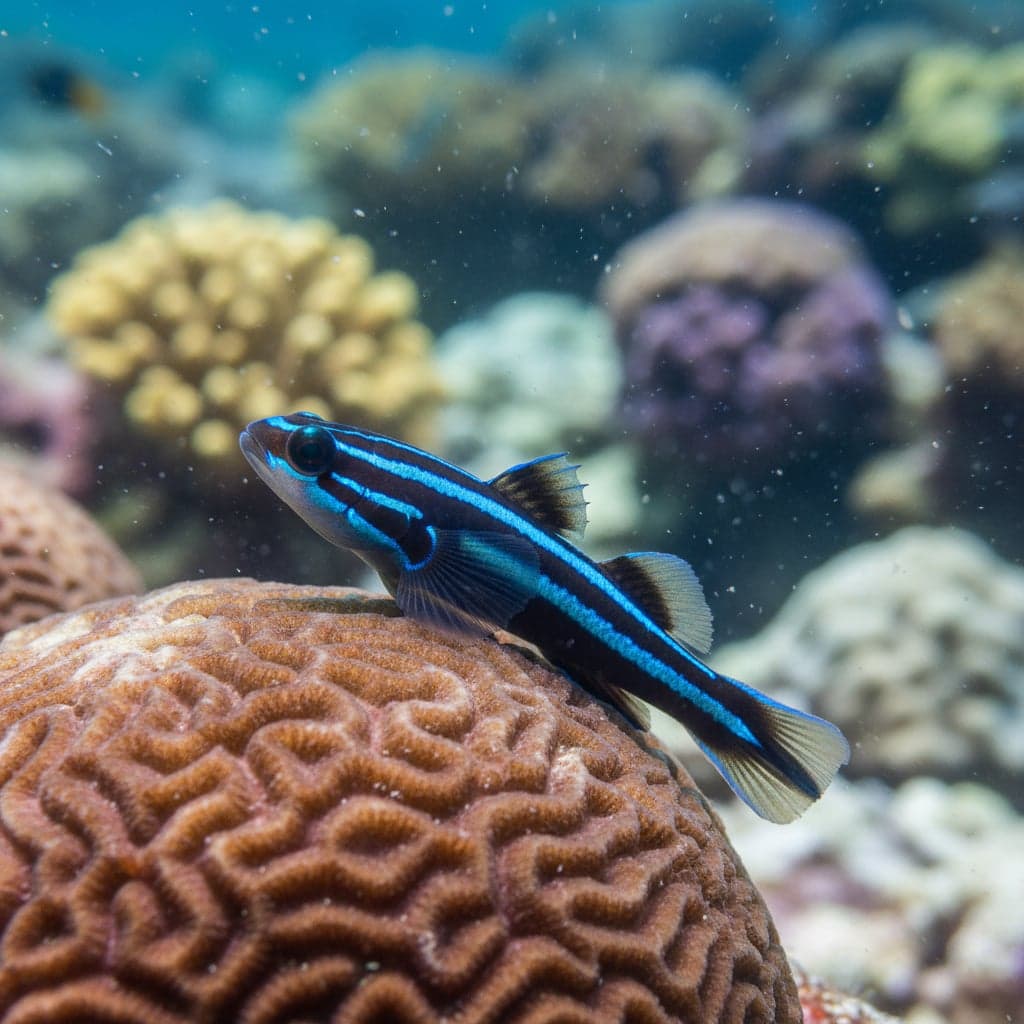
Neon Goby
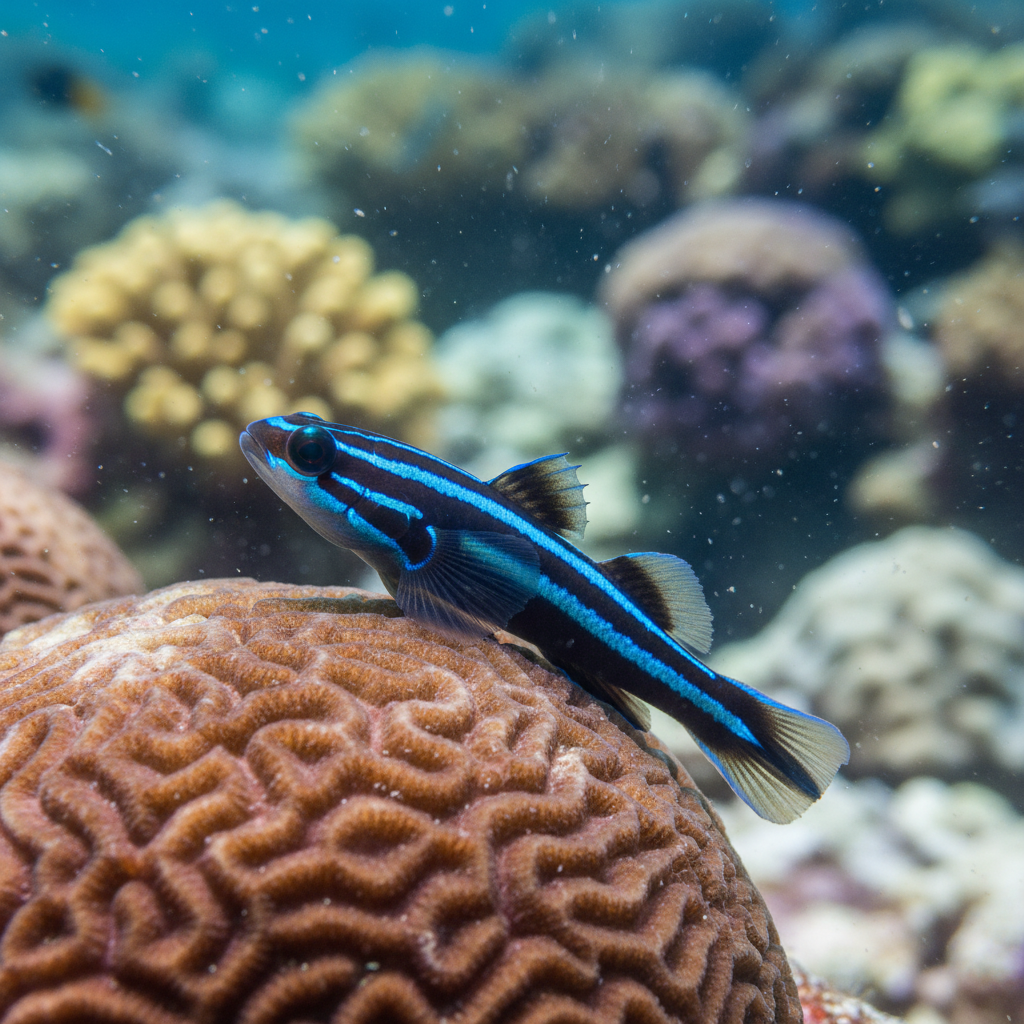
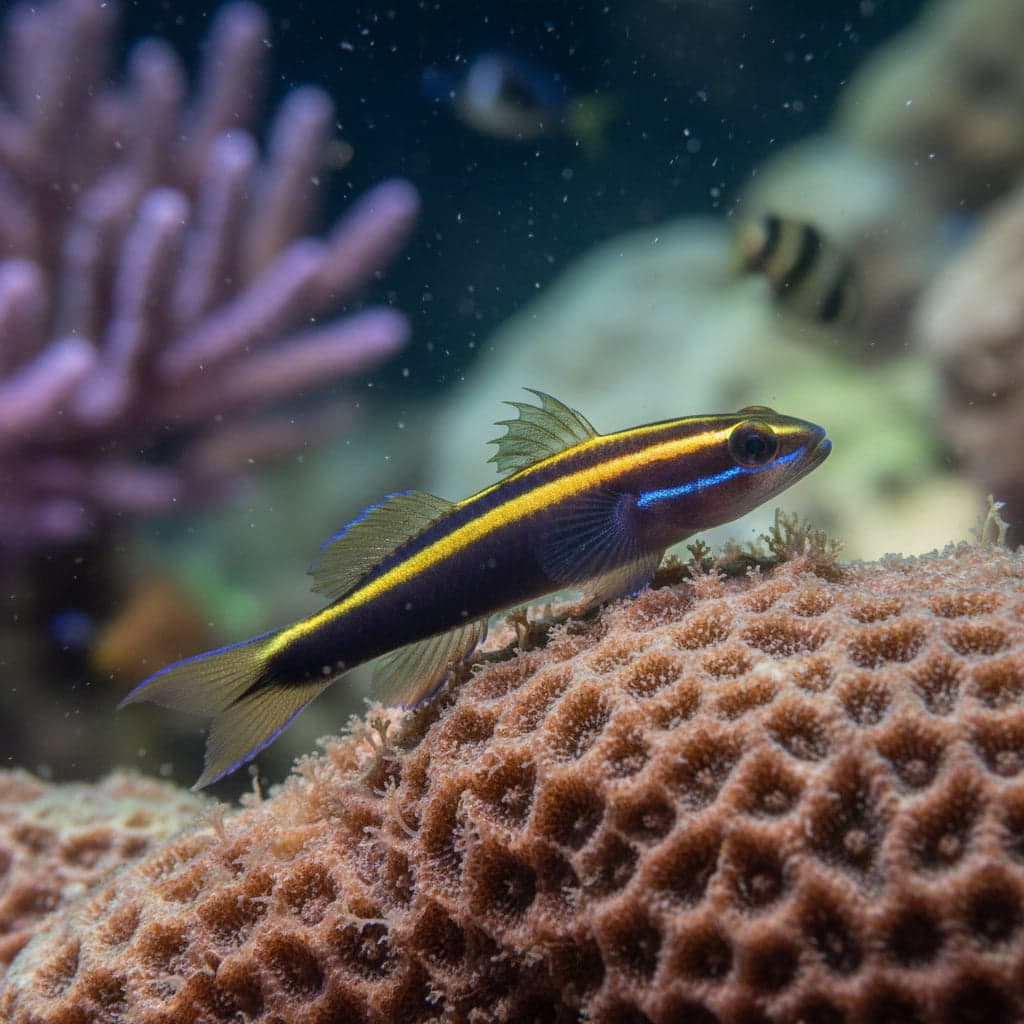
The Neon Goby (Elacatinus oceanops) is a small, brightly colored fish that has gained significant popularity in the aquarium hobby due to its striking appearance and engaging behavior. Typically reaching a length of about 2 inches, this species exhibits a stunning blue body adorned with vibrant yellow stripes along its sides. The iridescent coloration, combined with its delicate, streamlined shape, makes it a visual delight, often described as a miniature marine jewel. This captivating appearance is complemented by its lively personality, which appeals to aquarists looking for a small, active inhabitant to enhance the dynamics of a reef or community tank.
In addition to its aesthetic appeal, the Neon Goby holds ecological importance as a cleaner fish, often forming symbiotic relationships with other marine species. In the wild, these small gobies are known to inhabit coral reefs, where they serve a critical role in maintaining the health of their ecosystem. Their behavior of cleaning parasites from larger fish makes them not only interesting to observe but also beneficial to the overall health of a well-balanced aquarium. As such, they are an excellent choice for dedicated aquarists keen on creating a diverse and harmonious marine environment.
Natural Habitat & Origin
The Neon Goby is native to the Western Atlantic, primarily found the Caribbean and along the southeastern coast of the United States, particularly in Florida and the Gulf of Mexico. They inhabit shallow coral reefs, usually in depths between 5 to 50 feet. These regions are characterized by clear, warm waters, which facilitate the photosynthesis of the algae and corals that form their habitat. Being part of the diverse coral ecosystem, Neon Gobies thrive in areas with plenty of hiding spots and natural cover, such as crevices and anemones, allowing them to dart among rocks and corals for shelter and foraging.
These fish predominantly reside in environments with stable temperature and salinity, which is crucial for their survival. The water conditions in their natural habitat are typically warm, ranging from 75°F to 80°F (24°C to 27°C), with pH levels hovering between 8.1 and 8.4. The original coastal ecosystems provide not only the necessary water quality but also a rich supply of microorganisms and tiny prey essential for the Neon Goby’s diet.
Care Requirements
To successfully keep Neon Gobies in an aquarium, certain water parameters must be maintained. A stable pH level between 8.1 and 8.4, temperature around 75°F to 80°F (24°C to 27°C), and a salinity of about 1.020 to 1.025 specific gravity are ideal. The water hardness should be close to 8-12 dGH. When regarding tank size, a minimum of 20 gallons is recommended to provide ample swimming space for these active fish and maintain water quality.
The tank setup should mimic their natural habitat, incorporating live rock and coral structures to create hiding spaces. A substrate of fine sand is preferred, emulating the sandy ocean floor. Lighting should be moderate to high to support any live corals, as well as to enhance the beauty of the fish's colors. Adding plants like macroalgae can also offer grazing material, as well as improve water quality through natural filtration methods, which benefits the Neon Goby.
Diet & Feeding
The Neon Goby is considered an omnivore, which allows for a diverse diet that can include various food types. In captivity, it thrives on a mix of high-quality marine flakes, pellets, and frozen or live foods such as brine shrimp or mysis shrimp. Offering a balanced diet will not only support their health but will encourage natural behaviors, including foraging. It's essential to provide small portions of food several times a day rather than one large feeding to promote an active lifestyle and prevent overfeeding.
Educating yourself on their dietary needs is crucial, as a varied diet helps mimic the natural feeding habits they exhibit in the wild. Supplementing their diet with algae-based foods can also be beneficial, providing them with the necessary nutrients and promoting optimal health.
Behavior & Temperament
In terms of social behavior, the Neon Goby is typically peaceful and displays a curious, interactive nature. They often engage in symbiotic relationships with larger fish, forming a "cleaning station" where they help to remove parasites. Neon Gobies exhibit a schooling habit and are best kept in pairs or small groups, however, it is crucial to avoid overcrowding within the aquarium.
These fish prefer the lower levels of the tank, often hovering near the substrate and among rock structures. They display low aggression levels towards other fish but may exhibit dominance over their own species if kept in insufficient numbers. Creating a harmonious environment with ample space and hiding spots is vital to accommodate their natural behaviors.
Tank Mates
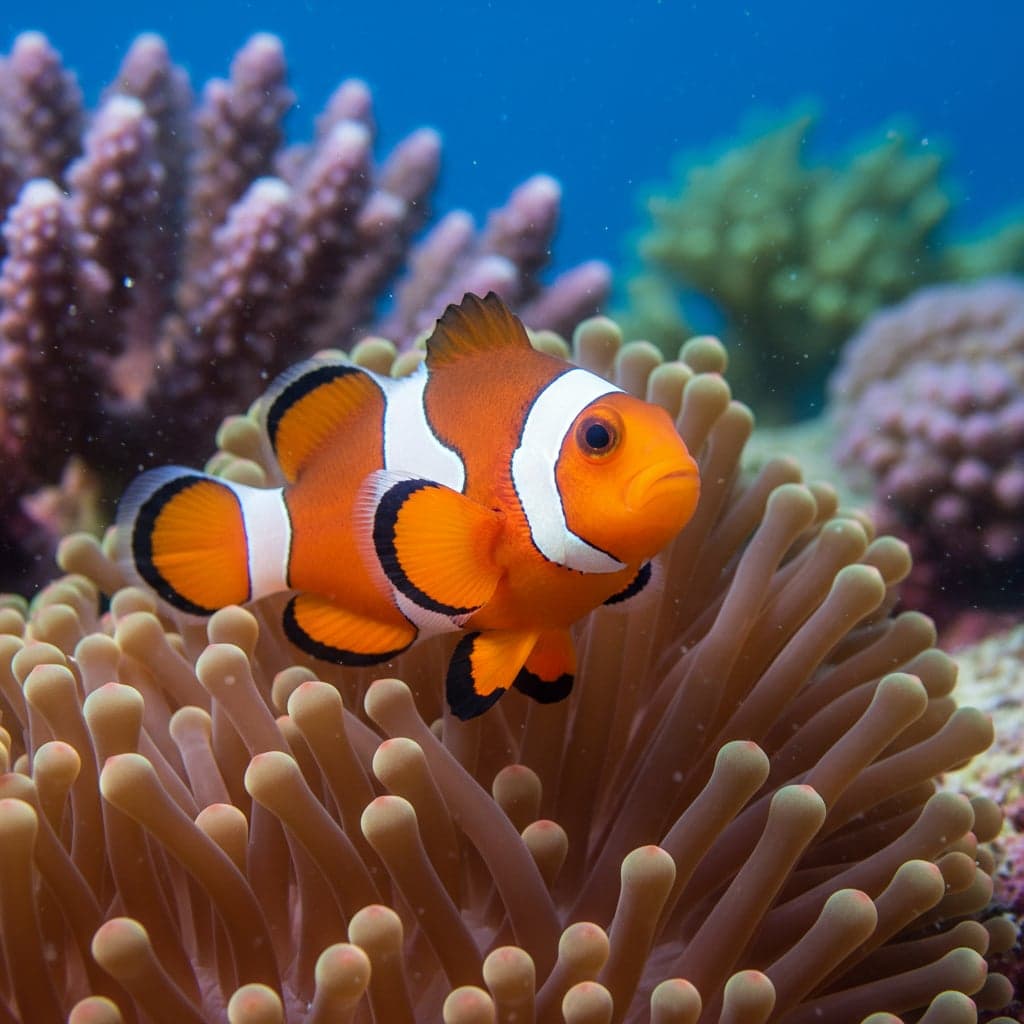
When selecting tank mates for Neon Gobies, compatibility is key to maintaining a peaceful aquarium. Suitable tank mates include peaceful species such as the Clownfish, Royal Gramma, or various types of damselfish. Other small reef-safe species, such as Gobies and Blennies, can also coexist harmoniously.
However, caution should be exercised when introducing tank mates that may exhibit territorial behavior, such as larger wrasses or aggressive species like the Sergeant Major Damsel. Additionally, avoid keeping them with larger predatory fish that may consider the Neon Goby as a meal due to their small size.
Breeding
Breeding Neon Gobies in captivity can be both challenging and rewarding. They are known to exhibit specific spawning behavior, often leading to a delightful display. To successfully breed this species, you will need to set up a breeding tank with stable water conditions, including appropriate pH, temperature, and salinity as mentioned earlier.
During the spawning process, the male typically prepares a nesting site, often on a flat surface or within crevices. Once a female lays her eggs, the male will fertilize them. The male also takes on the role of protecting the eggs, which hatch within a few days. Providing a well-structured and secluded environment is crucial to encourage successful breeding and ensure the safety of the young fry.
Common Health Issues
While Neon Gobies are generally hardy fish, they can be susceptible to certain diseases, particularly in an unwell-maintained aquarium. Common health issues include Marine Ich (Cryptocaryon irritans), which manifests as white spots on the body, and Velvet Disease (Amyloodinium ocellatum), which appears as a dusty coating. To prevent these issues, maintaining excellent water quality and a proper diet is crucial.
Regularly monitoring tank conditions and quarantining new arrivals before introducing them to the main aquarium can reduce the risk of disease outbreaks. Furthermore, ensuring a stress-free environment with appropriate tank mates will help promote optimal health and reduce vulnerability to infections.