Neon Green Rasbora: Microdevario kubotai
A spectacular nano fish that literally glows from the inside out with an intense, metallic lime-green coloration.
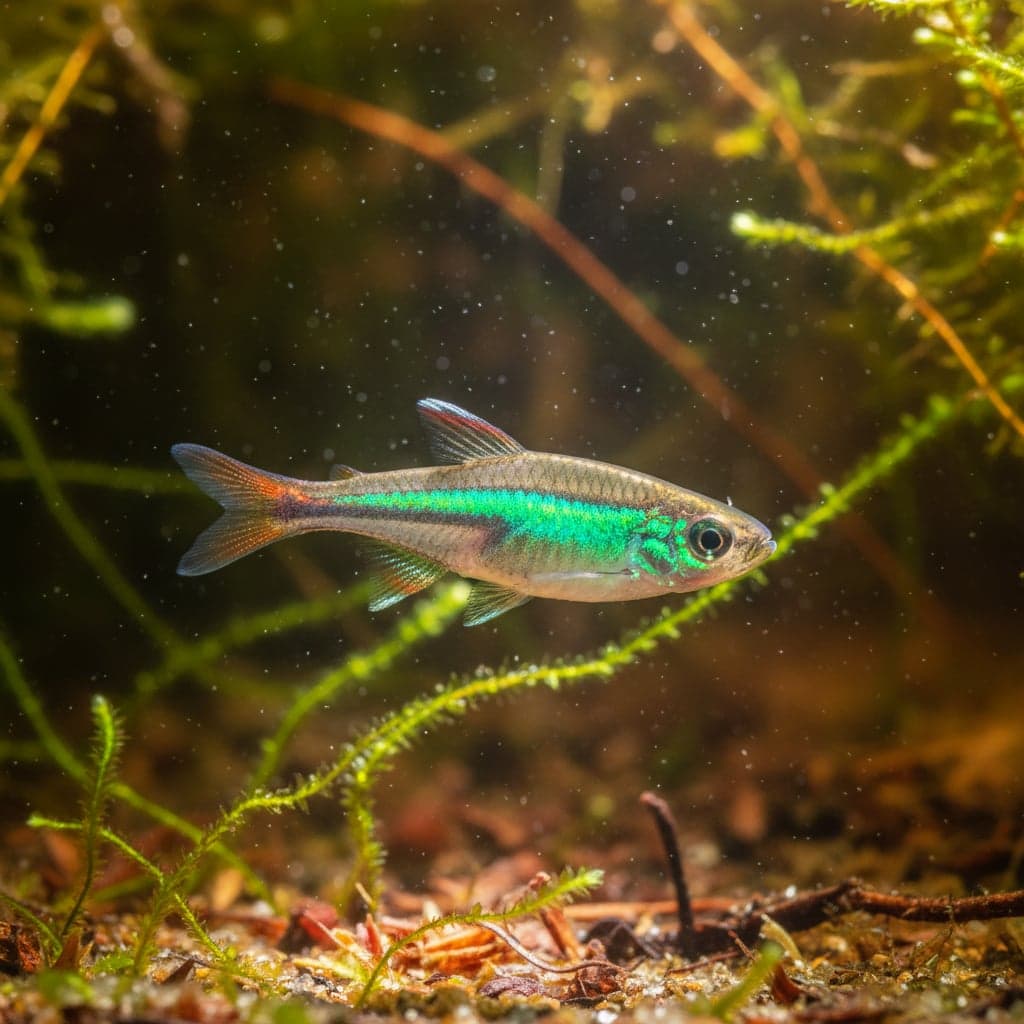
Neon Green Rasbora
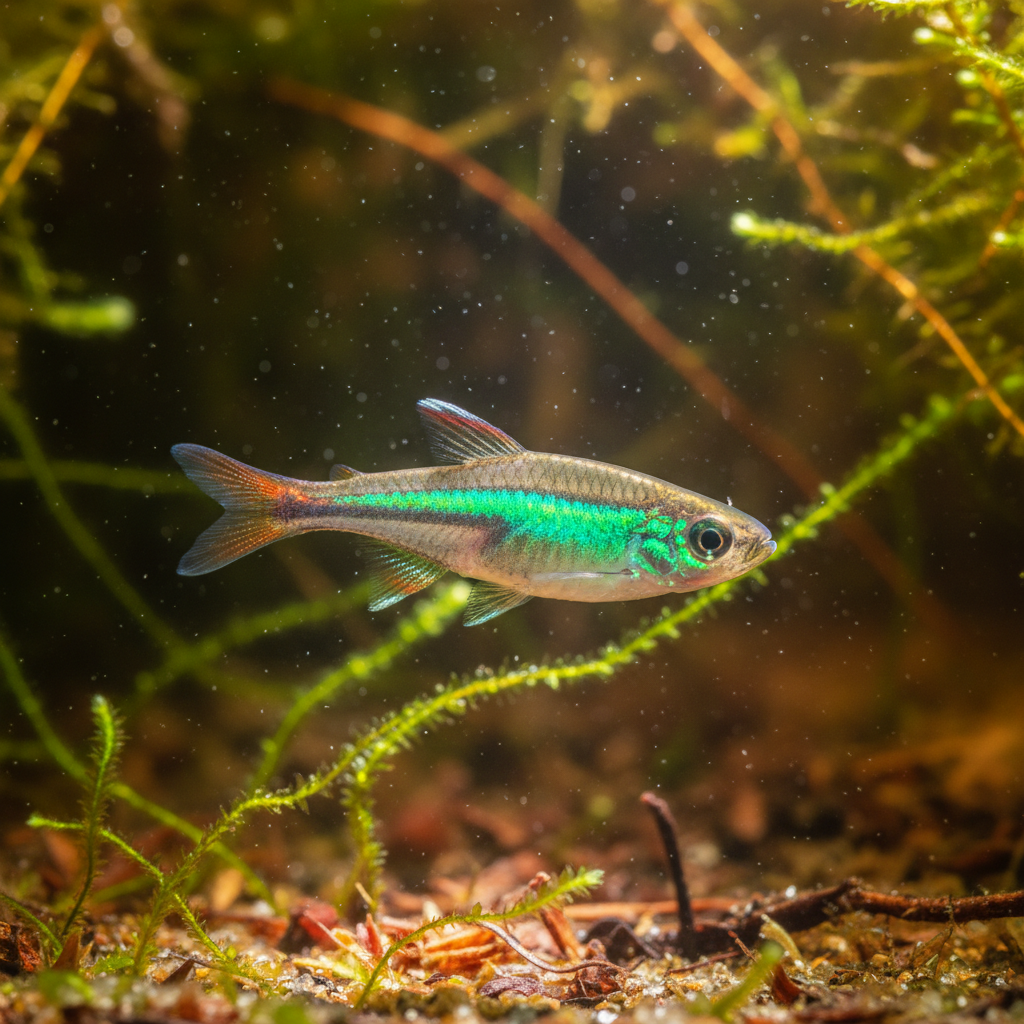
The Neon Green Rasbora, scientifically known as Microdevario kubotai, is a captivating freshwater fish native to Southeast Asia, particularly found in the rivers of Myanmar and Thailand. This small species typically reaches a size of about 0.8 inches (2 cm), making it an ideal candidate for smaller aquariums or community setups. The most striking feature of the Neon Green Rasbora is its vibrant coloration; it boasts a stunning greenish hue with iridescent reflections that are often highlighted by a subtle sheen under aquarium lighting. This visual appeal not only makes them an eye-catching addition to a tank but also contributes to their popularity in the aquarium hobby.
Beyond their aesthetic charm, the Neon Green Rasbora holds significant importance among aquarists and is considered a delightful species for both novices and seasoned fish keepers. They thrive in community settings, displaying unique behaviors that add life and dynamism to a tank. Educating hobbyists about this species enhances the understanding of its ecological role in the wild, promoting a more responsible approach to aquarium keeping and fish conservation. Their lively, playful nature and delicate beauty can enchant observers and inspire a greater appreciation for the diversity of aquatic life.
Natural Habitat & Origin
The Neon Green Rasbora originates from the freshwater environments of Myanmar and Thailand, where it inhabits clear streams and rivers. These waters are often characterized as being slightly acidic to neutral, typically ranging between a pH of 6.0 to 7.5. The species favors shallow waters with plenty of vegetation, such as overhanging trees and dense aquatic plants, creating a lush habitat teeming with food sources and hiding spots. The natural ecosystems in which they thrive provide not only safety from predators but also breeding areas where they can lay their eggs. Overall, understanding their habitat is crucial in replicating suitable conditions within a domestic aquarium.
Care Requirements
To successfully keep Neon Green Rasboras, it is essential to replicate their natural habitat as closely as possible. Ideally, the water parameters should maintain a temperature between 75°F to 82°F (24°C to 28°C), a pH of 6.0-7.5, and a hardness of 2-15 dGH. The minimum tank size recommended for a small school of these fish is 10 gallons, although larger tanks are always better to facilitate swimming space and reduce stress. For substrate, a fine sandy or gravel bottom will work well, as it mimics their native environment.
Adequate lighting is also critical; it shouldn’t be too harsh, as dim lighting can make the Neon Green Rasbora feel secure while allowing their colors to shine. To complete the setup, introduce live or artificial plants, which provide cover and help replicate the densely vegetated areas found in their natural habitats. Floating plants can soften the lighting and reduce the visibility in the aquarium, creating a more comfortable environment for the fish.
Diet & Feeding
Neon Green Rasboras are omnivorous, and providing a varied diet will promote their health and vibrancy. In captivity, they respond well to high-quality flakes and micro pellets designed for small fish, which should form the basis of their diet. Supplementing with frozen or live foods such as brine shrimp, daphnia, and tubifex worms can significantly enhance their color and well-being. It is advisable to feed them two to three times a day in small amounts, ensuring they consume all food within a few minutes. Offering a diverse range of foods not only meets their nutritional needs but also encourages natural foraging behaviors.
Behavior & Temperament
The Neon Green Rasbora exhibits active schooling behavior, preferring to be in groups of at least six individuals to feel secure and display their natural patterns. Their social nature allows them to thrive in a community tank, where they can swim together harmoniously. This species is generally very peaceful and poses little threat to other fish, making them ideal companions for many community setups. In terms of tank placement, the Neon Green Rasbora will often occupy the middle to upper layers of the tank, darting around in the open water while occasionally interacting with vegetation.
Tank Mates
When selecting tank mates for the Neon Green Rasbora, it is essential to choose species that share similar temperamental and environmental needs. Compatible fish include small tetras, rasboras, nano fish, and peaceful cyprinids like the Endler's Livebearer or the Guppy. Avoid larger, aggressive species such as cichlids or fish with long fins that may see the rasboras as either food or competition. Additionally, it’s best to steer clear of fish like goldfish, which tend to prefer colder water and may stress the Neon Green Rasbora due to differing requirements.
Breeding
Breeding Neon Green Rasboras in captivity can be a rewarding experience, though it requires careful preparation to ensure success. They are egg scatterers, which means that they will release eggs freely in the presence of spawning partners. To facilitate breeding, it is advisable to use a separate breeding tank with slow-moving water, fine-leaved plants or spawning mops where the eggs can attach. Spawning typically occurs during the early morning hours when the lights are dim, and males will display their colors more vividly to attract females. After spawning, it is crucial to remove the adult fish to prevent them from consuming their eggs. The eggs usually hatch in 24 to 36 hours, and once they reach the free-swimming stage, they can be fed infusoria or finely crushed flakes.
Common Health Issues
Like all aquarium fish, the Neon Green Rasbora may be susceptible to specific health issues, including diseases like ich, fin rot, and velvet disease. Keeping water parameters stable and ensuring regular maintenance is vital in preventing these health problems. Additionally, introducing new fish should be done cautiously, as it can lead to stress and potential disease outbreaks. Regular observation of fish behavior and appearance can help catch any early signs of distress. Providing a nutritious diet and stress-free living conditions will also contribute to their overall health and longevity in the aquarium.