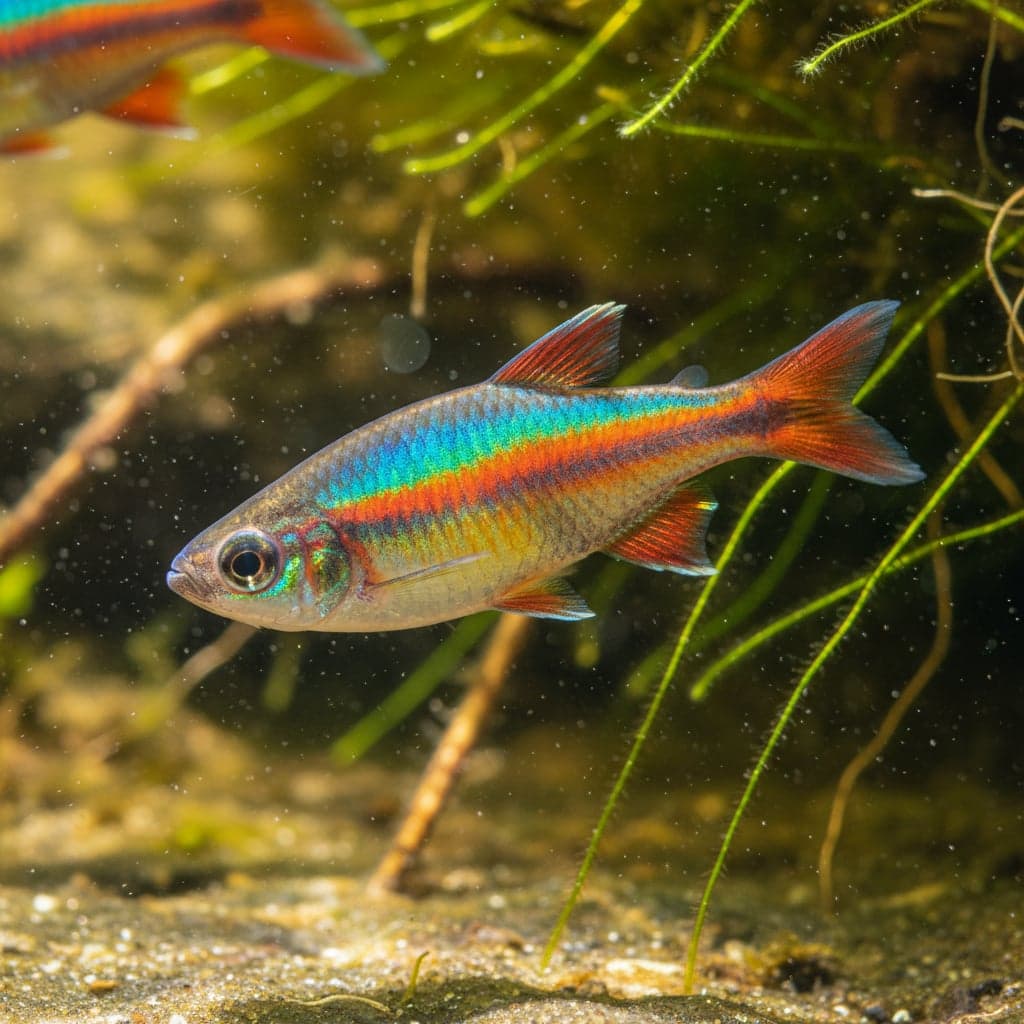
Neon Rainbowfish: Melanotaenia praecox
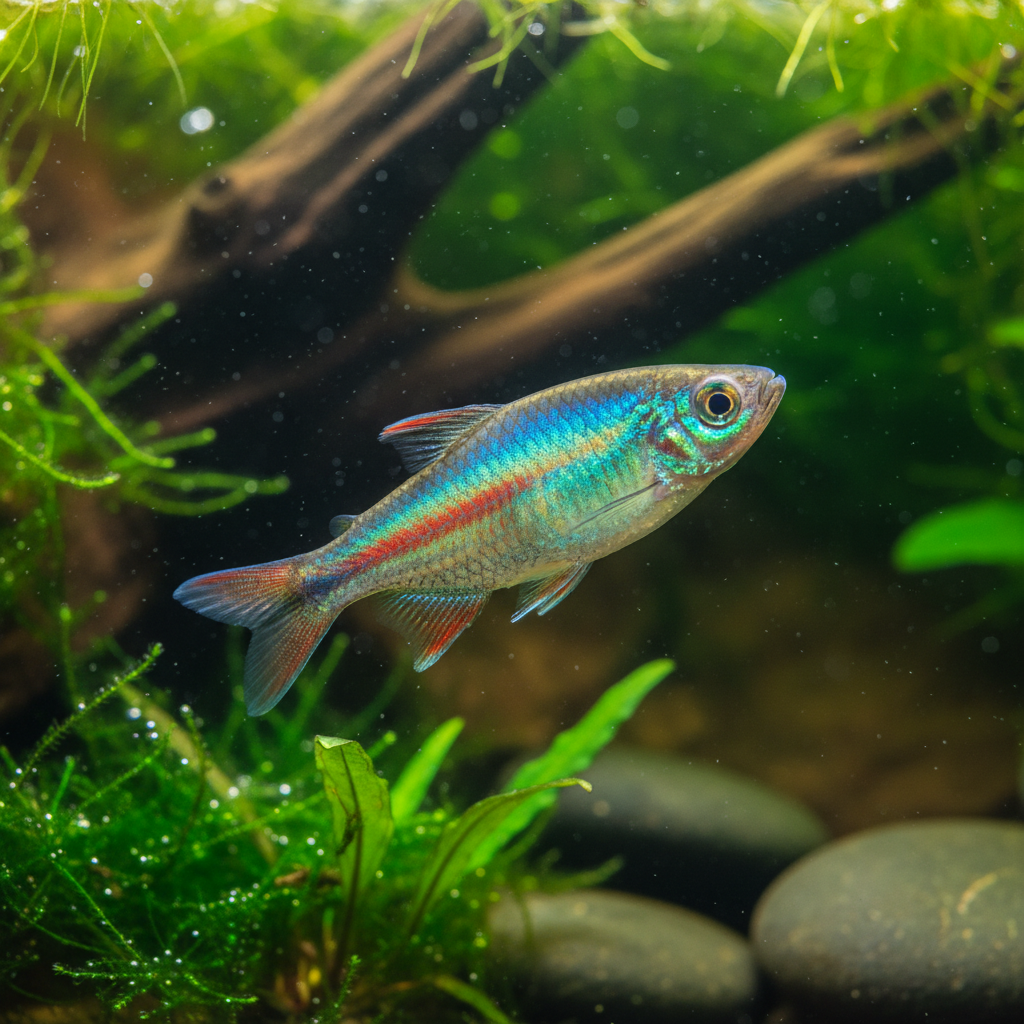
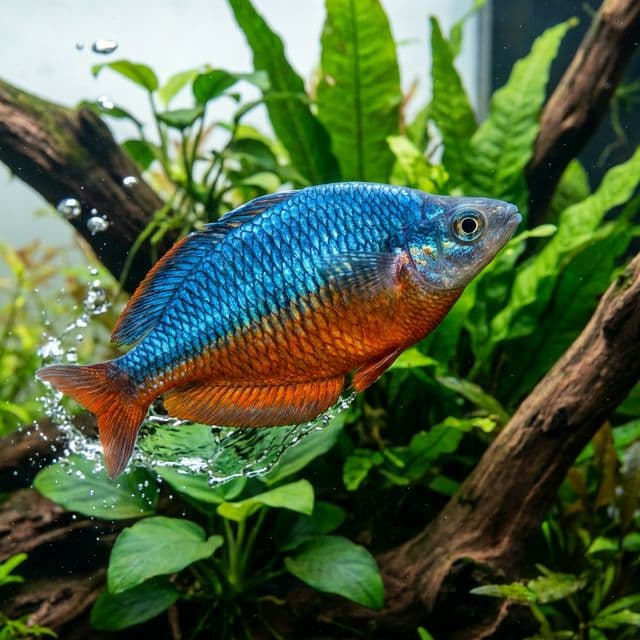
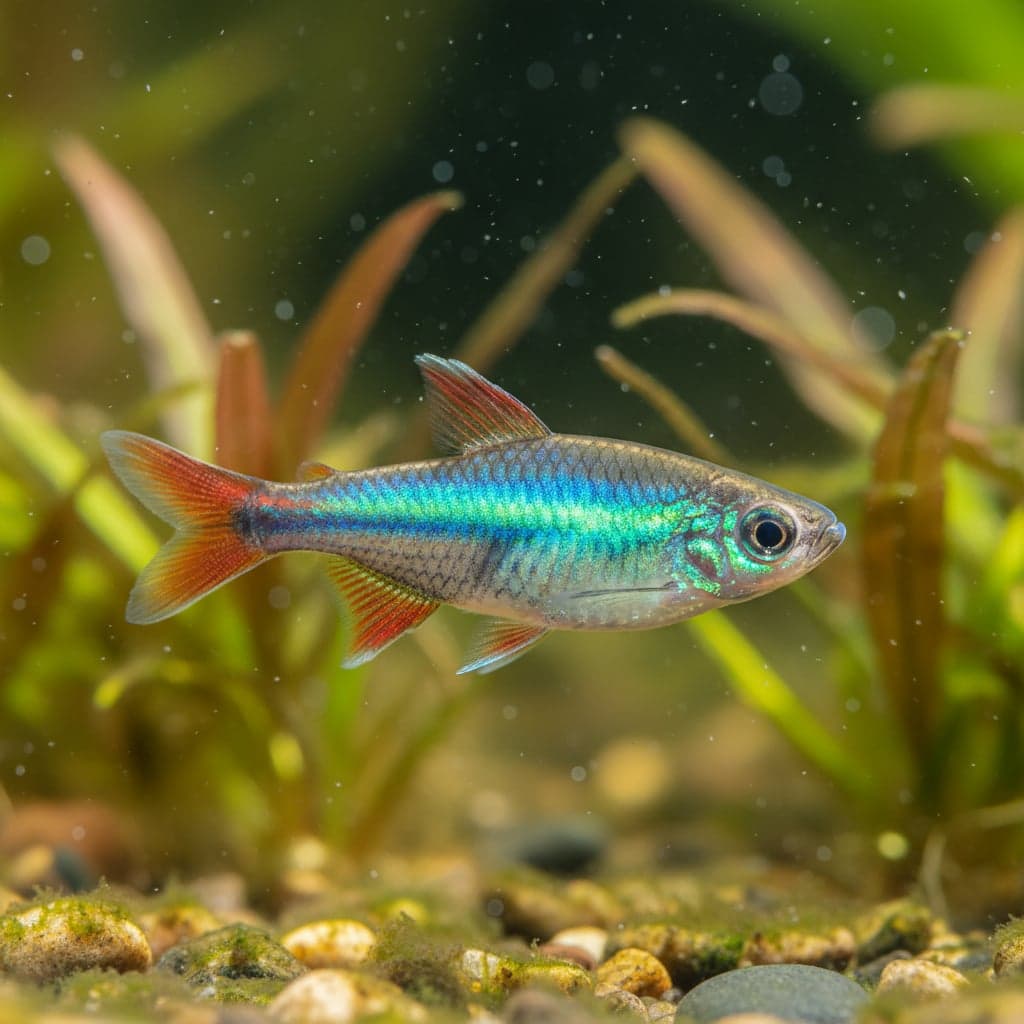
Often called the Dwarf Neon Rainbowfish, featuring a brilliant metallic blue body and contrasting red or yellow fins.
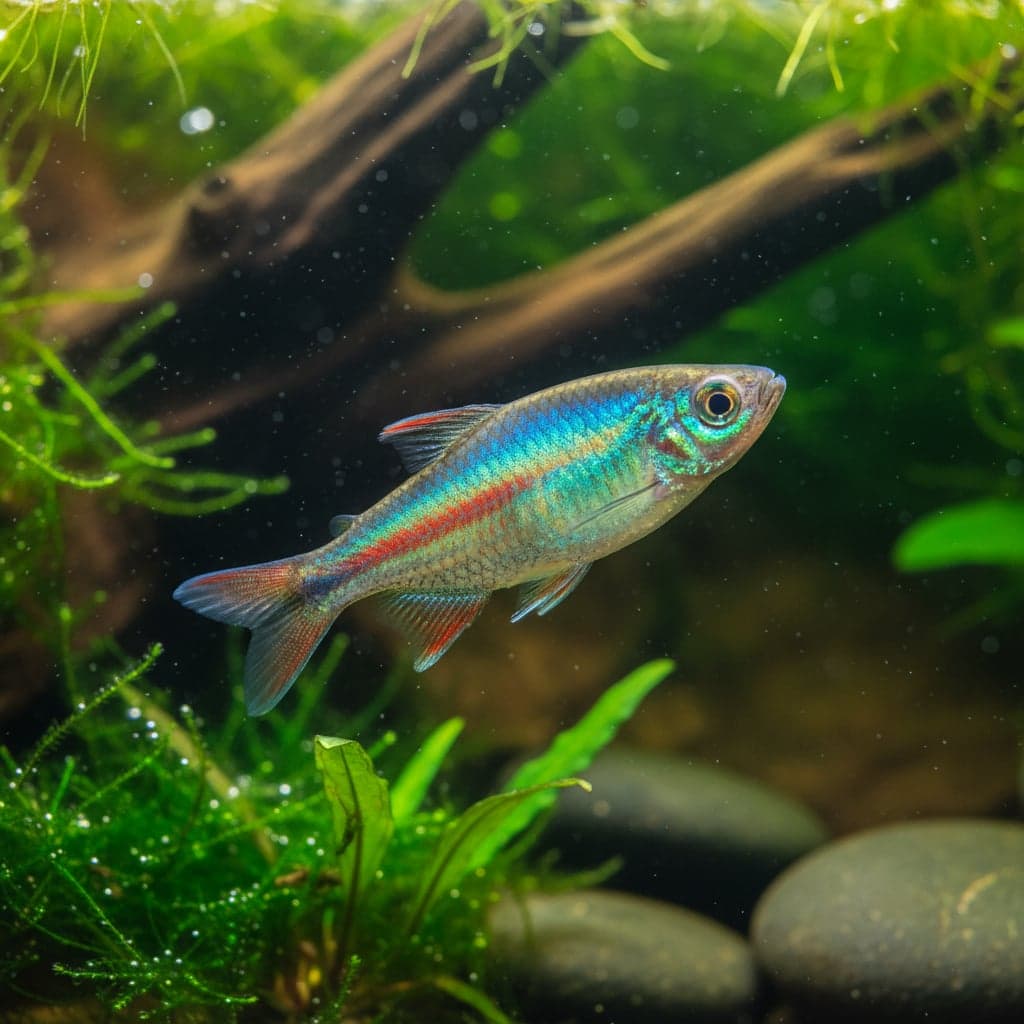
Neon Rainbowfish
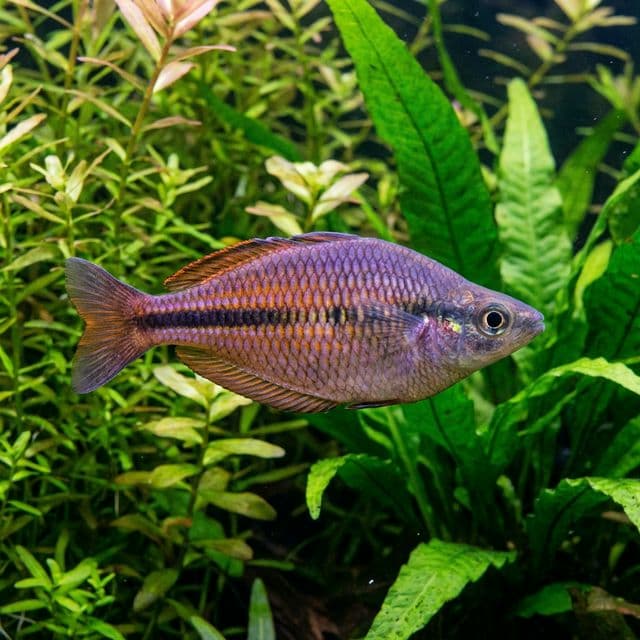
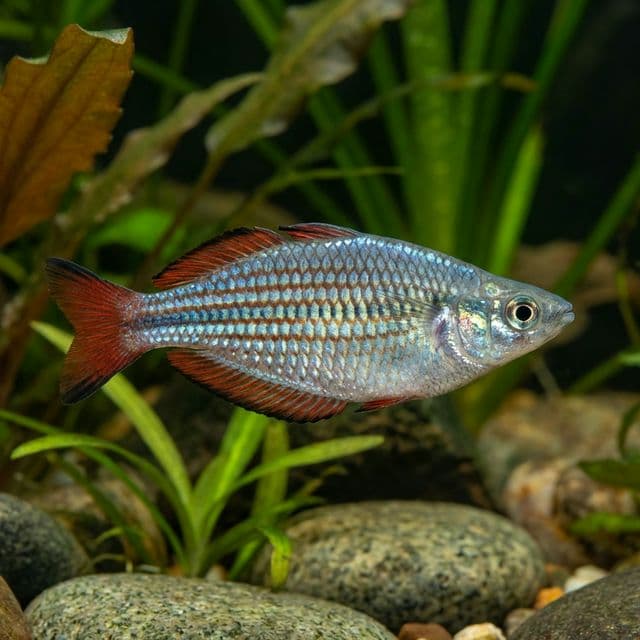
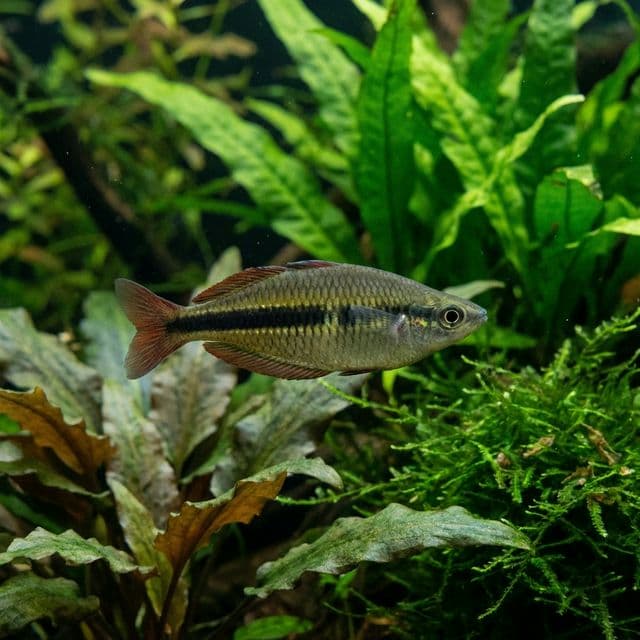
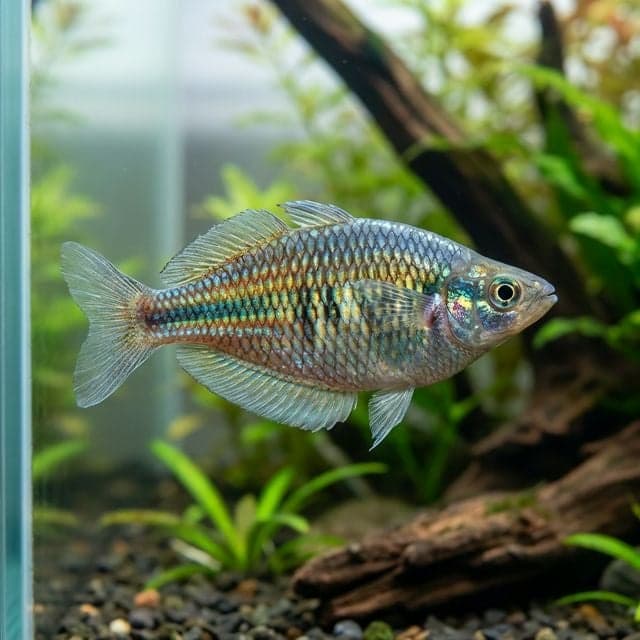
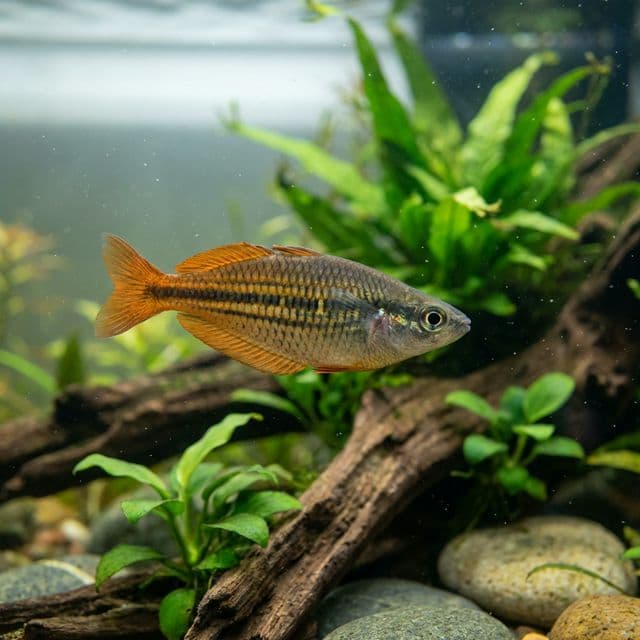
The Neon Rainbowfish, scientifically known as Melanotaenia praecox, is a captivating freshwater fish that has garnered affection among aquarists for its vibrant coloration and sociable nature. This species exhibits a stunning array of colors that range from vibrant turquoise to shimmering yellow, particularly pronounced in males, which enhances their visual appeal in a well-planned aquarium setting. Neon Rainbowfish can grow up to 4 cm in length and exhibit a streamlined body that's ideal for darting through the water, making them an engaging presence in both community tanks and species-specific displays. Their bright hues not only add aesthetic value but also serve as a reminder of the biodiversity found in freshwater environments.
In the aquarium hobby, the Neon Rainbowfish holds significant importance due to its peaceful temperament and adaptability. This fish is an excellent choice for both beginner and experienced aquarists alike, as it is hardy and thrives in a range of conditions. Its sociable demeanor allows it to coexist with various species, making it a versatile option for community tanks. The Neon Rainbowfish's resilience and striking appearance make it a staple suggestion for anyone seeking to create a lively and colorful underwater ecosystem.
Natural Habitat & Origin
The Neon Rainbowfish hails from the freshwater rivers and streams of Papua New Guinea and Indonesia, specifically the island of New Guinea. In its natural habitat, this species is typically found in clear, slow-moving waters with plenty of submerged vegetation and overhanging foliage. The water conditions in these regions are generally soft and slightly acidic, reflecting the fish's preference for environments that mimic its native soil composition. The tropical climate of New Guinea means that these fish are accustomed to warm temperatures, which are crucial for their overall health and wellbeing.
These fish often inhabit areas rich in food sources, and their environment contributes significantly to their vibrant coloration. Neon Rainbowfish thrive in well-structured environments, typically seeking out both open water and densely vegetated areas that provide cover and breeding grounds. This natural setting highlights the adaptability of the Neon Rainbowfish, allowing it to flourish in a variety of aquatic settings, provided that the ecosystem is maintained with quality water conditions.
Care Requirements
Neon Rainbowfish require specific water parameters to thrive in captivity. It is recommended to maintain a pH level between 6.5 and 7.5, with a temperature range of 76°F to 82°F (24°C to 28°C). Hardness should ideally range from 5 to 15 dGH, which simulates their natural habitat. These factors are critical for promoting good health and vibrant coloration. The tank should provide at least a minimum of 20 gallons for a small group of about six fish, allowing them to display their natural schooling behavior without the stress of overcrowding.
For the best setup, a planted aquarium with adequate swimming space is essential. Using a substrate of fine gravel or sand can mimic their natural environment, while incorporating live plants such as Water Wisteria, Java Fern, or floating plants help to create shelter and breeding areas. Additionally, moderate lighting is preferred, as it stimulates plant growth and enhances the fish's colors without being too harsh. Including driftwood or rock structures can also provide additional hiding spots, contributing to the overall health and safety of the fish.
Diet & Feeding
Historically classified as omnivores, Neon Rainbowfish thrive on a diverse diet that caters to both their nutritional needs and grazing habits. In captivity, they will benefit from high-quality flake and pellet foods, which should constitute the majority of their diet. To enhance their health and promote vibrant colors, it is recommended to supplement their diet with frozen or live foods such as brine shrimp, daphnia, or bloodworms. This variety not only helps keep the fish active and healthy but also encourages natural foraging behaviors.
Regular feeding should consist of small portions several times a day, allowing the fish to consume food quickly without polluting the water. A balanced diet encompassing various food types is crucial for preventing nutritional deficiencies and supporting their long-term health. Ensuring a diverse feeding regimen can also enhance the overall display of colors in these beautiful fish.
Behavior & Temperament
Neon Rainbowfish are known for their peaceful and social behavior, making them excellent additions to community aquariums. These fish are best kept in groups of at least six or more, as they are schooling fish that feel secure and display natural behaviors when surrounded by their own kind. Their temperament leads to active and playful interactions, making them captivating to observe as they dart through the water and school together.
In terms of social hierarchy, male Neon Rainbowfish often display more vibrant colors and assert dominance through visual displays. However, aggression levels are generally low, provided that their tank mates are equally non-aggressive. These fish tend to occupy the upper and middle levels of the aquarium, frolicking among plants and swimming freely, yet they will also venture down to lower levels occasionally.
Tank Mates
Due to their friendly disposition, Neon Rainbowfish can coexist harmoniously with various species in a community aquarium. Compatible tank mates include other peaceful fish such as tetras (e.g., Neon Tetra, Rummy Nose Tetra), rasboras, livebearers (e.g., guppies, platies), and even some larger inverts like Amano shrimp. They can also be housed with peaceful cichlids, like dwarf cichlids, which do not pose a threat to their well-being.
Conversely, it is essential to avoid housing Neon Rainbowfish with aggressive or overly territorial species. Fish such as bettas, large cichlids, and any fin-nipping species (e.g., certain barbs) may stress or harm them. Choosing suitable tank mates not only promotes a peaceful coexistence but also enhances the overall aesthetic of the aquarium by combining diverse colors and behaviors.
Breeding
Breeding Neon Rainbowfish in captivity is an enjoyable challenge for aquarists interested in propagation. These fish exhibit distinct spawning behavior, where males display vibrant colors and chase females around the tank. For successful breeding, it is advisable to set up a separate breeding tank with slightly acidic water (pH 6.5 - 7.0) and a temperature around 78°F to 80°F (26°C to 27°C). The inclusion of spawning mops or fine-leaved plants will encourage females to lay eggs, which can range from 50 to 100 eggs at a time.
After spawning, adult fish should typically be removed from the breeding tank, as they may eat the eggs. The eggs will hatch in about 5 to 10 days, depending on water conditions. Once the fry become free-swimming and can actively forage, they should be offered finely powdered foods or specially formulated fry food to ensure they receive proper nutrition for healthy growth.
Common Health Issues
While Neon Rainbowfish are generally hardy, they can be susceptible to several common freshwater diseases, particularly if kept in poor conditions. Issues such as ich (white spot disease), fin rot, and various forms of bacterial infections can occur. Maintaining optimal water parameters, conducting regular water changes, and ensuring proper filtration can significantly mitigate these risks.
To prevent health problems, it is crucial to monitor tank mates for signs of aggression or stress and to maintain a clean tank. Regularly inspecting fish for any abnormalities such as lesions, unusual swimming behavior, or changes in appetite will aid in early disease detection. A strong immune system relies heavily on a high-oxygen environment with moderate water current and low organic waste. Providing high-quality foods containing natural carotenoids alongside regular weekly partial water changes will enhance their shimmering electric-blue coloration and ensure long-term vitality in your aquarium.