The Neon Tetra: Paracheirodon innesi
The most famous schooling fish in the world. A shimmering blue-and-red nano fish that has defined the freshwater hobby for nearly a century.
Also known as: neon fish · Paracheirodon innesi
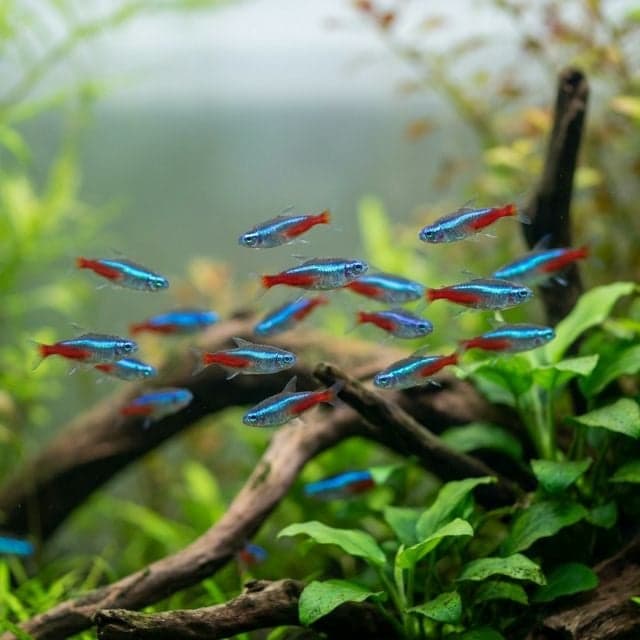
Neon Tetra
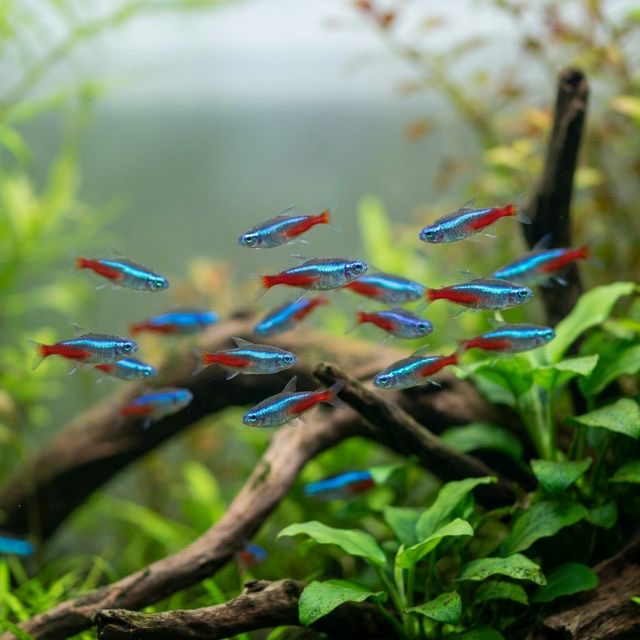
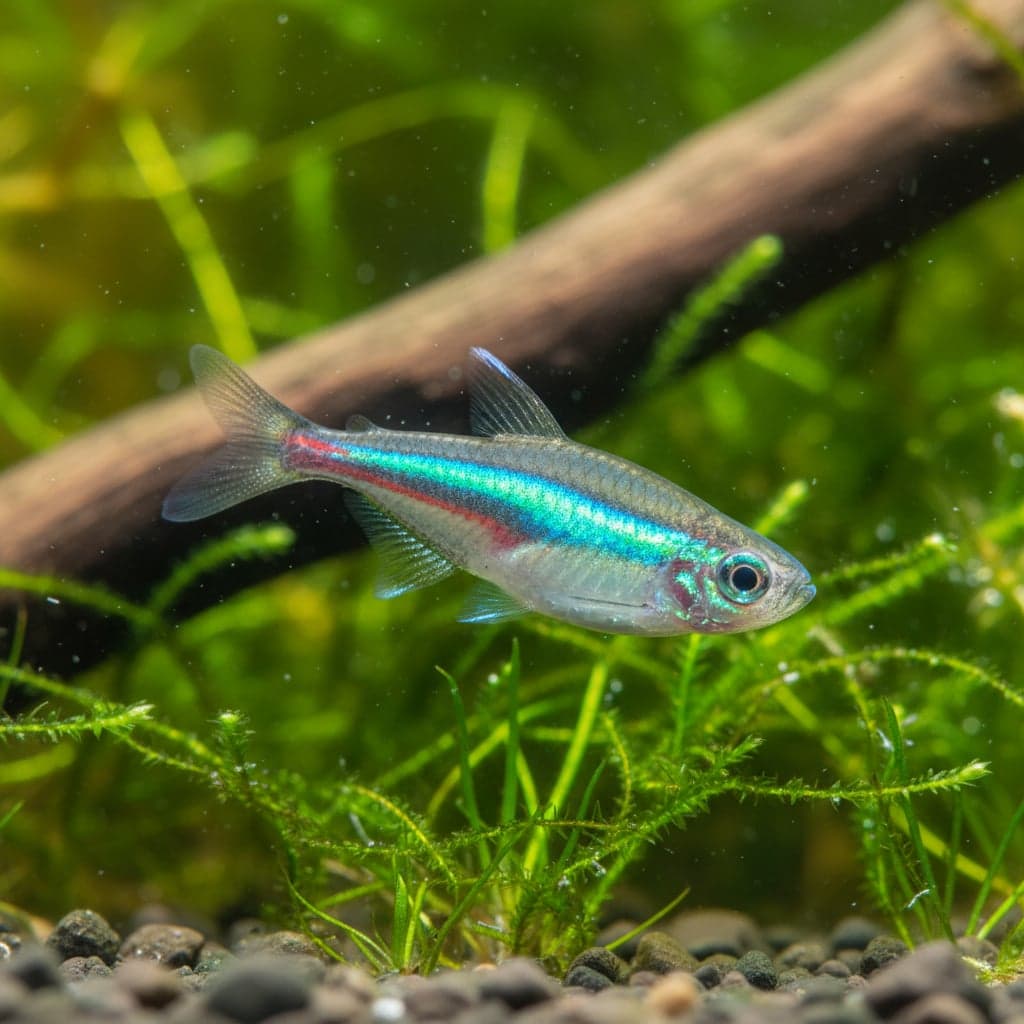
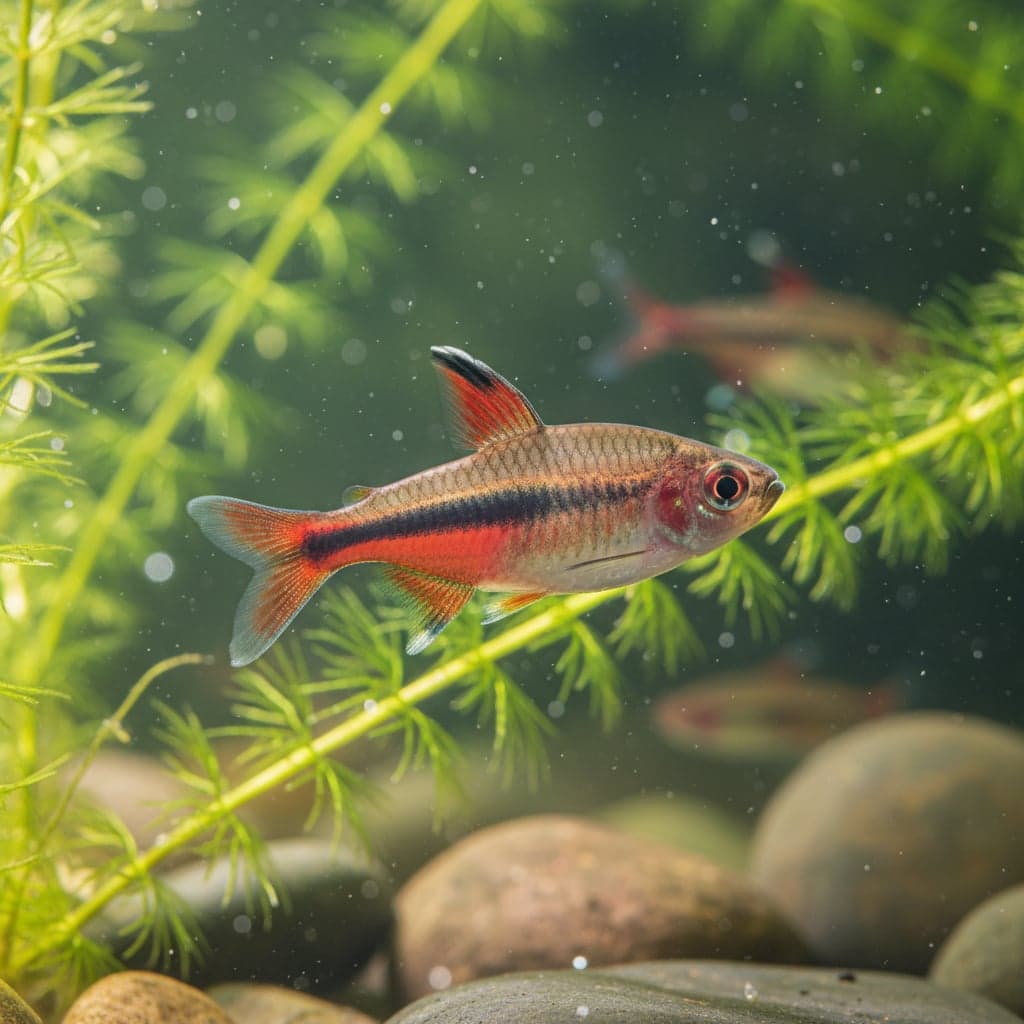
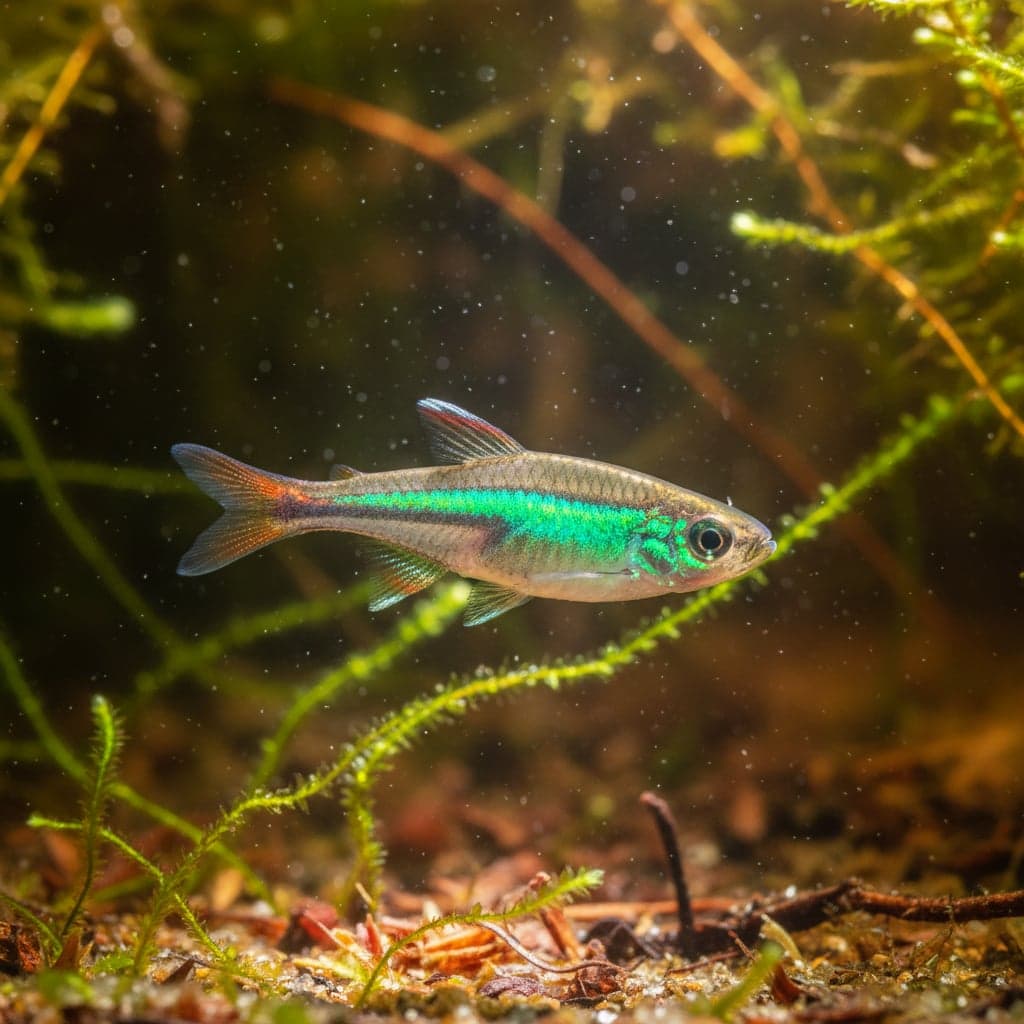
The Neon Tetra, scientifically known as Paracheirodon innesi, is a small freshwater fish that has captured the hearts of aquarists since its introduction to the aquarium trade in the mid-20th century. Renowned for its striking coloration, this fish showcases iridescent blue bodies adorned with vibrant red stripes, making it an exceptional choice for both novice and experienced aquarists. Typically growing to a length of about 1.5 inches, Neon Tetras are not only visually stunning but also have a serene disposition, contributing to their popularity in community tanks. Their small size and bright colors allow them to dazzle in aquascapes, especially when kept in groups, creating a mesmerizing underwater spectacle.
In addition to their visual appeal, Neon Tetras play a significant role in the aquarium hobby due to their ease of care and adaptability to various water conditions. These fish are often recommended for aquarists who are just beginning their journey into keeping freshwater species. They thrive in schools of six or more, which not only enhances their mental well-being but also ensures that their vibrant colors are displayed to full effect. By adding Neon Tetras to an aquarium, hobbyists can achieve a dynamic ecosystem full of life and color, making these fish a staple in countless home aquariums.
Natural Habitat & Origin
Neon Tetras are native to the clear waters of the Amazon River Basin, particularly in regions of Colombia, Brazil, and Peru. Their natural habitat includes the blackwater lakes and streams, which are characterized by soft, acidic waters that are tinted dark from decomposing plant material. This unique environment supports a diverse array of flora and fauna, providing Neon Tetras with abundant cover and food sources. The dense vegetation and slow-moving waters of their native environments create ideal conditions for these small fish to thrive, allowing them to flourish in the wild.
In captivity, replicating their natural habitat is crucial for the health of Neon Tetras. It is essential to provide soft, slightly acidic water to mimic the conditions of their home waters. They are best situated in densely planted tanks that can replicate the cover and complexity of their original ecosystem, which helps reduce stress and encourages natural behaviors.
Care Requirements
To keep Neon Tetras healthy and happy, specific water parameters must be maintained. They thrive in water with a pH between 6.0 and 7.0, a temperature of 72°F to 78°F (22°C to 26°C), and a hardness level of 1 to 10 dGH. It's essential to conduct regular water changes to keep nitrate levels low and maintain stable water conditions, as these fish are sensitive to fluctuating parameters.
Regarding tank setup, a minimum tank size of 10 gallons is recommended for a small school of Neon Tetras, with larger tanks being preferable for larger schools. The substrate should be dark, as it helps to enhance the fish's coloration. Decorations and plants are crucial, with floating plants providing shade and cover necessary for their comfort. Low to moderate lighting is ideal, with bright lights being softened by the presence of plants or driftwood, creating a natural and inviting environment for these small, vibrant fish.
Diet & Feeding
Neon Tetras are omnivorous and will enjoy a diverse diet that can support their health and bright colors. High-quality flakes or small pellets specifically formulated for tropical fish should form the foundation of their diet. Additionally, incorporating frozen or live foods, such as daphnia, brine shrimp, and bloodworms, can enhance their color and ensure a varied dietary intake. For optimal growth and health, feeding them 2 to 3 times a day in small portions is ideal, ensuring that they consume everything within a few minutes to maintain water quality.
It is essential to avoid overfeeding Neon Tetras, as this can lead to health issues and deteriorate water quality. Providing a balanced diet and regular feeding schedule will contribute to their longevity and vibrancy.
Behavior & Temperament
Neon Tetras are peaceful schooling fish that thrive in groups. Their social behavior is essential for their well-being—when kept in schools of at least six, they exhibit more natural behaviors and are less prone to stress. They primarily occupy the mid to upper levels of the aquarium, gracefully swimming about the tank, often darting in and out of plants and decorations. While generally non-aggressive, they may display some timidness when kept alone, emphasizing the importance of keeping them in groups.
It’s essential to monitor the tank environment for any signs of bullying, especially if other species are added to the aquarium. However, their gentle nature usually allows them to coexist harmoniously with other non-aggressive species.
Tank Mates
Choose gentle species that tolerate cooler tropical temperatures and keep neons in large schools (10+). Structured compatibility guides:
| Resource | Link |
|---|---|
| Neon tetra tank mate hub | /fish/neon-tetra/tank-mates |
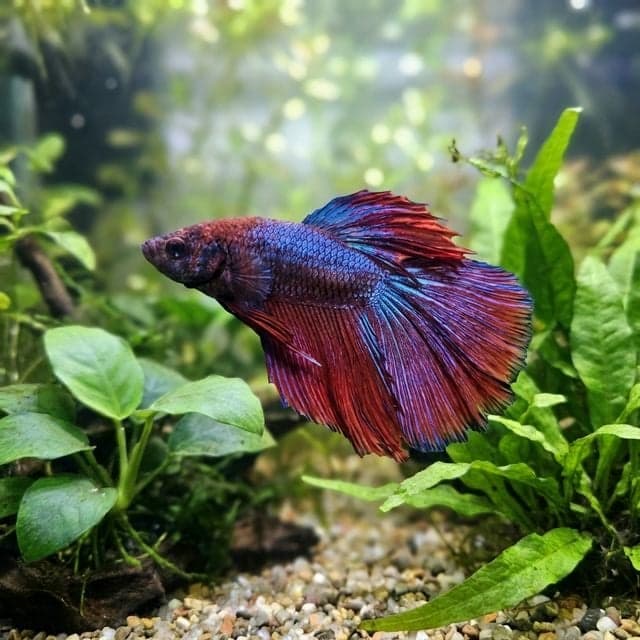
| Neon tetra + Betta | /fish/betta-neon-tetra |
| Neon tetra + Guppy | /fish/neon-tetra-guppy |
| Neon tetra + Adolfos cory | /fish/neon-tetra-adolfos-cory |
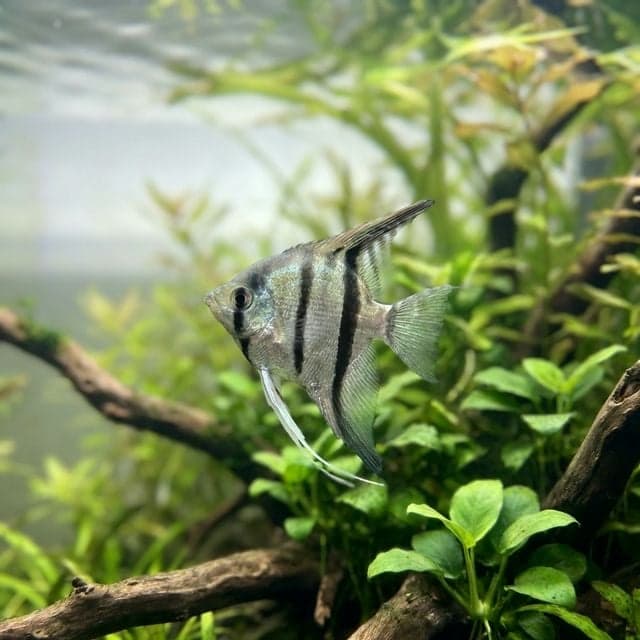
| Neon tetra + Angelfish | /fish/neon-tetra-angelfish |
Avoid large cichlids, fin-nippers, and predators that grow large enough to eat small tetras.
Breeding
Breeding Neon Tetras in captivity can be rewarding, albeit slightly challenging due to their specific requirements. It is recommended to set up a separate breeding tank for successful spawning. This tank should be dimly lit, filled with soft, acidic water (pH 6.0 to 6.5), and have fine-leaved plants or spawning mops where the females can lay their eggs.
The breeding process typically involves a male and female pairing, with females often displaying a fuller abdomen when ready to spawn. After the eggs are laid, it is essential to remove the parents, as they tend to eat their eggs. The eggs will usually hatch within 24 to 36 hours, and the fry can be fed infusoria or specialized fry food until they are large enough to consume finely crushed flakes.
Common Health Issues
Despite being relatively hardy, Neon Tetras can be prone to certain health issues. Common diseases include:
- Ich (Ichthyophthirius multifiliis): A parasitic infection usually caused by stress or poor water quality.
- Neon Tetra Disease: A chronic illness caused by a protozoan parasite, leading to color loss and deformities.
- Nitrate Poisoning: Caused by elevated nitrate levels in the tank, leading to lethargy and loss of appetite.
Preventative measures include maintaining good water quality through regular water changes, monitoring pH and temperature, and avoiding overcrowding. Quarantine procedures for new fish can also help reduce the risk of introducing disease to an established tank. Keeping a close eye on the Neon Tetra's health and behaviors will ensure they remain vibrant and active, enhancing the beauty of any aquarium setting.