The Nerite Snail: Neritina sp
The best algae-eating snail that wont overrun your tank. Nerites come in stunning patterns and cannot reproduce in freshwater.
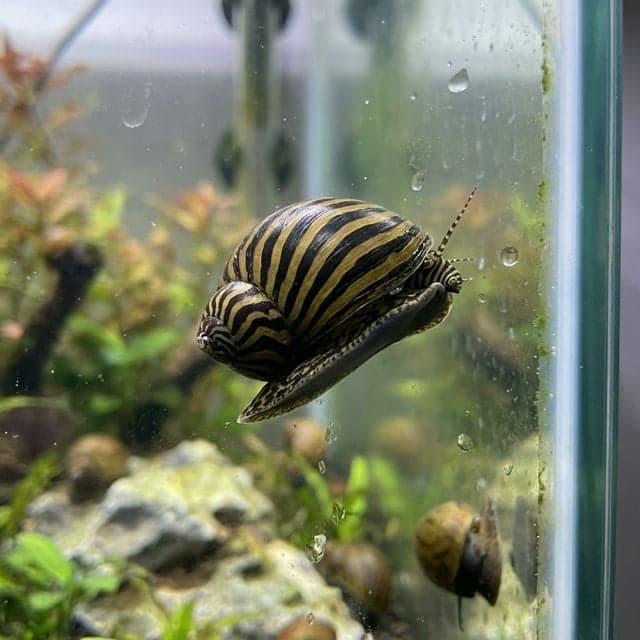
Nerite Snail
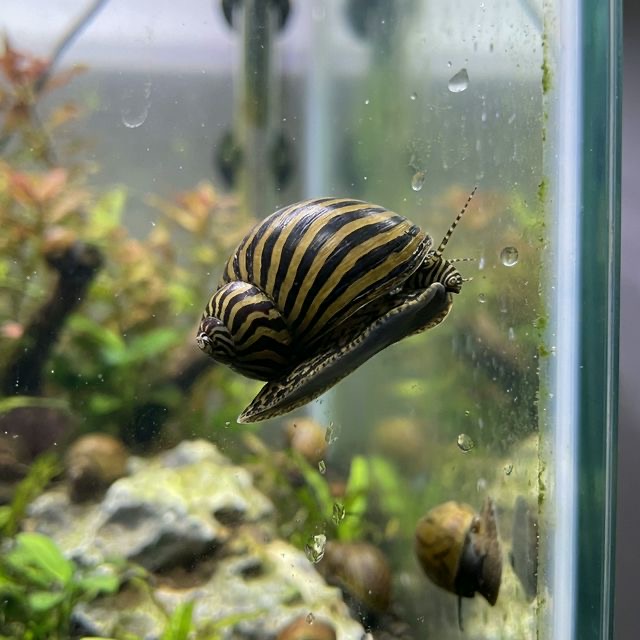
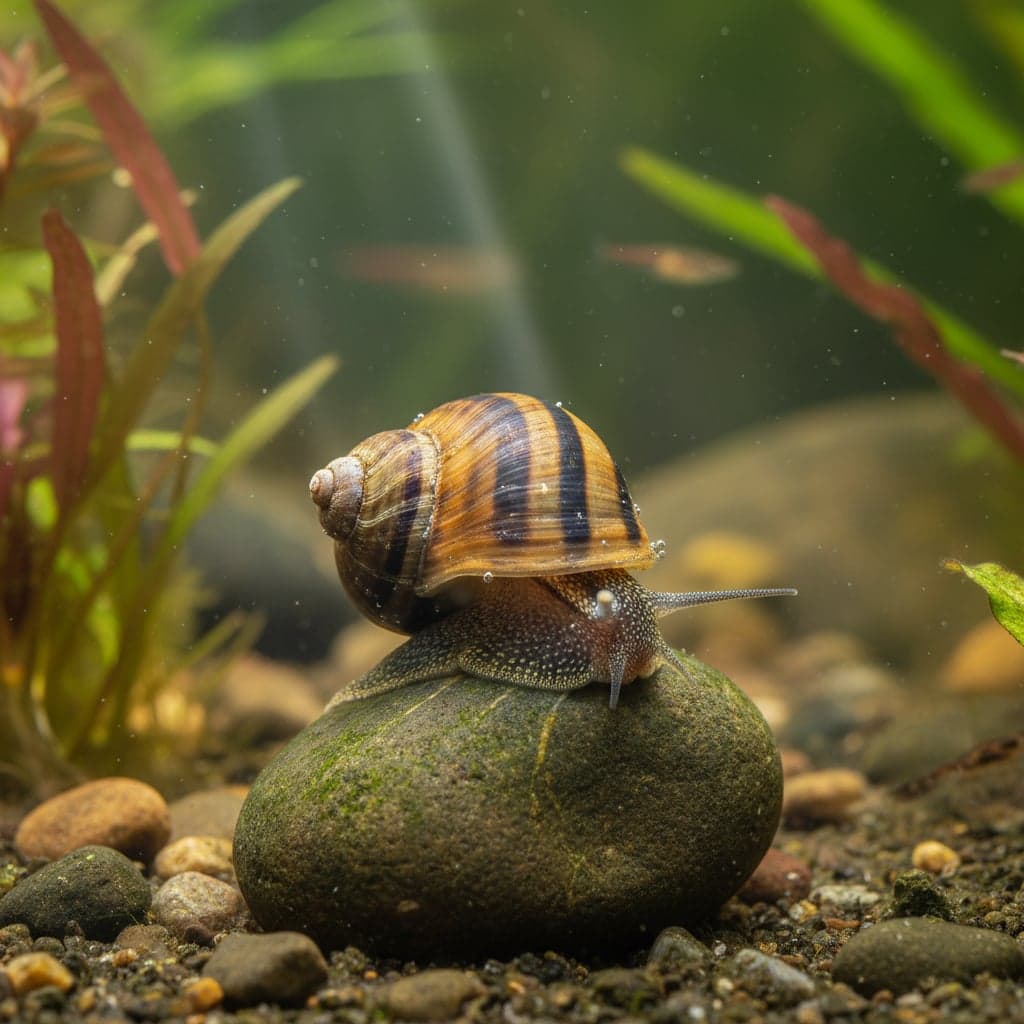
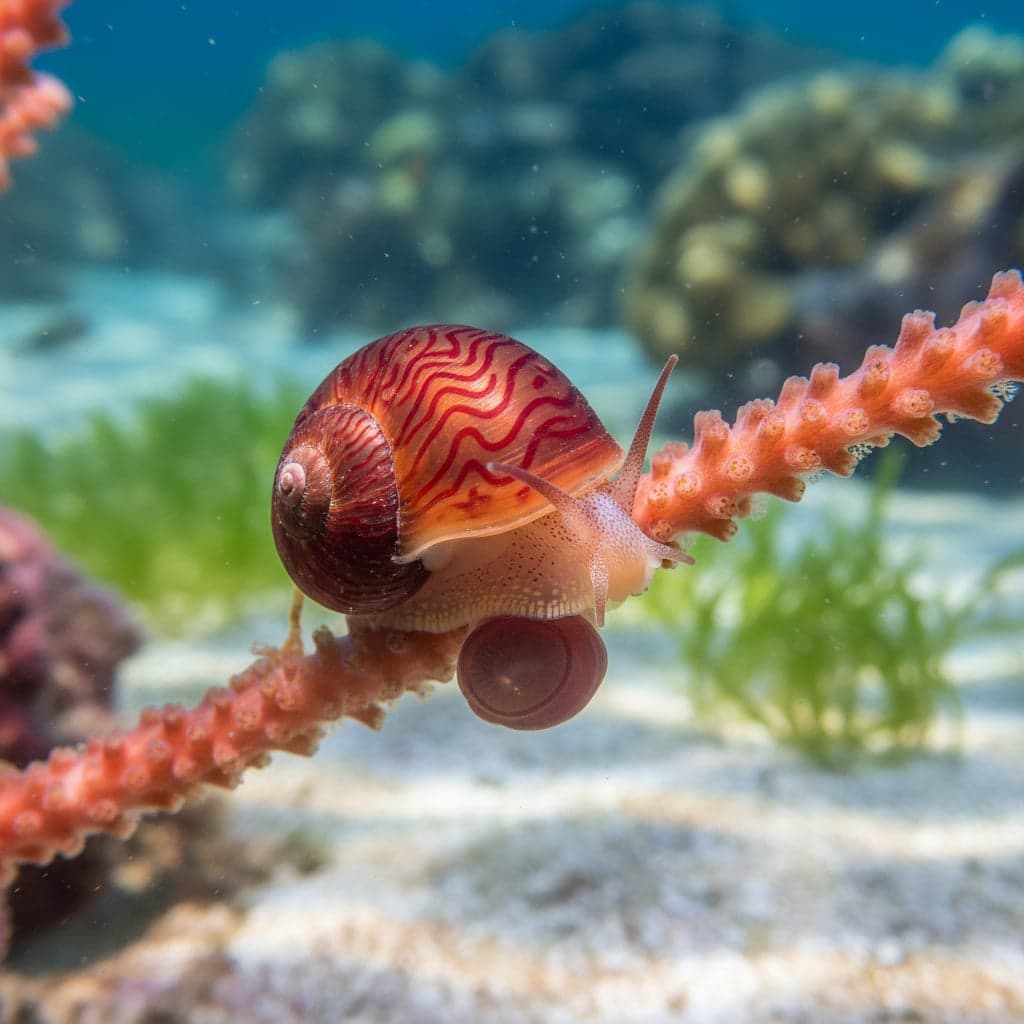
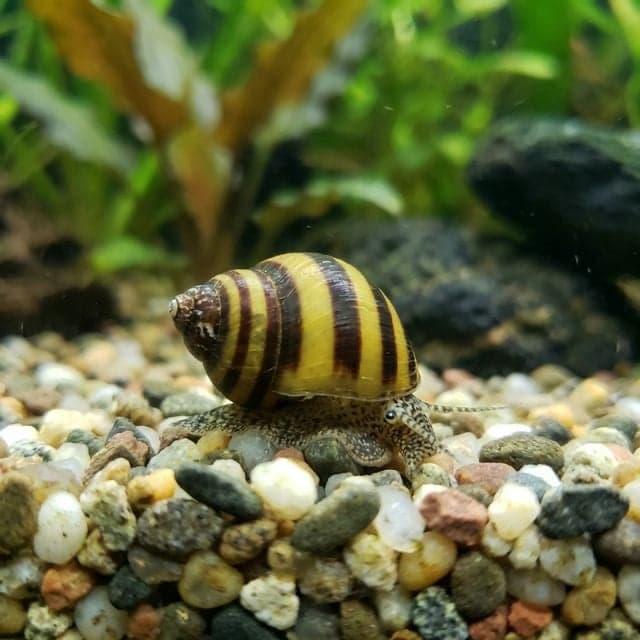
The Nerite Snail, scientifically known as Neritina sp., is a highly sought-after species in the aquarium hobby due to its unique appearance and beneficial traits. Known for their striking shells, which often display intricate patterns and vibrant colors ranging from olive green and gold to black and white stripes, Nerite Snails are not only visually appealing but also contribute positively to aquatic ecosystems. They serve as excellent algae eaters, helping to maintain clean tank environments with their natural grazing habits, making them an invaluable addition for both novice and experienced aquarists.
In addition to their aesthetic value, Nerite Snails are significant for their hardiness and adaptability. They thrive in various water conditions and are relatively easy to care for compared to other aquatic snails. This durability, combined with their ability to help control algae growth, has made them a popular choice among aquarium enthusiasts seeking a functional yet attractive member for the tank. Furthermore, their intriguing behavior and gentle nature add to the overall charm of any aquarium setting.
Natural Habitat & Origin
Nerite Snails originate from a range of coastal regions across the globe, predominantly found in brackish waters of mangroves, estuaries, and rivers in countries such as Africa, Southeast Asia, and various islands in the Pacific and Indian Oceans. They thrive in environments characterized by both freshwater and higher salinity levels, which contribute to their adaptable nature in aquariums that may mimic such conditions. Typically found in clear to slightly turbid waters, these snails enjoy substrate-rich habitats where they can search for food among the vegetation and detritus.
In their natural habitat, the Nerite Snail plays a crucial role in the ecosystem by grazing on algae and biofilm, thus helping to maintain the health and balance of their surroundings. In the aquarium, replicating their natural environmental conditions, including appropriate water parameters, can enhance their well-being and longevity.
Care Requirements
To ensure the optimal health of Nerite Snails in your aquarium, maintaining the right water parameters is essential. They prefer a pH range of 6.5 to 8.5 and a temperature between 72°F to 78°F (22°C to 26°C). A general hardness (GH) of 5 to 12 dGH is advisable, as these snails thrive in moderately hard water. Additionally, Nerite Snails are sensitive to copper; thus, it is crucial to ensure that water treatments and medications do not contain this element.
For tank setup, a minimum aquarium size of 10 gallons is recommended, providing ample space for grazing and movement. A soft substrate, like sand or fine gravel, is preferable, as it protects their soft underbelly. Include aquatic plants, driftwood, and decor that allows hiding places. Moderate lighting is ideal, as it encourages plant growth while still allowing snails to navigate their environment comfortably.
Diet & Feeding
Nerite Snails are primarily herbivorous with a voracious appetite for algae, making them excellent algae eaters in the aquarium. While their diet mainly consists of algae and biofilms, they can benefit from supplementary feeding to maintain optimal health. High-quality algae wafers, vegetable-based pellets, and blanched leafy greens such as spinach and zucchini can be included in their diet. It's essential to provide a balanced diet that includes additional calcium sources to support their shell development, such as cuttlebone or calcium-rich flakes.
Nerite Snails typically graze throughout the day and night, so it's vital to monitor their feeding habits and adjust food portions accordingly to prevent uneaten food from polluting the aquarium.
Behavior & Temperament
Nerite Snails are peaceful creatures that pose no threat to other tank inhabitants. They do not display any territorial or aggressive behavior and can coexist harmoniously with a variety of fish and invertebrates. These snails tend to be solitary thinkers rather than schooling animals; however, observing them interact with their environment and fellow tank mates can be quite entertaining.
When positioned in the aquarium, Nerite Snails often prefer to stay near the substrate or climb on decorations and plants. This behavior allows them to access algae and biofilm more efficiently. They are relatively slow movers, which makes them easy-going companions in community tanks.
Tank Mates
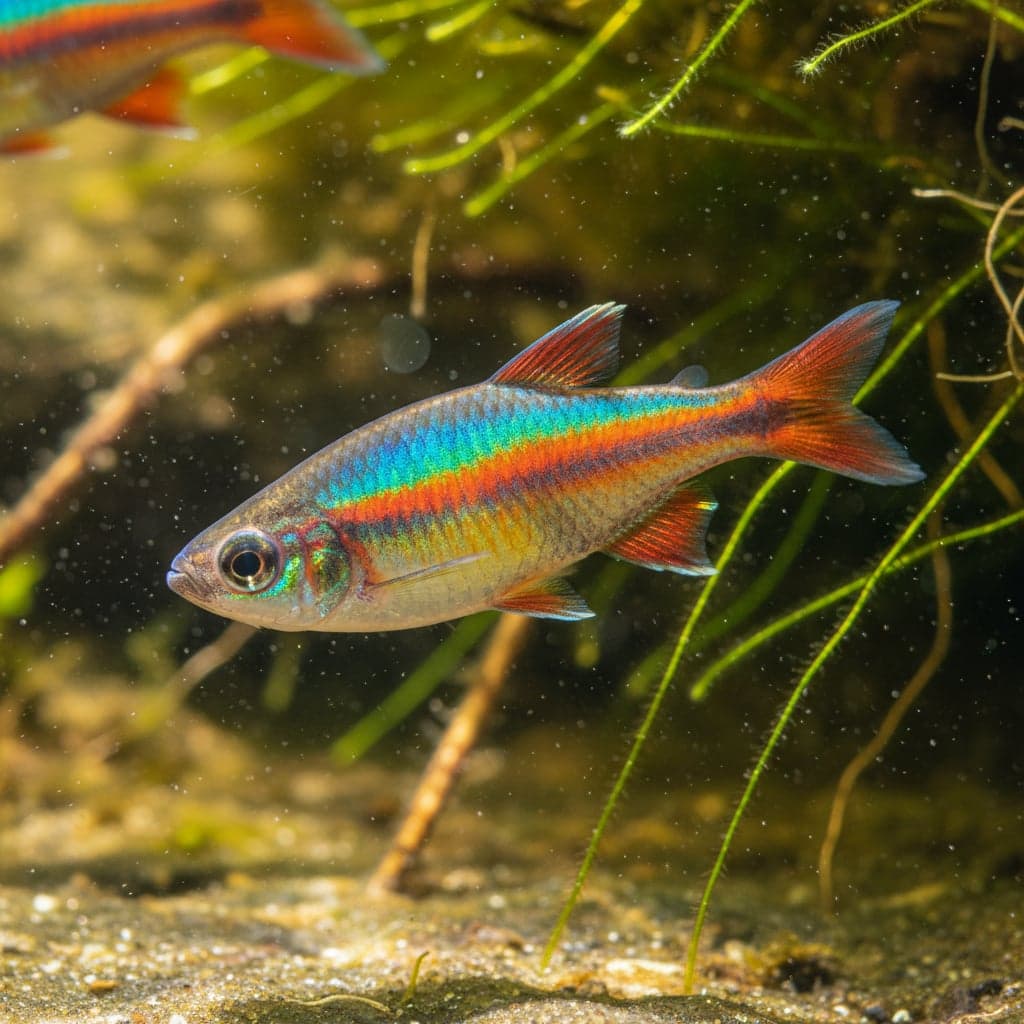
When selecting compatible tank mates for the Nerite Snail, consider species that share a peaceful temperament and are not overly aggressive. Suitable companions include small to medium-sized community fish such as tetras, guppies, rasboras, and peaceful dwarf cichlids. Invertebrates like shrimp and other non-aggressive snails also make great tank mates. However, it's crucial to avoid housing Nerite Snails with species known for fin nipping or aggressive behaviors, such as larger cichlids or some types of barbs. Additionally, avoid colocating them with fish that may prey on snails, notably those with carnivorous diets.
Breeding
Breeding Nerite Snails in captivity presents certain challenges, as these snails generally require brackish water to reproduce. In their natural habitat, they spawn in saltwater or brackish conditions, where the larvae can develop in the more saline environment. Therefore, while it's possible to encourage spawning in a brackish setup, most aquarists find it easier to keep Nerite Snails primarily as ornamental additions rather than breeding them.
If one wants to attempt breeding, establishing brackish conditions with a salinity of 1.005-1.015 and maintaining freshwater conditions for adults can simulate their natural spawning cues. Providing suitable algae surfaces for egg deposition, which appear as small, white, or clear clutch-like masses, can also encourage this behavior.
Common Health Issues
Nerite Snails are relatively hardy, but they can be susceptible to specific health issues in aquarium environments. Common ailments include shell erosion, which can happen if water conditions are poor, especially pH or hardness levels are not maintained. It's essential to provide adequate calcium for shell health.
Another potential concern is overexposure to copper in the water, which can be toxic to snails. Regular water changes, proper filtration, and monitoring of chemical levels help to prevent these issues. To ensure a healthy environment, maintain stable water parameters, provide a varied diet rich in calcium, and keep an eye out for any signs of distress or illness among your Nerite Snails.