Network Cory: Corydoras reticulatus
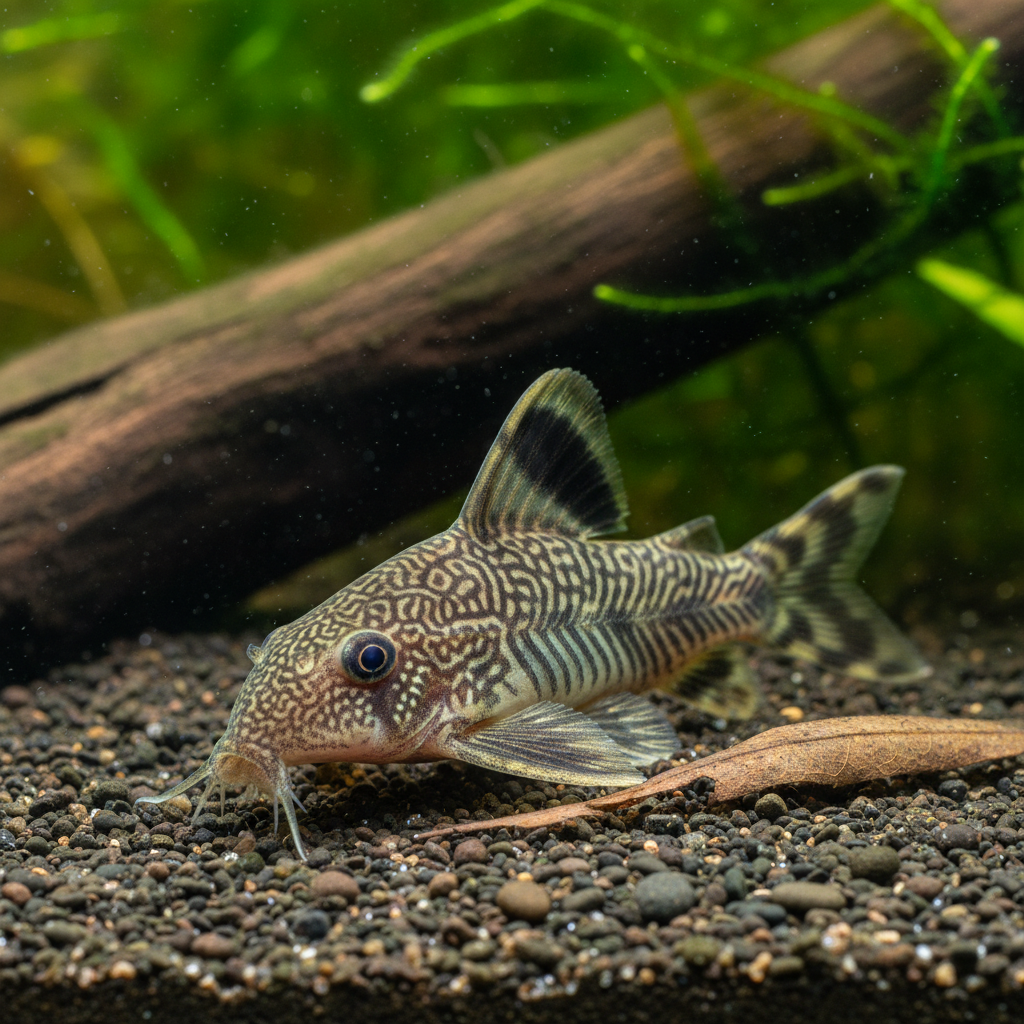
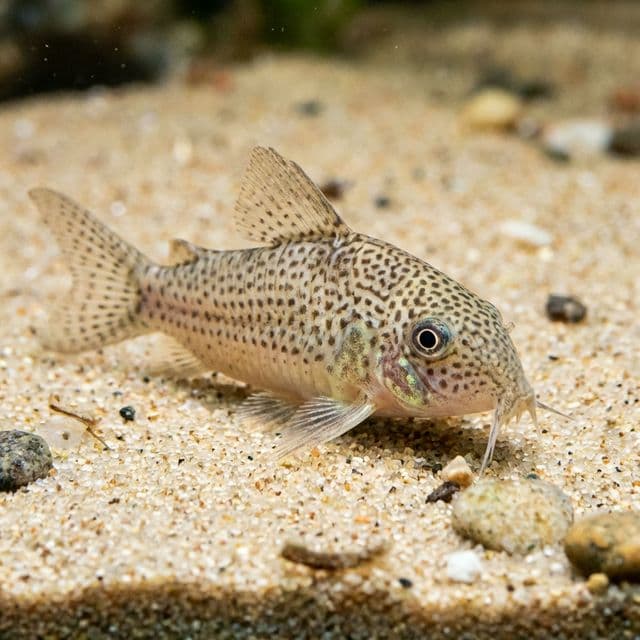
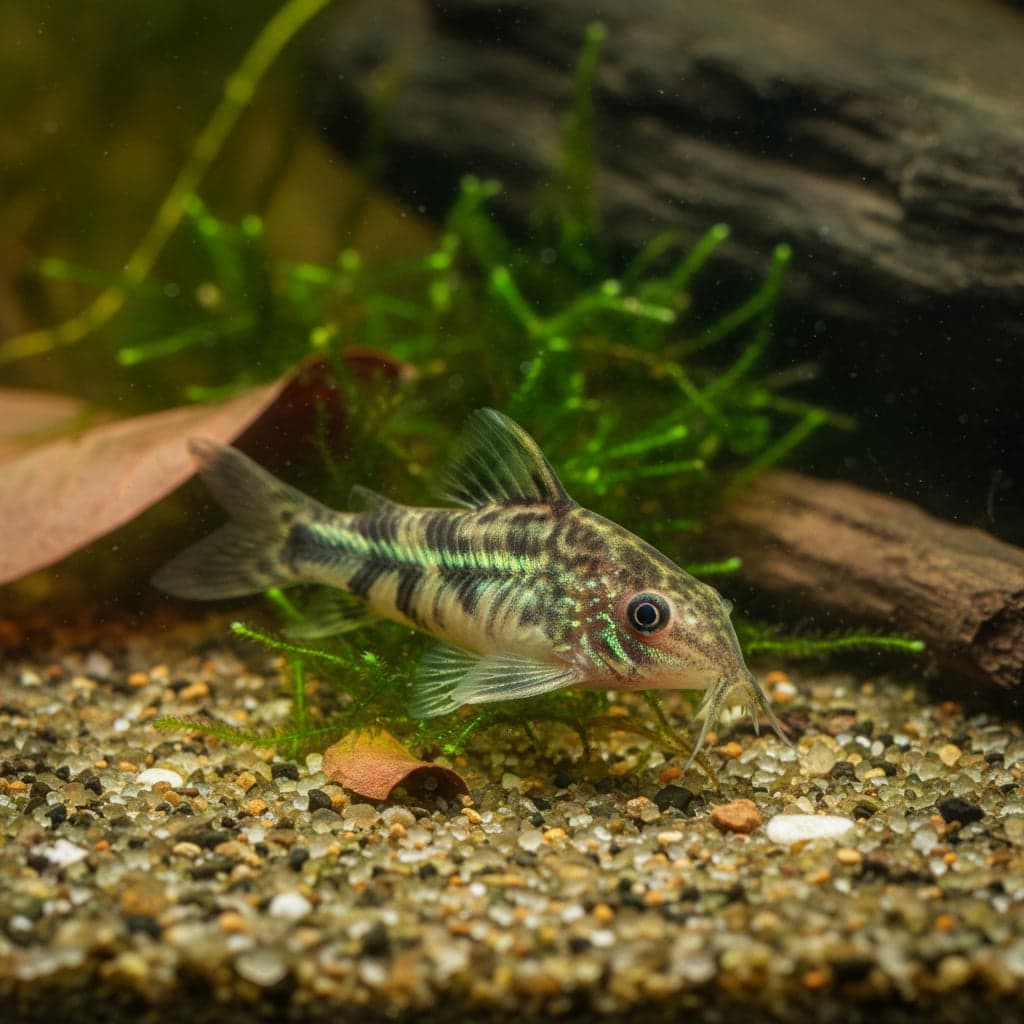
A handsome, active bottom dweller featuring an intricate, labyrinth-like pattern across its entire body.
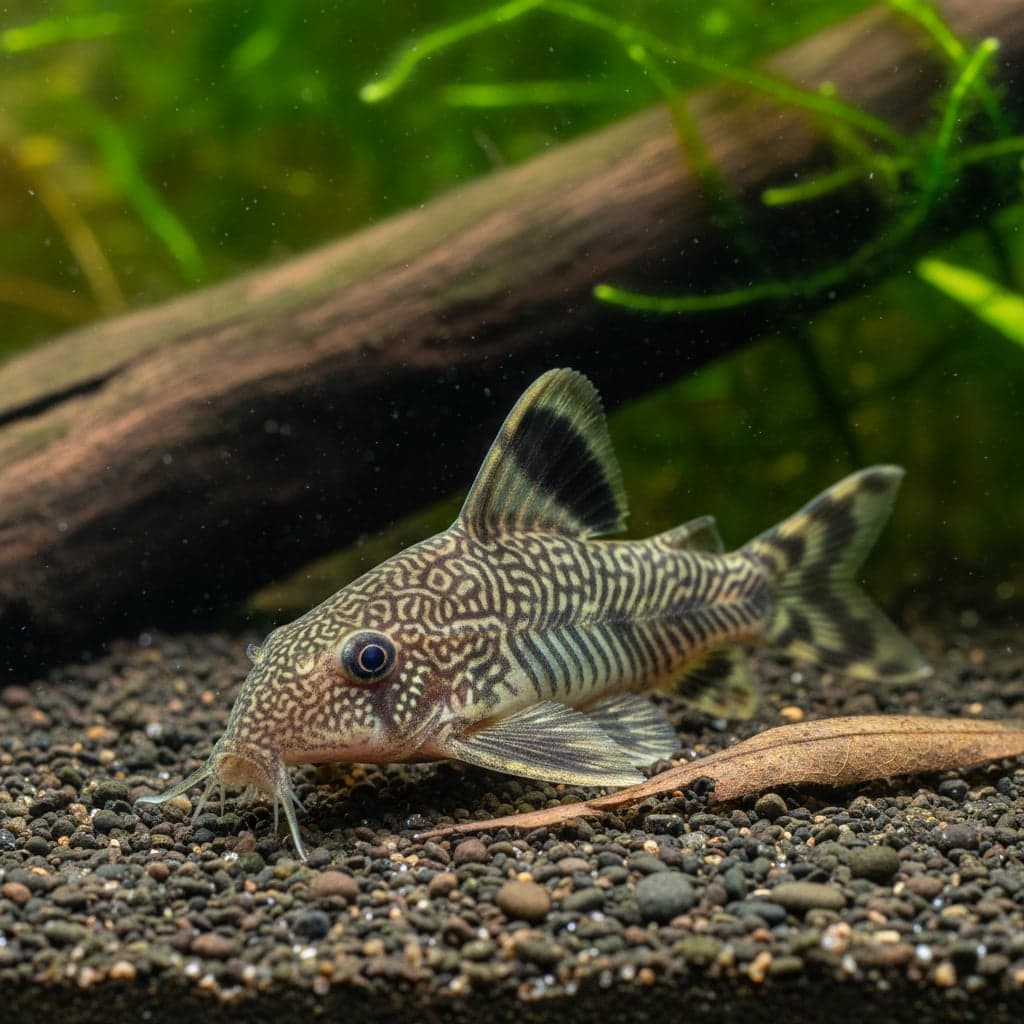
Network Cory
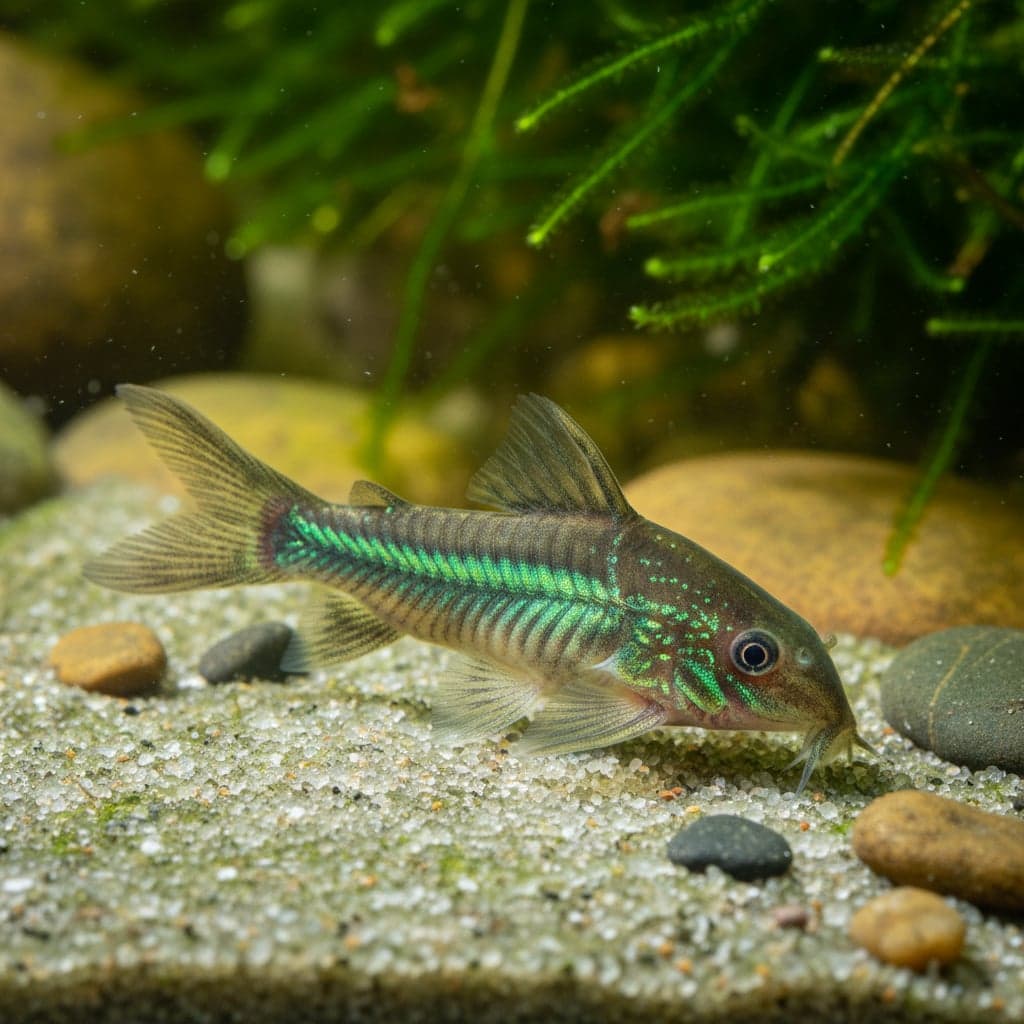
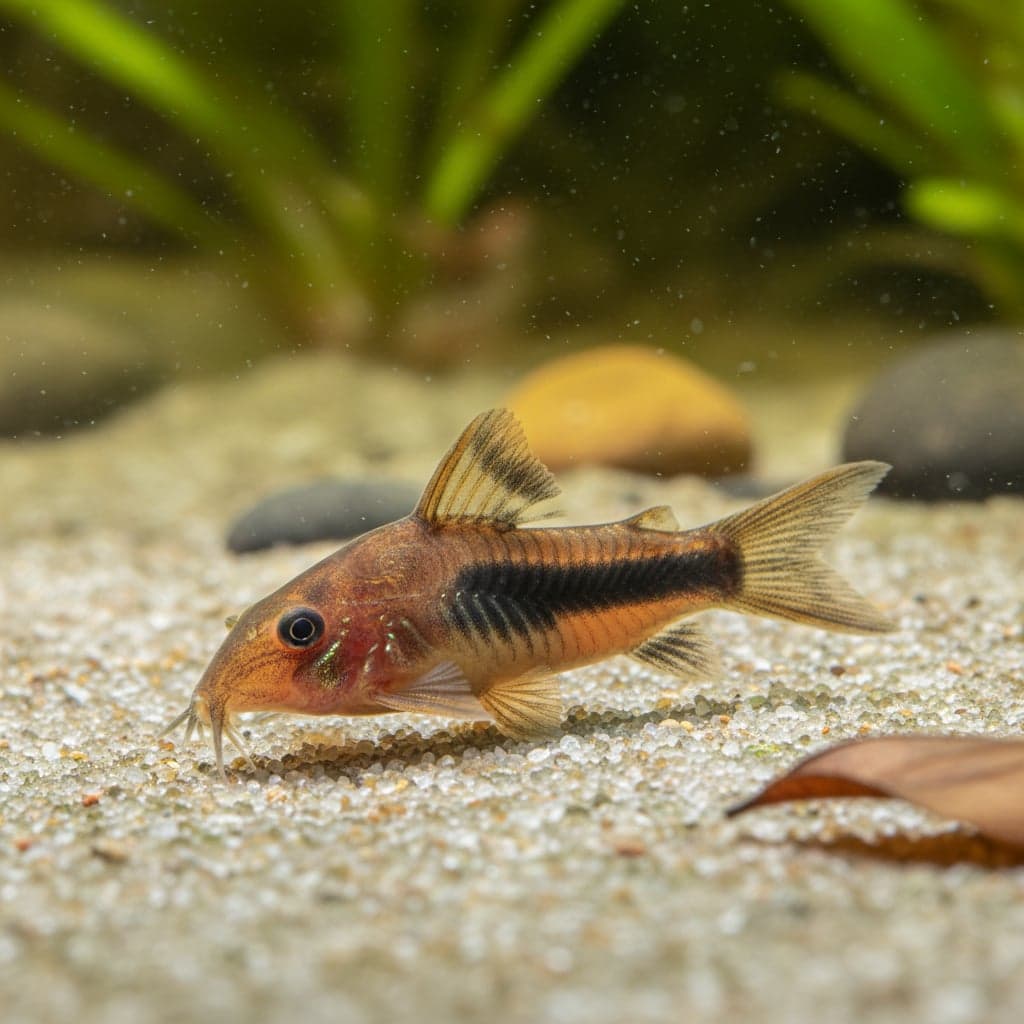
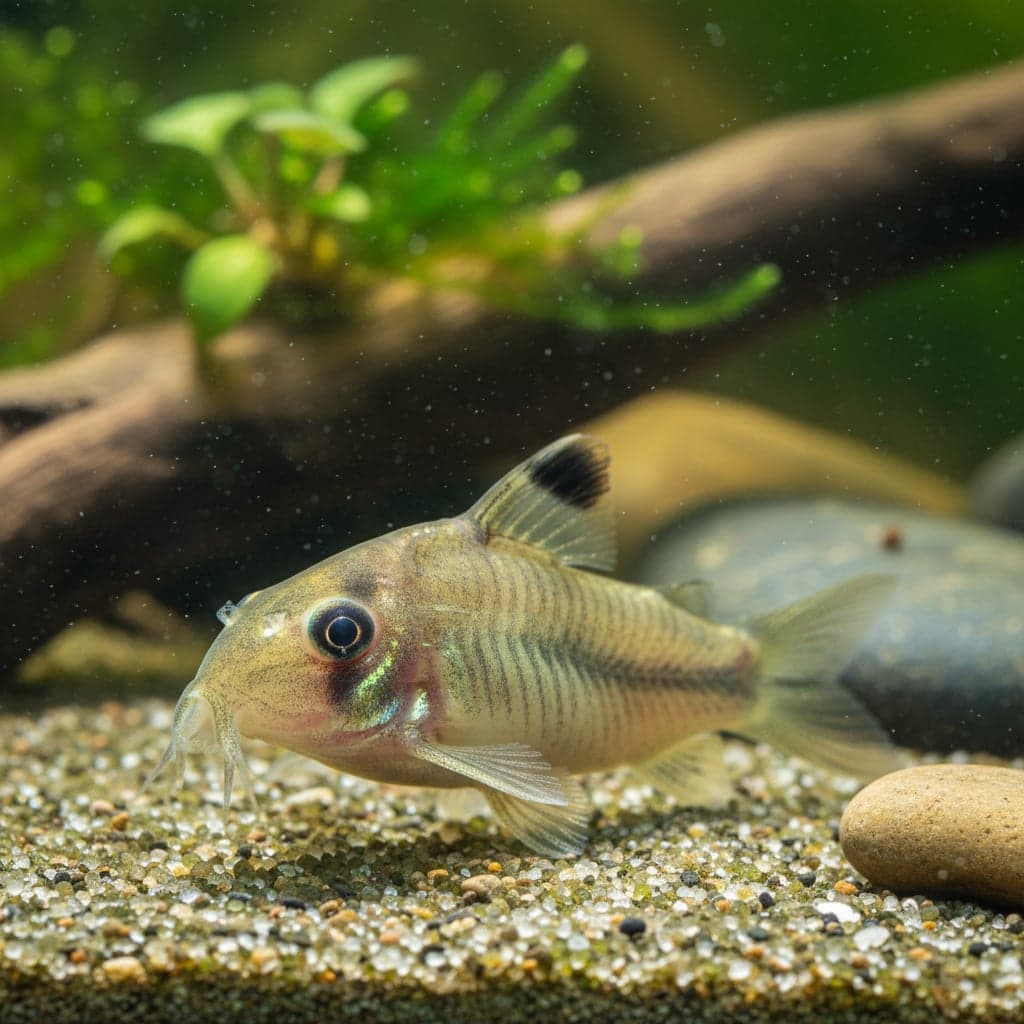
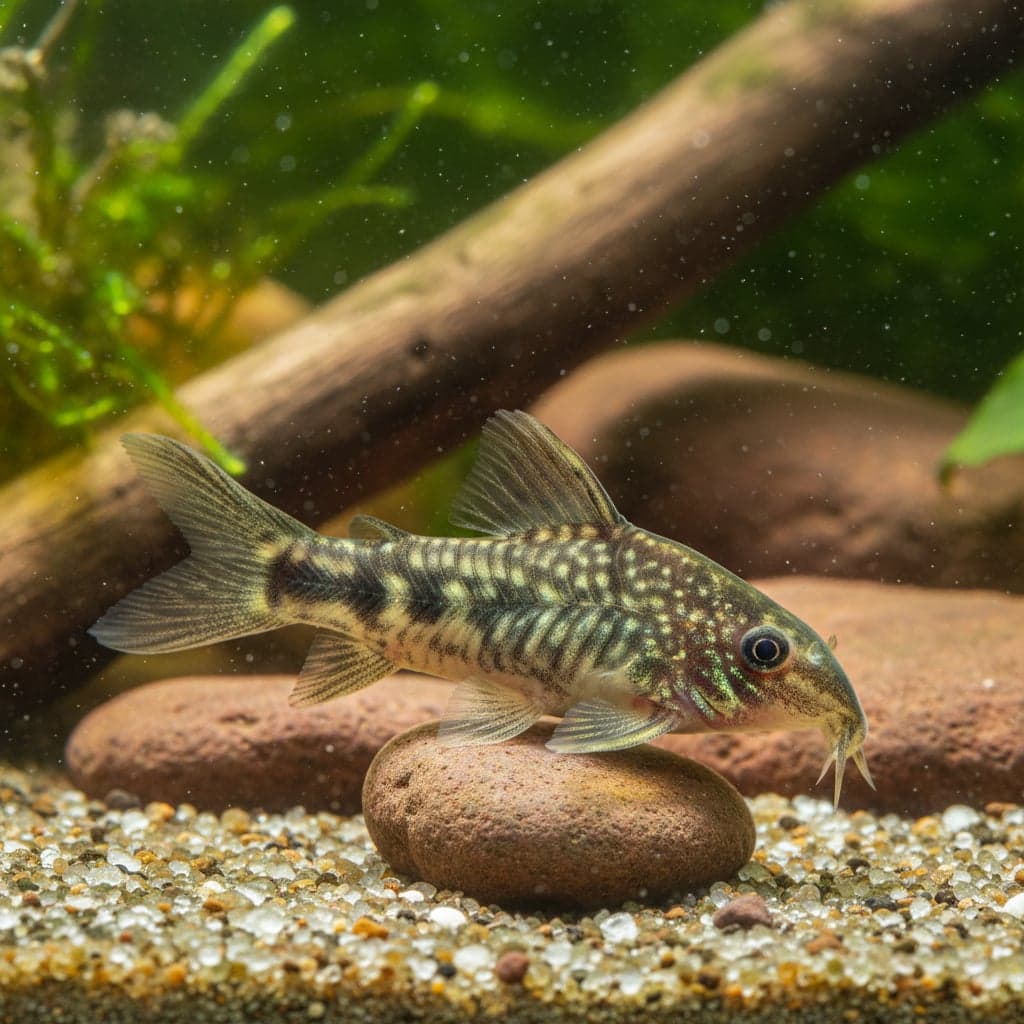
The Network Cory, scientifically known as Corydoras reticulatus, is a captivating freshwater fish that has gained popularity in the aquarium hobby for its unique appearance and engaging behavior. This small catfish typically reaches a length of approximately 2 to 3 inches, possessing a distinctive pattern of fine, dark reticulated markings on a light sandy or gold-colored body. This eye-catching visual appeal not only enhances the aesthetic of community tanks but also makes it a favorite among aquarists who appreciate intricate patterns in their aquatic life. The Network Cory's gentle nature and active behavior further add to its charm, providing a lively element to any aquarium setup.
In the aquarium scene, the Network Cory is significant not only for its beauty but also for its role in maintaining the ecological balance within the habitat. As bottom feeders, they help keep tanks clean by scavenging leftover food and organic debris, which contributes to improved water quality. Their peaceful demeanor makes them compatible with a variety of tank mates, making them an ideal choice for community aquariums. Enthusiasts often highlight their fascinating social interactions and schooling behavior, which adds another layer of interest for observers.
Natural Habitat & Origin
The Network Cory hails from the slow-moving waters of the Amazon Basin, particularly in regions of Brazil. These fish are predominantly found in shallow streams and rivers characterized by a mixture of blackwater and clearwater systems. The blackwater habitat, derived from the decomposition of organic material like leaves and wood, is acidic and stained dark from tannins, creating a unique biological environment. The Network Cory thrives in these conditions, benefiting from the cover provided by submerged vegetation and leaf litter, which are crucial for their feeding habits and overall wellbeing.
In their natural environment, Network Corys inhabit sandy or soft substrates, which allow them to burrow and forage effectively. These habitats are typically densely planted with aquatic flora, which not only serves as a source of food but also provides essential hiding spots for these shy creatures. Understanding their natural habitat is vital for replicating similar conditions in aquariums, ensuring that these fish remain healthy and stress-free.
Care Requirements
To ensure optimal health and longevity for Network Corys, specific water parameters need to be maintained. They thrive in slightly acidic to neutral pH levels ranging from 6.0 to 7.5, ideally at a temperature between 72°F to 78°F (22°C to 25.5°C). The hardness of the water should be kept relatively low, between 2 to 12 dGH, to mimic their natural habitat. Maintaining consistent water quality through proper filtration and regular water changes is crucial for their health.
When setting up a tank for Network Corys, a minimum size of 20 gallons is recommended, particularly if they are kept in groups, as they are social fish that prefer companionship. The substrate should be soft and sandy, avoiding sharp materials that could injure their delicate bodies. As for lighting, moderate lighting is optimal, as too much brightness can stress them out. Incorporating live plants, driftwood, and hiding spots will create a more inviting environment, simulating their natural habitat and allowing for natural behaviors to develop.
Diet & Feeding
Network Corys are omnivorous fish, making their diet quite versatile and manageable for aquarium keepers. In the wild, they feed on detritus, plant matter, and small invertebrates. In captivity, it's best to provide them with a balanced diet that includes high-quality sinking pellets, flakes, and frozen or live foods. Sinking pellets formulated for bottom feeders are particularly advantageous, as they cater specifically to their feeding habits, ensuring they receive all necessary nutrients.
In addition to commercial foods, it's beneficial to occasionally supplement their diet with frozen or live foods such as bloodworms, brine shrimp, or daphnia. This not only boosts their protein intake but also simulates their natural foraging behavior, promoting overall health and vitality. Offering a varied diet can help prevent dietary deficiencies and keeps these active fish engaged.
Behavior & Temperament
Network Corys are known for their peaceful and sociable nature, making them a great addition to any community aquarium setup. They exhibit strong schooling behavior, often preferring to swim in groups of at least five or more. This social structure provides comfort and security, reducing stress levels during their daily activities. While they primarily occupy the tank's bottom area, they are not aggressive and will interact peacefully with other species in the aquarium.
In terms of behavior, Network Corys are often seen with their bodies slightly raised in the water column, foraging the substrate for food. Their inquisitive nature drives them to explore their environment, which can result in playful and engaging interactions with fellow tank mates. Observing their interactions, such as hovering around plants or darting through decorations, adds a dynamic element to the viewing experience in the aquarium.
Tank Mates
When selecting tank mates for Network Corys, it is crucial to opt for peaceful species that share similar water parameter needs. Ideal companions include small to medium-sized fish such as Neon Tetras, Guppies, and Rasboras, as well as other calm bottom-dwelling species like Otocinclus, smaller Loaches, and other Corydoras species. These pair well with Network Corys and promote a harmonious tank environment.
Conversely, it is best to avoid larger, aggressive fish that can intimidate or harm the Network Cory, including Cichlids, Barbs, and other territorial species. Avoiding competition for food is also essential, so steer clear of overly boisterous species. Maintaining a harmonious community will contribute to the overall health and happiness of all aquatic inhabitants.
Breeding
Breeding Network Corys in captivity requires specific conditions and some preparation. To initiate spawning, gradually lower the water temperature slightly and conduct larger water changes to mimic the rainy season in their natural habitat. Provide a variety of flat surfaces for spawning, such as broad-leafed plants or spawning mops, as Network Corys typically lay their eggs on these substrates.
Once the conditions are right, the males will court the females through a series of displays and nudges. After successful fertilization, the female can lay up to 150 eggs, often in clusters. Ensure that the fry are separated from adult fish after hatching, as adult Corys may eat their young. Feed the fry infusoria or specially formulated fry food in the early days, transitioning to finely crushed flakes as they grow. With adequate care and attention to detail, breeding Network Corys can be a rewarding experience for aquarists.
Common Health Issues
Like all fish, Network Corys can be susceptible to various diseases, especially when stressed or kept in suboptimal conditions. One common issue is ich, a parasitic infection caused by protozoans that manifests as white spots on the fish's body and fins. Preventive measures include maintaining stable water conditions, minimizing stress factors, and ensuring all new fish are quarantined before introduction to the main tank.
Other diseases to be aware of include skin flukes and fin rot, typically resulting from poor water quality. Regular monitoring of water parameters and immediate action at the first sign of disease can help mitigate these concerns. Providing a nutritious diet, maintaining a clean tank, and ensuring good companionship will significantly reduce the risk of these health issues and promote a long, healthy life for your Network Corys.