Nichols' Mouthbrooder: Pseudocrenilabrus nicholsi
A glowing, highly aggressive dwarf cichlid from the Congo River basin featuring a stunning combination of yellow, blue, and red.
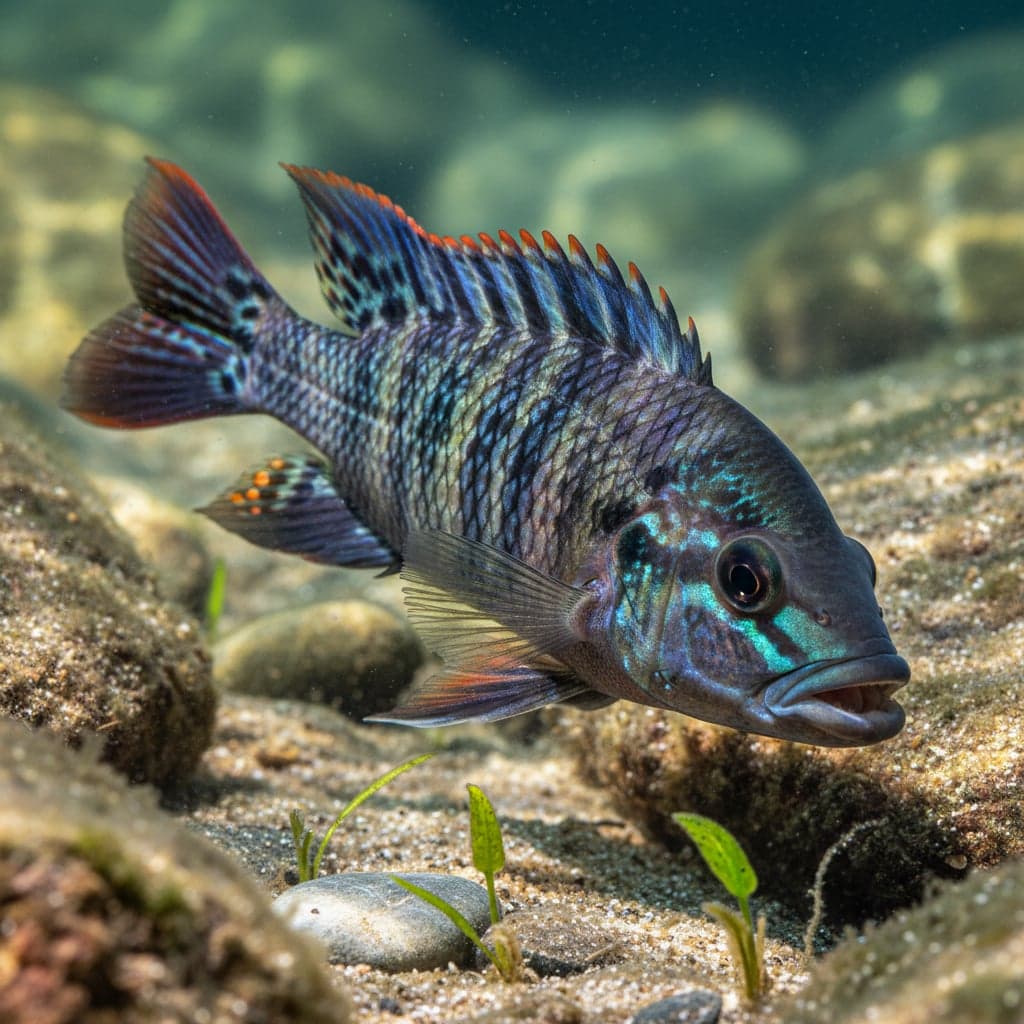
Nichols' Mouthbrooder
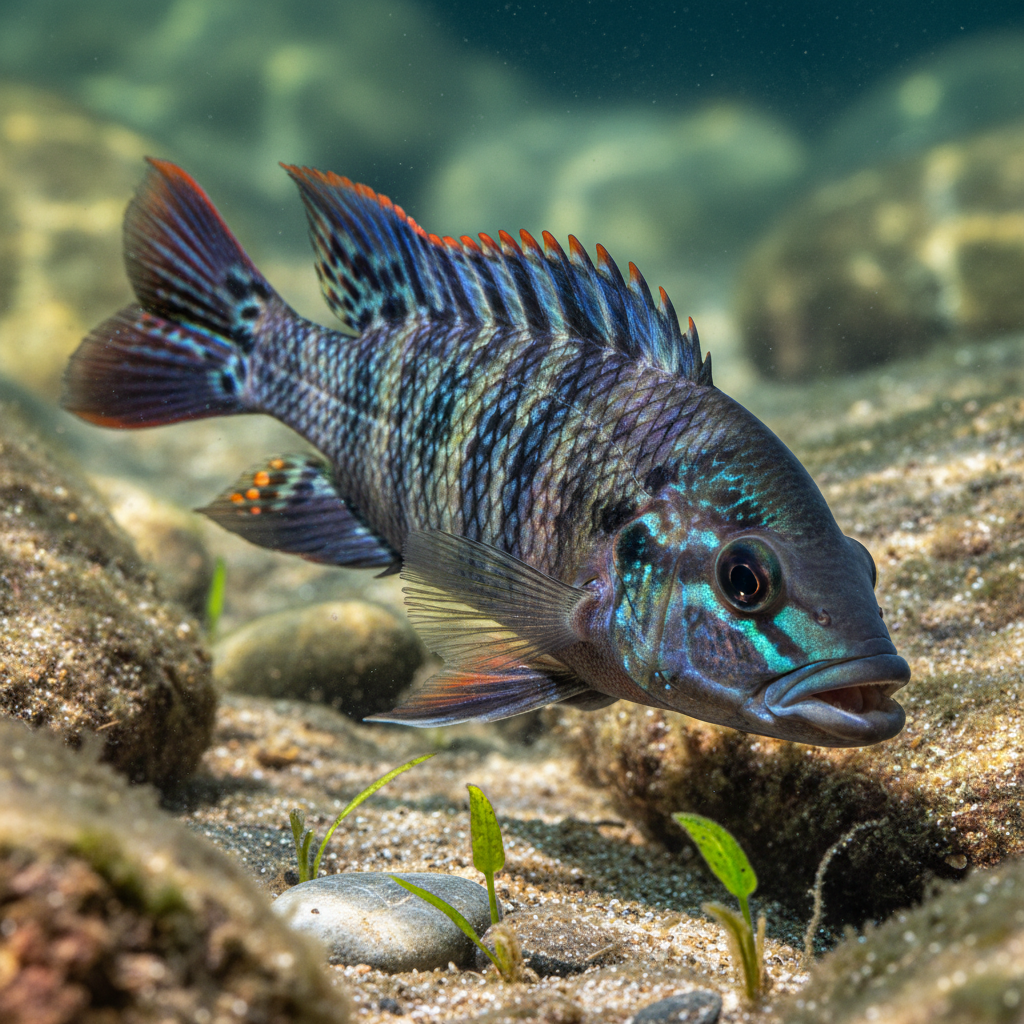
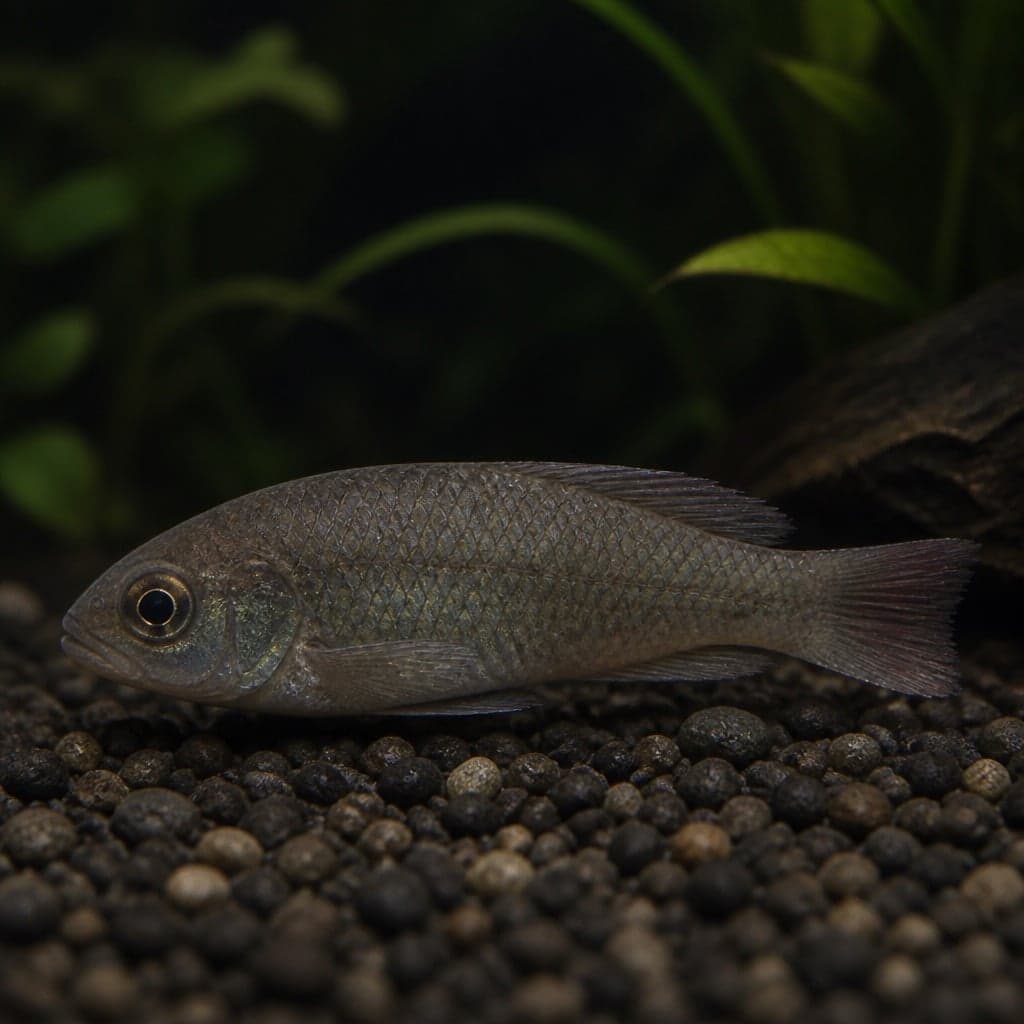
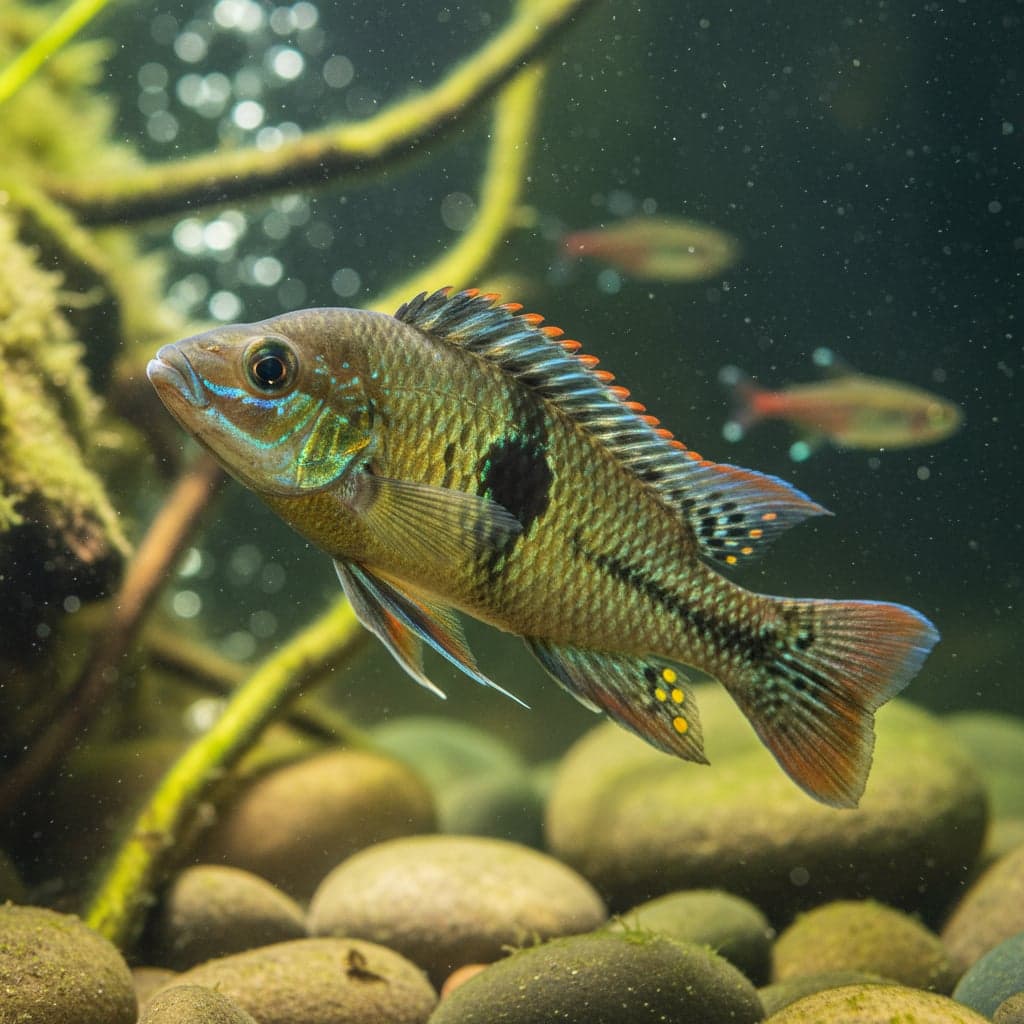
Nichols' Mouthbrooder, scientifically known as Pseudocrenilabrus nicholsi, is a captivating species of cichlid native to the African Rift lakes. This fish is characterized by its striking coloration, which ranges from vibrant blues to earthy yellows and reds. The males are particularly notable for their larger size and colorful displays, often flaunting hues that can captivate any aquarist's eye. The visual appeal is further enhanced by their unique body shape, which is slightly elongated and laterally compressed, allowing them to navigate through the rocky substrates they call home. Rarely seen in the wild, this species has become increasingly popular among fish enthusiasts because of its beauty and intriguing behavior, making it a significant addition to the aquarium hobby.
The significance of Nichols' Mouthbrooder extends beyond its aesthetic allure. As a mouthbrooding cichlid, females exhibit fascinating reproductive behaviors, carrying fertilized eggs in their mouths until they hatch. This parenting style not only highlights the fish's biological adaptations but also provides intriguing observation opportunities for aquarists. As a species that thrives in a well-maintained aquarium environment, understanding their needs and behaviors is essential for both successful keeping and breeding. This guide aims to provide in-depth insight into the care and maintenance of this remarkable species, ensuring they flourish in home aquariums.
Natural Habitat & Origin
Nichols' Mouthbrooder is endemic to the Lake Tanganyika basin in Africa, which boasts some of the clearest waters and unique biodiversity. In the wild, these fish inhabit rocky areas where they find refuge among crevices and caves. The water in which they thrive is typically alkaline, with a pH ranging between 8.0 to 9.5. The temperatures in their natural habitat usually hover around 24°C to 28°C (75°F to 82°F). These environmental conditions, characterized by stable temperatures and clear, mineral-rich waters, play a crucial role in maintaining the health and wellbeing of this captivating species.
Lake Tanganyika features a mix of substrates from fine sand to rocky outcrops, providing Nichols' Mouthbrooder with plenty of hiding places and breeding grounds. The presence of these structures mimics their natural environment and allows aquarists to replicate a suitable habitat, thus supporting their unique behaviors and lifestyle in captivity. Properly understanding their natural habitat's ecological context is vital for recreating an environment that promotes their longevity and vitality in the aquarium.
Care Requirements
To successfully care for Nichols' Mouthbrooder, maintaining specific water parameters is crucial. The ideal pH level should be maintained between 7.8 and 8.5, with a temperature range of 24°C to 28°C (75°F to 82°F). The hardness of the water should be moderate to high, ideally around 10-15 dGH. This species thrives in well-oxygenated environments, so ensuring proper filtration is essential.
When it comes to tank setup, Nichols' Mouthbrooder requires a minimum tank size of 100 liters (around 26 gallons) to accommodate their active swimming nature and territorial behaviors. Using a sandy substrate is recommended, along with providing various hiding spots using rocks, driftwood, and plants that can withstand their digging instincts, like Anubias and Java Fern. Lighting should be moderate, as intense light can stress these fish. Creating a visually stimulating environment will encourage natural behaviors and overall health.
Diet & Feeding
Nichols' Mouthbrooder is considered an omnivore, and its diet plays a crucial role in its overall health. In captivity, these fish benefit from a varied diet that includes high-quality flakes, sinking pellets, and a range of frozen or live foods such as brine shrimp, daphnia, and bloodworms. A mix of vegetable matter, such as spirulina or blanched zucchini, should also be included to meet their nutritional requirements. It is important to feed them small portions multiple times a day to mimic their foraging behavior in the wild and to reduce waste in the aquarium.
When introducing new foods, it is advisable to monitor their response to ensure they accept it without any issues. Maintaining a balanced diet helps bolster their immune systems and enhances their vibrant colors, contributing to the overall appeal of this enchanting cichlid in the aquarium.
Behavior & Temperament
Nichols' Mouthbrooder is known for its relatively peaceful temperament compared to other cichlid species; however, males can exhibit territorial aggression, especially during breeding seasons. They tend to establish a hierarchy within their confines, and providing ample space is essential to minimize conflicts. While they can be territorial, they generally do best in a community tank with proper planning.
This species enjoys the middle to upper levels of the aquarium; thus, it's essential to create a layered environment that provides safe zones and territories. Socially, Nichols' Mouthbrooder can be kept in small groups, but keeping a single male with multiple females is ideal for breeding and reducing potential aggression.
Tank Mates
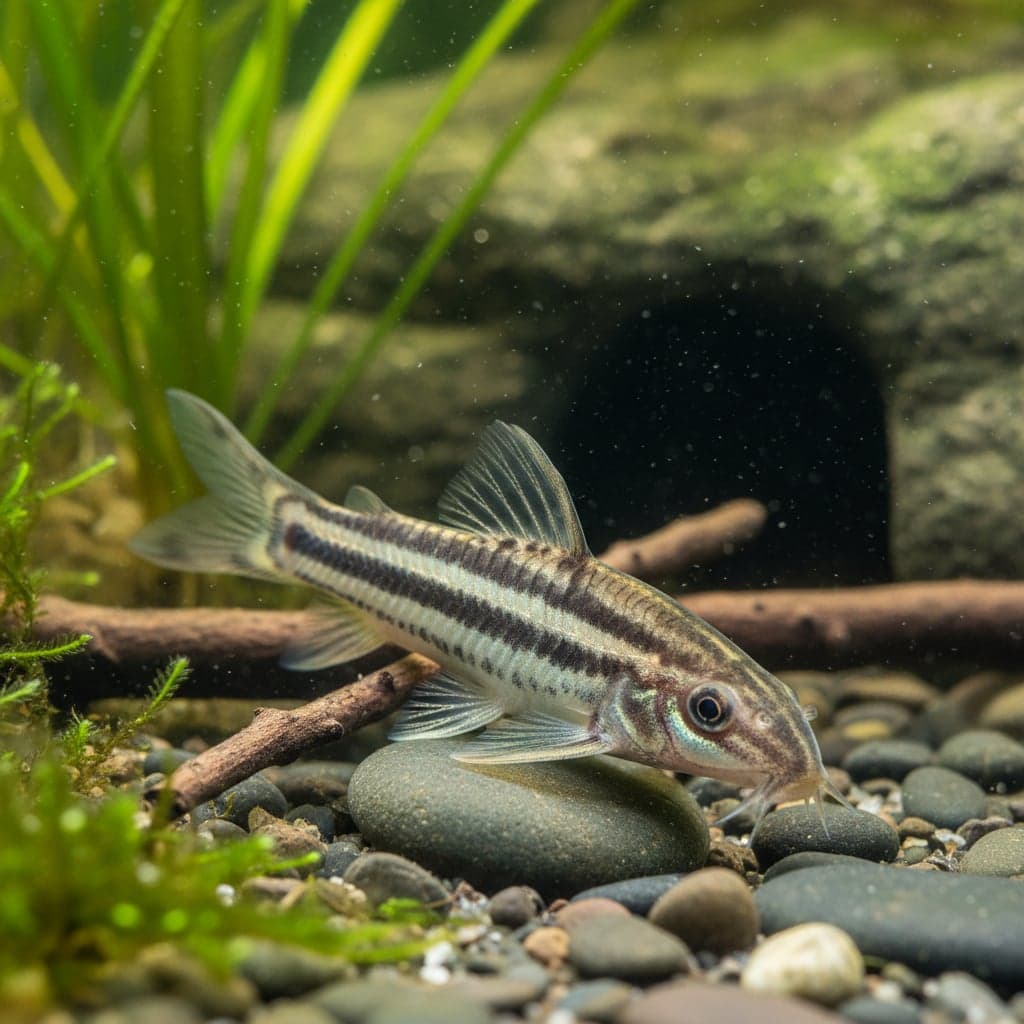
When selecting tank mates for Nichols' Mouthbrooder, it's important to choose species that are known to be compatible with their temperament and space requirements. Good tank mates include other peaceful African cichlids like the starry night cichlid, some types of tetra, and larger barbs. Additionally, bottom dwellers such as Synodontis catfish can coexist harmoniously, as they occupy different levels of the tank.
Species to avoid include overly aggressive cichlids, smaller fish that may be seen as food, and overly boisterous species which can stress out the mouthbrooder. It's crucial to ensure that any additional species added to the tank can withstand the same water parameters and contribute to a harmonious environment.
Breeding
Breeding Nichols' Mouthbrooder can be a rewarding experience for aquarists. This species is a mouthbrooder, meaning females carry eggs in their mouths after fertilization, providing a level of parental care that is unique and fascinating. To stimulate breeding, it's beneficial to include several hiding spots and caves within the tank to attract a chosen mate.
Once conditions are favorable—typically a slightly elevated temperature and optimal water quality—the female will lay eggs on a flat surface or a rock. After fertilization, she will carry the eggs in her mouth for about 2-3 weeks, during which time she will seek refuge in safe areas when approached by potential threats. Upon hatching, the fry will remain in her mouth until they are large enough to fend for themselves. It’s essential to have a separate nursery tank prepared if the fry are to be safely reared to maturity, as adult mouthbrooders can inadvertently consume their young.
Common Health Issues
Nichols' Mouthbrooder is generally a hardy species; however, like many aquarium fish, they can be susceptible to certain health issues. Common diseases include ich (Ichthyophthirius multifiliis), fin rot, and stress-related ailments. To prevent these issues, maintaining optimal water quality is vital, along with regular tank maintenance including water changes, substrate vacuuming, and monitoring for signs of disease.
Quarantining new arrivals before introducing them to the main tank can also help reduce the spread of pathogens. Additionally, ensuring that their diet remains varied and nutritionally balanced strengthens their immune systems and overall health, decreasing susceptibility to illness. By observing your fish regularly and acting quickly at the first signs of distress or disease, you can greatly improve recovery odds and protect the rest of the colony. Quarantine newcomers, keep hard alkaline water in range, and avoid overcrowding that fuels territorial stress. Watch for white spots, frayed fins, clamped fins, or sudden lethargy, and treat promptly in a hospital tank. A varied diet and ample caves support immunity. With stable Tanganyikan parameters and early action, Nichols' Mouthbrooders remain hardy African cichlids for years.