Ninja Woodcat: Tatia galaxias
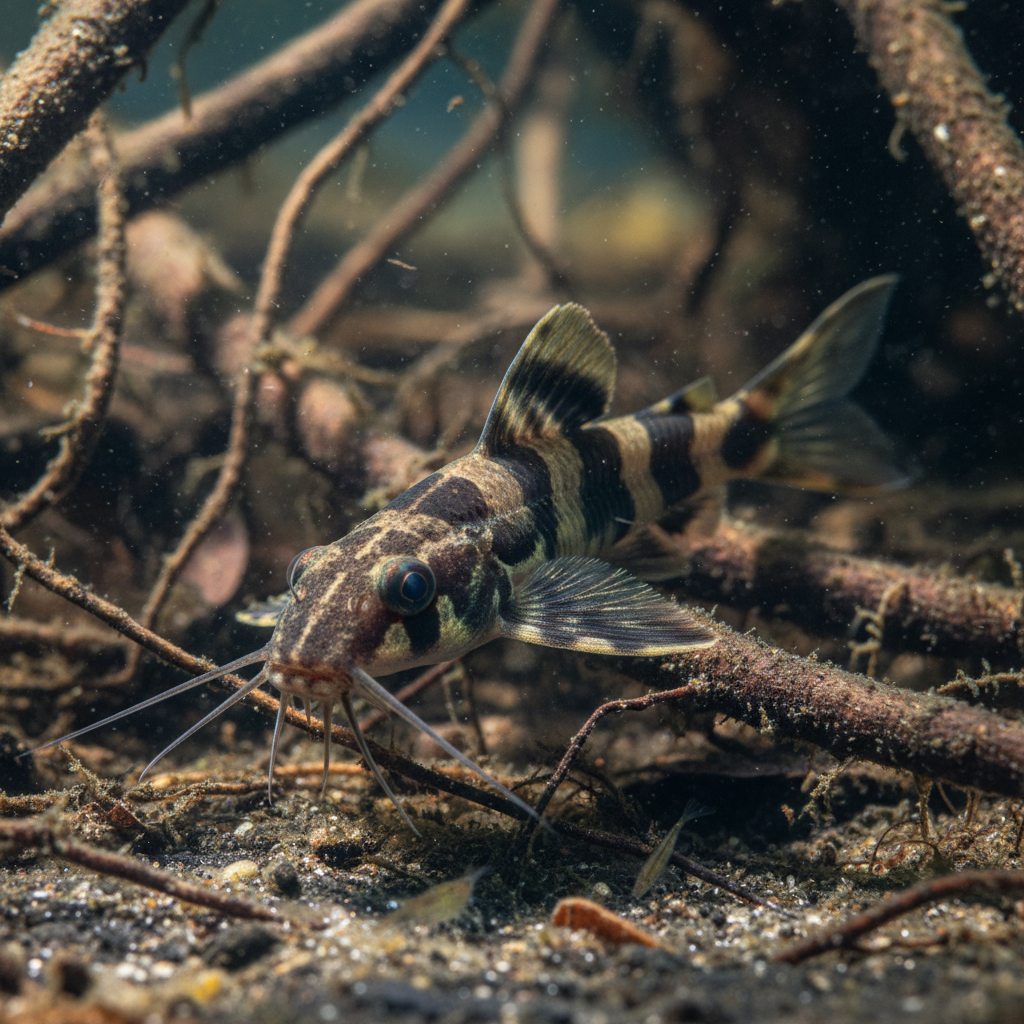
A tiny, completely black-and-white spotted nocturnal catfish from the Orinoco river basin.
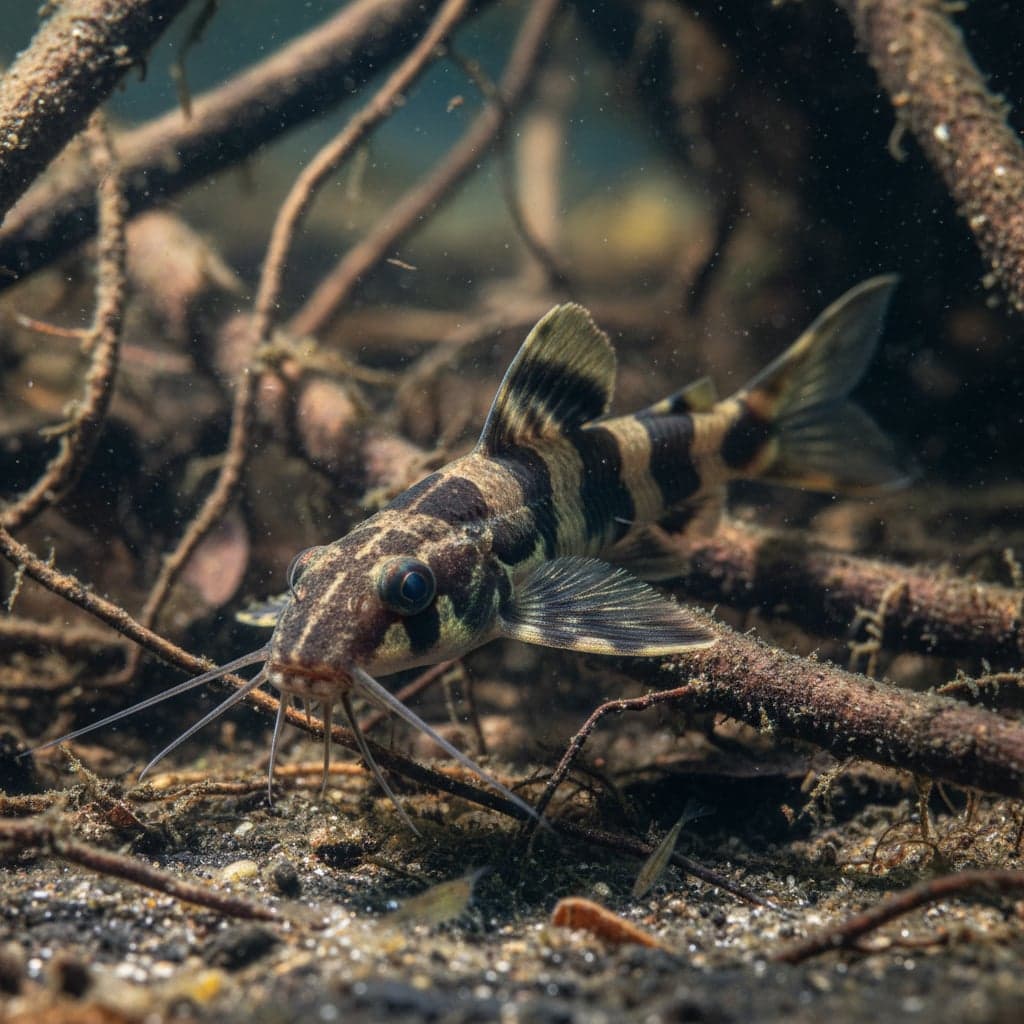
Ninja Woodcat
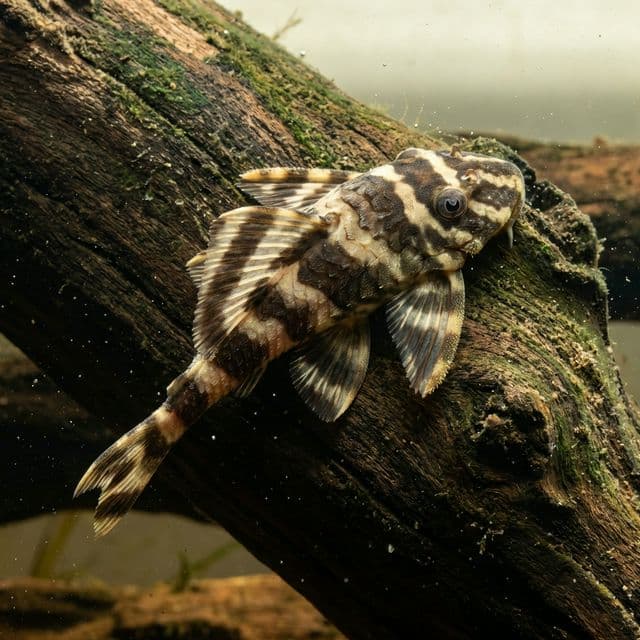
The Ninja Woodcat, scientifically known as Tatia galaxias, is an intriguing tropical freshwater fish that has recently gained prominence among aquarium enthusiasts. This fascinating species, belonging to the family Asterophysidae, is recognized for its unique appearance and playful behavior. The Ninja Woodcat showcases a distinctive pattern of dark and light shades that mimic the forest floor, making it an attractive addition to aquariums. Its elongated, flattened body resembles that of a typical catfish, but it boasts unique markings and a vibrant coloration that enthralls observers. Its graceful movements and appealing aesthetics establish the Ninja Woodcat as a prized specimen in the realm of aquarium keeping.
In addition to its visual appeal, the Ninja Woodcat holds a special significance in the aquarium hobby due to its engaging personality and interesting behaviors. These fish are known for their active nature, particularly during dusk and dawn when they exhibit typical foraging patterns along the substrate. This nocturnal species not only adds liveliness to a community tank but also encourages an ecological balance within the setup. As they root through the substrate, they help clean up uneaten food, contributing to a healthier aquarium environment. The enchanting behaviors and physical beauty of the Ninja Woodcat make it a desirable choice for both novice and experienced aquarists.
Natural Habitat & Origin
The Ninja Woodcat is native to the slow-moving waters of freshwater rivers, streams, and flooded forest areas in South America, particularly in the Amazon Basin. It thrives in regions that provide a mix of blackwater and clearwater environments, where its natural habitat is characterized by dense foliage and submerged structures. The water in these ecosystems is typically soft and acidic, with a pH range of 6.0 to 7.0. The foliage and organic debris in these environments contribute to the dark, stained water that is rich in tannins—a perfect backdrop that enhances the striking appearance of this unique catfish.
The rich biodiversity of the Amazon Basin not only provides crucial shelter and food for the Ninja Woodcat but also establishes its essential role in the ecosystem. This species adapts well to varied environments, where it can often be found lurking among fallen leaves or submerged logs—its natural camouflage protecting it from predators. Understanding its natural habitat is crucial for replicating the conditions necessary for the successful care of the Ninja Woodcat in captivity.
Care Requirements
To maintain the health and well-being of the Ninja Woodcat, several specific care requirements should be observed. It thrives in water parameters typically retaining a pH level between 6.0 and 7.5, a temperature range of 75°F to 82°F (24°C to 28°C), and soft to moderately hard water (3-10 dGH). The tank setup should ideally offer abundant hiding spots, so a minimum tank size of 30 gallons is recommended to accommodate its active nature. Dark substrate materials, such as fine sand or smooth gravel, will mimic its natural habitat and encourage natural foraging behavior.
In addition to substrate, the tank should be decorated with plenty of pieces of driftwood, caves, and plants, such as Java fern, Anubias, or floating plants. These elements not only create hiding places and structures for the Ninja Woodcat to explore but also help maintain a sense of security. While they tolerate moderate lighting, it is advisable to avoid overly bright illumination that can stress this species; dim lighting conditions allow the Ninjas to feel comfortable and display their natural behaviors.
Diet & Feeding
The Ninja Woodcat is primarily an omnivore, and its diet should reflect this diversity. In the wild, they feed on a variety of organic matter, including detritus, small insects, and plant material. In an aquarium setting, they thrive on a balanced diet consisting of high-quality flakes or pellets designed for bottom-dwelling fish. Supplementing their diet with frozen foods such as bloodworms, brine shrimp, and daphnia, as well as occasional live food, will ensure they receive essential nutrients. Additionally, providing vegetable matter in the form of blanched spinach or zucchini can mimic their natural feeding behaviors and promote optimal health.
Feeding should occur 2-3 times per week, and it is crucial to offer only the amount they can consume within a few minutes to prevent overfeeding and water quality issues. Monitoring their feeding habits will help ensure they are thriving and maintaining a healthy weight, ultimately leading to an active and vigorous fish in your aquarium.
Behavior & Temperament
In the aquarium, the Ninja Woodcat displays a peaceful temperament, making it an excellent addition to a community tank. They prefer to be kept in small groups or schools, as they exhibit more natural behavior when surrounded by conspecifics. These fish often share the bottom of the tank with other species and enjoy a vertical placement that allows them to explore various levels of the tank, predominately occupying the substrate and lower water levels.
Although the Ninja Woodcat is generally non-aggressive, caution should be taken when mixing them with overly boisterous or aggressive tank mates, which might stress or intimidate them. Creating a tranquil environment with appropriate tank mates is essential for their well-being. The Ninja Woodcat exhibits a playful nature, often engaging in antics that captivate aquarist observers, adding both beauty and liveliness to any aquarium setting.
Tank Mates
When choosing tank mates for the Ninja Woodcat, it's crucial to select species that complement its peaceful nature and require similar water conditions. Compatible fish include slow-moving bottom dwellers like Corydoras, small tetras, and peaceful barbs. Additionally, larger peaceful species such as angelfish and gouramis can coexist harmoniously with the Ninja Woodcat.
On the other hand, it is advisable to avoid aggressive or fin-nipping species, such as cichlids, large tetras, or territorial species that may compete for bottom space. Ensuring a balanced community tank will enhance the overall experience of keeping Ninja Woodcats while providing a diverse and interactive environment for all inhabitants.
Breeding
Breeding Ninja Woodcats in captivity can be a challenging yet rewarding endeavor. Spawning typically occurs in well-planted tanks with dim lighting and stable water conditions. Successful breeding requires slightly cooler water temperatures (around 72°F to 75°F or 22°C to 24°C) and a pH level of 6.0 to 6.5. A dedicated breeding tank, with soft substrate and plenty of hiding places, is essential for encouraging natural spawning behaviors.
During the breeding process, males will engage in courtship rituals, which include posturing and chasing the females. Once spawning occurs, the females will scatter adhesive eggs among the plants or substrate. After fertilization, the adult fish should be removed, as they may consume the eggs. Hatching typically occurs within a few days, and the fry should be fed infusoria or finely crushed food to support their growth during the early stages. With careful attention and the right environment, aquarists can successfully breed Ninja Woodcats and contribute to their propagation within the hobby.
Common Health Issues
While the Ninja Woodcat is generally hardy, it may still be prone to certain health issues common to freshwater fish. One potential concern is the development of ich (Ichthyophthirius multifiliis), which can be prevented by maintaining stable water conditions and proper tank hygiene. Stress from overcrowding, inadequate tank mates, or poor water quality can weaken their immune systems and invite secondary infections such as fin rot or bacterial disease. Maintain gentle filtration, perform regular water changes, and avoid copper medications when possible. Quarantine new arrivals and provide driftwood caves for security. A meaty nighttime diet and low-stress tank mates keep Ninja Woodcats healthy and active for years. Because they are nocturnal and secretive, illness can go unnoticed, so check them after lights-out for clamped fins, pale color, or refusal to feed.