Ocellated Snakehead: Channa pleurophthalma
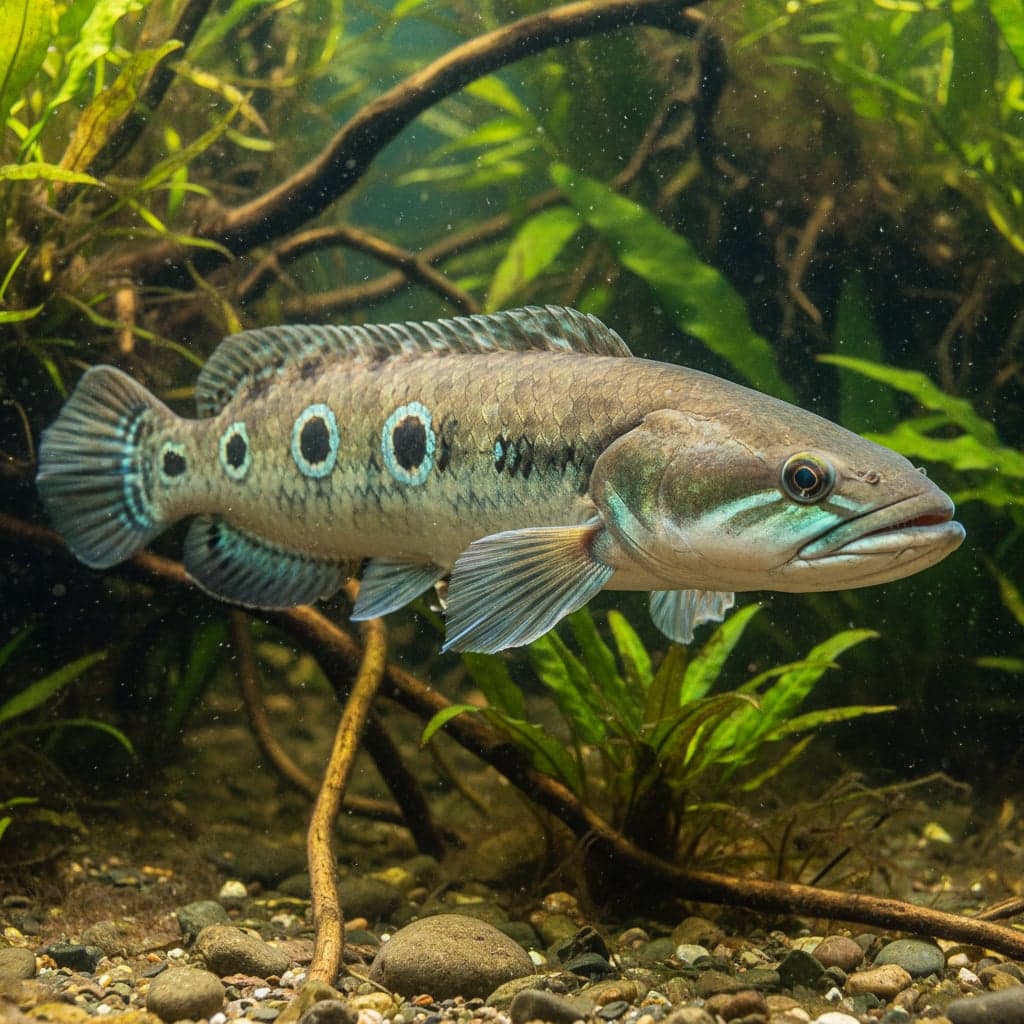
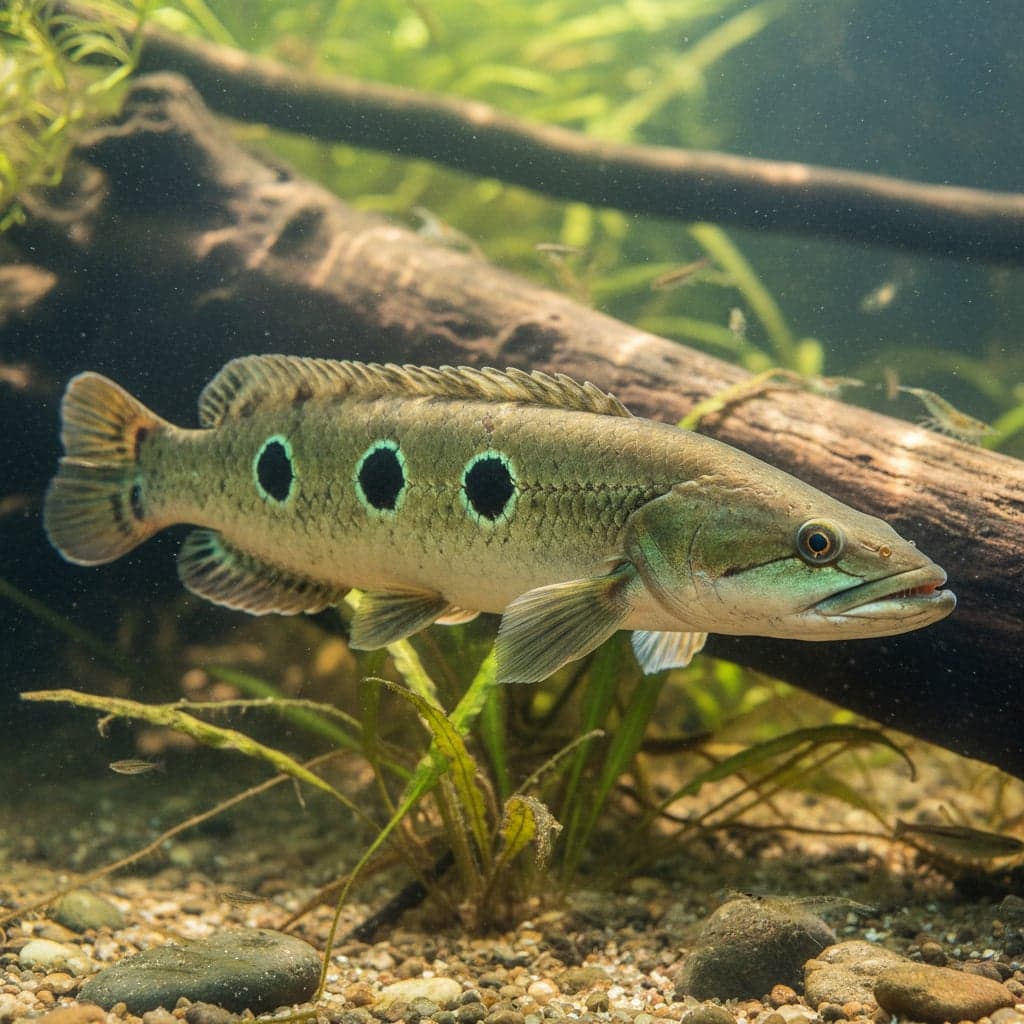
A stunning, fast-swimming predator featuring a row of large, prominent eye-spots along its flank.
Ocellated Snakehead
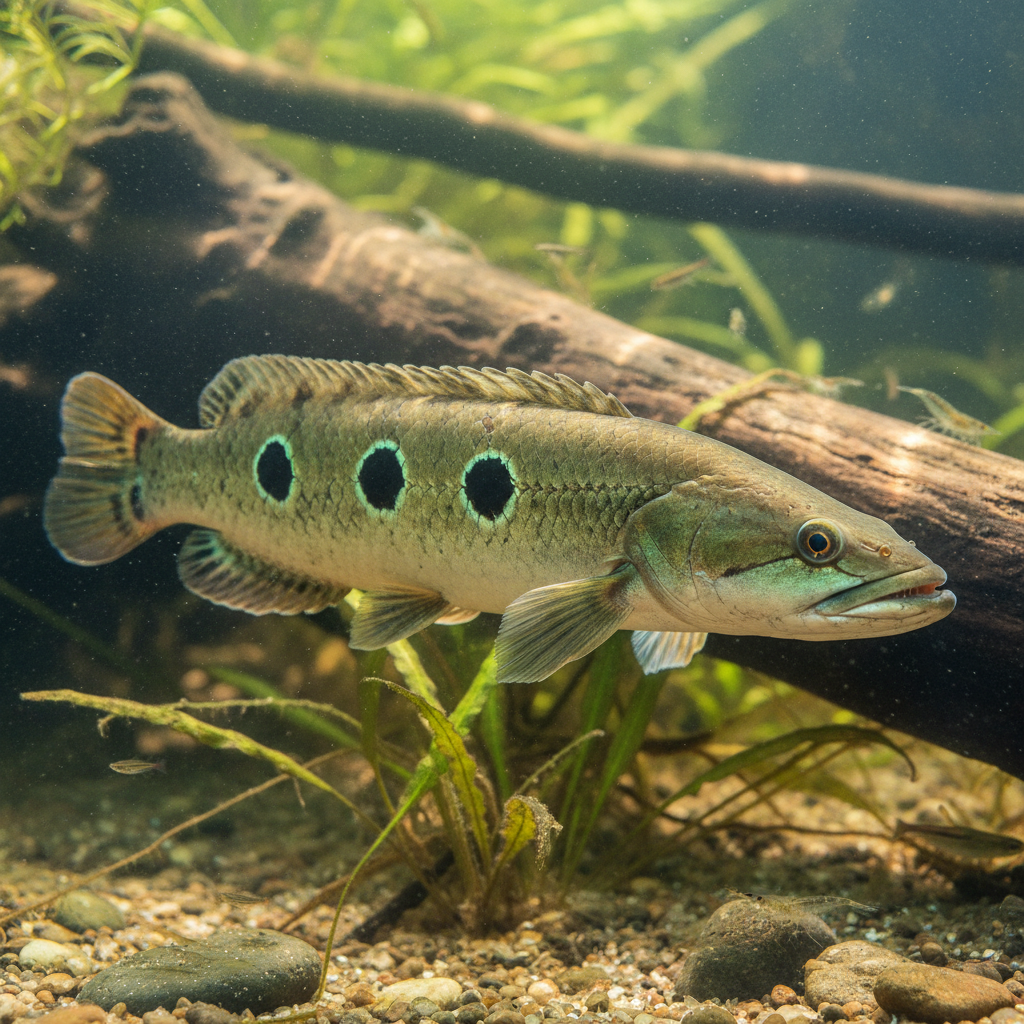
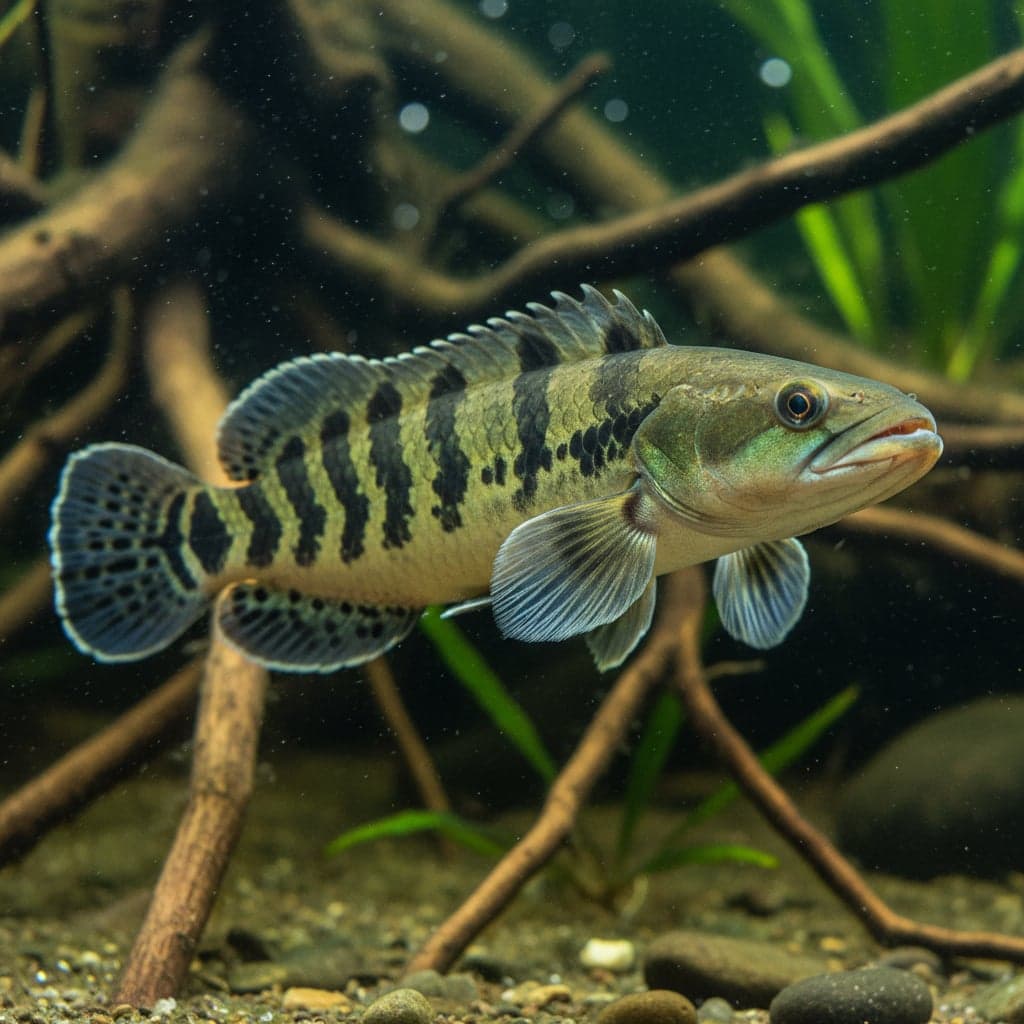
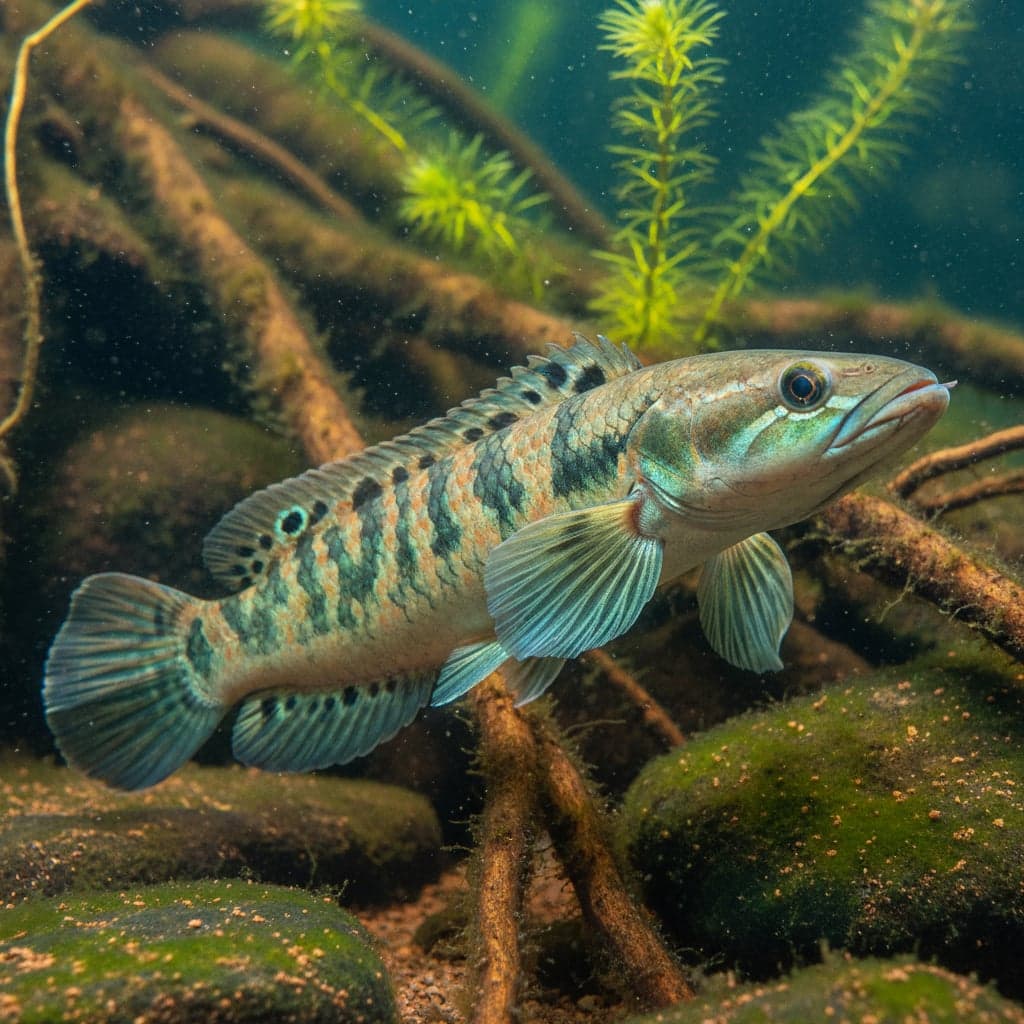
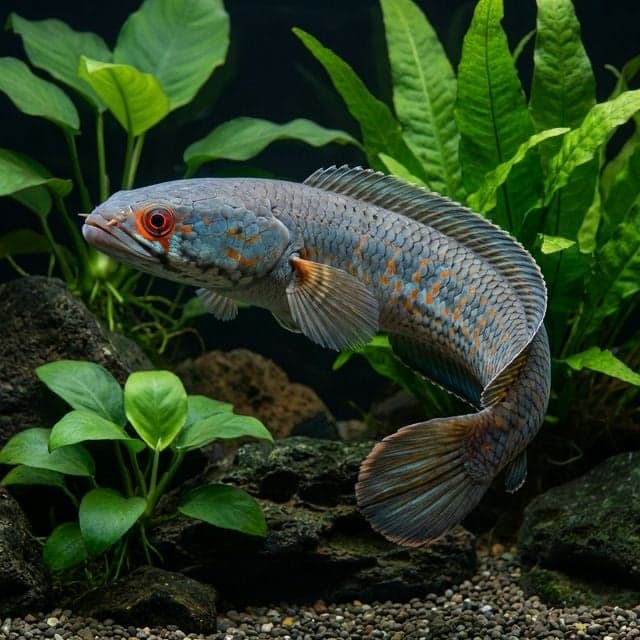
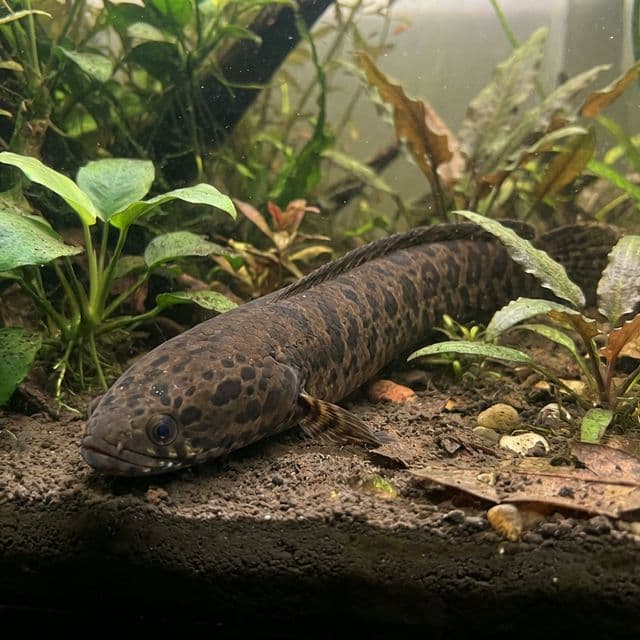
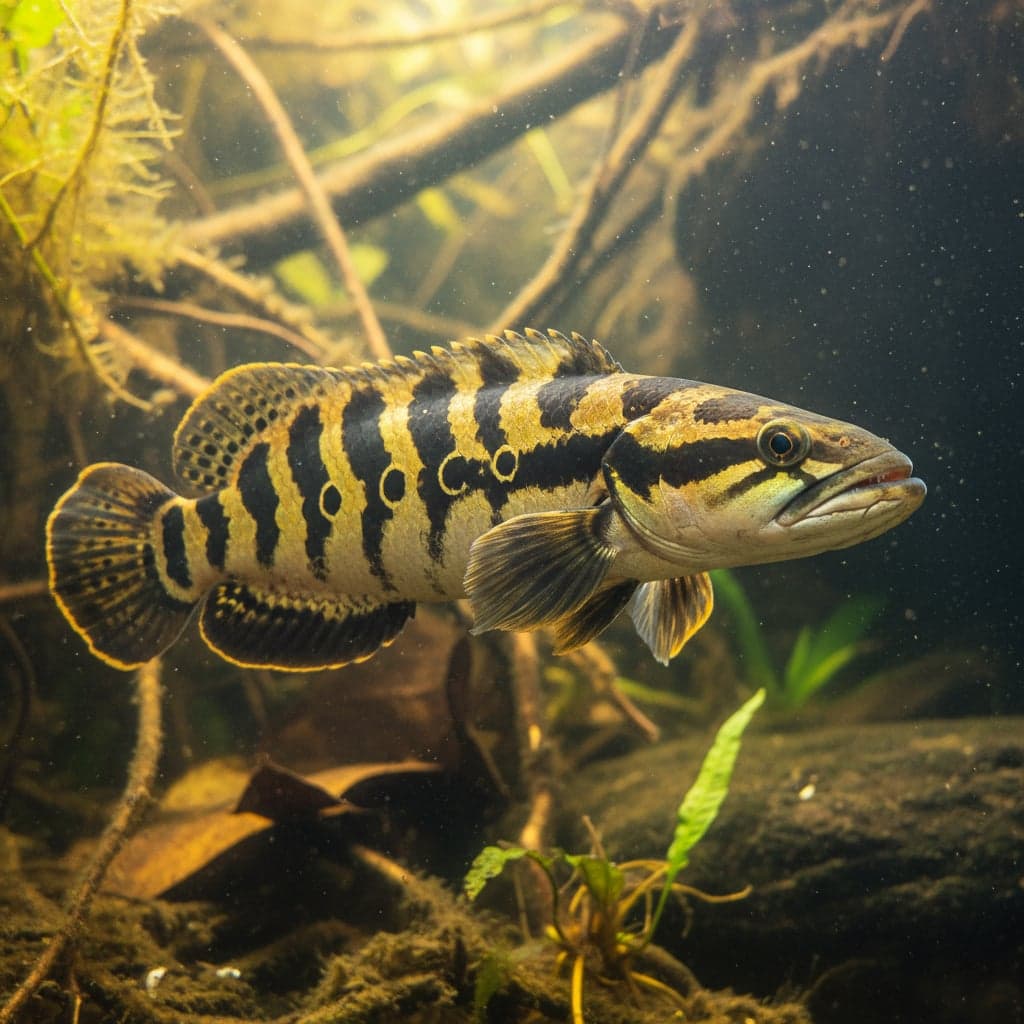
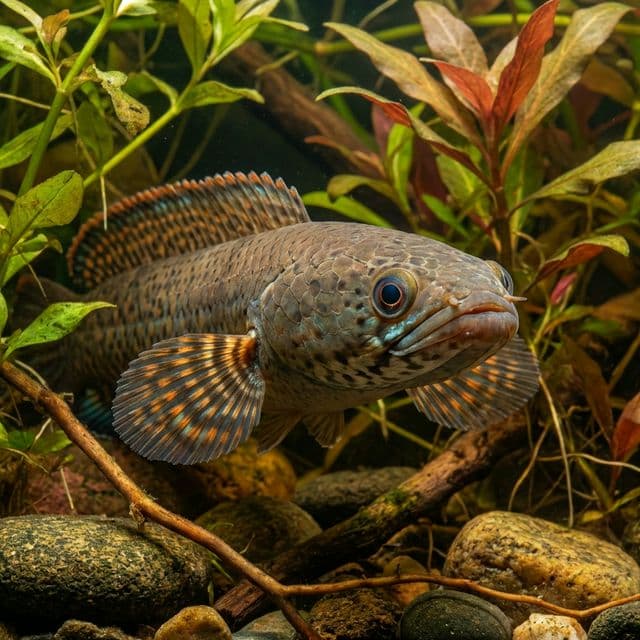
The Ocellated Snakehead (Channa pleurophthalma) is a striking freshwater fish native to Southeast Asia, known for its unique looks and intriguing behavior. This species is characterized by its elongated body, large pectoral fins, and distinct oval spots that add to its visual appeal. The coloration ranges from dark brown to olive green, with brighter spots that mimic the appearance of ocelli, hence the name "ocellated." This captivating pattern not only serves aesthetic purposes but also offers effective camouflage in their natural habitat, making them formidable predators in the wild. Due to their remarkable beauty and unique attributes, the Ocellated Snakehead has gained popularity among aquarists and is often sought after in the aquarium hobby.
In addition to their visual charm, the Ocellated Snakehead holds significant ecological and cultural importance. These fish are renowned for their adaptability, capable of thriving in various water conditions, which highlights their evolutionary success. They are also a part of the local diet in some regions, serving as a primary source of protein. As a result, knowing how to care for and appreciate the Ocellated Snakehead in the aquarium setting has become crucial for hobbyists who wish to replicate their natural environment. For many aquarists, keeping this species not only represents a thrilling challenge but also a chance to establish a naturalistic habitat that showcases the diversity and complexity of freshwater ecosystems.
Natural Habitat & Origin
Ocellated Snakeheads are primarily found in the natural waters of tropical environments in Southeast Asia, particularly in countries like Indonesia, Malaysia, and Thailand. This species typically inhabits slow-moving streams, swamps, and river deltas, where the waters can range from blackwater (rich in organic material) to clearwater systems. They often prefer areas with dense vegetation and submerged structures that provide cover and breeding sites. The Ocellated Snakehead is particularly adapted to these environments, exhibiting intriguing behaviors such as burrowing into the substrate and resting among plants.
The environmental context in which they thrive plays a significant role in their overall health and behavior. In their native habitat, the water temperature usually hovers between 24°C and 30°C (75°F to 86°F), and they prefer slightly acidic to neutral pH levels, averaging around 6.5 to 7.5. These conditions, combined with high levels of dissolved organic matter from decaying plant material, create a complex ecosystem that influences their dietary and behavioral patterns.
Care Requirements
To successfully keep Ocellated Snakeheads, it is essential to recreate their native environment as closely as possible. A minimum tank size of 150 gallons is recommended to accommodate their size and swimming needs, as adult specimens can reach lengths of up to 3 feet. This spacious environment allows them to explore their tanks freely, which is crucial for their health and well-being. The substrate should consist of a mixture of soft gravel and fine sand to mimic the soft riverbeds they are accustomed to. Additionally, providing ample hiding spots using driftwood, rocks, and dense aquatic plants not only enhances the aesthetic appeal but also reduces stress levels in these territorial fish.
Lighting should be moderate, as Ocellated Snakeheads are not particularly light-dependent but benefit from gentle illumination that permits them to exhibit natural behaviors. In terms of water parameters, maintaining a pH level between 6.5 and 7.5, a temperature range of 24°C to 30°C (75°F to 86°F), and a hardness of 5-15 dGH will create optimal conditions for their long-term health. Regular water changes and efficient filtration are essential for keeping these fish healthy, as they can produce a significant bioload due to their size and activity levels.
Diet & Feeding
In their natural habitats, Ocellated Snakeheads are carnivorous predators that thrive on a diverse diet consisting of smaller fish, invertebrates, and aquatic insects. In captivity, they can be effectively nourished with a varied diet that includes high-quality pelleted foods, frozen or live foods, and occasionally plant matter. High-protein flakes and pellets designed for carnivorous fish work well as a staple diet. Additionally, feeding them a mix of frozen foods such as bloodworms, brine shrimp, and mysis shrimp will encourage healthy growth and vitality.
Live foods can also be a rewarding addition to their diet, as it stimulates their natural hunting instincts. However, it is essential for aquarists to ensure that any live food offered is healthy and free from pollutants to avoid introducing diseases into the aquarium. While Ocellated Snakeheads may not require extensive vegetable matter, providing some blanched greens such as zucchini or spinach can help support digestion and overall health.
Behavior & Temperament
Ocellated Snakeheads are known for their unique behaviors and often complex social structures. They are primarily solitary fish that exhibit territorial behavior, especially males, which can make them aggressive towards any encroaching tank mates. While they may not form schools, some aquarists have reported success with keeping mated pairs under the right conditions. Their aggression levels mean that caution must be taken when selecting companion fish, and a well-structured environment with plenty of hiding spaces is crucial to minimize stress and conflict.
In the aquarium, Ocellated Snakeheads typically occupy the middle to lower levels, where they can efficiently patrol their territory. They are not surface feeders, so tank placement strategies should consider their preference for the lower sections of the tank. As opportunistic feeders, they will readily scavenge from any uneaten food in the substrate, adding to their unique feeding behavior.
Tank Mates
Selecting compatible tank mates for the Ocellated Snakehead requires careful consideration due to their territorial and aggressive nature. Suitable tank mates include larger, robust fish that can hold their own without being seen as prey. Consider species such as larger cichlids (e.g., African Cichlids), some varieties of barbs, and fast-moving semi-aggressive fishes like rainbowfish and certain catfish (e.g., Plecos).
Conversely, smaller fish, slow if any fish, or those known to be nippy or fin nippers should be avoided, as they may become targets for the Ocellated Snakehead. Additionally, other snakehead species should not be kept in the same aquarium to prevent aggressive encounters. Establishing a diverse but appropriately matched community will provide a thriving environment while highlighting the remarkable qualities of the Ocellated Snakehead.
Breeding
Breeding Ocellated Snakeheads in captivity can be a challenging yet rewarding endeavor for experienced aquarists. This species exhibits mouthbrooding behavior; females tend to lay eggs in a well-structured nest, usually constructed near the water's surface or within dense vegetation. The ideal conditions for breeding include slightly elevated water temperature (around 28°C or 82°F) and stable water quality to encourage spawning.
Once the male has courted the female and fertilized the eggs, it is common for the male to guard the territory, while the female may be more protective of the brood. Following the hatching of the fry, the male often continues to protect them in his mouth until they are able to swim independently. Ensuring that the adults have enough hiding spots and minimal disturbances during this time is crucial for the successful rearing of the young.
Common Health Issues
Although Ocellated Snakeheads are relatively hardy predators, they remain vulnerable to ich, bacterial infections, and stress-related illness when water quality slips or tank mates provoke constant conflict. Stable parameters, a protein-rich diet, and careful quarantine of new fish greatly reduce risk. Watch for clamped fins, loss of appetite, or labored breathing, and address problems promptly to keep these powerful snakeheads in peak condition.