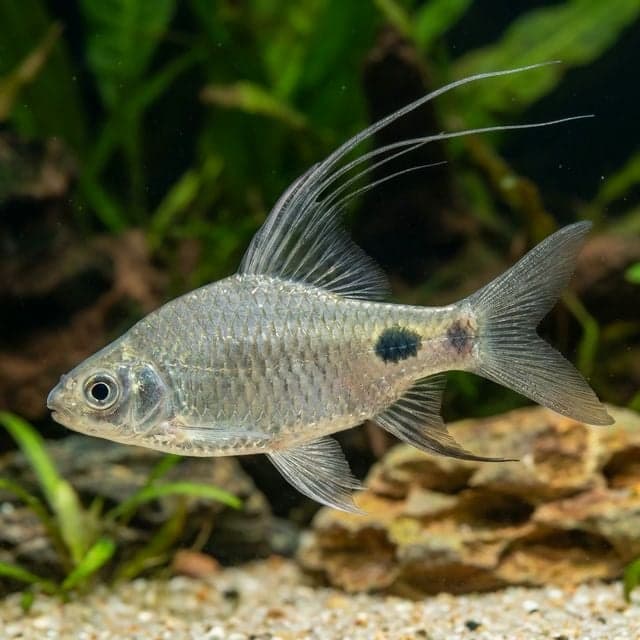
Odessa Barb: Puntius padamya
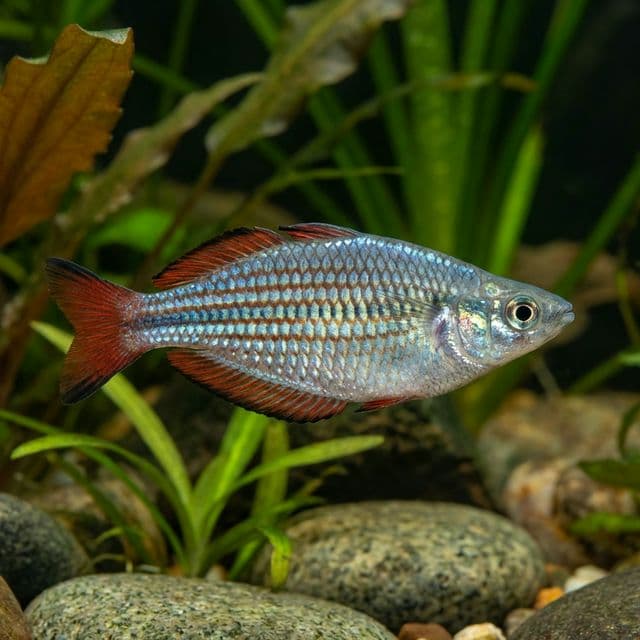
A spectacular, highly active schooling fish where males develop a glowing, solid red stripe down their body.

Odessa Barb
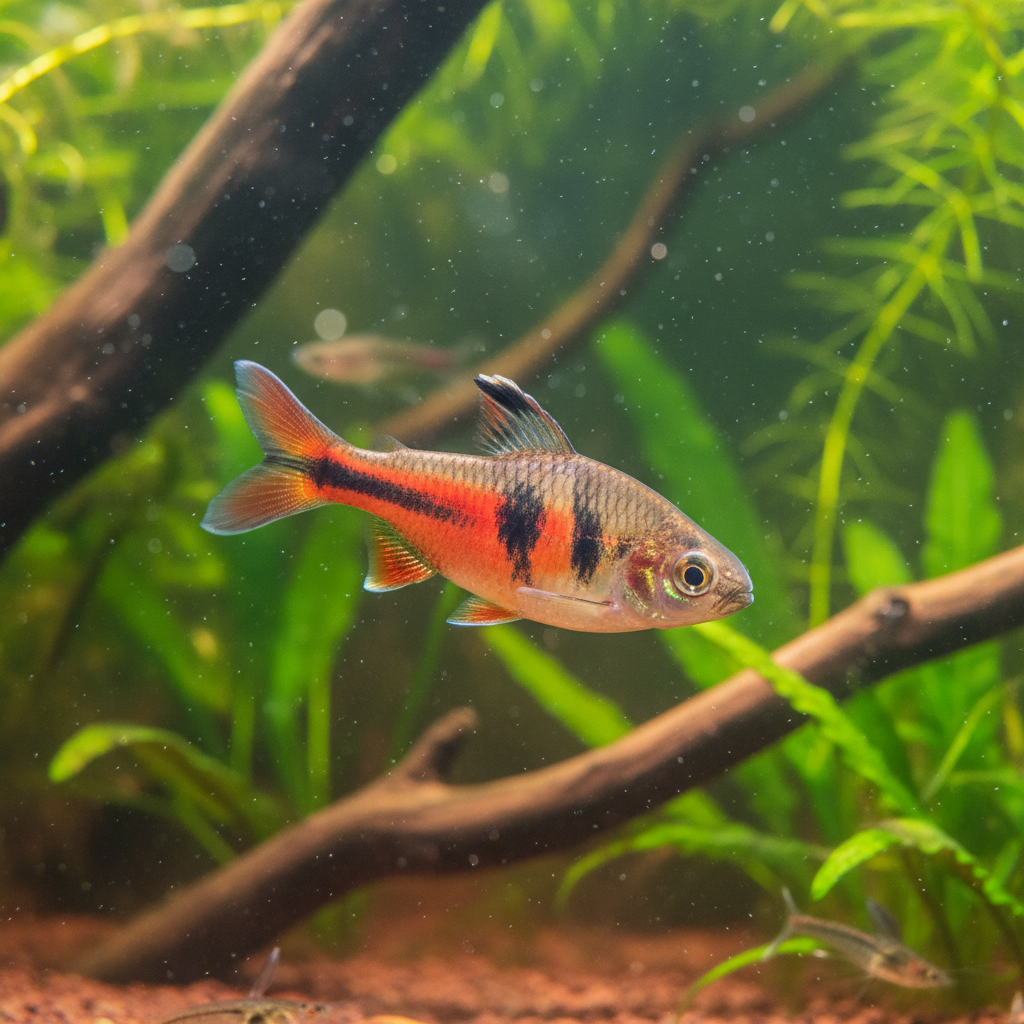
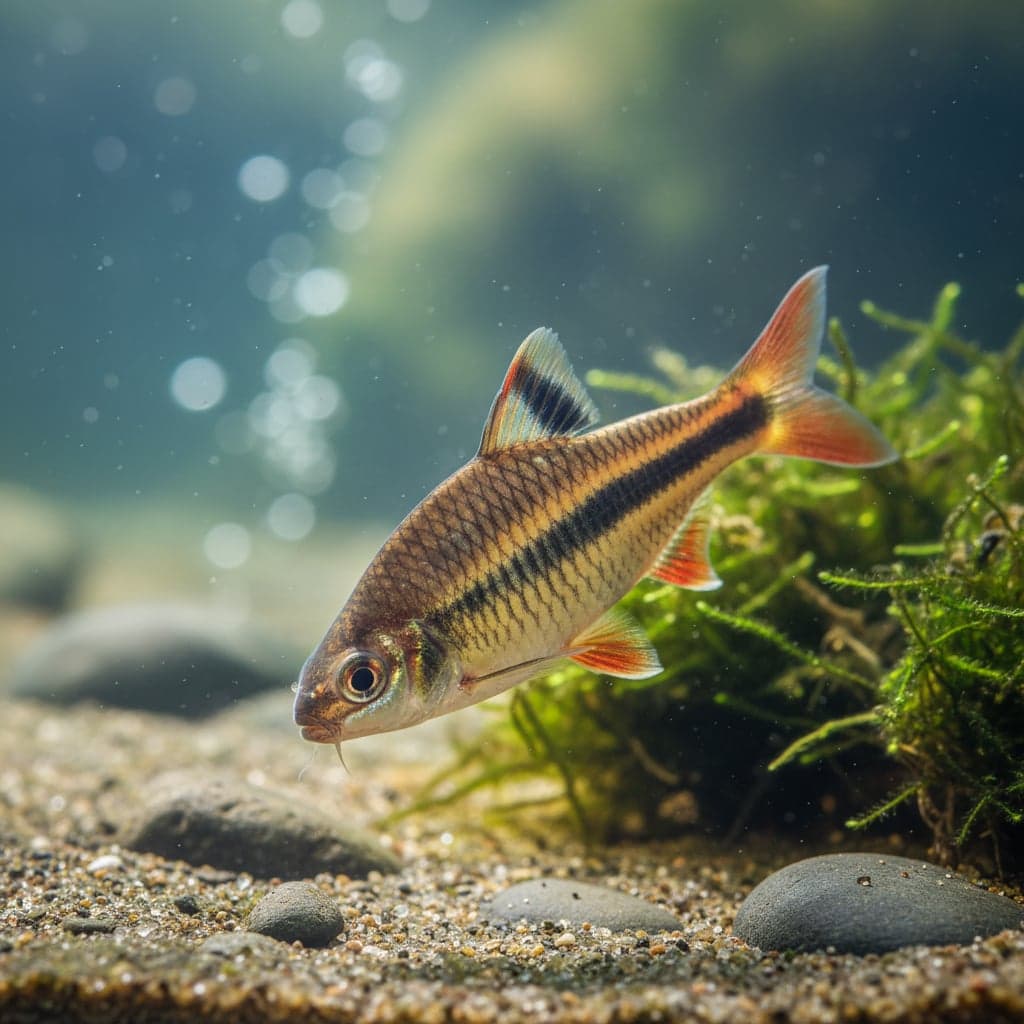
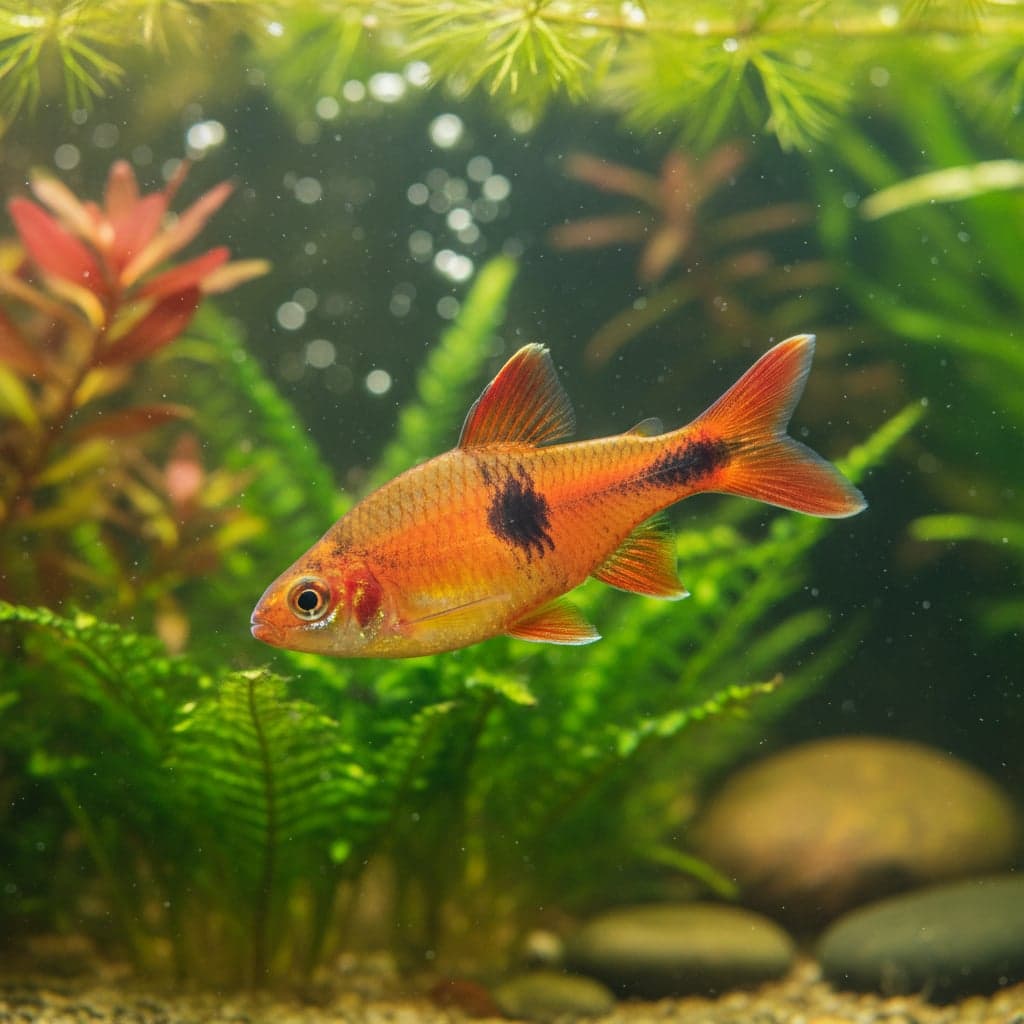
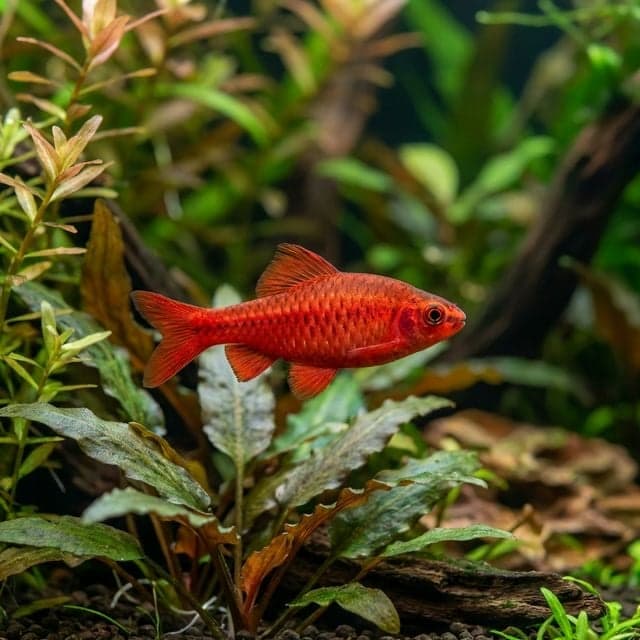
The Odessa Barb (Puntius padamya) is an exquisite freshwater fish native to the regions of Southeast Asia, particularly found in the Myanmar rivers and the surrounding environments. This fish possesses a visually striking appearance, showcasing vibrant colors that can vary from deep reds and oranges to yellowish-golden hues, complemented by its signature black stripes running vertically along its body. The Odessa Barb can grow to a length of approximately 3 inches (7.5 cm), making it a manageable size for most home aquariums. Its remarkable coloration and lively nature make the Odessa Barb a favorite among aquarists, serving not only as a lively addition to community tanks but also as a captivating specimen for aquascaping enthusiasts.
The significance of the Odessa Barb in the aquarium hobby extends beyond its aesthetic qualities. It is recognized for its hardiness, making it an excellent choice for both novice and experienced fish keepers alike. Furthermore, its schooling behavior and social interactions add a dynamic presence in any aquatic setup, encouraging viewers to appreciate the intricate behavior of shoaling species. Due to its popularity, the Odessa Barb is widely available in the aquarium trade, ensuring that hobbyists can easily obtain these fish to enrich their aquatic collections.
Natural Habitat & Origin
The Odessa Barb originates from the freshwater rivers and streams of Myanmar, particularly in environments that feature a diverse array of aquatic vegetation and substrate types. This species thrives in moderately flowing waters with a pH range typically between 6.5 to 7.5, indicating a preference for slightly acidic to neutral water conditions. The natural habitat of the Odessa Barb is characterized by warm temperatures, usually ranging from 75°F to 82°F (24°C to 28°C). These conditions mimic the barbs’ natural living circumstances, which include dense plant growth and submerged structures that offer shelter and breeding grounds.
In their native environments, Odessa Barbs are found amongst lush vegetation and soft substrate, often in slightly dim-lit conditions due to overhanging plants that provide shade. This ecological context highlights their preference for structured environments with ample hiding spots, which can significantly influence their behavior and adaptability in captivity.
Care Requirements
To maintain healthy Odessa Barbs, specific water parameters must be carefully monitored. The water temperature should ideally be maintained between 75°F and 82°F (24°C - 28°C), with a target pH between 6.5 and 7.5. Hardness levels should range from 5 to 15 dGH, offering a comfortable environment conducive to their well-being. When setting up a suitable tank, a minimum size of 20 gallons is recommended to provide adequate swimming space and minimize territorial disputes among schooling fish.
In terms of tank setup, the use of a soft substrate such as sand or fine gravel is ideal, as it reflects their natural habitat. Additionally, incorporating a mix of live plants, driftwood, and rocks not only enhances the aesthetic appeal but also offers hiding spots that can reduce stress. Moderate filtration is necessary to maintain water quality, while lighting should be kept to a moderate level to foster plant growth and create a balanced ecosystem that supports their lively nature.
Diet & Feeding
The Odessa Barb is an omnivorous species with a diverse diet that contributes to its vibrant health and coloration. In captivity, they can thrive on a combination of high-quality flakes, pellets, and a variety of frozen or live foods. A balanced diet might include options such as brine shrimp, daphnia, and bloodworms, which are excellent for promoting their color and overall condition. It is essential to provide a nutritionally complete diet, ensuring that these fish receive the necessary vitamins and minerals. Feeding two to three times a day, with small portions that can be consumed in a few minutes, will help keep them active and healthy.
Behavior & Temperament
Odessa Barbs exhibit lively and playful behavior, commonly found schooling in groups of at least five or more. This schooling nature not only reflects their social dynamics but also significantly enhances their overall comfort levels within the aquarium setting. They are generally peaceful fish; however, males can display territorial behaviors, especially during breeding periods. It is advisable to maintain a balanced male-to-female ratio to mitigate aggression within the group.
In terms of vertical placement, while they predominantly swim in the middle to upper levels of the aquarium, Odessa Barbs will occasionally venture near the substrate in search of food. This behavior allows them to interact with other species occupying different strata of the tank, making them a versatile addition to community aquariums.
Tank Mates
Finding compatible tank mates for Odessa Barbs can enhance their community experience. Ideal tank mates include other peaceful fish that inhabit similar regions of the tank, such as Tetras, Rasboras, Gouramis, and other Barbs. It is important to avoid housing them with overly aggressive or fin-nipping species, such as Cichlids or larger Tetras, as this can lead to stress and potential injuries. Ideally, the tank should offer ample space and hiding spots to reduce territoriality and create a harmonious community.
Compatible Species
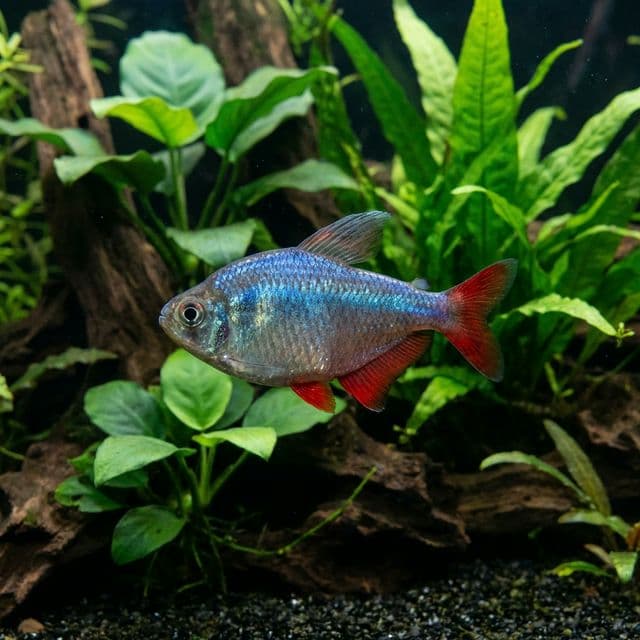
- Neon Tetras
- Harlequin Rasboras
- Platies
- Corydoras Catfish
- Dwarf Gourami
Species to Avoid
- Larger Cichlids (e.g., Oscar, Jack Dempsey)
- Fin-nippers (e.g., Serpae Tetras, Tiger Barbs)
- Aggressive species (e.g., Red Devil Cichlid)
Breeding
Breeding Odessa Barbs in captivity requires specific conditions to encourage successful spawning. A separate breeding tank of at least 10 gallons is recommended, with slightly softer water (pH 6.0-6.5) and a temperature around 78°F (26°C). Providing fine-leaved plants or spawning mops for egg-laying can help facilitate successful reproduction, as the adhesive eggs will stick to these surfaces.
During the breeding process, males will exhibit vibrant colors to attract females, engaging in courtship behaviors such as chasing and nipping. After spawning, it is essential to remove the adult fish from the breeding tank, as they may consume the eggs. The eggs will hatch within 24 to 48 hours, and after a few days, the fry can be fed infusoria or finely crushed flakes until they grow large enough for small fry food.
Common Health Issues
Odessa Barbs are generally hardy fish, but they are still susceptible to certain health issues, particularly if water quality is not maintained. Common problems include fin rot, ich, and various forms of bacterial infections. To prevent these ailments, regular water changes (at least 10-15% weekly) and effective filtration are crucial. Additionally, maintaining a stable environment free from dramatic changes in temperature or pH will greatly reduce stress-related illnesses. Observing your fish daily for signs of distress, abnormal behavior, or changes in eating patterns can help in early detection and treatment of potential health issues, ensuring a longer, healthier life for your Odessa Barbs.