Carassius auratus 'Oranda': Oranda Goldfish
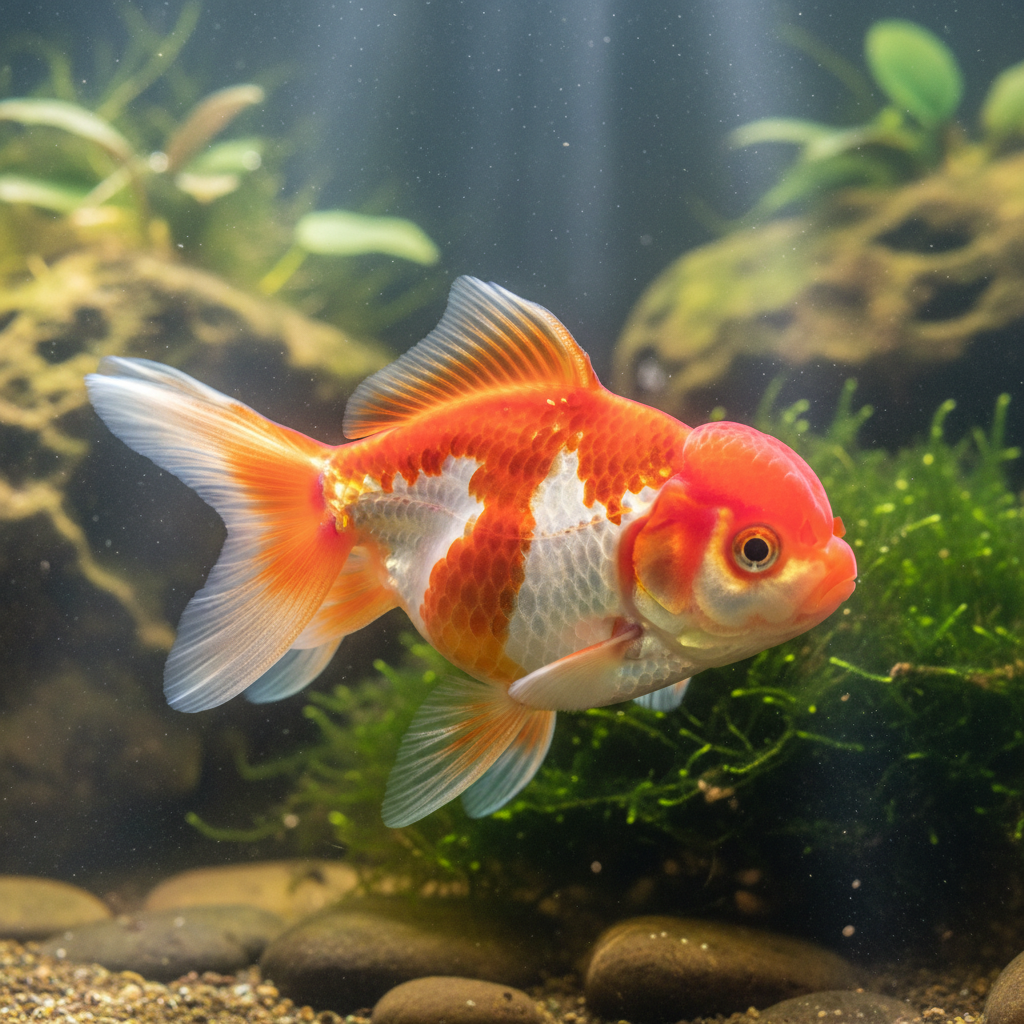
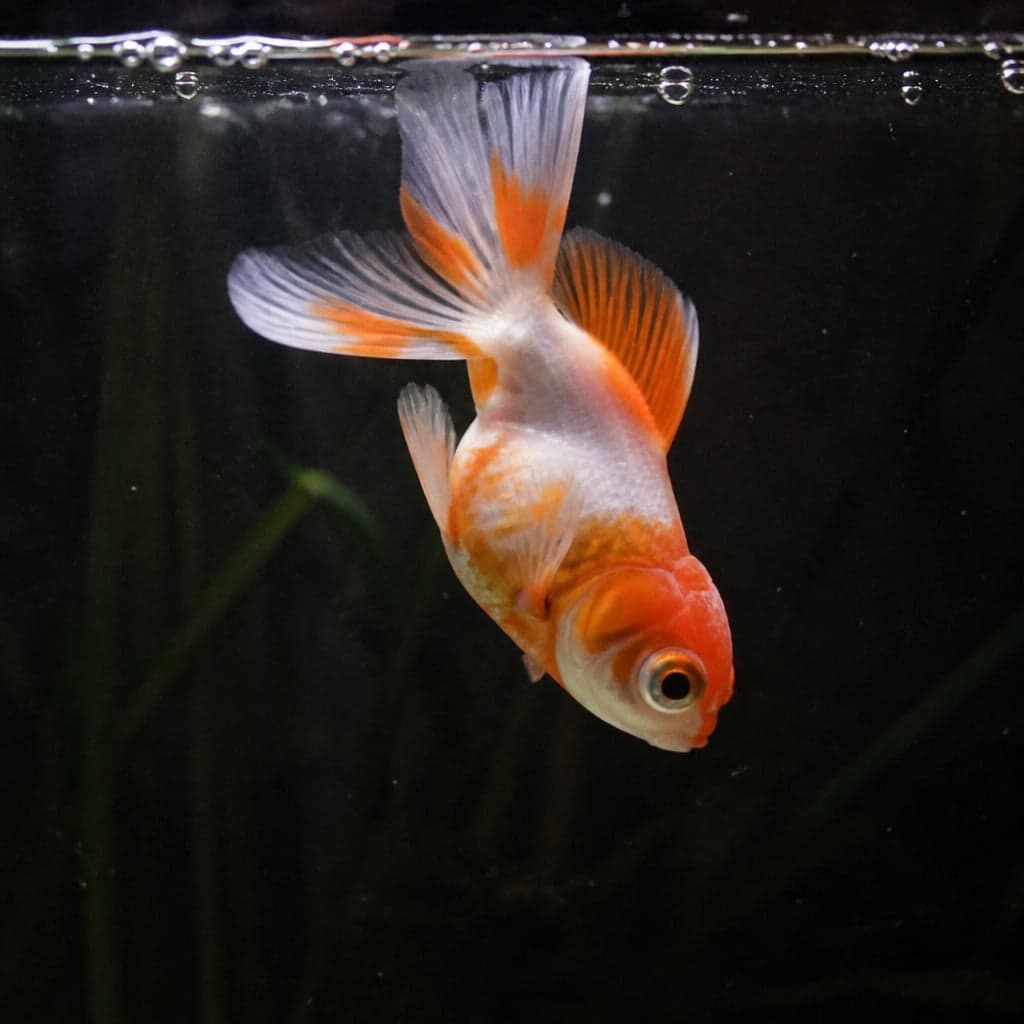
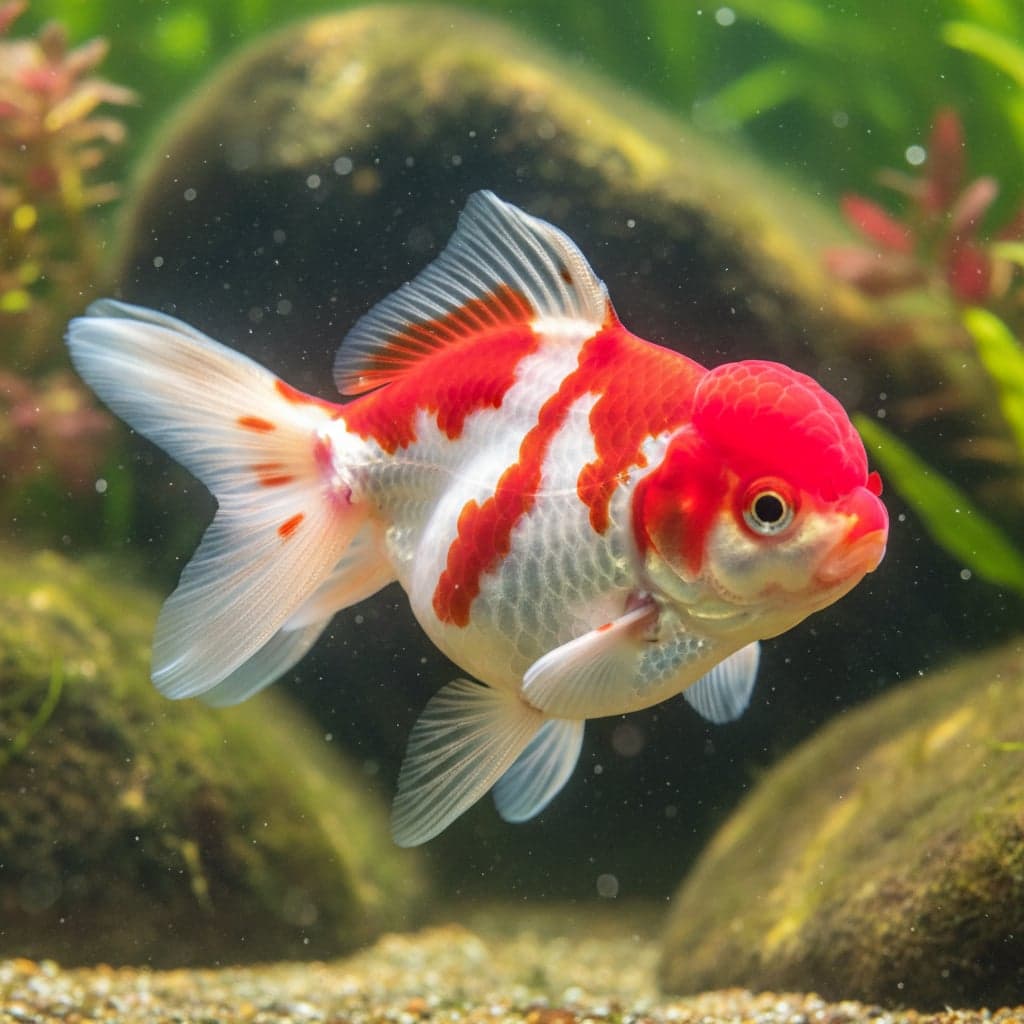
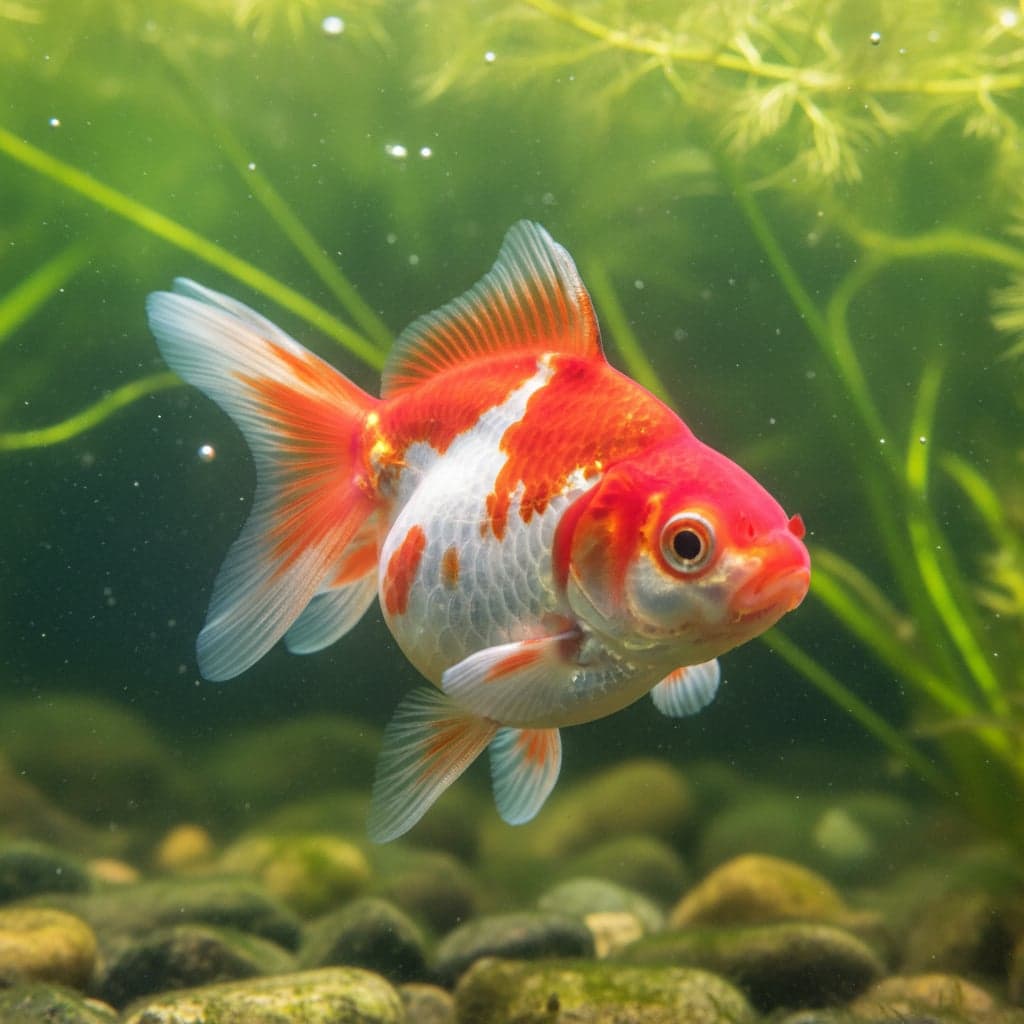
A highly popular, rounded fancy goldfish possessing a prominent fleshy head growth called a "wen" and a distinct dorsal fin.
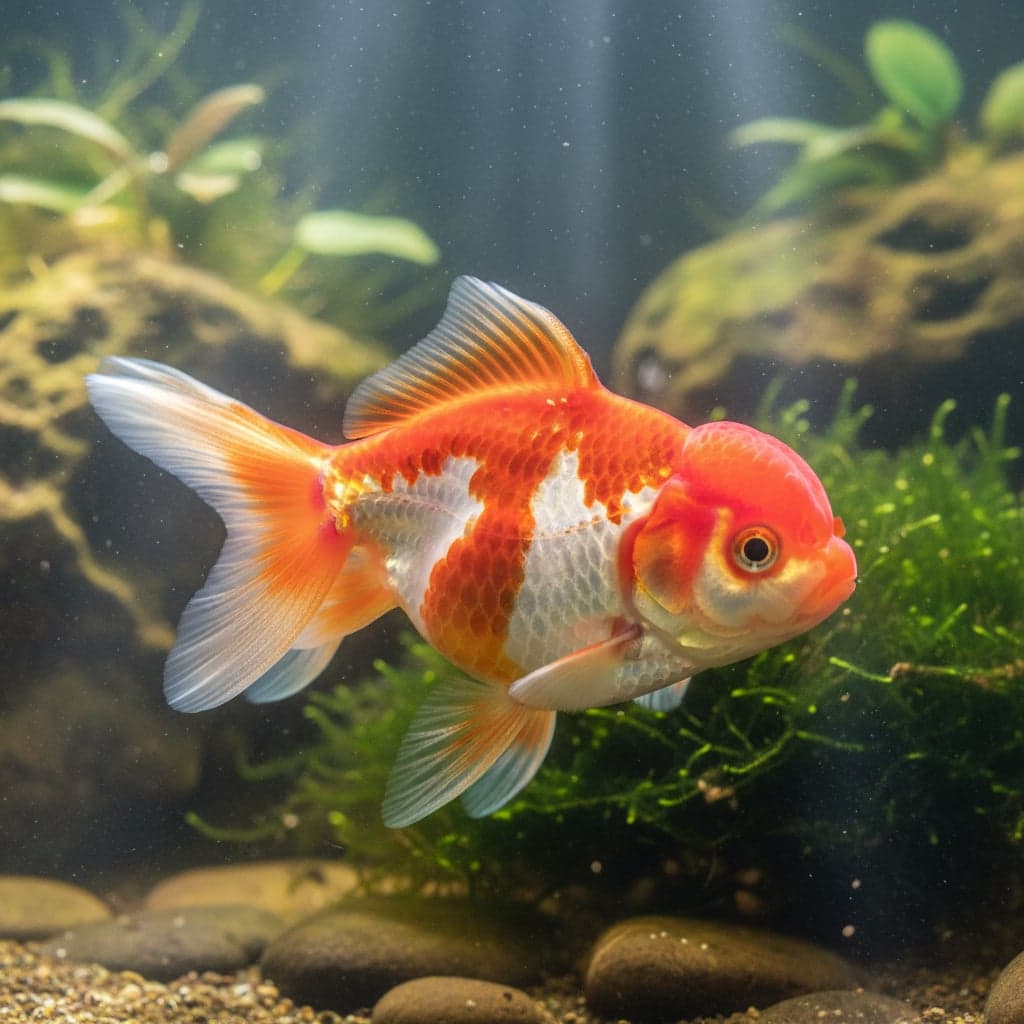
Carassius auratus 'Oranda'
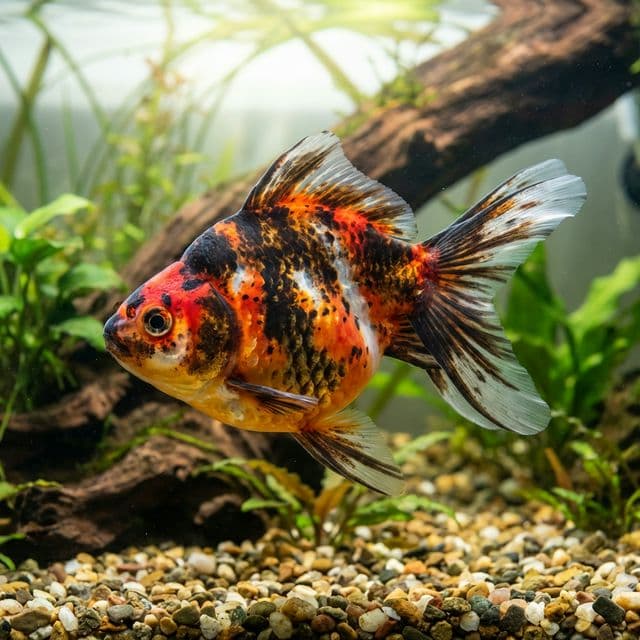
Carassius auratus 'Oranda', commonly known as the Oranda goldfish, is a popular ornamental fish that captivates aquarists with its striking appearance and unique features. Recognizable by its characteristic wen—a fleshy growth on its head—the Oranda boasts a variety of vibrant colors, including orange, red, yellow, and even calico patterns. These delightful fish have a streamlined body similar to that of other goldfish species but are distinguished by their long, flowing fins and distinctive wen that adds to their visual allure. The Oranda's beauty and playful nature make it a centerpiece in many home aquariums, contributing to its esteemed status in the aquarium hobby.
Beyond their aesthetic value, Orandas play an essential role in aquatic ecosystems and public aquariums alike. They are part of the goldfish family, which has a long-standing history of being bred selectively for ornamental qualities. This breeding has led to various variants, each with its unique characteristics while retaining the goldfish's heartiness. Enthusiasts appreciate them for their adaptability and resilience, as well as their relatively straightforward care requirements. The Oranda’s blend of beauty, charm, and manageable upkeep continues to make it a cherished choice for both novice and seasoned aquarists.
Natural Habitat & Origin
The Carassius auratus 'Oranda' originated from domesticated varieties of the common goldfish, which traces its lineage back to East Asia, primarily China, where goldfish were first domesticated over a thousand years ago. In their natural habitat, they inhabit slow-moving rivers, ponds, and lakes, usually in regions with abundant aquatic vegetation. These environments are characterized by slightly alkaline to neutral water pH and moderate hardness, allowing for a diverse assortment of aquatic life. As a result of selective breeding, the Oranda has primarily adapted to life in captivity, but understanding its origins helps aquarists better replicate the conditions needed for their well-being.
Orandas thrive best in freshwater environments with stable water chemistry. They prefer clean waters with a rich supply of dissolved oxygen, which is crucial for their health and growth. Consequently, maintaining optimal conditions in an aquarium can help mimic the Oranda's natural habitat, ensuring a balanced ecosystem that supports their vibrant coloration and friendly temperament.
Care Requirements
To maintain a healthy Carassius auratus 'Oranda', specific water parameters must be carefully managed. The ideal pH level for Orandas ranges from 7.0 to 8.0, with a temperature range of 65 to 75°F (18 to 24°C). The water hardness should be between 5 to 20 dGH, with an emphasis on clean, filtered water to reduce harmful toxins. It is also advisable to perform regular weekly water changes—approximately 10-15%—to maintain water quality and prevent detrimental buildup of waste.
In terms of tank setup, a minimum aquarium size of 20 gallons is recommended for a single Oranda, allowing ample space for swimming and hiding. A gentle filtration system should be installed to keep the water clean without producing strong currents, which can stress the fish. Substrate options include smooth gravel or sand to protect their delicate fins. Incorporating live plants, such as Anubias or Java fern, can provide hiding spots and enhance the tank's aesthetic appeal, while moderate lighting conditions will help support plant growth and mimic a more natural environment.
Diet & Feeding
Carassius auratus 'Oranda' is an omnivorous fish, which means it thrives on a varied diet. In captivity, Orandas should be fed high-quality fish flakes or pellets designed for goldfish, which contain essential nutrients needed for their growth and overall health. It's advisable to choose floating foods that help prevent gulping air, a common issue in goldfish due to their undulating swimming style. To enhance their diet, Orandas can also benefit from occasional treats such as blanched vegetables (like peas and lettuce), brine shrimp, and bloodworms, which promote optimal health and vivid coloration.
Feeding should occur two to three times per day, with the amount tailored to the fish's appetite, ensuring all food is consumed within a few minutes to avoid overfeeding and water quality issues. As with all fish, it is crucial to avoid excessive excess and to adjust feeding habits according to the specific needs and sizes of the individual fish in your aquarium.
Behavior & Temperament
The Carassius auratus 'Oranda' exhibits a generally calm and friendly demeanor, making it an ideal choice for community tanks. While not schooling fish, Orandas can thrive in groups, as they enjoy the company of their own kind and other peaceful species. They’re social creatures that display curious behaviors, often interacting with their tank mates and exploring their environment. In terms of hierarchy, Orandas tend to occupy middle to lower levels of the tank, favoring open swimming space combined with areas of shelter provided by plants or ornaments.
Despite their placid nature, Orandas can occasionally display mild territorial behavior, particularly when establishing a pecking order or during mating displays. However, aggression is rare and generally not a concern when housed with compatible tank mates. This amiability makes them favorable additions to community aquariums, provided that all species are peaceful.
Tank Mates
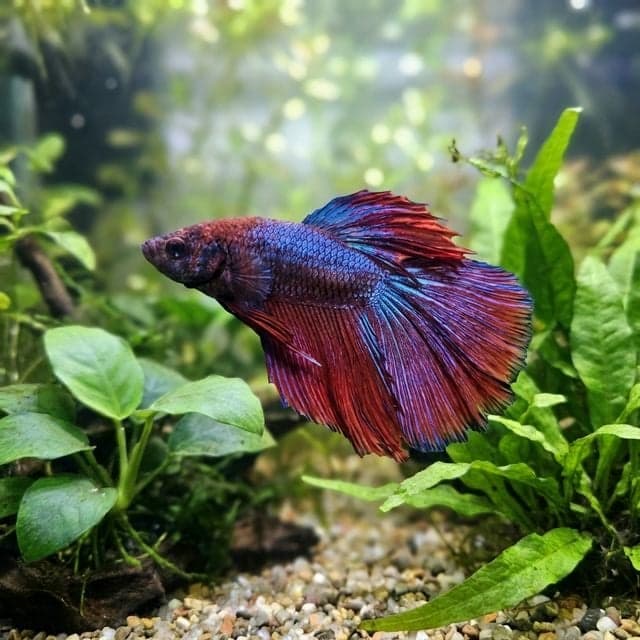
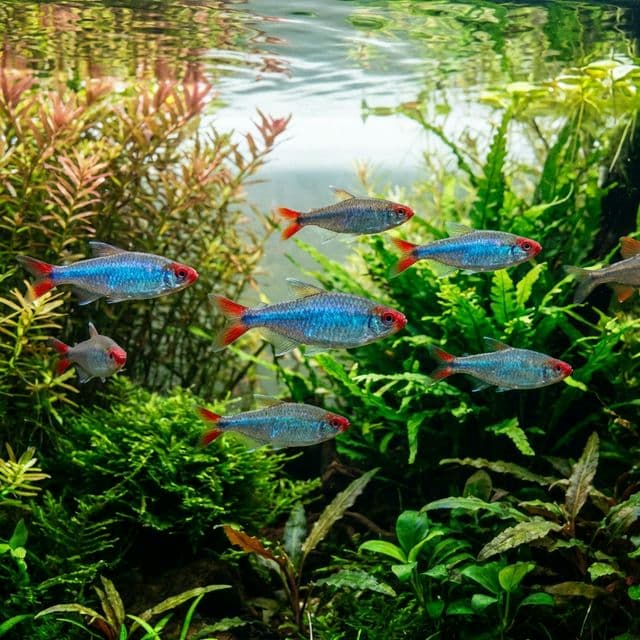
When selecting tank mates for the Carassius auratus 'Oranda', it is essential to consider species that share similar water parameters and temperament. Opt for peaceful freshwater fish that can comfortably coexist with Orandas, including varieties like guppies, danios, white cloud mountain minnows, and various types of tetras. Other goldfish varieties, such as ryukins and lionheads, also make suitable companions. It is crucial to avoid aggressive or fin-nipping species, as fish like cichlids or bettas can stress Orandas and inflict damage on their flowing fins. Additionally, very small species that could be mistaken for food, like neon tetras, should be avoided due to the Oranda's potential for gulping smaller fish.
With a well-thought-out mix of peaceful species, the aquarium environment will foster harmony and enable the Oranda to flourish, providing an engaging and visual-friendly community tank.
Breeding
Breeding the Carassius auratus 'Oranda' in captivity requires preparation and a suitable environment to stimulate spawning behavior. It is recommended to establish a separate breeding tank with moderate water conditions, a temperature of around 75-80°F (24-27°C), and an ample supply of hiding spots provided by fine-leaved plants or spawning mops, where females can deposit eggs.
During the breeding season, males will chase females, demonstrating courtship behavior that includes fluttering and vigorous swimming. Once the female releases her eggs, which can number from 100 to several thousand, the male will fertilize them. After spawning, it is essential to separate adult fish from the eggs, as they may eat the fertilized eggs or fry. The fry typically hatch within 4-7 days, and they can be fed with infusoria or finely crushed flake food until they reach a suitable size for more substantial nourishment.
Common Health Issues
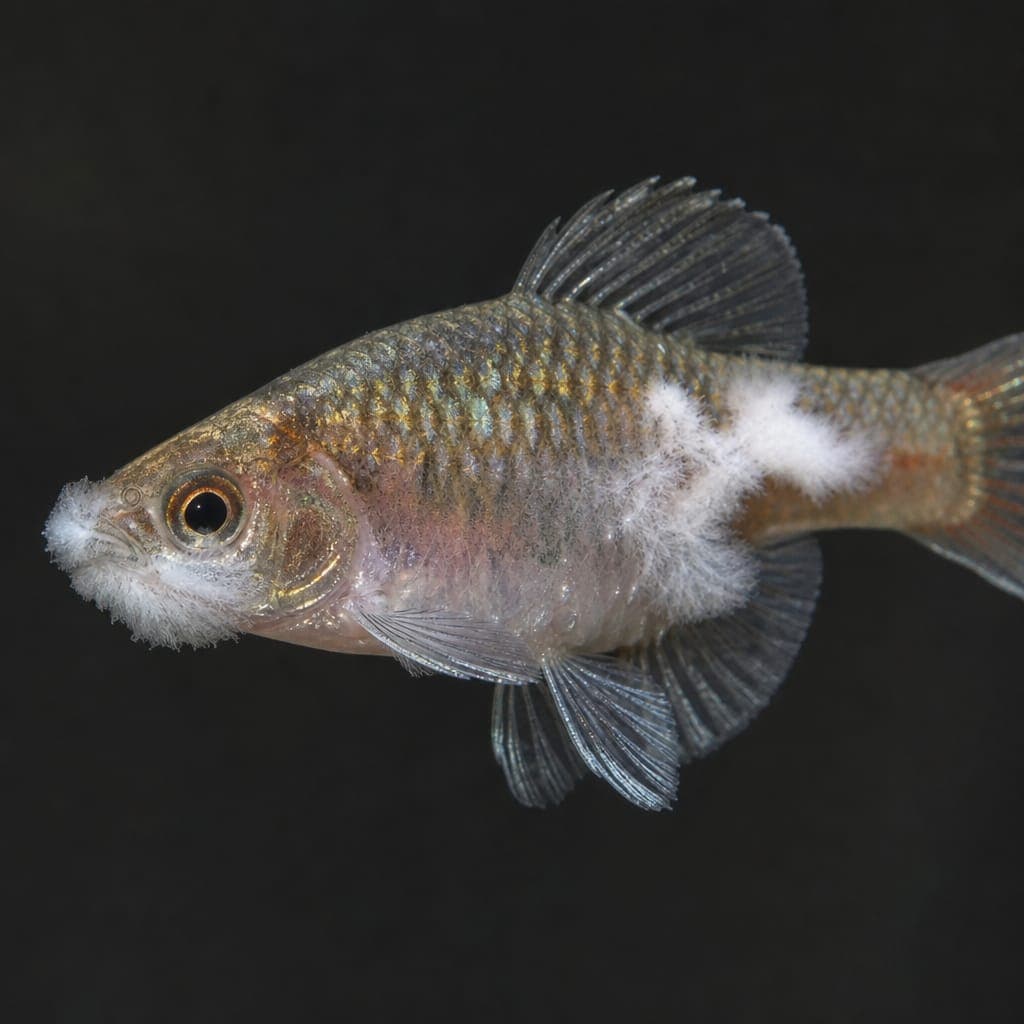
Carassius auratus 'Oranda' can be prone to specific health issues typical of goldfish, and awareness of these conditions is essential for preventive care. Common diseases include ich (white spot disease), fin rot, swim bladder disorder, and bacterial infections within the folds of their wen. Because of their compressed body shape and delicate head growth, Orandas are especially prone to buoyancy issues if fed poor diets or foods that cause them to gulp surface air. Sinking pellets and regular fiber-rich vegetables (such as shelled peas) help prevent digestive compaction. Keep the water pristine with weekly water changes and inspect their wen regularly for white fungus or bacterial debris to ensure your Oranda lives a long, healthy life.