Orange Chromide: Etroplus maculatus
A bright, disc-shaped cichlid native to the estuaries and backwaters of India and Sri Lanka.
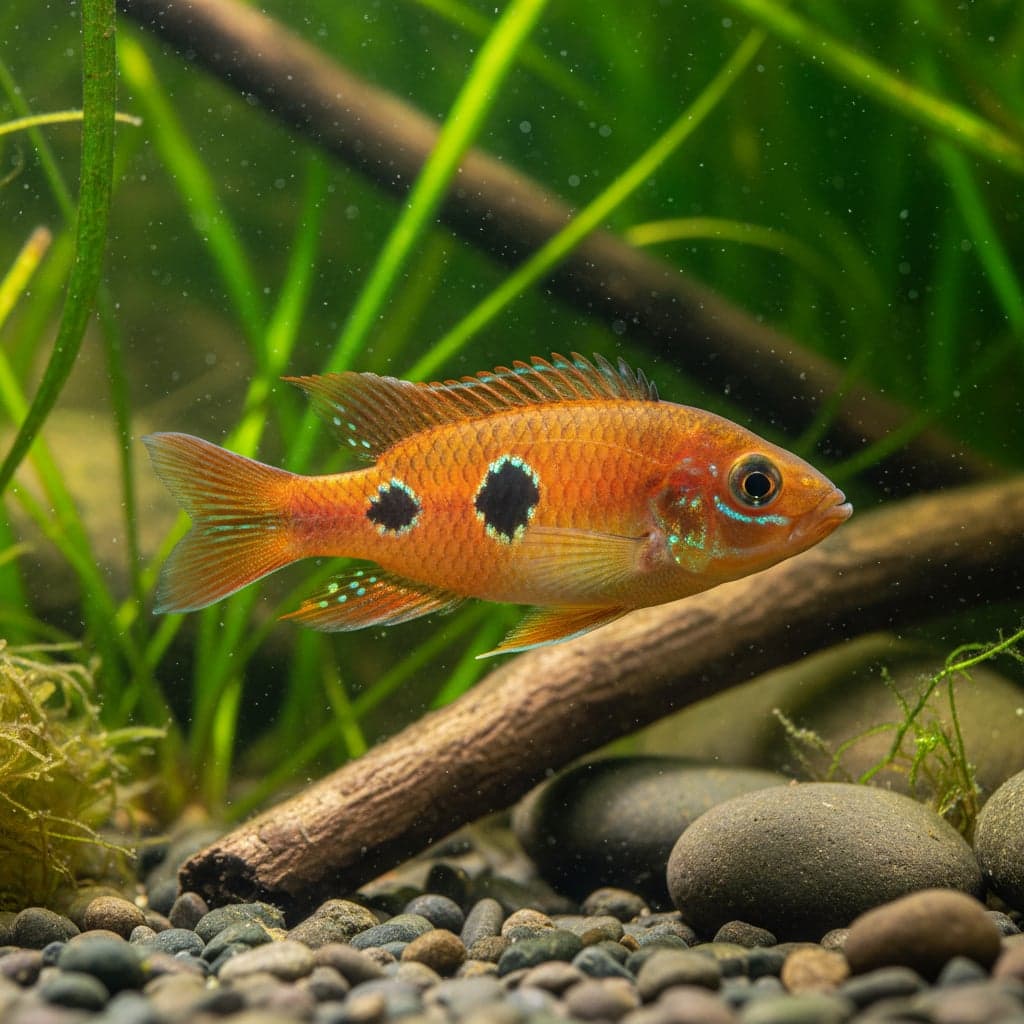
Orange Chromide
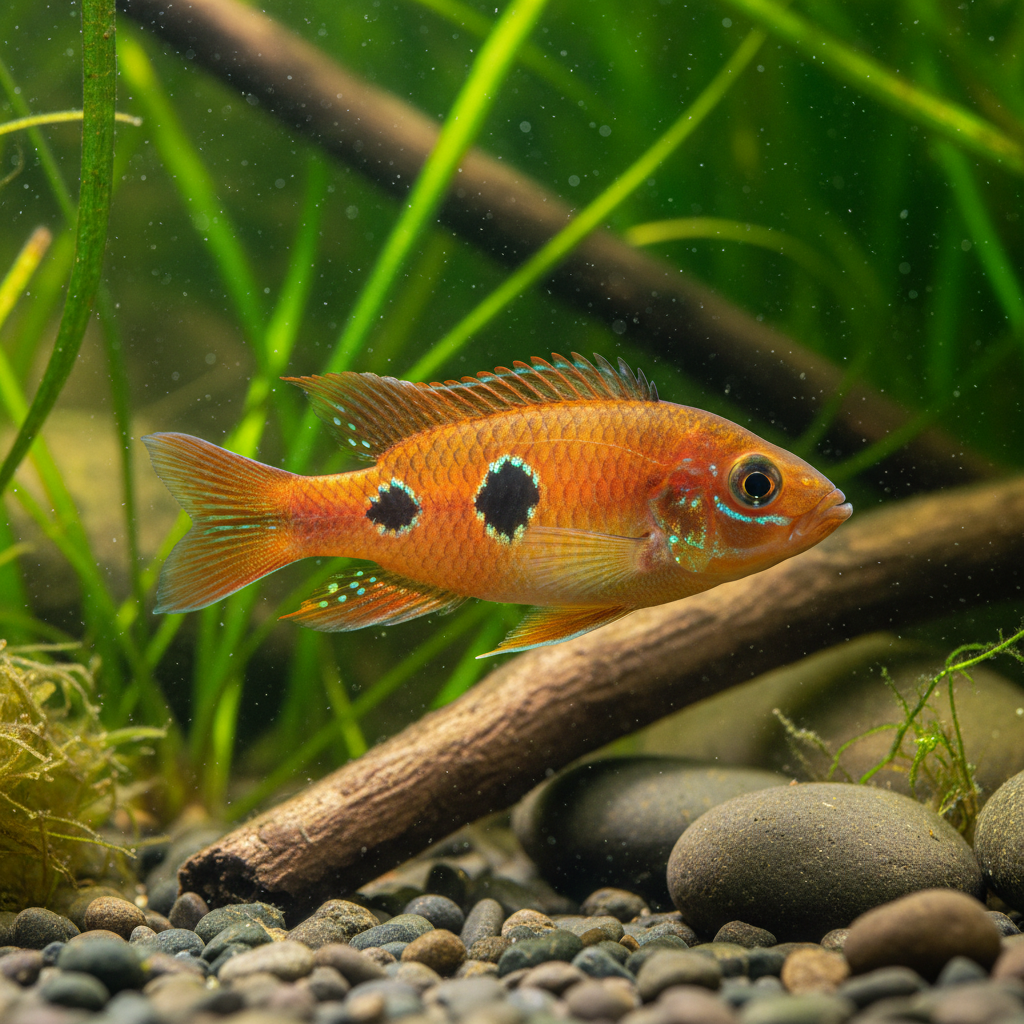
The Orange Chromide (Etroplus maculatus) is a highly sought-after species in the aquarium hobby, captivating aquarists with its vibrant hues and unique characteristics. With a striking orange and yellow coloration accented with black markings, this freshwater fish adds a burst of color and life to aquariums. The Orange Chromide has a short, oval body with a compressed shape, which contributes to its intriguing appearance, making it a visually appealing choice for both novice and experienced aquarists alike. Its lively personality and engaging behaviors further elevate its status as a prized specimen in home aquariums.
Significantly, the Orange Chromide holds a special place in the area of community aquariums and biotopes due to its fascinating behavior and adaptability. This species is known for its resilience and can thrive in a variety of conditions, making it a popular choice among fish enthusiasts. Furthermore, the Orange Chromide's relatively uncomplicated maintenance requirements and compatibility with other species have led to its lasting popularity, making it a staple for hobbyists looking to create vibrant, diverse aquatic ecosystems.
Natural Habitat & Origin
The Orange Chromide originates from the brackish and freshwater environments of South Asia, primarily found in the waters of India and Sri Lanka. Specifically, it inhabits coastal lagoons, estuaries, and river basins that are rich in aquatic vegetation. The water in these habitats is often characterized by a mix of blackwater and clearwater, resulting from the decay of organic materials such as leaves and roots, which contribute to the unique ecological balance of these ecosystems. The environmental conditions, including the presence of submerged plants and fluctuating salinity levels, play a crucial role in the life cycle of the Orange Chromide.
In its natural habitat, Orange Chromides prefer regions with ample hiding spots and the presence of dense vegetation. These features not only offer shelter from potential predators but also facilitate breeding. The combination of their brackish water origins and the diverse range of conditions encountered in the wild make Orange Chromides adaptable yet sensitive to sudden changes in their environment, making understanding their natural habitat essential for successful care and maintenance in captivity.
Care Requirements
To create a thriving aquarium environment for the Orange Chromide, specific water parameters must be maintained. The ideal pH level for these fish falls between 6.5 and 7.5, with a temperature range of 24°C to 28°C (75°F to 82°F). Water hardness should be maintained between 5 to 15 dGH, allowing Orange Chromides to thrive comfortably. A minimum tank size of 75 liters (20 gallons) is recommended, providing ample swimming space and territories for this species.
When setting up the aquarium, it is advisable to include a substrate of fine sand or gravel to mimic their natural habitat. Decorations such as driftwood, rocks, and dense aquatic plants not only create hiding spots but also promote a sense of security within the aquarium. Moderate to strong lighting is recommended to enhance the colors of the Orange Chromide while promoting plant growth. The inclusion of live plants such as Anubias or Java Fern can add to the aesthetic appeal while providing additional coverage.
Diet & Feeding
The Orange Chromide is classified as an omnivore, with a diverse diet that includes plant matter and protein sources. To maintain optimal health and vibrant coloration, a varied diet should consist of high-quality flake food, sinking pellets, and occasional live or frozen foods such as brine shrimp, daphnia, and bloodworms. It is essential to provide a mix of vegetables—such as blanched spinach or zucchini— to support their dietary needs and promote natural foraging behaviors. Ideally, they should be fed small amounts two to three times a day, ensuring that all food is consumed within a few minutes to prevent water quality issues.
Behavior & Temperament
In terms of social behavior, the Orange Chromide is generally peaceful but can exhibit territorial tendencies, particularly during breeding. They are known to establish hierarchies within their groups, which are typically more pronounced in smaller tanks. Orange Chromides may prefer to stay closer to the substrate and often display more active behaviors in the lower and middle levels of the aquarium. They thrive in groups of at least five to six individuals, as they exhibit schooling habits that help reduce stress and promote social interaction. Care should be taken to monitor their interactions, especially when housing them with other species, to mitigate any potential aggression.
Tank Mates
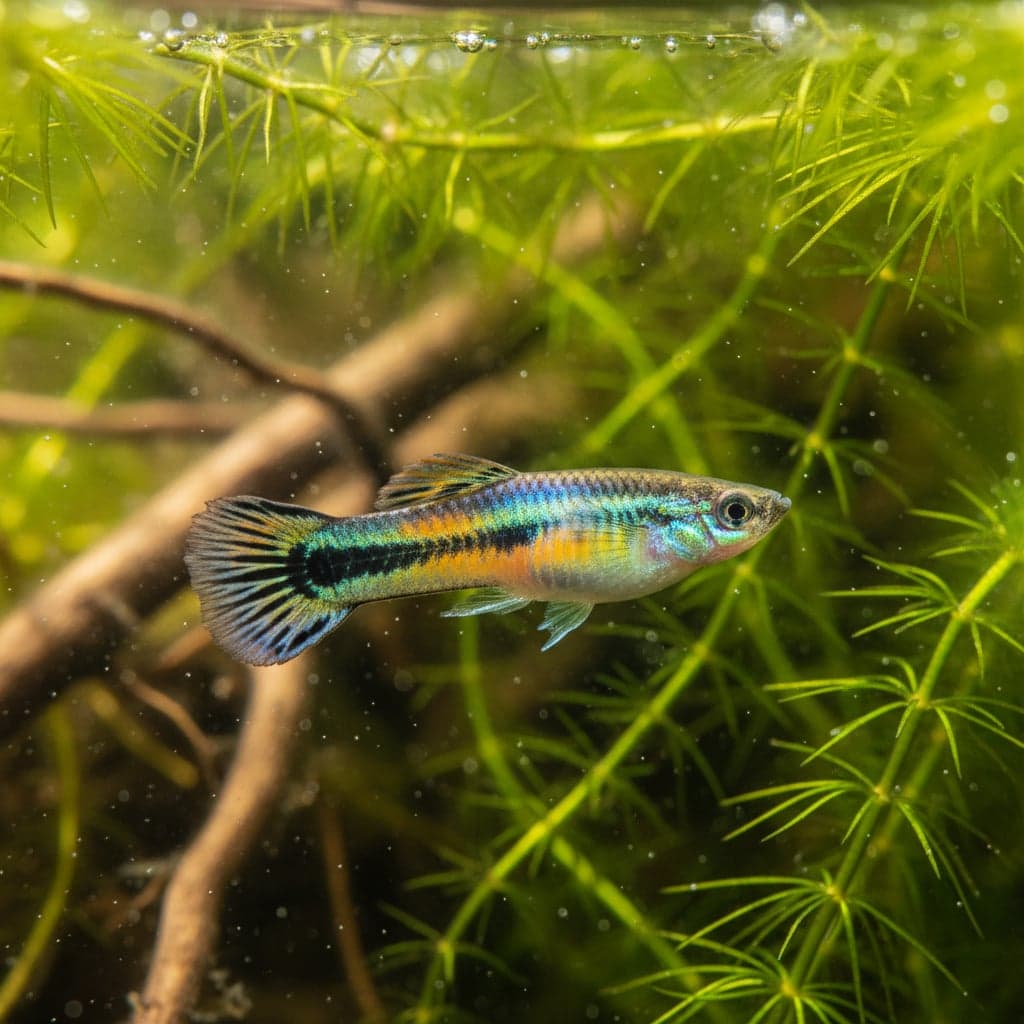
When selecting tank mates for the Orange Chromide, it's essential to choose species that share similar environmental needs and temperaments. Compatible tank mates include peaceful species such as Corydoras catfish, guppies, rasboras, and other small to medium-sized cichlids. Species like tetras and rainbowfish can also coexist harmoniously. On the other hand, aggressive fish or larger carnivorous species, such as certain types of barbs, larger cichlids, or predatory fish, should be avoided to prevent stress or conflicts. Proper research and consideration of tank size and setup should guide the selection of compatible fish.
Breeding
Breeding the Orange Chromide in captivity can be a rewarding experience for aquarists. Spawning behavior typically occurs in a well-planted aquarium with a gentle water current. Males will often display more intense coloration and may exhibit courtship displays to attract females. The breeding pair will select flat surfaces or suitable nesting sites among the plants. The female can lay up to several hundred eggs, which are usually adhesive and attached to the substrate or foliage. After spawning, it is advisable to separate the parents to prevent them from consuming the eggs. The incubating eggs will hatch in approximately 2 to 3 days, and the fry will become free-swimming in about a week, during which time they can be fed infusoria or finely crushed flakes.
Common Health Issues
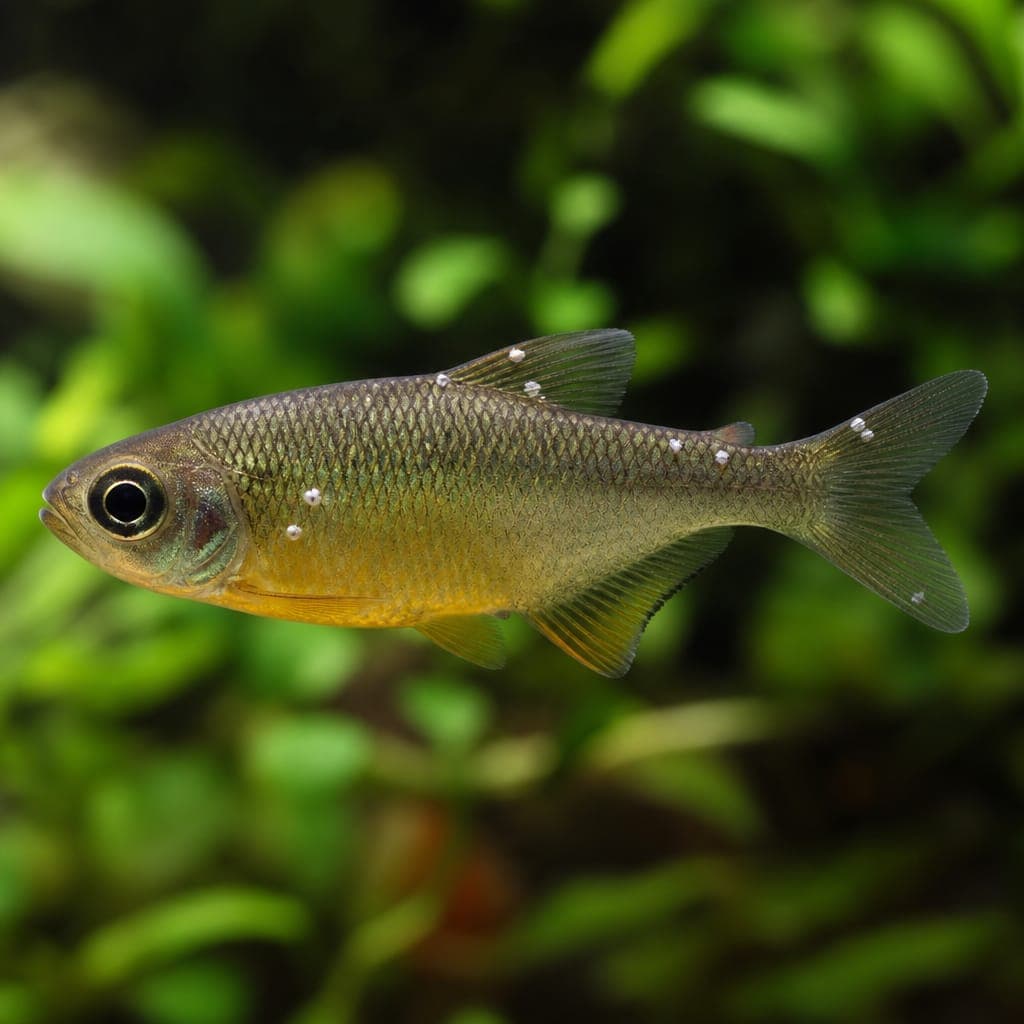
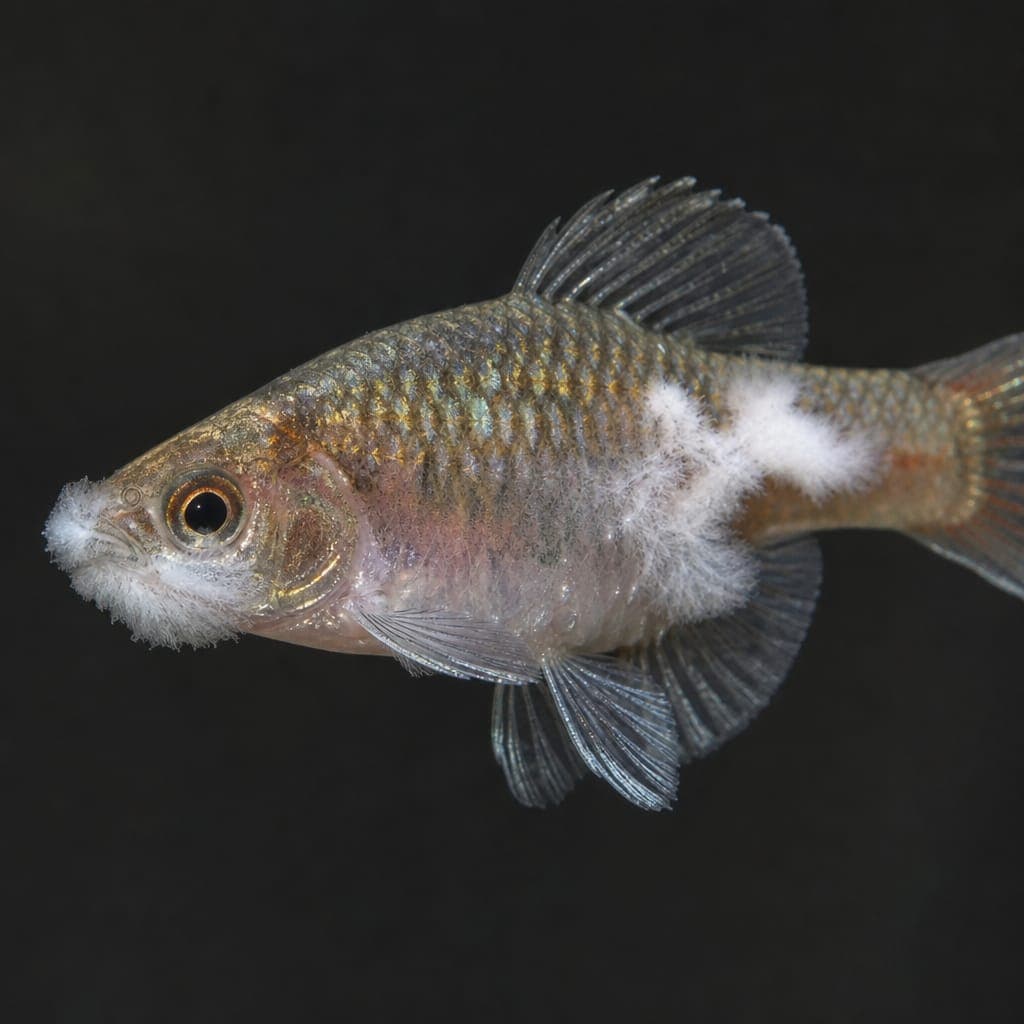
While the Orange Chromide is generally hardy, it remains susceptible to specific diseases if not properly cared for. Common health issues include ich (white spot disease), fin rot, and fungal infections. To prevent these diseases, maintaining good water quality through regular water changes, appropriate filtration, and a balanced diet is crucial. Proactive measures such as quarantining new fish, reducing stress, and ensuring optimal feeding practices can significantly lower the likelihood of health complications. Regular observations of their behavior and physical appearance are essential for early detection of any potential issues.