Orange Lemon Tetra: Hyphessobrycon sp. 'Orange Lemon'
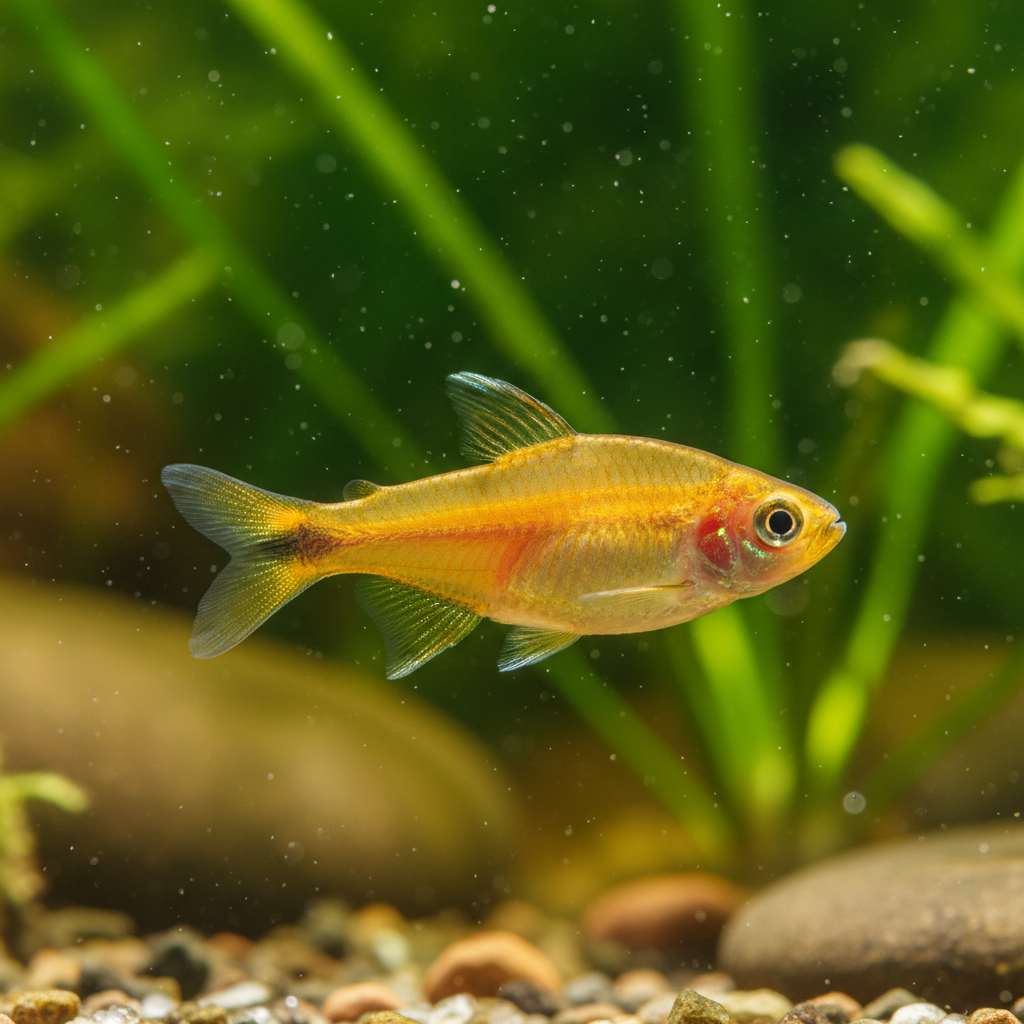
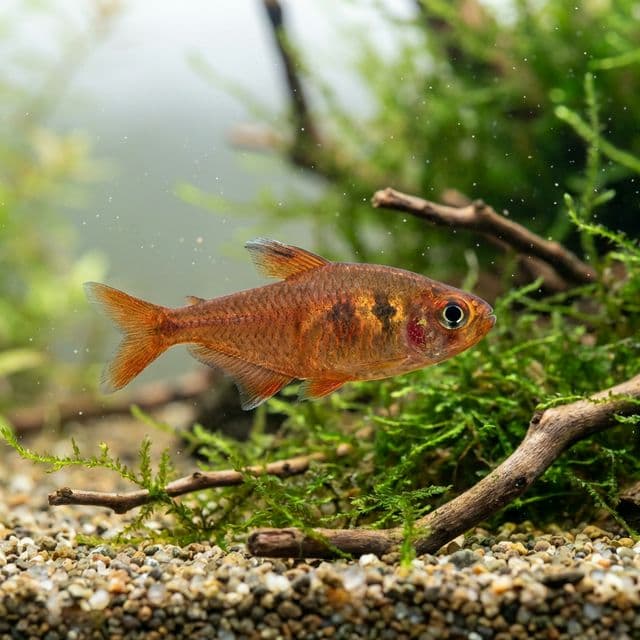
A spectacular, selectively bred variant of the standard Lemon Tetra featuring an intensely saturated, pumpkin-orange body hue.

Hyphessobrycon sp. 'Orange Lemon'
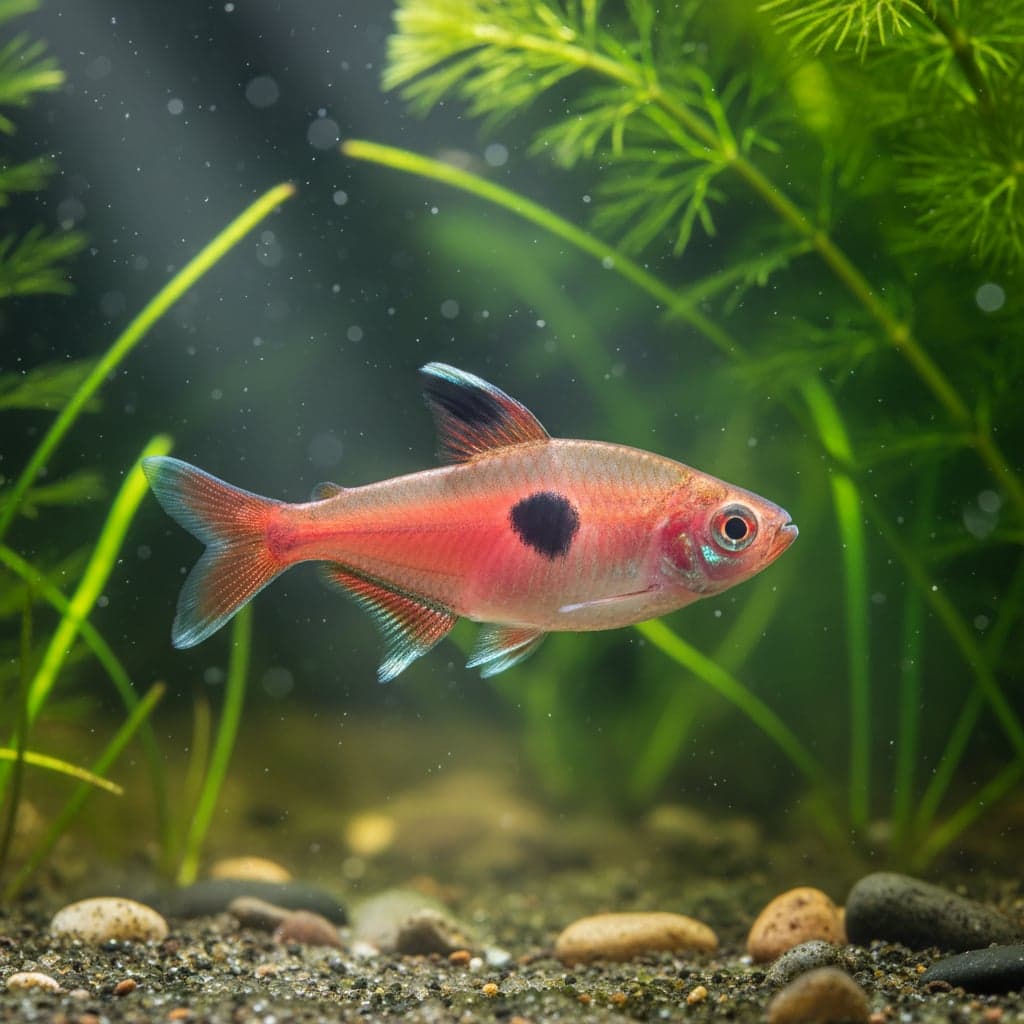
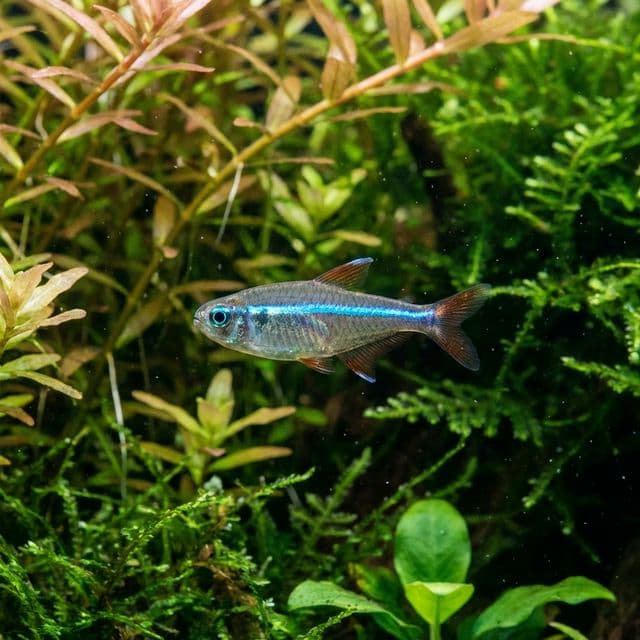
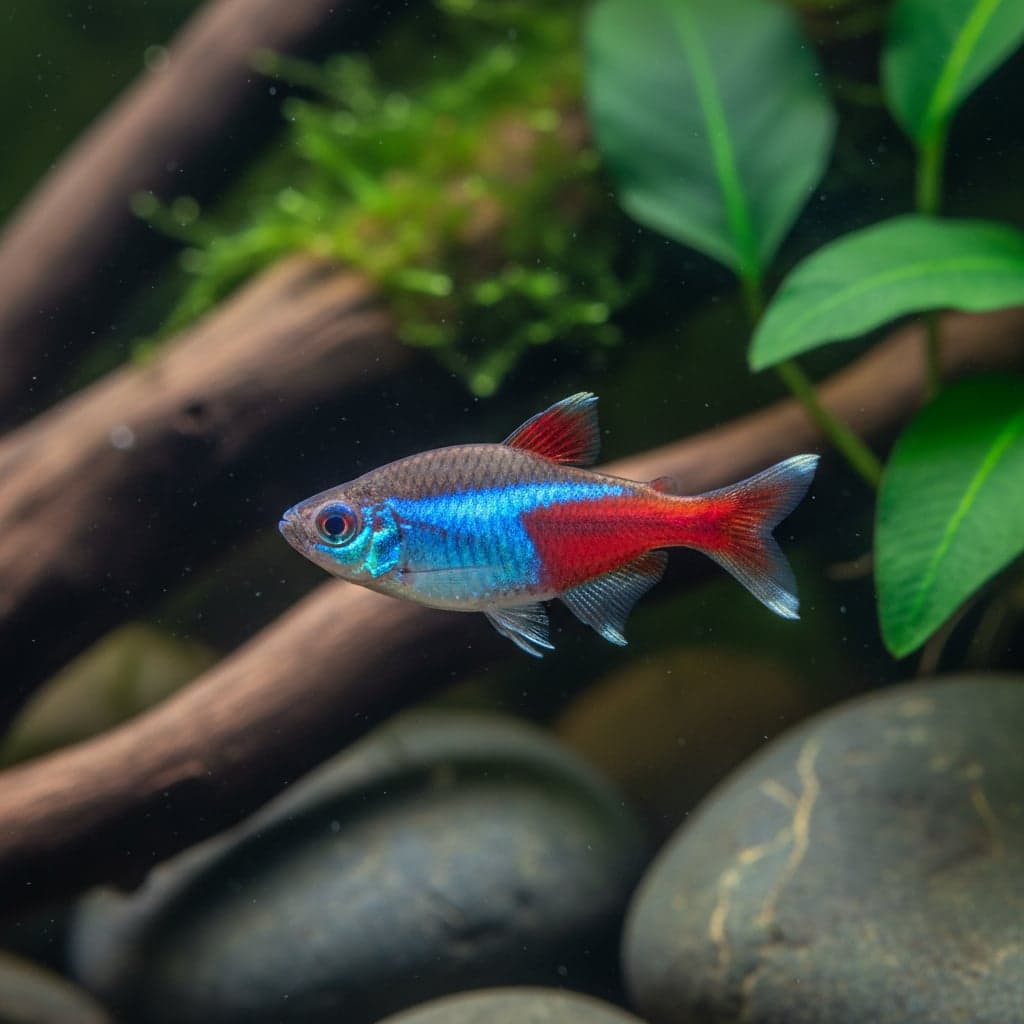
Hyphessobrycon sp. 'Orange Lemon', commonly known as the Orange Lemon Tetra, is a striking freshwater fish that has captured the hearts of aquarists around the world. Known for its vibrant golden-orange hue, the Orange Lemon Tetra boasts a sleek, streamlined body that makes it an eye-catching addition to any aquarium. Its distinct coloration, often illuminated by natural or artificial light, creates a stunning visual display. This species typically features a lighter belly that accentuates the darker hues along its back, contributing to its appeal as a centerpiece fish. With its unique color pattern and lively nature, the Orange Lemon Tetra is not only a delight to admire but also significant in the aquarium hobby for its peaceful demeanor and compatibility with various tank environments.
In the realm of aquaristics, the Orange Lemon Tetra stands out not only for its aesthetic value but also for its role in promoting community tank setups. As a member of the Characidae family, this tetra exhibits a gentle temperament, making it an ideal choice for both beginners and experienced aquarists alike. Its sociable nature ensures that it thrives in schools, which can enhance both the health and happiness of the fish. Moreover, the Orange Lemon's adaptability to different water conditions allows it to be included in various biotope setups, further emphasizing its significance and popularity among fish keepers.
Natural Habitat & Origin
The Orange Lemon Tetra hails from the lush waterways of South America, specifically found in regions such as the Upper Orinoco River basin in Venezuela. This species typically inhabits slow-moving rivers, creeks, and flooded forest areas characterized by a shallow depth and densely vegetated banks. The water in these environments is usually soft and slightly acidic, often influenced by the surrounding organic material that contributes to the blackwater effect. Such conditions make these fish well-suited for low-light environments, which underscore the importance of replicating their natural habitat in aquarium settings.
These fish thrive in warm, dimly lit waters with plenty of cover provided by plants and driftwood. Their natural habitat is defined by a unique interplay of light and shadow, which plays a crucial role in their lifestyle and behaviors. Aquarists looking to keep Orange Lemon Tetras should consider this environment, as mimicking their natural conditions can help reduce stress and promote well-being.
Care Requirements
To ensure the health and vitality of Hyphessobrycon sp. 'Orange Lemon', it is essential to maintain specific water parameters. Ideally, the aquarium pH should range between 6.0 to 7.5, with a temperature of 23°C to 28°C (73°F to 82°F). The hardness should be maintained between 2 to 10 dGH, reflecting the soft waters of their natural habitat. It's also crucial to perform regular water changes to maintain optimal water quality, as these fish can be sensitive to poor conditions.
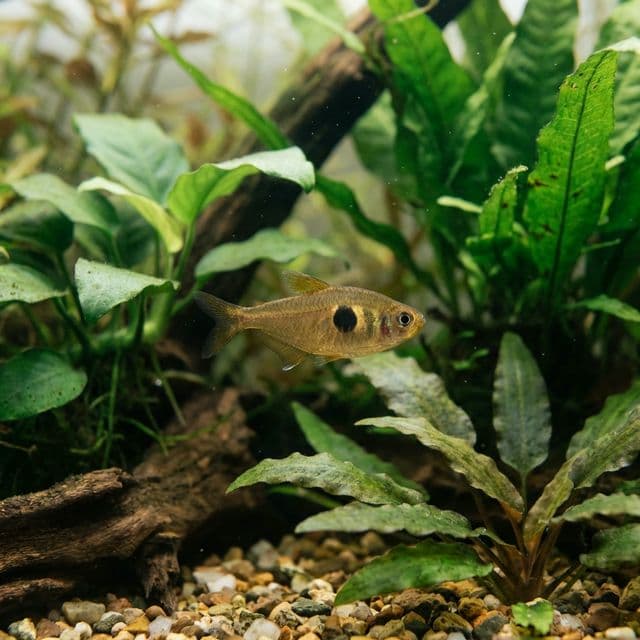
In terms of tank setup, a minimum tank size of 20 gallons is recommended to accommodate a school of at least six to eight individuals. The substrate can be dark gravel or sand to simulate their natural environment, while ample vegetation, such as java moss and floating plants, should be planted. These plants not only provide hiding spots but also help to diffuse light throughout the aquarium, mimicking their natural habitat. Soft, subdued lighting is preferred to reduce stress and encourage natural behavior.
Diet & Feeding
Hyphessobrycon sp. 'Orange Lemon' is classified as an omnivore, possessing a broad dietary scope suitable for a varied feeding regimen. In captivity, these fish thrive on a balanced diet that includes high-quality flake food, micro-pellets, and frozen or live foods such as brine shrimp and daphnia. It is advisable to feed them twice a day, ensuring that they receive sufficient nutrition without overfeeding, which can adversely affect water quality.
Supplementing their diet with vegetable matter is also beneficial; offering blanched spinach or spirulina flakes can provide additional nutrients. Introducing a variety of foods will not only enhance their coloration but also contribute to overall health and vitality. Such dietary diversity is crucial, especially for the long-term maintenance of these beautiful tetra.
Behavior & Temperament
Hyphessobrycon sp. 'Orange Lemon' exhibits a peaceful and sociable demeanor, making them highly suitable for community tanks. These fish thrive in schools, with a suggested minimum group size of six, as they feel safer and more secure in larger numbers. Their schooling behavior is vital for their mental and physical well-being, and they are known to engage in playful interactions, frequently darting about the tank in a display of their lively nature.
Due to their peaceful temperament, Orange Lemon Tetras pose little threat to tank mates. They tend to occupy the middle to upper levels of the aquarium, usually swimming among plants and decorations for cover. Although generally non-aggressive, they may display minor territorial behavior during breeding, which can easily be managed in a well-planned community tank.
Tank Mates
When selecting tank mates for the Orange Lemon Tetra, consider species that share similar water conditions and temperaments. Ideal companions include smaller, peaceful fish such as neon tetras, rasboras, guppies, and otocinclus catfish. Additionally, other tetras like the Ember Tetra and the Rummy Nose Tetra can coexist harmoniously in a community setup, adding to the color and activity level of the aquarium.
Conversely, it is advisable to avoid larger or aggressive species, as they may pose a threat to the Orange Lemon Tetra. Cichlids, larger barbs, and fast or fin-nipping varieties, such as tiger barbs, should be excluded from the tank due to their potential for harassment. Maintaining a peaceful community will ensure that all fish can thrive together without undue stress.
Breeding
Breeding Hyphessobrycon sp. 'Orange Lemon' in captivity can be a rewarding experience, provided the right conditions are established. This species typically exhibits spawning behaviors during early morning hours, often in soft, acidic water with a pH around 6.0 to 6.5 and a temperature of about 25°C (77°F). Creating a dedicated breeding tank with fine-leaved plants or spawning mops can help encourage natural breeding behaviors, providing cover for the fry after hatching.
During the spawning process, the male will display courting behaviors, while the female will scatter eggs, which are adhesive and will attach to plants or spawning mops. Once spawning is complete, it is often beneficial to remove the parents to prevent them from eating the eggs. The eggs typically hatch within 24 to 36 hours, and the fry will become free-swimming after a few days. Infusoria and finely crushed flake food are recommended for feeding the young until they are large enough to eat more substantial food. Monitoring water conditions closely during this time is crucial for successful fry development.
Common Health Issues
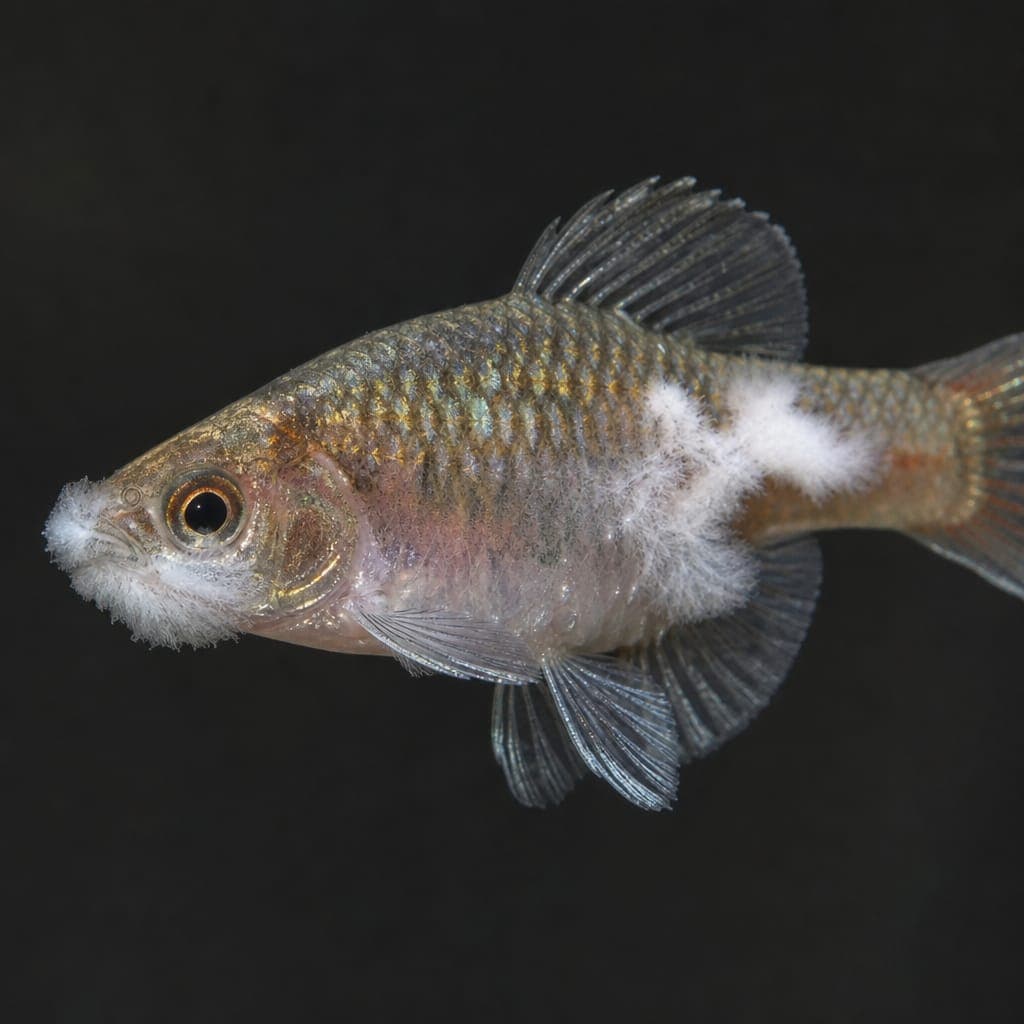
Hyphessobrycon sp. 'Orange Lemon' is generally hardy, but like all fish, they can be susceptible to certain health issues. Common ailments affecting Orange Lemon Tetras include ich, fin rot, and fungal infections. Maintaining optimal water quality through routine changes, proper filtration, and avoiding overcrowding are essential preventive measures.
Additionally, stress from sudden environmental changes or aggressive tank mates can lead to weakened immune systems and secondary infections. Quarantine new arrivals, keep the school of six or more together, and avoid sudden temperature or chemistry swings. A varied diet of quality flakes plus occasional live or frozen foods supports colour and resilience. Watch for white spots, clamped fins, lethargy, or loss of appetite, and treat promptly with aquarium-safe medications. Stable soft to moderately hard water, gentle filtration, and a peaceful community keep Orange Lemon Tetras active, shoaling, and looking their best for years.