Orange Spot Pleco LDA031: Panaqolus albomaculatus
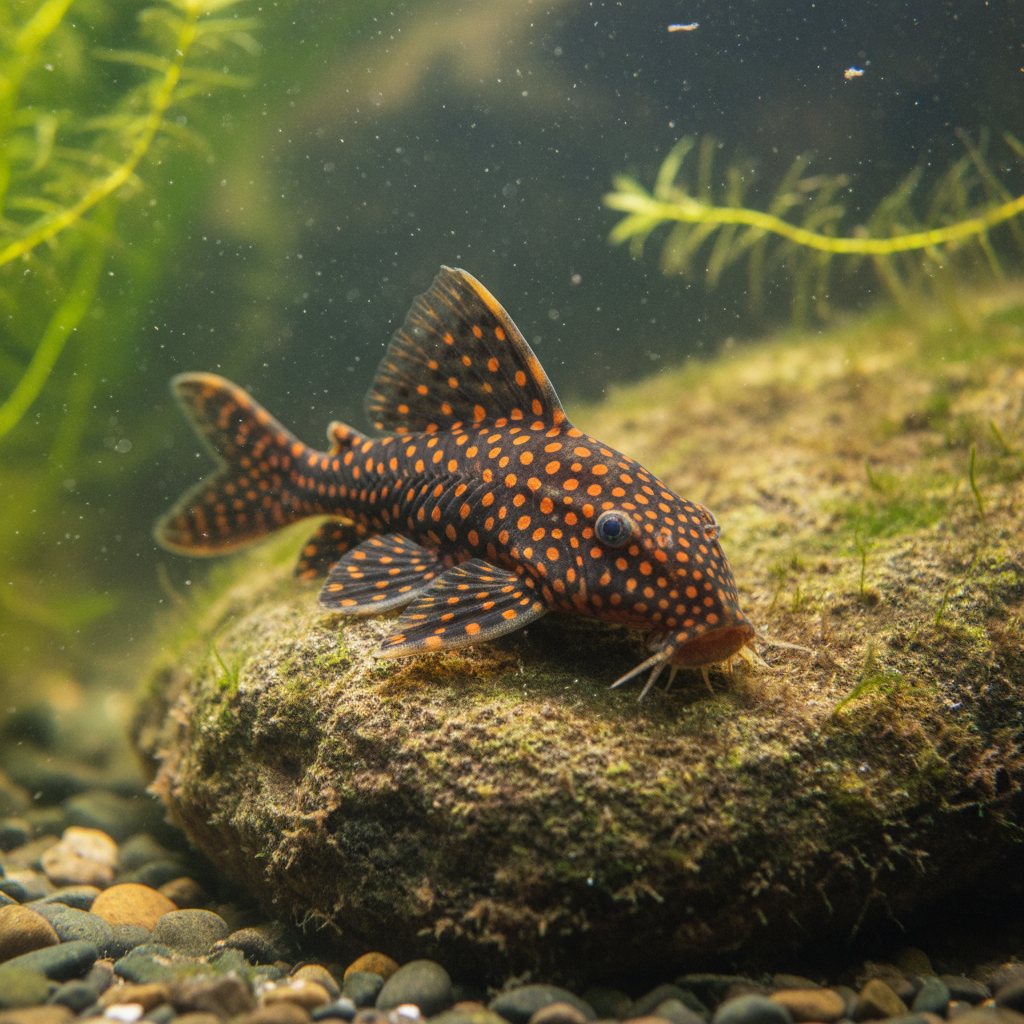
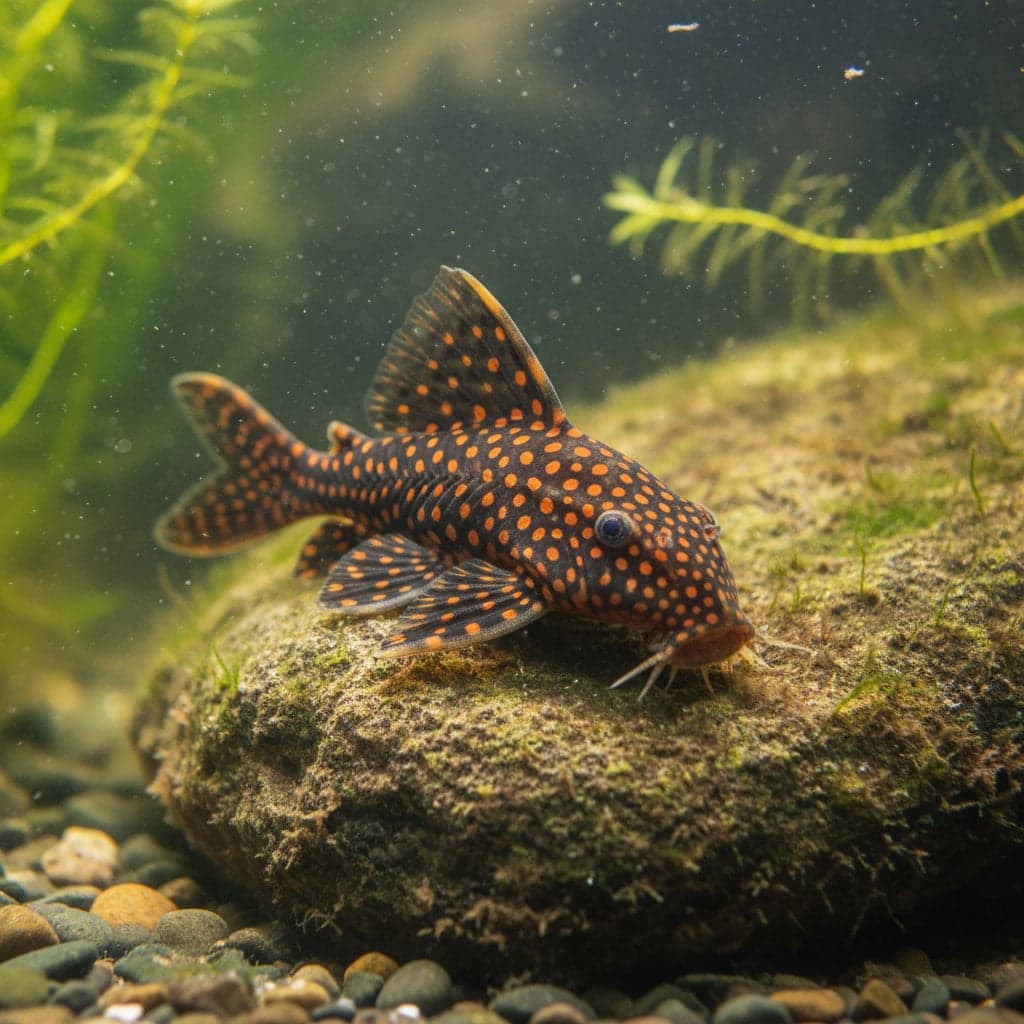
A stunning, dwarf-sized wood-eating pleco featuring a deep chocolate body covered in vivid orange spots.
Orange Spot Pleco LDA031
The Orange Spot Pleco LDA031, scientifically known as Panaqolus albomaculatus, is a striking freshwater fish that enchants aquarium enthusiasts with its unique appearance and captivating behavior. Characterized by its deep, rich coloration highlighted by vivid orange spots on a dark brown to black body, this species stands out in any aquarium setting. Adult Orange Spot Plecos can reach lengths of up to 7 inches, making them a manageable size for hobbyists who want to maintain a lively aquatic environment. Beyond their aesthetic appeal, these fish play a crucial role in the aquarium ecosystem as algae grazers, helping to keep tank surfaces clean and promote a balanced environment.
In the aquarium hobby, the Orange Spot Pleco LDA031 is regarded not only for its beauty but also for its adaptability and resilience. This species has garnered a reputation for being relatively hardy, making it a suitable option for both novice and experienced aquarists. Their ability to thrive in various water conditions and their fascinating behavior, including wood shredding, contribute to their popularity. Many hobbyists appreciate the Orange Spot Pleco LDA031 for its engaging personality and the contribution it makes to the overall health and aesthetics of a community tank.
Natural Habitat & Origin
The Orange Spot Pleco LDA031 hails from the slow-moving rivers and streams of the Amazon Basin, specifically in regions such as Colombia, Peru, and Brazil. This fish is commonly found in blackwater environments, where acidic, dark, and tannin-rich waters create a unique ecosystem. The presence of submerged wood and leaf litter facilitates hiding spots for these fish, as well as serving as a food source. The natural environment of the Orange Spot Pleco is characterized by lush vegetation and a soft substrate, which further enhances their well-being and encourages natural behaviors in captivity.
The natural habitat of the Orange Spot Pleco is crucial in understanding how to replicate these conditions in an aquarium setting. In the wild, these fish exhibit a preference for shaded areas beneath driftwood and dense foliage, making it essential for aquarists to consider these factors when setting up a tank. The delicate balance of temperature, pH levels, and the presence of organic matter are key to replicating their native ecosystem effectively.
Care Requirements
To ensure the well-being of the Orange Spot Pleco LDA031, specific water parameters should be maintained. Ideal conditions include a temperature range of 75°F to 82°F (24°C to 28°C), a pH level between 6.0 to 7.5, and a water hardness of 2 to 15 dGH. These parameters mimic the natural habitat of the fish, promoting healthier and more vibrant specimens. When setting up the tank, a minimum size of 55 gallons is recommended, as this allows ample space for foraging and swimming.
The tank setup for the Orange Spot Pleco should include a sandy or fine gravel substrate to prevent injury to their delicate underbelly. Natural decorations, such as driftwood and rocks, provide hiding spots and encourage natural behaviors, such as wood grazing. Moderate lighting is ideal, as it mimics the shaded conditions typically found in their habitat. Live plants can be included, but it's essential to select hardy species that can endure the grazing habits of the Orange Spot Pleco.
Diet & Feeding
As omnivores, Orange Spot Plecos have a varied diet that needs to be carefully balanced to maintain their health in captivity. In the wild, they primarily feed on algae, soft plant matter, and decomposing wood, utilizing their specialized teeth to shred wood fibers. In an aquarium setting, a mix of high-quality sinking pellets, algae wafers, and frozen foods such as bloodworms, brine shrimp, and spirulina will help mimic their natural feeding habits. It is also beneficial to supplement their diet with fresh vegetables, such as zucchini, cucumber, and spinach, to provide essential nutrients.
When feeding, it's essential to avoid overfeeding, as uneaten food can lead to water quality issues. A regimen that includes small meals 2-3 times a week is often sufficient. Additionally, ensuring a source of driftwood in the tank is vital, as it not only serves as a grazing option but also aids in the health of their digestive system.
Behavior & Temperament
The Orange Spot Pleco LDA031 is known for its generally peaceful demeanor, making it a good addition to community tanks. Although primarily a bottom dweller, they exhibit some interesting behaviors, such as climbing on driftwood or even venturing into open water at times, especially during feeding. These fish are best kept in groups or alongside other species that enjoy similar environmental conditions, as this provides them with a sense of security and promotes social interaction.
While not aggressive, the Orange Spot Pleco can exhibit territorial behavior, particularly during mating season or when competing for food. They tend to prefer the lower regions of the tank but are not shy and will occasionally utilize vertical spaces, making use of any available decor. It’s vital to provide plenty of hiding spots to reduce stress and aggression, especially in tanks with multiple plecos.
Tank Mates
Choosing compatible tank mates for the Orange Spot Pleco LDA031 is essential for creating a harmonious aquarium environment. Good companions include other peaceful bottom dwellers like Corydoras catfish, other species of plecos (like Bristlenose), and community fish such as Tetras, Rasboras, and Guppies. These fish generally coexist well, sharing the space without territorial skirmishes.
However, it is best to avoid aggressive species or large cichlids that may see smaller fish as prey. Species such as African cichlids, large barbs, or fast-moving fish could stress the Orange Spot Pleco, leading to health issues. A well-thought-out community tank, featuring compatible species, will enhance the overall experience of keeping this enchanting fish.
Breeding
Breeding the Orange Spot Pleco LDA031 in captivity can be challenging due to specific requirements for successful spawning. These fish are cave spawners; thus, providing multiple hiding spots or caves made of coconut shells or PVC pipes increases the likelihood of breeding. Ideal conditions for breeding include a temperature range of 78°F to 82°F (26°C to 28°C) and slightly lower pH and hardness levels compared to their typical habitat.
During the breeding process, males assume a protective role over the eggs, fanning them with their fins to maintain water flow and aeration. Once the eggs hatch, fry require special care, including finely crushed food and infusoria until they can safely consume larger foods. Achieving successful breeding in captivity requires careful attention to their environmental conditions and dietary needs.
Common Health Issues
Like all aquarium fish, the Orange Spot Pleco LDA031 can be susceptible to various diseases and health issues if not adequately cared for. Common health issues may include ich (white spot disease), bacterial infections, and fin rot, often associated with poor water quality or stress. Maintaining stable water parameters and assuring an appropriate diet is vital in preventing these issues.
Preventative measures include regular water changes, monitoring for signs of stress or illness, and maintaining a clean tank environment. Quarantining new fish before introducing them to the main tank can help reduce the risk of introducing diseases. Familiarity with common symptoms and prompt identification of issues will allow for timely treatment and a better chance of full recovery. Watch for white spots, frayed fins, loss of appetite, or unusual hiding, and isolate sick fish before medicating so tank mates stay safe. Keep wood and biofilm available, avoid copper-based treatments when invertebrates share the system, and never let ammonia or nitrite rise. Stable water, a fibre-rich diet, and calm tank mates help your Orange Spot Pleco LDA031 stay robust and disease-resistant for years.