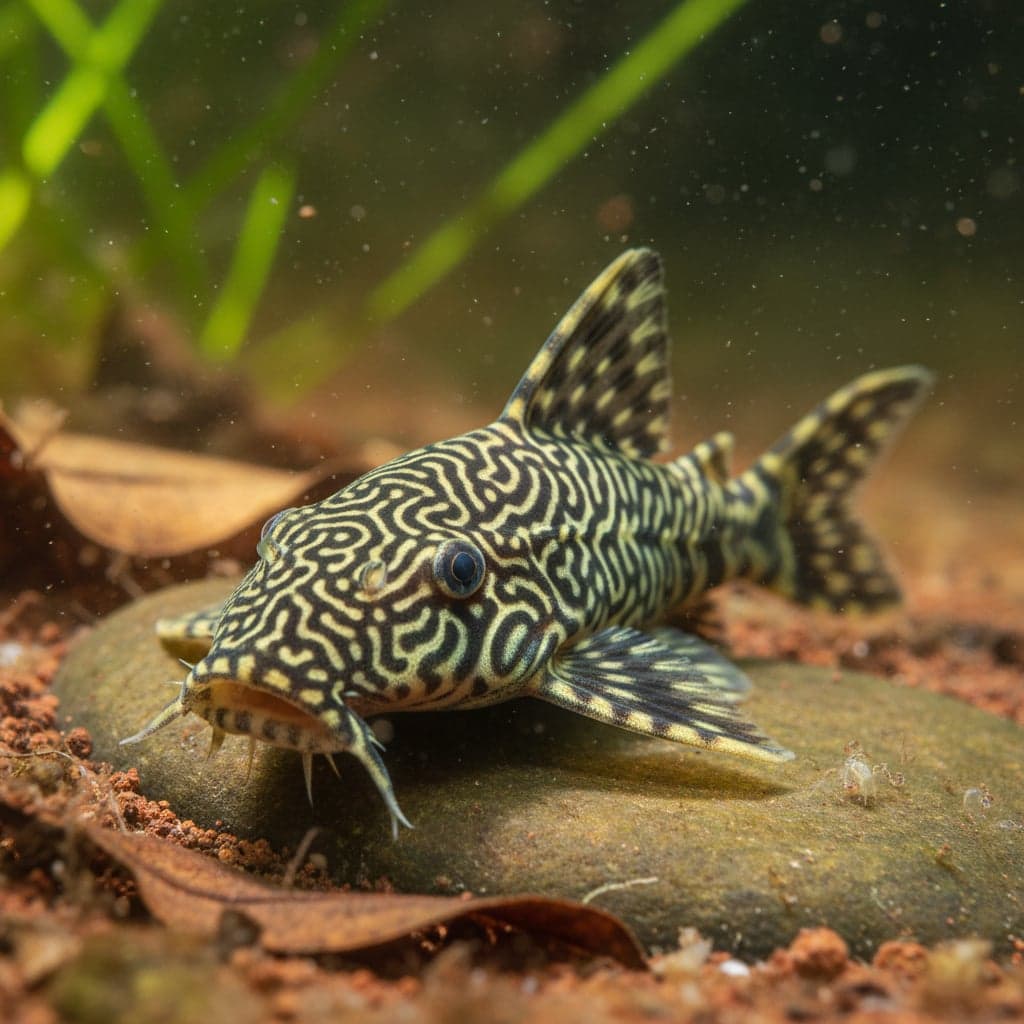
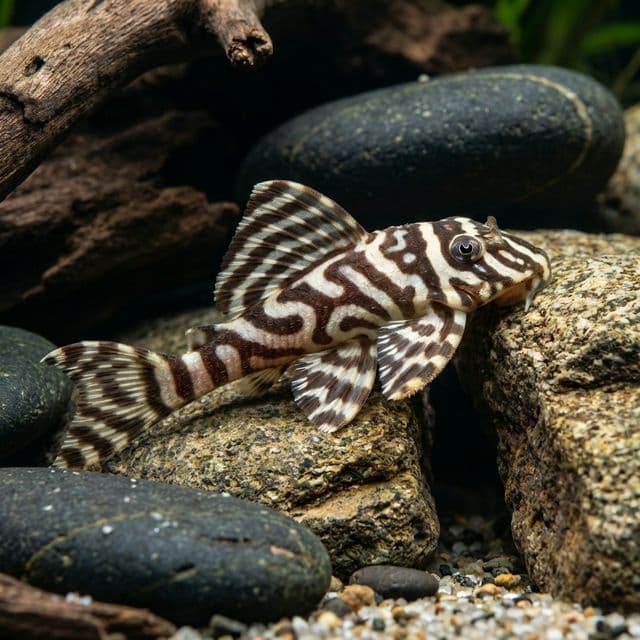
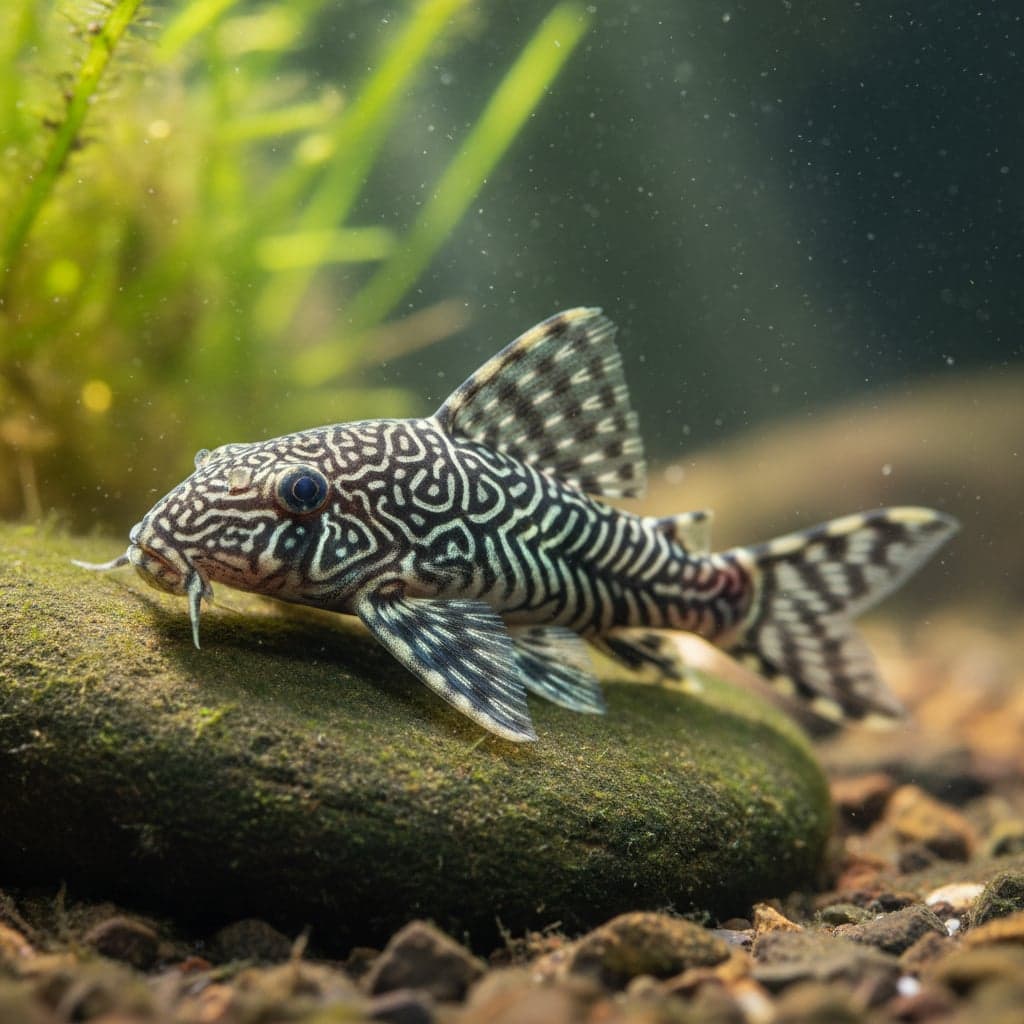
Orinoco Angel Plec L201: Hypancistrus inspector
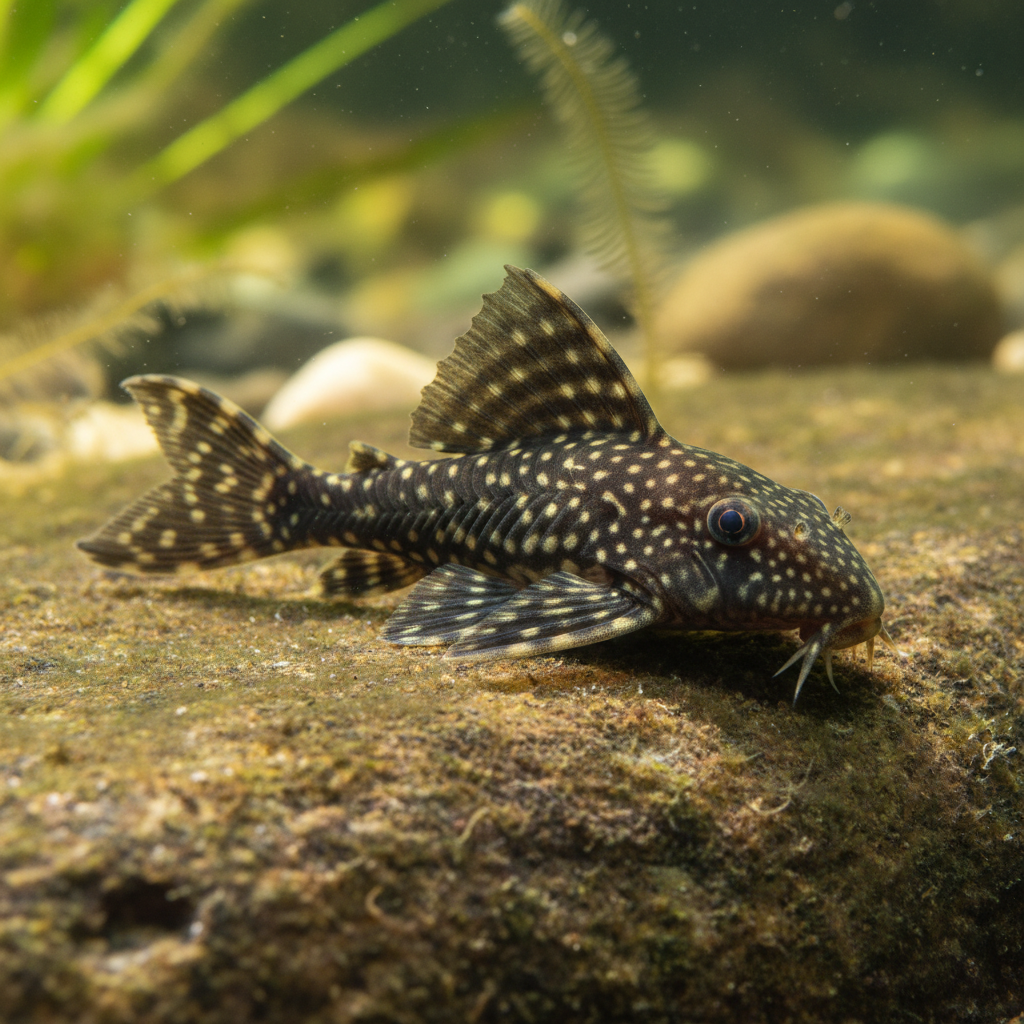
A striking, ink-black dwarf pleco absolutely smothered in enormous white polka dots.
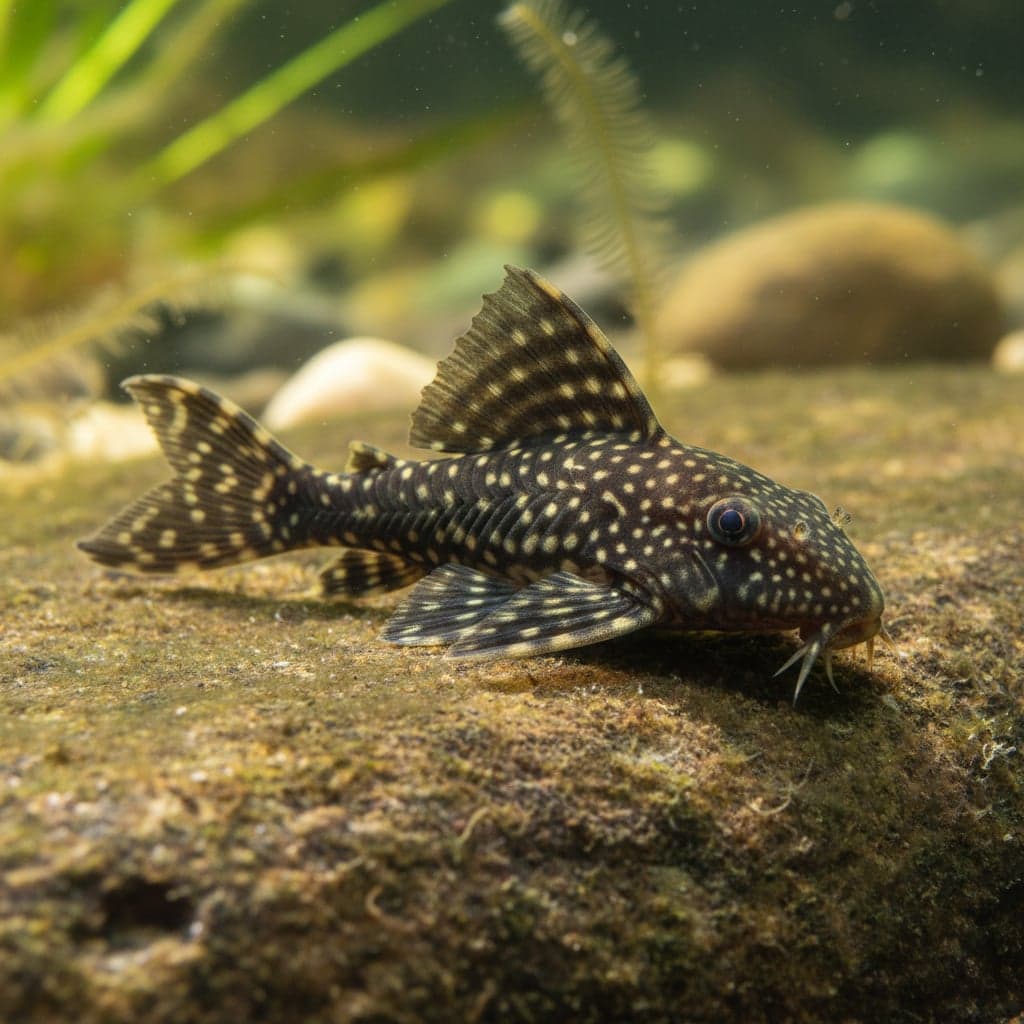
Orinoco Angel Plec L201
The Orinoco Angel Plec L201, scientifically known as Hypancistrus inspector, is a strikingly beautiful herbivorous species of freshwater catfish that captivates aquarists with its attractive coloration and unique patterns. Characterized by its dark body adorned with striking white or yellow spots, the L201 offers a visual spectacle that can enhance the aesthetic value of any aquarium. Its distinctive appearance, combined with a relatively manageable care requirement, has made it one of the sought-after species among both novice and experienced fish keepers.
Significantly, the Orinoco Angel Plec L201 plays a vital role in freshwater ecosystems in the wild, primarily inhabiting the Orinoco River basin in South America. This species not only adds visual interest to aquariums but also promotes ecological balance by contributing to the environment's detrital food chain. Understanding the importance of this species in its native habitat allows aquarists to appreciate the nuances of its care and ensures that we can replicate the conditions it thrives in, promoting its longevity and well-being in captivity.
Natural Habitat & Origin
The Orinoco Angel Plec L201 is indigenous to the Orinoco River basin, located primarily in Venezuela and Colombia. This region is characterized by its complex river systems, where the fish inhabit slow-moving waters rich in organic materials. The waters are typically blackwater, exhibiting low pH levels due to the abundant plant debris that decays in the ecosystem. The presence of such an environment contributes essential humic acids to the water, creating the soft, acidic conditions favored by this species.
In addition to the blackwater type, the Orinoco Angel Plec L201 may also be found in areas with sandy substrates and various hiding spots, such as driftwood, rocks, and dense vegetation. This natural habitat influences not only their dietary needs but also their behavioral patterns, as they rely on these structural complexities for foraging and shelter from potential predators.
Care Requirements
Maintaining optimal care for the Orinoco Angel Plec L201 involves replicating its natural environment as closely as possible. The ideal water parameters for this species include a pH range of 5.5 to 7.5, a temperature range between 24°C to 28°C (75°F to 82°F), and soft to moderately hard water with a hardness level of 3 to 10 dGH. These parameters create a comfortable environment, promoting optimal health and longevity.
For tank setup, a minimum aquarium size of 75 gallons is recommended to accommodate their potential adult size of approximately 5 to 6 inches. The substrate should ideally consist of fine sand or smooth gravel to prevent injury to their delicate bodies while they forage. Aquascaping should include ample hiding places using driftwood, caves, and dense foliage of live plants such as Anubias or Java Fern, along with moderate lighting to simulate their natural habitat.
Diet & Feeding
The Orinoco Angel Plec L201 primarily feeds on a varied diet consisting of both plant and animal matter, classifying it as an omnivore. In captivity, they thrive on high-quality sinking pellets or wafers specifically formulated for herbivorous catfish. Additionally, providing blanched vegetables like zucchini, spinach, and cucumber can enrich their diet and promote overall health. Supplementing their meals with occasional frozen or live foods, such as bloodworms or brine shrimp, also encourages optimal growth and vitality. A diverse diet not only sustains their health but also mimics their natural foraging behavior in the wild.
Behavior & Temperament
The Orinoco Angel Plec L201 exhibits a generally peaceful temperament, making it an excellent addition to community aquariums. While they are not overly social, they can display some territorial behavior, especially in confined spaces or when breeding. Though they tend to be bottom-dwellers, they often ascend to mid-water levels during feeding times. This species does best when kept in groups of at least three to five individuals, as they are more likely to display natural behaviors and feel secure within a larger school. It's critical to observe their interactions with other species to ensure a harmonious environment, as they can be reclusive when threatened or outcompeted for food.
Tank Mates
When considering tank mates for the Orinoco Angel Plec L201, it is vital to choose peaceful fish that will not stress or outcompete them. Suitable companions include tetras, rasboras, danios, and other small, non-aggressive species that occupy different levels of the aquarium. Avoid keeping them with larger, aggressive species or those known to nip fins, such as most cichlids (particularly larger varieties) and certain barbs, as these can result in undue stress or injury. Additionally, other bottom-dwellers should be chosen carefully to prevent territorial disputes.
Breeding
Breeding the Orinoco Angel Plec L201 in captivity can be a rewarding endeavor, although it requires specific conditions to stimulate spawning. Males demonstrate a characteristic behavior of establishing territories and will often exhibit slightly larger and more pronounced pectoral fins than females. Ideal conditions for breeding include a slightly higher temperature range of 28°C to 30°C (82°F to 86°F) and the incorporation of flat surfaces, such as slate or ceramic tiles, where the female can lay her eggs. The presence of soft, acidic water is crucial for spawning success. After successful fertilization by the male, the eggs are often guarded by the male until they hatch, usually within 5 to 7 days, after which the fry should be fed fine powdered food or specialized fry food to ensure healthy growth.
Common Health Issues
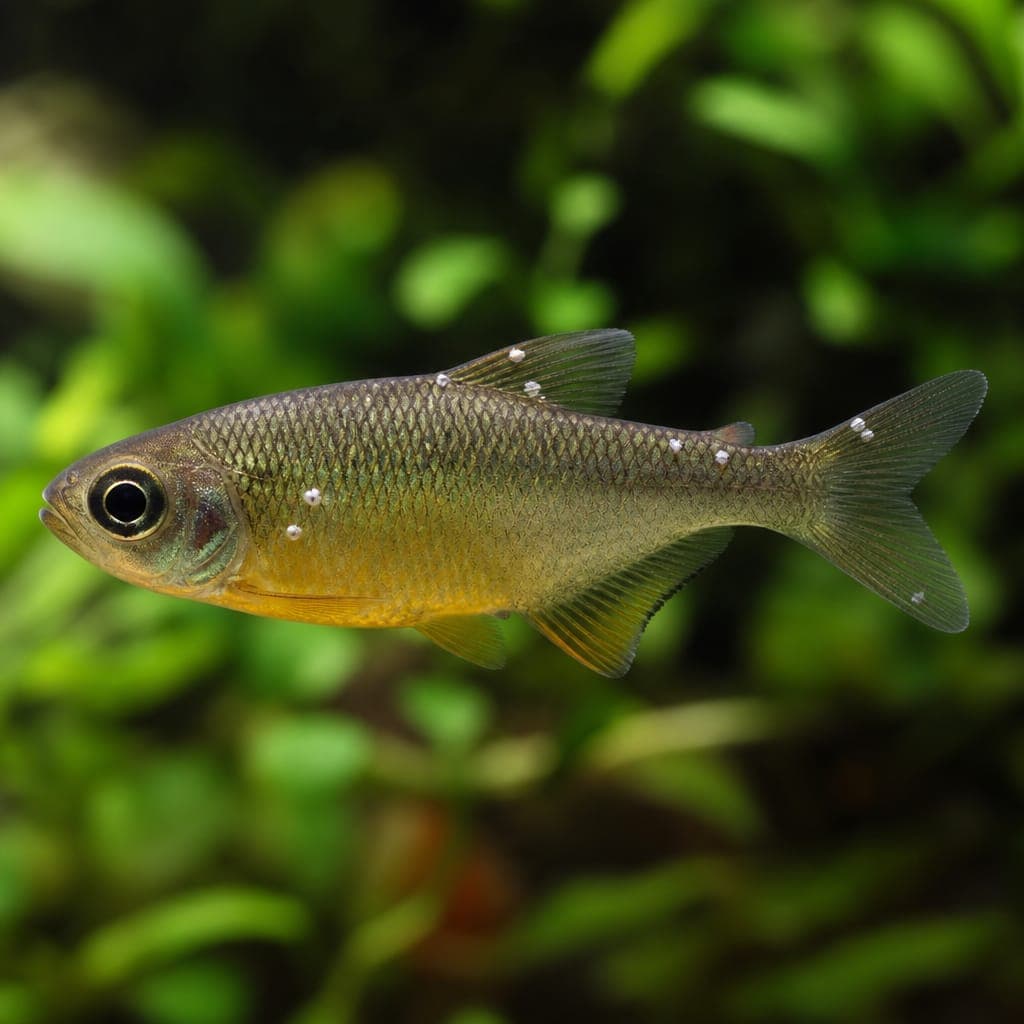
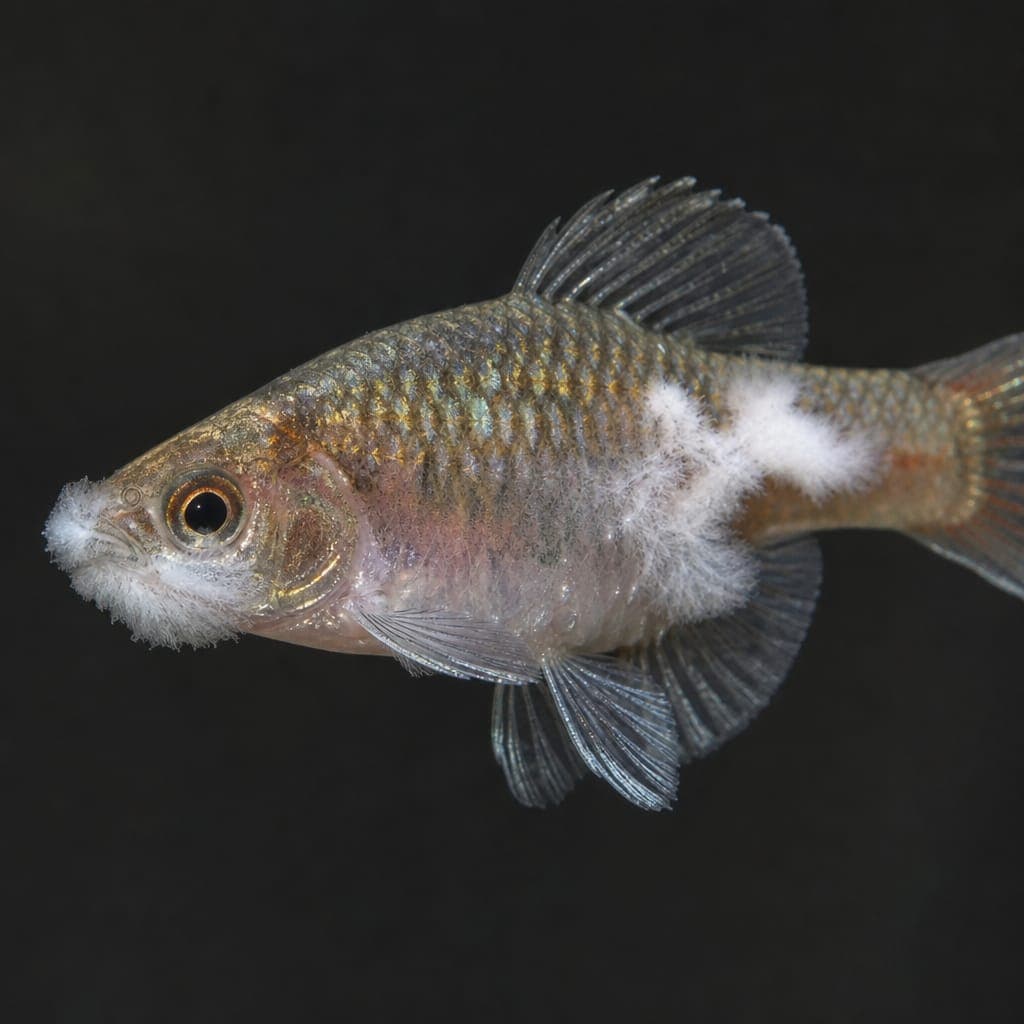
While the Orinoco Angel Plec L201 is generally robust, it can be susceptible to certain health issues typical in aquarium fish. Common ailments include Ich (white spot disease), fungal infections, and symptoms related to poor water quality, such as fin rot. Preventive measures include maintaining optimal water parameters, performing regular water changes, and providing a well-balanced diet to bolster their immune system. Regular monitoring of the tank's ammonia, nitrite, and nitrate levels also plays a critical role in early detection of potential health issues.