Ornate Pimelodus: Pimelodus ornatus
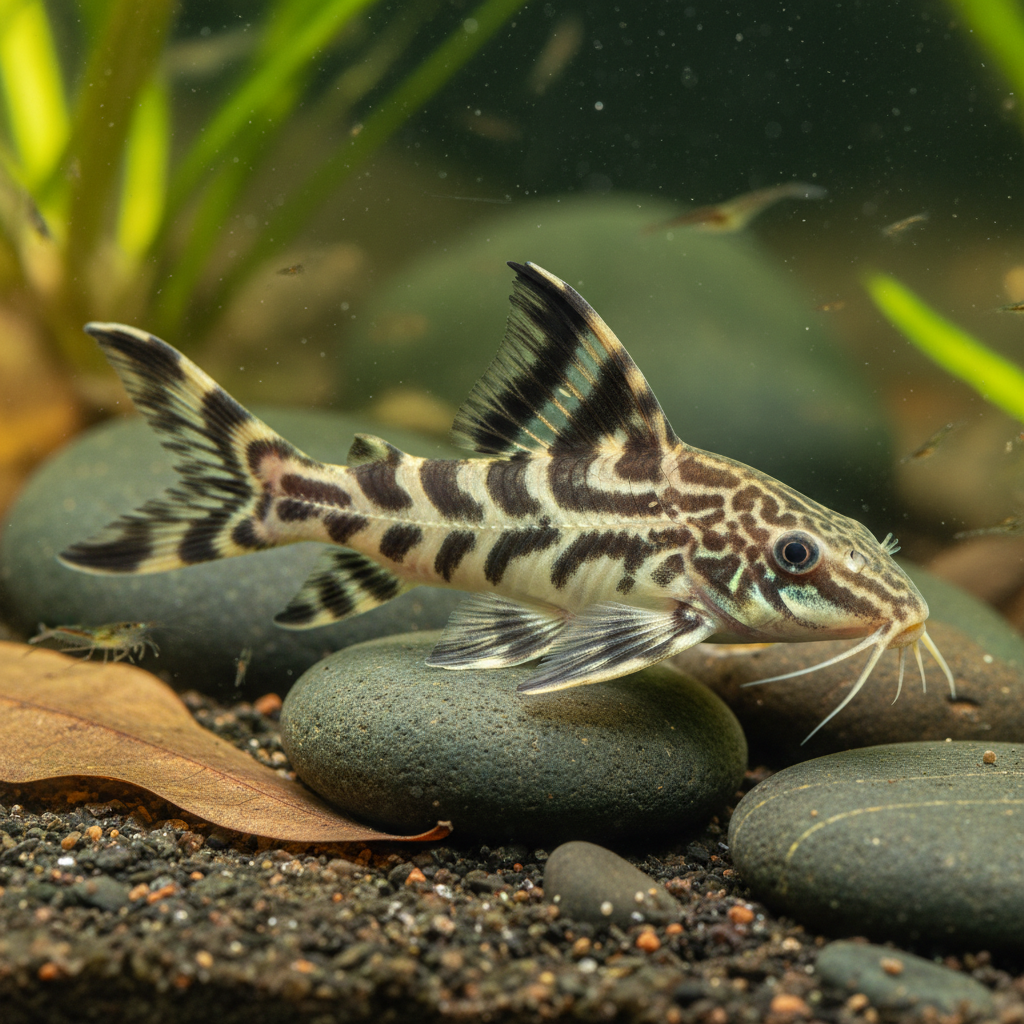
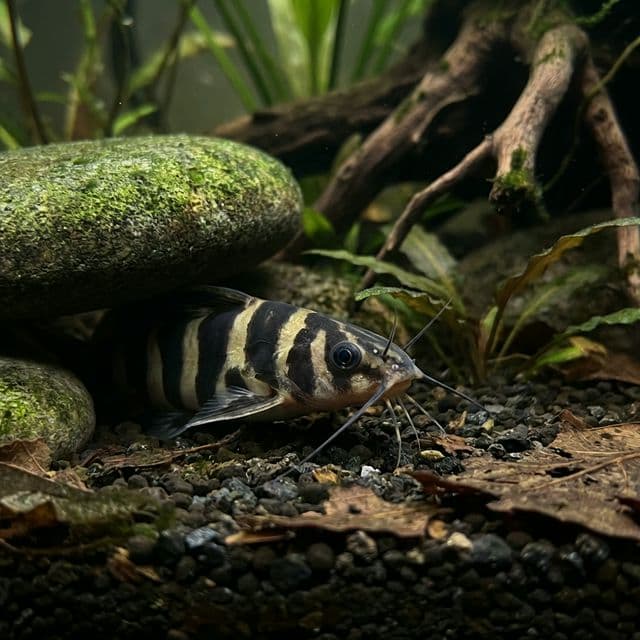
A spectacularly beautiful and active antenna catfish displaying bold black-and-white stripes over a pearlescent body.
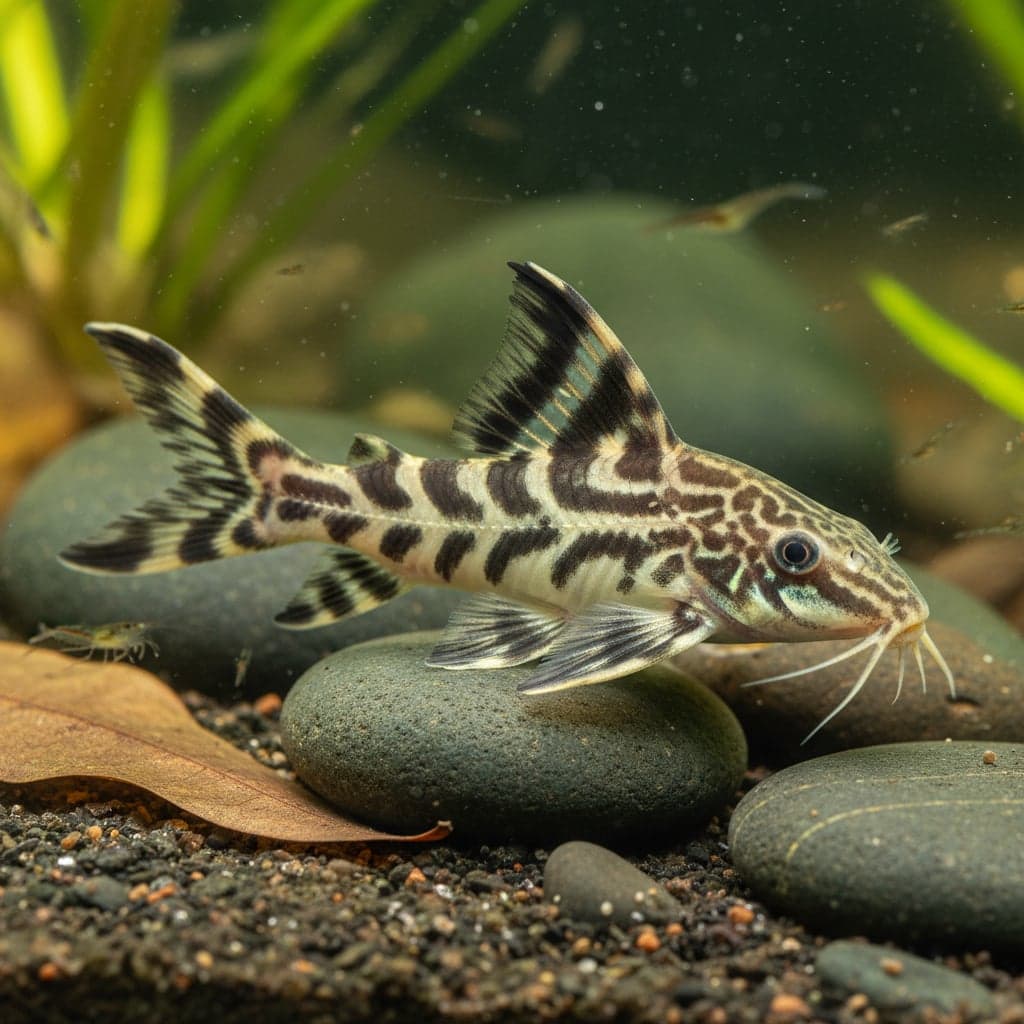
Ornate Pimelodus
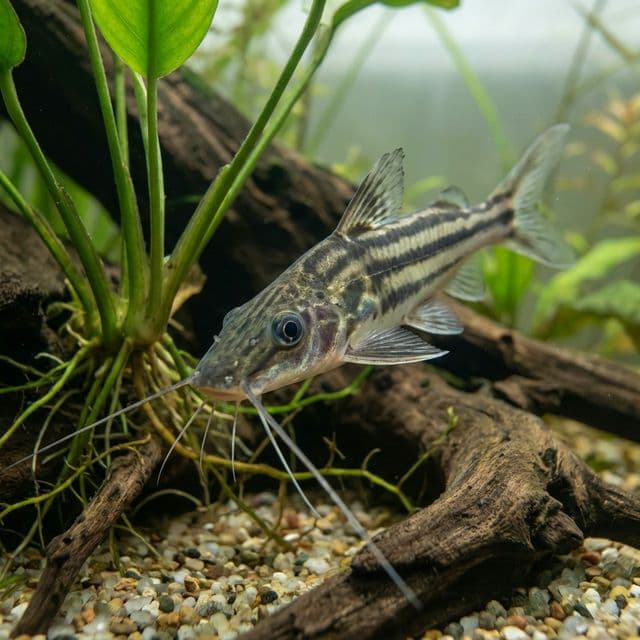
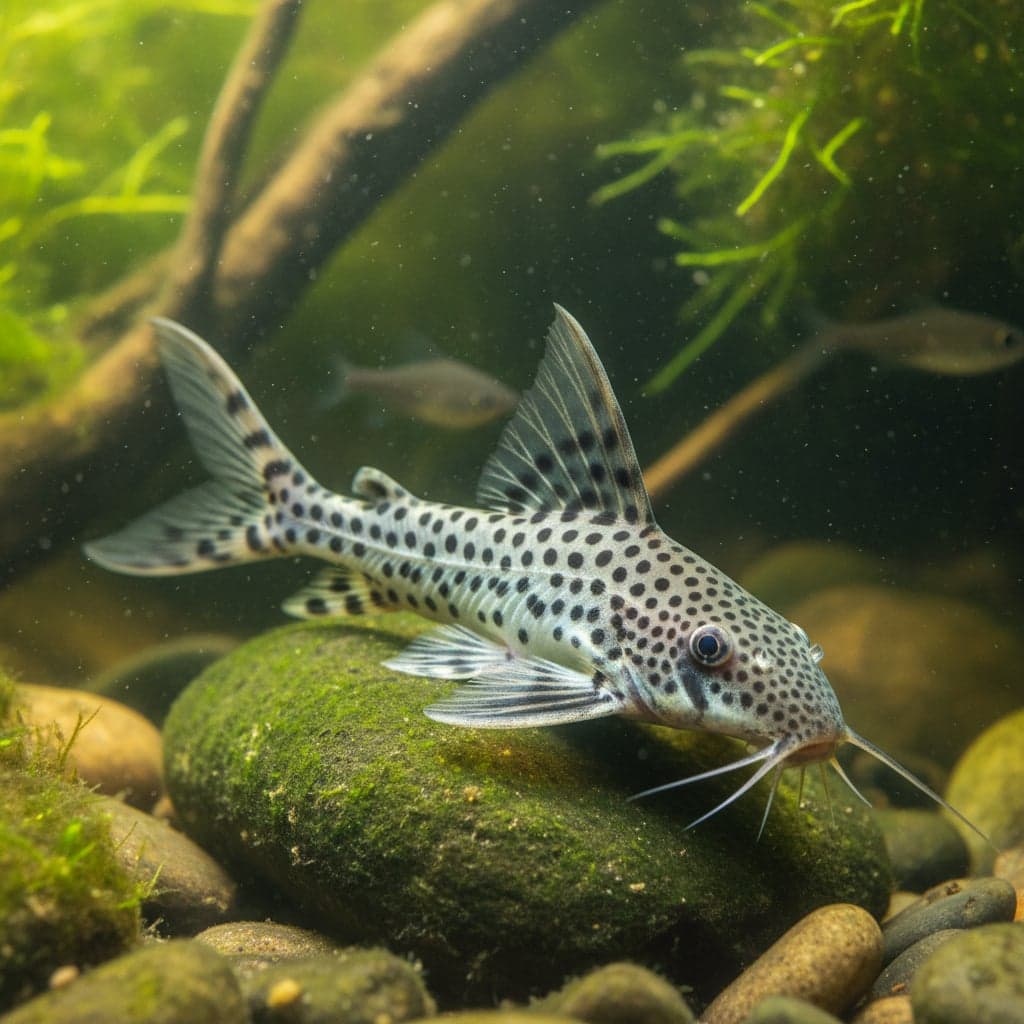
The Ornate Pimelodus (Pimelodus ornatus) is a striking species of catfish that captivates aquarists with its unique appearance and engaging behavior. Characterized by its elongated body, this fish presents a vivid pattern of intricate black and yellow stripes or spots, making it an attractive addition to both community and display aquariums. Adult specimens can reach up to 12 inches in length, showcasing impressive fins and a buoyant, streamlined body which contributes to their visual appeal. Their distinct markings and lively swimming patterns often draw the attention of onlookers, rendering them a popular choice among aquarium enthusiasts.
In the aquarium hobby, the Ornate Pimelodus holds significance not only for its aesthetic value but also for its relatively hardy nature, making it suitable for both novice and experienced fish keepers. They are an active and social species that demonstrates fascinating behaviors, such as foraging and interacting with tank mates. Their engaging presence can enliven an aquarium setting, and their adaptability to various tank conditions further solidifies their significance within the community of aquatic livestock. Understanding their needs and natural behaviors allows aquarists to appreciate these remarkable fish fully.
Natural Habitat & Origin
The Ornate Pimelodus originates from the freshwater rivers and streams of South America, particularly in regions of the Amazon Basin. These environments are typically characterized by slow-moving waters rich in organic matter, leading to dark, stained waters often referred to as blackwater. The chemical makeup of these waters, combined with dense vegetation and submerged structures, provides an ideal habitat for this species. The soft, acidic waters found in its natural habitat contribute to the Ornate Pimelodus’ overall health and well-being, making it essential for aquarists to replicate these conditions as closely as possible.
In conjunction with its preference for blackwater environments, the Ornate Pimelodus also thrives in areas with plenty of hiding spots and dense plant growth, offering refuge from potential predators. The ambient light in these habitats tends to be lower, which further encourages the growth of specific types of aquatic plants that serve to sustain the ecosystem. Understanding the environmental context of the Ornate Pimelodus's natural habitat is crucial for creating a successful and thriving aquarium environment.
Care Requirements
When it comes to maintaining the ideal environment for the Ornate Pimelodus, water parameters should be carefully monitored. The recommended pH level for these fish is typically within the range of 6.0 to 7.5, with a preference for slightly acidic conditions. The water temperature should be maintained between 75°F to 82°F (24°C to 28°C), while hardness levels should be kept relatively soft, ideally around 5 to 15 dGH.
In terms of tank setup, a minimum aquarium size of 50 gallons is advisable, allowing ample swimming space for this active species. The substrate should consist of soft sand or fine gravel to mimic their natural environment and prevent potential injury to their delicate barbels. Incorporating floating plants or dim lighting can simulate the lower light conditions of their native habitat and lessen stress. Additionally, providing hiding spots with driftwood, caves, and dense vegetation will help create a more comfortable and natural atmosphere for the Ornate Pimelodus.
Diet & Feeding
The Ornate Pimelodus is classified as an omnivore, enjoying a varied diet primarily consisting of protein-rich foods. In the aquarium, they thrive on high-quality pellets and flakes formulated for catfish, as well as an assortment of frozen foods such as bloodworms, brine shrimp, and daphnia. Live foods can also be offered occasionally to ensure their diet remains balanced and nutritious.
For optimal health, it is essential to feed them a mixture of plant-based foods, like spirulina or blanched vegetables (such as zucchini and spinach), alongside their protein sources. Given their somewhat opportunistic feeding behavior, it is vital to establish a routine to provide them with small amounts of food several times a day, rather than one large feeding session, to mimic their natural foraging habits.
Behavior & Temperament
The Ornate Pimelodus is known for its friendly and social demeanor, thriving best when kept in small groups. These catfish exhibit an intriguing mix of behavior, showing both curiosity and playfulness, making them a delight to observe. While they are generally peaceful, the Ornate Pimelodus can occasionally display territorial tendencies, especially during breeding periods or when inadequately housed.
In terms of placement within the tank, these fish usually prefer the middle to bottom levels, where they can forage for food and explore their environment. However, it is essential to give them ample space to swim freely, as overcrowding can lead to stress and potential aggression among tank mates.
Tank Mates
When deciding on tank mates for the Ornate Pimelodus, it is crucial to consider species that complement their social and non-aggressive nature. Compatible species include larger tetras, peaceful cichlids, gouramis, and other medium to large catfish. Members of the community such as Rainbowfish, angelfish, and certain loaches also make excellent companions in a well-maintained aquarium.
Conversely, it is advisable to avoid housing them with overly aggressive or fin-nipping species like small barbs, as well as very small fish that may be perceived as prey. Maintaining a community of fish species that coexist harmoniously will enhance both the health and the dynamics of the aquarium setup.
Breeding
Breeding the Ornate Pimelodus in captivity can be a rewarding yet challenging endeavor. These catfish are known to be spawners, typically laying eggs in sheltered environments with soft, slightly acidic water conditions. A separate breeding tank with a capacity of at least 30 gallons should be prepared, complete with spawning materials such as fine-leaved plants or ceramic breeding cones for the fish to lay their eggs.
For successful breeding, it is essential to provide optimum water parameters, including a temperature of about 78°F (26°C) and a pH around 6.0 to 6.5. Once breeding occurs, the fry can be fed infusoria and finely crushed flakes until they are large enough to accept larger foods. Ensuring that the adult fish do not consume the eggs or fry is critical, and separate breeding sessions can help in achieving a greater breeding success rate.
Common Health Issues
Like many aquarium fish, the Ornate Pimelodus can be susceptible to various health issues if not properly cared for. Some common diseases include ich (white spot disease), fin rot, and bacterial infections, often resulting from poor water conditions or stress. Regular water changes, maintaining optimal water parameters, and observing feeding routines can significantly reduce the risk of these health problems.
Moreover, ensuring proper tank cleaning and quarantine procedures for new arrivals can help prevent the introduction of diseases into the established aquarium. Keeping a close eye on the fish for any signs of distress or unusual behavior is essential, enabling early detection and treatment of any health issues that may arise. Regular monitoring of the Ornate Pimelodus’s overall condition will promote a longer, healthier life in captivity.