Panda Cory: Corydoras panda
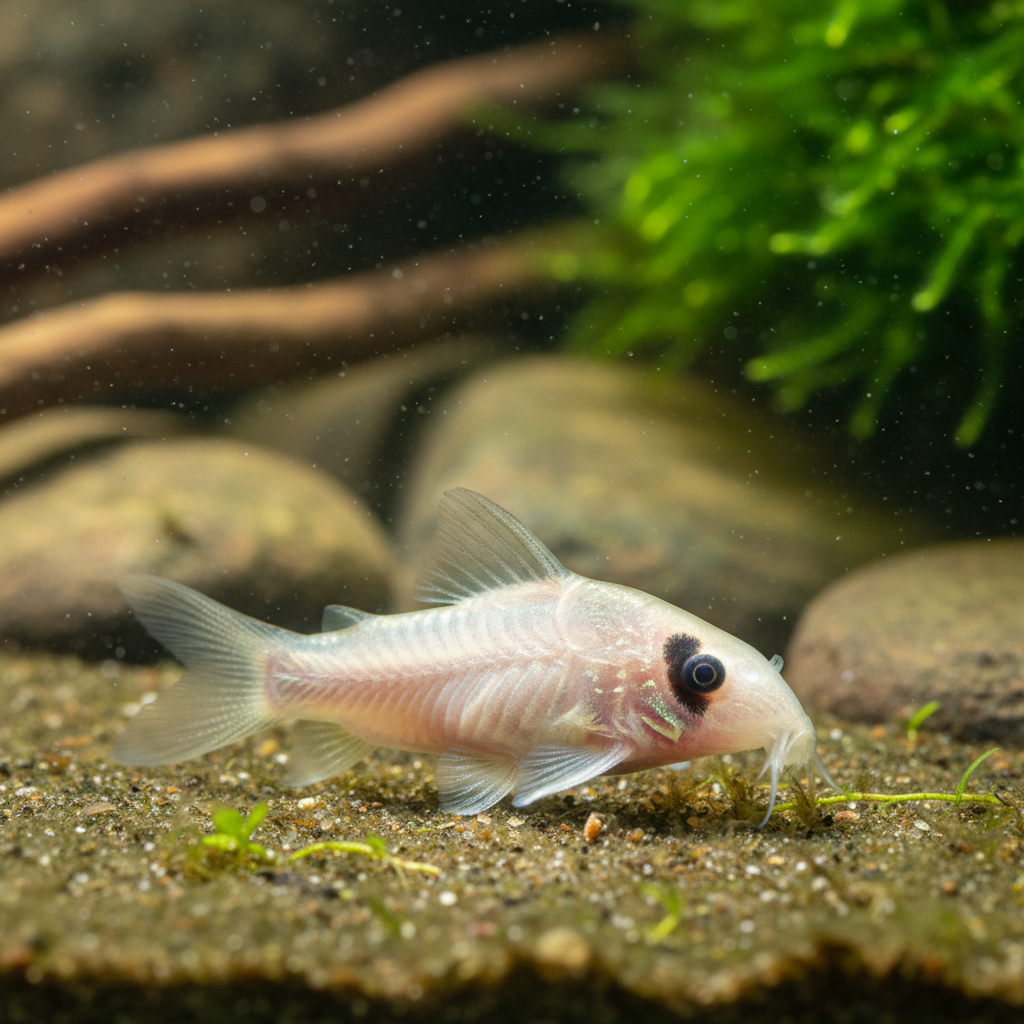
One of the most beloved and instantly recognizable corydoras, featuring clean white/tan bodies with striking black patches over the eyes and tail.
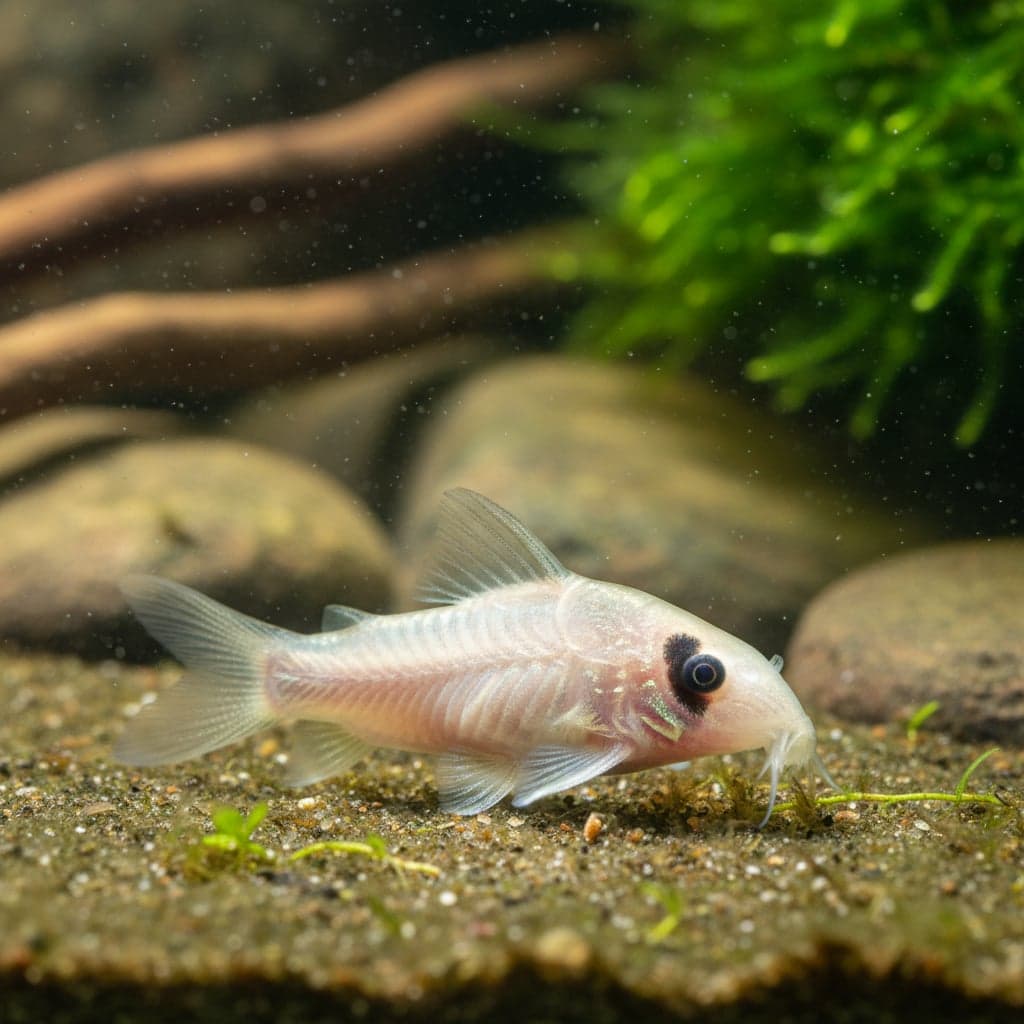
Panda Cory
The Panda Cory, scientifically known as Corydoras panda, is a charming and popular freshwater fish among aquarists. This small catfish, with its distinctive black and white coloration, features a white body adorned with black patches resembling the markings of a panda bear. This visual appeal, combined with their peaceful nature, makes them an attractive addition to community tanks. The Panda Cory exhibits a unique adaptability, thriving in various aquarium environments, which has contributed to its widespread popularity in the aquarium hobby.
In addition to its aesthetic value, the Panda Cory serves a significant purpose in aquarium ecosystems. These fish are benthic feeders, scouring the substrate for detritus and leftover food, which helps maintain water quality and reduces waste buildup. Their engaging behavior, which includes darting and searching for food among tank substrates, provides endless entertainment for hobbyists. The Panda Cory is often admired for its sociable nature, as they prefer to be kept in groups, enhancing both their well-being and the overall vibrancy of the aquarium.
Natural Habitat & Origin
Panda Corys originate from the waters of South America, particularly in the Rio Ucayali drainage in Peru. They are typically found in shallow, slow-moving streams and rivers characterized by their blackwater environments, rich with decaying leaves and organic matter. This type of habitat not only affects the water chemistry but also influences the fish’s overall behavior and well-being. In their natural setting, Panda Corys navigate through soft, sandy substrates while utilizing their sensitive barbels to search for food.
The water in these natural habitats tends to be slightly acidic with a pH ranging from 6.0 to 7.5 and is often stained by tannins released from decomposing plant material. The water temperature in their native streams usually ranges from 22°C to 26°C (72°F to 79°F), and the overall hardness is typically low, providing an ideal ecosystem for this species. Understanding their natural environment is crucial for replicating optimal conditions in the aquarium setting.
Care Requirements
Panda Corys thrive in specific water parameters that mimic their natural habitat. It is essential to maintain a pH level of 6.0 to 7.5, with a temperature range between 22°C and 26°C (72°F to 79°F). The water hardness should be soft to moderately hard, generally falling between 2 to 15 dGH. To ensure their health and vitality, regular water changes and water quality monitoring are recommended.
When it comes to tank setup, providing at least a 20-gallon aquarium is ideal for a small group of Panda Corys, as they require ample space to swim and explore. A soft, sandy substrate is preferable, as it allows them to burrow and forage without the risk of injury to their delicate bodies. Lighting should be moderate, as excessive brightness may stress these fish. Incorporating plants such as Java moss, Anubias, and floating vegetation will not only enhance the tank’s aesthetic appeal but also create hiding places and reduce light intensity. Providing a well-decorated environment with driftwood and rocks further fosters a natural habitat feel, promoting the overall well-being of the Panda Cory.
Diet & Feeding
Panda Corys are omnivorous, which means they will accept a variety of food types. In the wild, they primarily feed on small invertebrates, plant matter, and detritus found on the substrate. In captivity, a well-balanced diet is essential for their health. High-quality sinking pellets specifically formulated for bottom-dwelling fish are highly recommended, as they ensure that the Panda Corys receive the necessary nutrients.
In addition to sinking pellets, providing occasional flakes that sink or a mix of frozen and live foods—including brine shrimp, daphnia, and bloodworms—can add variety to their diet. It's essential to feed them small amounts multiple times a day, ensuring they consume everything within a few minutes to maintain water quality and avoid excess waste buildup. Offering a varied diet will contribute to their vibrancy, health, and activity levels.
Behavior & Temperament
The Panda Cory is known for its gentle and non-aggressive temperament, making it ideal for community tanks. They are social creatures that thrive in groups, generally requiring a minimum of five individuals to feel secure and exhibit their natural behaviors. Panda Corys enjoy exploring the substrate and water column, often seen swimming together in a school, which enhances their social dynamics.
These fish typically occupy the lower vertical levels of the aquarium, as they are primarily bottom dwellers. They tend to prefer the security of hiding spots and prefer to be less exposed, especially during daylight hours. It’s common to observe them sifting through sand or gravel, using their sensitive barbels to locate food, and occasionally engaging in playful interactions as they dart around the tank. Their peaceful nature makes them an excellent addition to community tanks with other compatible species.
Tank Mates
Finding compatible tank mates for Panda Corys is crucial for maintaining a harmonious aquarium environment. They do well with various peaceful fish species that inhabit different vertical levels of the tank. Compatible species include Small Tetras (like Neon Tetras and Ember Tetras), Rasboras, Guppies, and other small peaceful community fish that won't compete aggressively for food.
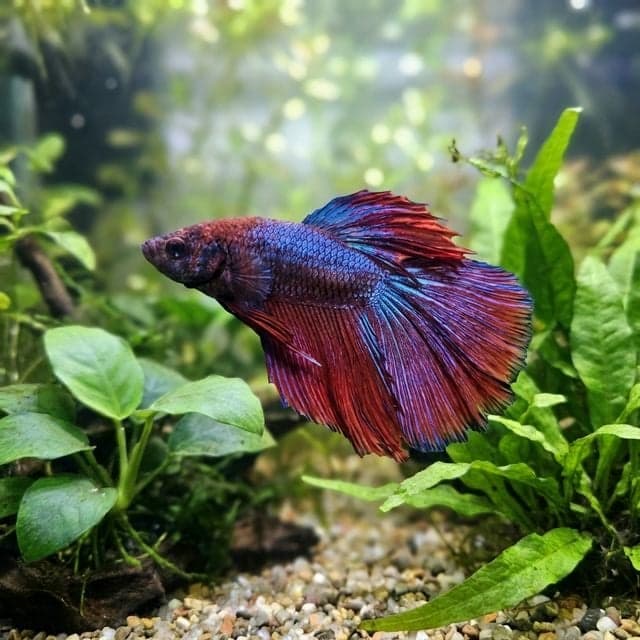
However, there are certain species to avoid, as they may exhibit aggression or stress the Panda Corys. Larger or more territorial fish, such as cichlids, bettas, or any fin-nippers like Tiger Barbs, can harass these shy bottom-dwellers. It’s essential to create a balanced community, ensuring that the Panda Corys feel safe and secure in their environment.
Breeding
Breeding Panda Corys in captivity can be achieved with the right conditions in place. They are egg layers that typically spawn on flat surfaces like leaves or glass, often arranging themselves in a group during the process. To encourage breeding, it is recommended to keep them in a separate breeding tank with pristine water conditions, slightly cooler temperatures (around 20°C to 24°C or 68°F to 75°F), and soft, slightly acidic water.
To initiate spawning, it's beneficial to perform a large water change using cooler, clean water, simulating the rainy season when they would naturally breed. After spawning, the eggs are generally adhesive and will stick to the chosen surfaces, where they hatch within a few days. After about 3-5 days, the fry will become free-swimming and can be fed with fine infusoria or powdered foods until they are large enough to consume crushed flakes or specialized fry food.
Common Health Issues
While Panda Corys are generally robust, they can still be susceptible to certain health issues, mainly due to poor water quality or stress. One common issue is Ichthyophthirius multifiliis, often referred to as "ich," which manifests as white spots on the skin and fins. Maintaining stable water conditions and avoiding overcrowding are vital preventive measures.
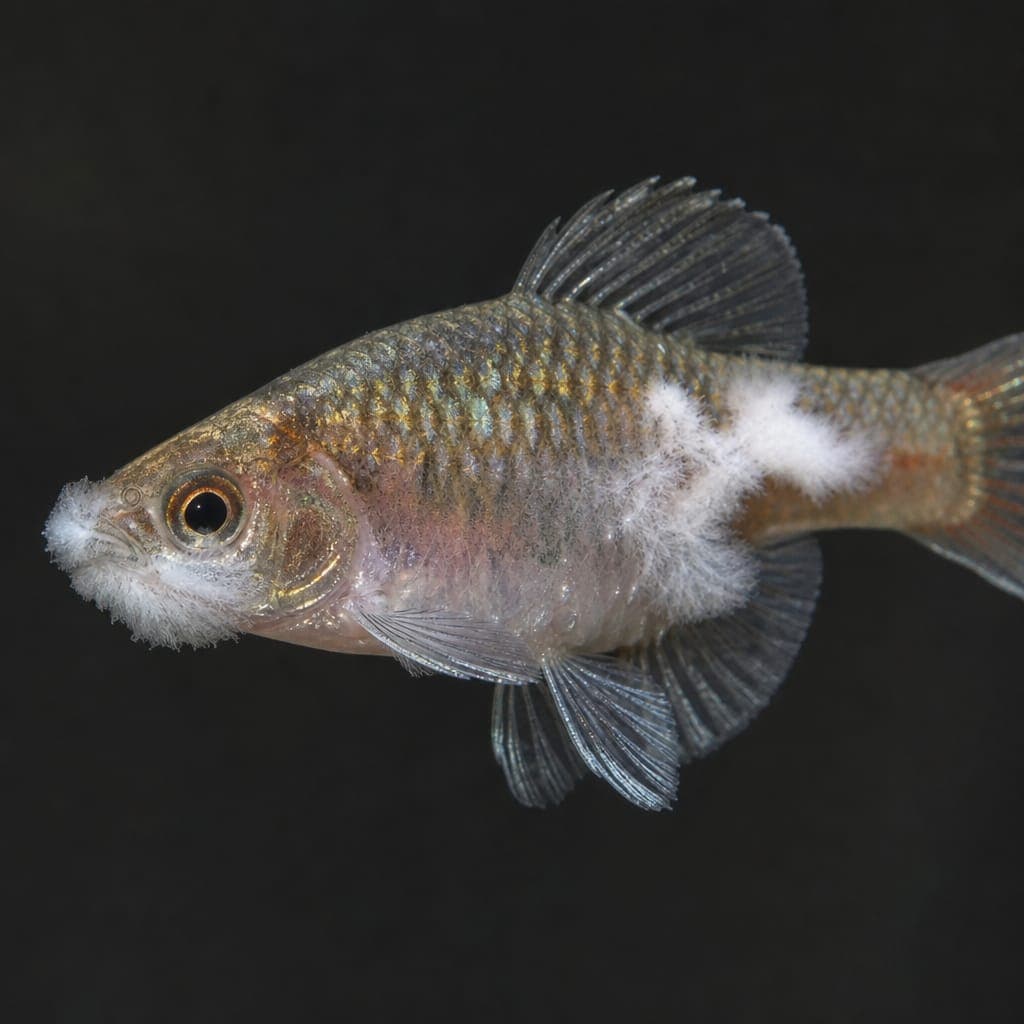
Another concern for Panda Corys is bacterial or fungal infections, which can result from injuries or wounds. Therefore, it’s essential to provide a smooth substrate and avoid sharp decorations. Regular observation for any signs of illness, prompt isolation of any sick fish, and maintaining a clean tank can help prevent outbreaks. Ensuring a proper diet and minimizing stress factors will also contribute to the longevity and health of these beautiful catfish.