Panda Loach: Yaoshania pachychilus
A tiny, critically endangered hillstream loach sought after for its stunning black-and-white juvenile coloration.

Panda Loach
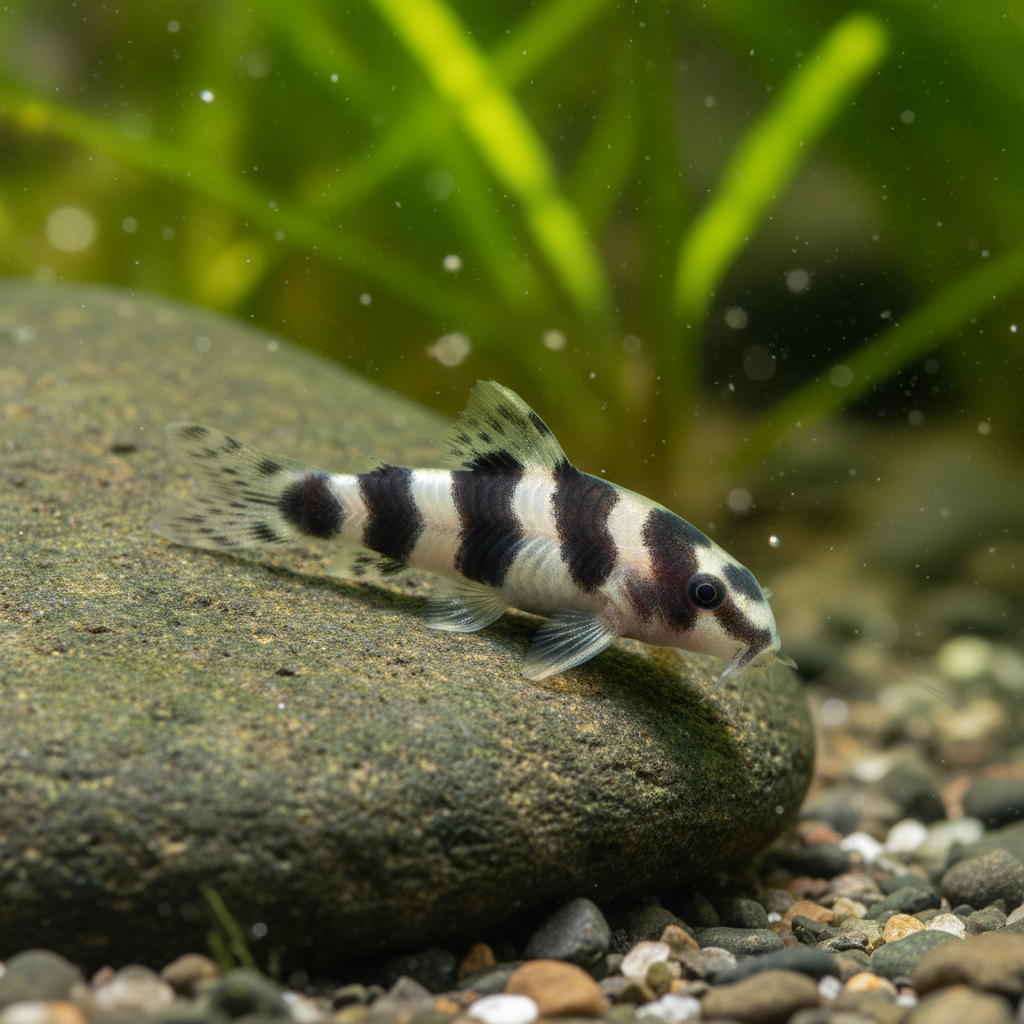
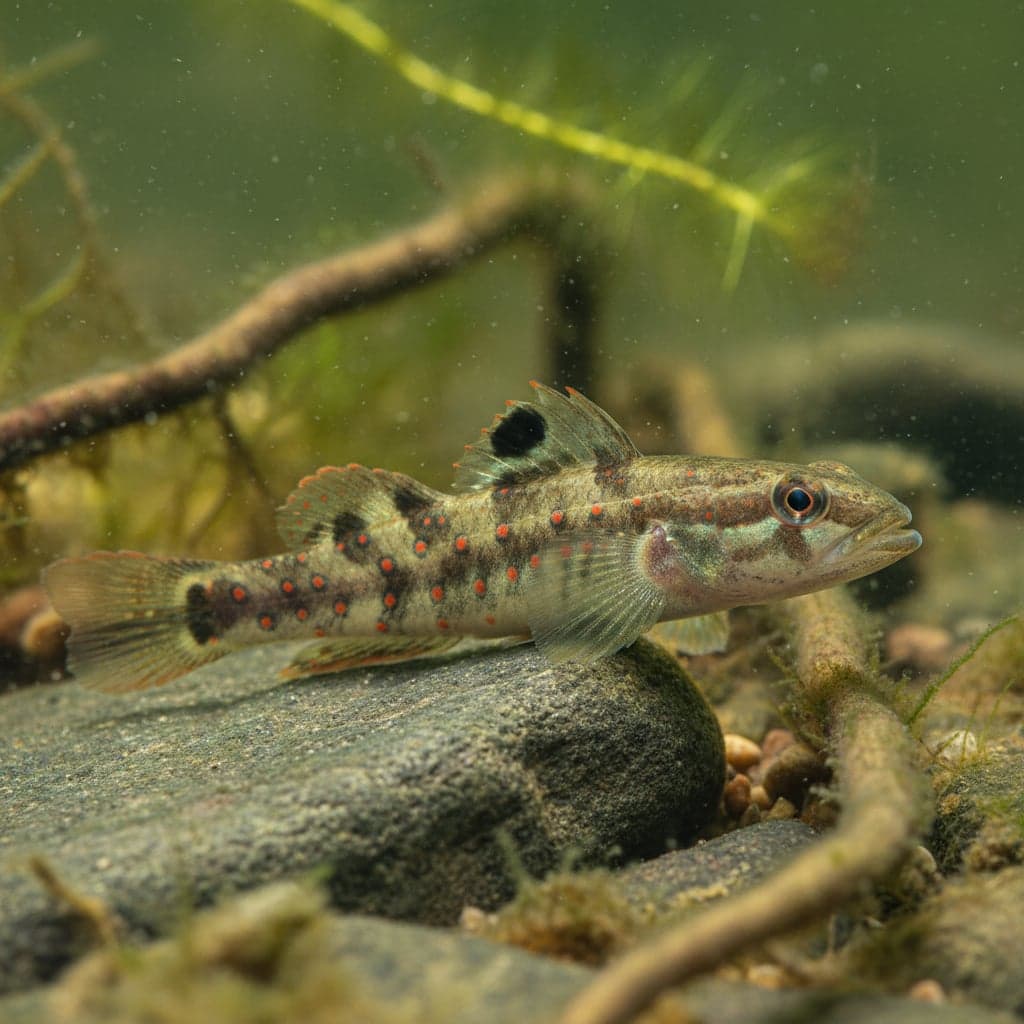
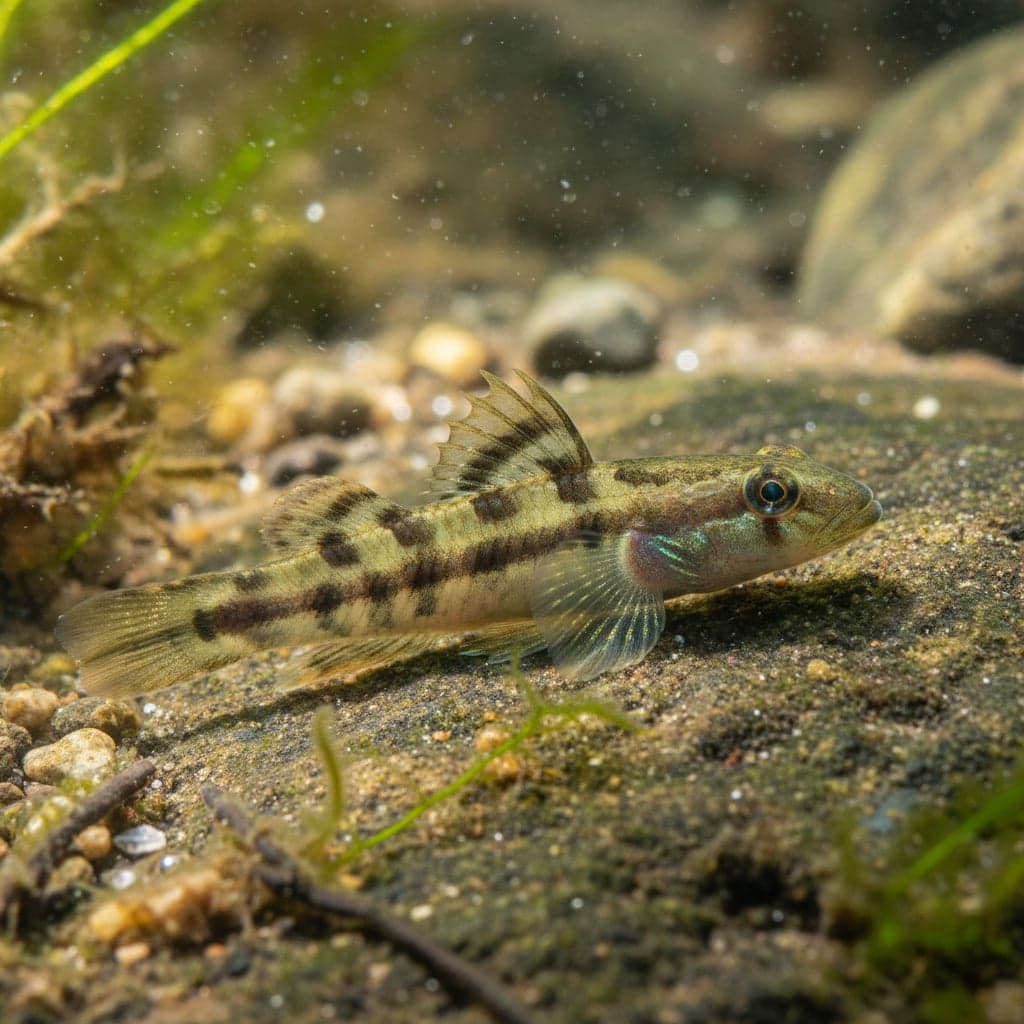
The Panda Loach, scientifically known as Yaoshania pachychilus, is an enchanting freshwater fish that has captured the attention of aquarists around the world. Renowned for its striking appearance, the Panda Loach showcases a body adorned with a creamy white base embellished with bold black markings, reminiscent of the beloved giant panda. This unique coloration not only adds a visual centerpiece to aquariums but also makes it a standout species in the diverse landscape of freshwater fish. Its active nature and playful behavior contribute to its significant allure, making it a favorite among both novice and experienced aquarium enthusiasts.
In addition to its aesthetic charm, the Panda Loach holds cultural and ecological importance within its native habitat. Historically, this species has often been celebrated in the aquarium hobby for its engaging personality, making it a beloved choice for community tanks. With environmental concerns affecting many aquatic habitats, the Panda Loach serves as a reminder of the biodiversity and fragility of freshwater ecosystems, highlighting the need for responsible sourcing and care in the aquarium industry.
Natural Habitat & Origin
The Panda Loach is indigenous to the mountain streams and rivers of China, specifically found in regions like the Yunnan province. It inhabits clear and slow-moving waters, often characterized by a gentle current, where it thrives among rocks, leaf litter, and dense vegetation. The natural habitat of the Panda Loach features shaded areas due to surrounding foliage, creating a tranquil environment that supports its lifestyle and breeding patterns. These waters typically have a low to moderately acidic pH and are known for their rich biodiversity, making the preservation of such habitats vital for the continued existence of this fascinating species.
The unique ecological system in which the Panda Loach resides comprises both blackwater and clearwater environments, providing essential elements for its growth and survival. The water is often soft with low mineral content, creating an optimal setting for the Panda Loach to flourish. Being accustomed to such specific environmental conditions, it is crucial for aquarium keepers to replicate these aspects to ensure the health and well-being of this stunning fish.
Care Requirements
To maintain a thriving environment for the Panda Loach, specific water parameters should be observed. The ideal pH range for these fish falls between 6.0 and 7.5, with a temperature between 22°C to 28°C (72°F to 82°F) and soft to moderately hard water (2-12 dGH). Given its active nature, a minimum tank size of 75 liters (20 gallons) is recommended, enabling them to swim freely and exhibit natural behaviors.
When setting up the tank, it is essential to incorporate fine, dark substrate to mimic their natural habitat. Adding plenty of hiding spots through rocks, driftwood, and lush aquatic plants not only enhances the aesthetic but also provides security for the fish. Moderate lighting is ideal, along with plenty of shaded areas, which can be created using floating plants or tall aquatic vegetation, allowing the Panda Loach to feel comfortable and secure in its environment.
Diet & Feeding
The Panda Loach is classified as an omnivore, showcasing a diverse palate in the wild. In captivity, feeding can comprise high-quality flakes, pellets designed for bottom feeders, and frozen or live foods like bloodworms, brine shrimp, and daphnia. A well-rounded diet replicates the nutritional variety they would encounter in their natural habitat, promoting health and vitality. It is wise to offer meals 2-3 times a day while monitoring how much food is consumed to avoid overfeeding and water quality issues.
Incorporating vegetable-based foods such as blanched zucchini or spinach can also be beneficial, providing essential fiber and variety in their diet. Ensuring a balanced nutritional intake is crucial for maintaining the energy levels and overall well-being of the Panda Loach, which are particularly active during feeding times.
Behavior & Temperament
The Panda Loach exhibits a lively and inquisitive temperament that enhances the dynamics of any aquarium. They tend to be social and should ideally be kept in small groups (minimum of 4-6) to promote natural behavioral patterns, contributing to their overall happiness and well-being. This species is typically peaceful and does not exhibit aggressive behaviors, making them excellent companions in community aquariums.
In terms of vertical placement, Panda Loaches prefer the lower to mid-level areas of the aquarium where they can explore substrates and within plant cover. Their active swimming behavior and penchant for foraging enhance the interaction within the tank while maintaining social bonds with their companions, making them an exciting addition to any freshwater aquarium.
Tank Mates
When selecting tank mates for the Panda Loach, it is critical to choose species that share similar water conditions and temperaments. Compatible companions include smaller tetras, rasboras, and peaceful cichlid species such as Apistogramma. Additionally, other loach species that are non-aggressive are also suitable. It is essential to avoid larger, aggressive fish that may see the Panda Loach as a target, as well as those species that compete for the same food resources.
Caution should be exercised with fin-nippers like some barbs, as they may cause stress or injury to the Panda Loach. Keeping the tank environment peaceful and stress-free ensures that all inhabitants can thrive, fostering a successful community aquarium.
Breeding
Breeding the Panda Loach in captivity can be a challenge, as it requires precise conditions to stimulate spawning behavior. The Panda Loach typically spawns during the rising water level of the rainy season in their natural habitat, prompting a need for specific environmental triggers in the aquarium. To encourage breeding, it is suggested to perform large water changes with slightly cooler, soft water, raising the temperature incrementally to simulate the rainy season.
Creating a breeding setup that incorporates fine-leaved plants or spawning mops can give the females a suitable surface to lay eggs. Parents will exhibit spawning behaviors, with males courting females through a series of displays and gentle nipping. After spawning, it is advisable to remove the adult fish from the spawning area to protect the eggs, which typically hatch within 3 to 6 days, depending on water conditions.
Common Health Issues
Panda Loaches, like all fish species, are vulnerable to specific health issues if not properly cared for. Common ailments include ich (white spot disease), fin rot, and bacterial infections. Preventative measures include maintaining excellent water quality through regular water changes and monitoring parameters closely. Quarantining new fish before introducing them to the main tank reduces the risk of disease transmission.
Moreover, stress factors such as overcrowding or improper tank setups can lead to health problems. Observing your Panda Loach regularly for signs of illness, such as changes in behavior or appearance, can lead to early detection and treatment, ensuring these beautiful fish enjoy a long and healthy life in your aquarium.