Pantano Cichlid: Herichthys pearsei
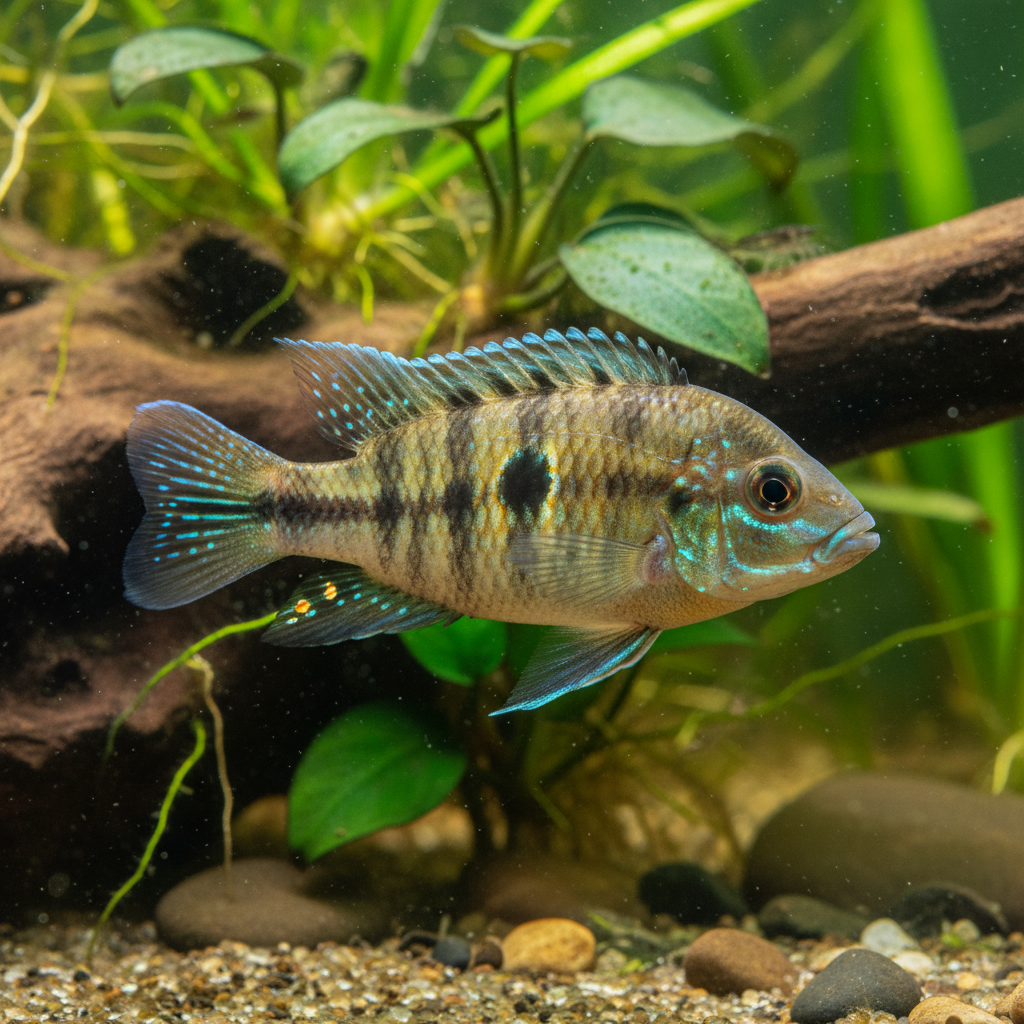
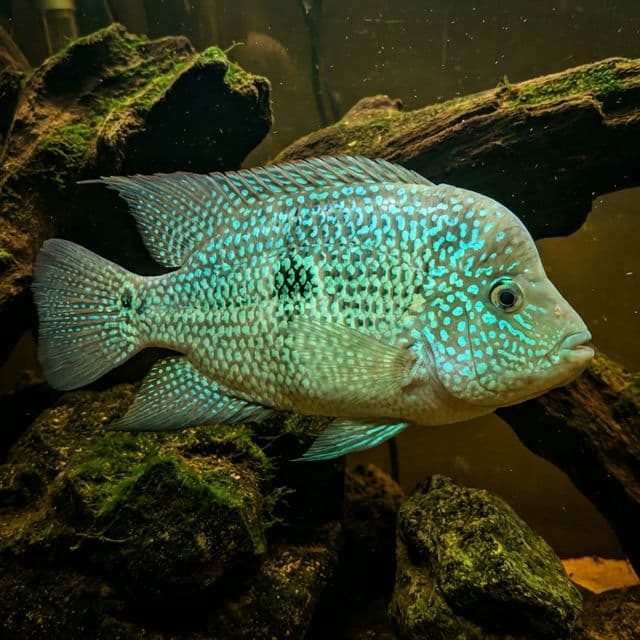
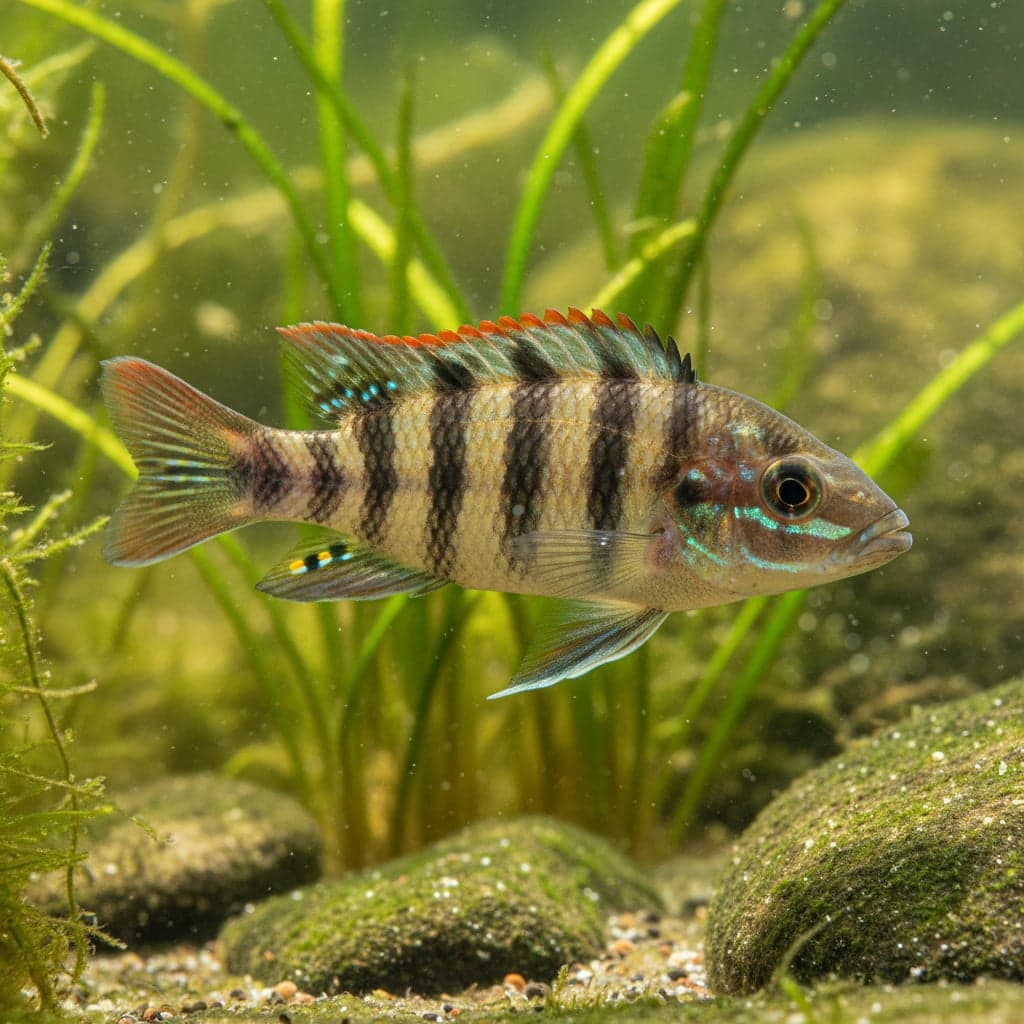
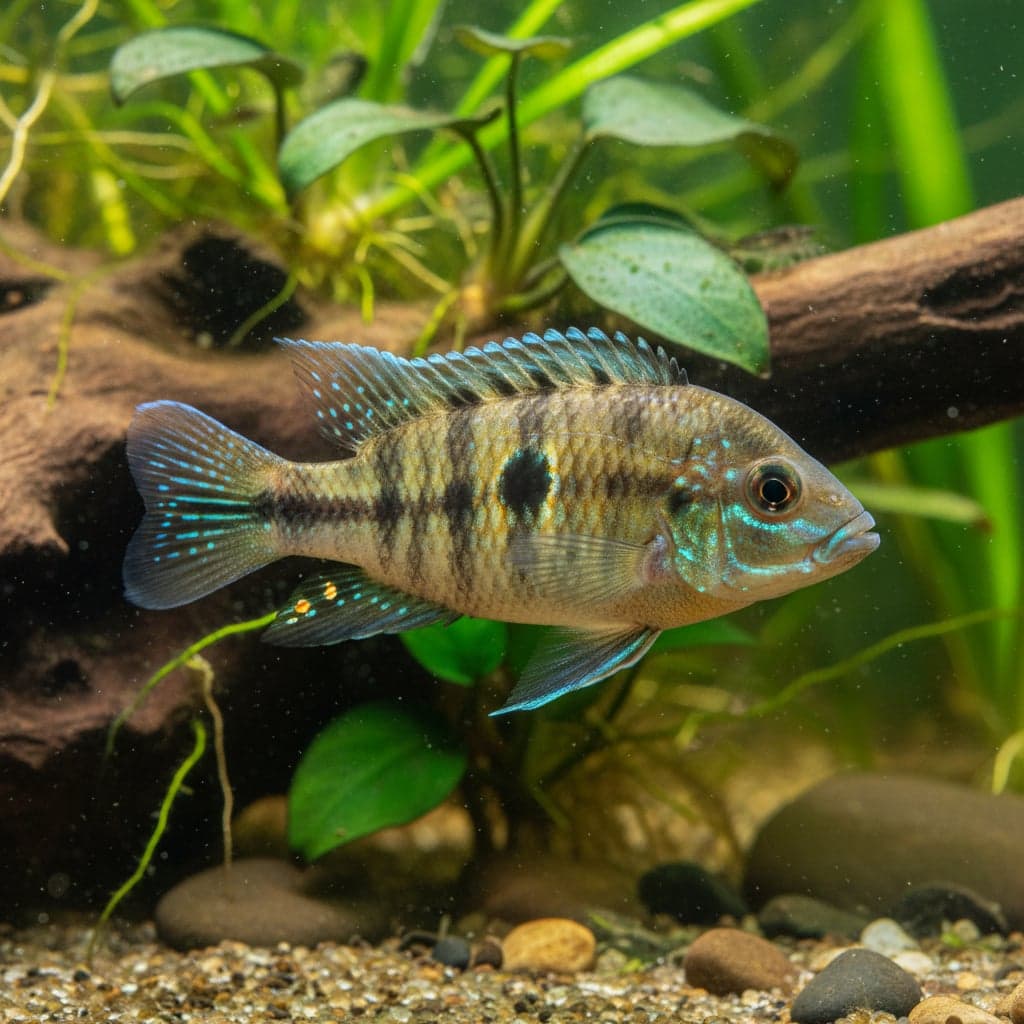
A colossal, highly herbivorous Central American cichlid featuring a glowing golden-green body with a dark trailing blotch.
Pantano Cichlid
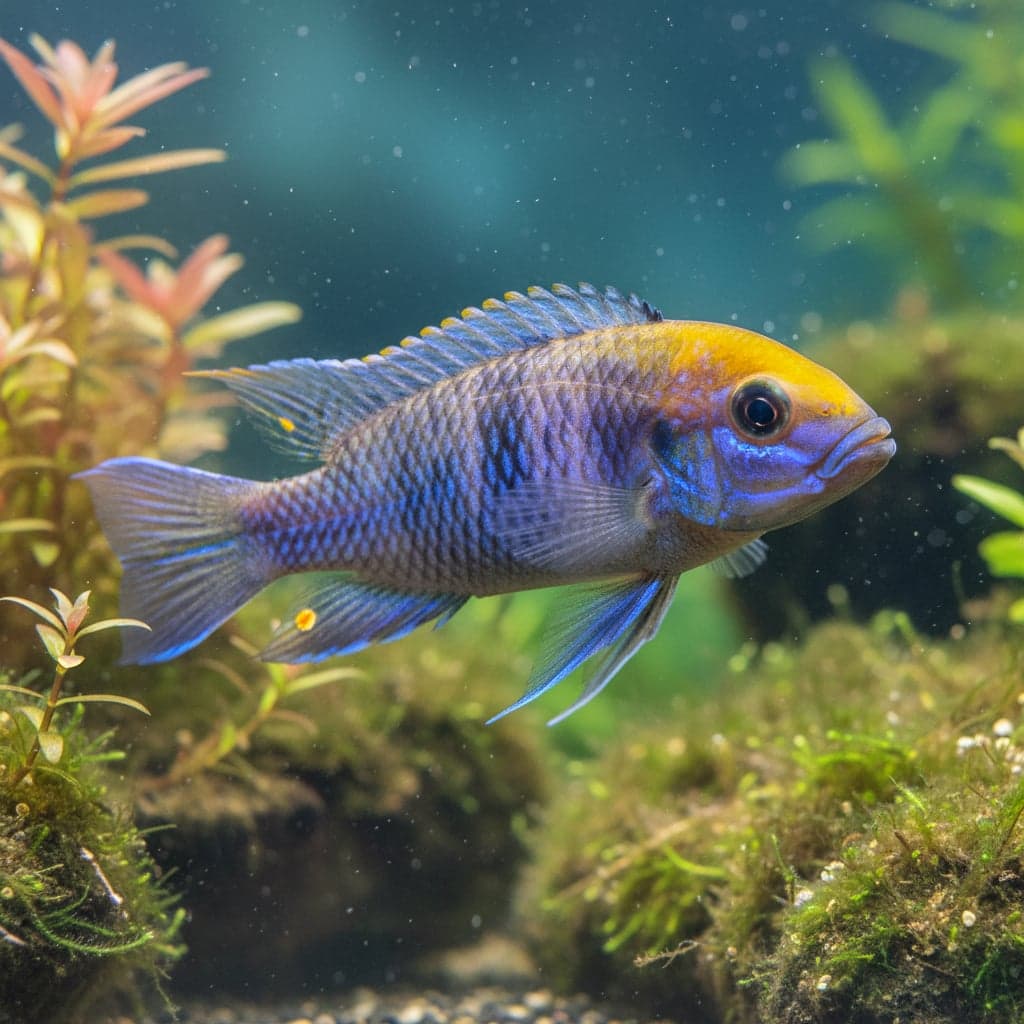
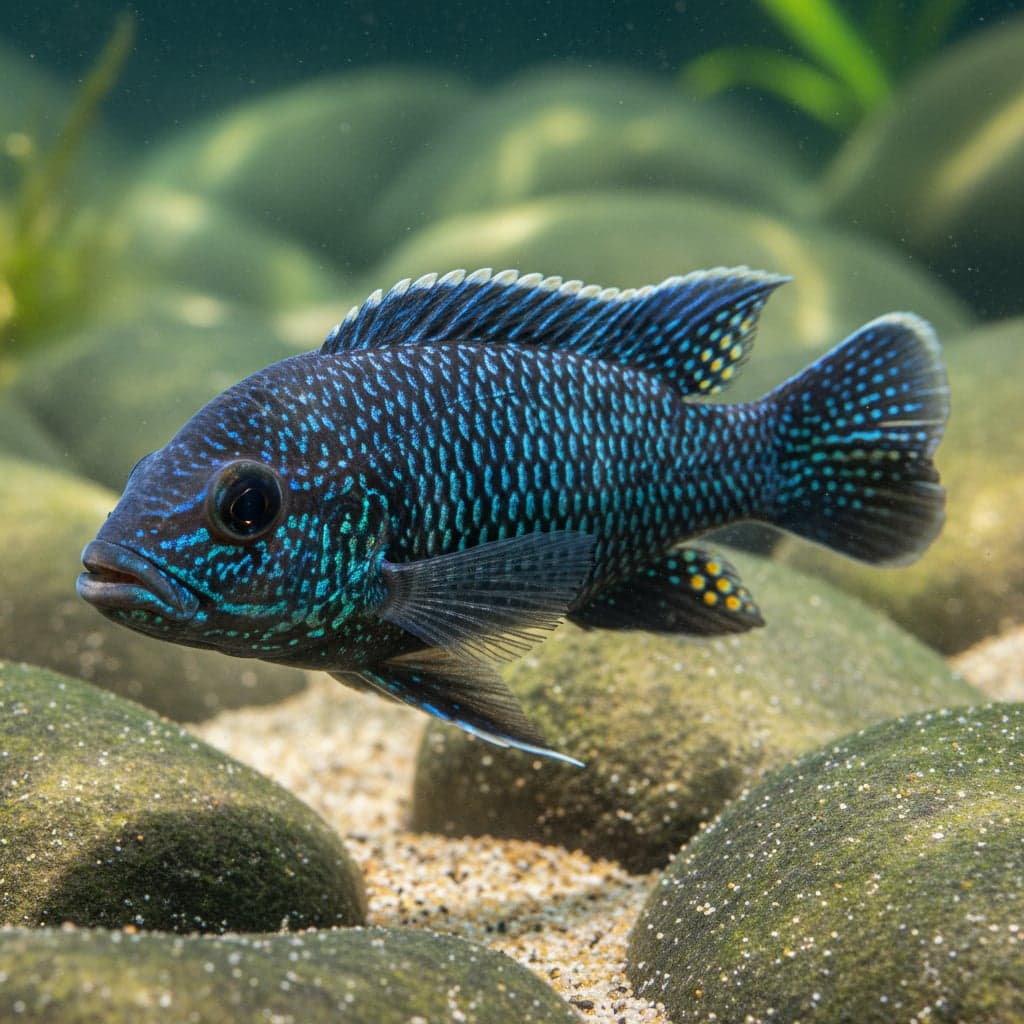
The Pantano Cichlid, scientifically known as Herichthys pearsei, is a striking freshwater fish that hails from the Central American region, primarily found in the Pantano River basin. This vibrant species is renowned for its dazzling coloration, characterized by a shimmering blue or teal body dappled with bold orange or red spots, particularly prominent during spawning. These stunning visual attributes make the Pantano Cichlid a prized addition to aquariums, admired by both novice and experienced aquarists alike. Its presence can transform a standard aquarium into a captivating aquatic landscape, making it a must-have for enthusiasts seeking to enhance the aesthetic appeal of their aquatic setups.
The significance of the Pantano Cichlid extends beyond its beauty; it plays a vital role in the ecological balance of its natural habitat. Its adaptability in various water conditions and breeding behaviors have made it a subject of interest in the aquarium hobby, attracting those keen on breeding and conservation efforts. As an engaging fish known for its personality, the Pantano Cichlid also serves as a prime example of the complex behaviors and interactions seen within cichlid species, providing hobbyists an opportunity to observe and learn about the dynamics of cichlid care and management.
Natural Habitat & Origin
The Pantano Cichlid is originally found in the freshwater ecosystems of Central America, specifically in the Pantano River basin. This region is characterized by slow-moving waters that are often interspersed with submerged vegetation and rocky substrates. The natural environment of the Pantano Cichlid includes a mix of blackwater and clearwater conditions, where decaying plant matter contributes to the darker hues of the water while still allowing light penetration for aquatic plants. Understanding its natural habitat is essential for recreating an optimal aquarium environment that reflects its ecological requirements.
Ecological factors such as water temperature, pH, and hardness in the Pantano River basin vary, generally ranging from warm temperatures (around 24°C to 28°C or 75°F to 82°F). These conditions play a crucial role in influencing the Pantano Cichlid's growth patterns and social behaviors, making it imperative for aquarists to replicate such parameters in a home aquarium for the health and wellbeing of their fish.
Care Requirements
For optimum care, the Pantano Cichlid requires specific water parameters to thrive. The ideal pH level should be maintained between 6.5 and 8.0, while the water temperature should ideally range from 24°C to 28°C (75°F to 82°F). Hardness levels should fall between 8 to 15 dGH to mimic their natural habitat. In terms of tank setup, a minimum tank size of 75 gallons is recommended, as Pantano Cichlids can grow quite large and require ample swimming space.
The substrate should consist of smooth gravel or sand to prevent injury to the fish and maintain an aesthetically pleasing environment. Incorporating hiding spots made from driftwood, rocks, and PVC pipes is essential, as these fish can exhibit territorial behavior, especially during breeding. Moderate lighting with the addition of live plants like Java fern or Anubias can further enhance the environment, providing shelter while also mimicking their natural habitat.
Diet & Feeding
The Pantano Cichlid is an omnivorous species that thrives on a varied diet to maintain health and vibrancy. In captivity, it is essential to provide a well-balanced nutrition plan that includes high-quality cichlid pellets designed for their specific dietary needs. Supplementing their diet with a mix of flakes, frozen foods such as bloodworms and brine shrimp, and occasional live foods will ensure they receive all necessary nutrients and vitamins.
It is crucial to feed the Pantano Cichlid two to three times per day while only providing what they can consume within a few minutes to avoid overfeeding and subsequent water quality issues. By offering a diverse diet, aquarists can promote healthy growth, vibrant coloration, and overall well-being of this beautiful cichlid.
Behavior & Temperament
The Pantano Cichlid is known for its assertive and sometimes aggressive demeanor, particularly as it matures. While they can be kept in community tanks with care, they are generally better suited for semi-aggressive setups. Adult Pantano Cichlids may establish territories in the aquarium, especially during breeding seasons, and are known to engage in displays of dominance.
In terms of social behavior, they are not inherently schooling fish but can exhibit social interactions with tank mates, particularly when they have ample space and hiding spots. As they tend to occupy the middle to bottom levels of the tank, positioning tank decorations strategically can help mitigate aggression and provide adequate territory and shelter for all inhabitants.
Tank Mates
When choosing tank mates for the Pantano Cichlid, it is imperative to consider species that can tolerate similar water parameters and exhibit compatible temperaments. Suitable companions include larger, robust cichlids such as other Herichthys species, some New World cichlids like Jack Dempsey or Convict Cichlids, and various catfish like the Synodontis or Corydoras.
Conversely, it is advisable to avoid smaller, peaceful fish like tetras or guppies, as they may become targets for aggression or fin nipping. It is also wise to keep slow-moving species out of the same tank to ensure a harmonious aquatic environment. When selecting tank mates, ensure that the tank is spacious enough for multiple species, allowing for the establishment of territories.
Breeding
Breeding Pantano Cichlids can be a rewarding endeavor for aquarists seeking to propagate this stunning species. To stimulate breeding behavior, conditions should closely resemble their natural habitat—maintaining slightly warmer water temperatures (around 26°C to 30°C or 79°F to 86°F) and slightly acidic to neutral pH levels. The availability of flat surfaces for spawning is crucial; many breeders provide terracotta pots or flat stones where the female can lay her eggs.
During breeding, the male typically engages in courtship dances and displays vibrant coloration to attract the female. After successful spawning, it is advisable to separate the spawn from community tanks, as parent Cichlids will become more aggressive in defending their eggs and fry. The eggs usually hatch within 3 to 5 days, with fry requiring fine food such as micro-worms or powdered flakes for initial feeding.
Common Health Issues
The Pantano Cichlid can be susceptible to specific health issues, particularly if kept in less-than-ideal conditions. Common diseases include ich, which manifests as white spots on the fish's body, and other parasitic infections. Additionally, they may experience stress-related issues such as fin rot if water quality deteriorates.
Preventative measures such as regularly monitoring water quality, maintaining appropriate levels of ammonia, nitrites, and nitrates, and providing a stress-free environment through proper tank setup are essential. Routine observation and immediate treatment upon noticing any symptoms or signs of illness will significantly contribute to the long-term health of Pantano Cichlids, ensuring their vibrancy and liveliness in the aquarium.