Panther Danio: Danio aesculapii
A highly active, beautifully patterned danio species featuring rows of delicate black spots along its flank.
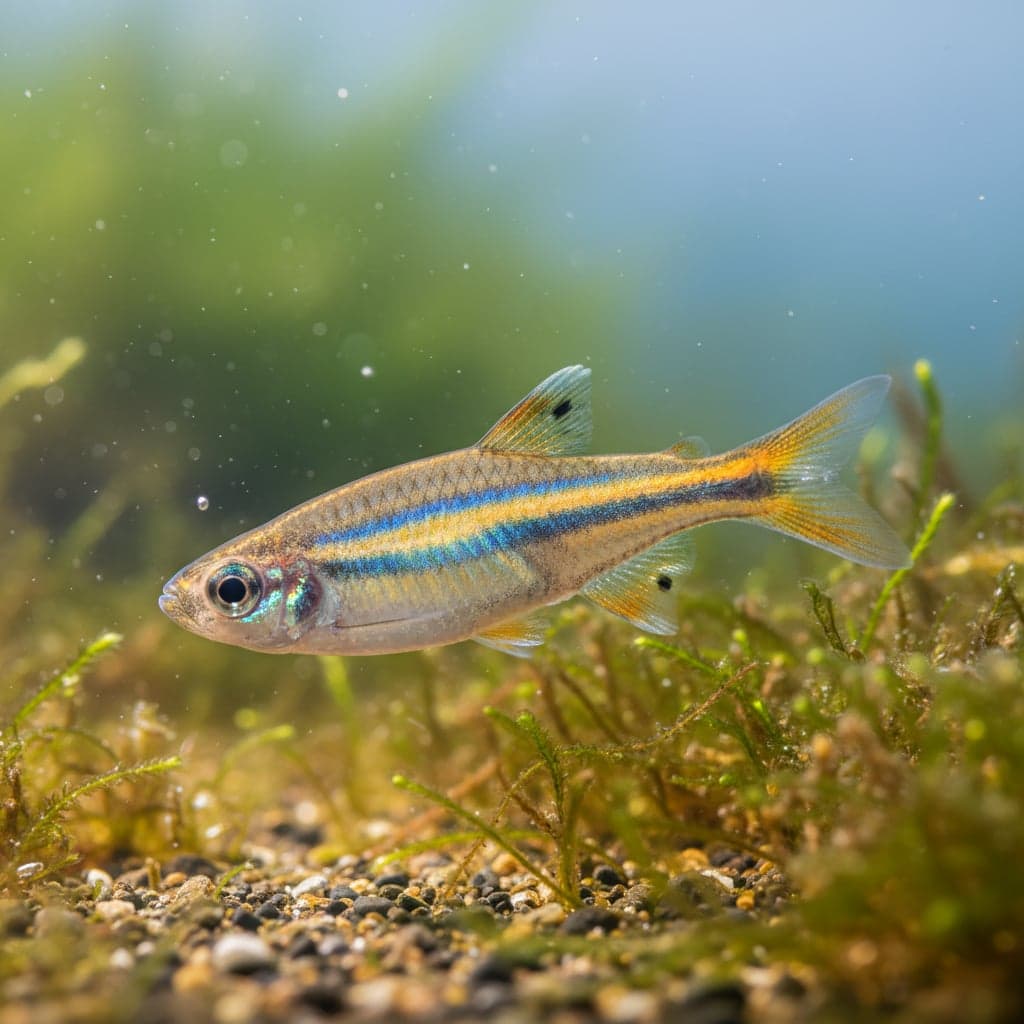
Panther Danio
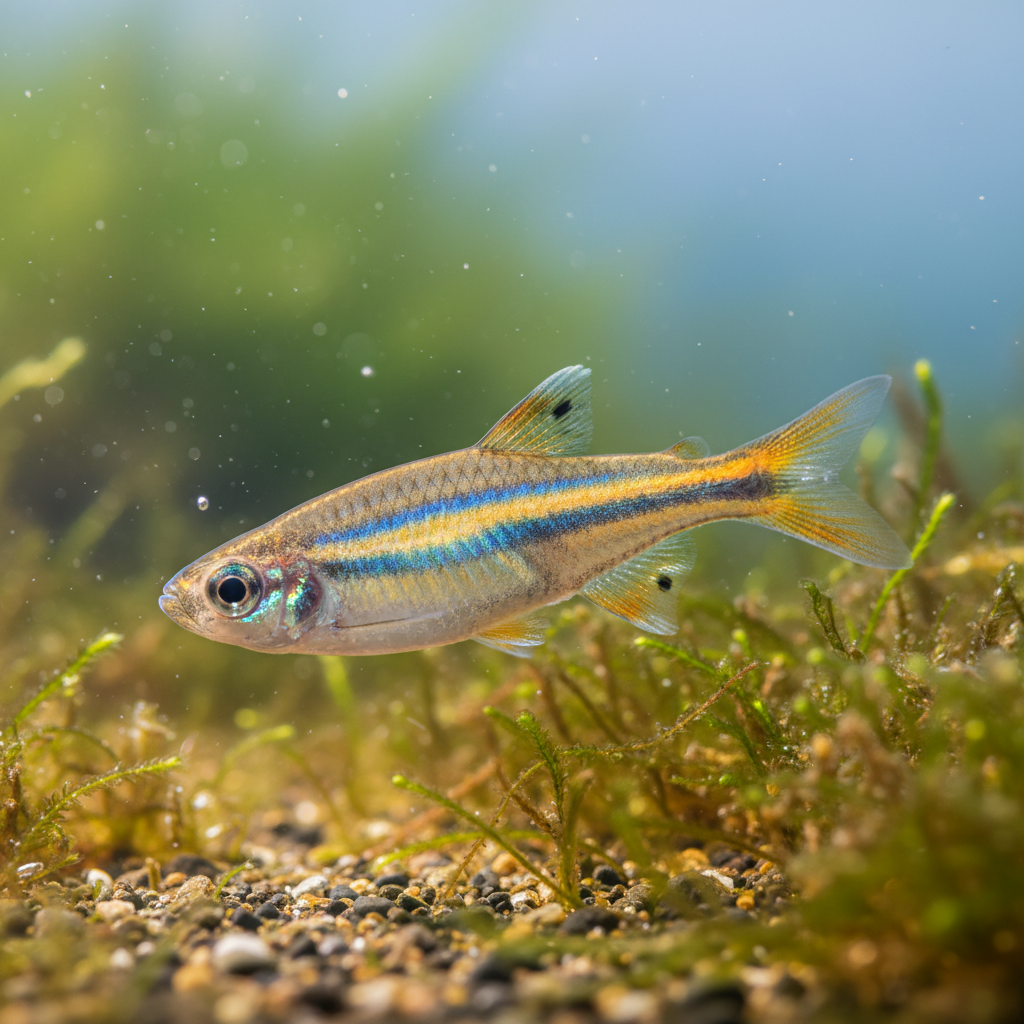
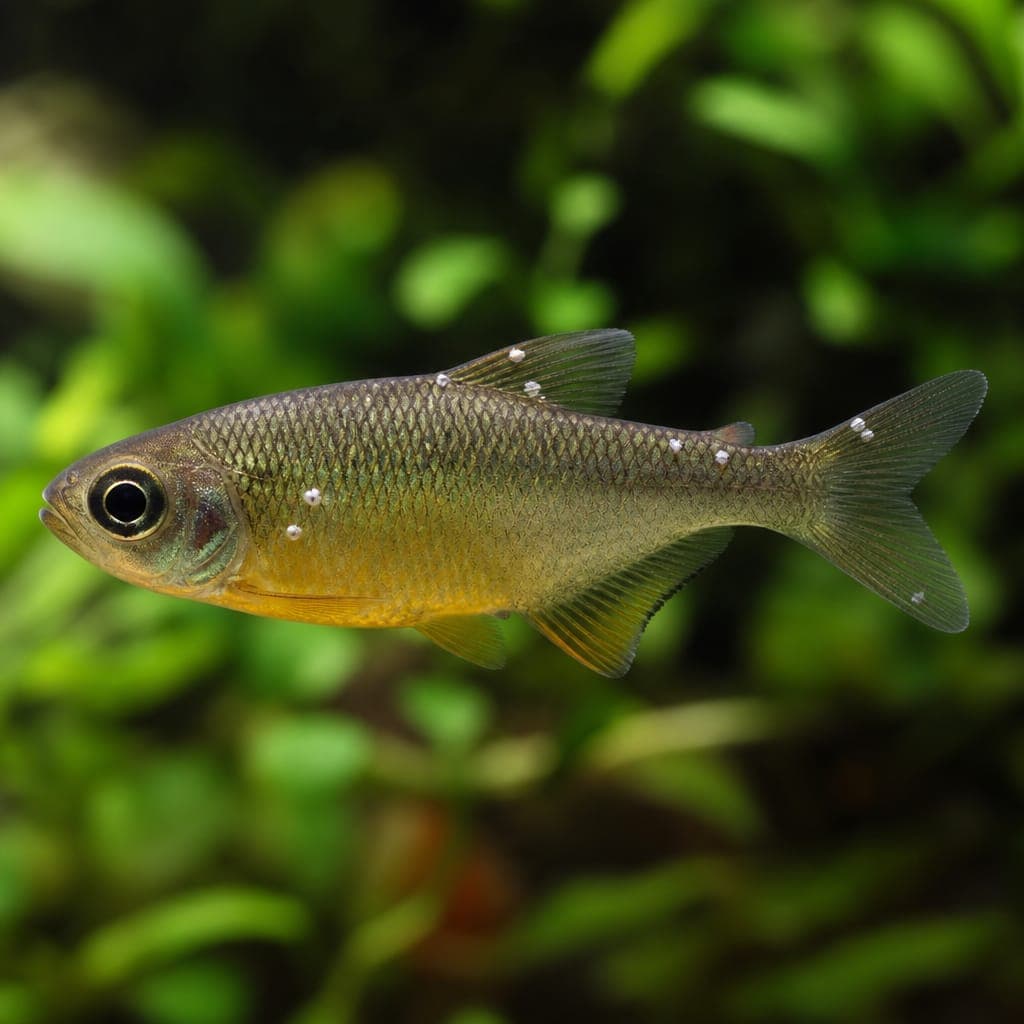
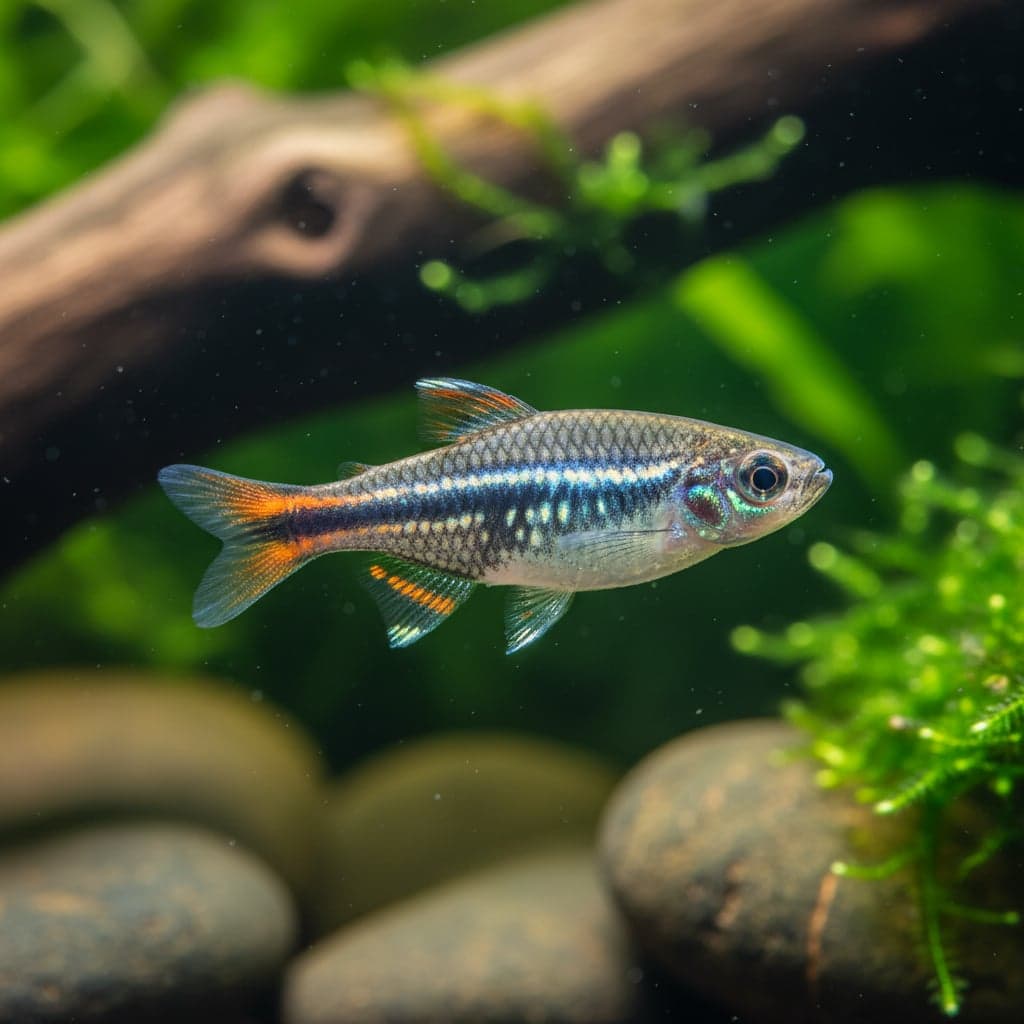
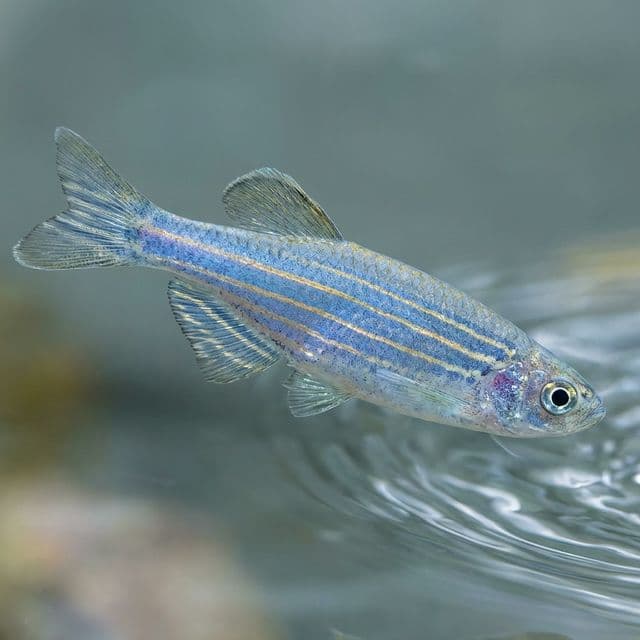
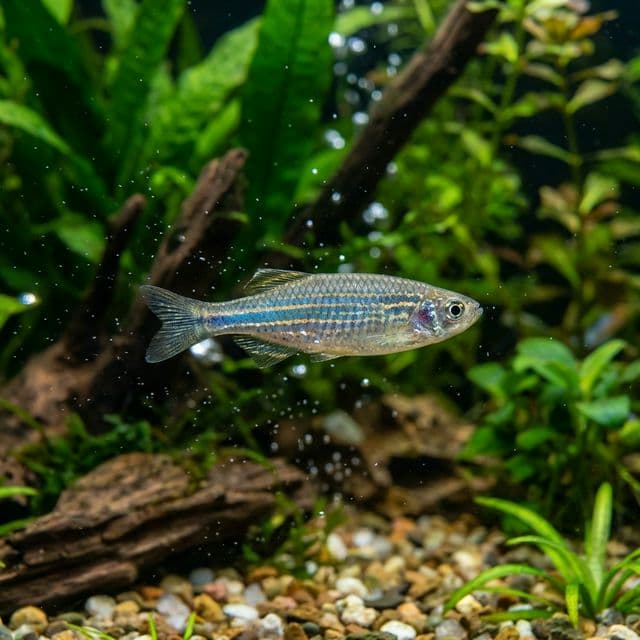
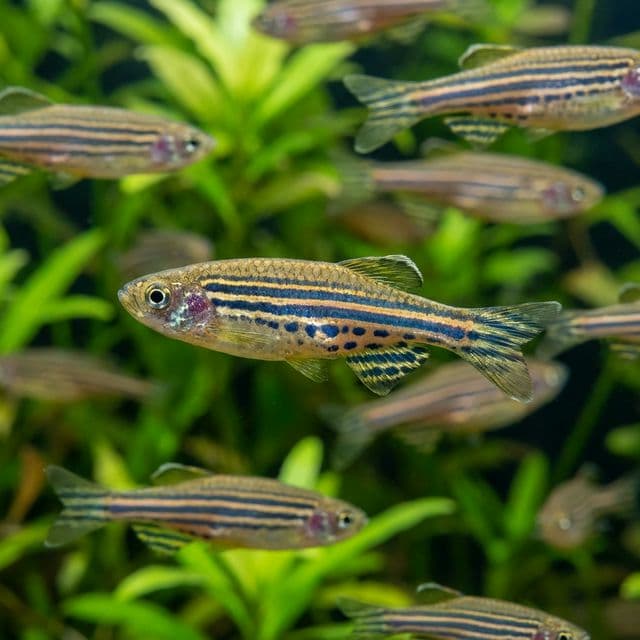
The Panther Danio (Danio aesculapii) is an exquisite freshwater fish that has garnered attention for its striking appearance and vibrant coloration. It features a base body color of silver to greenish-blue, adorned with a unique pattern of black vertical stripes, reminiscent of a panther’s spots, which gives this species its common name. This small fish typically reaches a length of 1.2-1.4 inches (3-3.5 cm), making it a perfect choice for both nano and larger aquariums. Its lively swimming style and social behavior make the Panther Danio a fascinating specimen, sure to be an eye-catching centerpiece in a community tank.
In the aquarium hobby, the Panther Danio is valued not just for its aesthetic appeal, but also for its hardiness and ease of care. This makes it ideal for both beginner aquarists and experienced keepers. With their energetic nature and delightful personalities, Panther Danios bring life to any aquatic environment. Their adaptability to various water conditions and compatibility with many species further enhances their significance in community tanks, making them a must-have for those looking to diversify their aquatic collections.
Natural Habitat & Origin
The Panther Danio is endemic to the Rakhine Yoma, the mountain range of western Myanmar, and was only formally described in 2009. These fish are typically found in clearwater streams and rivers, which are characterized by moderate to fast-flowing water rich in oxygen. The natural habitat of the Panther Danio is exceptionally diverse, with dense aquatic vegetation and rocky substrates offering refuge and foraging opportunities. The water in these areas tends to be slightly acidic to neutral in pH, possessing a temperature range of 20°C to 26°C (68°F to 79°F).
In their natural environment, Panther Danios thrive in a complex ecosystem where they encounter various organisms. The water conditions are often varied depending on the season, which can influence the availability of food sources. Providing similar environments in captivity is crucial for their overall well-being and can help replicate the conditions they are accustomed to in the wild.
Care Requirements
For optimal health and vibrancy, maintaining appropriate water parameters is essential for the Panther Danio. The recommended pH range is between 6.0 to 7.5, with a temperature between 22°C to 26°C (72°F to 79°F) and a hardness level of 5 to 15 dGH. A minimum tank size of 20 gallons is advisable for a small group, as these are social fish that thrive in schools of at least six.
The tank setup should include a clean substrate, such as fine gravel or sand, to mimic their natural bottom environment. Additionally, bright, moderate lighting is ideal since Panther Danios appreciate a well-lit environment that encourages plant growth. Incorporating live or artificial plants, as well as driftwood and rocks, can provide hiding spots and create a stimulating habitat that mimics their native waters.
Diet & Feeding
The Panther Danio is an omnivorous fish, naturally feeding on a diet that includes small invertebrates, algae, and plankton in the wild. In captivity, a well-rounded diet is essential for maintaining their health and color vibrancy. High-quality flakes and pellets formulated for tropical fish can serve as a staple diet. It's also beneficial to supplement their diet with occasional offerings of frozen or live foods such as brine shrimp, daphnia, and bloodworms.
Feeding should happen two to three times per day, ensuring the portions are small enough to be consumed within a few minutes to prevent overfeeding and water quality deterioration. This varied diet not only promotes a healthy and active fish but also enhances its natural coloration and overall appearance.
Behavior & Temperament
Panther Danios are known for their lively and playful behavior. They exhibit a strong schooling instinct, which means they feel most secure and thrive when kept in groups of at least six individuals. These fish will often engage in active swimming, darting around the tank, and exploring their environment with enthusiasm. Despite their energetic nature, Panther Danios are peaceful and display minimal aggression toward other species, making them excellent inhabitants of community tanks.
In terms of tank placement, Panther Danios primarily occupy the mid to upper levels of the aquarium, often seen swimming in the open water but occasionally venturing close to the substrate during feeding. Their social structure encourages interaction with both their own kind and compatible tank mates, thus creating a visually dynamic and interactive display in the aquarium.
Tank Mates
Selecting suitable tank mates for Panther Danios is crucial to maintaining a harmonious aquarium environment. They do well with a variety of other peaceful freshwater species. Compatible tank mates include Tetras (like Neon and Rummy Nose Tetras), smaller Rasboras, Guppies, and Corydoras catfish. These species share similar water requirements and social behaviors, ensuring a balanced community.
However, it’s advisable to avoid keeping Panther Danios with aggressive or territorial species such as Cichlids or large Barbs, as this can lead to stress and injury. Additionally, slow-moving fish with long fins, like Betta fish, should also be avoided due to the possibility of fin nipping. Ensuring that all fish in the tank can coexist peacefully will contribute to a serene and thriving aquarium.
Breeding
Breeding Panther Danios in captivity can be a rewarding experience, although achieving success does require some preparation. These fish are egg scatterers, meaning they will lay their eggs among the substrate or plants rather than exhibiting parental care. To encourage spawning, provide a separate breeding tank with soft, slightly acidic water and plenty of fine-leafed plants where they can deposit their eggs. A temperature range of 24°C to 26°C (75°F to 79°F) is ideal for breeding.
Once breeding conditions are met, the females will lay eggs, which should be promptly removed to avoid predation by the adults. The eggs typically hatch within 24-48 hours under optimal conditions. After hatching, the fry can be fed with infusoria until they are large enough to accept powdered fry food or finely crushed flakes, facilitating their growth and development into healthy adult Danios.
Common Health Issues
Like many aquarium fish, Panther Danios can be susceptible to certain health issues if not properly cared for. Common diseases include Ich (ichthyophthirius multifiliis), fin rot, and bacterial infections. Keeping water quality optimal through regular maintenance, water changes, and filtration is critical for prevention.
To minimize stress and bolster the fish's immune system, it’s important to maintain appropriate tank conditions such as stable temperature and pH. Observing your Panther Danios regularly for any signs of illness, such as lethargy or abnormal swimming behavior, allows for early detection and treatment. Quarantining new arrivals before adding them to the established community also helps prevent the introduction of diseases into the aquarium.
By paying close attention to their care, behavior, and environment, enthusiasts can ensure their Panther Danios lead healthy and vibrant lives.