Parallelus Cory: Corydoras parallelus
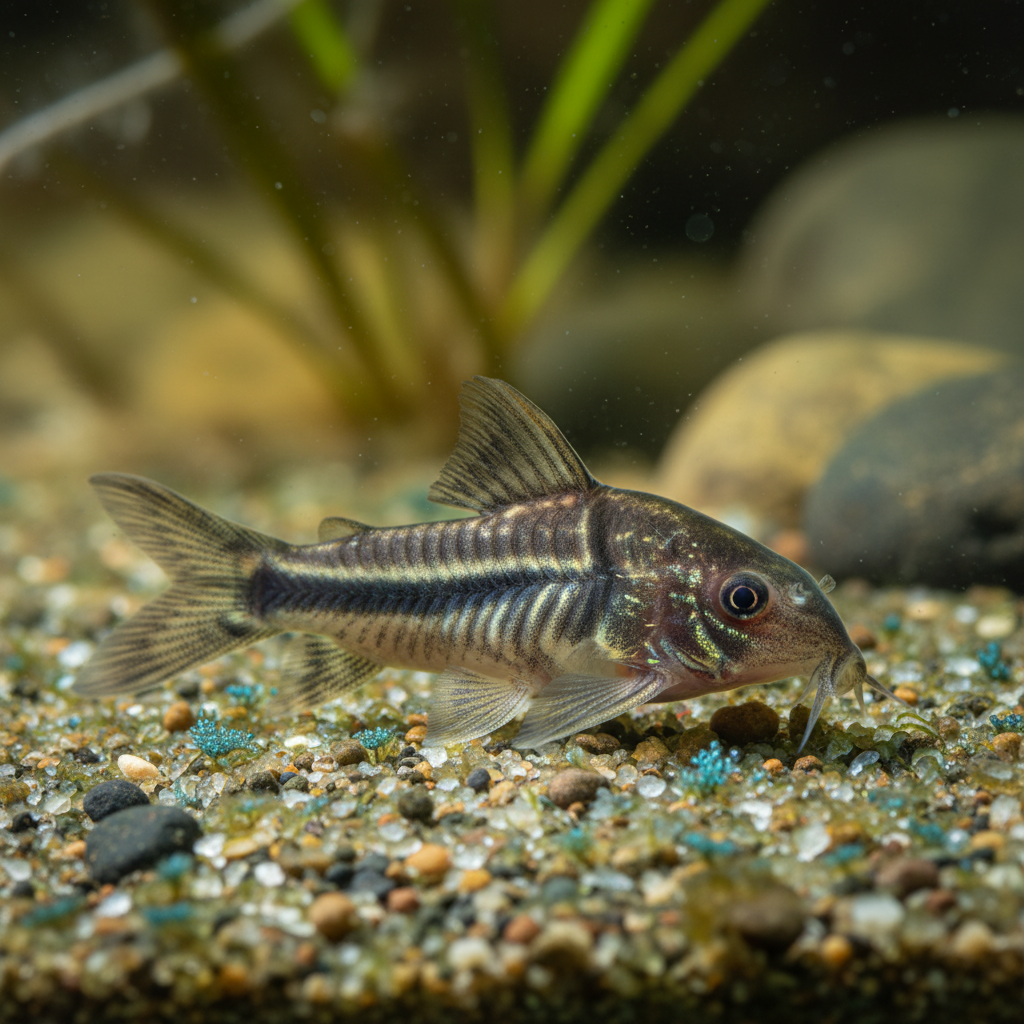
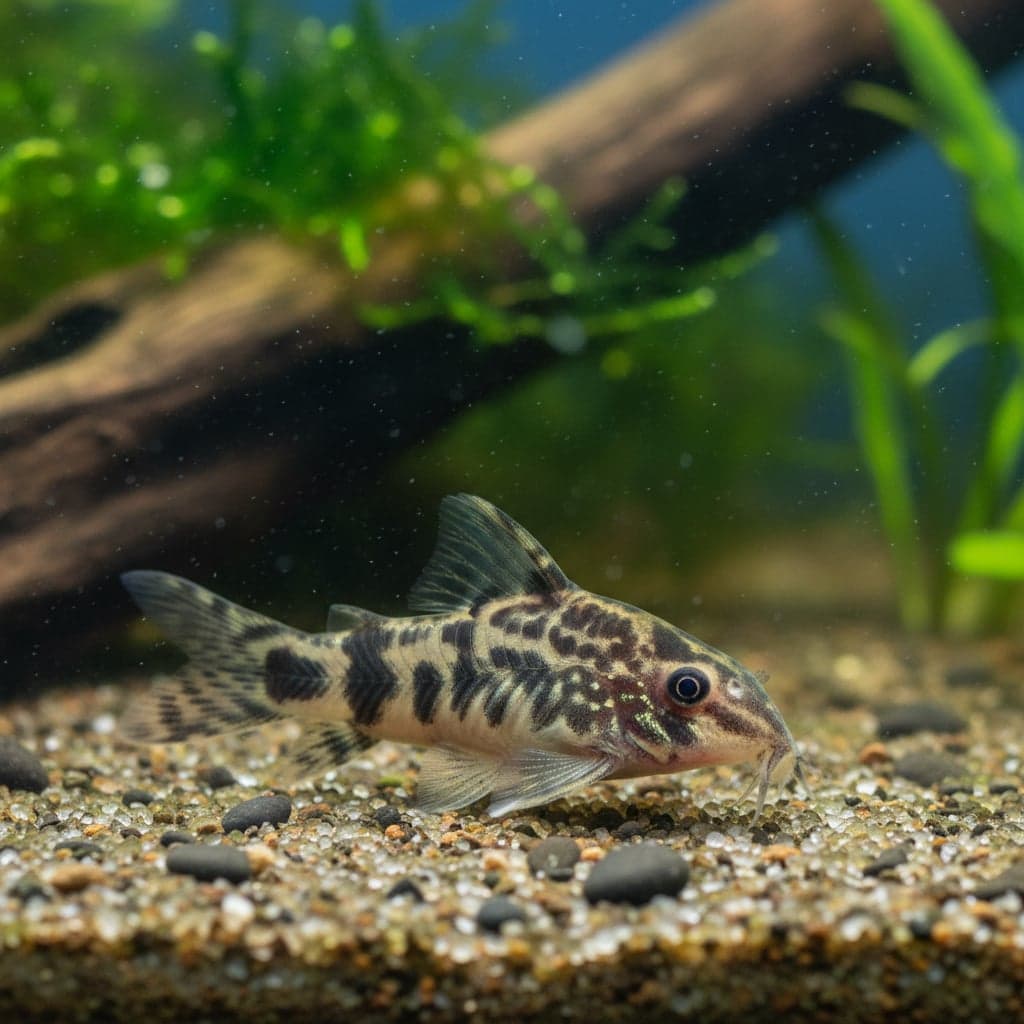
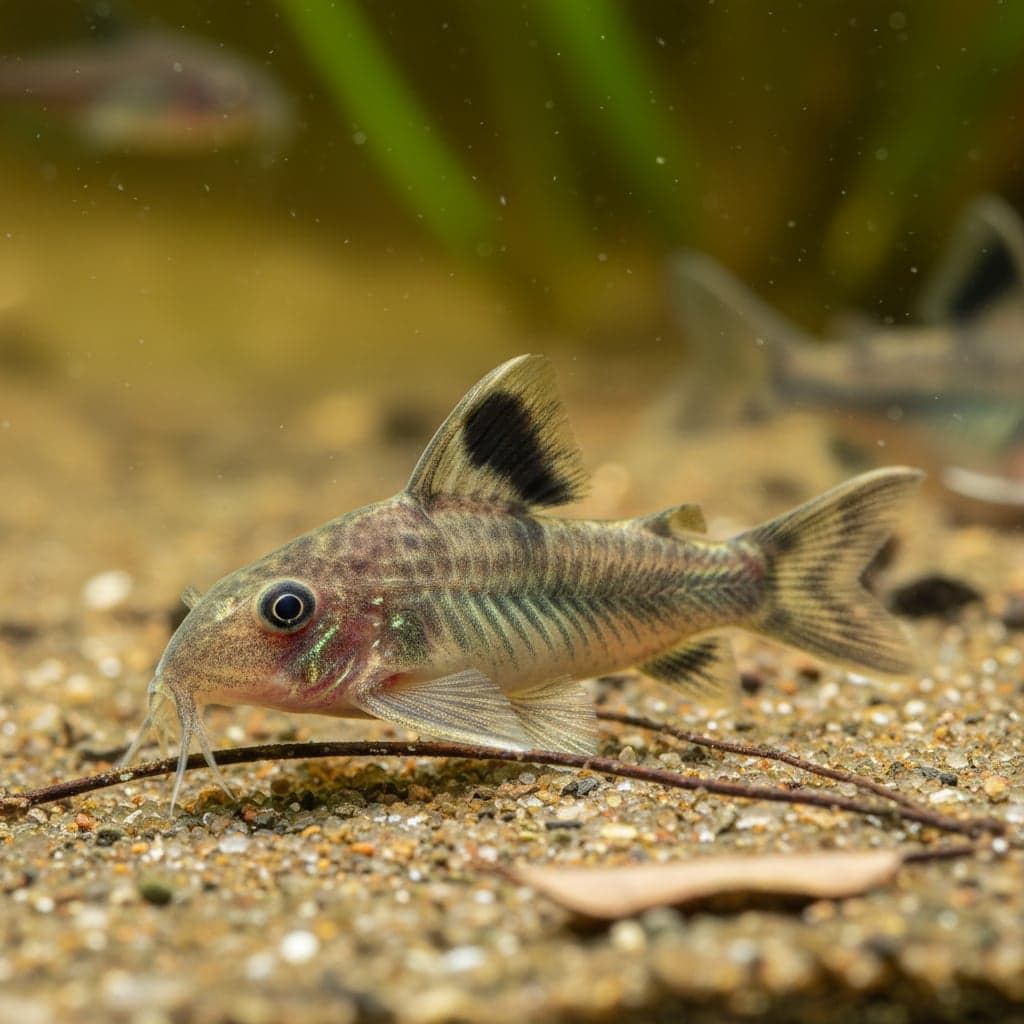
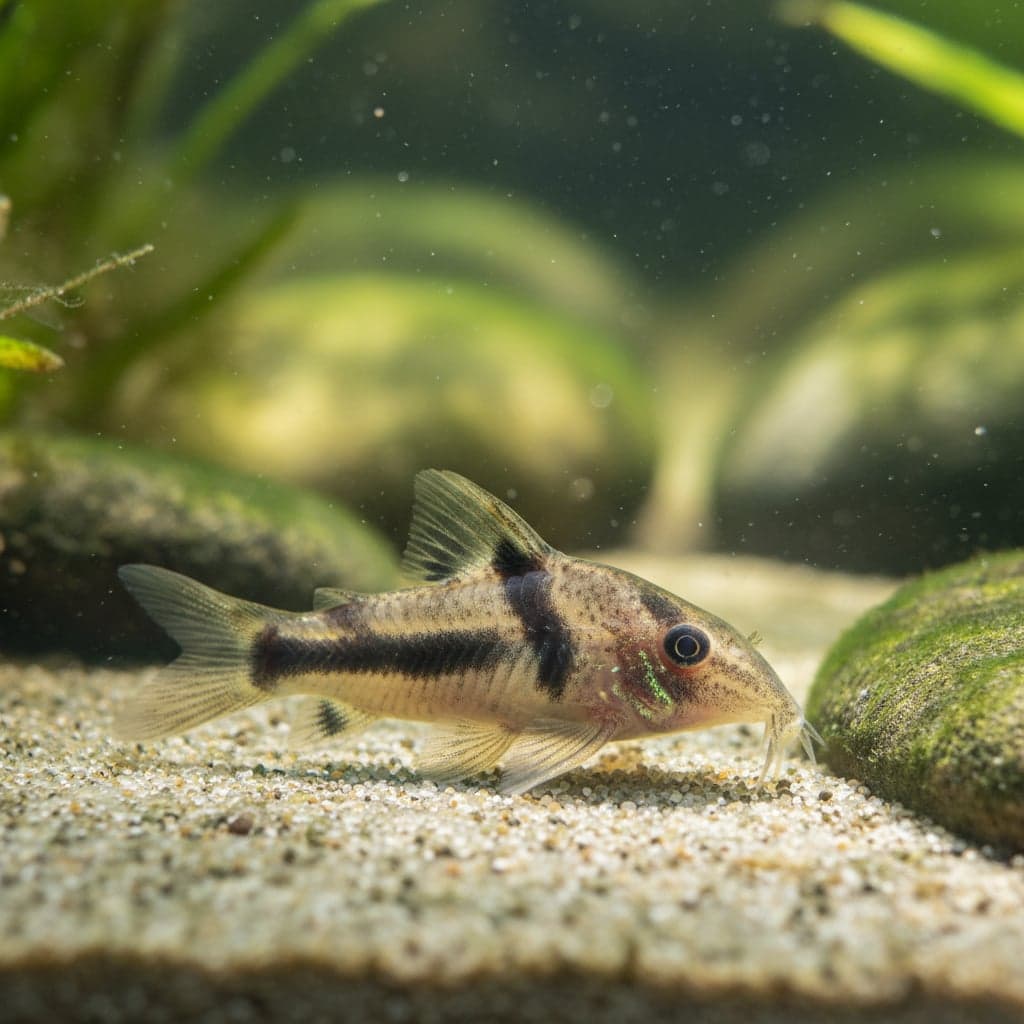
A stunning, highly prized corydoras featuring vivid double black stripes running parallel down its pale body.
Parallelus Cory
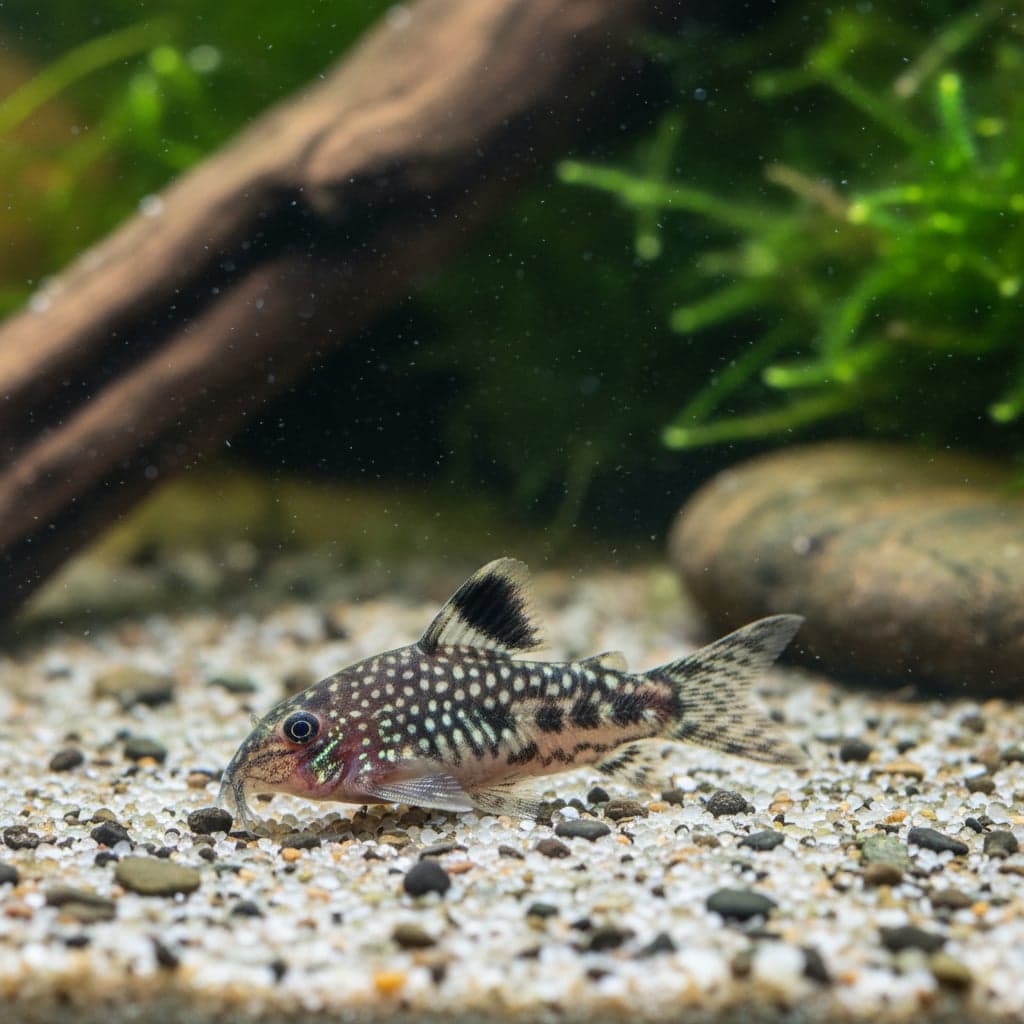
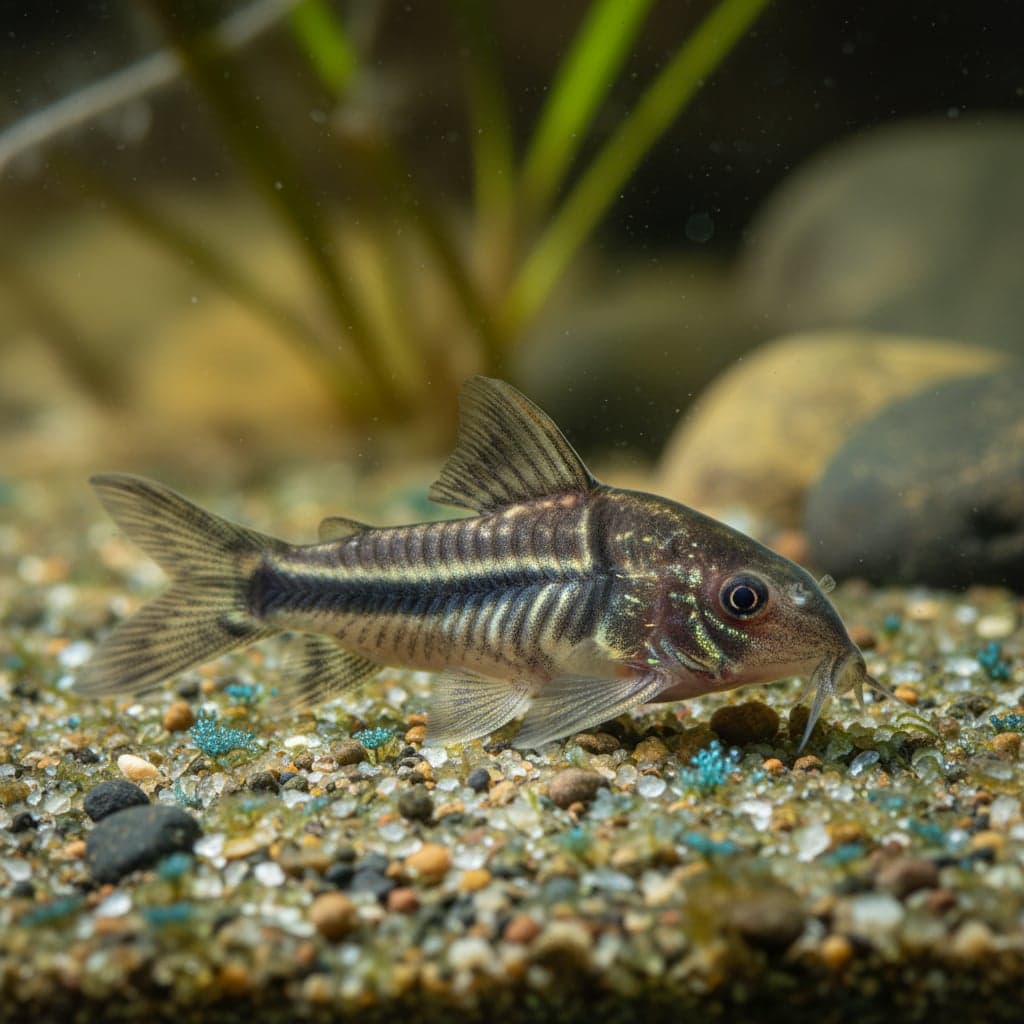
The Parallelus Cory, scientifically known as Corydoras parallelus, is a charming species of freshwater catfish that belongs to the family Callichthyidae. Known for their distinctive body shape and lively nature, these fish exhibit a beautiful pattern of horizontal black stripes against a pale background, making them an appealing choice for aquarists. This small yet vibrant fish reaches an adult size of about 2 to 3 inches, making it suitable for nano tanks as well as larger community setups. The Parallelus Cory not only enriches the visual ambiance of an aquarium but also plays a crucial role in the ecosystem it inhabits, facilitating the cleanup of detritus and uneaten food in the substrate.
In the aquarium hobby, the Parallelus Cory is highly valued for its peaceful demeanor and captivating behaviors. They are known for their social nature, often found in groups, which enhances their confidence and reduces stress. Their engaging antics while foraging on the substrate and interacting with tank mates provide endless entertainment for aquarists. Furthermore, the introduction of this species into community tanks not only promotes a healthy dynamic but also elevates the aesthetic appeal of the aquatic environment.
Natural Habitat & Origin
The Parallelus Cory originates from the Amazon River Basin, specifically found in regions of Brazil. This species thrives in sandy-bottomed streams and tributaries characterized by slow-moving waters rich in organic matter. Typically, these environments are classified as blackwater habitats, where the water is stained by tannins from decaying plant material. These natural conditions offer a unique ecological context, further emphasizing the importance of replicating similar parameters in aquarium settings for optimal health and wellbeing of these fish.
The waters of their natural habitat are generally soft and acidic, with a relatively low light penetration, which influences the flora and fauna present. In this rich biodiversity, the Parallelus Cory has adapted to a diet and lifestyle that takes advantage of the abundant microfauna and decaying organic materials available in such environments.
Care Requirements
To ensure the health and wellbeing of the Parallelus Cory, specific water parameters are crucial. The ideal pH level ranges from 6.0 to 7.5, with soft water hardness levels between 2 to 15 dGH, and a temperature range of 72°F to 78°F (22°C to 26°C). Maintaining stable water quality is essential for these sensitive catfish, so regular water changes and monitoring are advised.
When setting up their tank, a minimum size of 20 gallons is recommended, allowing for ample swimming space and social interaction. The substrate should be soft, such as fine sand or smooth gravel, to prevent injury to their delicate barbels. Lighting should be moderate, as these fish prefer subdued lighting conditions. Incorporating plenty of plants, driftwood, and hiding spots will mimic their natural habitat and provide essential shelter for comfort and security.
Diet & Feeding
As omnivores, the Parallelus Cory has a varied diet that includes algae, decaying plant matter, and small invertebrates. In captivity, a balanced diet can be achieved through high-quality flake food or sinking pellets designed for bottom feeders. Additionally, offering occasional frozen or live foods such as brine shrimp, daphnia, and bloodworms can enhance their nutrition and stimulate natural foraging behaviors. It's advisable to feed them small amounts 2 to 3 times daily, ensuring that leftovers are promptly removed to maintain water quality.
Behavior & Temperament
The Parallelus Cory is renowned for its peaceful and sociable behavior, making it an excellent addition to community tanks. They thrive in groups of six or more, as this schooling behavior not only fosters a sense of security but also leads to more vibrant interactions. These fish usually occupy the bottom layer of the tank but are not shy about occasionally exploring mid-water, especially in search of food. Their cooperative nature makes them compatible with various other peaceful species, while they exhibit minimal aggression or territoriality.
Tank Mates
When selecting tank mates for the Parallelus Cory, consider other community fish that share similar water requirements and temperament. Suitable companions include Tetras (such as Neon Tetras and Rummy-nose Tetras), Rasboras, Guppies, and peaceful Gouramis. Conversely, it is best to avoid larger or aggressive species, like Cichlids or aggressive barbs, as they may pose a threat to the much smaller and docile Parallelus Cory. Additionally, ensuring that all tank mates are peaceful will help maintain a harmonious aquatic environment.
Breeding
Breeding the Parallelus Cory in captivity is a rewarding yet slightly challenging endeavor. Successful spawning occurs in well-maintained water conditions, typically involving a slight temperature drop and targeted feeding regimen that includes high-quality live or frozen foods. When ready to breed, the female will appear noticeably fuller and may become more active.
Spawning often takes place in the early morning, and the fish will scatter eggs on flat surfaces such as plants or aquarium glass. After laying eggs, it’s best to separate the parents from the fry to prevent them from consuming the newly hatched eggs. The eggs hatch within 3 to 4 days, after which the fry can be fed infusoria or finely crushed flakes until they grow larger.
Common Health Issues
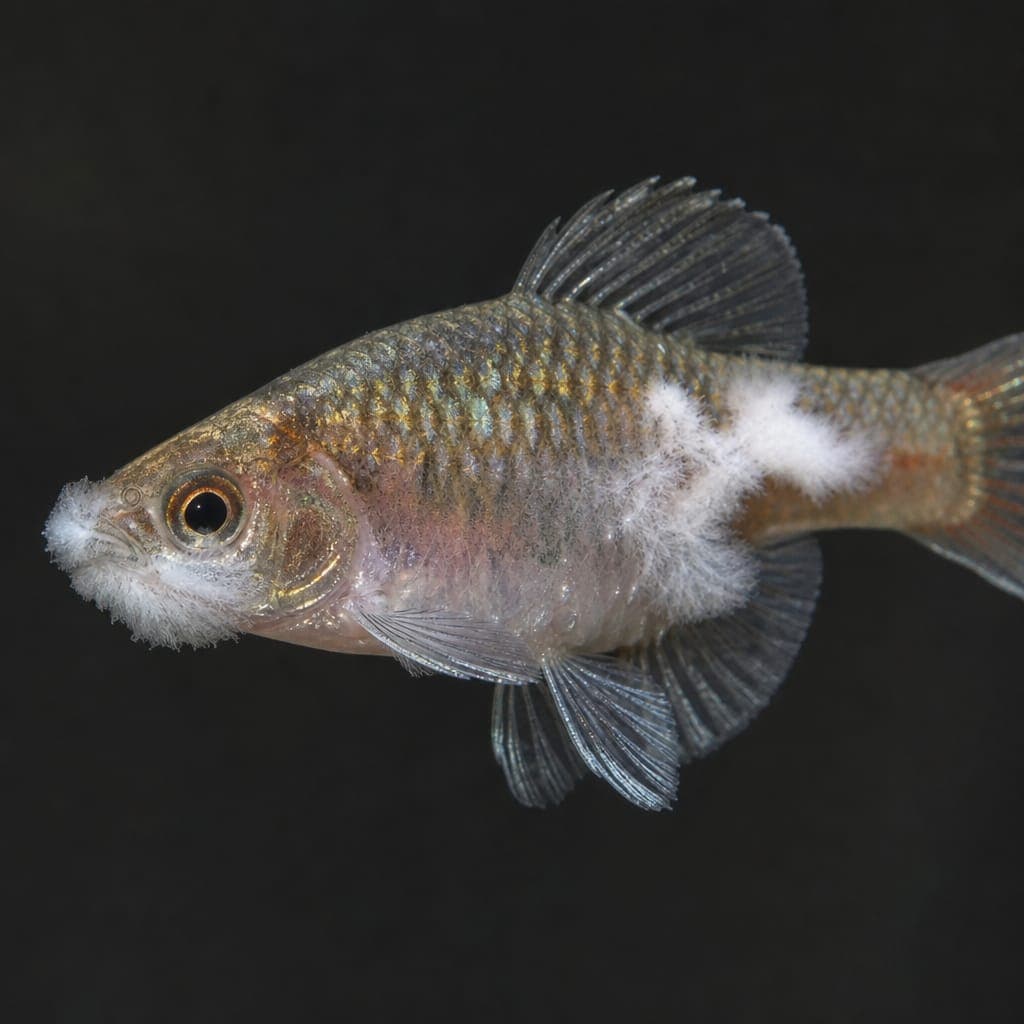
The Parallelus Cory is generally a hardy species; however, they can be predisposed to specific health challenges, such as ich (Ichthyophthirius multifiliis), fungal infections, and bacterial diseases. Signs of distress may include rapid gill movement, lethargy, loss of appetite, or visible lesions. To prevent these issues, maintain excellent water quality, perform regular water changes, and avoid overstocking the aquarium. Quarantining new arrivals prior to introduction can also help mitigate the risk of introducing pathogens to the established tank. Regular monitoring and prompt treatment at the first sign of illness are key to ensuring a thriving Parallelus Cory population.