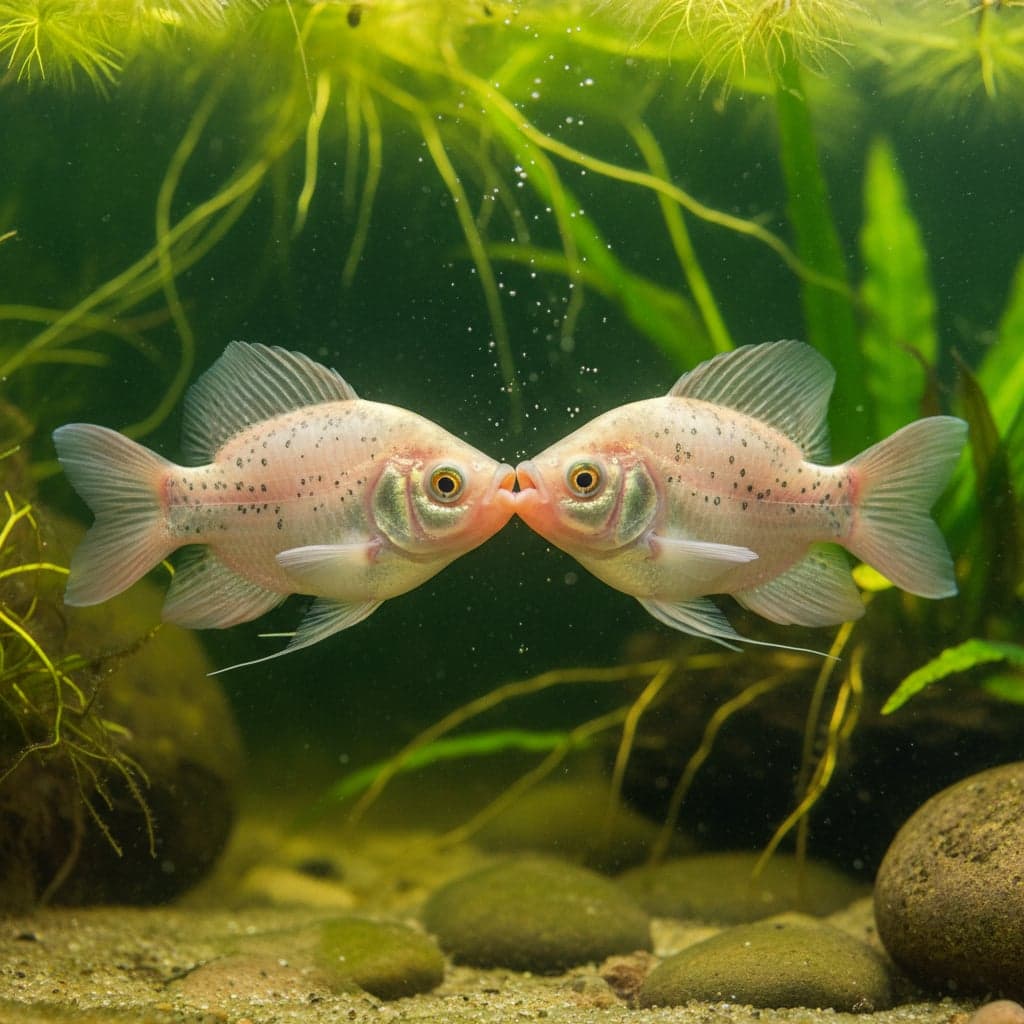
Amphilophus citrinellus x Vieja melanura: Blood Parrot Cichlid
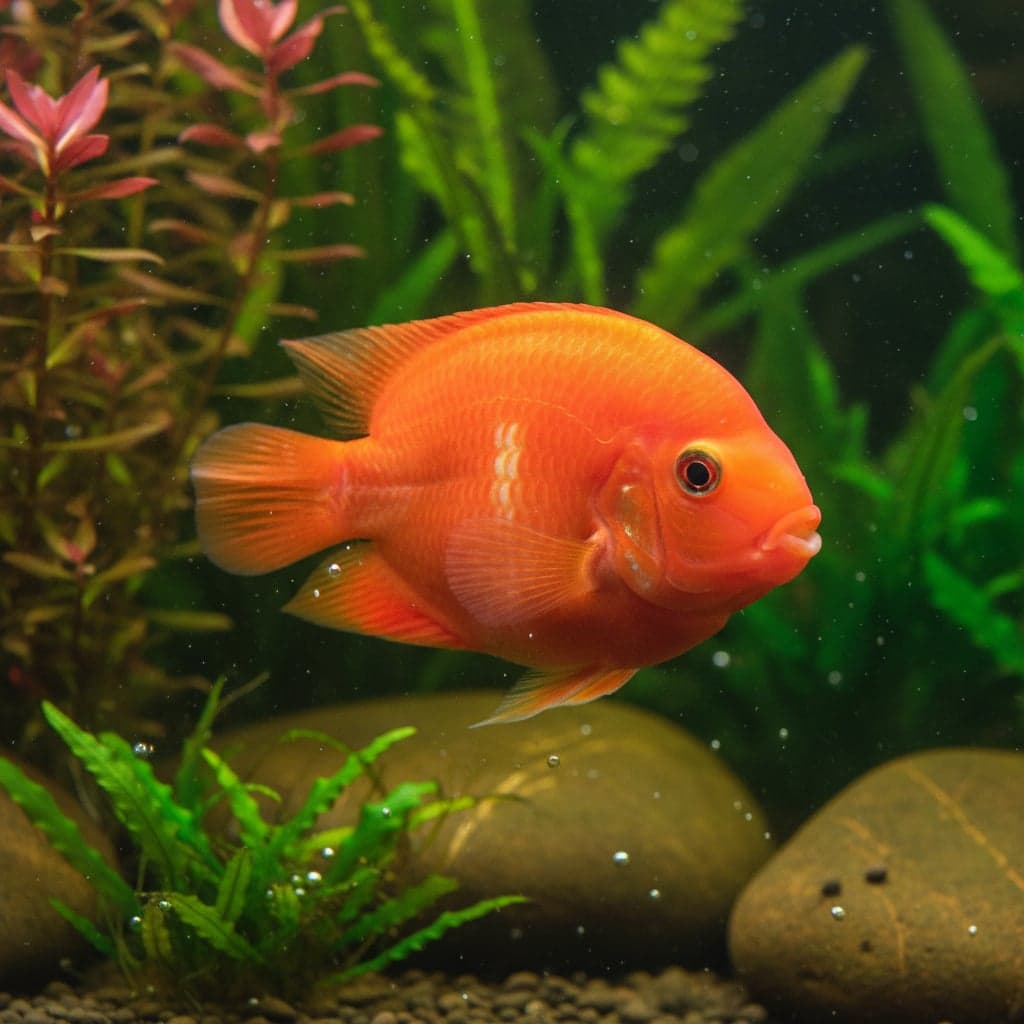
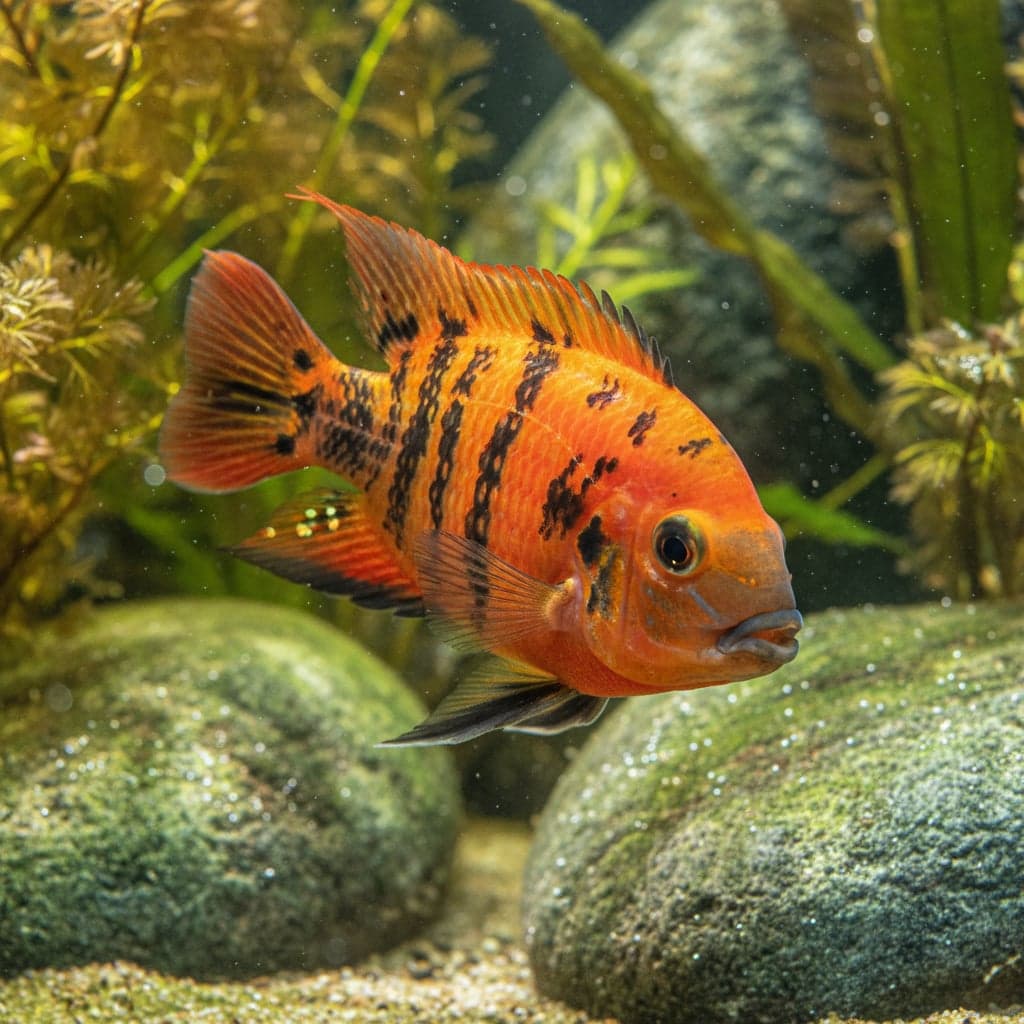
A deeply controversial, highly popular man-made hybrid cichlid known for its bulbous body, bright orange color, and deformed nuchal hump.
Amphilophus citrinellus x Vieja melanura
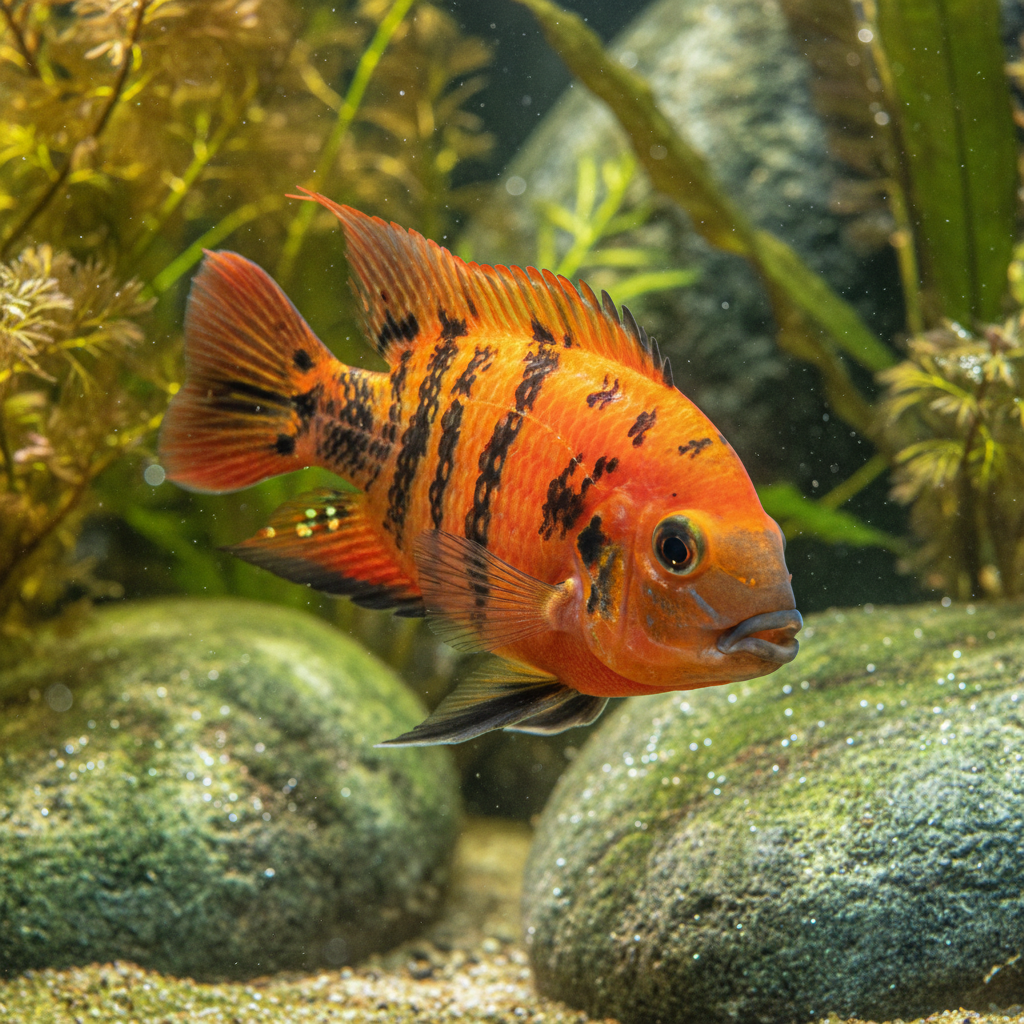
The Blood Parrot Cichlid, scientifically known as Amphilophus citrinellus x Vieja melanura, is a hybrid fish that showcases the best traits of its parent species. This fish is characterized by its distinctive, rounded body and vibrant coloration, which can vary from bright orange to yellow hues, often with hints of red. The Blood Parrot Cichlid's defining feature is its beak-like mouth, designed for gleaning food from various substrates, and its friendly disposition makes it a popular choice among aquarium enthusiasts. The aesthetic appeal of this hybrid is further amplified by its energetic swimming patterns and perky demeanor, making it an attractive centerpiece in many aquariums.
In the aquarium hobby, the Blood Parrot Cichlid holds a noteworthy position due to its unique hybrid origin and captivating appearance. While this fish has been the subject of some controversy regarding its breeding practices, it has nonetheless gained a devoted following. Aquarists appreciate not only its visually striking traits but also its engaging personality, which often includes displays of curiosity and interaction with tank mates and owners alike. As such, owning a Blood Parrot Cichlid offers an enriching experience that blends aesthetic beauty with the joys of active fishkeeping.
Natural Habitat & Origin
The Blood Parrot Cichlid originates from various regions within Central America, primarily developed through selective breeding of Amphilophus citrinellus and Vieja melanura, both of which inhabit freshwater environments in countries like Honduras, Nicaragua, and Costa Rica. In the wild, these species commonly reside in lakes, rivers, and streams characterized by slow-moving currents and a mixture of sandy and rocky substrates. While they thrive in clear, hard water environments, the hybrid adaptation often leads to varied water quality tolerances, providing versatility for aquarium setups.
Understanding their natural habitat can aid aquarists in replicating optimal living conditions in captivity. The waters these cichlids inhabit are often rich in organic material and provide ample hiding spots among rocks and vegetation. Therefore, the Blood Parrot Cichlid benefits from an environment that mimics these natural settings, promoting natural behaviors and healthful living conditions.
Care Requirements
To provide proper care for the Blood Parrot Cichlid, attention to water parameters is crucial. The ideal pH range for their aquarium is between 6.5 and 8.0, with a water temperature maintained between 76°F and 82°F (24°C to 28°C). Hardness should be kept within moderately hard levels, ranging from 8 to 15 dGH. A minimum tank size of 30 gallons is recommended for a single specimen, with additional space for each additional fish to prevent overcrowding and reduce stress.
Tank setup is vital for the health and happiness of Blood Parrot Cichlids. A substrate of fine gravel or sand will allow them to explore and forage as they naturally would. Additionally, incorporating various decorations like caves, rocks, and driftwood provides hiding spots and territories, as these fish can become somewhat territorial. Adequate lighting—preferably moderate—and a few hardy plants that can withstand occasional nibbling will recreate a more natural ambience and serve both aesthetic and functional purposes in the aquarium.
Diet & Feeding
As omnivores, Blood Parrot Cichlids require a balanced diet that includes both plant and animal matter. Their diet can consist of high-quality pellets or flakes specifically formulated for cichlids, ensuring they receive essential nutrients. Additionally, frozen or live foods such as brine shrimp, bloodworms, and daphnia can be offered to enhance their diet and encourage natural foraging behavior. It's crucial to vary their diet to include vegetable matter, such as spirulina and blanched leafy greens, to support healthy digestion and vibrant coloration.
Feeding should occur 1-2 times daily, with portions tailored to the size of the fish. Overfeeding can lead to health issues, so care should be taken to remove any uneaten food to avoid water quality deterioration. With proper nutrition, Blood Parrot Cichlids can thrive and exhibit their vibrant colors and engaging personalities.
Behavior & Temperament
Blood Parrot Cichlids are generally known for their mild temperament, especially compared to other cichlid species, but individual personalities may vary. They tend to be social fish that appreciate the company of their own kind and can coexist well with other species if chosen carefully. However, their territorial nature can surface, particularly during breeding or when establishing a hierarchy within the tank. Providing ample space and environmental enrichment will help mitigate aggressive behaviors and ensure a harmonious community environment.
These cichlids typically inhabit the middle to lower sections of the aquarium but are known to swim throughout the tank. Their curious nature often leads them to explore their surroundings actively, fostering an engaging and lively display for onlookers. Understanding their behavior is integral to maintaining a balanced aquarium ecosystem, and any signs of stress, such as excessive hiding or aggression, should be promptly addressed.
Tank Mates
When selecting tank mates for Blood Parrot Cichlids, it's essential to choose species that can tolerate their potentially territorial and assertive behavior. Compatible species include larger, robust fish like certain species of tetras, barbs, and peaceful cichlids such as rainbow cichlids or keyhole cichlids. Additionally, other semi-aggressive options like some central American cichlids or larger plecos may coexist well.
Species to avoid include small, delicate fish that could be viewed as food, such as guppies or neon tetras, as well as overly aggressive species that could provoke conflict. Ensuring a diverse yet compatible mix promotes a healthy environment and reduces stress for all inhabitants.
Breeding
Breeding Blood Parrot Cichlids in captivity can be a rewarding experience, but it requires specific conditions to encourage spawning. These fish often form monogamous pairs, particularly when kept in larger tanks with plenty of hiding spots. To promote breeding, the water temperature can be slightly elevated to around 80°F (27°C), and the pH should remain stable within the aforementioned range. The inclusion of flat surfaces, such as smooth rocks or spawning mats, can serve as suitable spawning sites.
Once a pair has bonded, they will exhibit courtship behaviors such as dancing and displaying to one another. The female can lay several hundred eggs, which the male fertilizes. Parents often exhibit protective behavior towards the eggs and fry, making it essential to monitor the tank environment closely as they care for their offspring. Early intervention may be necessary to remove aggressive tank mates that could harm the young.
Common Health Issues
Blood Parrot Cichlids can be prone to various health issues, common in many cichlid species. One of the most prevalent concerns is ich (Ichthyophthirius multifiliis), a parasitic disease that manifests as white spots on the skin and gills. Prevention strategies include maintaining water quality and temperature, as well as quarantine practices for new fish. They can also suffer from bacterial infections, which may arise from injuries or poor water conditions; therefore, early detection and treatment with appropriate medications are vital.
Other health conditions may include swim bladder disorders, commonly caused by overfeeding or feeding inappropriate foods, as their compact, hybrid body anatomy makes their digestive tract more susceptible to compaction. Pre-soaking dry pellets and incorporating fiber-rich foods like deshelled peas will help keep their digestive system clear. Regular health monitoring, efficient filtration, and prompt intervention can significantly enhance the living conditions and longevity of Blood Parrot Cichlids, ensuring they remain playful, healthy companions for well over a decade.