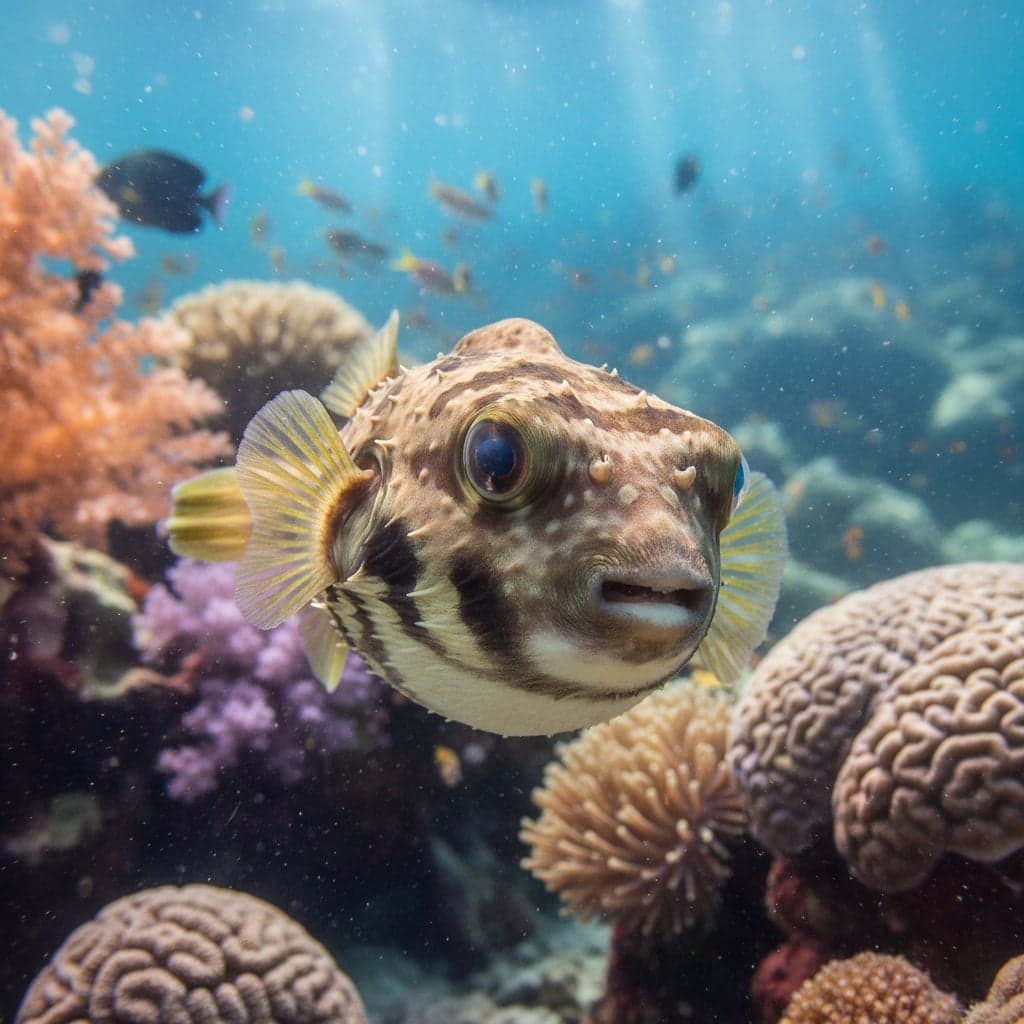
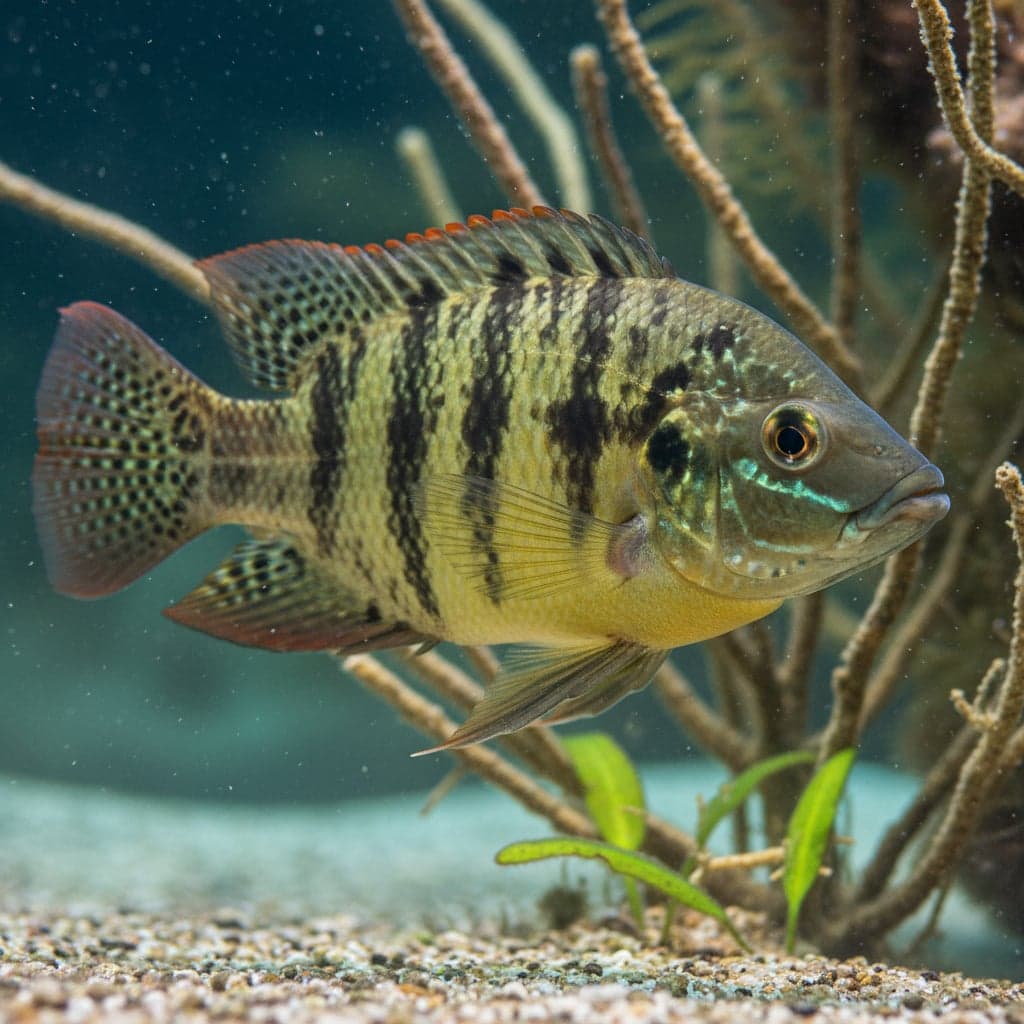
The Pea Puffer: Carinotetraodon travancoricus
The worlds smallest pufferfish. Feisty, intelligent, and packed with personality—a freshwater puffer that fits in a nano tank.
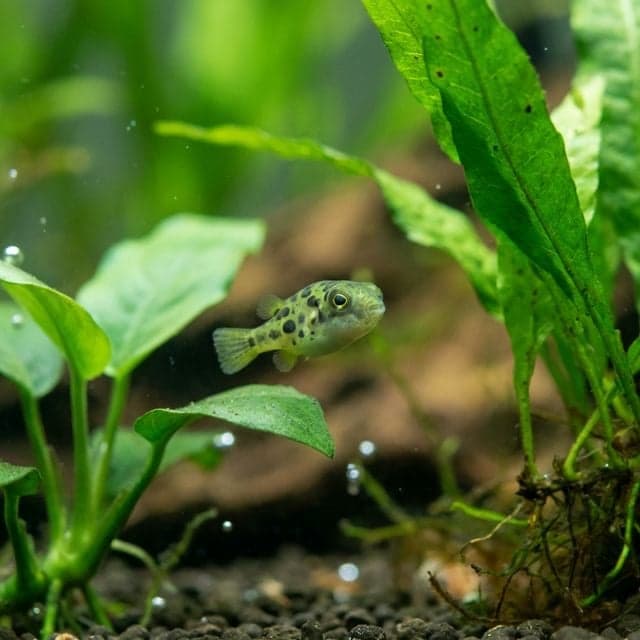
Pea Puffer
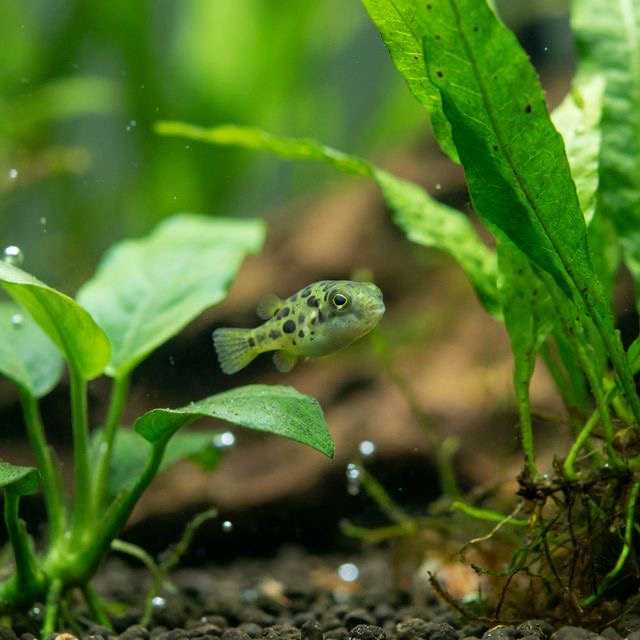
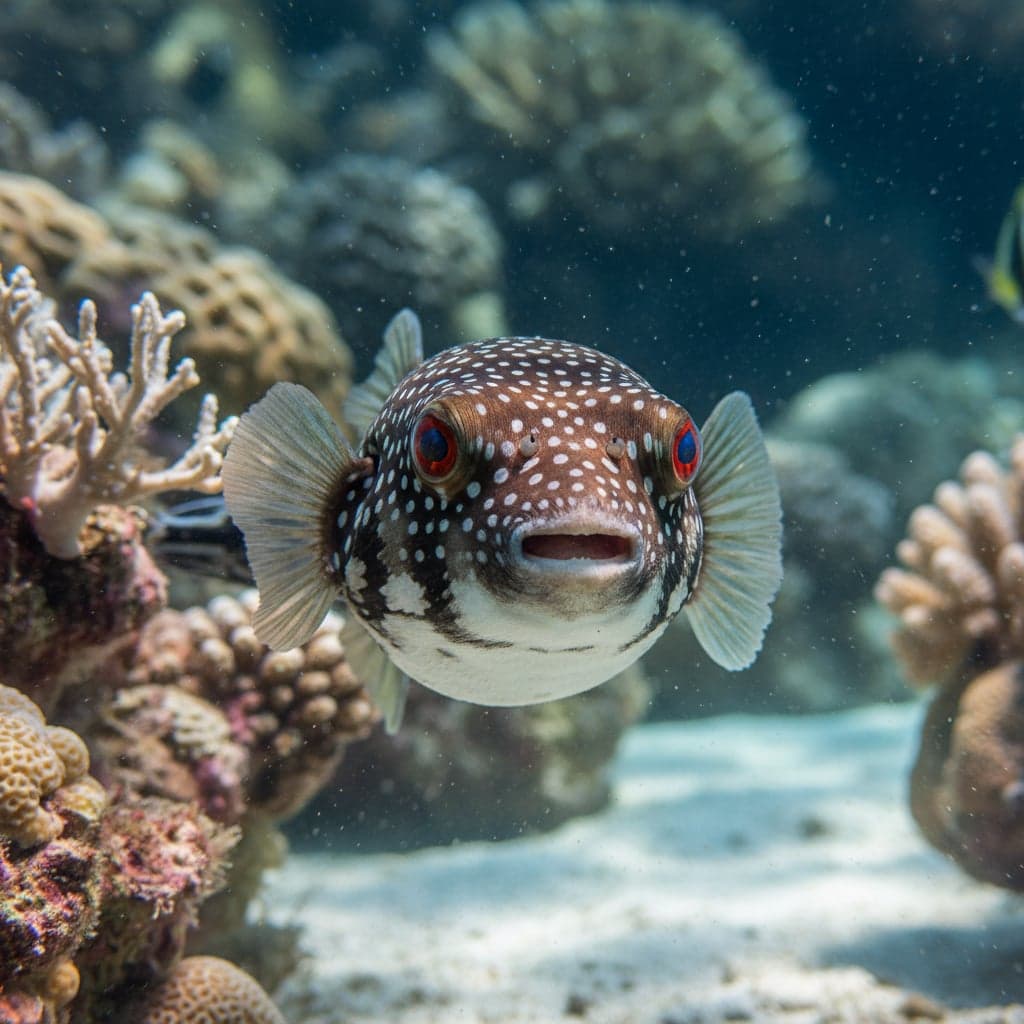
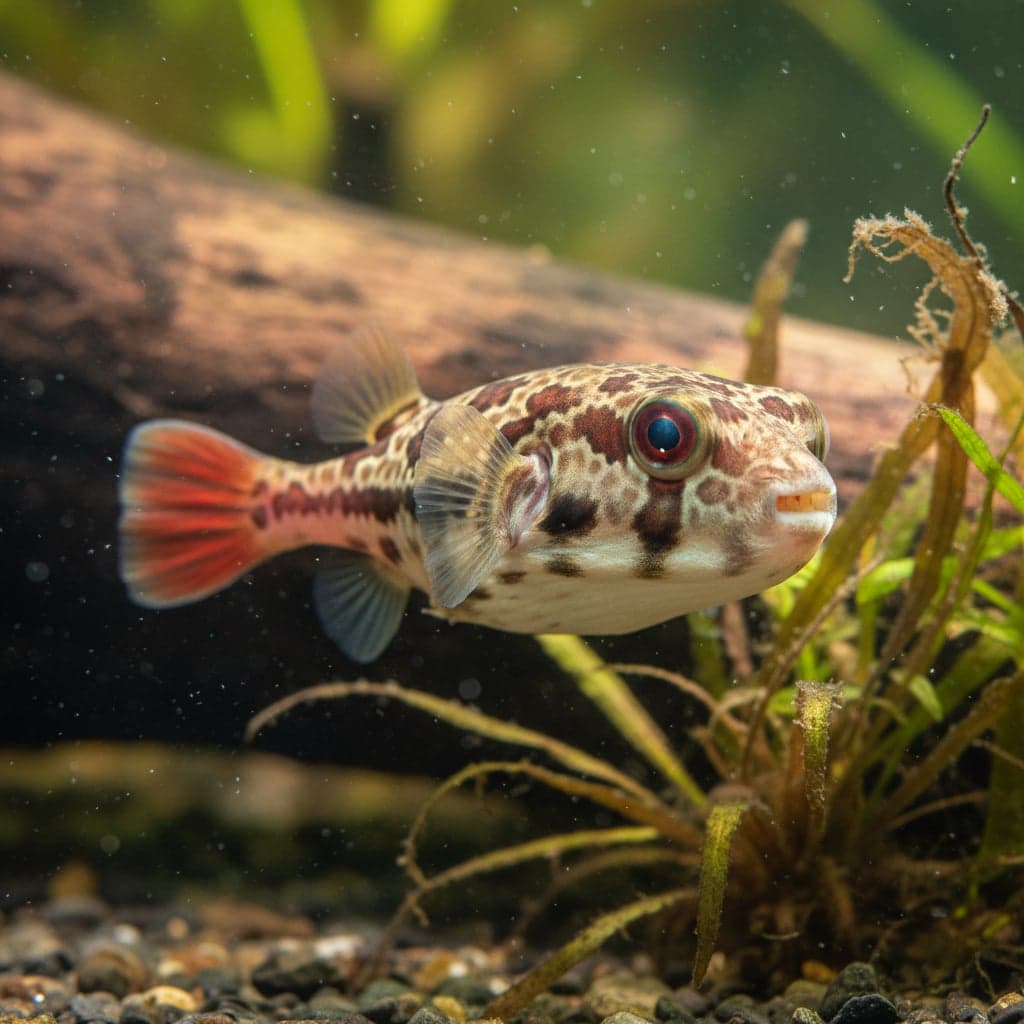
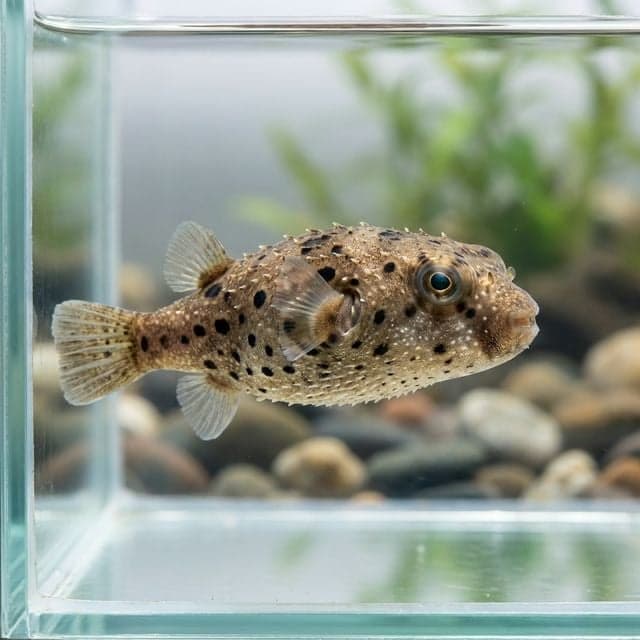
The Pea Puffer, scientifically known as Carinotetraodon travancoricus, is a small yet captivating freshwater fish that has captured the hearts of aquarists around the globe. Adult Pea Puffers typically measure around one inch in length, featuring a rounded, stocky body adorned with striking patterns of olive-green to yellow-brown hues. Their large, expressive eyes and tiny beak-like mouth add a whimsical charm, making them a standout in any aquarium setting. They are particularly appreciated in the aquarium hobby for their unique characteristics and engaging behaviors, as they interact with their environment and exhibit a range of curiosities.
In addition to their aesthetic appeal, Pea Puffers hold a significant place in the aquarium community due to their fascinating biology and personality. Known for their intelligence, these fish exhibit playful behaviors and can form bonds with their keepers. Pea Puffers are often hailed as "puffers" due to their ability to inflate their bodies as a defense mechanism. This quirky behavior, combined with their vibrant appearance, makes them an ideal candidate for specialized aquarists eager to provide an engaging and dynamic environment. Care must be taken, however, to understand their specific needs, as they are delicate creatures that thrive in well-maintained habitats.
Natural Habitat & Origin
The Pea Puffer hails from the freshwater streams and rivers of the Western Ghats in India, particularly in the state of Kerala. These fish are predominantly found in densely vegetated areas that feature slow-moving waters rich in organic matter. The natural habitat of the Pea Puffer is characterized by blackwater, a type of water stained with tannins from decaying plant matter, combined with a soft substrate composed of leaf litter. The warm, murky waters provide shelter for these fish, creating a perfect environment for them to thrive. Understanding their natural habitat is crucial for aquarists striving to replicate these conditions to promote the well-being of their Pea Puffers.
Care Requirements
When setting up an aquarium for Pea Puffers, it is essential to consider their specific care requirements. The ideal water parameters include a pH range between 6.5 to 7.5, a temperature between 75°F to 82°F (24°C to 28°C), and a hardness of 5 to 15 dGH. A minimum tank size of 10 gallons is recommended, but larger spaces will allow for better stability and more room for exploration. The substrate should be soft, such as sand or fine gravel, to protect their sensitive bodies as they forage along the bottom. Additionally, incorporating plenty of live plants and hiding spots can aid in mimicking their natural surroundings and provide refuge. Soft, diffused lighting is suitable for a Pea Puffer habitat, enhancing the aesthetic without stressing the fish.
Diet & Feeding
Pea Puffers are primarily carnivorous, with a diet that consists of a variety of live or frozen foods. They thrive on a selection of high-quality options such as bloodworms, brine shrimp, daphnia, and other small invertebrates. While they can also accept well-formulated pellets and flakes specifically designed for carnivorous fish, it's recommended to prioritize live or frozen foods to keep their nutritional health at its peak. Given their small mouths, food must be appropriately sized, ensuring that each piece can be eaten without difficulty. For optimal health, a varied diet is crucial to provide the necessary nutrients and stave off any potential dietary deficiencies.
Behavior & Temperament
The Pea Puffer exhibits a blend of fascinating behaviors; they are known for being curious and interactive. Unlike many other fish, Pea Puffers do not school; instead, they tend to establish their territories, showcasing a somewhat solitary temperament. While they can be kept in groups, it's essential to ensure that the aquarium is spacious enough to prevent territorial disputes. Their tendency to explore all levels of the tank means they can often be found darting through the plants or resting among decorations at various vertical placements. Despite their small size, they are known to display aggression towards other species and even among their own kind if adequate space isn't provided, so careful monitoring of their interactions is necessary.
Tank Mates
Choosing compatible tank mates for Pea Puffers requires careful consideration, as their unique temperament and feeding habits can render them unsuitable for many community tanks. Ideal companions should be small, peaceful species that can coexist without feeling threatened or trampled. Suitable tank mates include small rasboras, tetras, or even certain species of shrimps that are too large to be considered prey. However, it is crucial to avoid keeping them with overly aggressive fish, larger species, or fin nippers that may harass or harm the Pea Puffer. Discouraging companions include larger cichlids, barbs, and any fish that may view them as a snack.
Breeding
Breeding Pea Puffers in captivity can be a challenge but is entirely possible with the right conditions. Spawning occurs in a well-planted aquarium that mimics their natural habitat, with a gentle flow of water and ample hiding spots. The females will lay eggs on broad leaves, typically in small numbers. To encourage breeding, the aquarium must be maintained in pristine condition, with slightly higher temperatures to mimic the natural seasonal changes in their habitat. After spawning, it is advisable to remove the adult fish, as they may consume the eggs or fry. Once hatched, the fry require infusoria or finely crushed powdered food to survive during their early stages of development.
Common Health Issues
Like many freshwater fish, Pea Puffers are susceptible to several common health issues if not properly maintained. They can face ailments such as Ich (Ichthyophthirius multifiliis), fin rot, and skin parasites. Preventative measures should include maintaining high water quality, providing a balanced diet, and ensuring the aquarium is free of any aggressive or territorial fish that could cause stress. Regular water testing and maintaining consistent water parameters can yield healthy and active Pea Puffers, minimizing their risk of disease. In case of illness, prompt treatment is essential, and research into the specific ailment is recommended for effective remedies.