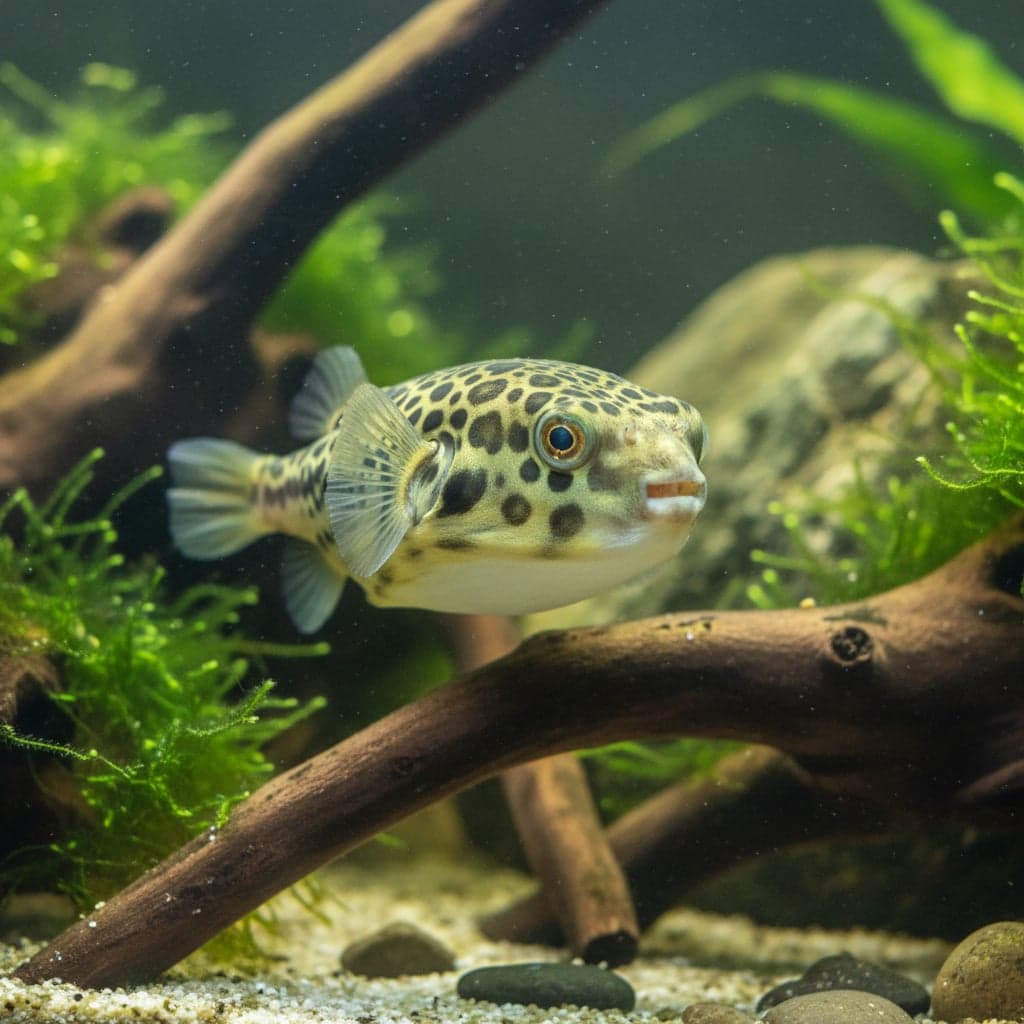
Peacock Fugu Puffer: Takifugu rubripes
A striking, hyper-intelligent brackish/marine puffer famous for its toxicity in Japanese cuisine and its vibrant "peacock" eye-spots.

Peacock Fugu Puffer
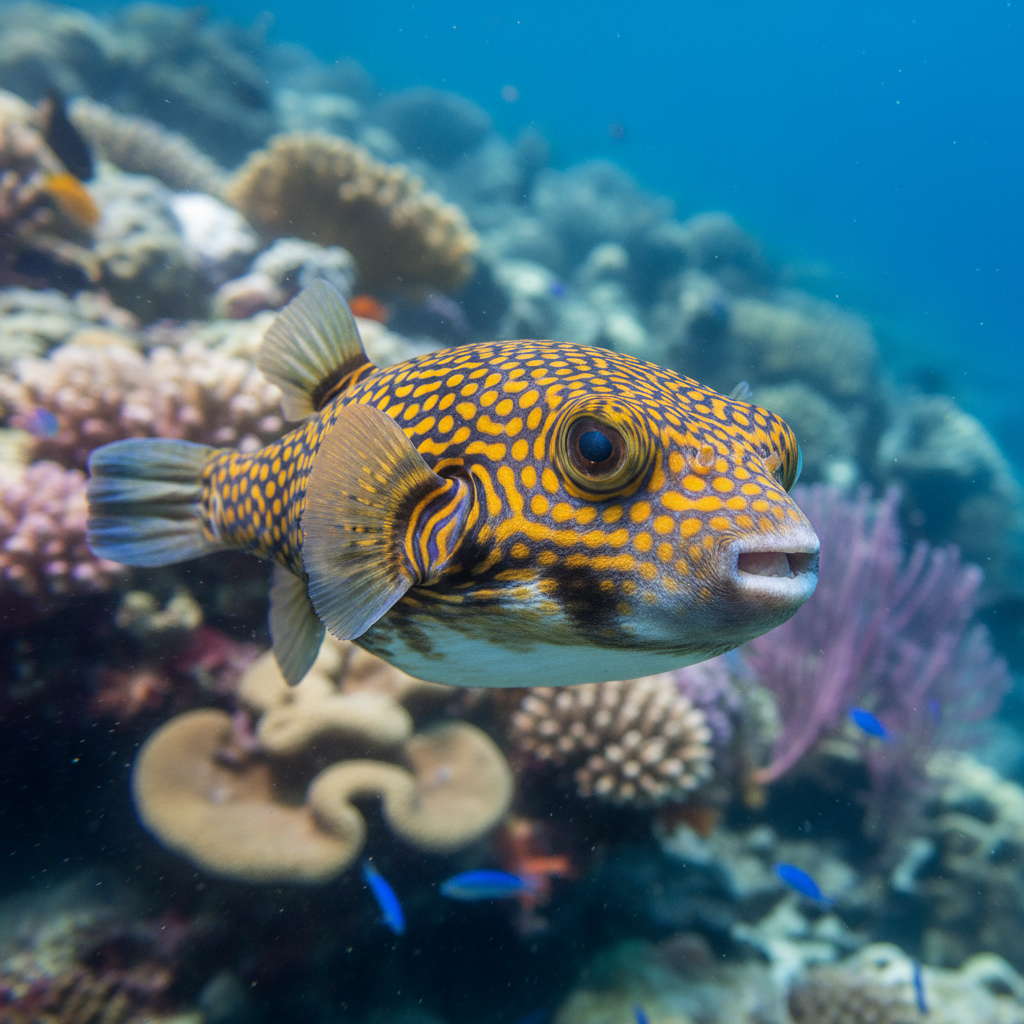
The Peacock Fugu Puffer, scientifically known as Takifugu rubripes, is a fascinating species of freshwater puffer fish native to the coastal waters of East Asia. Renowned for its striking coloration and distinctive shape, the Peacock Fugu Puffer showcases a variety of hues ranging from olive green to yellowish, adorned with dark blue and purple spots. This eye-catching visual appeal captivates aquarists and enthusiasts alike, making it a prized addition to both home aquariums and public exhibits. Beyond its aesthetic allure, its unique physiological traits, such as the ability to inflate and its highly adaptable nature, signify its importance in the aquarium hobby, illustrating the wonders of aquatic biodiversity.
This unique brackish water fish plays an integral role in the aquarium community, not only as a stunning centerpiece but also as a conversation starter about the ecological significance and conservation efforts related to its native habitats. Unlike many typical freshwater fish, the Peacock Fugu Puffer exudes a level of complexity in care that challenges aquarists to delve deeper into the intricacies of their biology and behavior. Its intelligent and interactive traits provide a more engaging experience, enhancing the enjoyment of fishkeeping while also emphasizing the responsibilities that come with housing such a remarkable creature.
Natural Habitat & Origin
The Peacock Fugu Puffer originates predominantly from the coastal regions of East Asia, particularly in countries like Japan, China, and Korea. It inhabits brackish waters where rivers meet the sea, which creates a unique blend of salt and freshwater. This environment typically features slow-moving waters, estuaries, and mangroves, presenting a diverse array of plants and substrates that provide shelter and foraging opportunities. The natural habitat's complexity offers insights into the environmental context vital for the fish’s well-being in captivity, encouraging aquarists to replicate these conditions as closely as possible.
While the Peacock Fugu Puffer primarily dwells in brackish environments, it is also found in adjacent freshwater ecosystems. The combination of varying salinity levels and the presence of organic materials such as decaying leaves and submerged roots contribute to a unique nutrient cycle that supports this species. Thus, ensuring that your aquarium mimics these conditions is fundamental for successful husbandry.
Care Requirements
When it comes to caring for the Peacock Fugu Puffer, precise water parameters are essential for maintaining its health. The optimal pH range is between 7.0 to 8.0, with a temperature maintained between 24°C to 28°C (75°F to 82°F). Additionally, the water hardness should ideally be around 5-15 dGH. Maintaining stable parameters is crucial, as this fish is sensitive to rapid changes in its environment.
In terms of tank setup, a minimum tank size of 75 gallons is recommended to provide ample swimming space and to accommodate their inquisitive nature. The substrate should consist of fine sand or soft gravel, which will not damage their delicate bodies. Given their natural habitat, incorporating driftwood, rocks, and dense vegetation can simulate the environment they thrive in. Lighting should be moderate to replicate the dappled sunlight found in their native habitats, and plants like Java fern or Anubias not only enhance aesthetics but also provide hiding spots, enriching the tank's complexity.
Diet & Feeding
The Peacock Fugu Puffer is primarily a carnivore with an omnivorous inclination, meaning its diet should consist of high-protein foods complemented by plant matter. In captivity, it thrives on a varied diet that includes quality pellets, flakes formulated for carnivorous fish, and a mix of frozen or live food options such as bloodworms, brine shrimp, and small crustaceans. Providing a diverse diet will help promote optimal health and stimulate natural behaviors, keeping the fish active and engaged.
Regular feeding intervals should be maintained, with portions adjusted according to the size and appetite of your fish. It’s important to avoid overfeeding, as puffer fish are notorious for quickly becoming overweight, which can lead to serious health issues. Incorporating occasional vegetable matter, like blanched spinach or zucchini, can aid in digestion and mimic their natural feeding behavior, ensuring they receive the necessary nutritional balance.
Behavior & Temperament
The Peacock Fugu Puffer is known for its intelligent and engaging demeanor, often displaying unique personality traits that aquarists find delightful. Although they can be territorial, especially in smaller tanks, they typically exhibit a curious nature, exploring their environment and interacting with both their surroundings and their caretakers. This species is generally not a schooling fish and prefers to thrive as a solitary creature or in pairs, provided that they have sufficient space.
They tend to occupy the mid to bottom levels of the tank, where they feel more secure among substrates and decorations. While they possess a sometimes aggressive streak when establishing territory, this behavior can often be mitigated through proper tank size and environmental enrichment. Understanding their behavior and creating an engaging habitat will encourage a harmonious atmosphere in your aquarium.
Tank Mates
When selecting tank mates for the Peacock Fugu Puffer, it's crucial to choose species that can handle their sometimes aggressive nature and potential for territoriality. Compatible tank mates include larger, robust fish such as Rainbowfish, certain species of Gouramis, and larger Tetras like the Congo Tetra. Alternatively, invertebrates like larger snails can also coexist well, provided the Puffers do not view them as a food source.
Conversely, it is advisable to avoid smaller fish, particularly those with long, flowing fins, as these may trigger the Puffer's instinct to nip or harass. Additionally, aggressive species such as Cichlids should also be kept at bay, as they may not withstand the Puffer's boisterous behavior. Striking the right balance of tank mates fosters a peaceful environment while ensuring the health and well-being of all inhabitants.
Breeding
Breeding the Peacock Fugu Puffer in captivity poses a challenge due to its specific requirements and the lack of established methods in the aquarium trade. Successful spawning typically occurs in brackish water conditions, requiring an environment that mirrors their natural habitat. The ideal setup includes a breeding tank with moderate salinity, well-oxygenated water, and plenty of hiding spots to give the pairing fish a sense of security.
During the breeding process, males may exhibit distinctive courtship behaviors, including chasing and displaying to attract females. After successful pairing, females will lay adhesive eggs on surfaces like plants or decor, which the male will then fertilize. Notably, parental care is often observed, with the male guarding the eggs until they hatch. Carefully managing water parameters and ensuring a calm environment is crucial for nurturing these young fish as they grow.
Common Health Issues
While the Peacock Fugu Puffer is relatively hardy, it is still prone to several health issues common to freshwater fish. Diseases such as Ich (Ichthyophthirius multifiliis), fin rot, and bacterial infections can affect them, particularly if water quality is compromised. Regular monitoring of water parameters, coupled with routine tank maintenance and a strong filtration system, can help prevent such ailments.
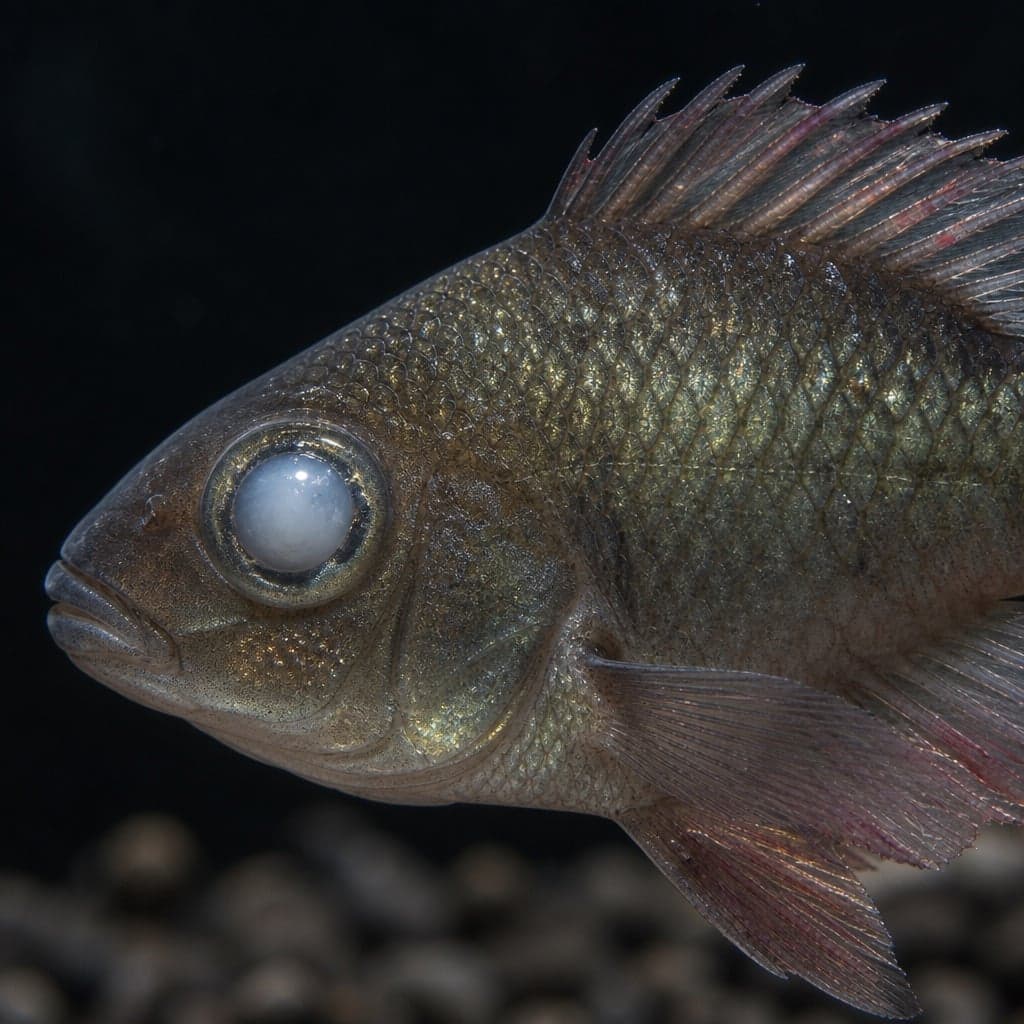
Prevention is always preferable to treatment, hence ensuring that new additions to the tank are quarantined and acclimated properly will minimize the risks of introducing pathogens. Additionally, providing a balanced diet and maintaining a stress-free environment can bolster the fish's immune system, keeping the Peacock Fugu Puffer healthy and vibrant for years to come. Watch for white spots, clamped fins, cloudy eyes, or loss of appetite, and treat promptly in a quarantine setup with appropriate freshwater medications. Avoid sharp décor that can injure their delicate skin, keep water pristine, and offer a varied diet that includes hard-shelled foods to wear down their ever-growing teeth. With stable parameters and attentive care, Peacock Fugu Puffers remain fascinating, characterful companions in a species-focused aquarium.