Peacock Snakehead: Channa pulchra
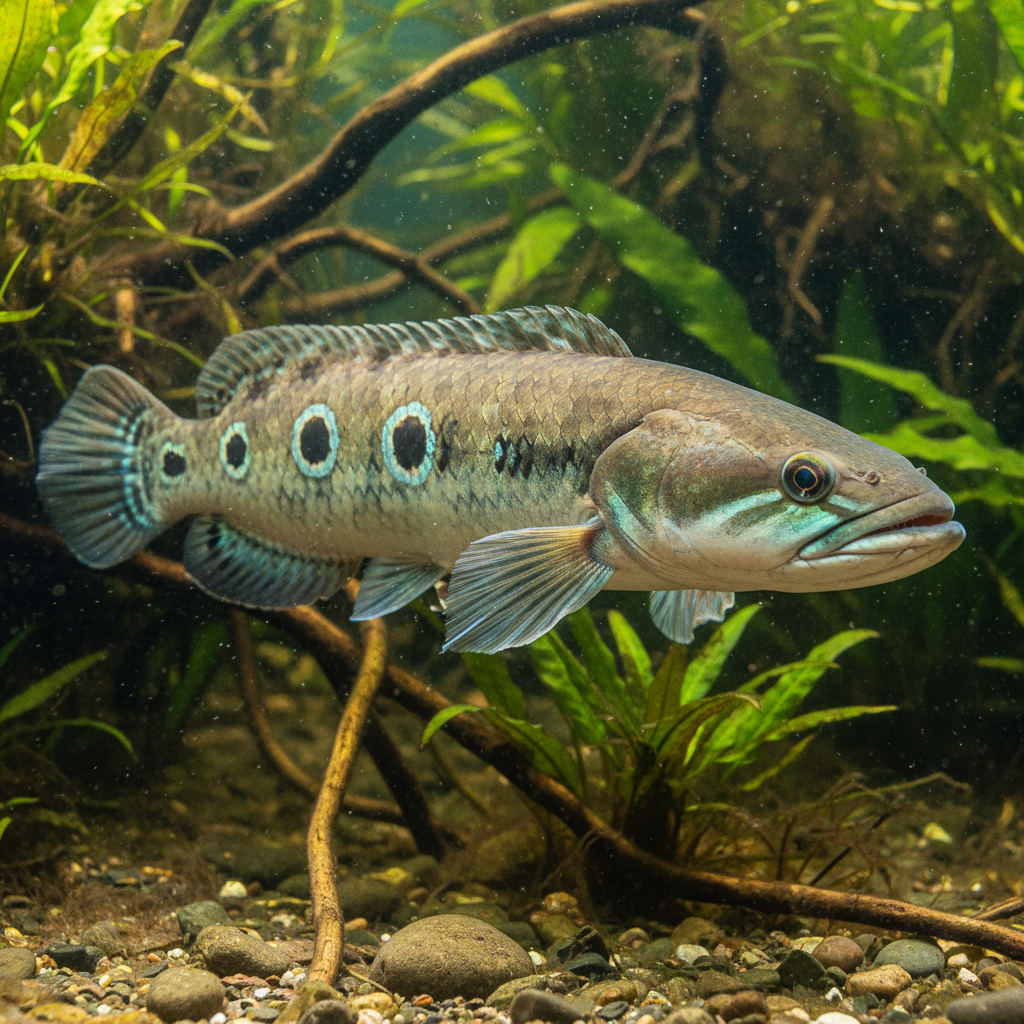
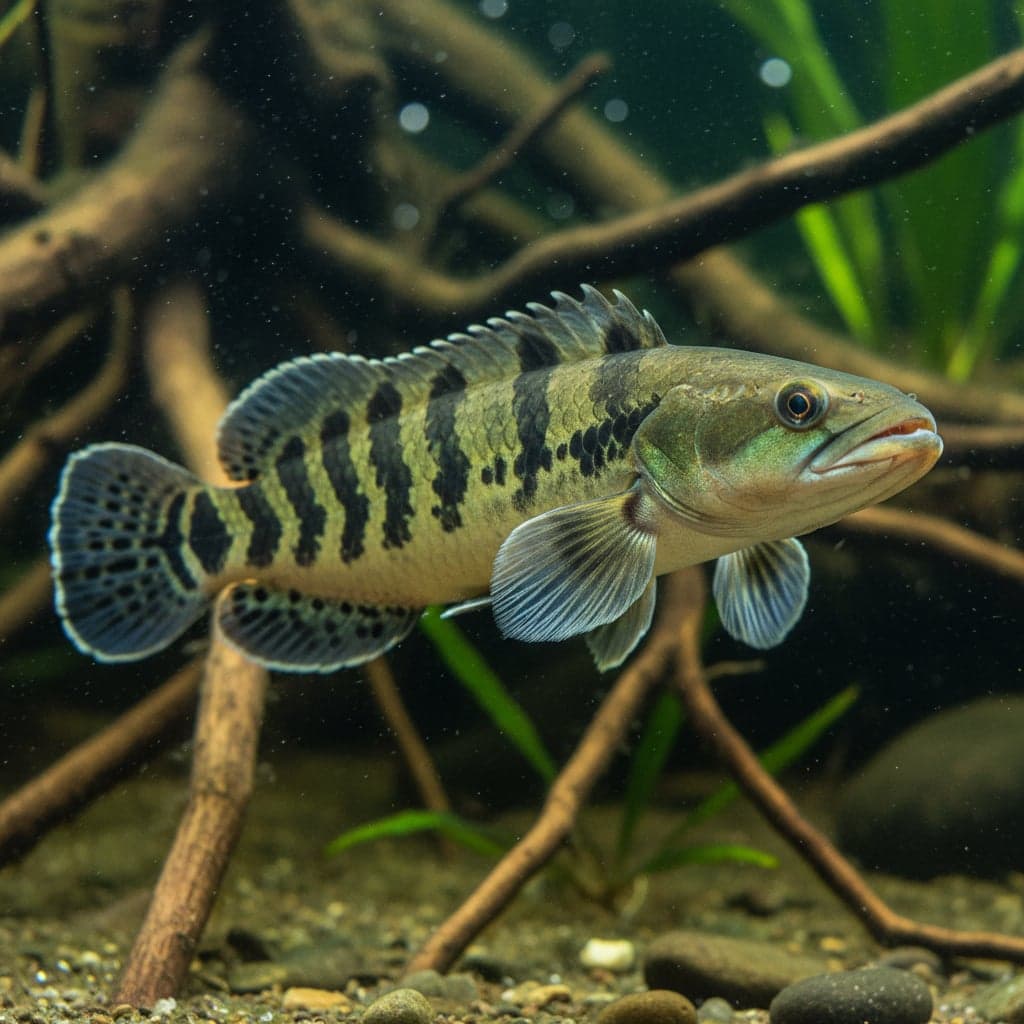
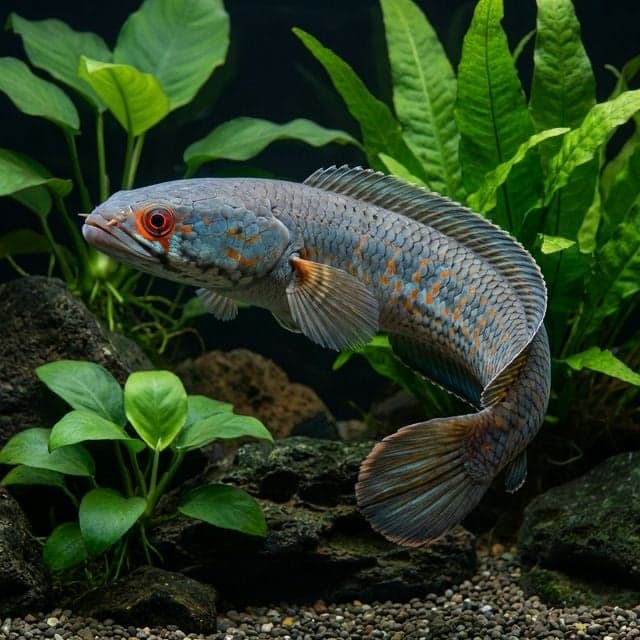
A deeply colorful, highly aggressive predatory fish featuring striking black and white spots and brilliant blue pectoral fins.
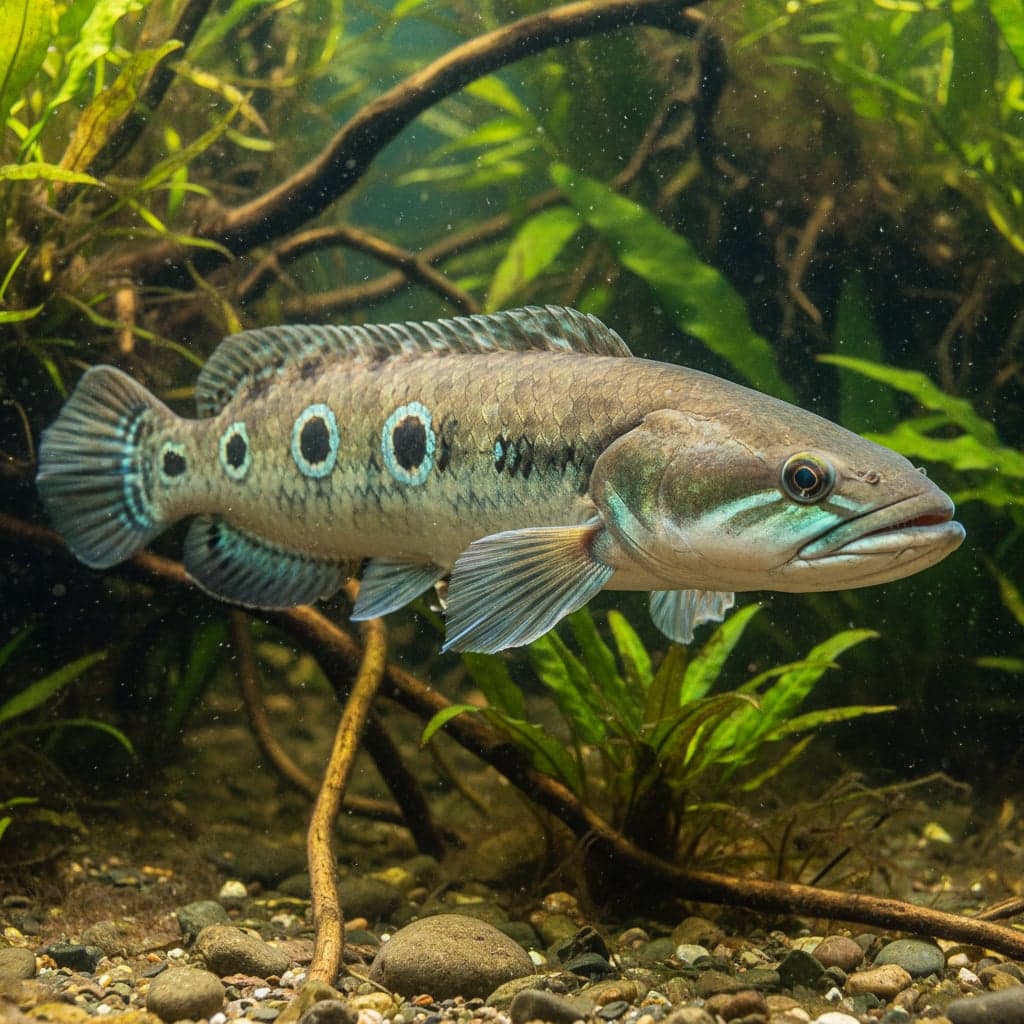
Peacock Snakehead
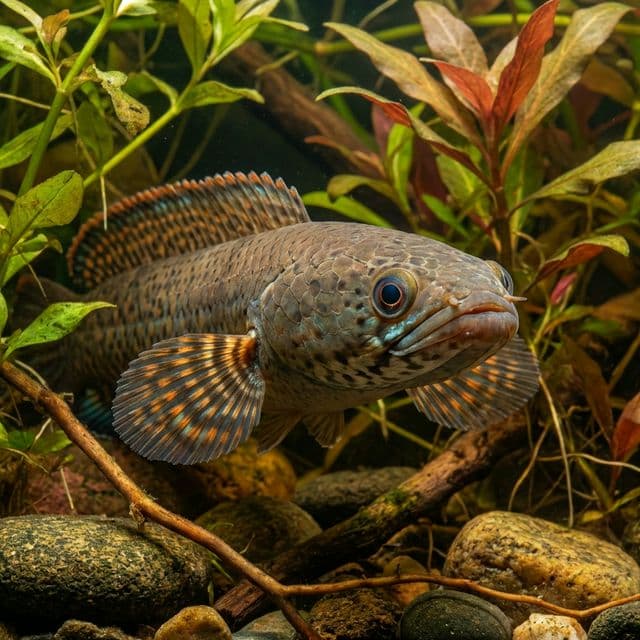
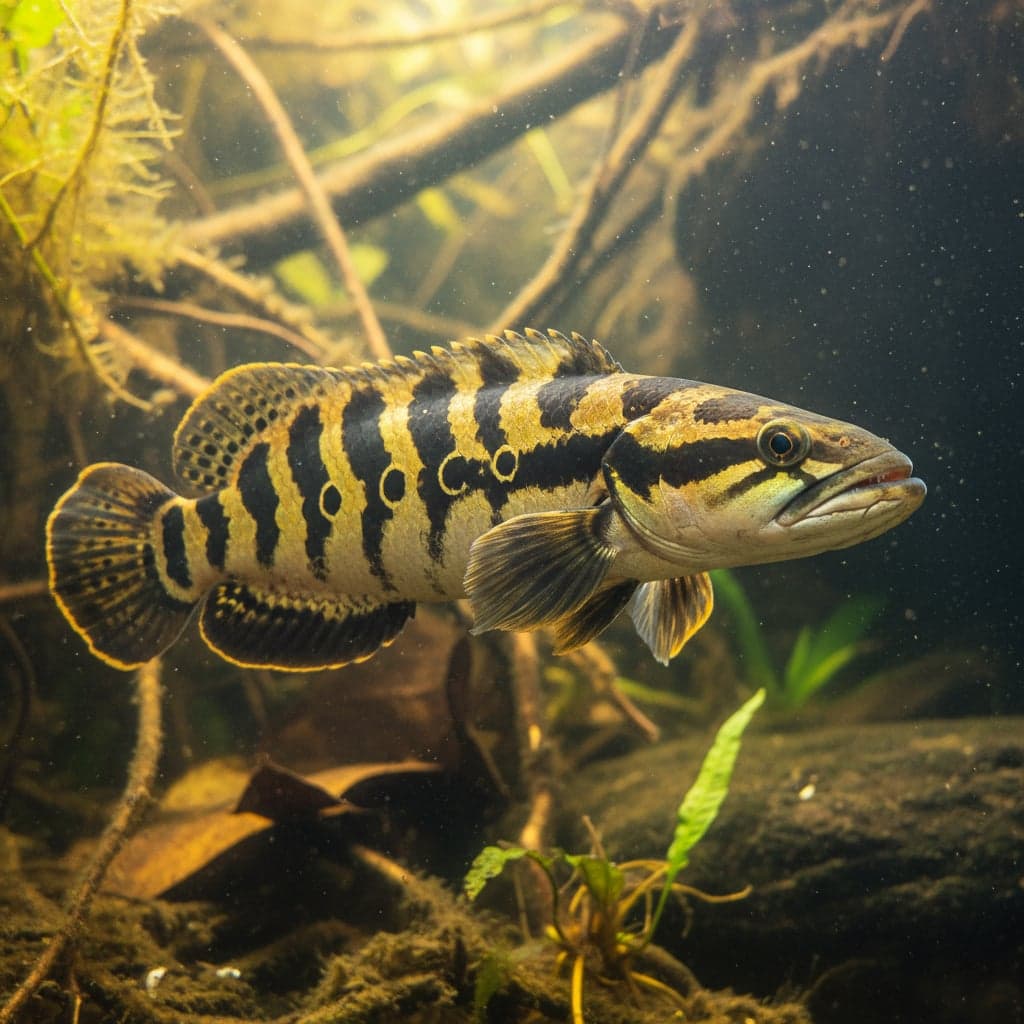
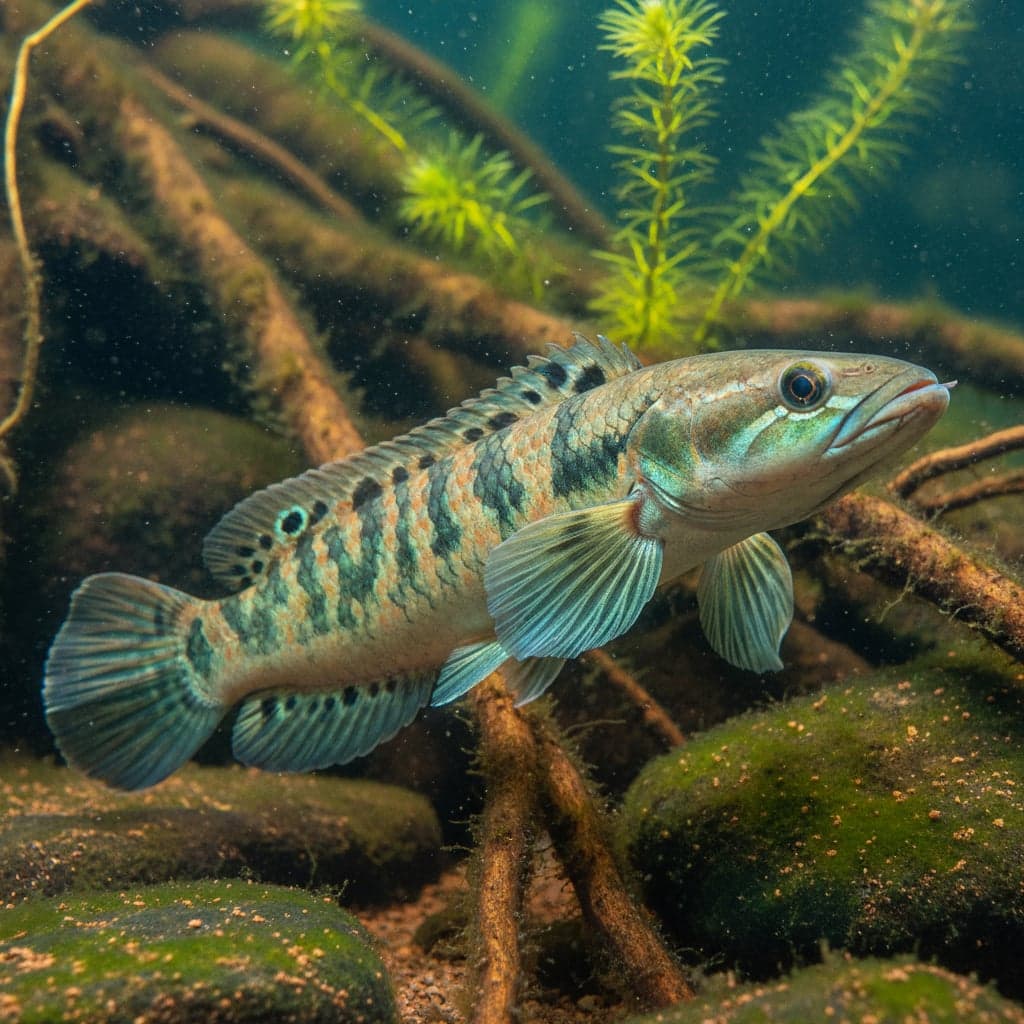
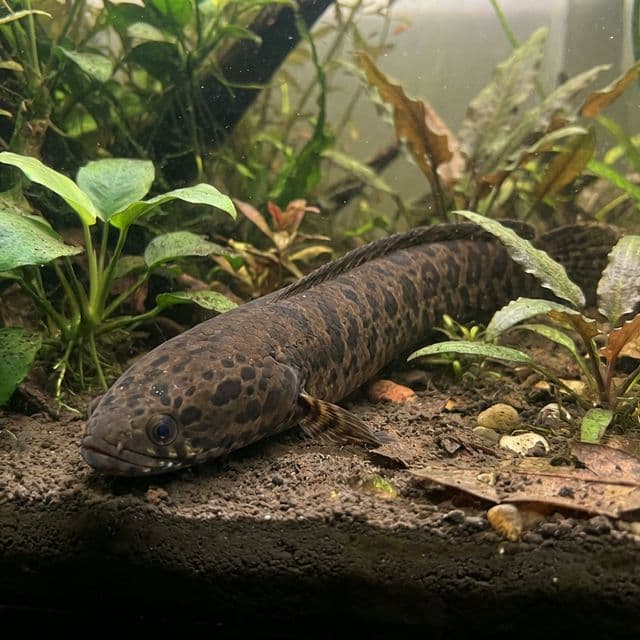
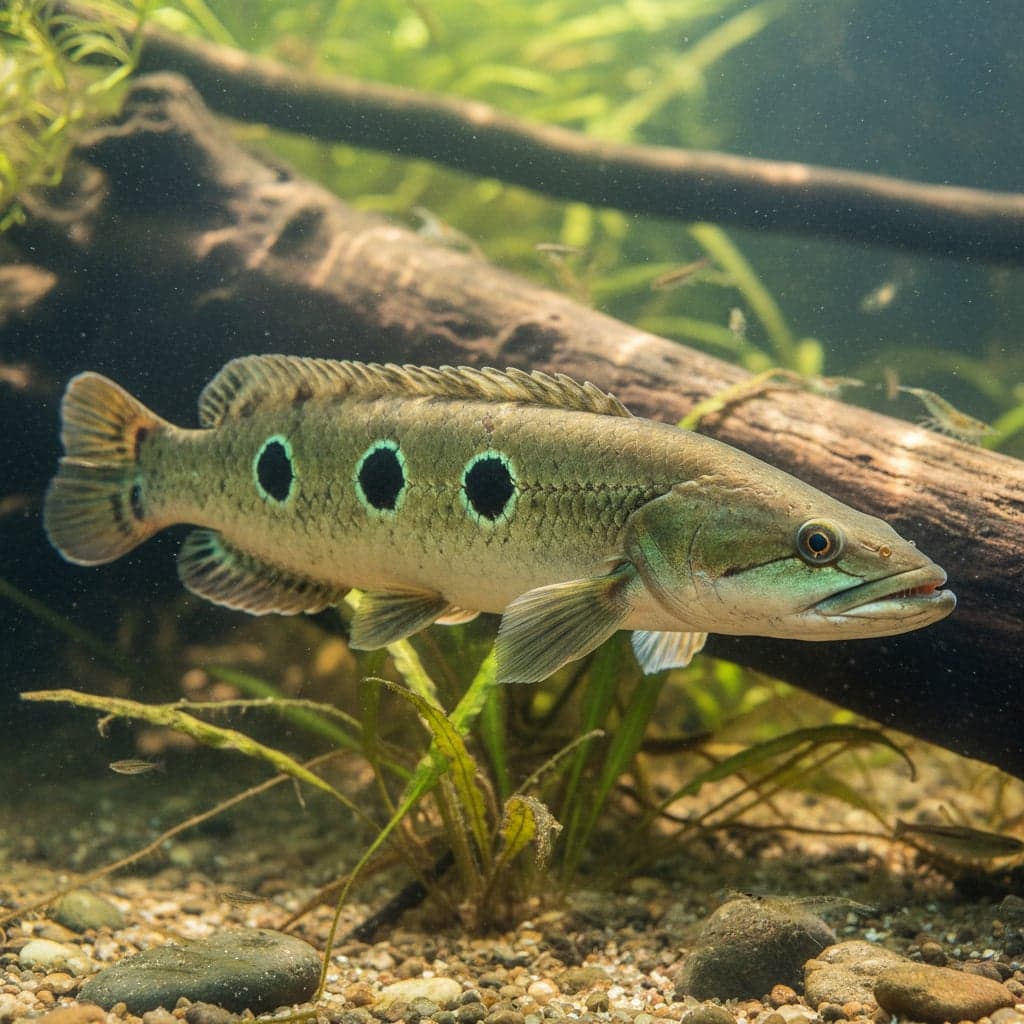
The Peacock Snakehead, scientifically known as Channa pulchra, is a captivating species of freshwater fish renowned for its striking appearance and unique behaviors. With its iridescent hues of blue, green, and bronze, the Peacock Snakehead showcases a stunning color palette that makes it a prized addition to many aquariums. These fish can grow quite large, reaching lengths of up to 10-12 inches (25-30 cm) in some cases. Their elongated bodies and distinctively shaped heads add to their visual allure, and their natural swimming style captivates aquarists and casual observers alike. Because of these fascinating traits, the Peacock Snakehead is regarded as a gem in the aquarium trade, appealing to seasoned aquarists looking for something extraordinary.
In addition to its aesthetic charm, the Peacock Snakehead holds cultural and ecological significance. Originating from Southeast Asia, particularly in the regions of Myanmar and Thailand, this fish is not only a stunning aquarium inhabitant but also a vital part of local fisheries and the ecosystem. In the wild, they are known for their predatory behaviors, affecting local fish populations. As a result, this species has gained attention in the aquatic community, where enthusiasts and researchers alike delve into its unique characteristics and care requirements.
Natural Habitat & Origin
The natural habitat of the Peacock Snakehead is primarily found in the freshwater rivers, swampy marshes, and floodplains of Southeast Asia. Geographically, they are most commonly located in Myanmar, Thailand, and neighboring countries. These areas typically consist of slow-moving waters with abundant vegetation, where the fish can camouflage effectively while hunting prey. The water conditions in their natural habitat are often characterized by acidic to neutral pH levels, relatively low hardness, and warm temperatures ranging from 75°F to 82°F (24°C to 28°C). The presence of detritus and leaf litter facilitates the species' natural behavior, as they thrive in environments that mimic their wild conditions.
In the wild, Peacock Snakeheads are often found in blackwater environments enriched with tannins from decaying plant matter, which contribute to the dark coloration of the water. This habitat provides a naturally stimulating environment for these fish, allowing them to display their vibrant colors and unique swimming patterns. These conditions can be mimicked in an aquarium setup to promote optimal health and well-being.
Care Requirements
To ensure the health of the Peacock Snakehead, careful attention to their care requirements is essential. The standard water parameters include a pH level ranging from 6.0 to 7.5, with a temperature maintained between 75°F and 82°F (24°C to 28°C). Hardness should ideally remain low to moderate, between 5 to 15 dGH. Maintaining a stable environment is crucial, as abrupt changes can stress these fish.
When it comes to tank setup, a minimum tank size of 75 gallons is recommended to accommodate their larger size and territorial nature. A substrate of fine gravel or sand is ideal, as it mimics their natural environment and allows for foraging behaviors. The inclusion of floating plants and densely planted areas not only provides hiding spots but also enhances the aesthetic appeal of the aquarium. Lighting should be moderate, ensuring that the tank is well-lit but also allowing for shaded areas created by plants and decorations.
Diet & Feeding
The Peacock Snakehead is primarily carnivorous, although it can also consume plant matter on occasion. In captivity, they thrive on a varied diet that can include high-quality pellets, live or frozen foods such as shrimp, fish, and worms. Providing a mix of protein-rich foods is essential for their health and vitality. Live foods tend to encourage natural hunting behaviors and stimulate the fish, but care should be taken to ensure that any live food given is sourced from reputable suppliers to prevent the introduction of diseases.
Flake food can also be offered, but it should not comprise the majority of their diet given their preference for meaty morsels. An ideal feeding regimen includes two to three meals a day, ensuring that the portions are suitable for their size and level of activity. Regularly monitoring the feeding behavior and adjusting the diet accordingly is vital for maintaining optimal health.
Behavior & Temperament
The Peacock Snakehead exhibits a range of behaviors that make it a fascinating addition to any aquarium. Generally, they are solitary and can be territorial, especially as they mature. Due to their predatory nature, these fish typically do better in a species-only setup or with other robust fish that can tolerate their aggression. They are not schoolers, preferring to inhabit the lower areas of the tank where they can explore and hunt for food.
Their behavior can often be influenced by environmental factors, such as tank layout and available hiding spots. Providing adequate cover will help reduce stress and encourage natural behaviors. As they are quite curious, they will probe their surroundings, and owners may frequently observe them using their long fins to maneuver through plants and other decorations.
Tank Mates
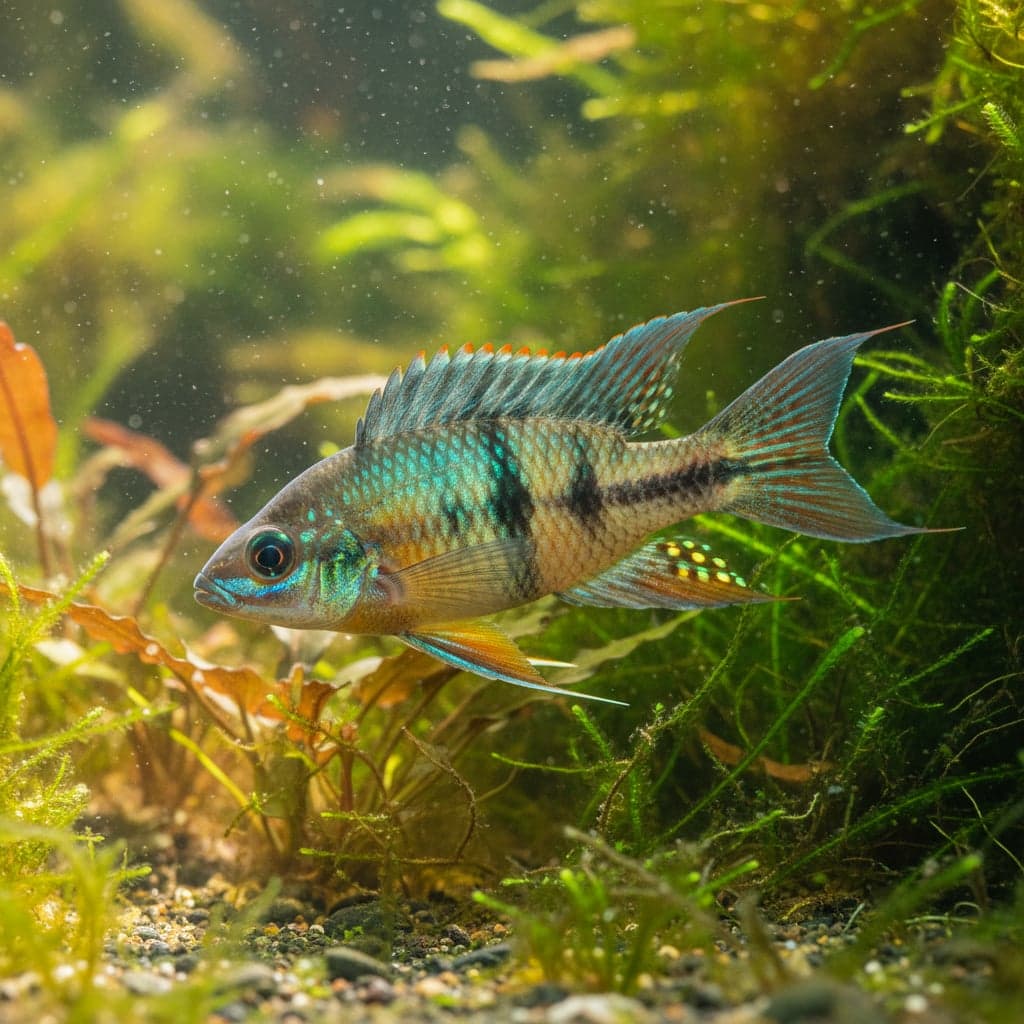
When considering tank mates for the Peacock Snakehead, caution is advised due to its aggressive tendencies. Compatible species typically include larger, robust fish that can withstand potential aggression, such as larger cichlids or other snakehead species. Options include the Oscar (Astronotus ocellatus), Green Terror (Andinoacara rivulatus), and some larger species of barbs and catfish.
However, it is advisable to avoid smaller fish or delicate species that may be viewed as prey. Species like neon tetras, guppies, or even smaller cichlids can become targets and potentially be harmed or eaten by the Peacock Snakehead. Additionally, keeping only one Snakehead per tank is usually advisable to prevent territorial disputes that could lead to stress or injury.
Breeding
Breeding the Peacock Snakehead in captivity is possible but requires specific conditions to encourage spawning. For successful breeding, a breeding pair should be established. Tank conditions should mimic their natural habitat closely, with warm water temperatures maintained around 78°F to 82°F (25°C to 28°C) and slightly acidic to neutral pH levels.
During breeding, the male may chase and display to the female, indicating his readiness to breed. They typically spawn on flat surfaces or amidst dense vegetation. After spawning, the female may lay several hundred eggs, which the male protects and guards vigorously. It's critical to provide ample hiding places and distraction items, as this will increase the chances of successful spawning. If successful, fry may be observed swimming freely after a few days.
Common Health Issues
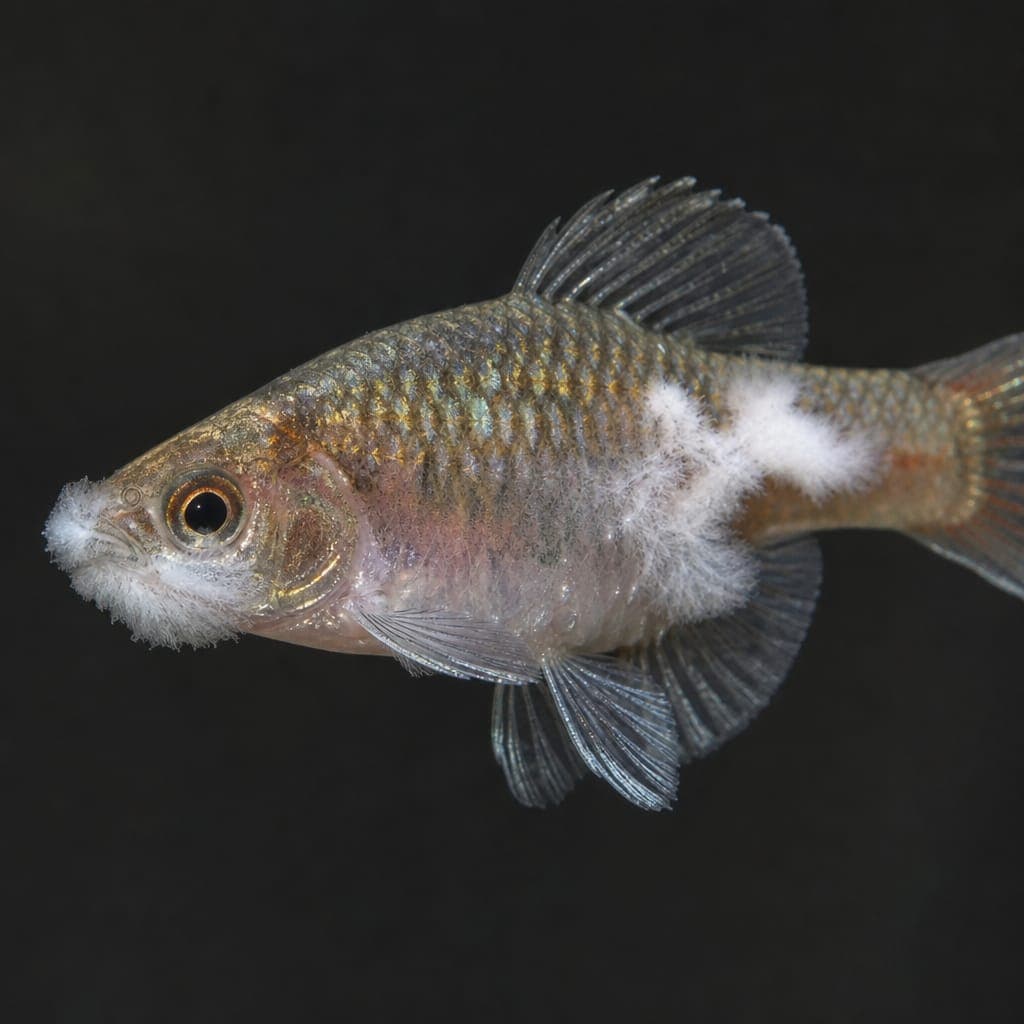
While Peacock Snakeheads are generally hardy, they can be susceptible to several common health issues that every aquarist should be aware of. Some of the prevalent diseases include ich (white spot disease), bacterial infections, and fungal infections, which can arise from poor water quality or stress. Regular water changes and maintaining optimal water parameters can significantly minimize the likelihood of these occurrences.
To prevent these health issues, it’s crucial to conduct routine health checks and maintain clean tank conditions. Monitoring their behavior, appetite, and physical appearance will help in early detection of problems. Proper quarantine of new fish and maintaining a stress-free environment can also aid in keeping these beautiful fish healthy and thriving.