Fish

Peacock Wrasse

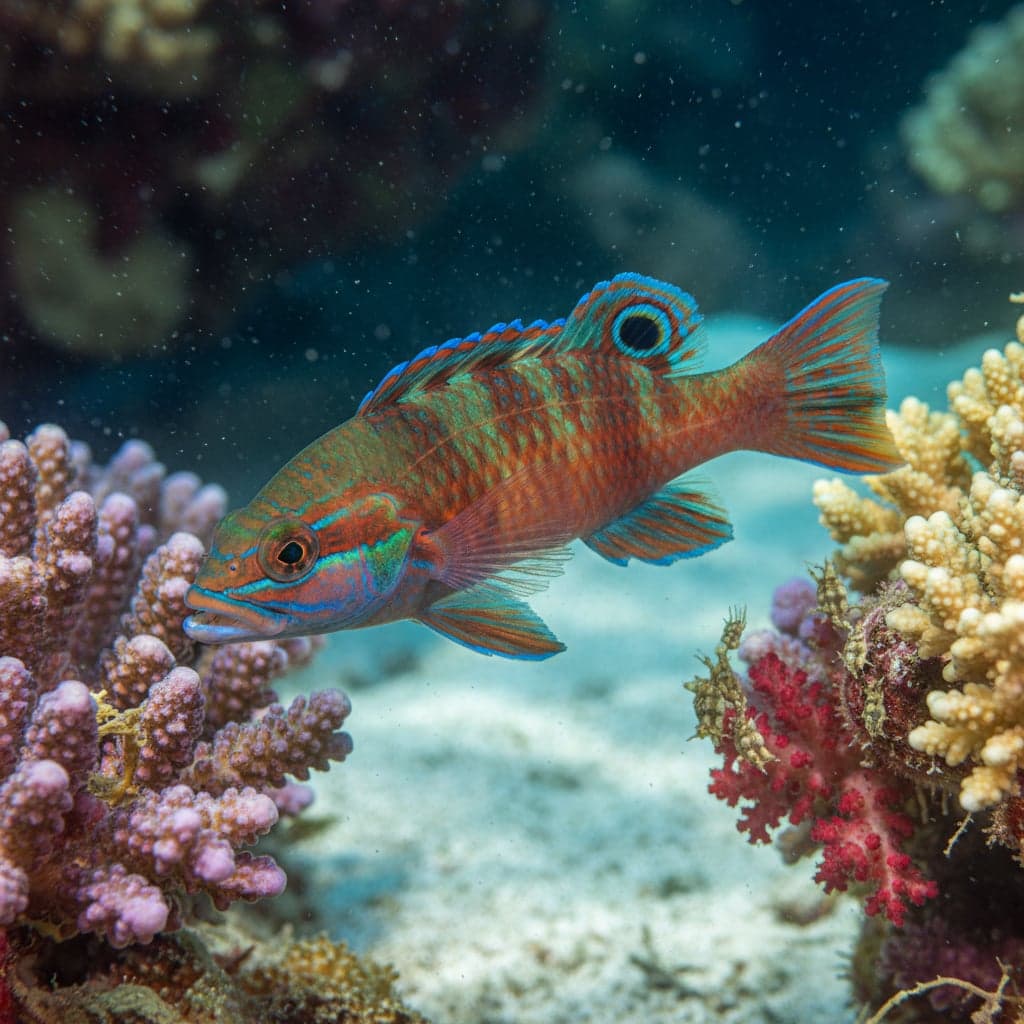
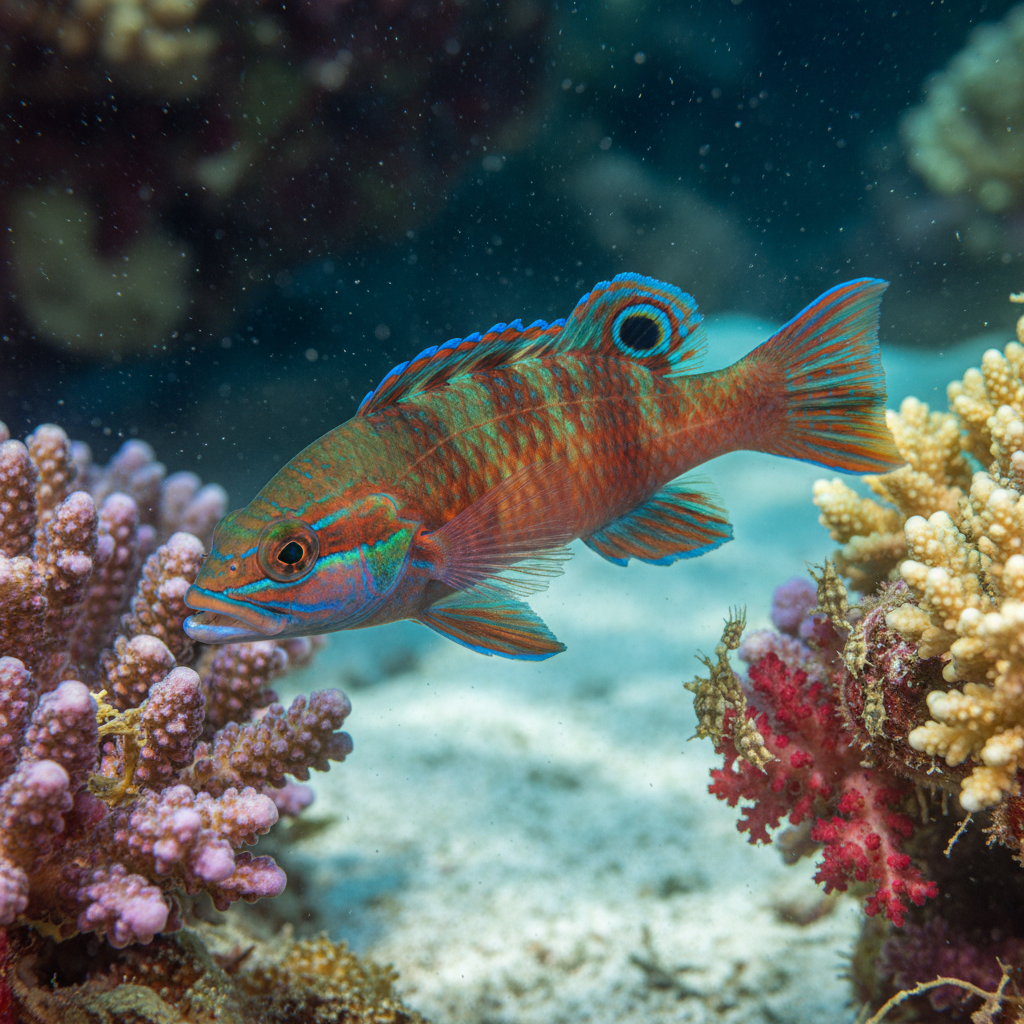
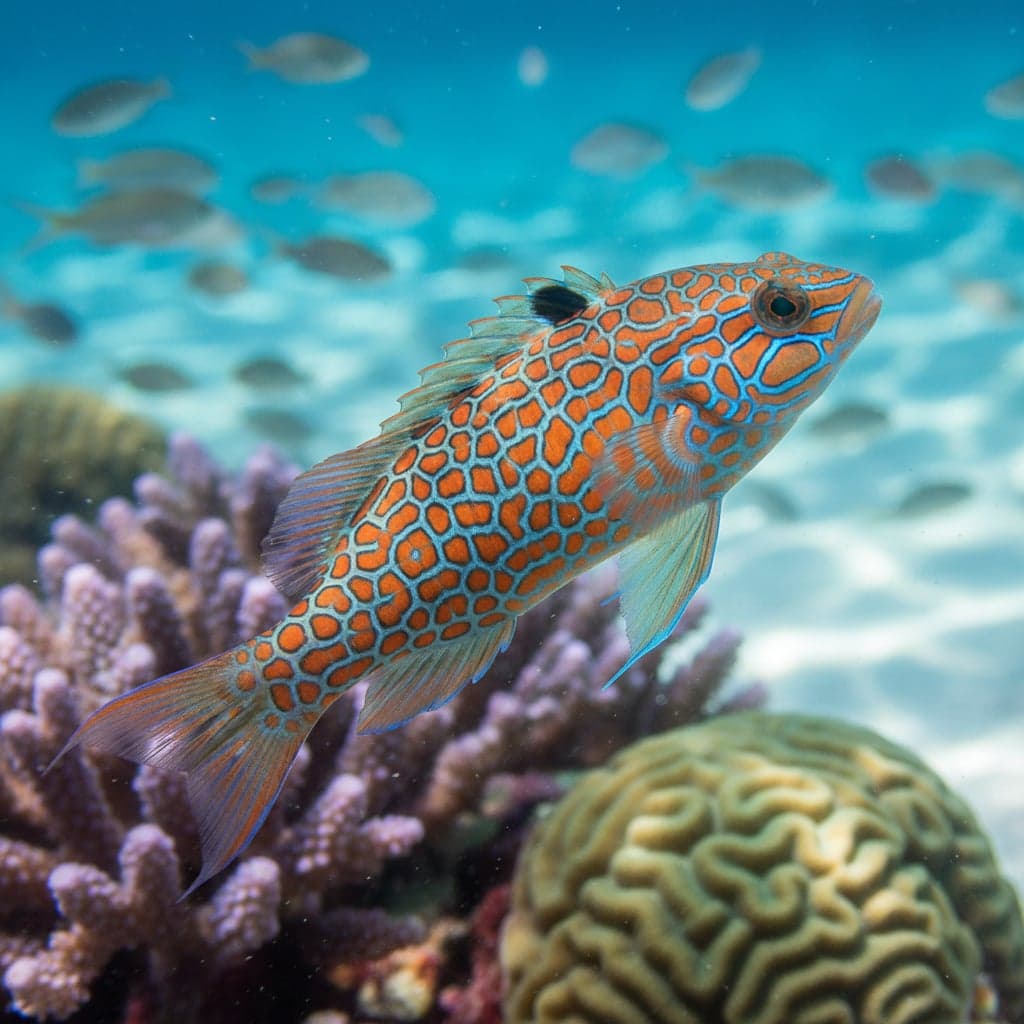
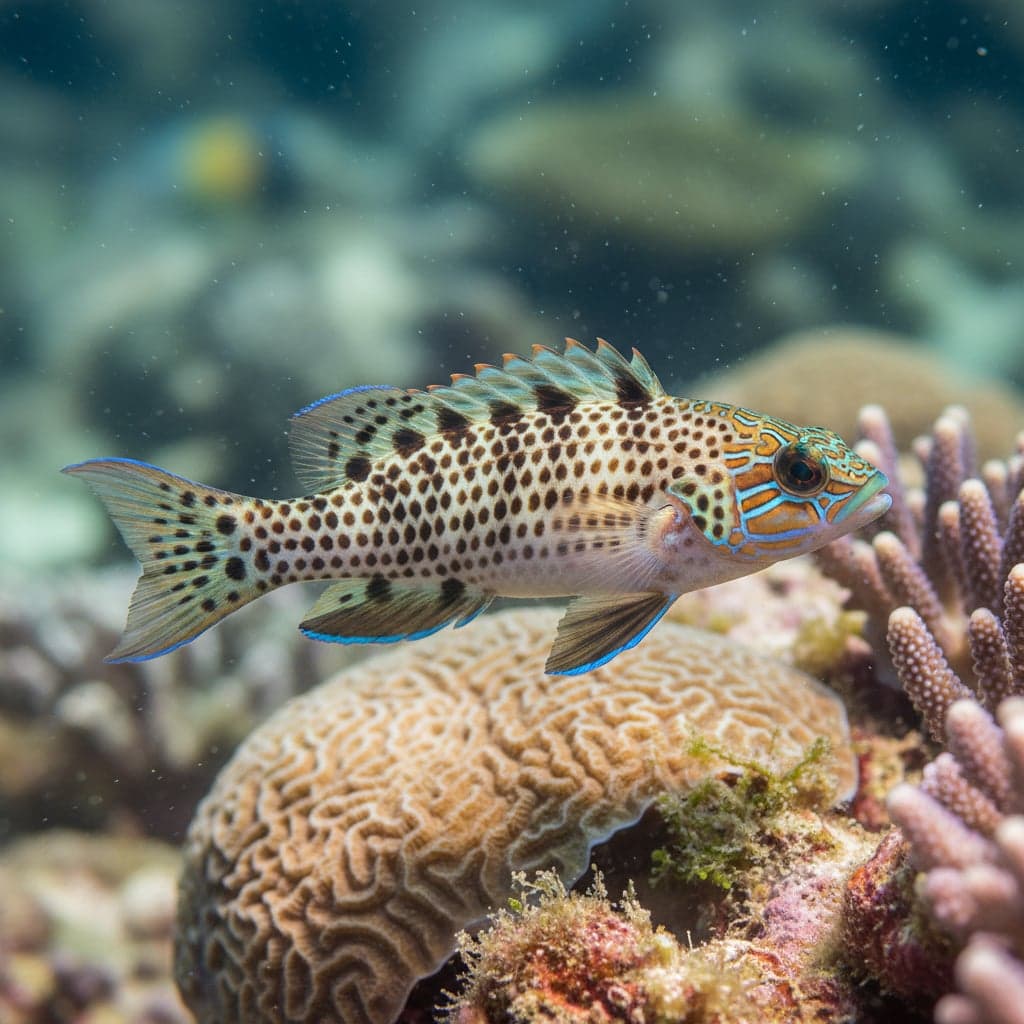
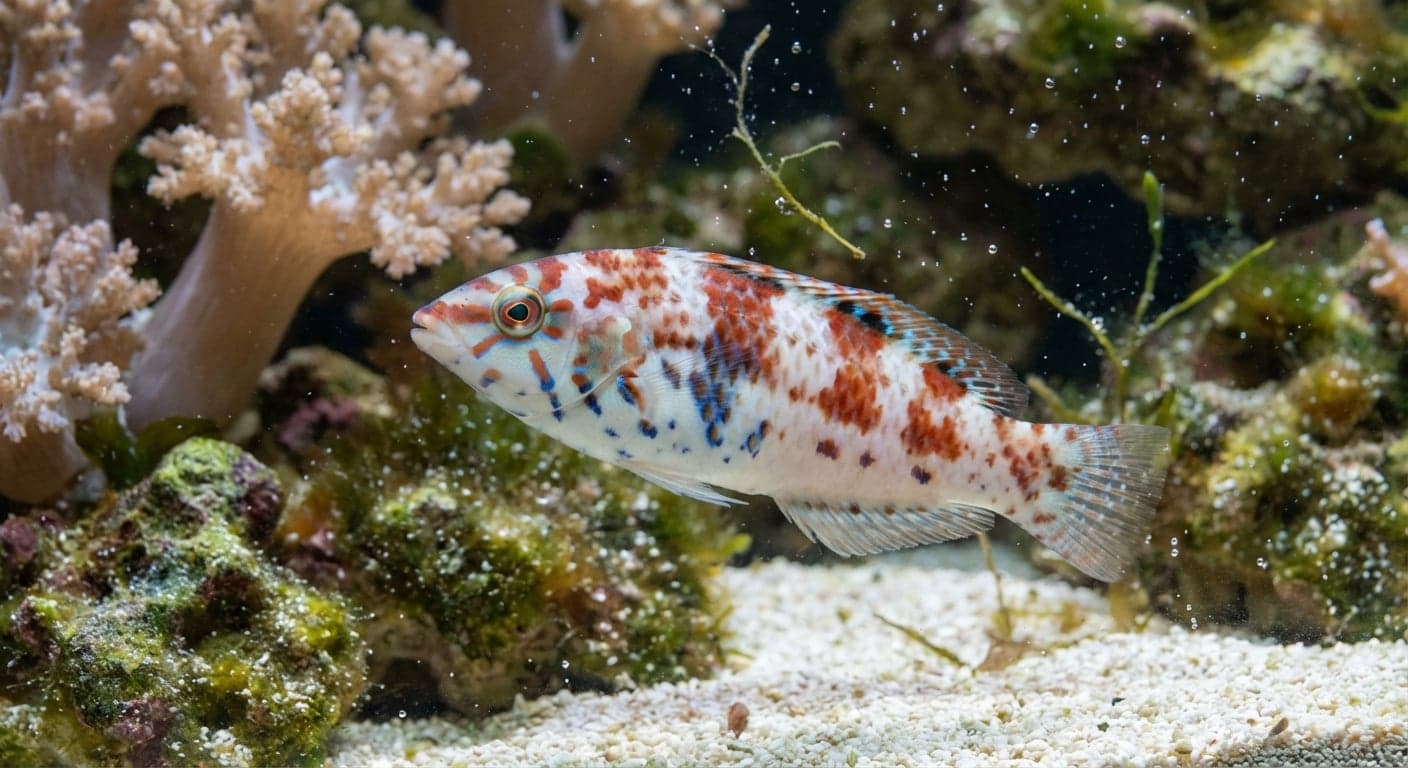
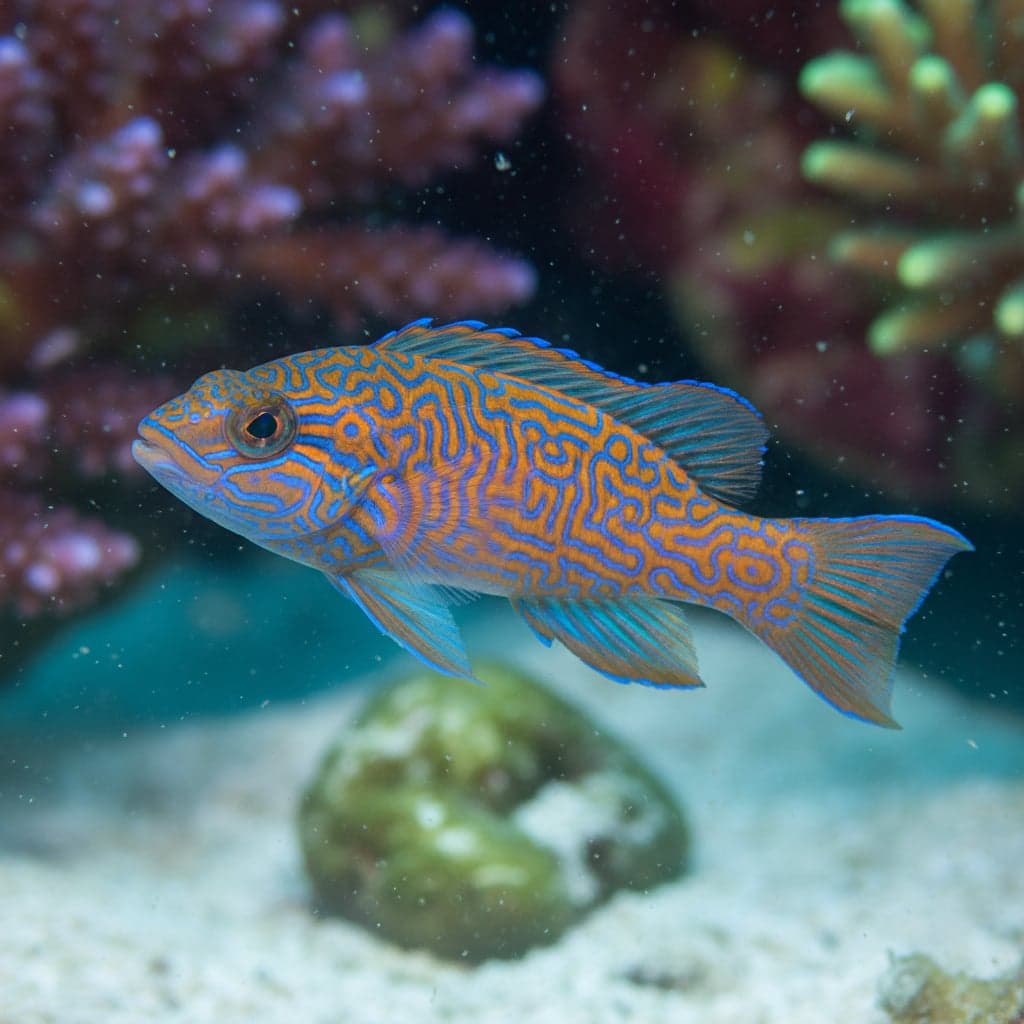
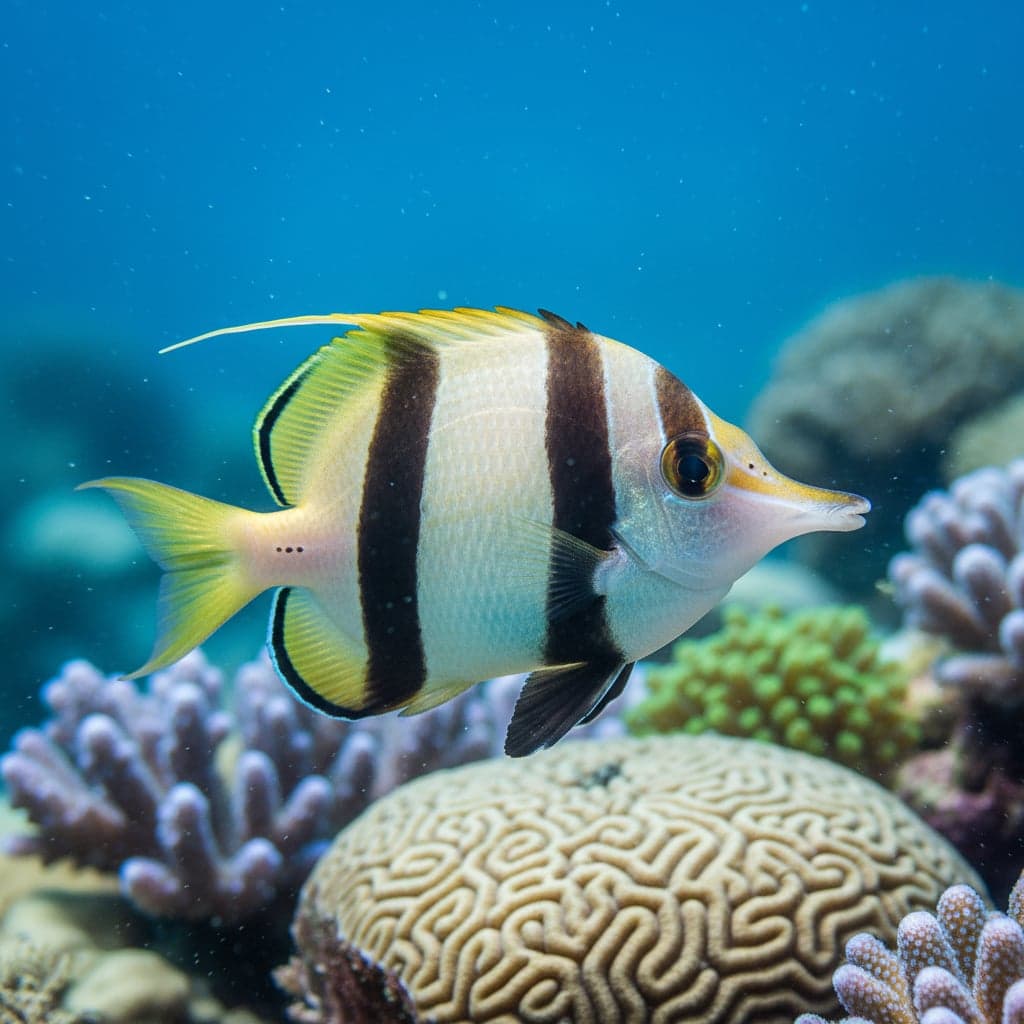
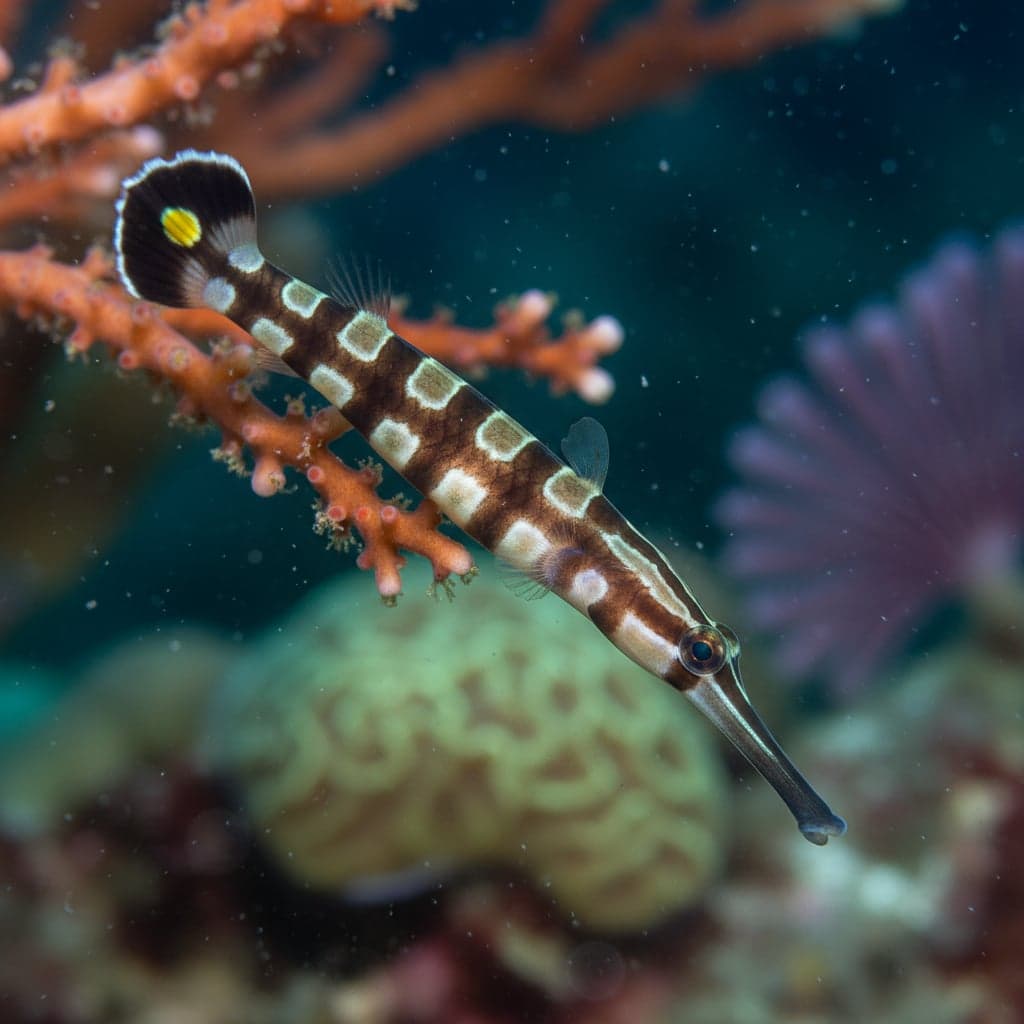
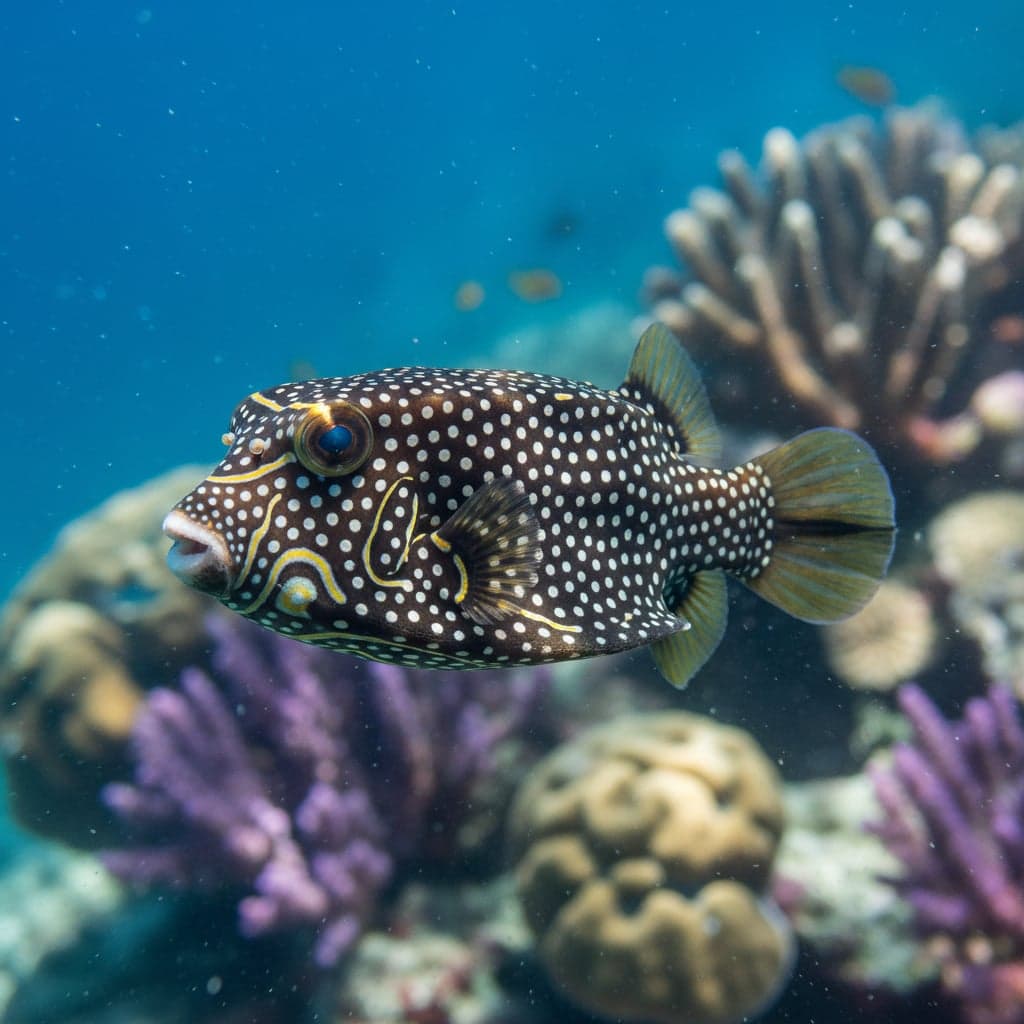
The Peacock Wrasse (Macropharyngodon bipartitus) is a stunning saltwater fish known for its unique appearance and behavior.

Studio Scaped
Peacock Wrasse

Peacock Wrasse

The Peacock Wrasse, scientifically known as Cirrhilabrus solorensis, is renowned for its stunning coloration and vibrant patterns, making it a sought-after species in the aquarium hobby. This fish boasts a mesmerizing spectrum of blues, greens, and yellows, with distinctive markings that shimmer as it swims. Its beauty isn't just skin-deep; the Peacock Wrasse plays a significant role in the balance of marine ecosystems, contributing to the control of algae and the health of coral reefs. For aquarists, this charismatic species combines visual appeal with an engaging personality, making it a centerpiece in any tank.

In addition to its aesthetic charm, the Peacock Wrasse is known for its fascinating behavior. It exhibits a shy demeanor when first introduced to a new environment but gradually becomes more active and social. This species is especially notable for its ability to change color based on mood and surroundings, offering a dynamic experience for viewers. As a result, the Peacock Wrasse not only serves as an attraction in a home aquarium but also adds to the biotope's biodiversity, enriching the aquatic landscape.

Natural Habitat & Origin

The Peacock Wrasse is native to the warm, shallow waters of the Indo-Pacific region, specifically around coral reefs in areas such as the Solomon Islands, Indonesia, and the Great Barrier Reef. It typically inhabits sandy substrates found at depths ranging from 5 to 50 meters. These environments are characterized by clear water, vibrant coral formations, and ample hiding spots among rocks and crevices, which provide refuge from predators and a hunting ground for food.

In its natural habitat, the Peacock Wrasse thrives among coral reefs where it plays an essential role in maintaining the balance of the ecosystem. Its preference for well-oxygenated waters with a gentle surge makes it a top candidate for reef aquariums. Understanding its natural environment helps aquarists replicate these conditions, ensuring the health and longevity of this captivating fish.

Care Requirements

When setting up a tank for the Peacock Wrasse, several water parameters and environmental factors must be taken into consideration. Ideal water conditions include a pH level of 8.1 to 8.4, a temperature range of 75°F to 82°F (24°C to 28°C), and a general hardness of 8 to 12 dGH. These parameters closely mimic the natural habitat of the Peacock Wrasse, promoting optimal health and vibrant coloration.

The minimum tank size for a Peacock Wrasse should be at least 50 gallons due to its active nature. The substrate should consist of fine sand that allows for natural burrowing behavior. Aquascaping can include live rock formations, which not only enhance the tank's aesthetic appeal but also provide hiding spots. Moderate to high lighting is recommended to replicate the bright conditions of shallow reefs, while live plants may be added, but they should be robust and hardy, as the fish may disturb softer species.

Diet & Feeding

The Peacock Wrasse is best classified as an omnivorous fish, thrive on a varied diet. In captivity, it's important to provide a balanced mix of high-quality foods. Recommended options include high-protein frozen foods such as brine shrimp, mysis shrimp, and chopped seafood. Additionally, quality flakes and pellets formulated for marine fish can play a significant role in their diet, offering essential vitamins and minerals. Live foods can also be an enticing treat, luring this fish into the open and showcasing its lively hunting behavior.

To promote optimal health and prevent nutritional deficiencies, it's advisable to feed the Peacock Wrasse two to three times a day in small portions that can be consumed within a few minutes. This feeding schedule helps replicate its natural grazing habits while keeping the tank clean by minimizing uneaten food.

Behavior & Temperament

The Peacock Wrasse is known for its active and inquisitive nature, often darting around the tank in search of food and exploring its environment. Although they can be shy initially, they typically become more confident and sociable with time. In terms of social structure, they are not particularly schooling fish but rather prefer to establish their territories. Males can exhibit territorial behavior, especially when courting females or during mating season, which may lead to aggression if tank mates are not appropriately chosen.

In the aquarium, it's common to observe the Peacock Wrasse swimming primarily in the mid to upper levels of the tank, often hovering near rocks and corals. Their natural instinct is to seek shelter, making the availability of hiding spots vital to their comfort. Observing their behavior can be a rewarding experience that reflects their vibrant personality.

Tank Mates

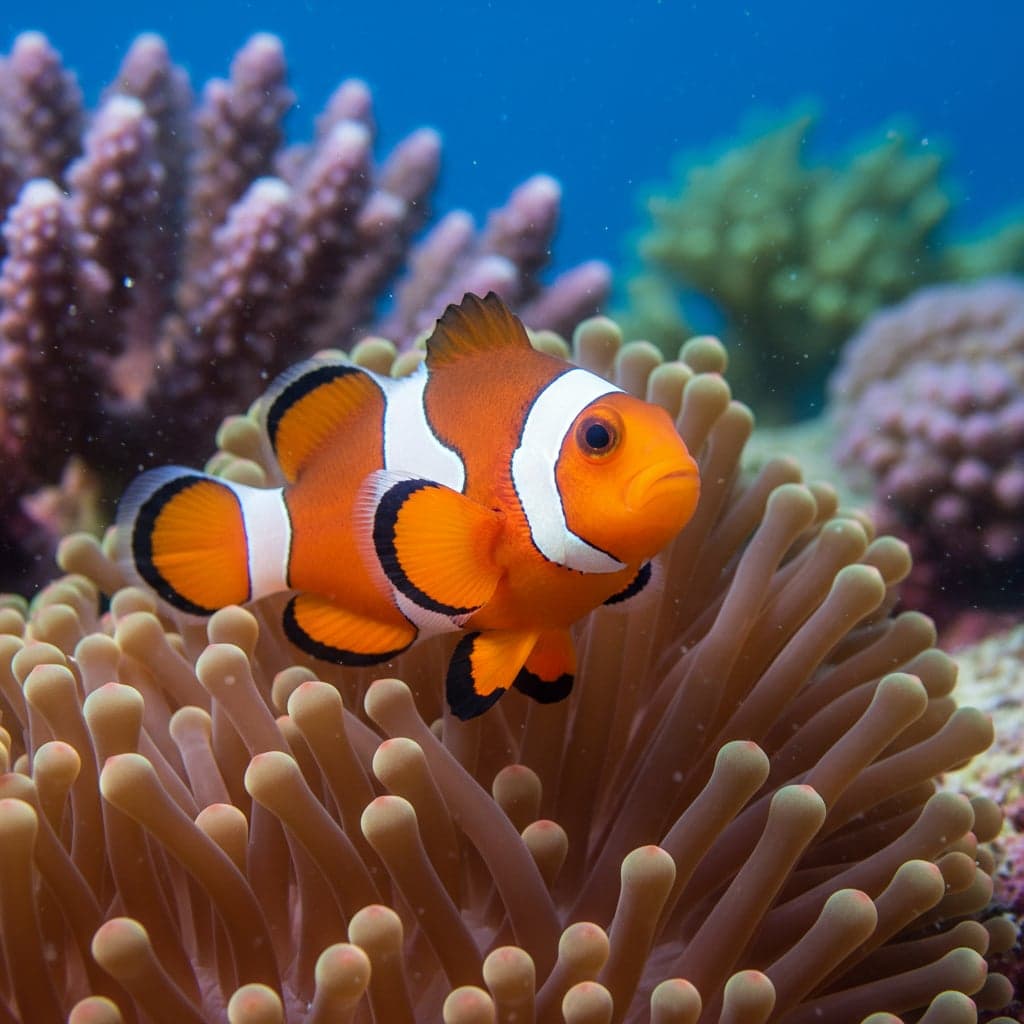
Selecting compatible tank mates for the Peacock Wrasse requires careful consideration to promote harmony in the aquarium. Suitable companions include docile reef fish such as clownfish, gobies, and certain types of cardinals, which coexist peacefully without competing aggressively for space or food. Other compatible species include various wrasses and peaceful tangs, as long as their temperaments are well matched.

Conversely, it is advisable to avoid aggressive fish species that could provoke the Peacock Wrasse, such as lionfish or larger damsels. Additionally, avoid housing them with similar-looking wrasses to prevent territorial disputes. A well-thought-out community setup will maximize the chances of successful coexistence and minimize stress among tank inhabitants.

Breeding

Breeding the Peacock Wrasse in captivity can be challenging, primarily because their spawning rituals typically occur in pairs in the wild. For successful breeding, a well-maintained tank with stable water conditions and abundant hiding spots is essential. Setting up a separate breeding tank, equipped with plenty of live rock and a sand bed, can enhance the chances of successful egg laying.

During spawning, male Peacock Wrasses will display their stunning colors to attract a female. They engage in circling behaviors, and if conditions are right, the female will lay eggs over the substrate. After fertilization, the eggs will hatch within a few days. The fry are highly sensitive and require special care to ensure their survival, typically needing infusoria and other tiny foods until they grow larger.

Common Health Issues

Like many marine fish, the Peacock Wrasse can be susceptible to various health issues, including ich (ichthyophthirius multifiliis), marine velvet, and bacterial infections. To minimize these risks, maintaining optimal water quality and ensuring a low-stress environment is critical. Quarantining new arrivals before adding them to the main tank can prevent the introduction of pathogens.

Regular observation of the fish for signs of illness, such as abnormal behavior, loss of appetite, or visible lesions, can aid in early detection and treatment of health issues. Additionally, ensuring a balanced diet and a clean tank environment contributes to the overall health of the Peacock Wrasse, allowing it to thrive and showcase its vibrant beauty.

ADA
Aqua One
Chihiros
Dennerle
EHEIM
Fluval
Oase
Seachem
Tropica
Twinstar
UNS
ADA
Aqua One
Chihiros
Dennerle
EHEIM
Fluval
Oase
Seachem
Tropica
Twinstar
UNS
ADA
Aqua One
Chihiros
Dennerle
EHEIM
Fluval
Oase
Seachem
Tropica
Twinstar
UNS
ADA
Aqua One
Chihiros
Dennerle
EHEIM
Fluval
Oase
Seachem
Tropica
Twinstar
UNS