Picasso Triggerfish: Rhinecanthus aculeatus
Abstract art come to life. The Picasso Trigger is a bold, intelligent predator with an unmistakable geometric color pattern and genuine personality.
Picasso Triggerfish
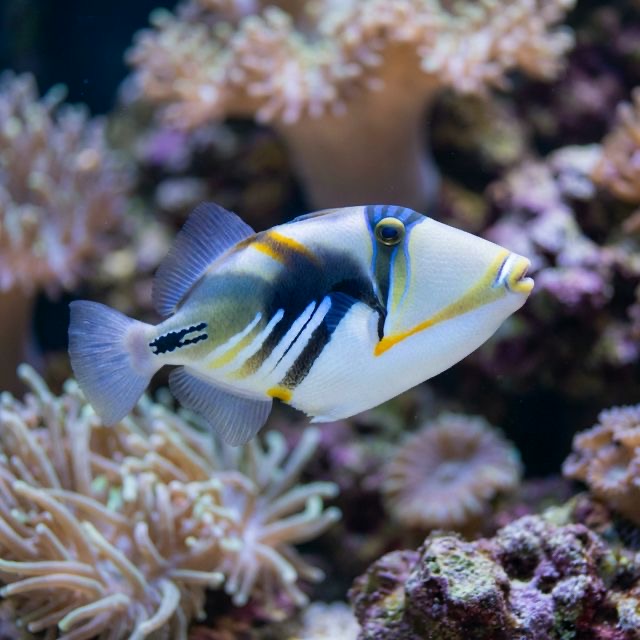
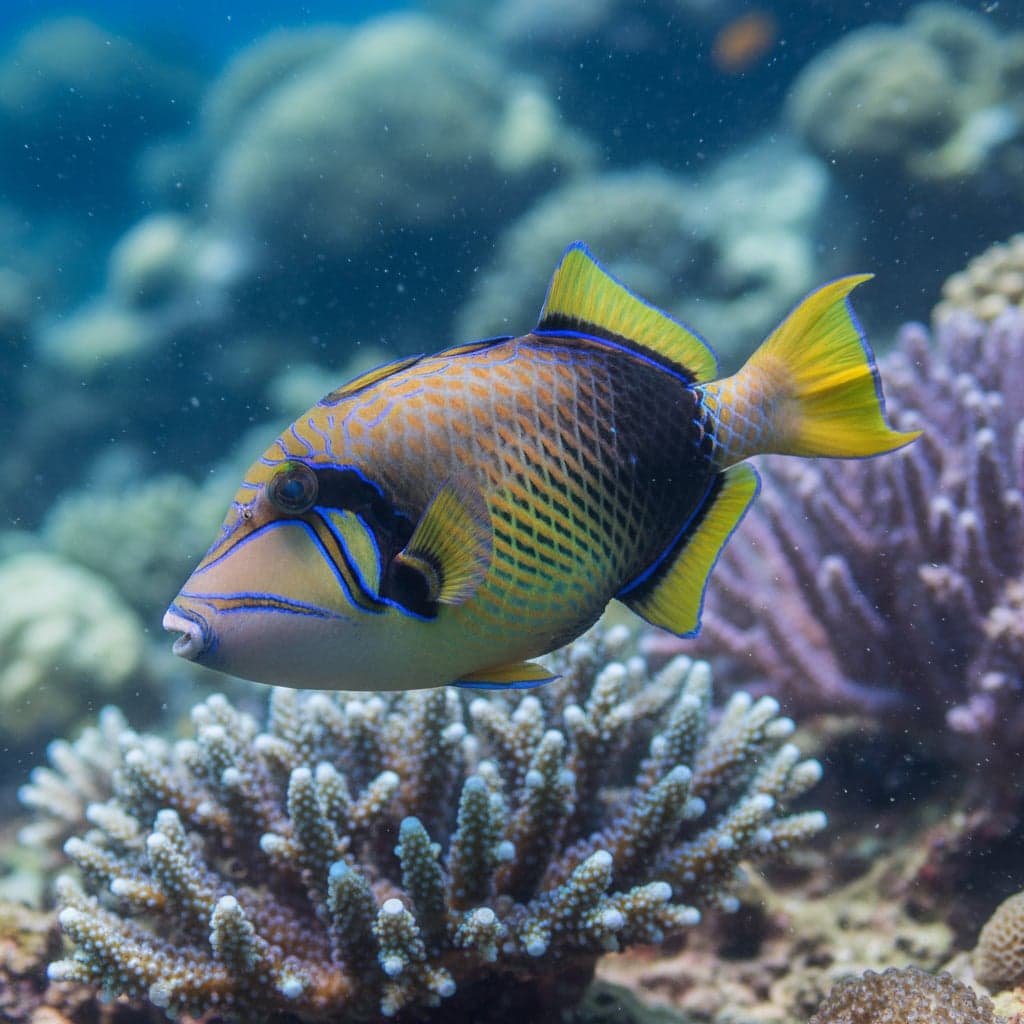
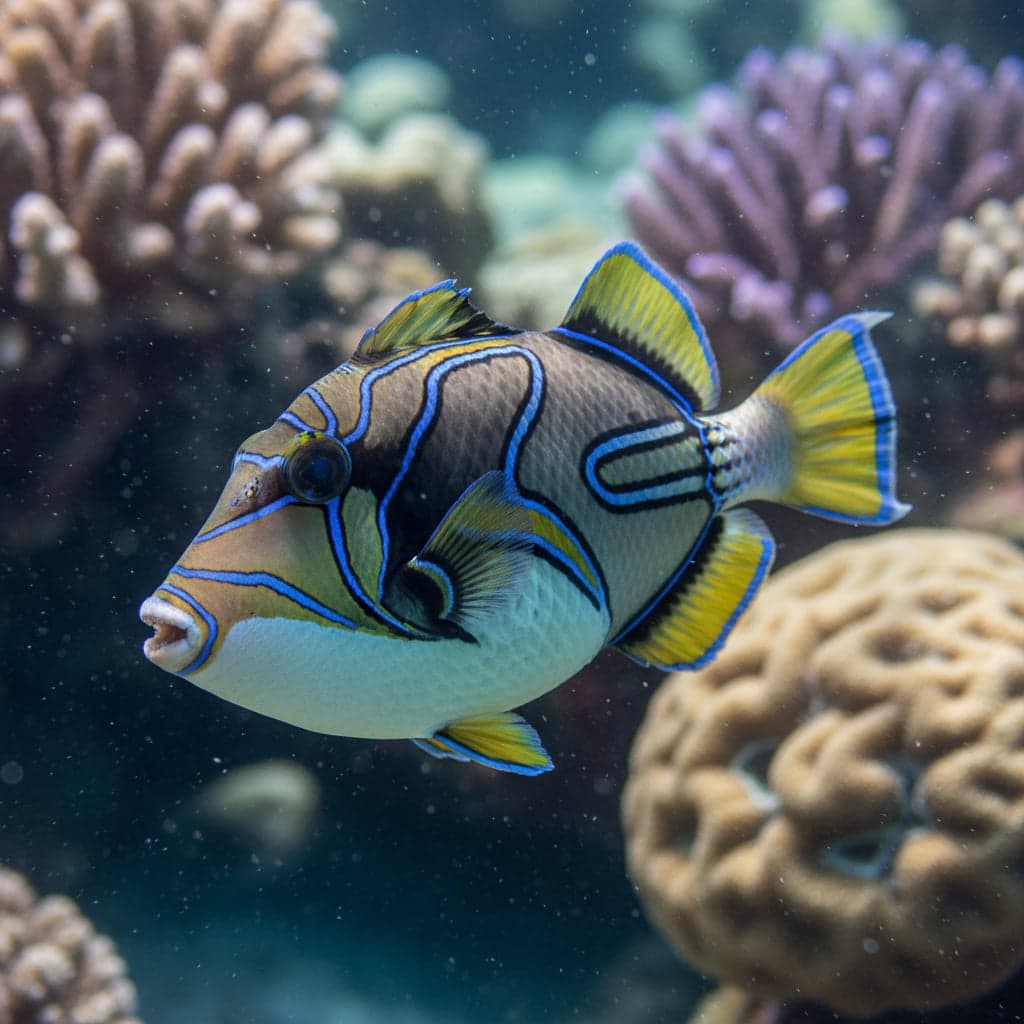
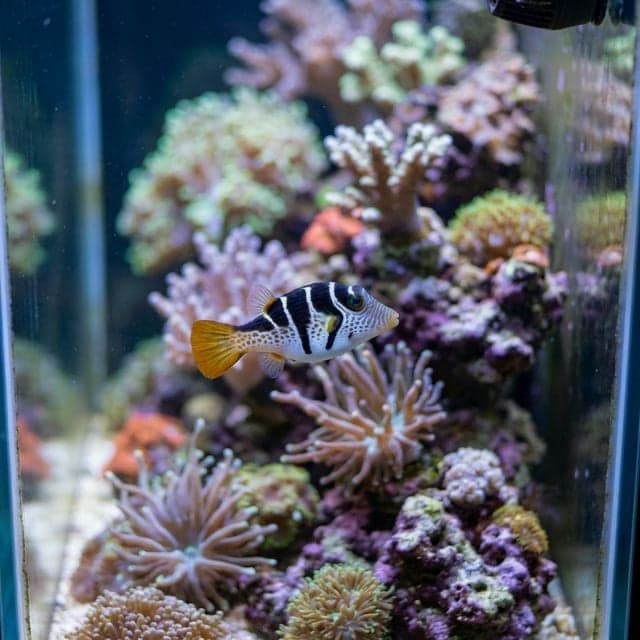
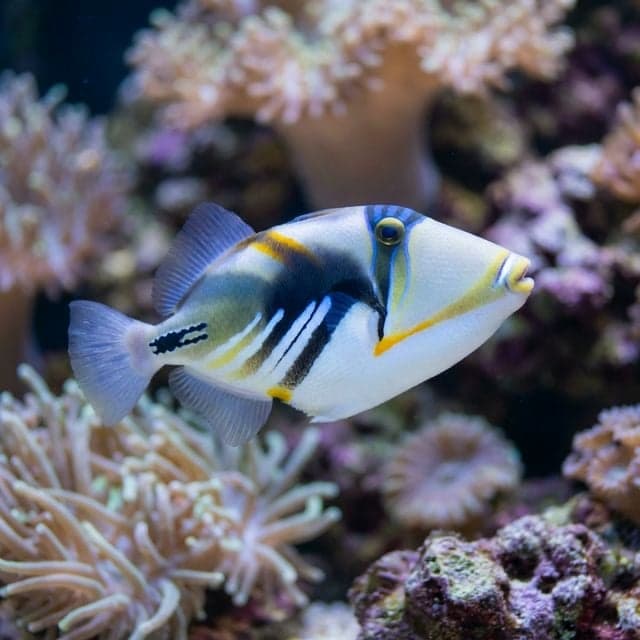
The Picasso Triggerfish (Rhinecanthus aculeatus) is a striking marine species renowned for its vibrant colors and unique patterns, making it a popular choice among marine aquarium enthusiasts. Characterized by its distinctively bold coloration featuring a blend of bright yellow, blue, and white with a patchy design reminiscent of Picasso's artwork, this fish is not only beautiful but also fascinating. Its robust body structure and relatively large size can reach up to 10 inches (25 cm) in length, captivating the attention of both novice and expert aquarists alike. This fish is often admired for its playful behavior and intelligent personality, contributing to its desirability in the ornamental fish trade.
In the realm of the aquarium hobby, the Picasso Triggerfish stands out not just for its visual appeal but also for its manageable care requirements and adaptability in the home aquarium. Its significance is heightened by its engaging behavior, providing a captivating and dynamic element to marine systems. However, potential owners should be well-informed about the maintenance and compatibility of this species, ensuring a harmonious addition to established marine environments. The Picasso Triggerfish's striking appearance and lively disposition make it a centerpiece in any tank, elevating its status among marine collectibles.
Natural Habitat & Origin
The Picasso Triggerfish is native to the warm coastal waters of the Indo-Pacific region, with a noted presence around coral reefs in areas such as the Red Sea, the Society Islands, and across the western Pacific from Japan to Australia. These fish thrive in both shallow and deeper reef environments, typically found in habitats that feature plenty of coral formations and rock structures. They are particularly sensitive to changes in their environment, preferring clear waters enriched with nutrients that sustain their diverse diet. Shallow lagoons and outer reef slopes serve as their primary habitat, showcasing the ecological significance of maintaining coral health and the overall biodiversity of marine ecosystems.
In terms of the environmental context, the Picasso Triggerfish often inhabits regions with stable, warm temperatures that hover between 75°F to 82°F (24°C to 28°C). The water in its natural habitat is generally clear, rich in dissolved oxygen, and has a moderate salinity, which is essential for overall health and vitality. The fish’s reliance on reef ecosystems makes it vital to understand the impact of human activities, such as overfishing and habitat destruction, and promotes the significance of conservation efforts to maintain these delicate marine environments.
Care Requirements
To ensure the health and longevity of a Picasso Triggerfish in captivity, specific care requirements must be met. Ideal water parameters include a pH range of 8.1 to 8.4, a temperature between 75°F and 82°F (24°C - 28°C), and a salinity level of 1.020 to 1.025 specific gravity. It is crucial to provide stable water conditions, as fluctuations can lead to stress and susceptibility to diseases. The fish thrives in well-filtered systems that provide constant water movement, recreating its natural environment.
When it comes to tank setup, a minimum aquarium size of 75 gallons is recommended to accommodate the Picasso Triggerfish's active nature and ensure adequate swimming space. The substrate should consist of fine sand or small gravel, simulating the sandy bottoms of its natural habitat. Incorporating plenty of live rock, caves, and hiding spots is essential for offering security and stimulation. Lighting should replicate natural daylight cycles, utilizing LED or T5 fluorescent lamps to promote plant growth if live vegetation is included. While Picasso Triggerfish can tolerate a bare tank, adding elements that promote natural foraging behavior (like rubble substrate) enhances their well-being.
Diet & Feeding
The Picasso Triggerfish is an omnivore known for its diverse dietary habits in the wild, consuming a range of foods including crustaceans, algae, and small invertebrates. In captivity, a well-balanced diet can be achieved through high-quality pellet food, flakes formulated for marine fish, and a mix of frozen or live options. Recommendations include offering a mix of marine-based foods such as mysis shrimp, brine shrimp, spirulina, and other fatty foods to ensure optimum nutrition. Feed a variety of offerings to meet their dietary needs and encourage natural foraging behavior, distributing meals throughout the day for a well-rounded diet.
Overfeeding can lead to health issues, so it is essential to provide appropriate portion sizes and observe feeding behavior. A feeding schedule of two to three times per day is ideal, ensuring that food is consumed within a few minutes to prevent water pollution. Including vegetable matter, either from algae wafers or blanched greens, will aid in their overall health, promoting a balanced diet and allowing for healthy growth.
Behavior & Temperament
The Picasso Triggerfish displays a unique and captivating behavior, showcasing a blend of playful antics and territorial tendencies. While not naturally schooling fish, they can exhibit social behaviors when introduced to compatible tank mates; however, they are known to display aggressive tendencies if they feel threatened or challenged. The species prefers to establish a solitary territory, so it is recommended to keep one in a typical community aquarium setting unless introducing a larger system where more than one individual can be adequately monitored.
In terms of placement within the tank, Picasso Triggerfish are commonly seen in the mid to upper water columns, using their swimming abilities to explore their surroundings. Providing adequate open swimming space, along with hiding places to retreat to, will support their natural behaviors while reducing stress. Regular observation will help aquarists understand individual personalities, as some Picasso Triggerfish may exhibit more docile characteristics, whereas others may display more pronounced aggression.
Tank Mates
Selecting suitable tank mates for the Picasso Triggerfish requires caution due to their often assertive nature. Ideal companions include larger, more robust species that can hold their own, such as other triggerfish (with caution), tangs, larger damsels, and certain wrasses. Species like clownfish (although small) may cohabit, provided they're not seen as interlopers. Ground-dwelling species, such as gobies and blennies, can coexist, but it is wise to ensure ample space and hiding spots to minimize territorial disputes.
Species to avoid include small or slow-moving fish, as they may become targets for aggression or bullying. Similarly, peaceful or shy species, such as smaller angelfish or community fish, can be outcompeted for food or harassed. Avoid mixing with fish that have similar body shapes or colors to prevent potential aggression due to inquisitiveness or territorial instincts. Effective planning regarding tank mates will enhance the overall aquarium environment, fostering harmony and visual appeal.
Breeding
Breeding Picasso Triggerfish in captivity presents a challenge and requires specific conditions that mirror their natural spawning behaviors. In the wild, these fish typically spawn in the early morning, often forming pairs. This reproductive strategy necessitates a well-maintained aquarium environment with stable water quality and ample space for the fish to establish territories. The ideal breeding setup should include plenty of hiding spots made from live rock to give the fish comfort and security, ensuring they are less stressed during the process.
Successful breeding requires a commitment to provide optimal conditions, including regular water changes, consistent water parameters, and a diet rich in nutrition to prepare the broodstock. If a successful pairing occurs, spawning can be identified by the male chasing the female and exhibiting courtship displays. Eggs will generally be laid on flat surfaces, where they can be cared for by both parents.