Pinocchio Whiptail: Hemiodontichthys acipenserinus
An incredibly bizarre, delicate bottom-dweller featuring a hilariously long, upturned snout mimicking a twig.

Pinocchio Whiptail
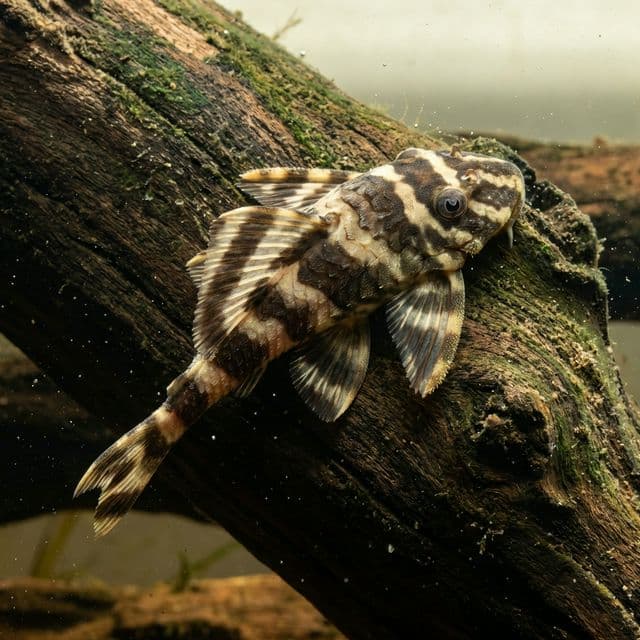
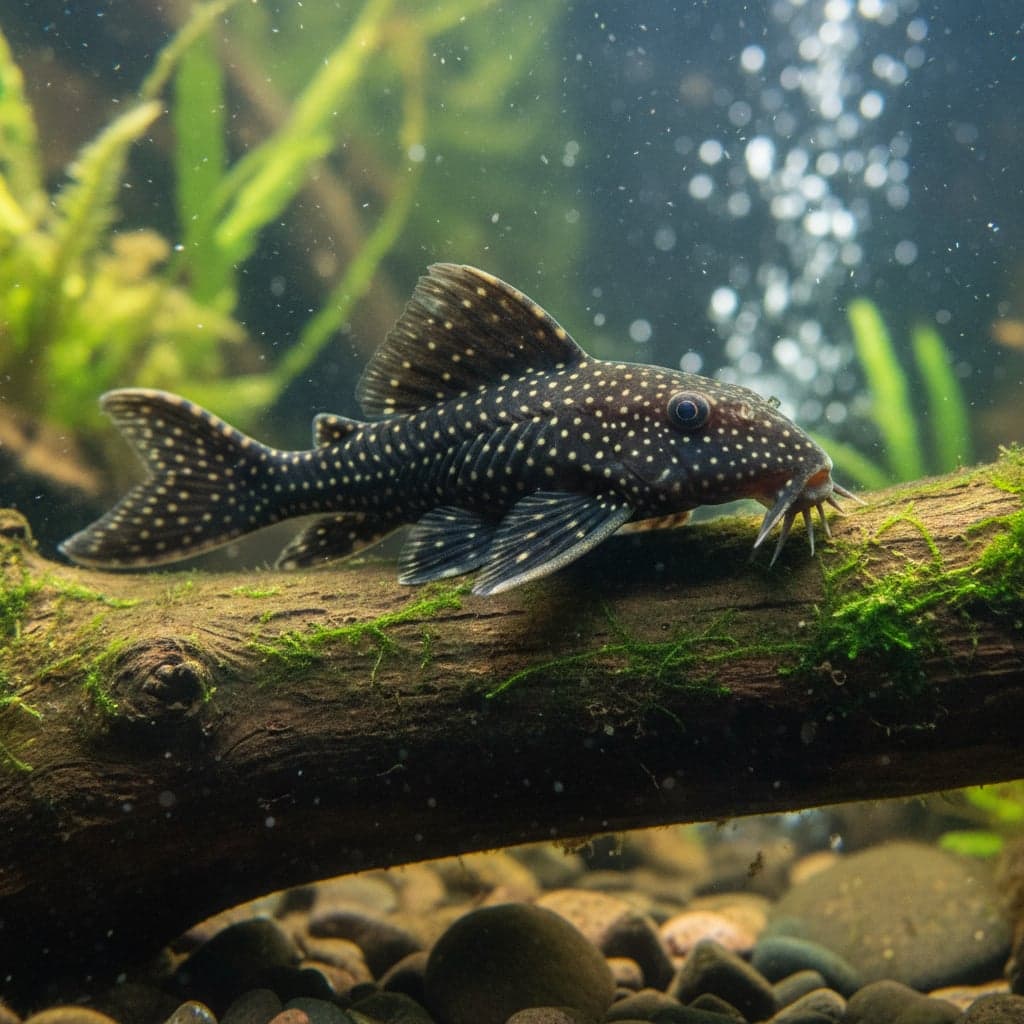
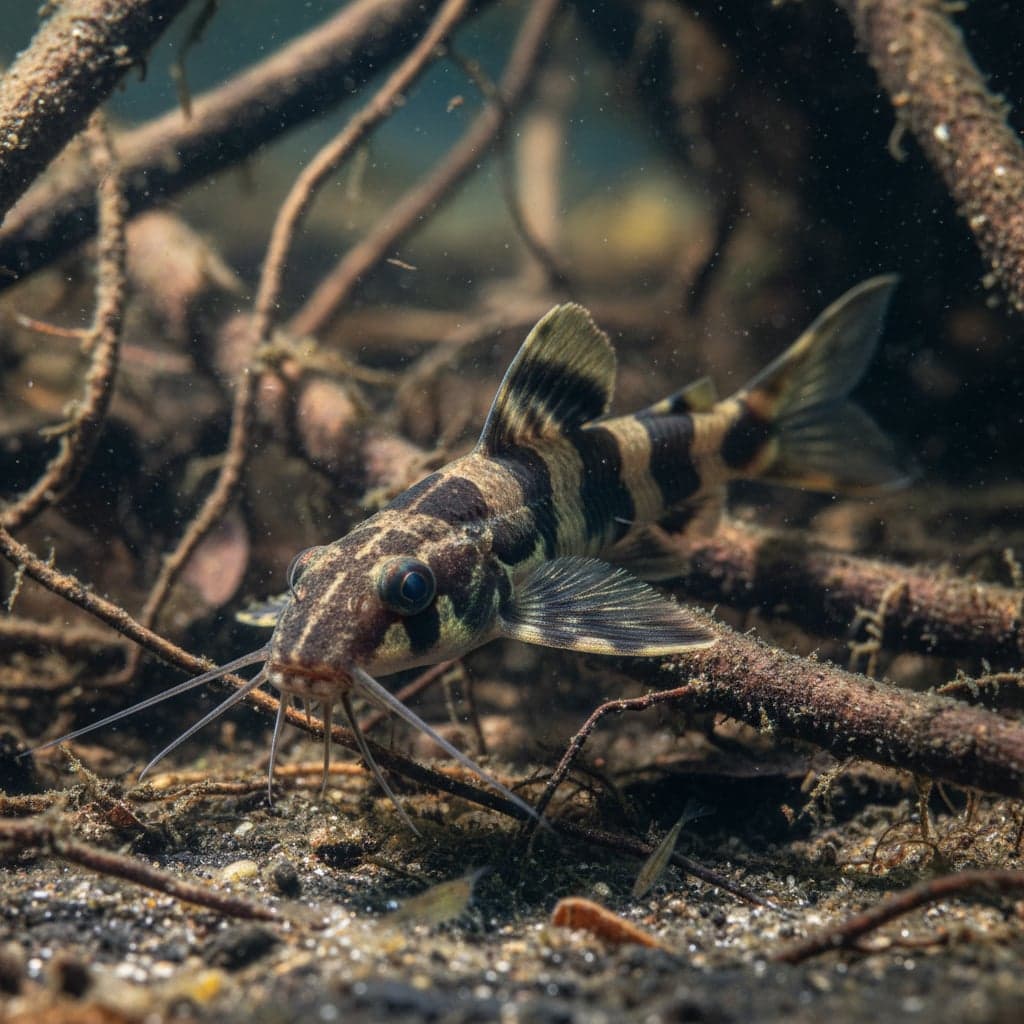
The Pinocchio Whiptail, scientifically known as Hemiodontichthys acipenserinus, is a fascinating and visually striking species renowned in the aquarium hobby for its unique body shape and intriguing characteristics. This elongated, streamlined fish boasts a distinctive nose that resembles that of its puppet namesake, giving it an almost whimsical appearance that enchants both seasoned aquarists and newcomers alike. Its body is typically adorned with a combination of earthy tones and subtle patterns, allowing it to blend seamlessly into natural aquascapes, making it a desirable addition to many setups.
The Pinocchio Whiptail is not only prized for its physical beauty but also for its role in enhancing the aquarium experience. This species is often appreciated for its playful behavior and curious demeanor as it explores the tank's substrate and plant life. As a member of the catfish family, it possesses unique adaptations for survival in its natural habitat, and its ability to thrive in various community tanks makes it a vital species for aquarists looking to create diverse ecosystems.
Natural Habitat & Origin
The Pinocchio Whiptail is indigenous to the rivers and floodplains of the Amazon Basin, particularly in countries such as Brazil and Peru. Its natural environment consists of slow-moving waters characterized by a mix of blackwater and clearwater conditions. These water bodies are typically rich in organic materials, including decomposing leaves, which contribute to the fish's diet and overall health. The soft, slightly acidic waters found in its native habitat play a significant role in its biological and ecological adaptations.
In the wild, the Pinocchio Whiptail prefers habitats that offer plenty of hiding spots and cover, such as submerged roots, driftwood, and dense vegetation. These structures not only provide shelter but also aid in foraging, as the fish often utilizes its elongated snout to sift through substrate for small invertebrates and detritus. Understanding this environmental context is crucial for replicating the ideal conditions in the home aquarium.
Care Requirements
To keep Pinocchio Whiptails healthy and thriving, specific water parameters should be maintained. The ideal pH range is between 6.0 and 7.5, with a temperature range of 75°F to 82°F (24°C to 28°C) and soft to moderately hard water (3-15 dGH). These conditions mimic the natural habitats of the Pinocchio Whiptail, promoting its overall health and well-being.
When setting up the tank, a minimum size of 20 gallons is recommended, especially since they grow to about 12–15 cm (5–6 inches) in length. The substrate should be made of soft, fine sand or small gravel to facilitate its natural foraging behavior. Additionally, incorporating plenty of hiding spots using driftwood, rock formations, and live plants helps to create a secure environment. Moderate lighting is preferred, as excessive brightness can be stressful, while dimly lit areas will help the fish feel more comfortable.
Diet & Feeding
The Pinocchio Whiptail is an omnivorous species, exhibiting a diverse diet in nature, including plant matter, algae, and small invertebrates. In a home aquarium, it thrives on high-quality foods such as sinking pellets, flake foods, and frozen or live foods like bloodworms and brine shrimp. A varied diet is essential, as it promotes healthy growth and the vibrant coloration that aquarists seek. Regularly supplementing its diet with vegetable matter, such as blanched spinach or zucchini, can also cater to its herbivorous tendencies and support optimal health.
When feeding, providing small portions multiple times a day can keep the Pinocchio Whiptail actively foraging, which is part of its natural behavior. Overfeeding should be avoided, as it can lead to water quality issues and obesity in fish. A balanced diet, combined with proper tank maintenance, contributes greatly to the longevity and vitality of these engaging fish.
Behavior & Temperament
The Pinocchio Whiptail boasts a generally peaceful disposition, making it an excellent addition to community tanks. These fish are social creatures and tend to be more active in groups, so it is advisable to keep them in schools of at least three to five individuals. This schooling behavior helps lessen stress and promotes a natural hierarchy within the group. While they typically exhibit no aggression towards tank mates, individual personalities may vary, with some individuals being more territorial than others.
In terms of spatial orientation within the tank, the Pinocchio Whiptail is known to occupy the lower to mid-level areas of the aquarium, often hiding among substrate or vegetation during the day. They might become more active at dawn and dusk, showcasing their quirky behaviors as they explore their surroundings. This makes them captivating to observe, particularly in tanks equipped with plenty of decor and hideouts.
Tank Mates
When selecting tank mates for the Pinocchio Whiptail, it is crucial to choose species that share similar water parameter needs and social dispositions. Compatible fish include peaceful species such as tetras, rasboras, and small catfish like Corydoras. Other suitable companions are dwarf cichlids and various species of shrimp, which can coexist without aggressive interactions.
On the contrary, certain fish should be avoided in a tank with the Pinocchio Whiptail. Aggressive species such as cichlids with territorial tendencies, large predatory fish, and fin-nipping species can stress the Pinocchio Whiptail or result in aggressive encounters. Careful consideration of tank dynamics will result in a harmonious aquarium environment.
Breeding
Captive breeding of the Pinocchio Whiptail can be a rewarding challenge for dedicated aquarists. Understanding their spawning behavior is crucial for success; they are known to be cave or substrate spawners. Providing them with specific spawning conditions, such as a separate breeding tank with clean water, stable pH, and slightly elevated temperatures, can help initiate breeding activities.
To encourage spawning, ensure that the breeding area contains plenty of flat surfaces, caves, or crevices. After mating, the female will lay eggs on these surfaces, and the male will fertilize them. Parental care can vary but is typically minimal. Once the eggs hatch, the fry can be fed infusoria or finely crushed flakes until they grow large enough for more substantial foods. Captive breeding efforts now contribute to the sustainable keeping of Pinocchio Whiptails in the aquarium trade.
Common Health Issues
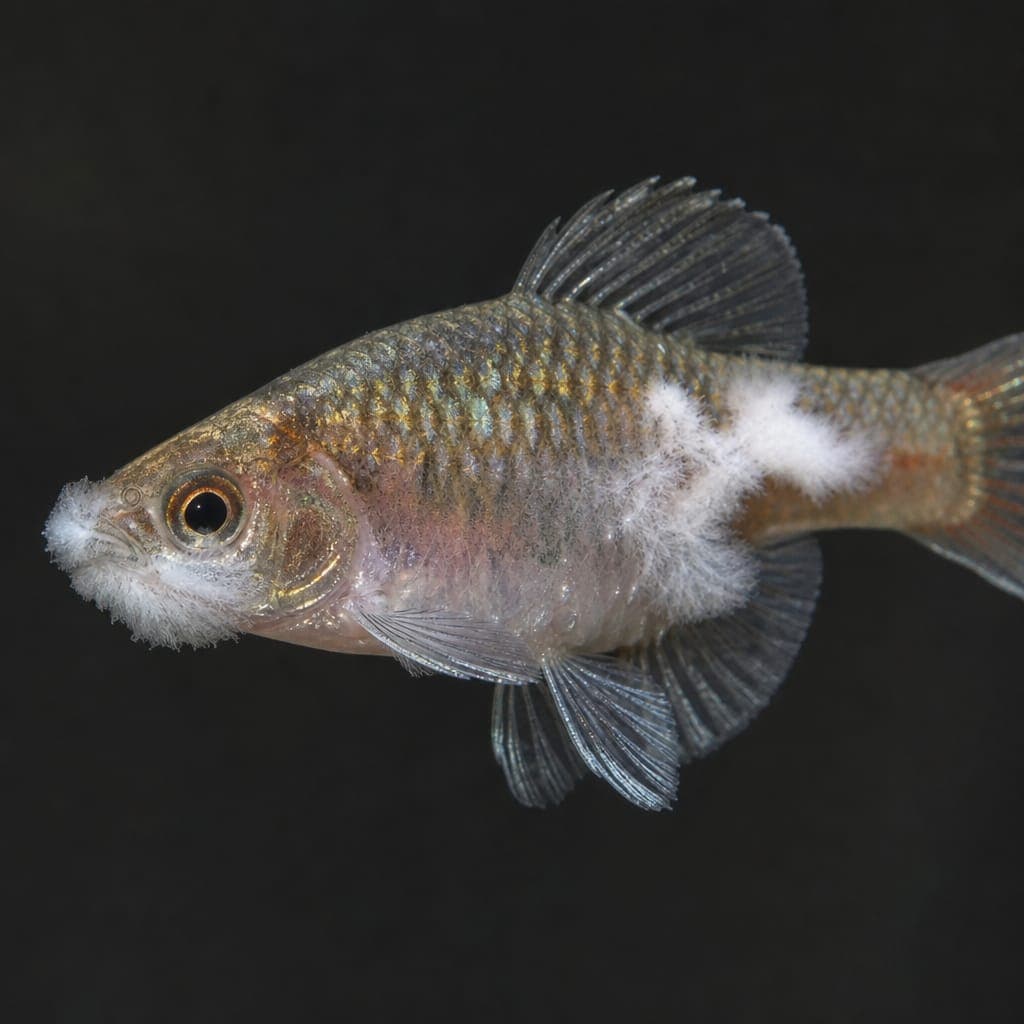
The Pinocchio Whiptail is relatively hardy, but like all aquarium fish, it can be susceptible to certain health issues. Common ailments include ich (white spot disease), fungal infections, and bacterial infections. These problems often stem from stress, poor water quality, or inadequate tank conditions.
To prevent these issues, maintaining high water quality through regular water changes, proper filtration, and avoiding overstocking is essential. Quarantining new additions before introducing them to the main tank can also help reduce the risk of disease outbreaks. Monitoring the fish closely for any signs of illness—such as changes in behavior, appearance, or appetite—enables timely intervention and treatment to ensure a long, healthy life for the Pinocchio Whiptail.