Polystictus Cory: Corydoras polystictus
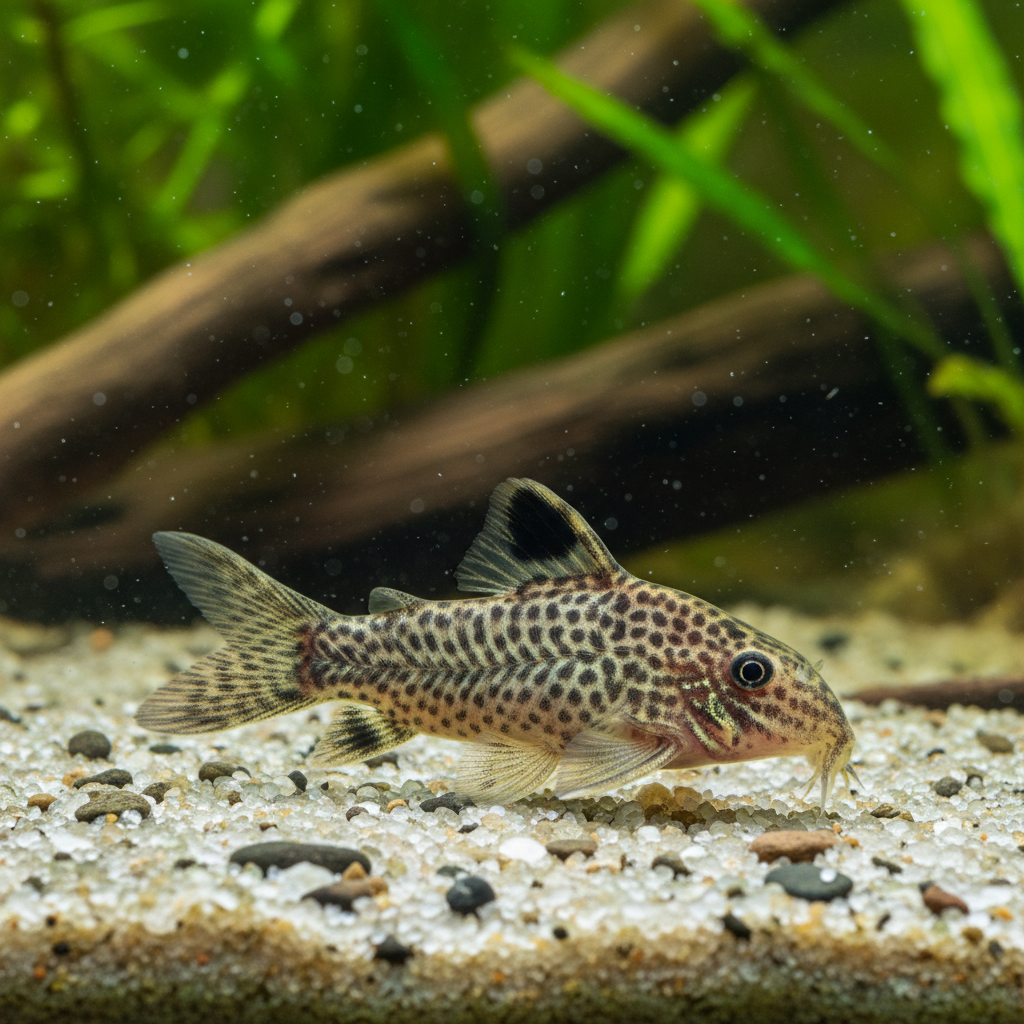
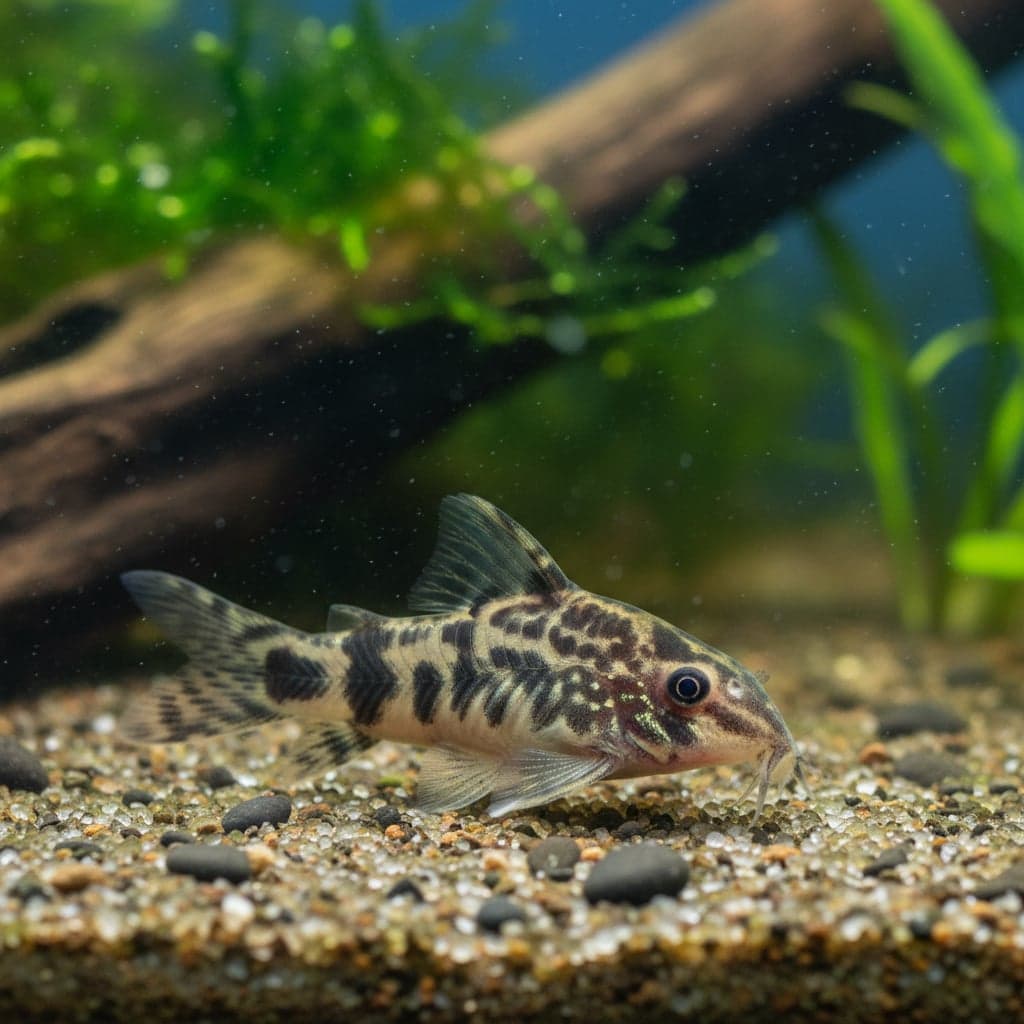
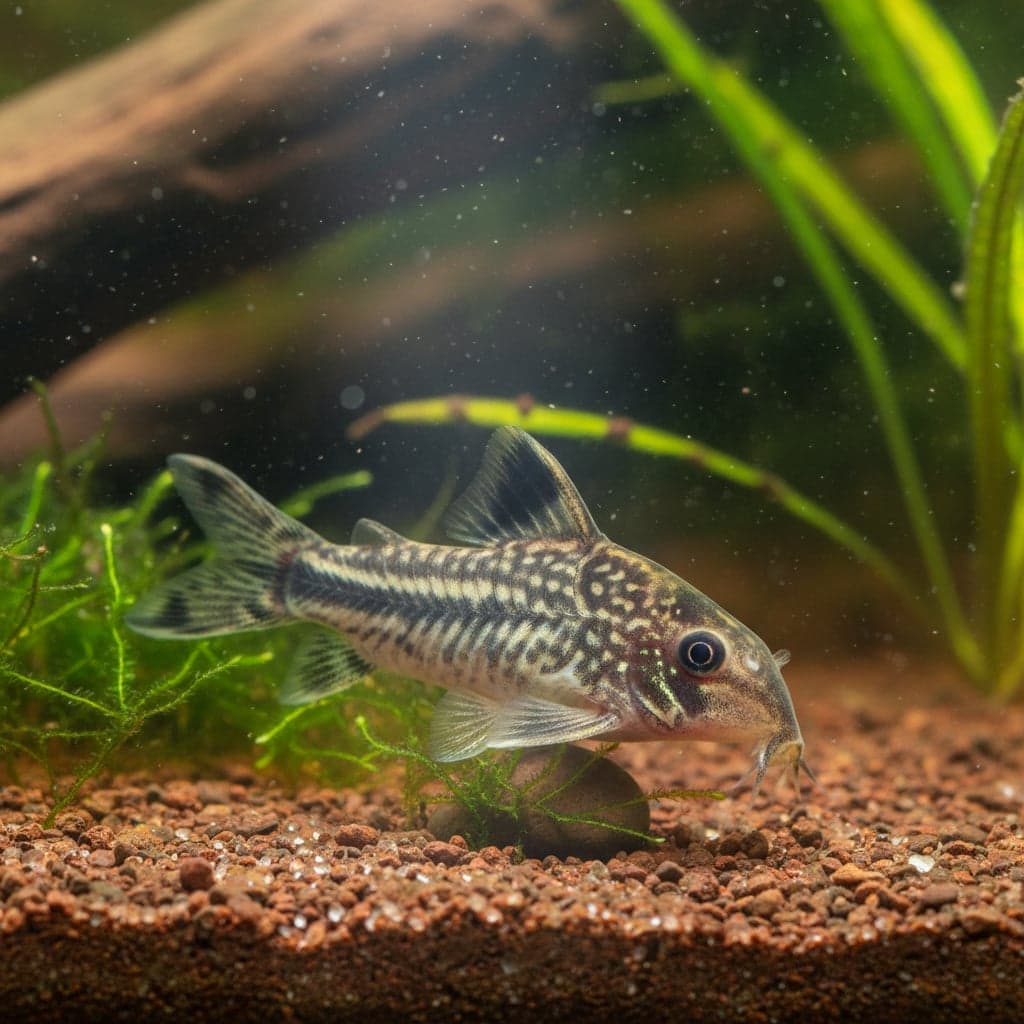
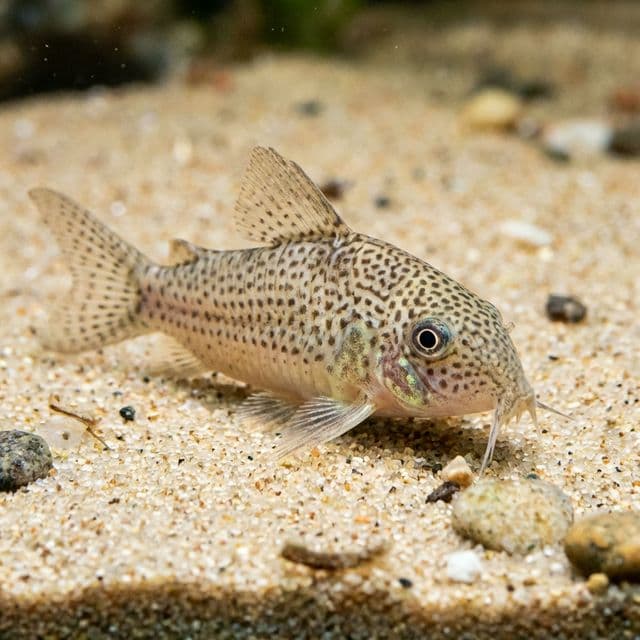
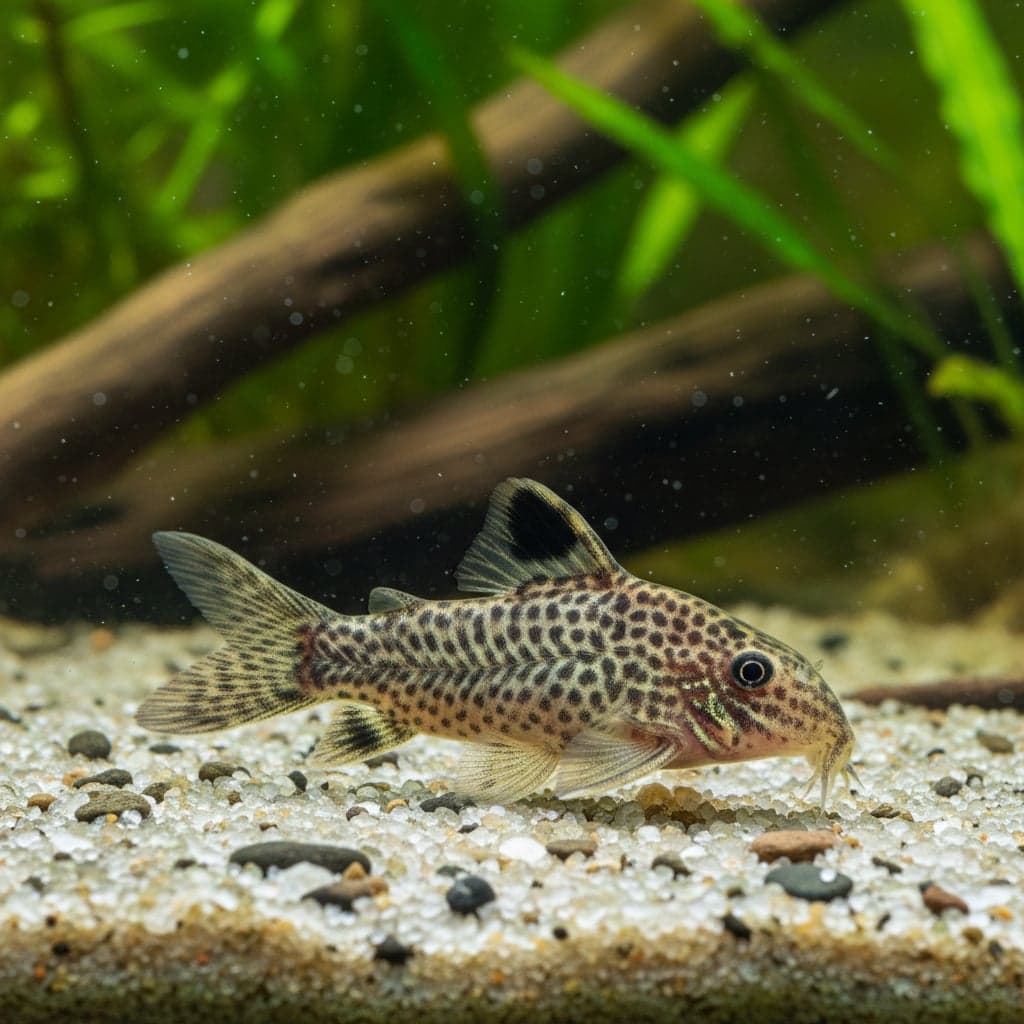
A beautiful, heavily dotted corydoras species featuring hundreds of tiny black spots scattered across a silvery body.
Polystictus Cory
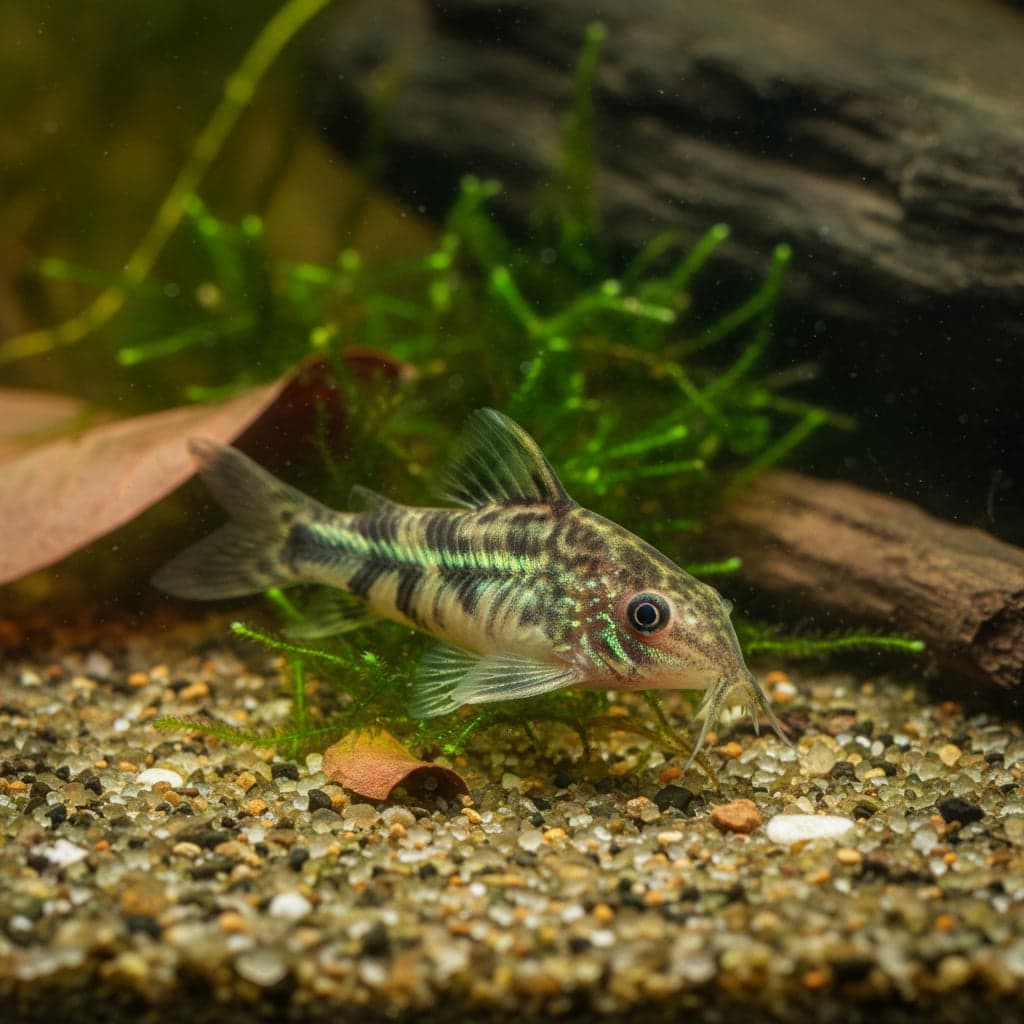
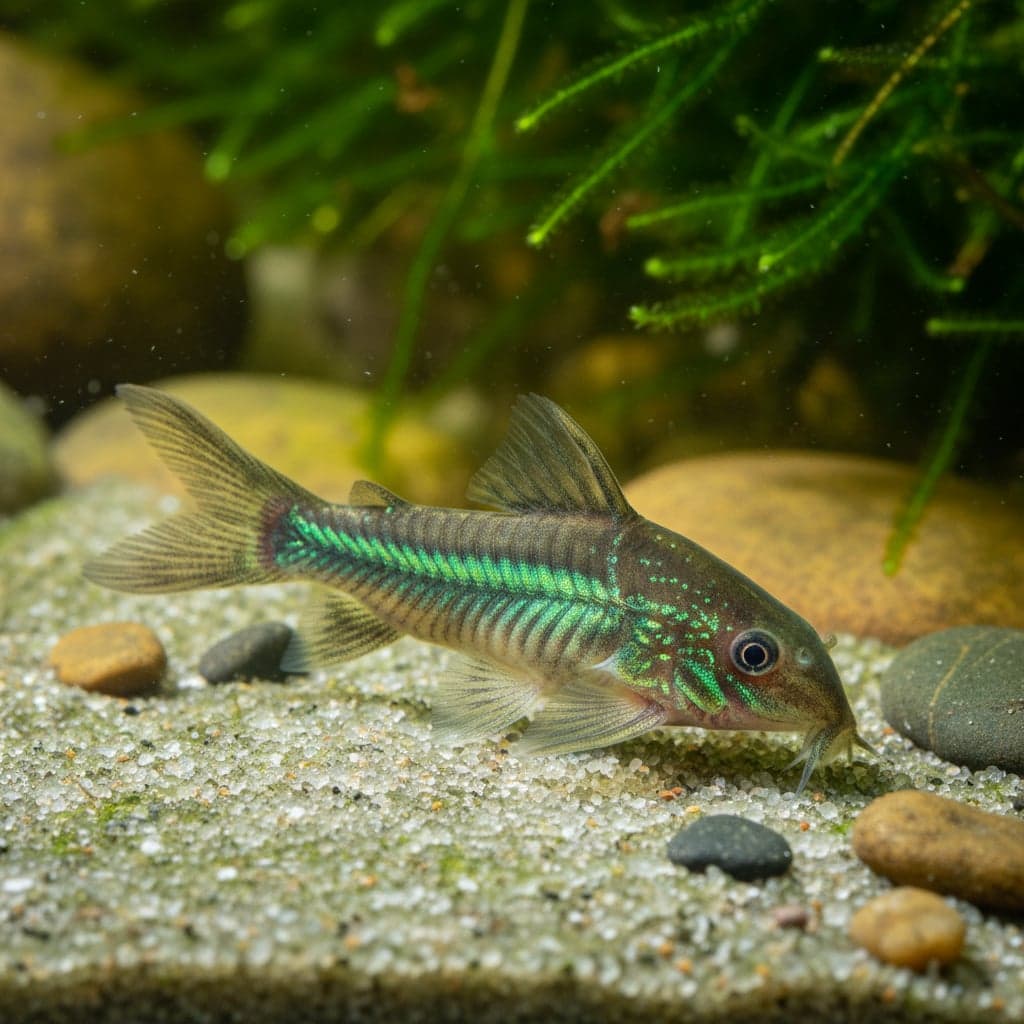
The Polystictus Cory, scientifically known as Corydoras polystictus, is a captivating freshwater fish belonging to the family Callichthyidae. Characterized by its striking appearance, the Polystictus Cory displays a unique blend of patterned scales that feature a distinctive combination of earthy tones and shimmering accents. Its streamlined body, reaching an average length of 2.5 to 3 inches, is adorned with a plethora of small, dark spots which contribute to its visual interest. As a hardy and adaptable species, the Polystictus Cory has gained popularity among aquarists, serving as both an engaging addition to community tanks and as a subject of intrigue in specialized setups.
Significantly, the Polystictus Cory not only adds aesthetic value to aquarium displays but also plays a vital role in maintaining the ecological balance of their habitats. These bottom-dwelling fish exhibit essential behaviors, such as foraging and scavenging, that contribute to the health of their aquatic environment. As a species often favored in aquascaped environments for their active, social nature, the Polystictus Cory enhances the liveliness and dynamism of any tank. With their engaging behaviors and visually appealing patterns, they capture the hearts of both novice and seasoned aquarists alike.
Natural Habitat & Origin
The Polystictus Cory is primarily found in the rivers and streams of the Amazon Basin, particularly in regions of Brazil and Peru. This species predominantly inhabits blackwater environments, characterized by their dark, tannin-stained waters rich in organic material. These waters are typically slow-moving and feature a sandy substrate interspersed with leaf litter and submerged woody structures, creating a rich and diverse habitat for various aquatic organisms. The low pH levels and high organic content of the blackwater systems greatly shape the ecological adaptations of the Polystictus Cory, making it an expert forager within its natural habitat.
The surrounding environment consists of dense vegetation and an array of microhabitats that provide cover and foraging opportunities. As a product of such a unique ecosystem, the Polystictus Cory exhibits specialized behaviors and physical adaptations that reflect the demands of its habitat. Understanding the origins and environmental contexts of the Polystictus Cory is crucial for aquarists seeking to mimic its natural conditions and foster a thriving community within their aquariums.
Care Requirements
To successfully keep Polystictus Corys, aquarists should maintain specific water parameters that mimic their natural habitats. The ideal pH range for these fish is between 6.0 and 7.5, with a preferred temperature of 72°F to 78°F (22°C to 26°C). Additionally, water hardness should be on the softer side, ideally between 2 to 10 dGH, to promote optimal health and longevity.
When setting up a tank for Polystictus Corys, a minimum size of 20 gallons is recommended to provide adequate swimming space and a stable environment. A sandy substrate is the best choice, as it mimics their natural habitat and allows for comfortable foraging. Soft, dim lighting paired with plenty of hiding spots created by driftwood and dense aquatic plants will help replicate their natural blackwater environment. Providing a secure and stimulating environment is essential for the well-being of Polystictus Corys, ensuring they thrive in a home aquarium.
Diet & Feeding
Polystictus Corys are omnivorous scavengers that thrive on a diverse diet. In the wild, they often feed on detritus, insect larvae, and small crustaceans, making it important for aquarists to replicate this balanced diet in captivity. High-quality flake foods specifically designed for bottom feeders, pellets, and sinking granules can serve as the foundation of their diet. Supplementing their feeding regimen with frozen or live foods, such as brine shrimp, bloodworms, and daphnia, can greatly enhance their overall health and vitality.
As these fish are known for their active foraging behavior, offering food in small portions multiple times a day will encourage natural behaviors and prevent competition among tank mates. Remember to also provide a variety of food options to ensure they receive essential nutrients, promoting vibrant coloration and strong growth.
Behavior & Temperament
Polystictus Corys are inherently social fish, exhibiting a peaceful temperament that makes them ideal candidates for community tanks. They thrive in groups of at least six individuals, which not only reflects their natural schooling behavior but also reduces stress and promotes confidence in the aquarium environment. Typically found exploring the substrate, they exhibit a mix of playful and curious behaviors, often engaging in gentle interactions with their fellow tank mates.
In terms of vertical placement within the tank, Polystictus Corys are primarily bottom dwellers, spending most of their time foraging along the substrate. However, it's not uncommon for them to venture closer to the mid-level regions of the tank, especially during feeding times. Their peaceful disposition makes them compatible with a wide array of tank mates, allowing for a diverse community display.
Tank Mates
When selecting tank mates for Polystictus Corys, it's essential to choose species that share similar water parameters and temperaments. Compatible fish include small to medium-sized community fish such as:
- Neon Tetras
- Guppies
- Rasboras
- Endler's Livebearers
- Dwarf Gouramis
- Peaceful Barbs (e.g., Cherry Barbs)
Species to avoid include larger, aggressive fish that may see the Polystictus Cory as food or competitors, such as:
- Cichlids (especially aggressive varieties)
- Larger Barbs (e.g., Tiger Barbs)
- Arowanas
- Large Loaches
Creating a harmonious and well-balanced community tank will contribute to the overall health and happiness of the Polystictus Cory alongside their companions.
Breeding
Breeding Polystictus Corys in captivity can be a rewarding endeavor, although it requires specific conditions to trigger spawning. To encourage breeding behavior, it's beneficial to keep a group of at least six fish, including both males and females. Conditioning the fish with high-quality foods and providing clean, well-oxygenated water will help stimulate breeding activities.
When ready to spawn, females will display a rounder belly and become more active. During the spawning process, the male will guide the female to suitable surfaces (e.g., plant leaves or flat rocks) where she will lay her eggs. The eggs are adhesive, allowing them to stick to the substrate. After spawning, removing the adults or transferring the eggs to a separate breeding tank can be helpful in preventing them from consuming the eggs. Maintaining stable, slightly cooler water conditions during this period will support the hatching process, with fry typically emerging within three to five days.
Common Health Issues
Polystictus Corys are relatively hardy fish, but they can be prone to several common health issues, particularly if their care requirements are not adequately met. One of the most prevalent conditions is ich (Ichthyophthirius multifiliis), which can arise from sudden changes in water temperature or stress. The best prevention is to maintain stable water parameters and monitor for signs of stress.
Other potential health concerns include fin rot, which can develop due to poor water quality or injuries. Ensuring a clean, well-maintained aquarium and providing proper tank mates will greatly reduce the risk of outbreaks. Quarantine new arrivals, avoid sharp gravel that can damage barbels, and act quickly at the first sign of white spots or frayed fins so the group stays active and healthy.