Pond Snails: Lymnaeidae family
Incredibly prolific, hardy freshwater snails considered by many to be a pest, but excellent scavengers and a food source for puffers.
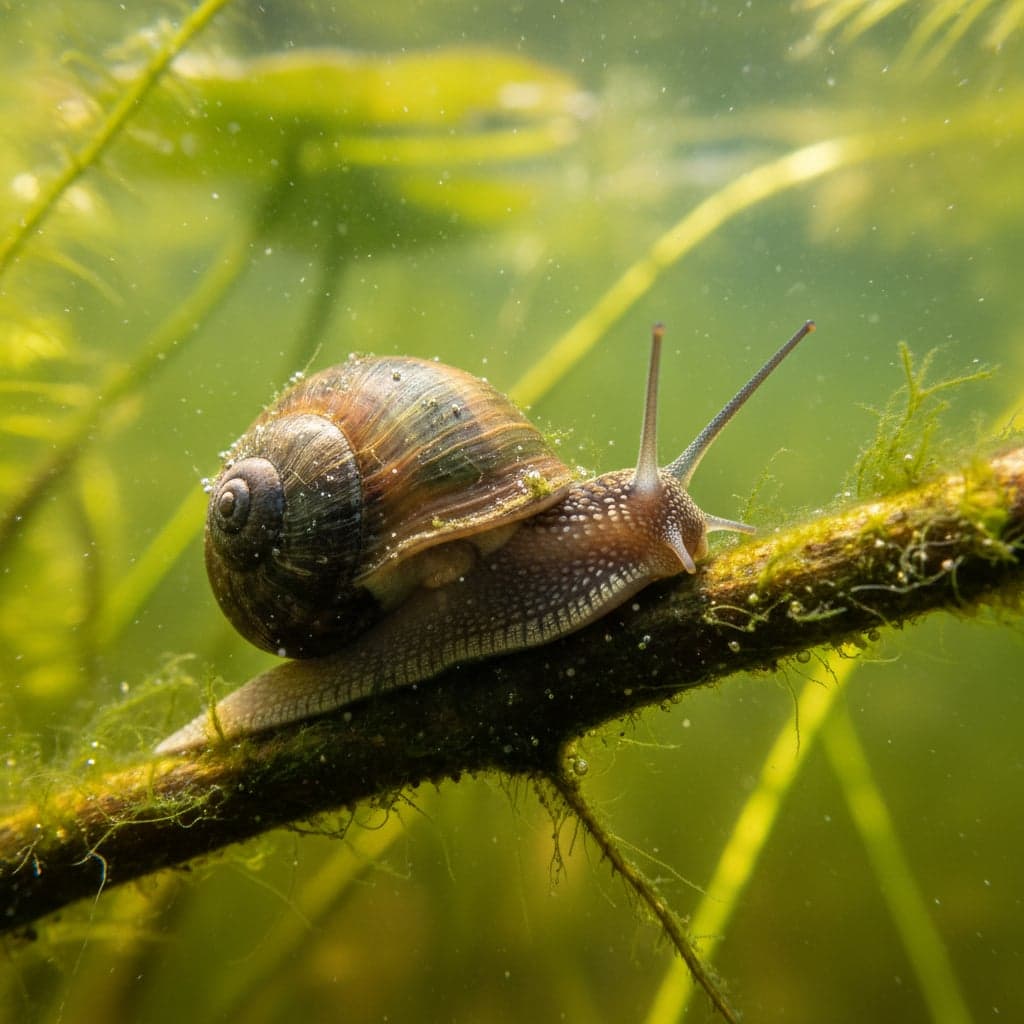
Pond Snails
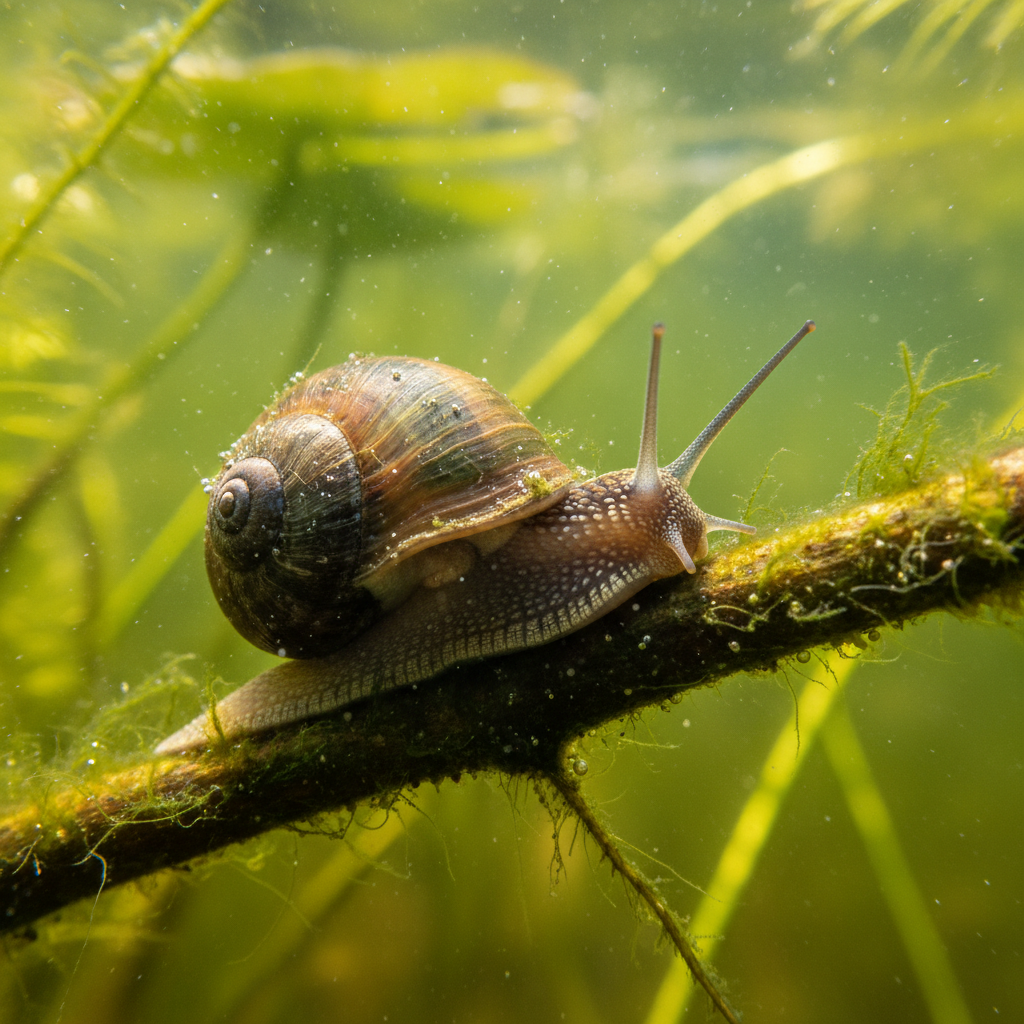
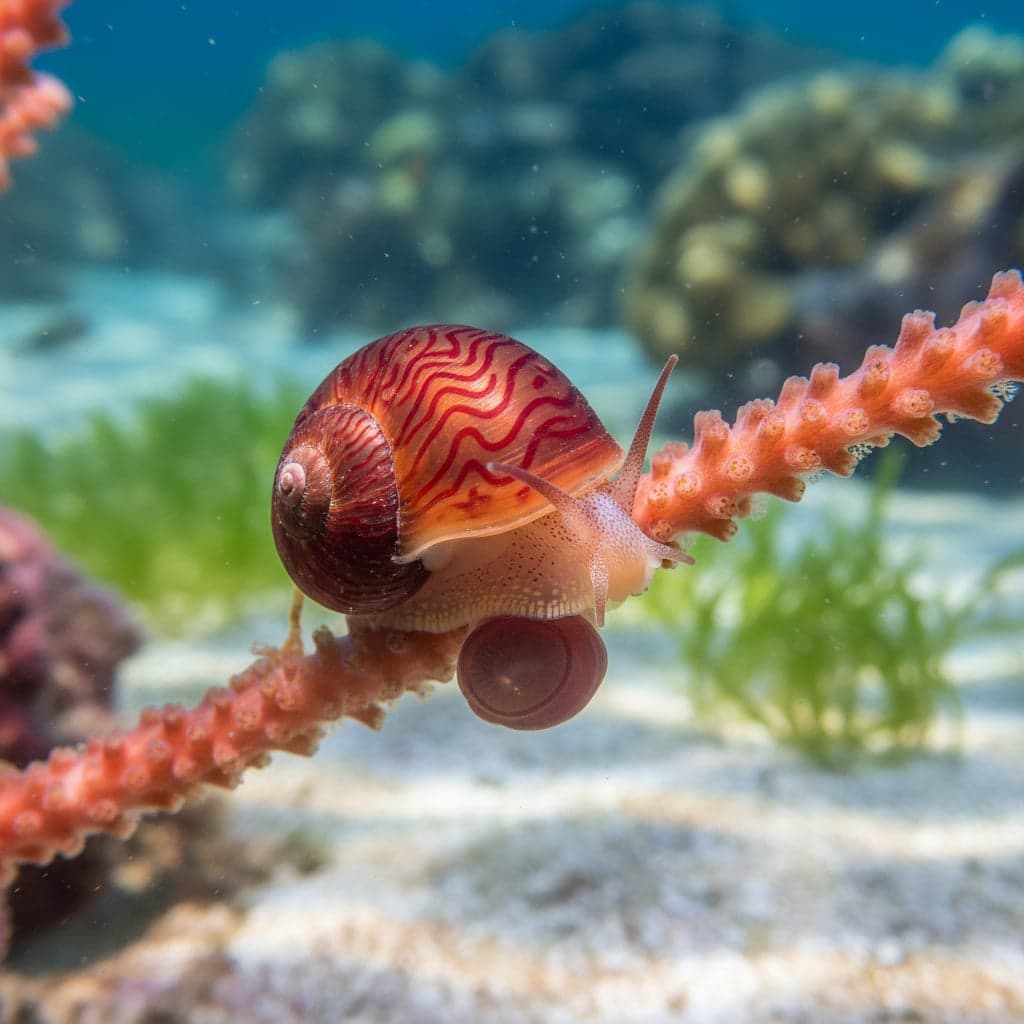
Pond Snails, belonging to the Lymnaeidae family, are fascinating aquatic creatures that have gained popularity within the aquarium hobby for their unique appearance and positive contributions to tank ecosystems. These freshwater mollusks often display a range of colors, including browns, greens, and even some striking patterns on their shells, making them an attractive addition to aquariums. Their spiral-shaped shells can vary in size, typically measuring between 1 to 3 centimeters in diameter. The soft-bodied portions appear as a translucent or glossy mantle that adds an intriguing texture to the underwater environment.
Beyond their visual charm, Pond Snails are significant in aquaristics as they act as natural scavengers, helping in the cleanup of excess food and organic matter in the aquarium. This ability to consume decaying plant material and leftover fish food makes them a valuable ally in maintaining water quality, thereby benefiting other fish and invertebrates in the tank. Their simple care requirements and ease of keeping make them especially appealing to novice aquarists, while their ecological contributions offer an essential service even in more advanced setups.
Natural Habitat & Origin
Pond Snails are typically found in a variety of freshwater bodies such as ponds, lakes, swamps, and marshes across Europe, North America, and parts of Asia. They thrive in still or slow-moving waters that support a diverse ecosystem, often preferring habitats rich in aquatic vegetation. These snails flourish in a range of environmental conditions, from clear waters to slightly murky environments that may contain decomposing organic matter. Their capacity to adapt to different types of substrates, including sand, mud, or gravel, further enables them to inhabit various ecological niches, playing a critical role in the natural food web.
In these habitats, Pond Snails prefer soft, slightly acidic waters but can tolerate a variety of water types. The presence of vegetation is essential, as it provides hiding spots and a food source. This adaptability makes the Pond Snail resilient and commonly encountered throughout its distribution range, ensuring its availability in the aquarium trade.
Care Requirements
To successfully maintain Pond Snails in an aquarium, it's crucial to recreate their natural habitat. They prefer a slightly acidic to neutral pH level, ideally between 6.5 and 7.5. The water temperature should range from 18°C to 24°C (64°F to 75°F), with a general hardness of 5 to 15 dGH. A minimum tank size of 10 gallons is recommended to provide enough space and resources for the snails to thrive, especially if housed with other species.
When setting up the tank, a fine substrate is preferred, such as sand or gravel, allowing the snails to burrow and forage for food. An aquarium with moderate lighting and well-planted areas is highly beneficial, as it mimics their natural environment while providing shelter. Incorporating aquatic plants such as Anubias, Java Fern, or Hornwort can enhance the habitat and serve as a food source for the snails, promoting a balanced tank ecosystem.
Diet & Feeding
Pond Snails are primarily herbivorous, though they are also classified as omnivores due to their diverse diet. They thrive on a diet consisting of algae, decaying plant matter, and biofilm present on rocks and substrate. In captivity, they can be fed a mixture of high-quality algae wafers, sinking pellets, blanched vegetables like zucchini or spinach, and commercial snail food designed to provide necessary nutrients.
Supplemental feeding with a variety of flakes and pellets can ensure they receive a balanced diet. Frozen foods such as bloodworms or daphnia can also be offered occasionally to provide additional protein but should not form the bulk of their diet. Regular feeding will help maintain their health and vibrant appearance, especially in the confines of an aquarium where natural foraging may be limited.
Behavior & Temperament
Pond Snails exhibit generally peaceful behavior, making them suitable for community tanks. They are non-aggressive and typically spend their time grazing on surfaces for algae and organic matter. Unlike many fish species, Pond Snails do not exhibit schooling habits, as they prefer to roam individually or in small groups.
In terms of vertical placement, they are comfortable at all levels of the aquarium but often seek lower areas where they can find food and shelter. Their behavior involves being largely sedentary, with periods of active foraging. Pond Snails are not known for their social interactions, so it's important to observe their interactions with potential tank mates to ensure a harmonious environment.
Tank Mates
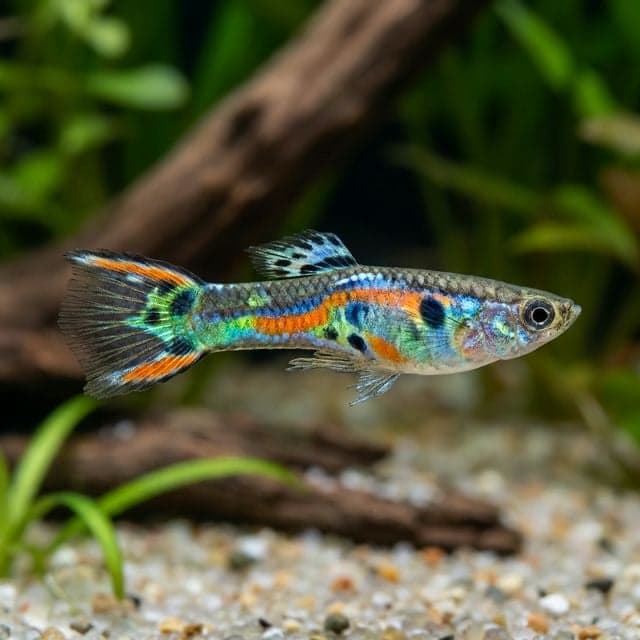
When selecting tank mates for Pond Snails, it is essential to consider peaceful species that will not prey on them or disturb their habitat. Compatible freshwater fish include species like guppies, tetras, bettas (without aggression), and rasboras. Other invertebrates, such as dwarf shrimp and other small snails, can coexist with Pond Snails, enhancing the aesthetic appeal of the aquarium.
However, certain species should be avoided, such as larger cichlids or aggressive fish like goldfish, which may view Pond Snails as a food source. Additionally, some types of loaches have been known for their snail-hunting habits. Careful selection of tank mates will help maintain a balanced community and a thriving aquarium environment.
Breeding
Pond Snails are hermaphroditic, possessing both male and female reproductive organs, allowing them to reproduce efficiently in aquarium settings. Spawning typically occurs in warm, stable conditions with ample food supply and suitable habitat. The females will lay clusters of eggs, often in gelatinous mass, attached to surfaces like plants, rocks, or the walls of the aquarium.
For successful breeding, it's crucial to maintain optimal water conditions, including proper pH and temperature while ensuring a balanced diet rich in calcium for shell development. Once the eggs hatch, young snails emerge as miniature replicas of adults, ready to graze on algae and detritus, contributing to the aquarium ecology from a young age.
Common Health Issues
While Pond Snails are generally hardy, they can be susceptible to several health issues, particularly if water conditions are not optimal. One common problem is shell erosion, which can result from low calcium levels in the water. Signs include soft or deformed shells. To prevent this, ensure proper calcium supplementation and a suitable diet. Furthermore, Pond Snails can experience issues like overpopulation in an unregulated environment, leading to depleted resources and poor water quality.
Regular water changes and monitoring parameters are essential in preventing health issues. Keeping a close eye on tank mates is also crucial, as stress from aggressive fish may lead to injuries or illness. In summary, maintaining a balanced ecosystem and providing quality care will maximize the health and longevity of Pond Snails in your aquarium setup.