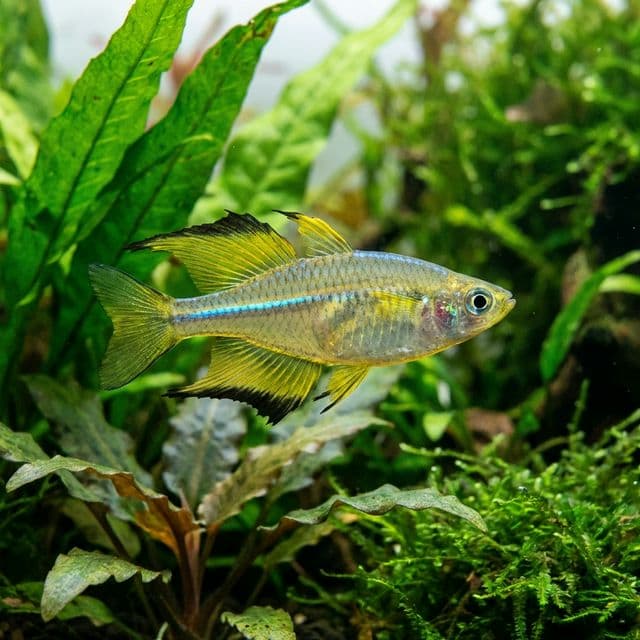
Pope's River Goby: Awaous guamensis
A fascinating, heavy-set bottom dweller from fast-flowing Pacific island streams featuring large, puppy-dog eyes.
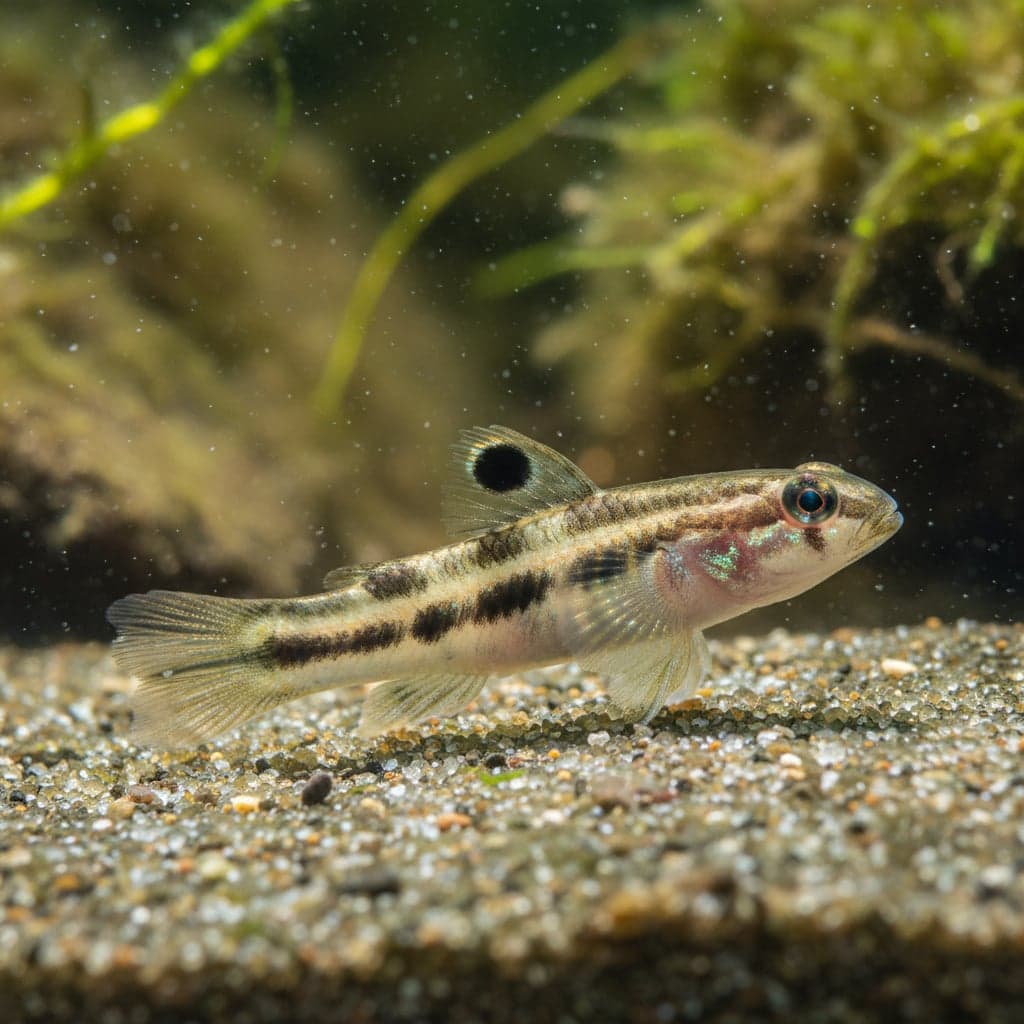
Pope's River Goby
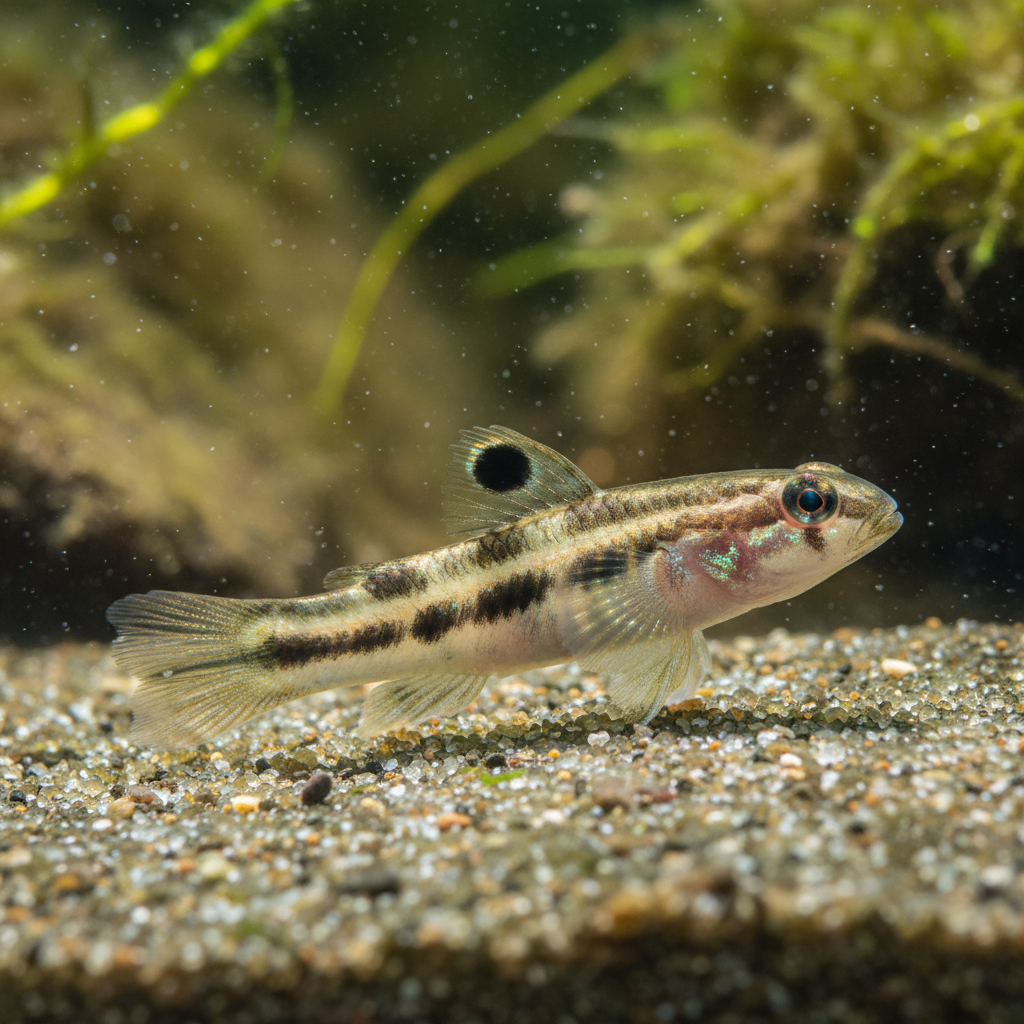
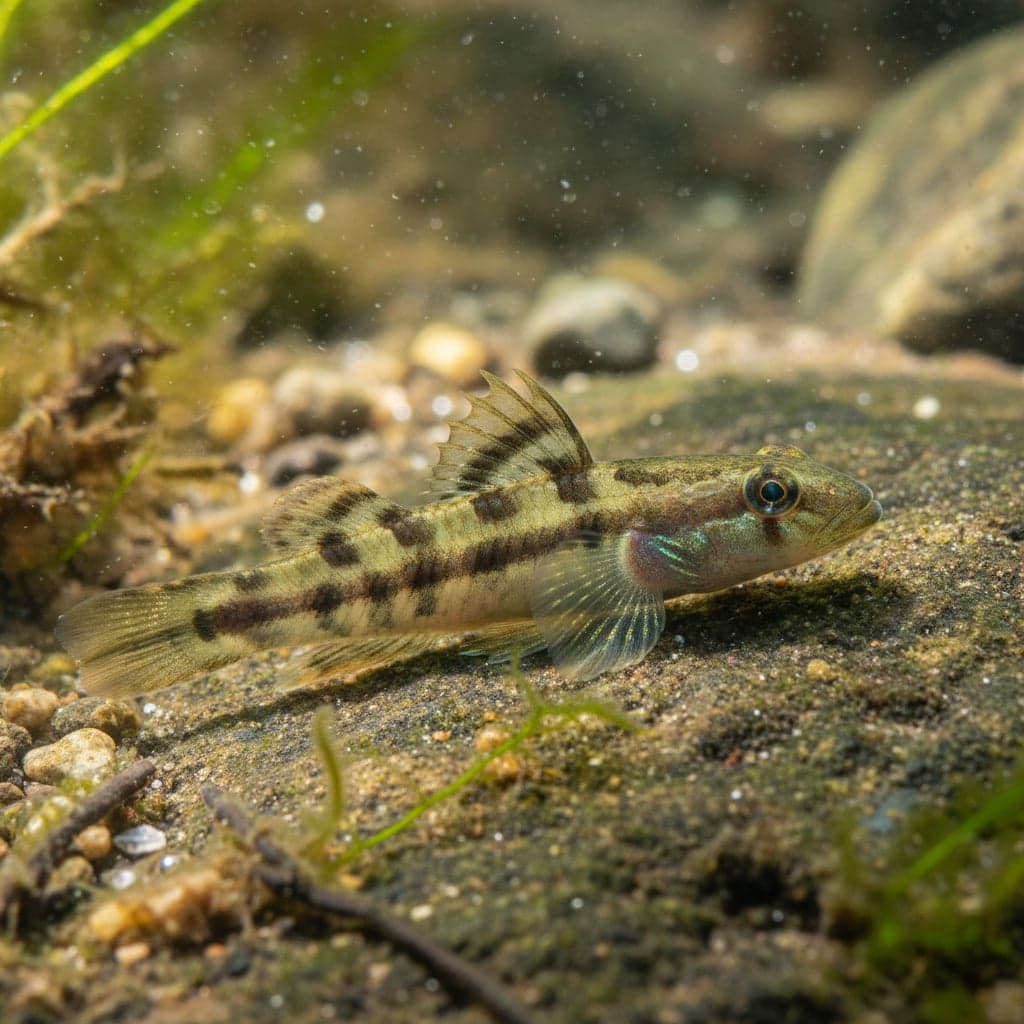
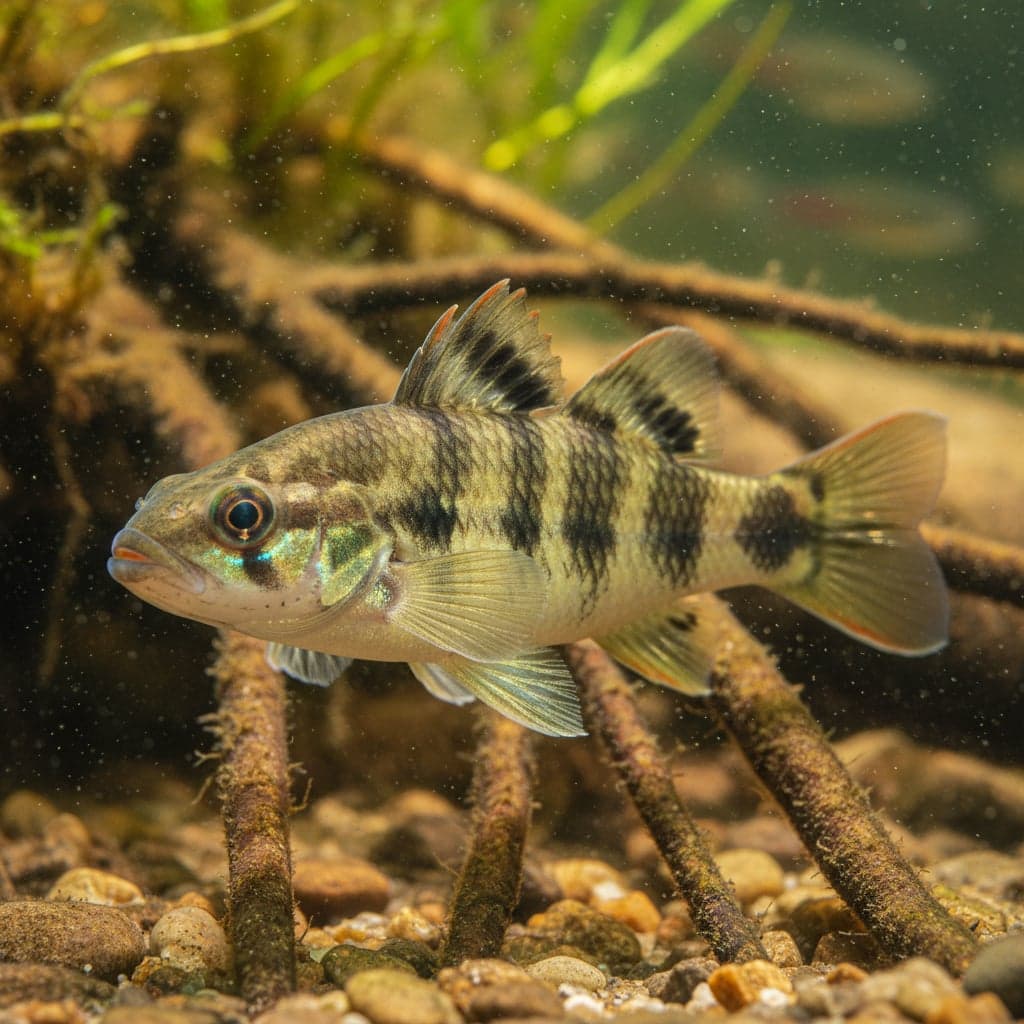
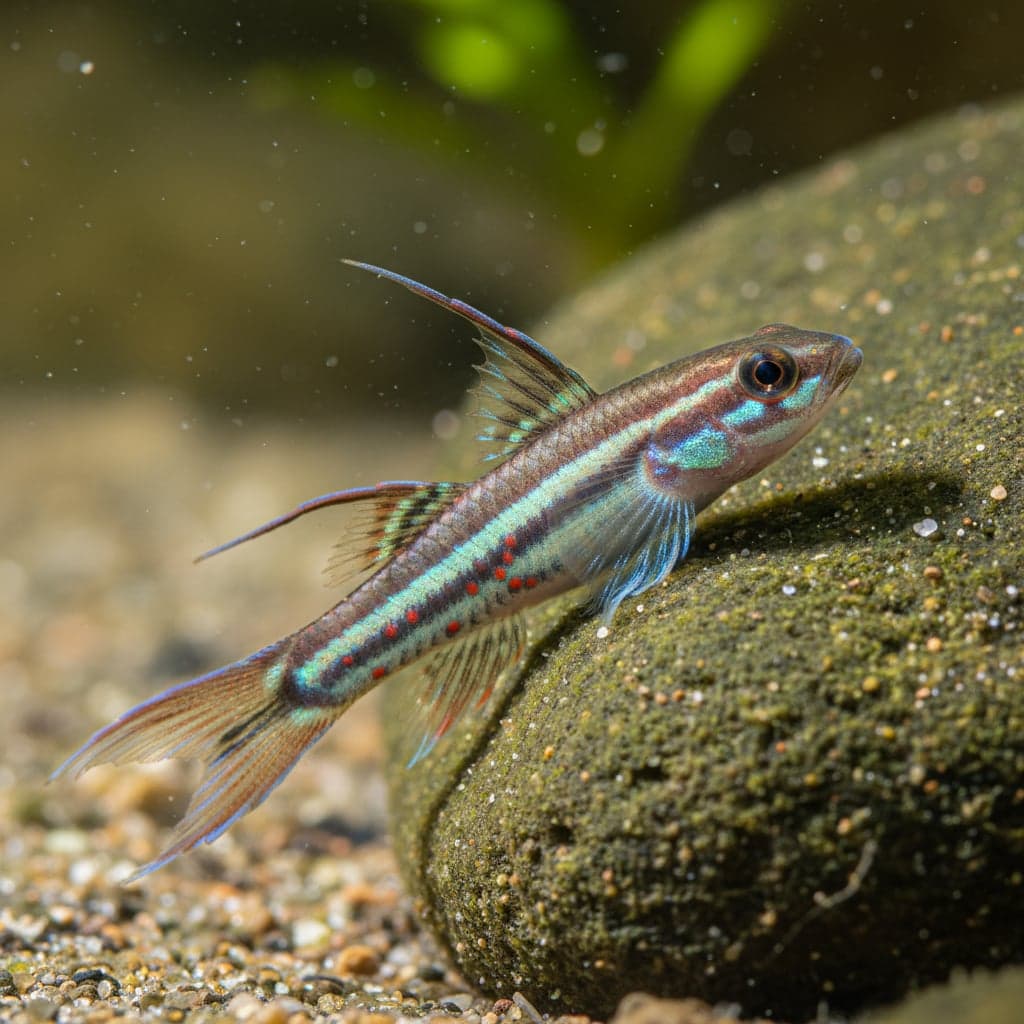
The Pope's River Goby, scientifically known as Awaous guamensis, is a fascinating species that thrives in brackish and freshwater environments throughout its natural habitat. This fish stands out due to its elongated body, which can reach up to 20-25 cm (8-10 inches) in length, and its striking coloration that often features a mix of brown, yellow, and green hues. The pigmentation allows the Pope's River Goby to blend seamlessly into its environment, providing an excellent example of adaptive camouflage. In the aquarium hobby, this species is celebrated not only for its unique appearance but also for its interesting behaviors and feeding habits, making it a captivating addition to many aquarists' collections.
In addition to its aesthetic qualities, the Pope's River Goby plays a significant role in its ecosystem. It acts as both a predator and prey within the food web, helping to maintain ecological balance. As it forages along riverbanks and estuaries, it contributes to the natural filtration of its environment. In captivity, hobbyists often appreciate this species for its hardy nature, making it suitable for both novice and experienced aquarists. Its adaptability to varying water parameters further cements its popularity, as it offers a dynamic and engaging experience for anyone setting up a biotope or community tank.
Natural Habitat & Origin
The Pope's River Goby is native to the coastal waters of the Pacific Islands, with a significant presence in regions such as Guam, the Philippines, and other tropical islands. This species is typically found in brackish waters, which are a mix of seawater and freshwater, particularly in estuarine environments where rivers meet the ocean. The fish inhabits shallow waters, often near mangroves and sandbanks, where it can find shelter and forage for food. The ecological context of its habitat is marked by fluctuating salinity levels, contributing to the species' versatility and resilience in varying aquatic conditions.
In terms of environmental conditions, the Pope's River Goby thrives in warm temperatures typical of tropical waters, and it often prefers slightly acidic to neutral water conditions. Being accustomed to sandy or muddy substrates in its natural habitat allows this species to easily burrow and hide from predators. Understanding its native environment is essential for replicating the ideal tank conditions, allowing aquarists to create a healthy and stimulating environment for this alluring fish.
Care Requirements
To keep the Pope's River Goby healthy in an aquarium, certain water parameters must be maintained. Ideally, the pH should range from 6.5 to 7.5, with a temperature of 24°C to 28°C (75°F to 82°F). Hardness levels should be monitored and kept between 5 to 15 dGH to mimic its native habitat. A minimum tank size of 75 liters (approximately 20 gallons) is recommended for a small group of these fish, as they enjoy having plenty of space to explore and establish territories.
When setting up the tank, a substrate of fine sand or soft, smooth gravel is preferred, as it mimics the natural environment of the Pope's River Goby. Incorporating plenty of hiding spots such as rocks, driftwood, and live plants enhances its habitat and offers security. Since this species is not particularly light-sensitive, moderate lighting is sufficient. Creating a well-structured tank with plenty of places for the gobies to retreat will ensure that they feel secure and stress-free.
Diet & Feeding
The Pope's River Goby is an omnivore, feeding on a diet that consists largely of small invertebrates, detritus, and plant matter in the wild. To replicate this feeding behavior in captivity, a varied diet is essential. High-quality flake foods and pellets designed for carnivores or omnivores can serve as a staple diet. Supplementing with frozen or live foods such as bloodworms, brine shrimp, and daphnia will ensure that the fish receives the necessary nutrients and variety.
It is advisable to feed the Pope's River Goby small portions multiple times a day rather than one large feeding. This mimics its natural scavenging behavior and helps prevent overfeeding, which can lead to health issues. Observing the eating habits of your goby is crucial; if food is consistently left uneaten, it may be an indication of stress or inappropriate water parameters that need to be checked.
Behavior & Temperament
The Pope's River Goby is known for its unique behavior and social interaction. Typically, these fish display semi-aggressive tendencies but can coexist peacefully in communal setups when ample space and hiding spots are provided. They thrive in small groups and often exhibit a fascinating interaction where they establish dominance within their established territory. When grouped, the fish may display playful aggression, including body posturing and fin displays to communicate their social hierarchy.
In terms of tank placement, the Pope's River Goby tends to favor the bottom and mid-levels of the tank, often resting on the substrate or utilizing caves and crevices for hiding. They spend their time actively foraging for food or claiming territory, making their behavior engaging for observers.
Tank Mates
Selecting compatible tank mates for the Pope's River Goby is crucial to create a harmonious aquarium environment. Suitable companions include peaceful species such as smaller tetras (neon tetras or cardinal tetras), danios, and smaller corydoras catfish. Additionally, peaceful loaches can also coexist well with this species. The key is to ensure that any tank mates chosen are not aggressive and do not occupy the same bottom-dwelling space that the Pope's River Goby prefers.
Conversely, it is advisable to avoid keeping the Pope's River Goby with larger, more aggressive species, such as cichlids or fast-moving fish that may outcompete them for food. Similarly, it’s best to steer clear of bottom-dwelling species that might engage in territorial disputes, which can lead to stress and injuries in your Pope's River Goby.
Breeding
Breeding the Pope's River Goby in captivity can be a rewarding challenge for experienced aquarists. These fish exhibit interesting spawning behaviors, typically in a controlled environment with proper water conditions. To encourage breeding, it is essential to offer optimal conditions, including slightly elevated temperatures (around 27°C or 81°F) and clean, well-oxygenated water. A breeding tank should include plenty of suitable surfaces for egg-laying, such as flat rocks or PVC pipes.
During the spawning ritual, male Pope's River Gobies may establish and defend breeding territories. They engage in courtship displays to attract females, leading to the female laying eggs in appropriate locations. The male takes responsibility for the fertilization and guard the eggs until they hatch. Observing these behaviors provides insight into their reproductive strategies as well as the intricacies involved in ensuring successful breeding.
Common Health Issues
While generally hardy, the Pope's River Goby can be prone to some health issues often seen in freshwater and brackish species. Common ailments include ich (Ichthyophthirius multifiliis), fin rot, and various parasitic infections. Maintaining clean water conditions, adequate filtration, and stable water parameters are key preventative measures.
Regular water changes, monitoring water quality, and proper quarantine procedures for new fish can significantly reduce the risk of health problems. Additionally, incorporating a varied diet ensures strong immunity and vibrant coloration over time. Quarantine newcomers, keep parameters stable in freshwater or lightly brackish setups, and avoid overcrowding that elevates stress. Never ignore sudden colour loss or frantic scraping against décor, as these often precede outbreaks. Watch for white spots, frayed fins, rapid breathing, or lethargy, and treat promptly in a hospital tank. Clean water, gentle filtration, and meaty varied foods keep Pope's River Gobies healthy, active, and securely established for years.