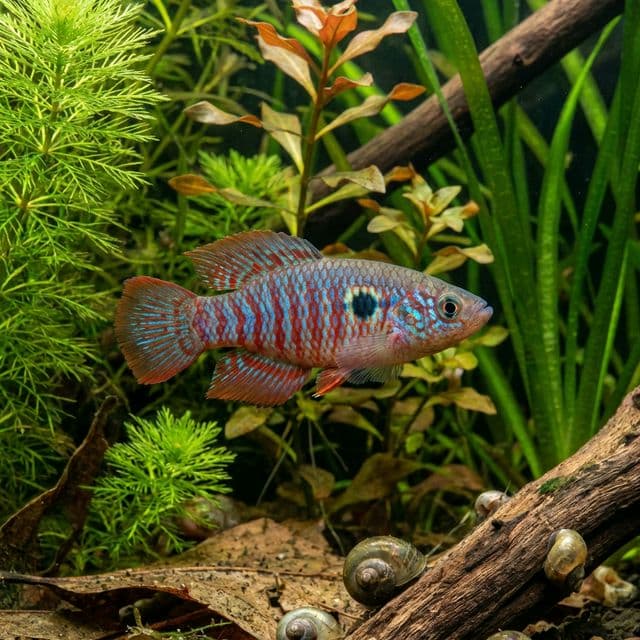
Port Acara: Cichlasoma portalegrense
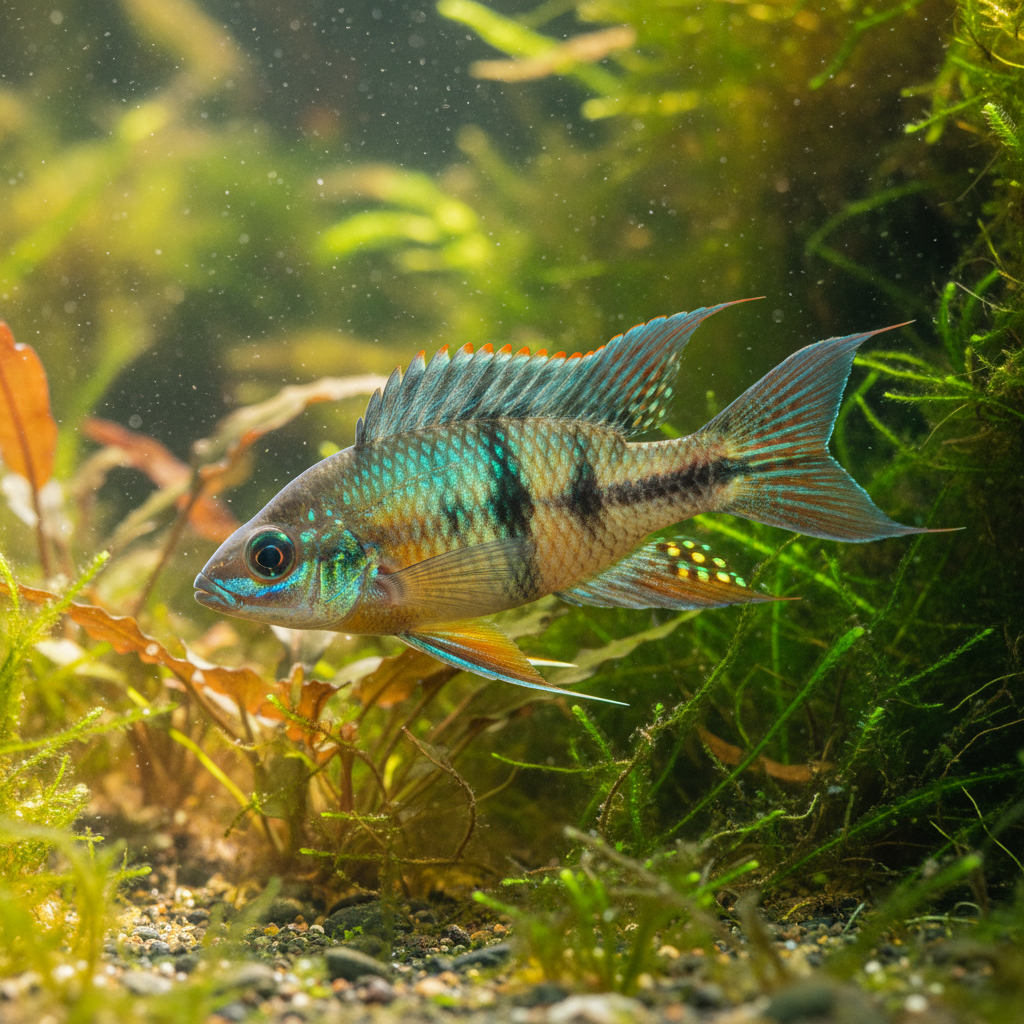
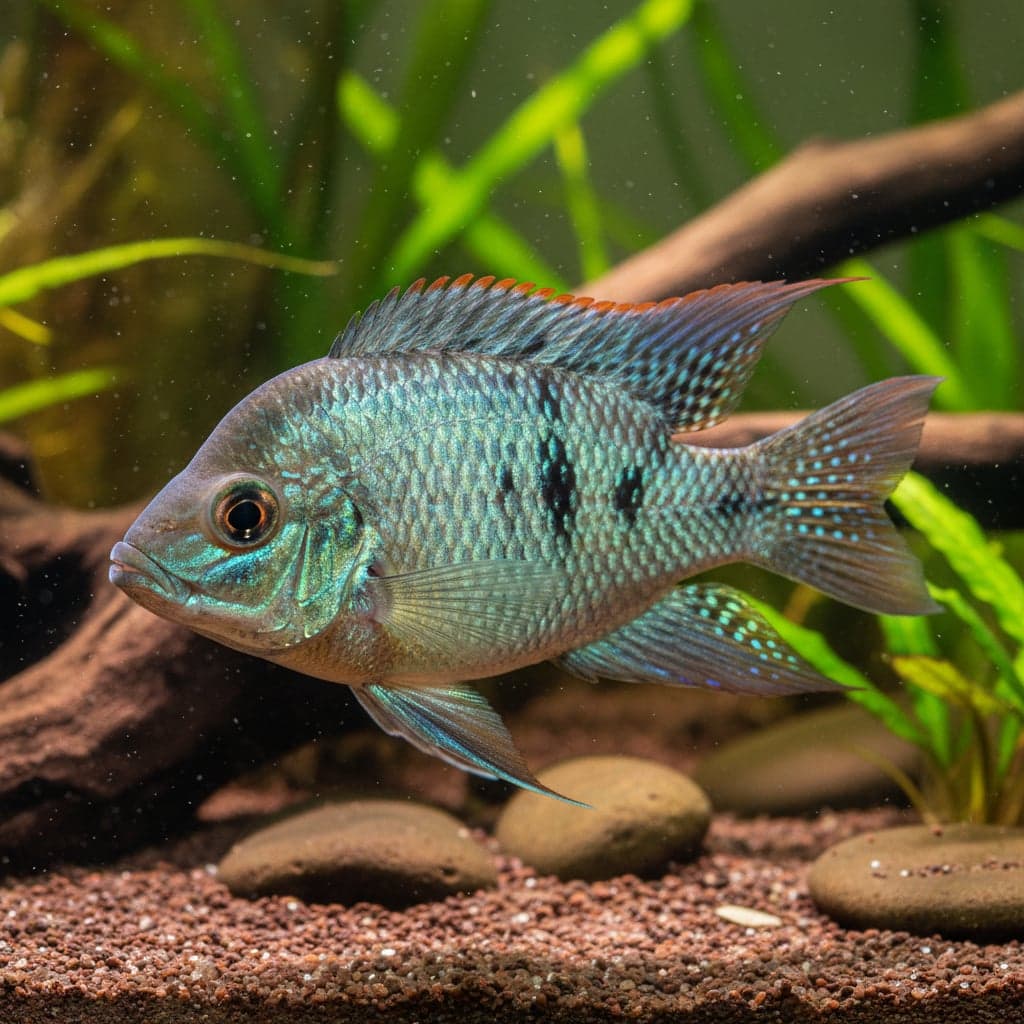
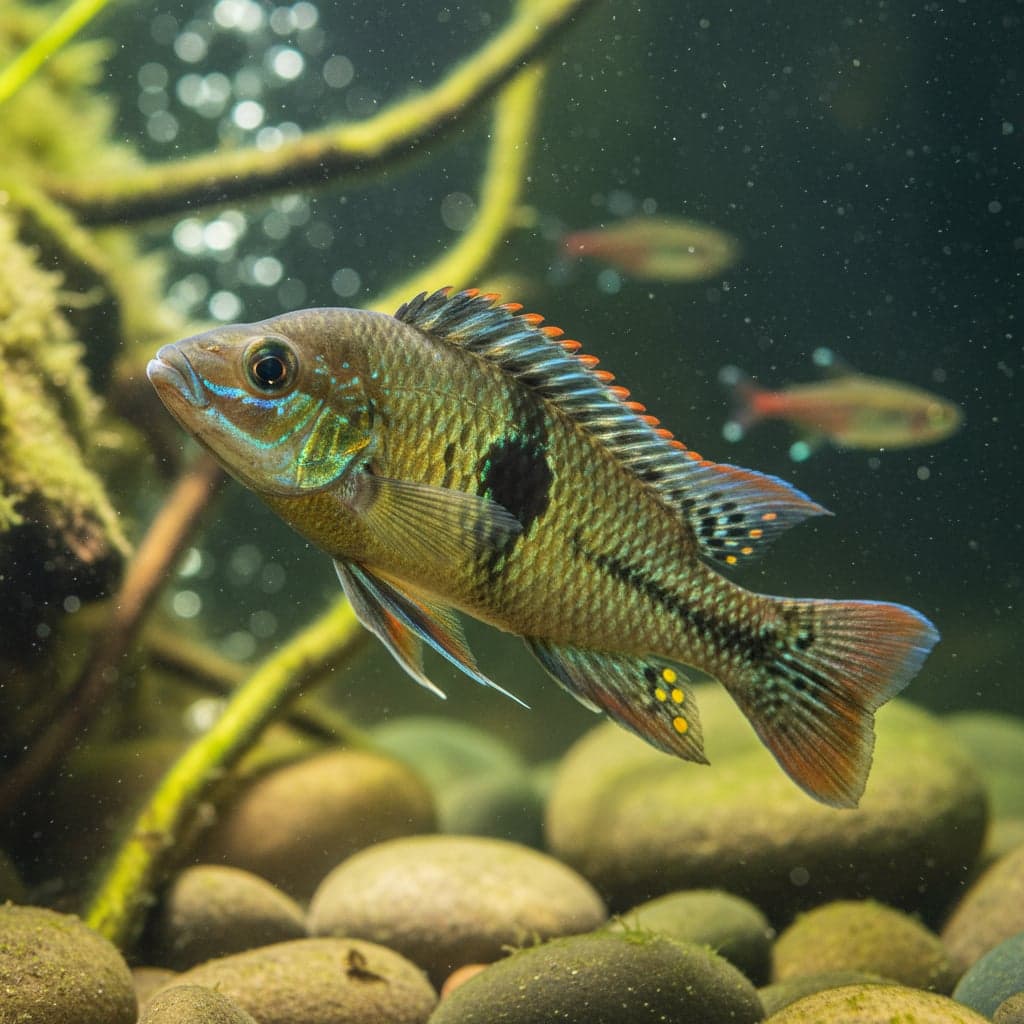
A deeply robust, relatively peaceful South American cichlid featuring stunning iridescent green and blue scales on a dark body.
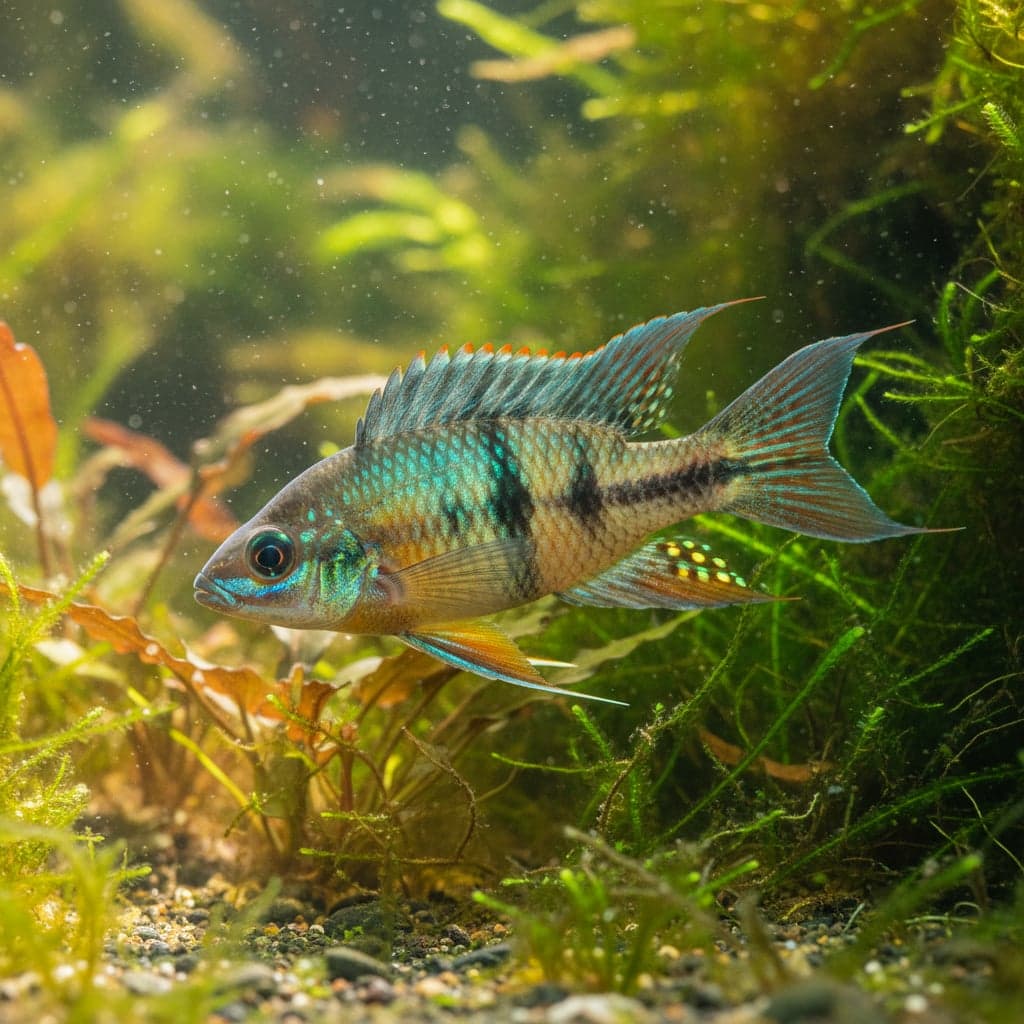
Port Acara
The Port Acara, scientifically known as Cichlasoma portalegrense, is a visually captivating species of cichlid that has gained significant popularity in the aquarium trade. Known for their vibrant coloration and distinctive markings, adult Port Acara can exhibit a stunning combination of blue, green, and orange hues, often showcasing intricate patterns on their bodies. This aesthetic appeal makes them a favorite among aquarists who appreciate colorful and dynamic fish. The Port Acara not only stands out in terms of beauty but also offers an engaging personality, displaying curiosity and interactive behaviors that endear them to hobbyists.
Significantly, the Port Acara holds a special place in the aquarium hobby due to its adaptability and relatively peaceful nature, especially compared to other cichlid species. Its ability to thrive in a community tank setting while still exhibiting some territorial behaviors makes it a unique addition to various aquascapes. As a result, the Port Acara has become a staple for both novice and experienced aquarists looking to enhance their tanks with a resilient and attractive fish.
Natural Habitat & Origin
The Port Acara originates from the freshwater rivers and lakes of South America, specifically in the regions of Brazil, Paraguay, and Argentina. This cichlid is primarily found in slow-moving waters and floodplain lakes that often feature a mixture of blackwater and clearwater systems. These environments are characterized by their warm temperatures and the presence of submerged vegetation, roots, and organic matter, which create a rich and complex habitat for this species. The abundance of natural cover not only provides safety from predators but also plays a crucial role in their feeding behavior, as they forage for food among the debris.
In their natural habitat, the Port Acara is known to inhabit areas with sandy or fine gravel substrates, surrounded by dense plant life. The pH levels in these ecosystems generally range from neutral to slightly alkaline, while the temperatures typically hover between 24°C to 28°C (75°F to 82°F). This specific environment fosters the growth of diverse microorganisms and small invertebrates, foundational elements of the Port Acara's diet, and overall well-being.
Care Requirements
To thrive in an aquarium setting, the Port Acara requires specific water parameters and tank setup. The ideal pH for the Port Acara is between 6.5 and 8.0, with temperatures maintained around 24°C to 28°C (75°F to 82°F). Hardness should be kept in a range of 5 to 15 dGH, ensuring that the water is suitably mineralized for their health. In order to create a comfortable environment, a minimum tank size of 100 gallons is recommended, especially if housing multiple individuals or community tank mates.
The substrate can be composed of fine gravel or sand, which mimics its natural habitat. For optimal tank conditions, it is important to incorporate ample hiding spots made from driftwood, rocks, and various aquatic plants. Lighting should be moderate to facilitate plant growth and simulate the natural conditions of their environment. An ideal layout will create open swimming spaces while allowing for cozy areas where the Port Acara can retreat when needed.
Diet & Feeding
The Port Acara is considered an omnivorous fish, which means it thrives on a varied diet. In the wild, their diet consists mainly of smaller invertebrates, plant matter, and detritus. To replicate their natural feeding habits in captivity, offering a combination of high-quality flakes, pellets designed for cichlids, and occasional live or frozen foods such as brine shrimp, bloodworms, and daphnia is recommended. This variation in diet will help meet their nutritional needs and promote optimal health and coloration.
Additionally, incorporating blanched vegetables such as zucchini or spinach can provide essential fiber and mimic their natural food sources. Feeding should occur 2-3 times a day, with small portions to prevent overfeeding, a common issue in aquariums that can lead to poor water quality.
Behavior & Temperament
In terms of behavior, the Port Acara is relatively social and can exhibit a range of temperamental traits. While generally considered to be one of the more peaceful cichlids, they can possess territorial instincts, especially during breeding periods or when asserting dominance in the tank. These fish tend to establish a pecking order, which can lead to minor squabbles, especially in smaller spaces. However, they can often coexist with other middle to bottom-dwelling fish if provided adequate space and hiding places.
The Port Acara is not a schooling fish; instead, they do well in pairs or small groups where they can have ample room to explore their environment. They prefer to occupy the middle levels of the tank but will often venture to the bottom or top areas, depending on their comfort level and the conditions around them.
Tank Mates
When choosing tank mates for the Port Acara, it's essential to select species that can thrive in similar water conditions and have compatible temperaments. Suitable companions include larger tetras, peaceful barbs, and other robust cichlids like the Angelfish or keyhole cichlid. Avoid aggressive species that may pose a threat or intimidate the Port Acara, such as Oscars, larger South American cichlids, or more territorial fish like certain species of Jack Dempsey or Flowerhorn cichlids.
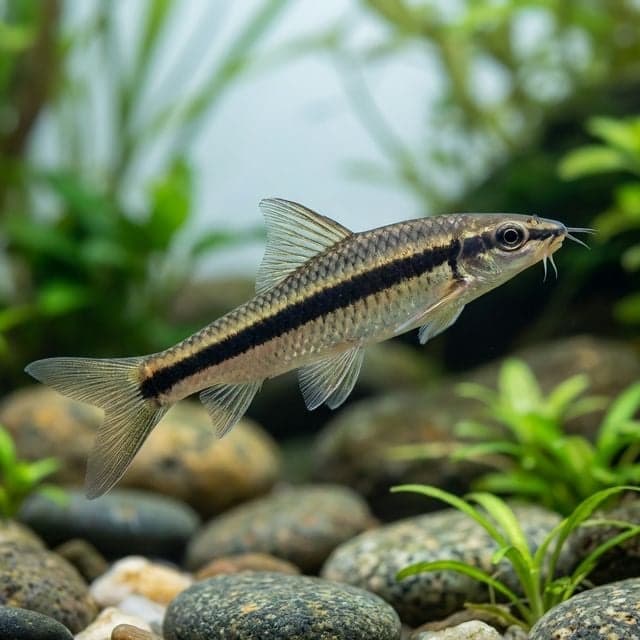
In a well-planned community setup, consider including species such as Rainbowfish, Gouramis, or various peaceful catfish. Always monitor interactions to ensure all tank mates coexist harmoniously.
Breeding
Breeding the Port Acara in captivity can be a rewarding yet challenging experience. This species is a substrate spawner, typically requiring specific conditions to encourage successful reproduction. To breed Port Acara, maintain a separate breeding tank with stable water parameters, preferably with a temperature of around 26°C to 28°C (78°F to 82°F) and a pH level near neutral. Provide suitable spawning sites, such as flat rocks or terracotta pots, where the female can lay her eggs.
During breeding, the male will exhibit courtship behaviors, and once the female lays her eggs, the pair will take turns guarding the eggs and caring for the fry once they hatch. After spawning, it is crucial to monitor the tank and separate the parents if aggression arises, which can sometimes occur as the fry grow. Typically, the eggs will hatch in 3 to 5 days, and the fry will become free-swimming after around a week.
Common Health Issues
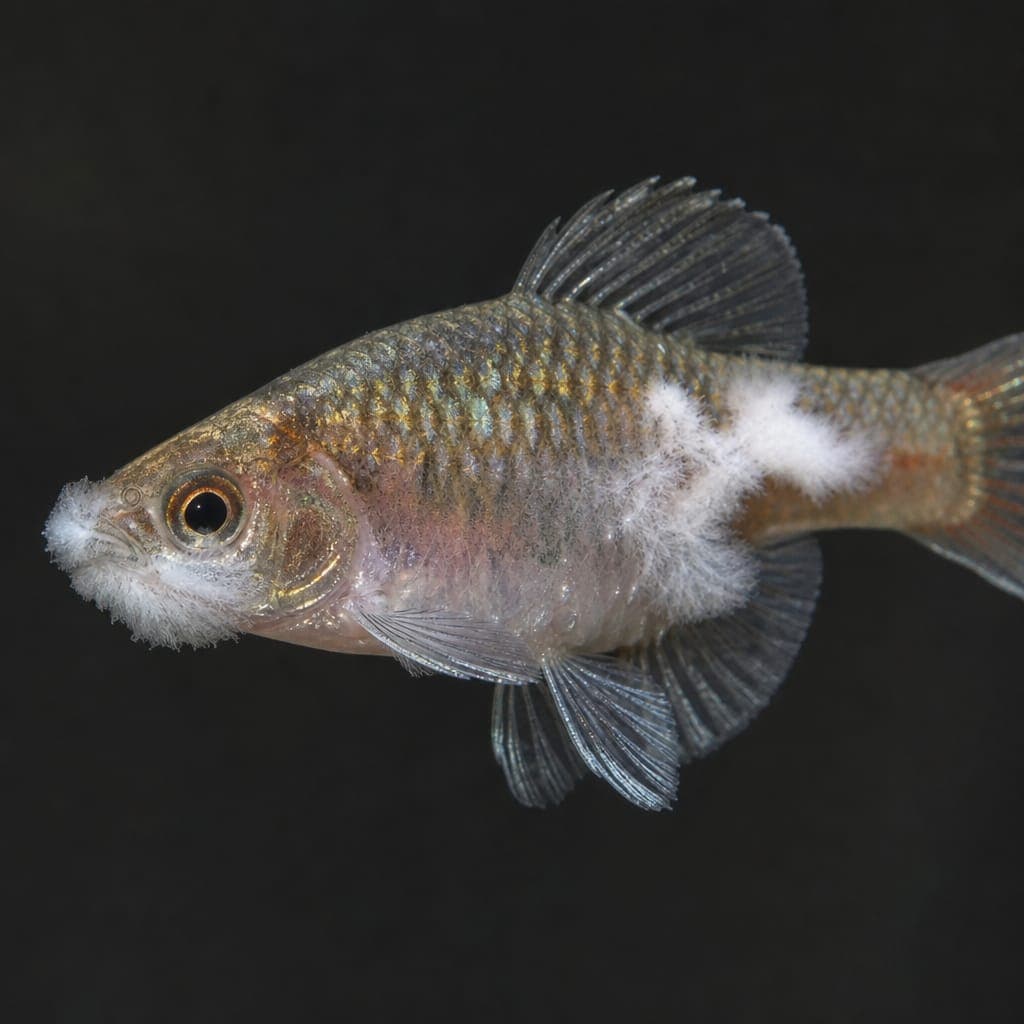
While generally hardy, the Port Acara can be prone to certain health issues that aquarists should be aware of. Common ailments include ich (Ichthyophthirius multifiliis), fin rot, and fungal infections that can arise due to poor water quality or stress. Regular tank maintenance, including water changes and appropriate filtration, is key to preventing these issues.
To safeguard their health, it’s advisable to quarantine new arrivals before introducing them to the main tank, as this can help detect any underlying health problems. Additionally, maintaining a stable environment and providing a balanced diet will contribute significantly to their well-being and longevity in captivity. Regular observation for signs of stress or illness, such as changes in behavior or appearance, can facilitate early intervention and treatment.