Potato Puffer: Tetraodon miurus
An ambush-predator freshwater puffer that buries in sand and strikes upward. Species-only setup, sand depth, live food and care at 24-28°C.

Potato Puffer
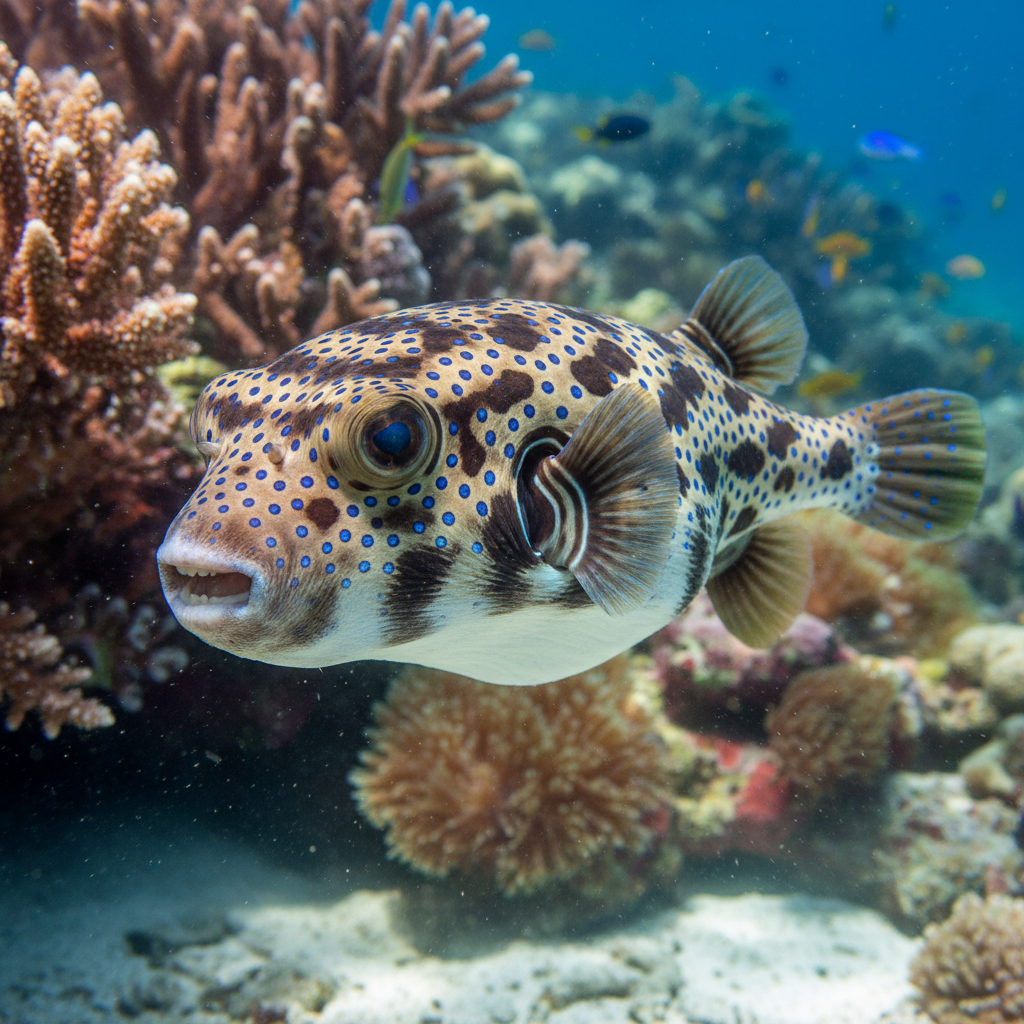
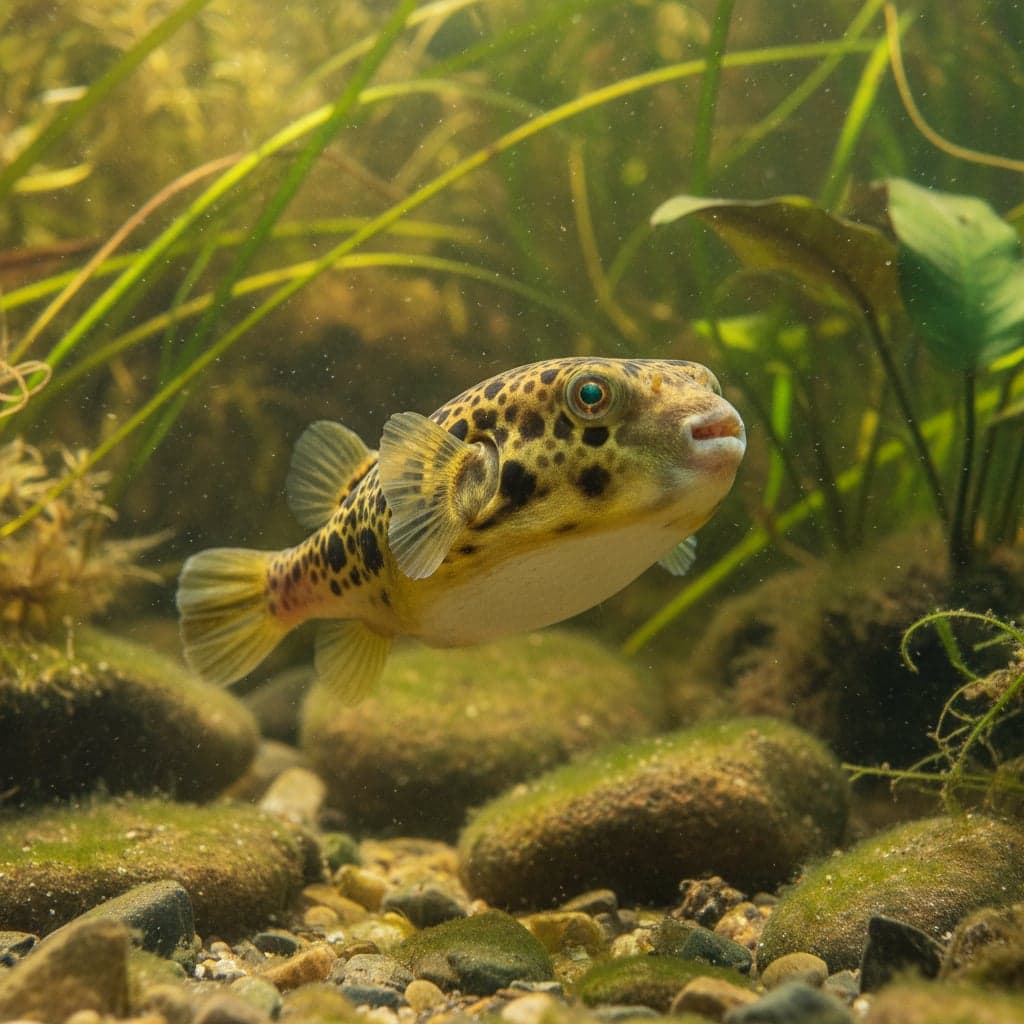
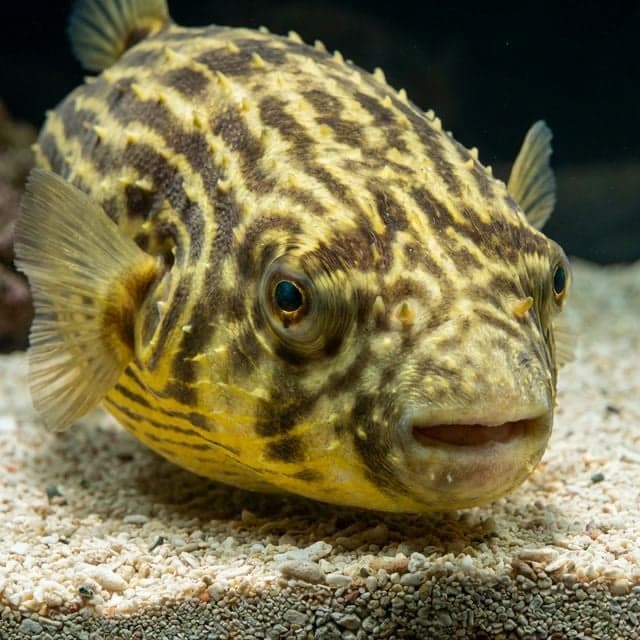
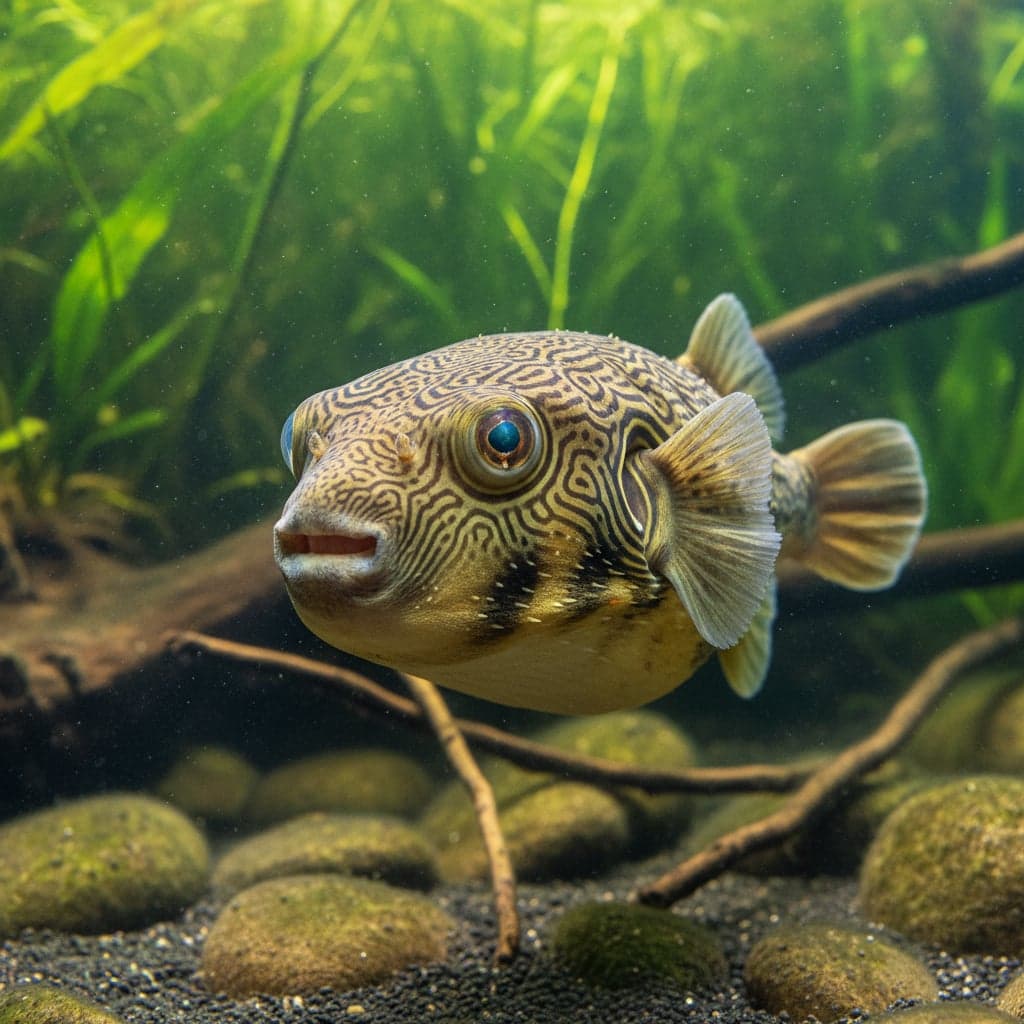
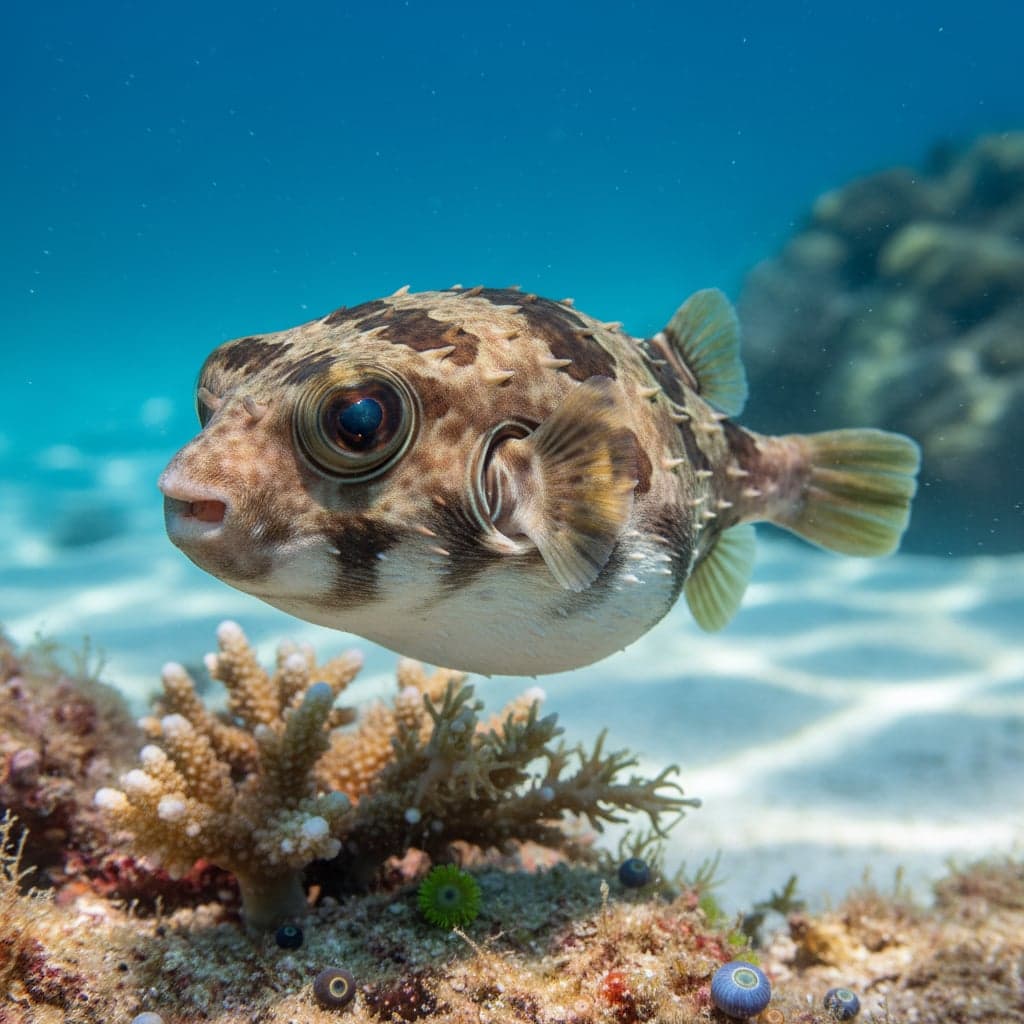
The Potato Puffer, scientifically known as Tetraodon miurus, is a distinctive species of freshwater pufferfish that captivates aquarists with its unique shape and intriguing behaviors. With its round, potato-like body and expressive eyes, it brings a sense of whimsy to any aquarium. The Potato Puffer is typically characterized by a variable coloration that ranges from brown to greenish hues, adorned with spots and stripes that offer excellent camouflage in its natural habitat. Its ability to puff up when threatened, creating an enticing yet intimidating silhouette, further enhances its visual appeal in the aquarium setting.
Known for its intelligence and personality, the Potato Puffer has become a favorite among experienced fish keepers. Unlike many other fish, it exhibits a noticeable level of curiosity and engagement with its surroundings. This interactive nature makes it an outstanding addition to any tank where it can be appreciated for its quirks. Additionally, the species holds ecological significance as it plays a vital role in controlling populations of snails and other prey in its natural environment, thus contributing to the health of aquatic ecosystems.
Natural Habitat & Origin
The Potato Puffer is native to the slow-moving rivers, lakes, and floodplains of western Africa, particularly within the Congo River basin. It thrives in blackwater and slightly acidic waters, typically characterized by rich organic materials that create a darker water color, low light conditions, and a complex environment filled with submerged roots and plant life. These natural conditions provide not just essential sustenance but also shelter, making the area a perfect habitat for the Potato Puffer to flourish.
In the wild, the Potato Puffer is often found in areas with dense vegetation, where it can navigate between driftwood and plants. This adaptation helps the species avoid predators while hunting for its preferred prey, such as snails and crustaceans. The Potatoes Puffer’s combinational preference for soft, acidic water with a root-laden habitat must be taken into consideration when replicating its environment in an aquarium.
Care Requirements
To successfully care for a Potato Puffer, it is essential to maintain specific water parameters that reflect their natural habitat. Ideally, the aquarium water should have a pH level between 6.5 and 7.5 and a temperature ranging between 24°C to 27°C (75°F to 81°F). The water hardness should remain soft to moderately hard, around 5-12 dGH. These conditions help ensure optimal health and well-being for this unique species.
In terms of tank setup, a minimum tank size of 100 liters (about 26 gallons) is recommended to provide adequate swimming space and territorial room for an adult Potato Puffer. Substrate should be soft, such as sand or fine gravel, to avoid injuring its delicate body. When it comes to lighting, low to medium levels mimic its natural environment. Incorporating live plants, driftwood, and rock formations will create hiding spots and complex structures to engage the Potato Puffer, helping it feel secure and facilitating natural behaviors.
Diet & Feeding
The Potato Puffer is classified as a carnivore, with a primary diet consisting of snails, crustaceans, and other invertebrates. In an aquarium setting, providing a varied diet is crucial for its health and well-being. High-quality frozen or live foods such as brine shrimp, bloodworms, and ghost shrimp are excellent choices to replicate its natural feeding habits. Additionally, vitamin-enriched sinking pellets and high-protein flakes can serve as staple foods, ensuring comprehensive nutrition.
It's advisable to feed these fish small portions multiple times throughout the day, as they prefer to graze rather than have large meals. While they may occasionally nibble on vegetables (like blanched zucchini), their dietary requirements lean heavily towards meat-based sources. Regularly providing them with opportunities to forage, such as using feeding rings or scatter feeding, can stimulate natural instincts and promote a healthy lifestyle.
Behavior & Temperament
The Potato Puffer is known for its charming and curious behavior, exhibiting a range of interactions within its environment. Generally, it is considered semi-aggressive and can exhibit territorial behavior, particularly as it matures. They are not a schooling species and prefer to inhabit a single territory within the tank. Observing them reveals their playful interactions and engaging antics, making them captivating to watch, especially when they explore their surroundings.
While they may tolerate some tank mates, potential aggression can manifest during feeding times or if the fish feels threatened. It’s essential to monitor their behavior closely, as they may display less tolerance towards species that venture into their personal space. In terms of vertical placement, Potato Puffers typically occupy the mid to lower regions of the tank, hiding among plants and driftwood to feel secure while still being active swimmers.
Tank Mates
When selecting compatible tank mates for the Potato Puffer, it is vital to consider species that can withstand their aggressive tendencies while also avoiding potential targets for their sharp beaks. Suitable tank mates include larger species such as the Rainbowfish, certain types of Gouramis, or larger Tetras like the Buenos Aires Tetra. Additionally, peaceful bottom dwellers like Corydoras catfish or some species of loaches can coexist well, provided they are not too small or vulnerable.
Conversely, it is essential to avoid housing the Potato Puffer with small fish, snails, or delicate species that may fall victim to its predatory nature. Species like Neon Tetras, Guppies, or small shrimps should be considered unsuitable tank mates. By providing tank mates of similar size and temperament, you can create a harmonious community tank that allows the Potato Puffer to thrive without undue stress or aggression.
Breeding
Breeding the Potato Puffer in captivity presents significant challenges, as very little is known about its spawning behavior and requirements. They are not easily bred in aquariums due to a combination of factors including their dietary needs and water conditions. For successful breeding, it is crucial to replicate the exact environmental conditions of their natural habitat, which may involve creating a dense plant environment that mimics their native waters.
While some aquarists have reported instances of breeding, success largely depends on maintaining pristine water conditions and providing ample hiding spots for the female to deposit eggs. Their eggs are adhesive and typically stick to plants or surfaces within the tank. If breeding is successful, separating the adult fish post-spawning is highly recommended to prevent them from consuming the eggs or fry. Breeding the Potato Puffer thus requires a comprehensive understanding of their needs, a commitment to their care, and extensive patience.
Common Health Issues
The Potato Puffer, like any fish species, can be susceptible to a variety of health issues. Some common diseases include Ich (Ichthyophthirius multifiliis), which presents as white spots on the skin and fins, and fin rot, typically caused by poor water quality or stress. Additionally, because of their beak-like teeth, dental-related issues can arise if their diet lacks sufficient hard substances to wear down those teeth.
To prevent these health problems, maintaining optimal water conditions is key—regular water testing and perform periodic water changes will help sustain a healthy environment. Additionally, providing a varied diet rich in calcium, such as crushed shellfish or specially formulated puffer food, can aid in tooth health. Being observant and responding swiftly to behavioral changes is crucial in early detection of health issues, ensuring the longevity of the Potato Puffer in captivity. Quarantining new arrivals and keeping water pristine are the best defenses against parasites and bacterial infections.