Potter's Leopard Wrasse
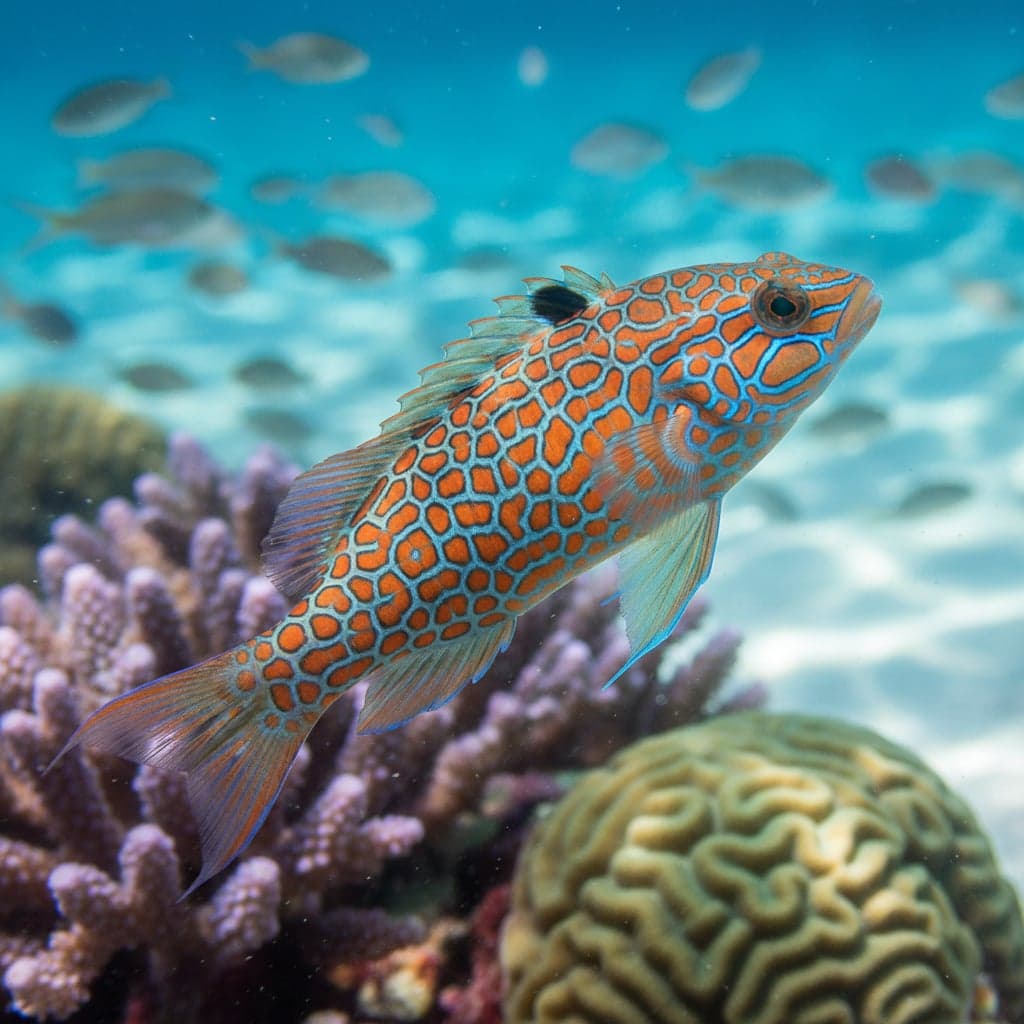
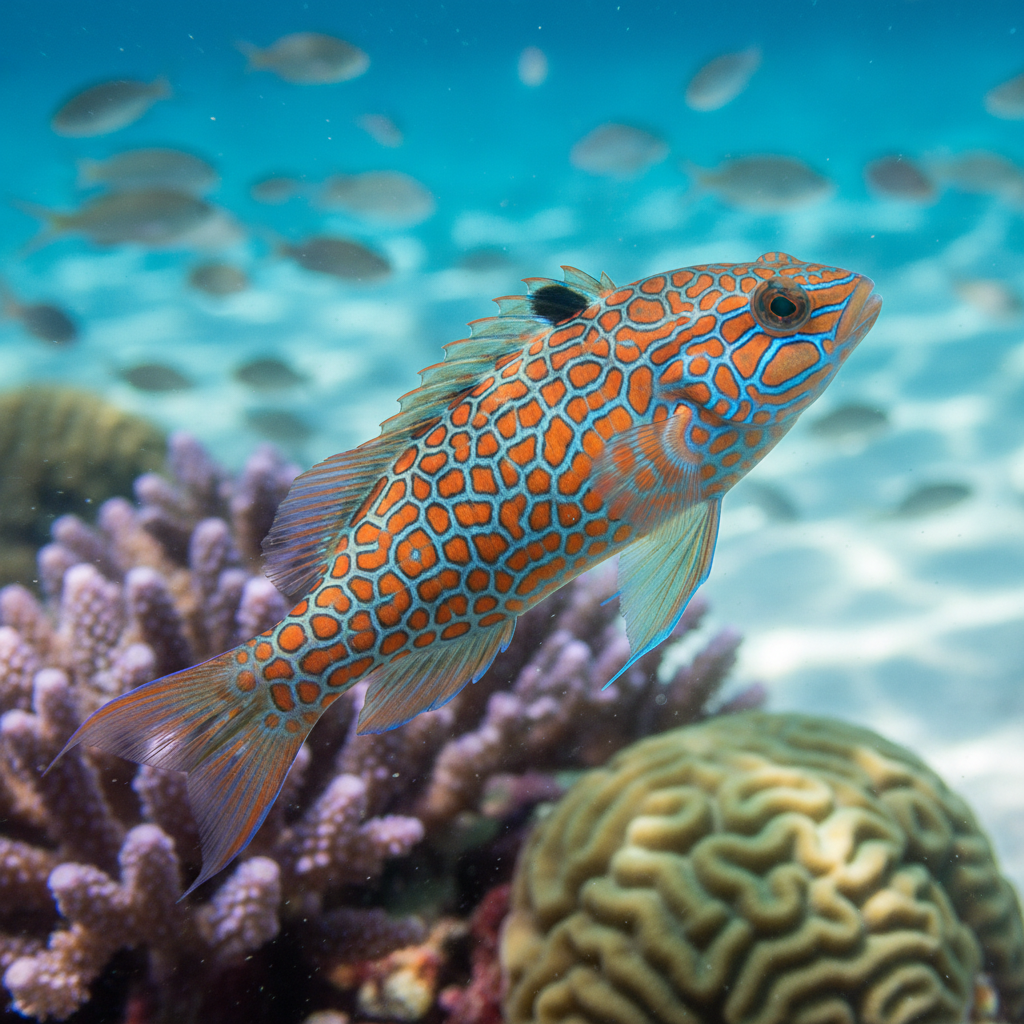
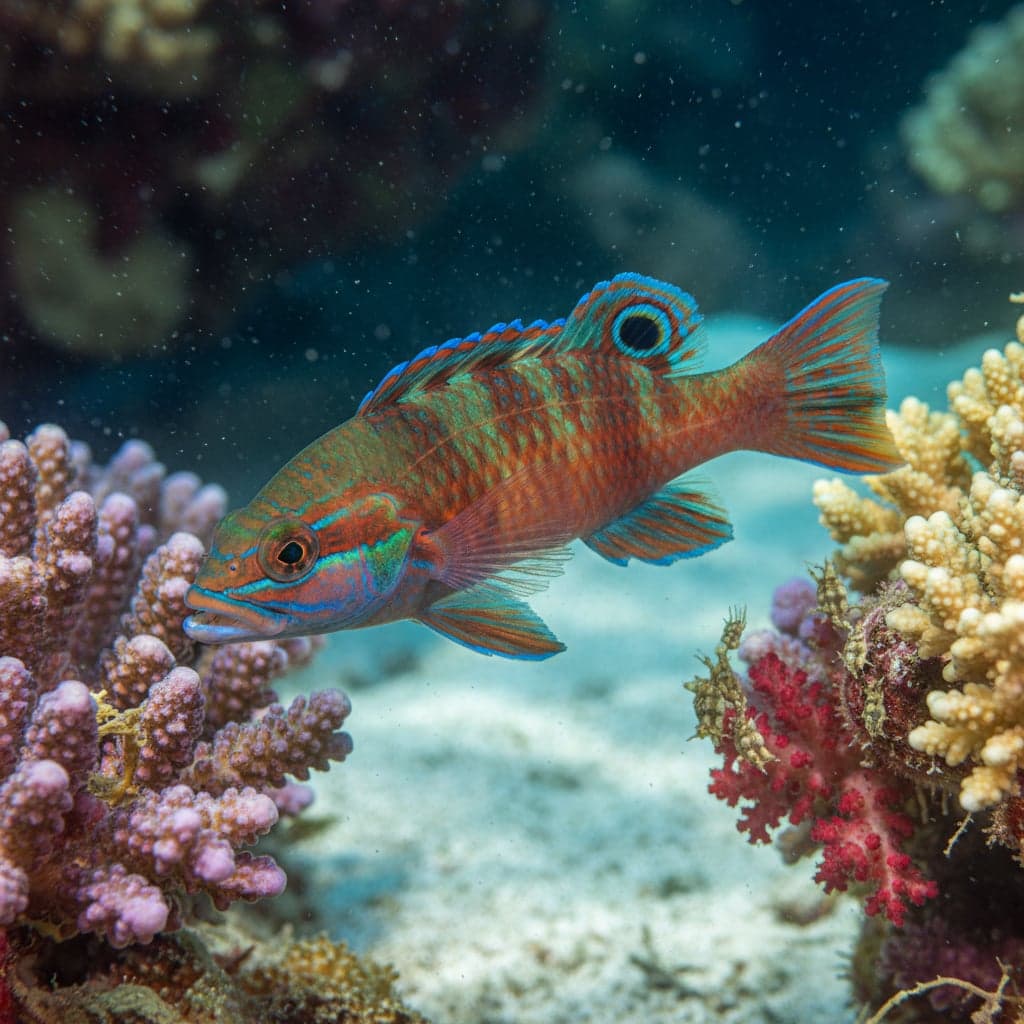
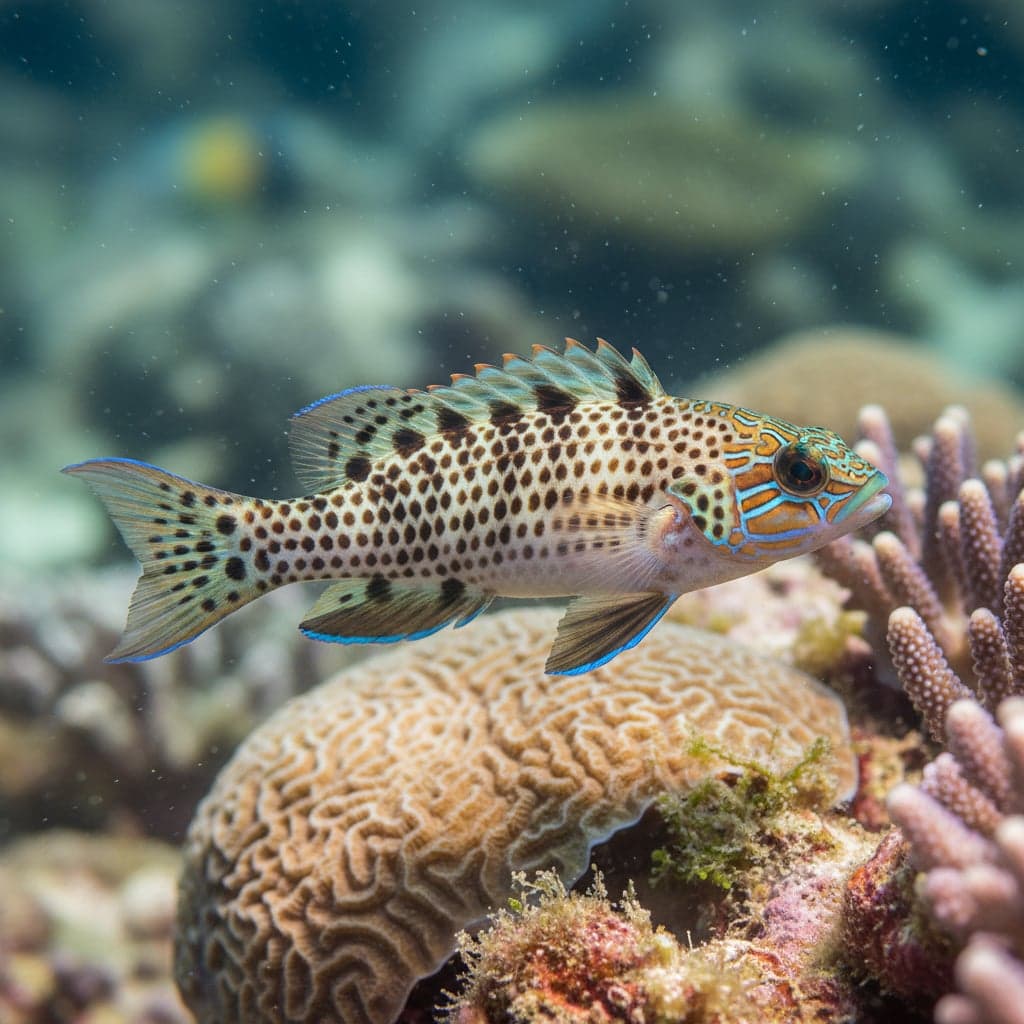
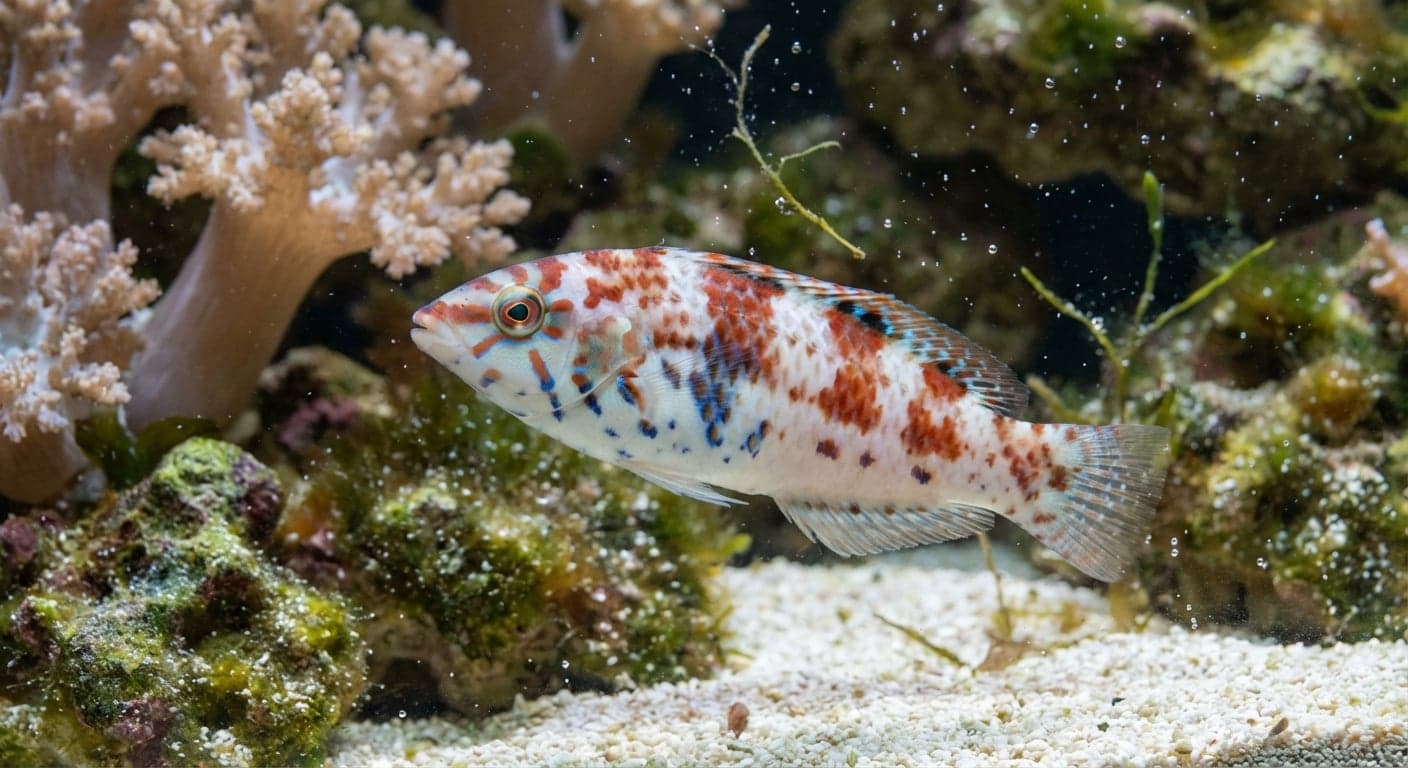
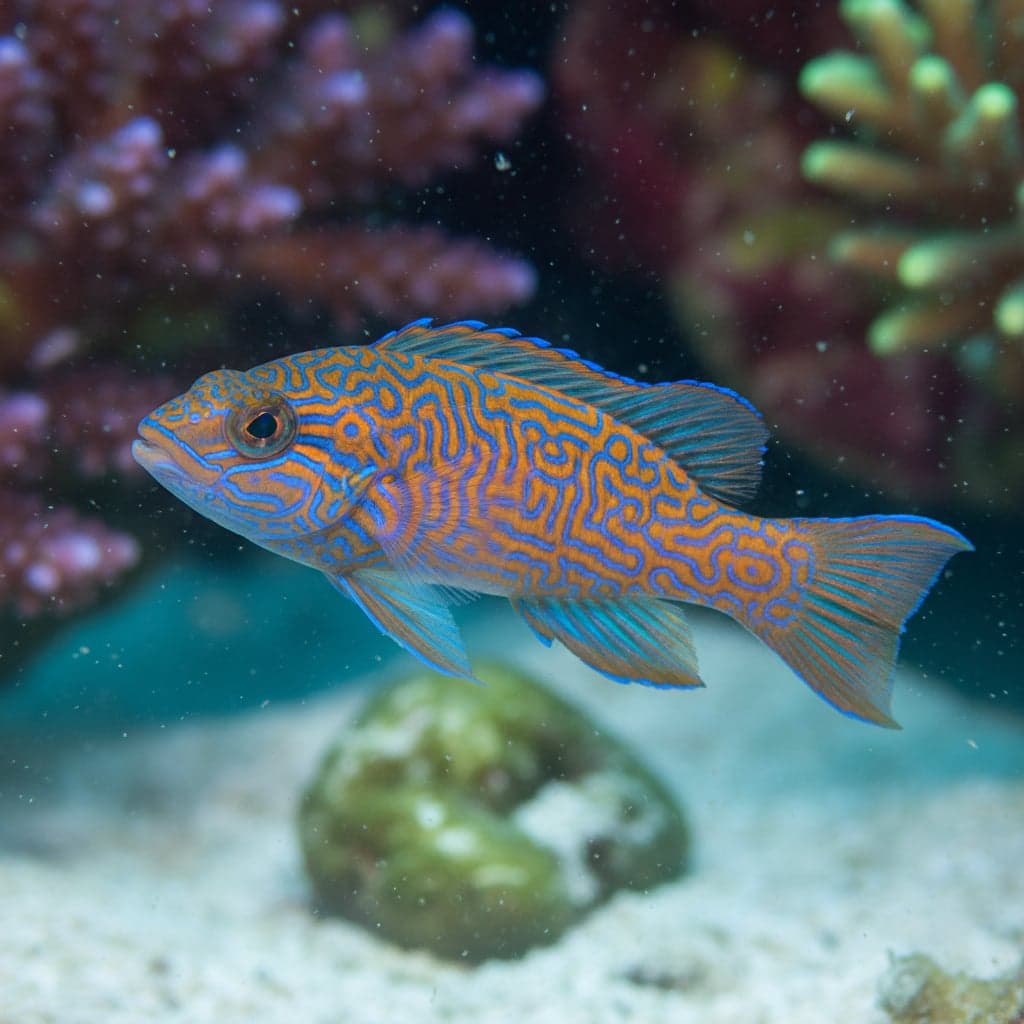
The Potter's Leopard Wrasse (Macropharyngodon geoffroy) is a stunning saltwater fish known for its unique appearance and behavior.

Potter's Leopard Wrasse
The Potter's Leopard Wrasse, scientifically known as Macropharyngodon bipartitus, is a captivating marine fish that has gained immense popularity among aquarium enthusiasts due to its striking colors and dynamic behavior. This species showcases a beautiful blend of vibrant yellows, greens, and blues, intricately patterned into leopard-like spots. Adult Potter’s Leopard Wrasses can grow to about 4 inches in length, making them a suitable choice for various aquarium sizes. Their eye-catching aesthetics and active swimming patterns not only enhance the visual appeal of a reef tank but also contribute to a lively aquatic environment. As a relatively hardy species, they are often favored by both novice and experienced aquarists.
In terms of significance, the Potter's Leopard Wrasse plays an important role in the marine ecosystem. In its natural habitat, this fish is known for its ability to control pest populations by preying on small invertebrates, such as bristle worms and other detritivores. This natural behavior is beneficial when introduced into a reef tank, where they help maintain a balanced environment. Their unique characteristics and behaviors make them a fascinating subject for observation and study, solidifying their status as a beloved species in the aquarium hobby.
Natural Habitat & Origin
Potter's Leopard Wrasse is native to the warm waters of the Indo-Pacific region, predominantly found in areas ranging from the Red Sea to the waters surrounding Hawaii and French Polynesia. These fish thrive in sandy substrates often interspersed with coral outcrops. They prefer shallow coastal regions, typically residing at depths of 10 to 30 meters, where they can easily hunt for food and find refuge among the corals and rocks. The water conditions in these habitats are generally characterized by clear waters with moderate water movement, providing the perfect environment for these vibrant wrasses to flourish.
The Potter's Leopard Wrasse is adept at camouflaging itself among the substrates, which is crucial for both hunting and avoiding predators. In their natural setting, they exhibit a preference for habitats rich in macroalgae, which offers them not just food but also a protective environment. By mimicking the natural conditions of their original habitat, aquarists can ensure these fish thrive in captivity.
Care Requirements
When housing a Potter's Leopard Wrasse, it's essential to replicate its natural environment as closely as possible. A minimum tank size of 50 gallons is recommended to accommodate their energetic swimming habits. Ideal water parameters should include a pH between 8.1 and 8.4, a temperature range of 72°F to 78°F (22°C to 26°C), and a water hardness of 8 to 12 dGH. The substrate should be fine sand to mimic their natural bottom-dwelling behavior, allowing them to burrow and feel secure.
Lighting plays a significant role in their well-being, with moderate lighting preferred to balance the growth of necessary algae while not overly stressing the fish. Incorporating live rock, sand beds, and plenty of hiding places with cave-like structures will provide essential shelter. Additionally, a few hardy marine plants can enhance the aesthetic of the aquarium and serve as natural filtration.
Diet & Feeding
Potter's Leopard Wrasse is primarily classified as an omnivore, with a diet consisting of small invertebrates, crustaceans, and algae. In captivity, they thrive on a varied diet that includes high-quality pellets, flakes, and frozen foods such as mysis shrimp, brine shrimp, and finely chopped marine fish. Additionally, offering some live food will help diversify their intake and stimulate natural hunting behavior. Regular feeding 2-3 times a day is essential to keep them healthy and vibrant, ensuring that the dietary needs of this active species are consistently met.
It's important to monitor their eating habits, as they can be shy, especially when first introduced to an aquarium. Providing food in the presence of suitable tank mates will encourage feeding, and utilizing a feeding ring can help ensure that food remains accessible to them.
Behavior & Temperament
The behavior of Potter's Leopard Wrasse is known to be active and engaging, making them a delightful addition to any aquarium. These fish are generally peaceful but can display occasional territorial behavior, especially among males. They are not known for schooling but are social and can thrive alongside other reef-safe fish. In their natural habit, they often occupy the lower to mid-levels of the tank and enjoy exploring caves and crevices.
Due to their inquisitive nature, these wrasses are often seen sifting through the sand or hovering near coral formations. While they can be a bit timid upon introduction to a new environment, providing a secure and complex habitat will help them acclimate more quickly. Proper tank placement—creating suitable areas for hiding and interacting—will enhance their comfort and reduce stress.
Tank Mates
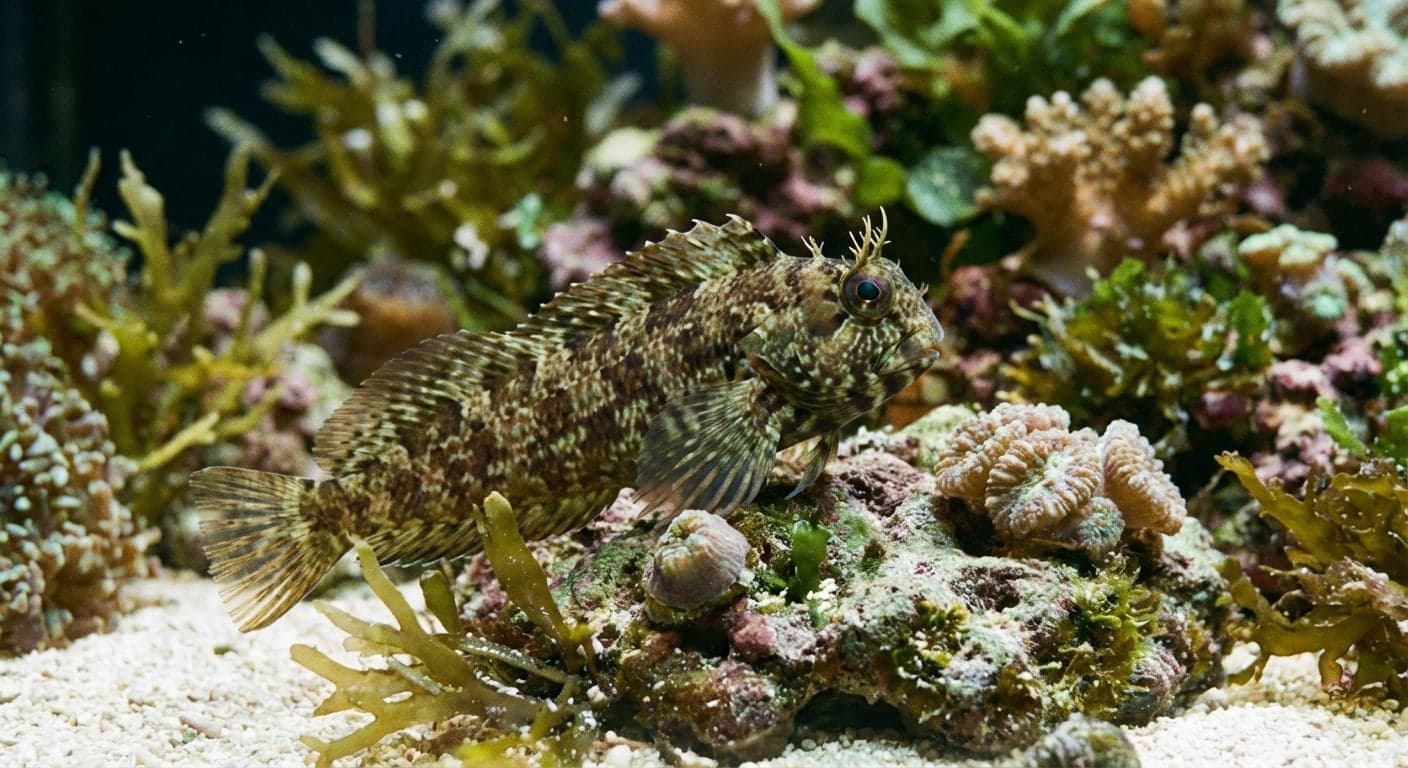
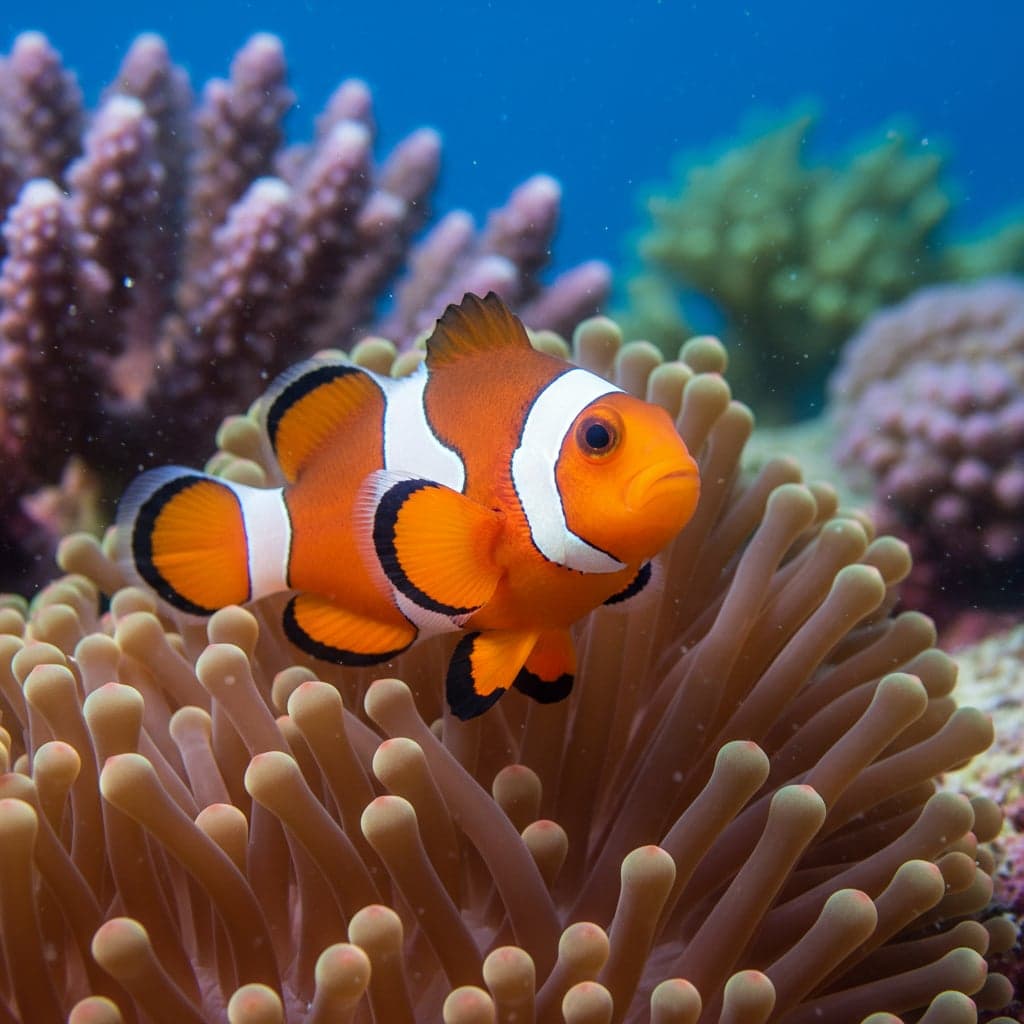
When considering tank mates for the Potter's Leopard Wrasse, it's crucial to select compatible species that complement its peaceful temperament. Suitable tank mates include small to medium-sized reef-safe fish such as clownfish, gobies, dottybacks, and smaller blennies. Community tanks that provide plenty of hiding spots and swimming space will reduce the chances of aggression and territorial disputes.
However, it's best to avoid keeping them with overly aggressive species like larger triggers, certain wrasses, and lionfish, since these can intimidate or bully the Potter's Leopard Wrasse. Careful selection of tank mates ensures a harmonious environment where all species can thrive alongside each other.
Breeding
Breeding Potter's Leopard Wrasse in captivity can be quite challenging, as this species is a substrate spawner. To encourage breeding, it is recommended to have a well-established tank with plenty of hiding spots and room for the fish to establish territories. Conditions such as elevated water quality, stable parameters, and a nutritious diet are crucial for successful spawning.
During the breeding process, males engage in display behavior to attract females, which can include elaborate swimming patterns and color changes. Eggs are typically laid on the sand substrate, where they will be scattered and adhesive enough to stick to the bottom. Ensuring minimal disturbance to the spawning area will increase the chances of successful fertilization and survival of the eggs.
Common Health Issues
Potter's Leopard Wrasse is generally hardy but may be prone to some common marine fish diseases, including ich (ictheophthirius multifiliis), brooklynella, and marine velvet (odalquidium). Signs of illness often include scratching against surfaces, isolation from the school, or changes in eating habits. Maintaining water quality and parameters, practicing good quarantine procedures for new additions, and providing a stress-free aquarium environment are essential prevention strategies.
Additionally, ensuring that the fish receive a balanced diet enriched with vitamins will help boost their immune system. Regular monitoring for symptoms of stress or illness and immediate action can help mitigate potential health issues, ensuring your Potter's Leopard Wrasse remains healthy and vibrant.