Pygmy Corydoras: Corydoras pygmaeus
The tiniest catfish in the hobby. Pygmy Corydoras hover in mid-water like tetras, making them the perfect nano tank bottom-to-mid-water companion.

Pygmy Corydoras
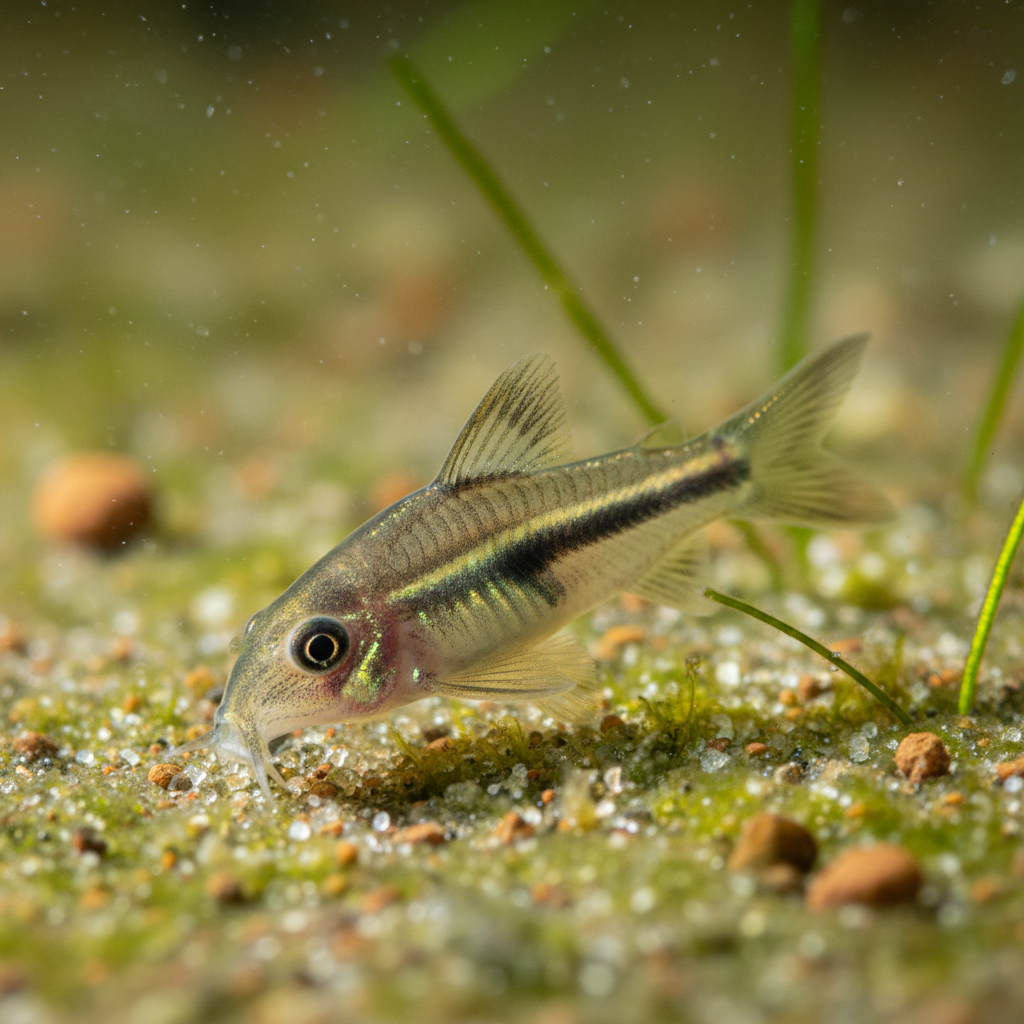
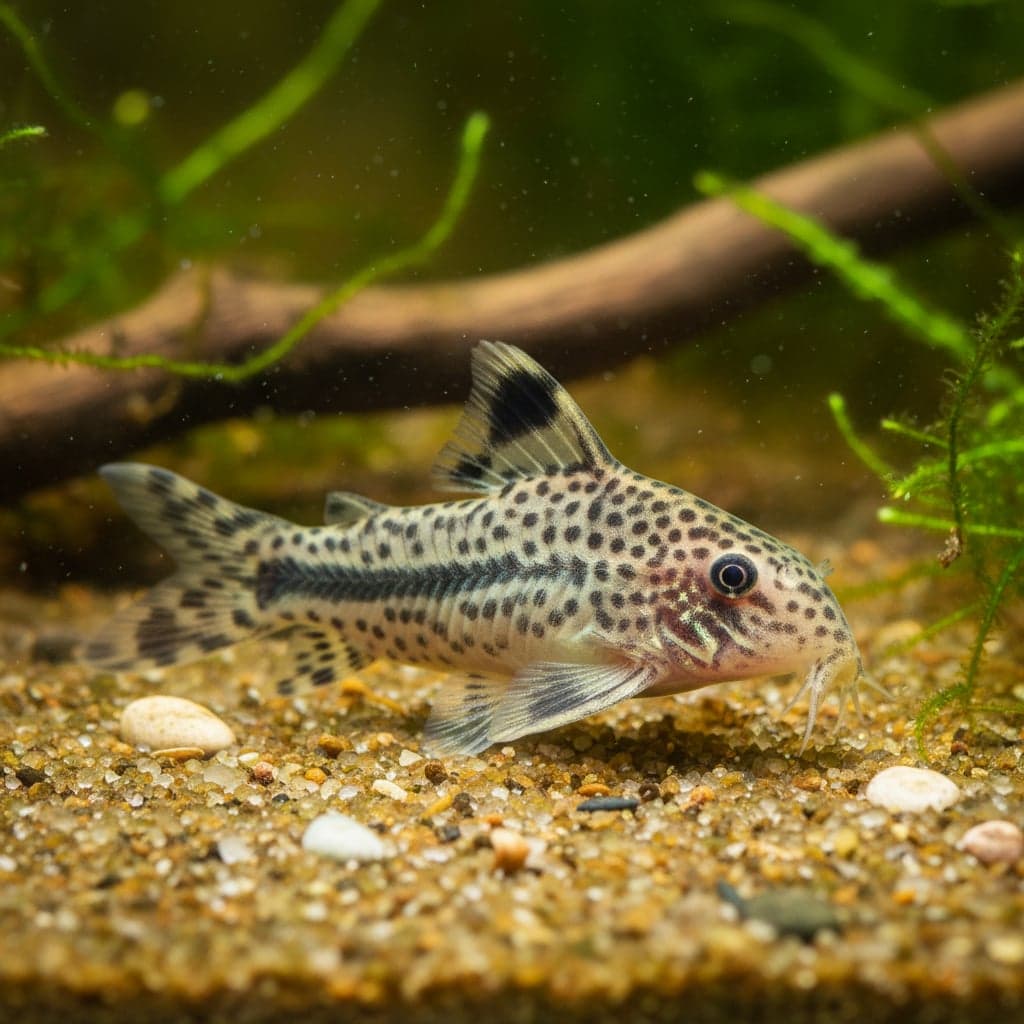
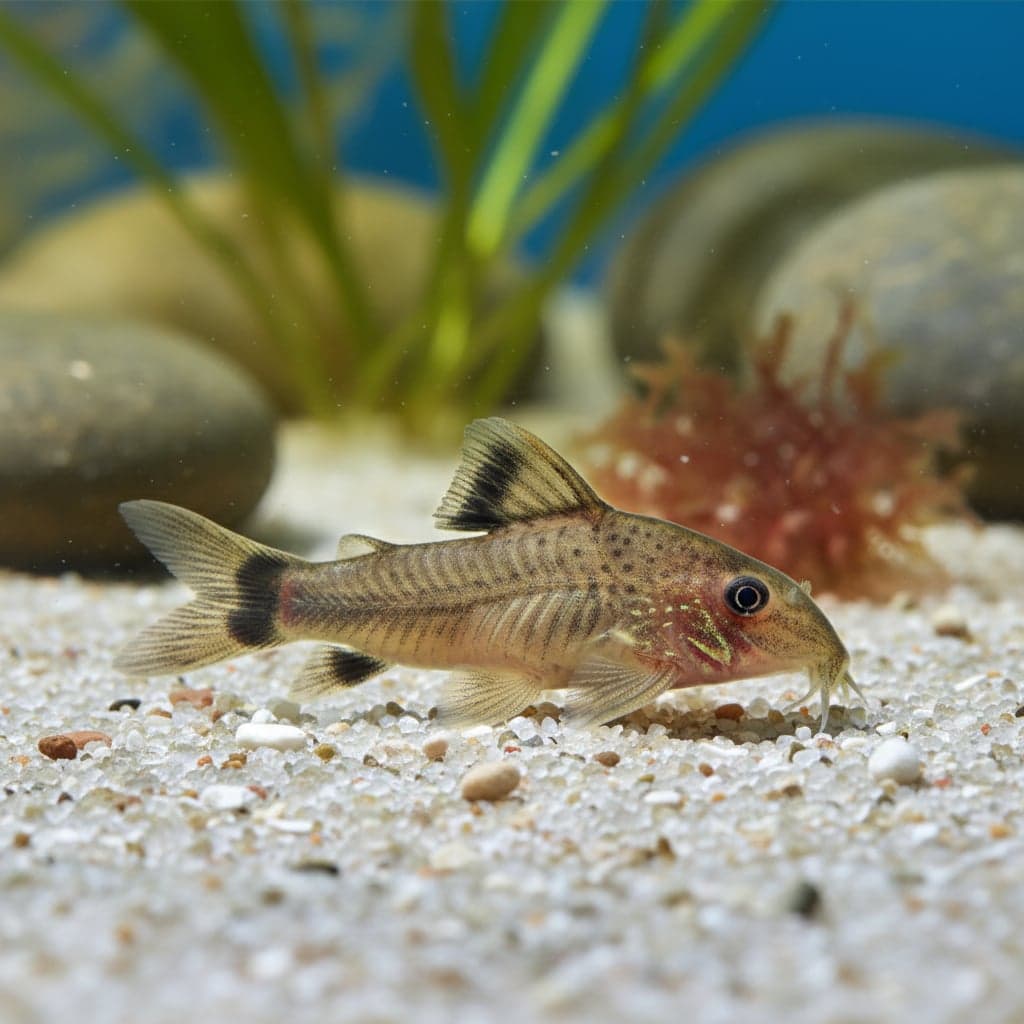
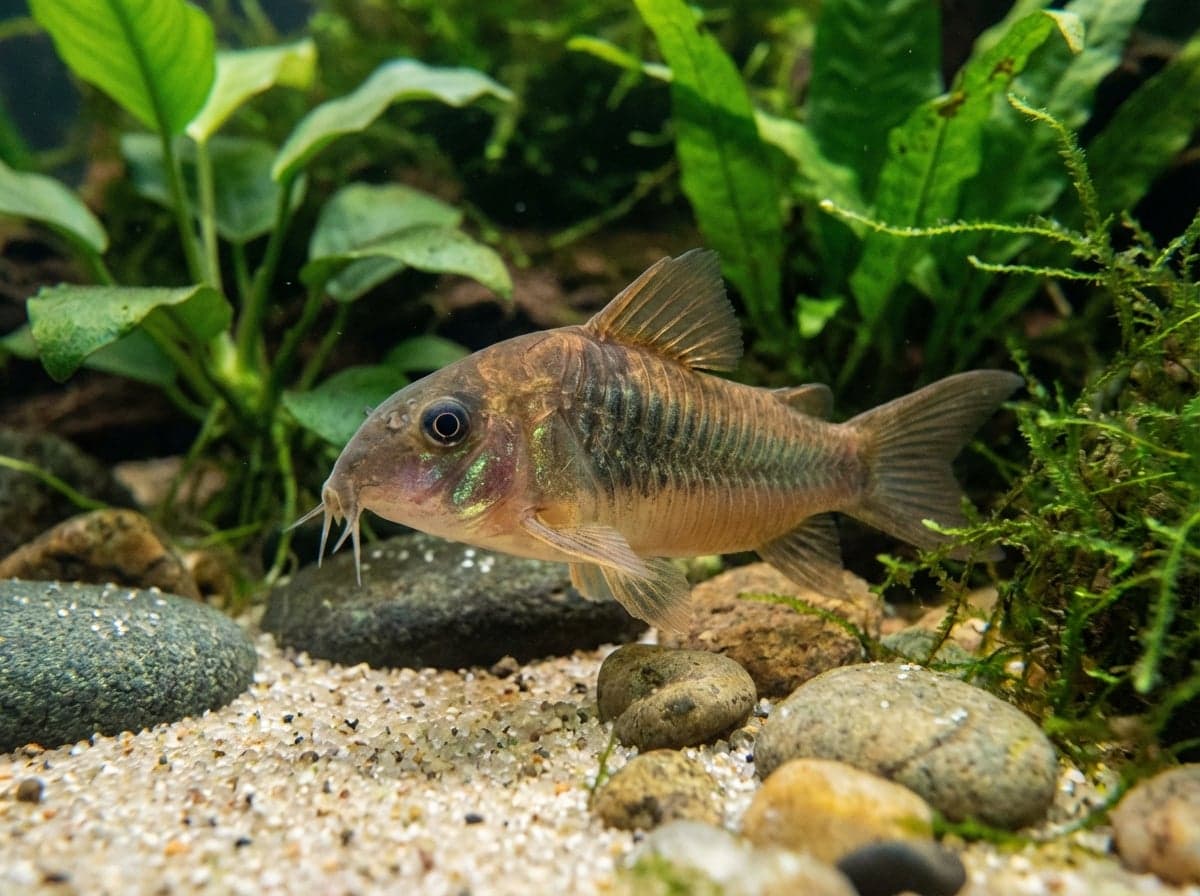
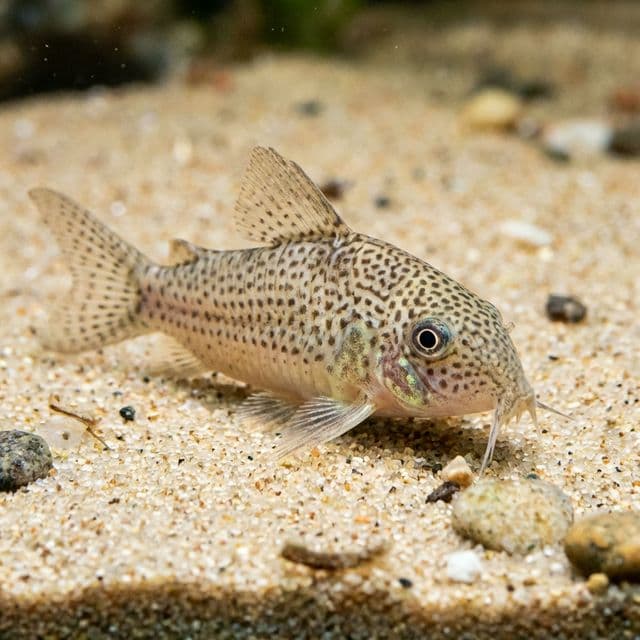
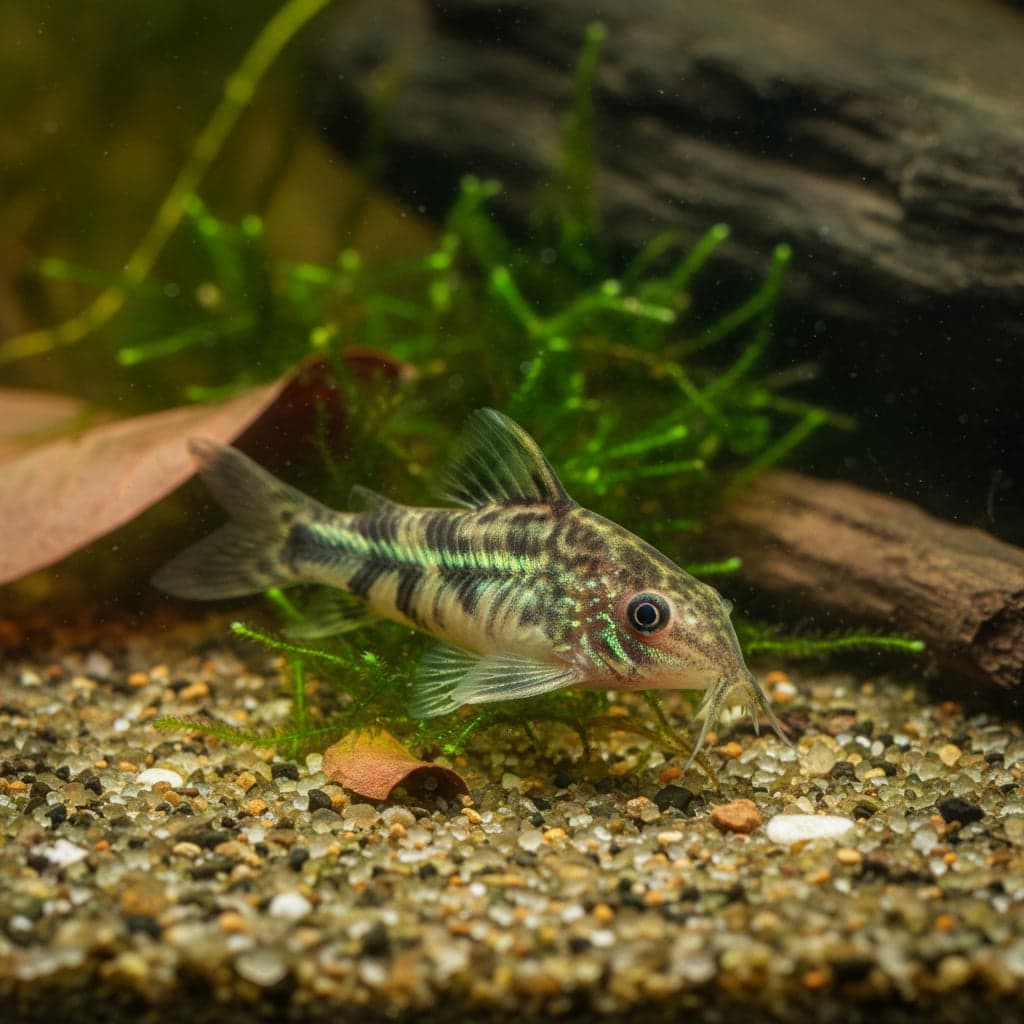
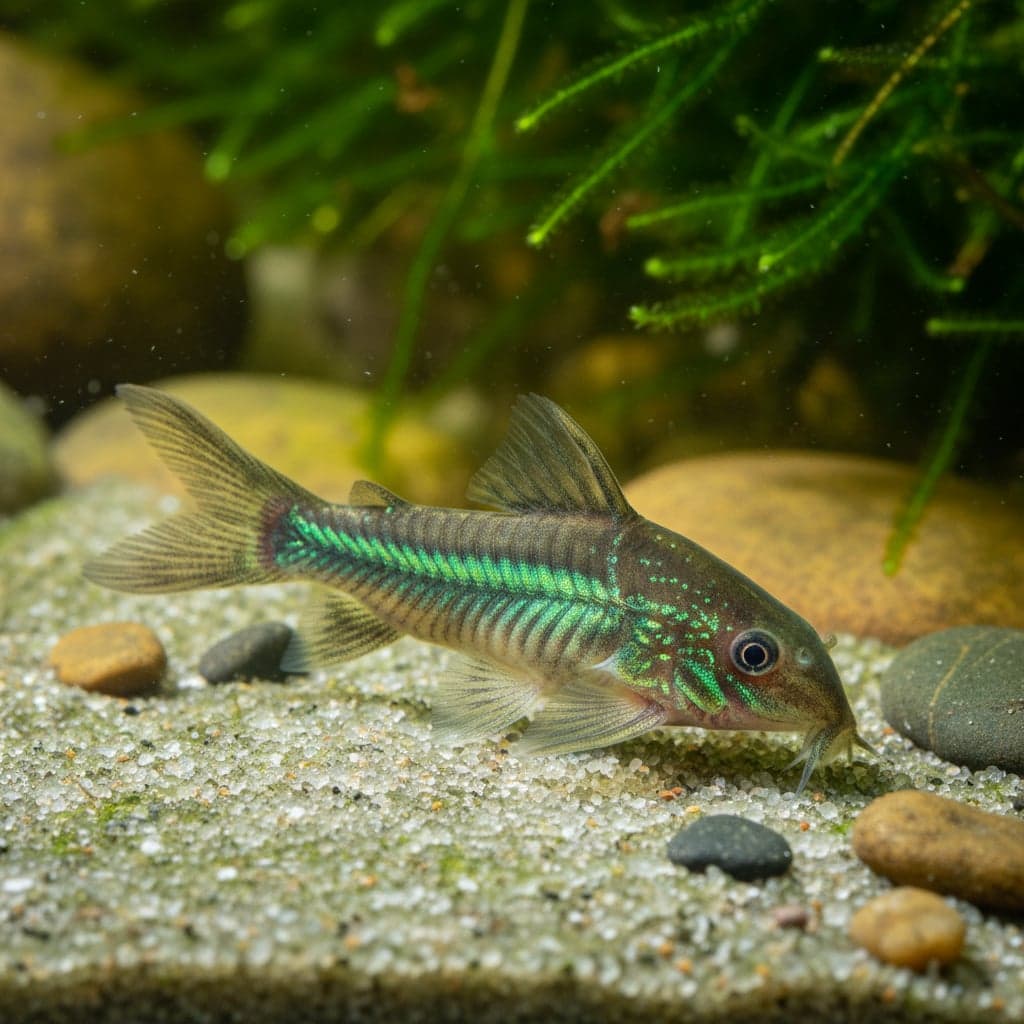
The Pygmy Corydoras (Corydoras pygmaeus) is a diminutive freshwater fish that has captured the hearts of aquarium enthusiasts worldwide. Characterized by its small size, reaching only about 1.5 inches (3.8 cm) in length, this charming catfish exhibits a sleek, elongated body adorned with intricate patterns of spots and stripes that range from brown to green hues. Its delicate features, including a pair of prominent barbels, contribute to its visual appeal, making it an attractive addition to any aquarium. Not only does the Pygmy Corydoras enhance the aesthetic value of the tank, but it also plays a significant role in maintaining a balanced aquatic ecosystem due to its scavenging behavior.
In the aquarium hobby, the Pygmy Corydoras is highly regarded for its peaceful disposition and entertaining social behaviors. These fish are known for their endearing antics, which often include rooting around the substrate for food and schooling joyfully with their companions. Their small size and calm temperament make them an ideal choice for community tanks, where they thrive in groups of six or more. Collectively, these traits not only enrich the viewing experience for aquarists but also contribute positively to the ecological dynamics of the aquarium.
Natural Habitat & Origin
The Pygmy Corydoras is native to the waterways of South America, primarily inhabiting the clear, slow-moving streams and tributaries of the Amazon basin, particularly in Brazil. In their natural environment, these fish are often found in areas with a sandy substrate, dense vegetation, and ample hiding spots, which provide shelter from potential predators. The water in these regions tends to be soft and slightly acidic, featuring low levels of organic materials that create a blackwater environment. This natural habitat is crucial for the Pygmy Corydoras, providing the right conditions for their growth, breeding, and overall well-being.
In the wild, Pygmy Corydoras live among a diverse assemblage of tropical fish species, making them adaptable but specific in their environmental requirements. Understanding their natural habitat allows aquarists to replicate these conditions in captivity, ensuring that the fish feel secure and healthy. Proper habitat replication is essential for promoting natural behaviors and longevity in domesticated settings.
Care Requirements
To provide optimal care for Pygmy Corydoras, aquarists should maintain specific water parameters within their tanks. Ideal conditions include a pH of 6.0 to 7.0, a temperature range of 72°F to 78°F (22°C to 26°C), and soft water with hardness levels between 2 to 15 dGH. These parameters mimic their natural habitat and are key to their health and well-being.
In terms of tank setup, a minimum tank size of 10 gallons is recommended to allow for adequate swimming space and social interaction. The substrate should ideally be soft, such as fine gravel or sand, to protect their sensitive barbels as they forage. Lighting should be moderate to subdued, as bright lights can stress them; incorporating plenty of live plants, driftwood, and decorations can create a shaded environment that mimics their natural surroundings. Additionally, maintaining good water quality through regular water changes and filtration is crucial for keeping these lively fish healthy.
Diet & Feeding
Pygmy Corydoras are omnivorous scavengers, thriving on a diverse diet that includes both plant and animal matter. In captivity, they will readily accept high-quality sinking pellets, flakes, and frozen or live foods such as brine shrimp, daphnia, and bloodworms. It is important to include various food types in their diet to ensure they receive essential nutrients and vitamins for optimal health.
While Pygmy Corydoras are adept at rummaging through substrate for food, it's advisable to provide them with specialized foods and supplements that cater to their nutritional needs. Feed them small portions 2-3 times a day, ensuring efficient consumption to prevent food from decomposing in the tank and affecting water quality. The use of vegetable matter, such as blanched spinach or spirulina flakes, can also be included to promote a balanced diet.
Behavior & Temperament
Pygmy Corydoras are well-known for their peaceful and sociable behavior, making them a perfect addition to community tanks. These fish are naturally social creatures that thrive in groups, typically preferring to shoal with five or more individuals. Their schools can often be seen swimming and foraging together, adding vibrancy and activity to the aquarium's aquatic landscape.
While generally non-aggressive, Pygmy Corydoras may exhibit slight territorial behavior if kept in smaller numbers or confined spaces. To mitigate any potential stress or conflict, it is important to provide ample swimming space and hiding spots within the tank. As primarily bottom dwellers, they tend to occupy the lower regions of the aquarium but may explore the mid-level waters during feeding time.
Tank Mates
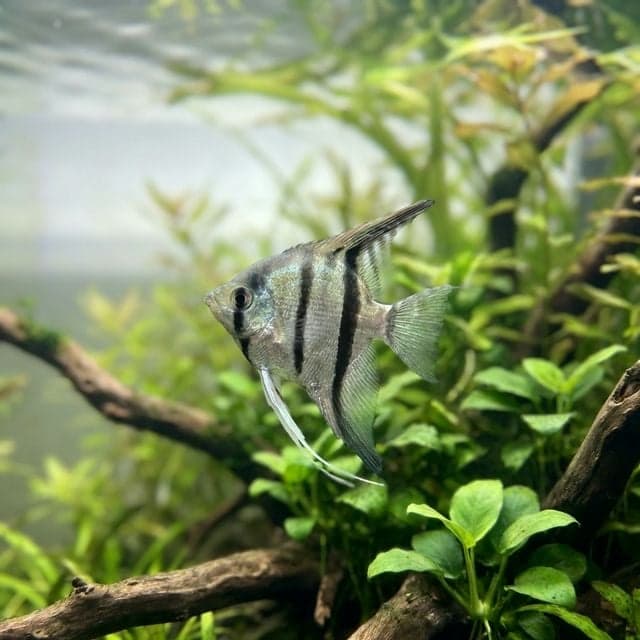
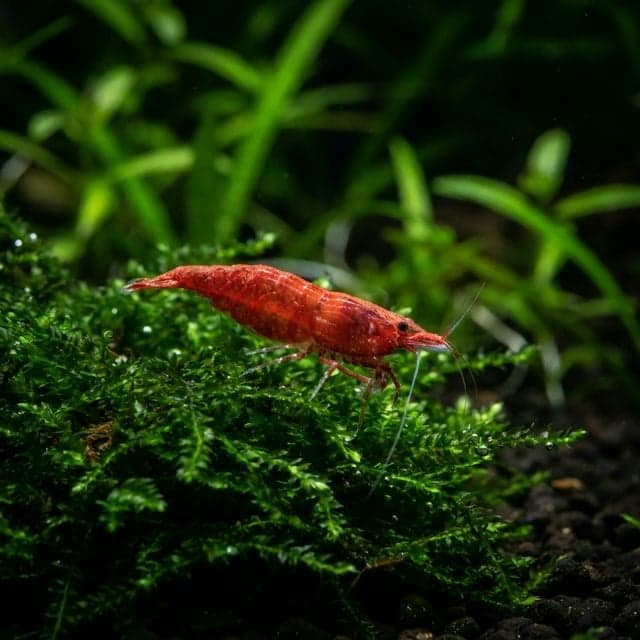
When it comes to tank mates, Pygmy Corydoras are compatible with various peaceful species, making them excellent community fish. Suitable cohabitants include small tetras (such as Neon or Cardinal Tetras), guppies, rasboras, and dwarf shrimp like Cherry or Amano shrimp. These tank mates share similar care requirements and dynamic behavior patterns, creating a harmonious environment.
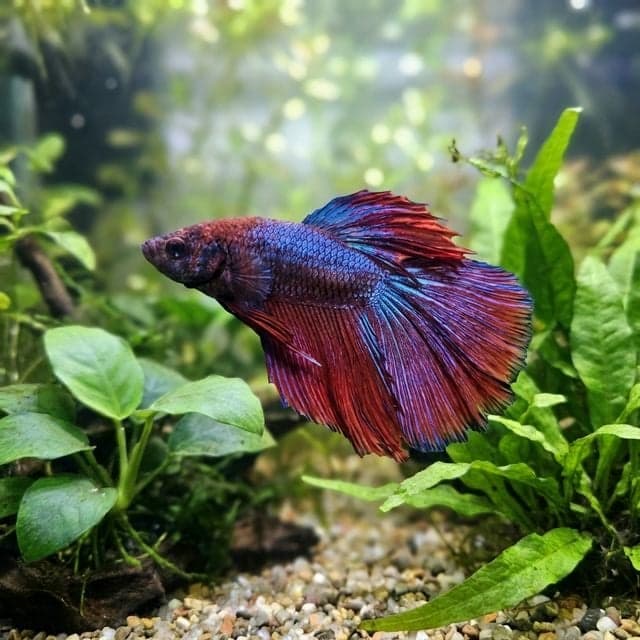
However, avoid pairing Pygmy Corydoras with larger or more aggressive fish, such as cichlids or some types of barbs, which may view them as prey or threaten their peaceful nature. Additionally, it's essential to keep them away from fin-nipping species, as their delicate fins may be at risk. By carefully selecting compatible tank mates, aquarists can provide a thriving, diverse aquarium community.
Breeding
Breeding Pygmy Corydoras in captivity can be a rewarding experience for aquarists, although it does require attention to specific environmental conditions. These fish are egg layers, and successful spawning typically occurs in a well-maintained, species-specific breeding tank with soft, acidic water conditions (pH around 6.0) and a temperature of approximately 75°F (24°C).
To stimulate breeding, provide a breeding substrate such as marbles or spawning mops where females can deposit their eggs. Males will often chase females, encouraging them to lay eggs, which they will quickly fertilize. Once the eggs are laid, it is advisable to remove them from the breeding tank to prevent parental care issues and allow for better survival rates. Once hatched, fry should be fed infusoria or specialized fry foods until they grow large enough to accept crushed flakes. With proper care, Pygmy Corydoras can successfully reproduce, contributing to a sustainable aquatic hobby.
Common Health Issues
Like many freshwater species, Pygmy Corydoras can be susceptible to a variety of health issues if their habitat or care parameters are not properly managed. Common diseases include ich (white spot disease), fin rot, and bacterial infections, which often stem from poor water quality, stress, or inadequate nutrition.
To prevent these health issues, maintain regular water changes, ensure efficient filtration, and closely monitor water parameters. Quarantining new arrivals can also help prevent the introduction of pathogens into the established community. Additionally, a balanced diet and minimizing stress through adequate hiding spots and compatible tank mates will support their overall health and longevity in the aquarium.