Queen Loach: Botia dario
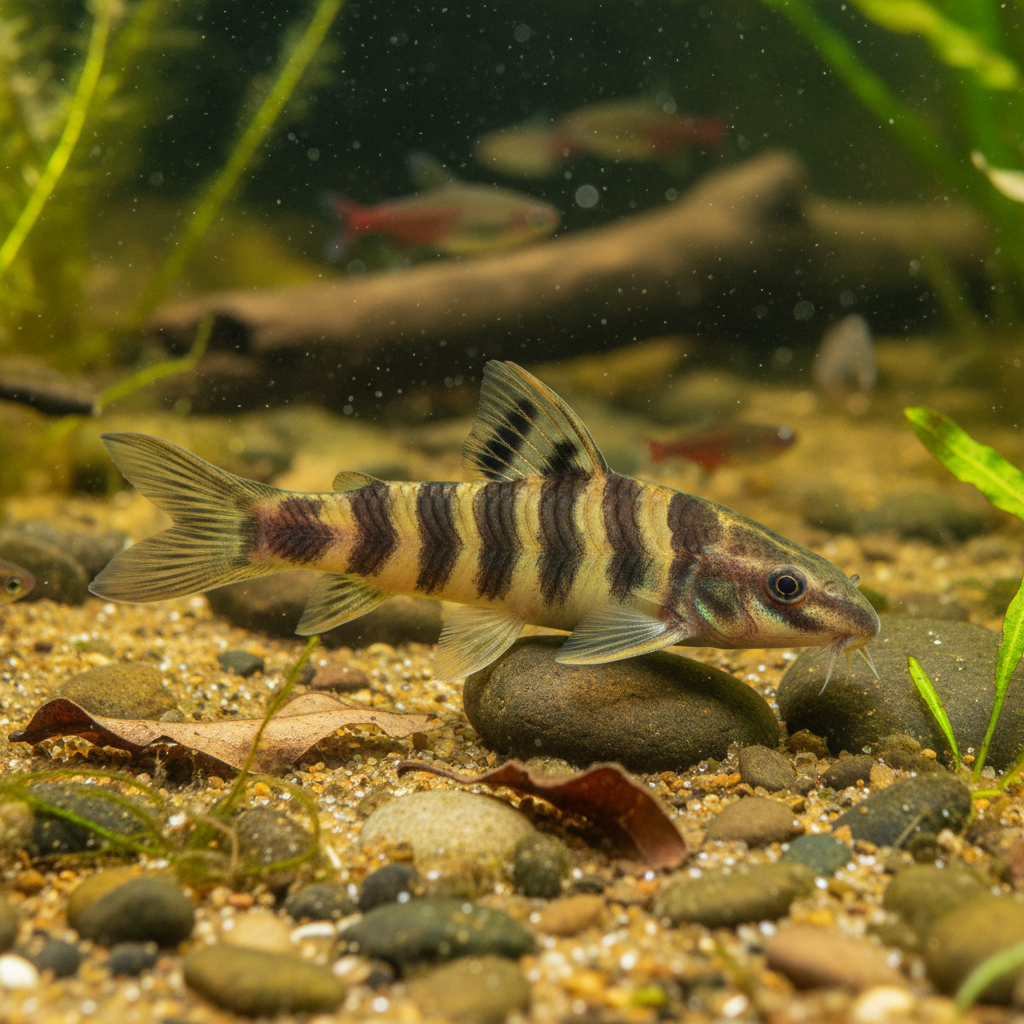
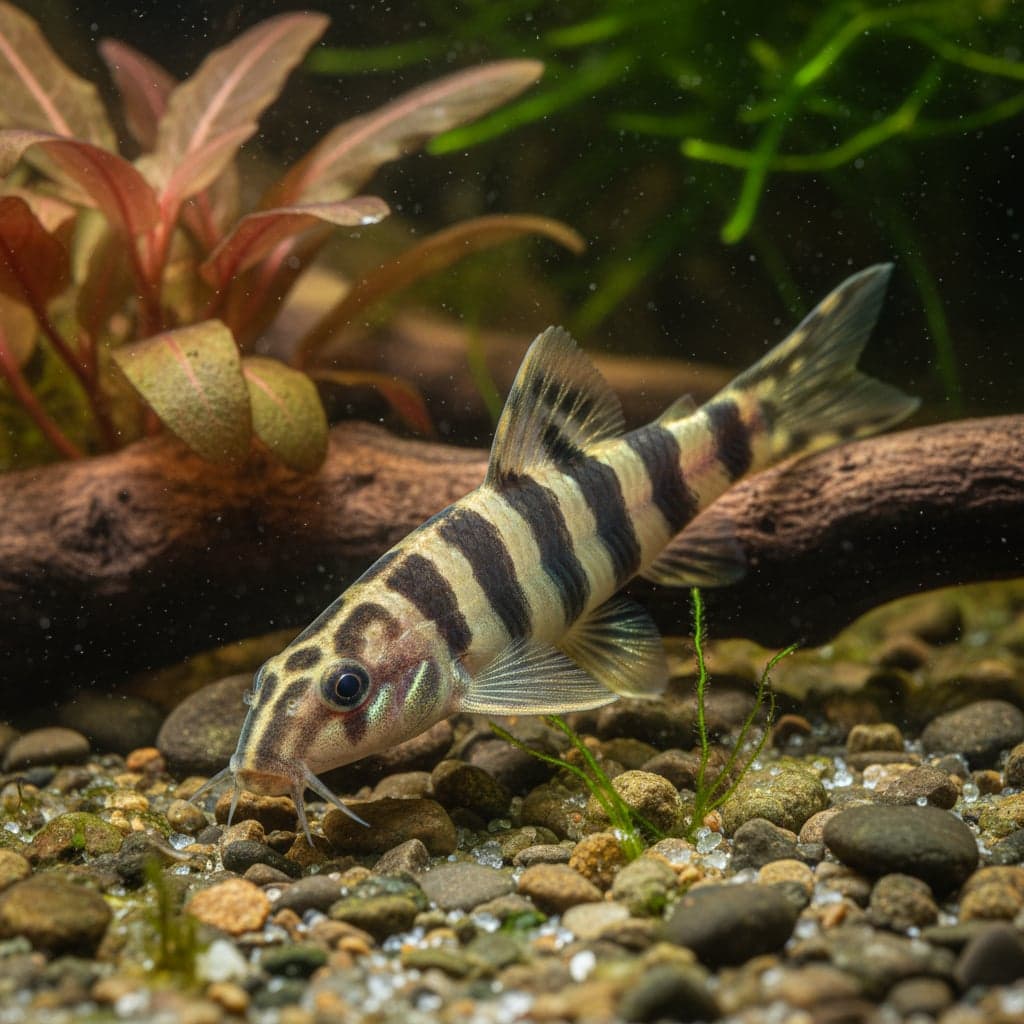
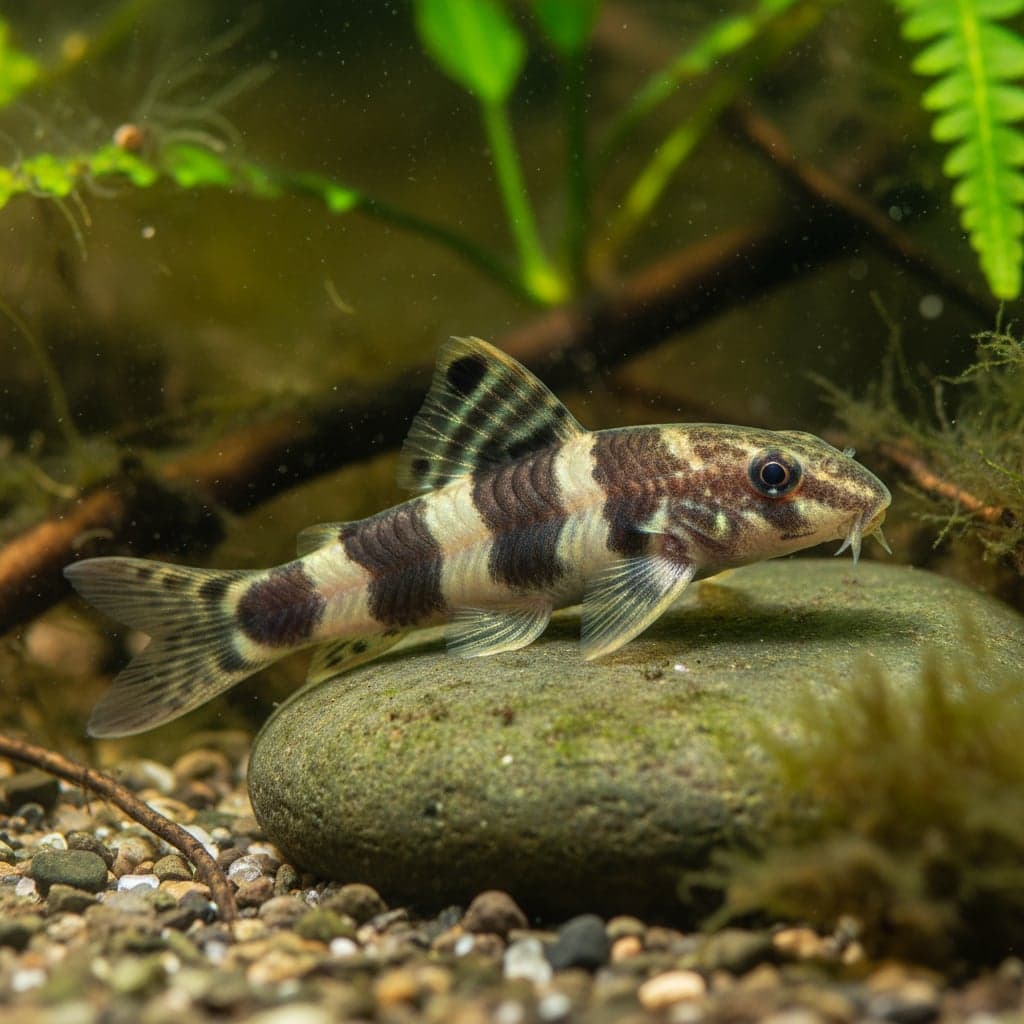
A fast, heavily banded schooling loach known for its striking gold and black tiger-stripes and voracious appetite for snails.

Queen Loach
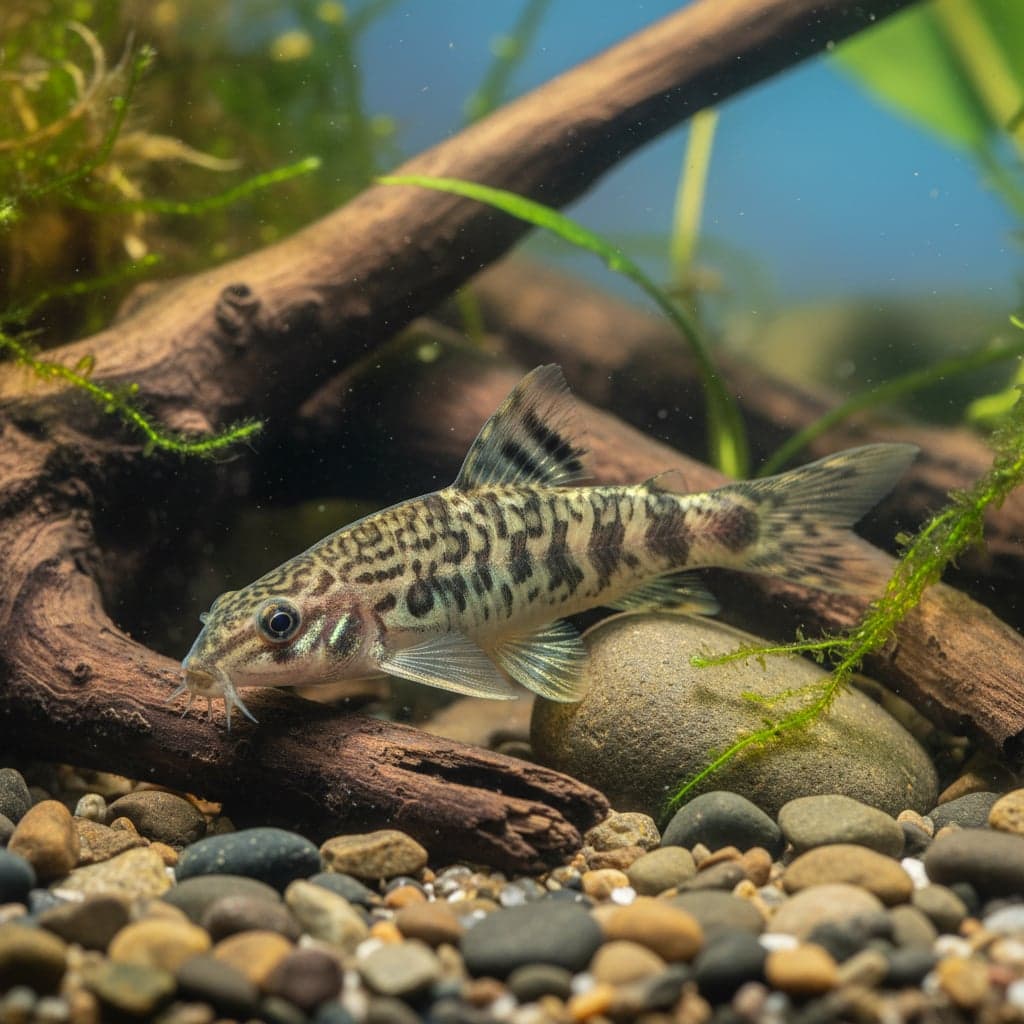
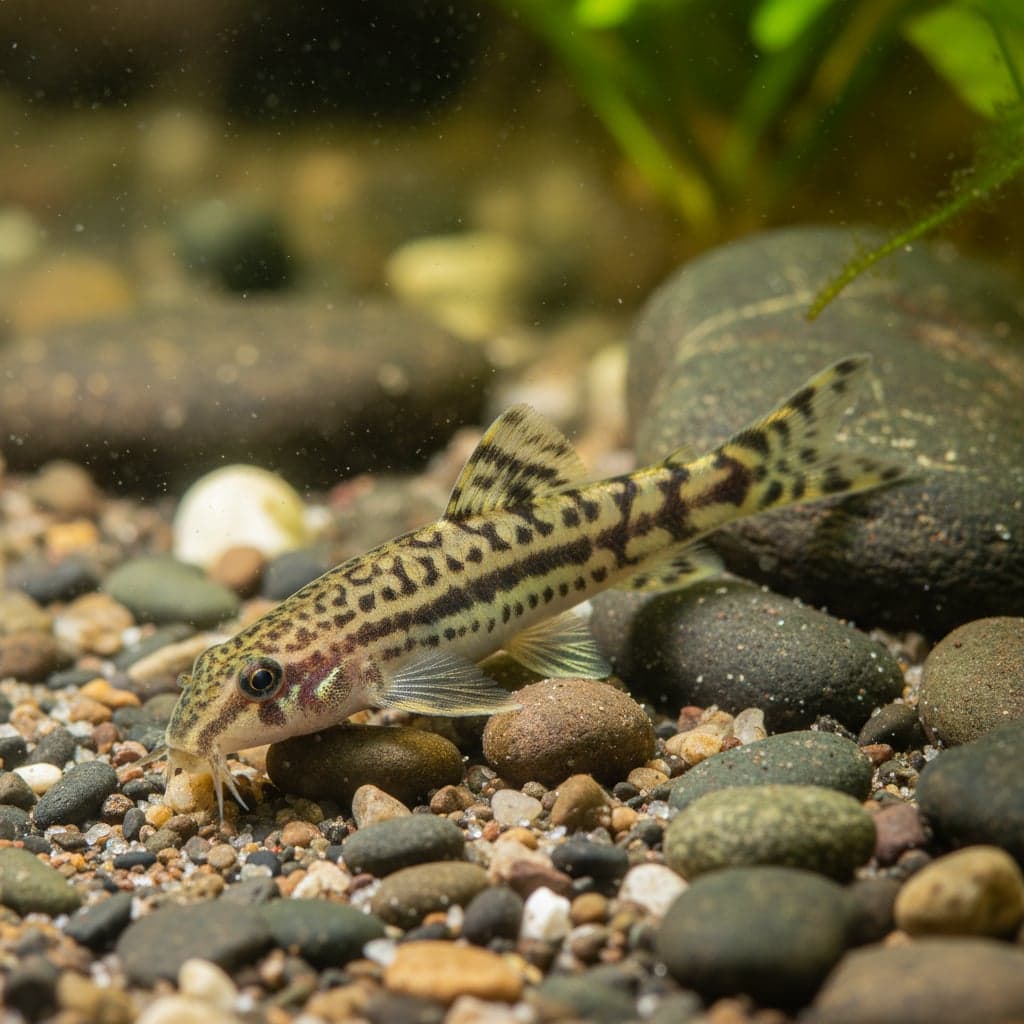
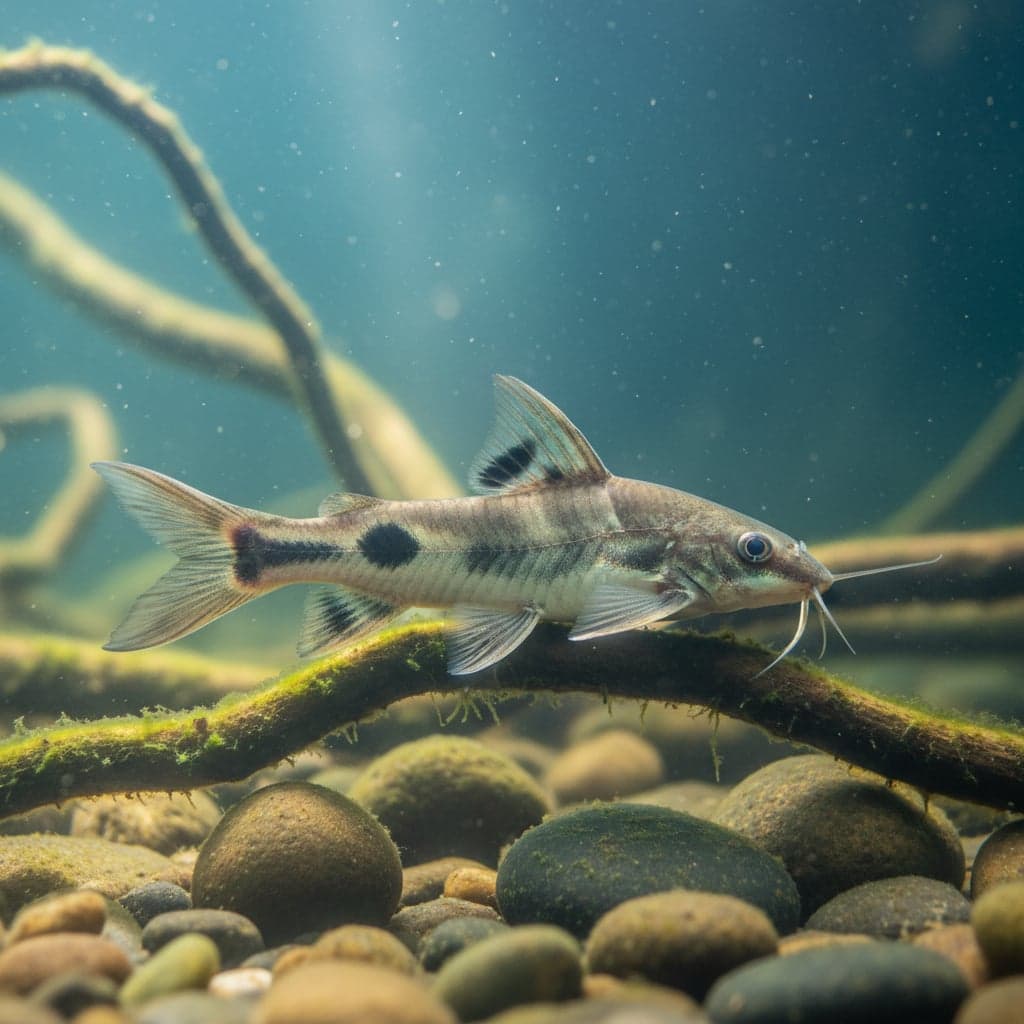
The Queen Loach, scientifically known as Botia dario, is a captivating freshwater fish that has gained popularity among aquarium enthusiasts due to its striking appearance and charismatic behavior. Characterized by its vibrant coloration, which can include shades of yellow, orange, and black patterns, the Queen Loach is not only visually appealing but also adds a dynamic element to community tanks. This species can grow up to 3-4 inches (8-10 cm) in length and is noted for its elongated, sleek body and unique barbels around its mouth, which facilitate foraging in the substrate. Its lively nature, coupled with its stunning form, makes the Queen Loach a prized addition to many aquariums.
The Queen Loach holds significant value in the aquarium hobby, both as an ornamental species and for its unique traits. These fish are known for their playful behavior, often seen darting around the tank or burrowing into the substrate. This activity enriches the aquarium environment and provides both visual interest and interaction. Additionally, the Queen Loach contributes to the ecological balance of the aquarium by helping control pest populations, such as algae and detritus, through its diet. With the right care and conditions, these loaches can thrive and become long-term pets, often living for over a decade in a well-maintained aquarium.
Natural Habitat & Origin
Queen Loaches are native to the freshwater rivers and streams of Southeast Asia, particularly found in the regions of Myanmar (Burma) and Assam in India. They inhabit flowing waters that are typically characterized by their warm temperatures and gentle currents. In their natural environment, Queen Loaches can be found in various water conditions, including blackwater and clearwater habitats. Blackwater environments, rich in tannins from decomposing plant material, create blackwater conditions that also influence the color of the water, giving it a darker hue. These fish prefer areas with abundant cover, such as dense vegetation, submerged logs, and rocky substrates that provide shelter and foraging opportunities.
The geographical habitat of the Queen Loach also plays a crucial role in its behavior and adaptability in captivity. These fish thrive in soft, slightly acidic to neutral water, reflecting their natural preference for environments that promote their well-being. Understanding these natural habitats and their biological adaptations is key for aquarium keepers aiming to create an environment where the Queen Loach can flourish.
Care Requirements
To ensure the health and well-being of the Queen Loach in an aquarium setting, it is essential to maintain specific water parameters. The ideal pH range for these fish is between 6.0 and 7.5, with a temperature range of 75°F to 85°F (24°C to 29°C). A moderate water hardness level of 2-12 dGH is recommended for optimal growth and longevity. As for tank setup, a minimum tank size of 50 gallons is suggested to accommodate their active swimming patterns and ensure they have space to explore.
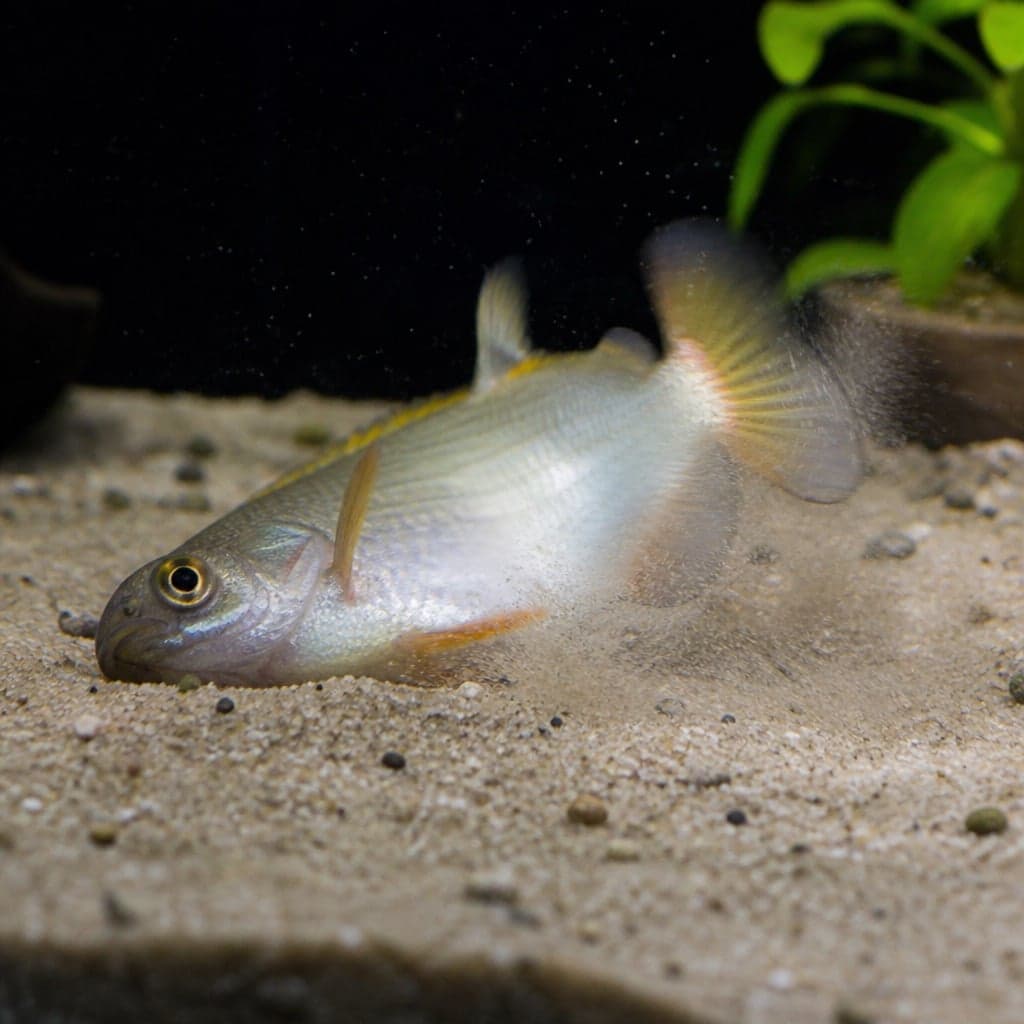
The substrate should consist of smooth sand or fine gravel, as rough substrates can harm their delicate underbellies. Decorate the tank with plenty of hiding places made from rocks, driftwood, and live plants, which will replicate their natural environment and offer shelter. Lighting should be moderate to low, as brighter lighting can stress these fish. Planting dense vegetation, such as Java ferns and Amazon swords, not only enhances aesthetics but also provides additional hiding spots, improving their overall comfort in captivity.
Diet & Feeding
The Queen Loach is an omnivorous species, feeding on a varied diet that includes both plant matter and protein sources. In captivity, it's crucial to provide a balanced diet to ensure their health and vitality. High-quality flake food or pellets, specifically designed for bottom-feeders, can be staple options. Additionally, incorporating a variety of frozen or live foods, such as bloodworms, brine shrimp, and daphnia, adds nutritional diversity that promotes growth and color enhancement.
Supplying blanched vegetables like zucchini, spinach, or peas will cater to their herbivorous tendencies, contributing to their digestive health. Aim to feed them two to three times a day, ensuring not to overfeed and maintaining water quality. Troop feeding behaviors, especially with sinking foods, can be delightful to observe, as they exhibit their natural instincts while foraging.
Behavior & Temperament
In terms of behavior, Queen Loaches exhibit a peaceful demeanor, making them suitable for community tanks with similarly sized and temperate fish species. These fish are social creatures, thriving in small groups where their natural schooling instincts can flourish. A school of at least five individuals is recommended to promote their confidence and reduce potential stress. Despite their gentle nature, Queen Loaches may show some territorial behavior, especially during feeding time, but they are not typically aggressive.
Queen Loaches occupy lower levels of the aquarium, often seen foraging along the substrate or hiding among decorations. However, they may also ascend to mid-water when engaged in playful antics or if prompted by food. Providing ample horizontal and vertical space ensures that they can engage in their natural behaviors without feeling confined.
Tank Mates
When choosing tank mates for the Queen Loach, it is important to consider the compatibility of various species. They coexist well with other peaceful community fish, such as tetras, rasboras, gouramis, and other small to medium-sized loaches. However, keeping them with more aggressive or fin-nipping species, like cichlids or larger barbs, should be avoided as these fish may stress the Queen Loach. It's also advisable to avoid keeping them with very small fish that might be seen as prey.
In a well-planned community aquarium, the Queen Loach thrives alongside non-aggressive species, contributing positively to the tank’s ecological balance. Ensuring a harmonious setup promotes not only the well-being of the Queen Loach but enhances the overall aesthetic and dynamic of the aquarium habitat.
Breeding
Breeding Queen Loaches in captivity can be challenging but not impossible with the right conditions. To encourage spawning, a dedicated breeding tank is recommended, with slightly altered water parameters compared to the display aquarium. A temperature range of approximately 78°F to 82°F (26°C to 28°C) and a pH level around 6.0 to 6.5 is ideal for breeding. Adding soft, well-planted areas where the fish can lay their eggs, such as fine-leaved plants, provides suitable spawning sites.
During breeding, females exhibit a more rounded belly prepared with eggs, while males may become more vibrant and active. The actual spawning process involves the male chasing and nudging the female, encouraging her to lay eggs. After spawning, it is crucial to remove the adult fish from the breeding tank to prevent them from eating the eggs. In optimal conditions, the eggs will hatch within 2-4 days, and the fry should be initially fed infusoria or finely crushed flakes until they are large enough to consume larger foods.
Common Health Issues
Like all aquarium fish, Queen Loaches can be susceptible to certain health issues. Common diseases include ich (Ichthyophthirius multifiliis), fin rot, and flukes. These problems can often arise from poor water quality or elevated stress levels. To prevent these ailments, regular water changes, maintaining optimal water parameters, and avoiding overstocking the aquarium are crucial.
Preventive measures also include quarantine for new fish, ensuring they are free of parasites before joining the main tank. Provide smooth caves, stable temperatures, and clean, well-oxygenated water to keep stress low. Watch for white spots, frayed fins, flashing, or lethargy, and treat promptly with appropriate medications while correcting water quality. Avoid overcrowding and aggressive tank mates that harass these bottom dwellers. A varied diet of sinking foods and occasional live prey supports immunity so Queen Loaches remain active, hardy scavengers in a peaceful community aquarium for years.