The Rabbit Snail: Tylomelania sp
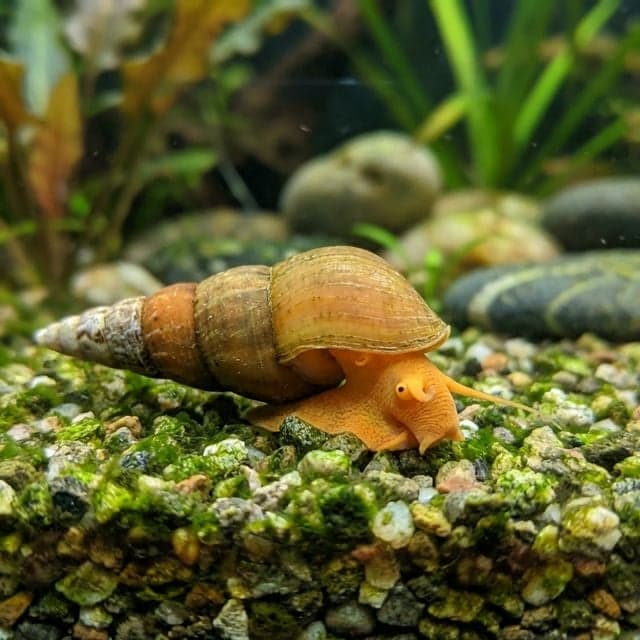
An elegant, long-shelled snail from Sulawesi with a rabbit-like face. Slow, peaceful, and surprisingly charismatic for an invertebrate.
Rabbit Snail
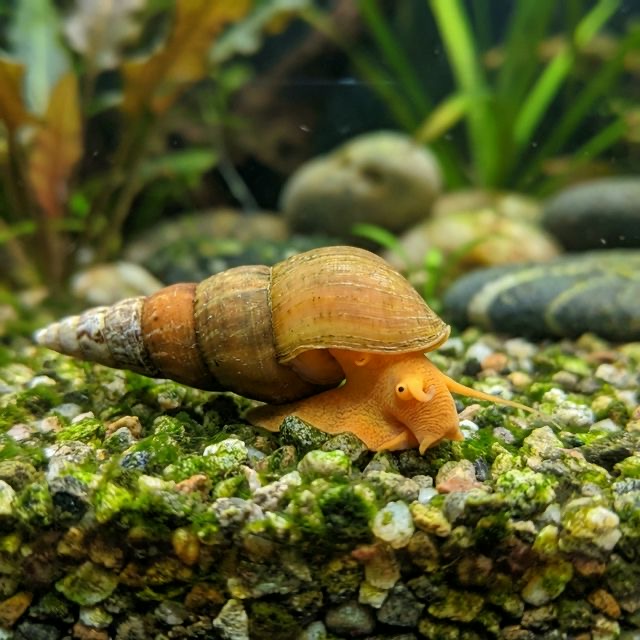
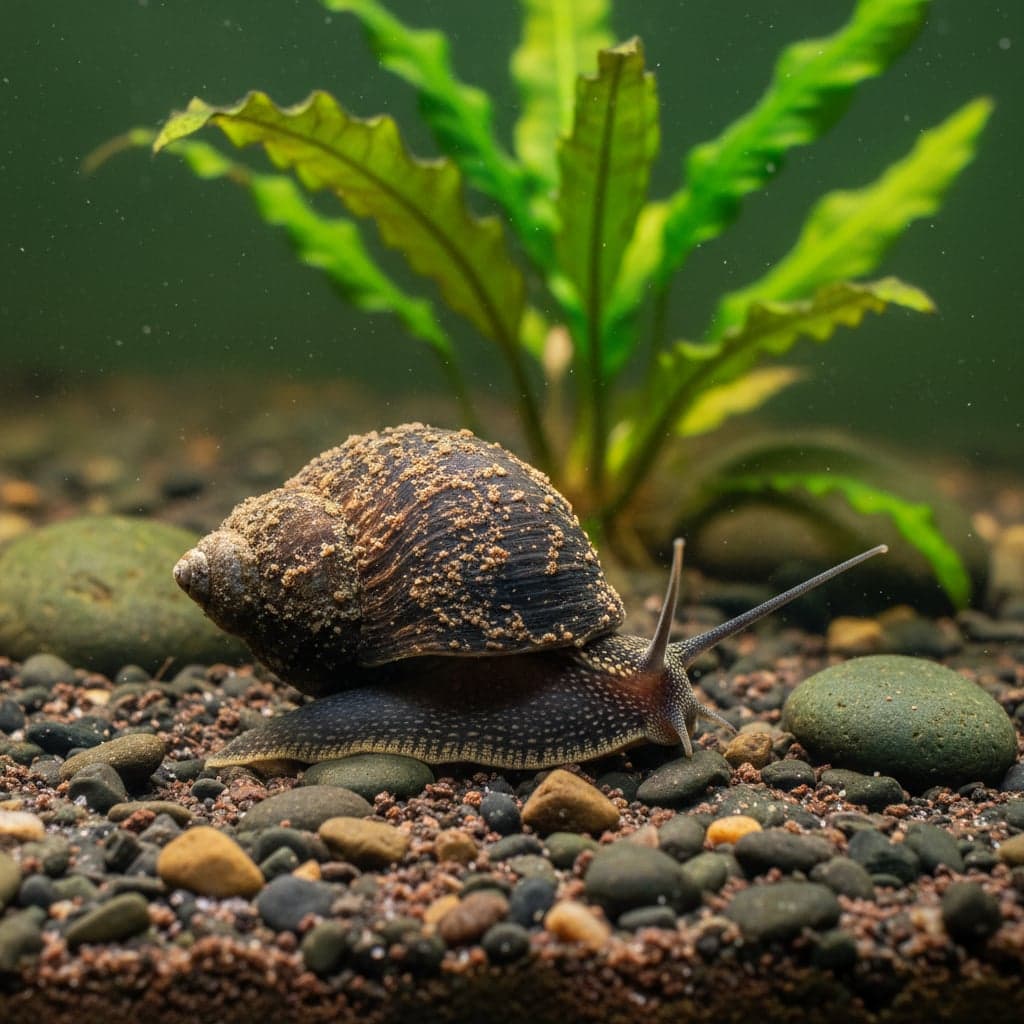
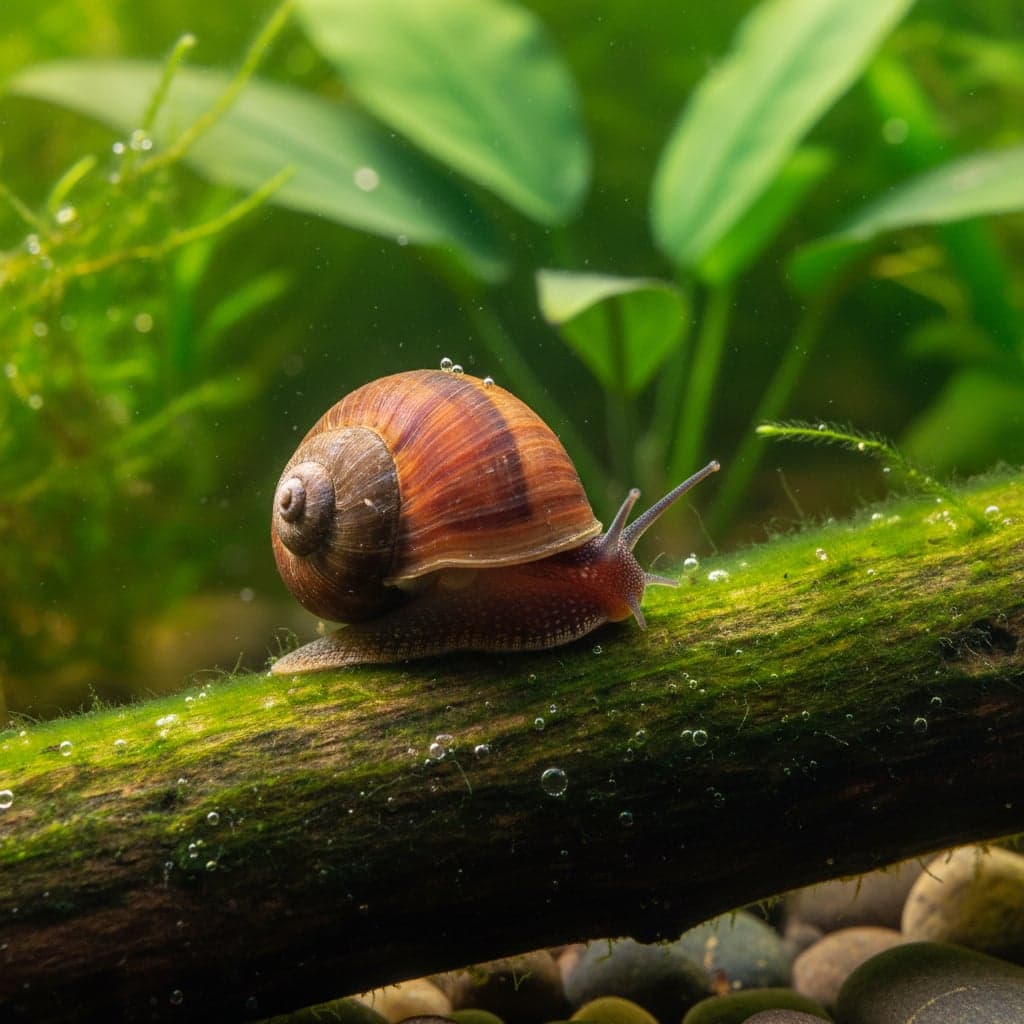
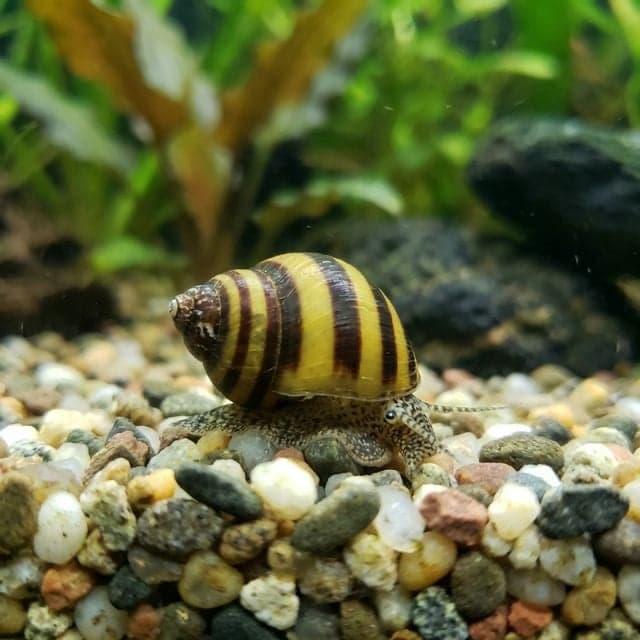
The Rabbit Snail, scientifically known as Tylomelania sp., is a unique freshwater gastropod that has captured the attention of aquarium enthusiasts worldwide. Unlike conventional snails, the Rabbit Snail boasts a beautifully spiraled shell that is reminiscent of the horns of a rabbit, giving it its unique name. These snails are available in multiple color morphs, including yellow, orange, and dark brown, each adorned with striking patterns that enhance their visual appeal. With their distinctive look and tranquil movements, they add an intriguing element to a well-planned aquascape, making them a beloved addition to aquariums.
In addition to their aesthetic value, Rabbit Snails play a vital role in maintaining a healthy aquarium ecosystem. They are known for their scavenging abilities, feeding on uneaten food, decaying plant matter, and algae, thereby contributing to the overall cleanliness of the tank. This makes them not just eye-catching inhabitants, but also beneficial ones that help to balance water quality. As aquatic keepers increasingly seek out sustainable and natural solutions for their tanks, Rabbit Snails have garnered significance in the aquarium hobby due to their combination of beauty and utility.
Natural Habitat & Origin
The Rabbit Snail is native to the freshwater ecosystems of Indonesia, particularly found in the islands of Sulawesi and nearby regions. These snails thrive in incredibly biodiverse environments, predominantly inhabiting slow-moving streams and rivers. The water they inhabit is typically warm and slightly acidic, boasting a blackwater quality filled with organic detritus and leaf litter. This type of environment supports the rich life forms that the Rabbit Snail relies on, as it is interwoven with various types of aquatic vegetation and microorganisms that contribute to their diet and well-being.
The natural habitat of Rabbit Snails is characterized by soft, sandy substrates and an abundance of hiding places, such as rocks and fallen branches. This setting is essential for their survival, offering them not only food sources but also places to retreat from potential predators. Replicating these environmental conditions in captivity helps maintain the health of Rabbit Snails and allows them to flourish in aquariums.
Care Requirements
To create an optimal habitat for Rabbit Snails, certain water parameters need to be meticulously monitored. These snails thrive in soft to moderately hard water, with a pH range of 6.0 to 7.5, and a temperature between 75°F and 82°F (24°C to 28°C). Regular water changes and good filtration are crucial, as maintaining stable water conditions is vital for their health. It's recommended to keep a minimum tank size of 20 gallons, allowing sufficient space for them to roam and scavenge.
When setting up the tank, opt for a substrate that mimics their natural environment—fine sand or soft gravel is ideal. A well-planted tank is preferred, as Rabbit Snails enjoy having plenty of leaf litter and hiding spots to explore. Additionally, moderate lighting is suitable, enhancing their colors while avoiding excessive algae growth. Proper tank care will ensure that Rabbit Snails remain healthy and vibrant in your aquarium.
Diet & Feeding
Rabbit Snails are primarily omnivorous, thriving on a varied diet that mirrors the organic matter found in their natural habitats. In captivity, they can be fed high-quality algae wafers, sinking pellets, and blanched vegetables such as zucchini and spinach. These dietary staples help ensure they receive the essential nutrients required for growth and health. Supplementing with occasional protein sources—such as frozen or live foods like bloodworms or brine shrimp—can enhance their diet further, providing them with a balanced nutritional intake.
It's essential to avoid overfeeding, as excess food can lead to poor water quality and health issues. Observing their feeding habits will help you adjust food portions accordingly. Ensuring a well-rounded diet will keep your Rabbit Snails active and healthy, contributing positively to your aquarium's ecosystem.
Behavior & Temperament
The Rabbit Snail exhibits a largely peaceful temperament, making it an excellent addition to community tanks. They are primarily bottom-dwellers, favoring vertical surfaces when climbing or resting. While they may not actively school, Rabbit Snails can often be found in small groups, gently foraging for food. Their calm demeanor allows them to coexist harmoniously with many other species without displaying aggressive behavior.
It's important to remember that Rabbit Snails are slow movers, so tank mates should be chosen carefully to prevent any unintentional bullying from faster fish species. Overall, they contribute serenity to the tank's atmosphere, offering a lush contrast to more active swimmers.
Tank Mates
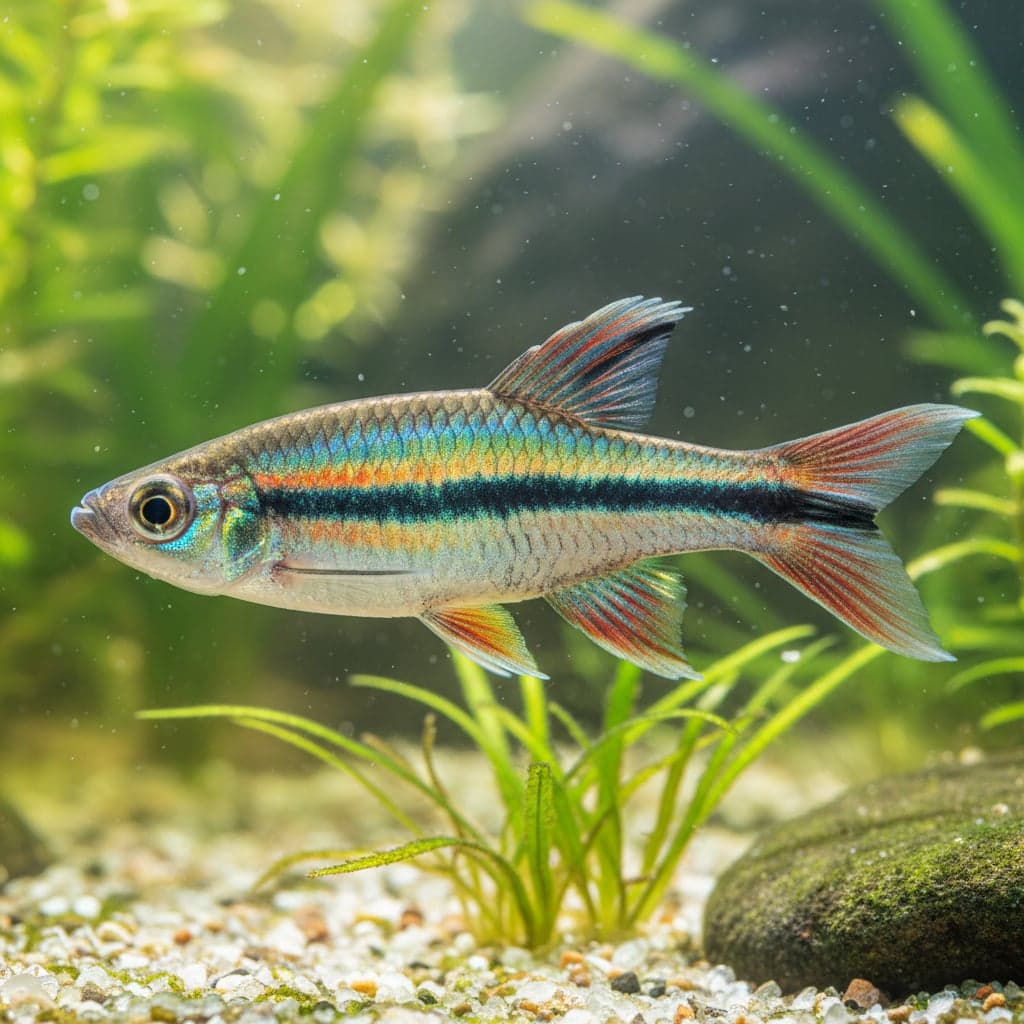
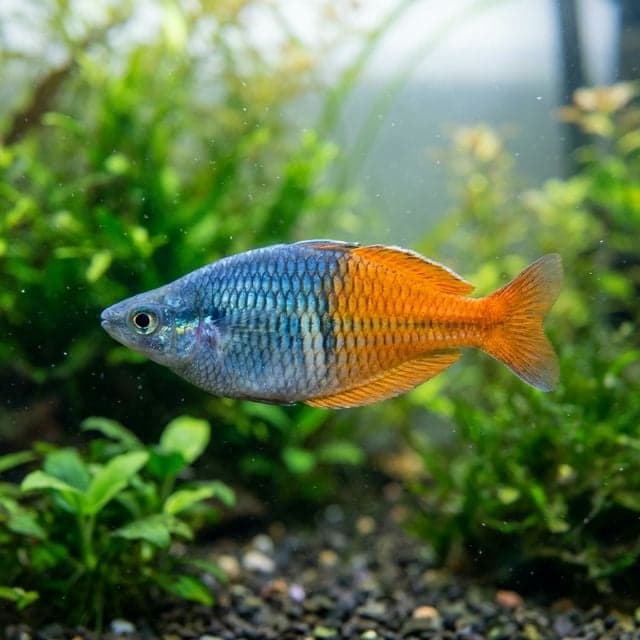
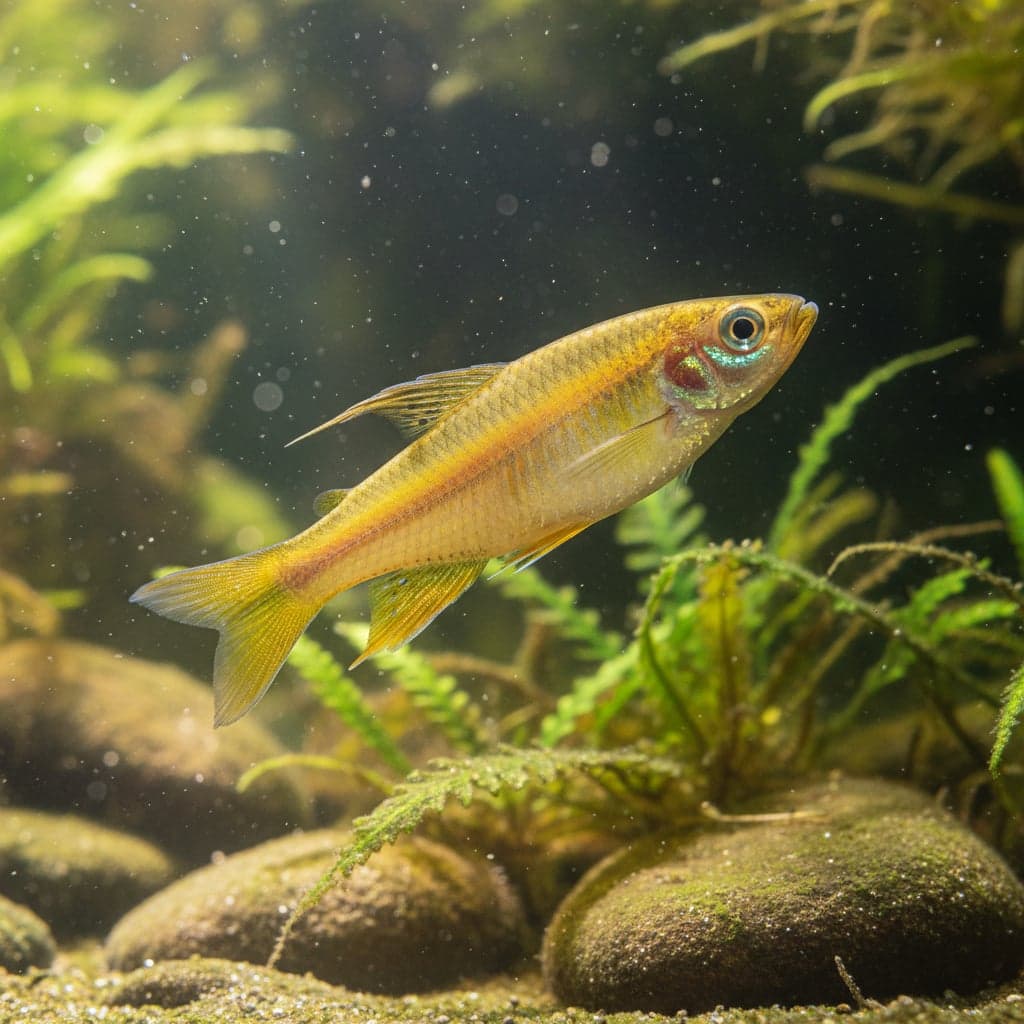
Rabbit Snails are generally compatible with a wide range of tank mates, thriving alongside peaceful fish and other invertebrates. Some excellent tank mates include small tetras, rasboras, guppies, Corydoras catfish, and dwarf shrimp. These species share similar environmental needs, allowing for a harmonious coexistence within the aquarium.
However, it's crucial to avoid larger, more aggressive fish that may view Rabbit Snails as food or engage in territorial behaviors. Species such as cichlids, large barbs, and certain types of catfish should be avoided to prevent stress or harm to the snails. Selecting the right tank mates will ensure a balanced ecosystem that allows all species to thrive.
Breeding
While breeding Rabbit Snails in captivity can be challenging, it is not impossible. Unlike many freshwater snails, Rabbit Snails are known to be livebearers, meaning they give birth to fully formed young rather than releasing eggs. For successful breeding, it's essential to provide optimal water conditions with a stable temperature and suitable pH. Ensure a varied diet rich in nutrients, as this can significantly improve the health of both the adults and the potential offspring.
When Rabbit Snails are ready to breed, they may exhibit increased activity and mating behavior, which includes males gently nudging females. After a gestation period of about a month, females will give birth to live young and will often care for them until they can fend for themselves. Providing ample hiding spots and soft substrate is critical during this period, as it allows the juveniles to escape potential predation.
Common Health Issues
While Rabbit Snails are generally hardy, they can be prone to specific health issues, especially if water quality is not maintained. Some common ailments include shell erosion and bacterial infections, typically resulting from fluctuating water parameters or overcrowding. Regular observations will allow you to catch early signs of illness, such as unusual behavior or physical changes in the snails.
Preventative measures are crucial in maintaining their health. Keeping the tank clean through regular water changes, using a reliable filtration system, and avoiding overcrowding can minimize the risk of diseases. Additionally, providing a well-rounded diet and avoiding fluctuations in water conditions will enhance their immune systems, contributing to a longer lifespan and a healthier aquarium.