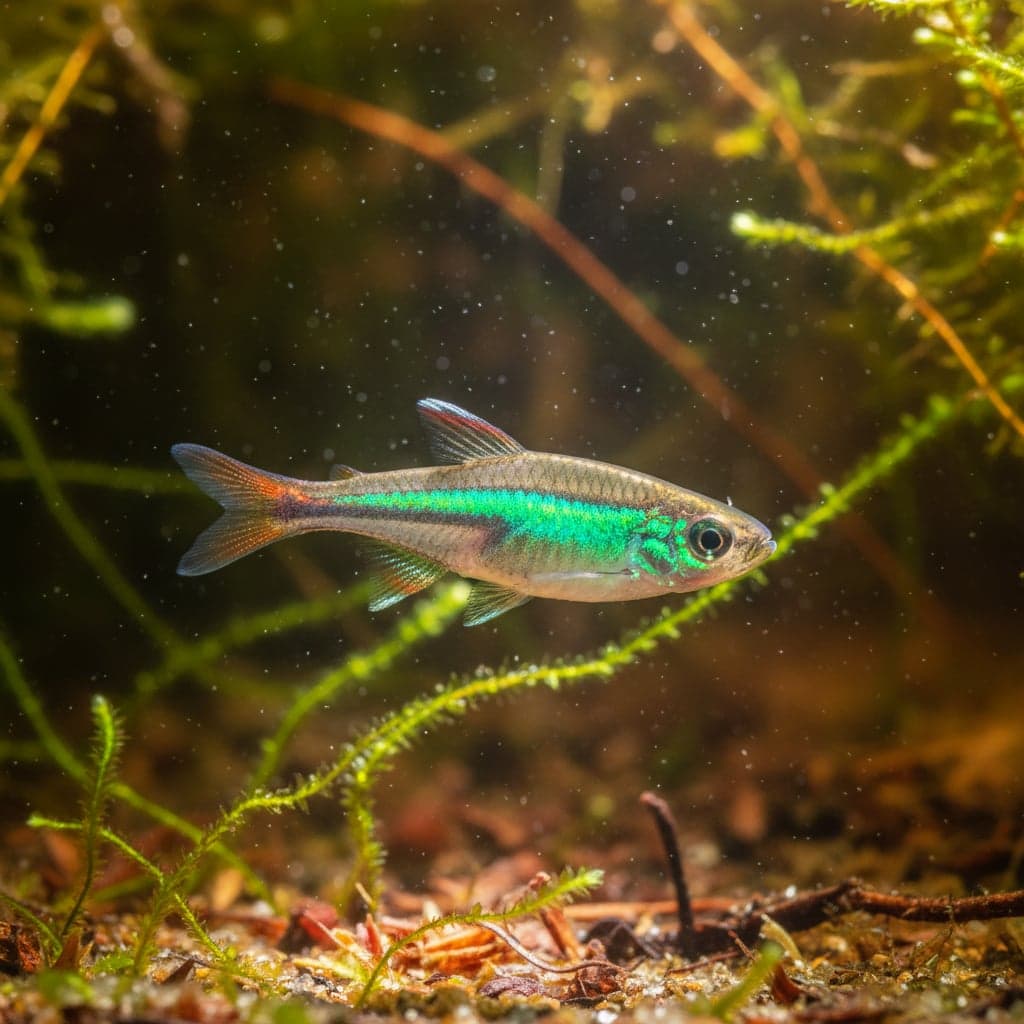
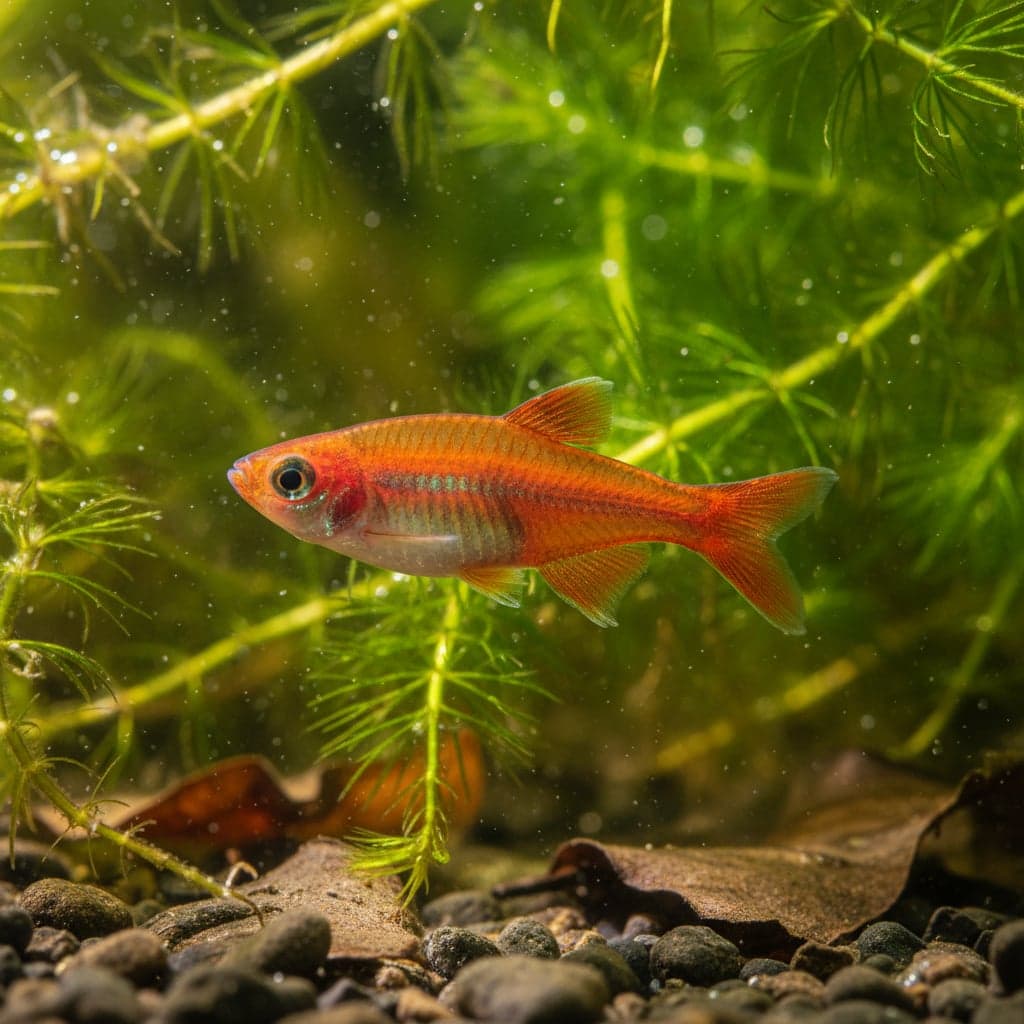
Rainbow Emperor Tetra: Nematobrycon palmeri
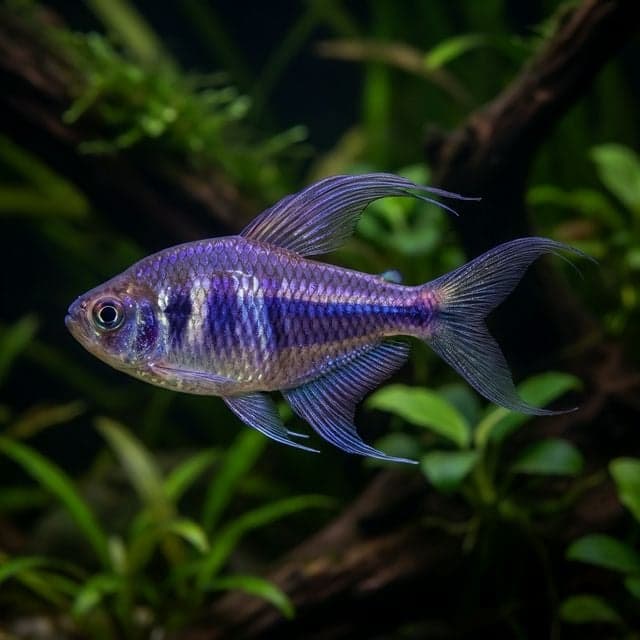
A dazzling variant of the classic Emperor Tetra boasting iridescent blue, purple, and green flanks over a bold black stripe.
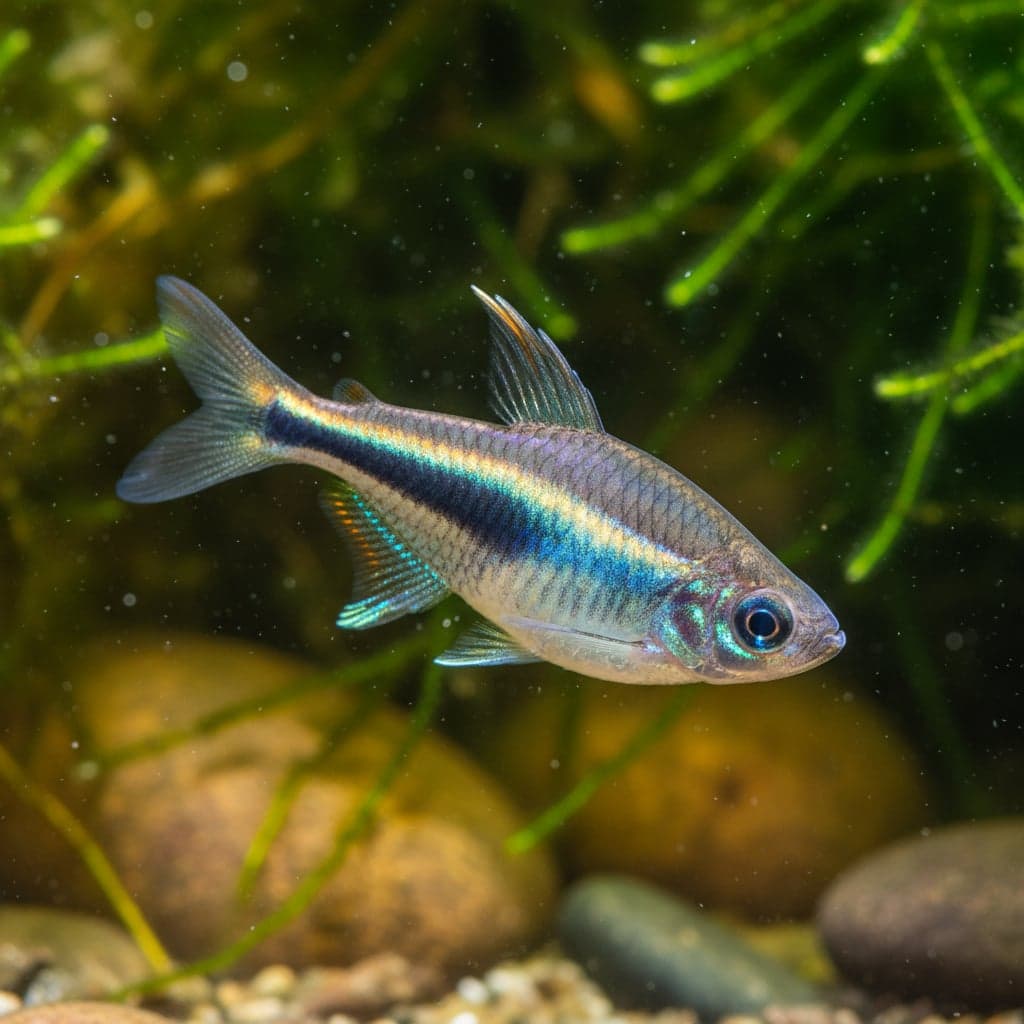
Rainbow Emperor Tetra
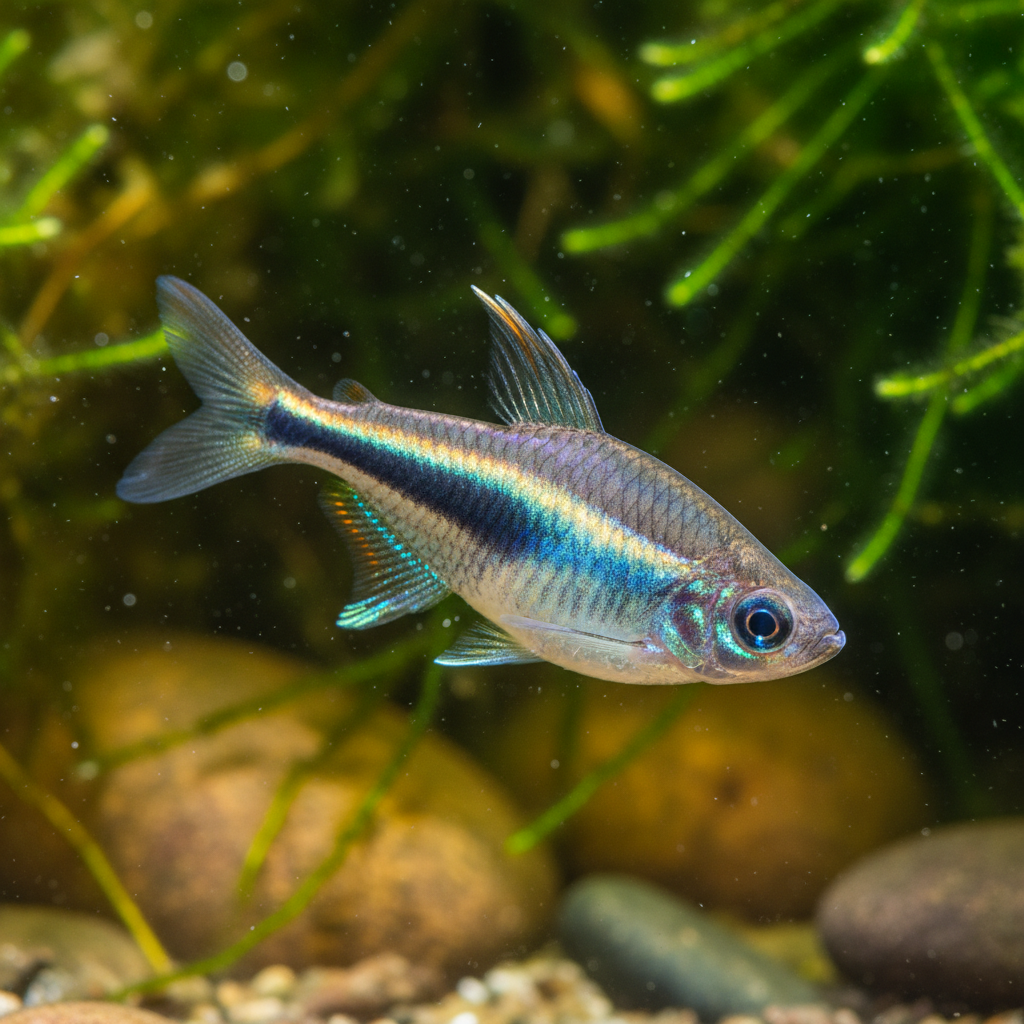
The Rainbow Emperor Tetra, scientifically known as Nematobrycon palmeri, is a captivating freshwater fish species that has garnered significant popularity among aquarium enthusiasts. Originating from the clear waters of South America, this species showcases vibrant colors and an attractive body shape, making it a stunning addition to any aquatic environment. Adult Rainbow Emperor Tetras can display a stunning palette of iridescent shades, including blues, greens, and yellows, often highlighted by darker markings which enhance their visual appeal. Their elongated bodies and graceful swimming motion add to the aesthetic charm, making them a focal point in both community tanks and specialized aquascapes.
These tetras possess a unique significance within the aquarium hobby, serving not only as ornamental fish but also as indicators of ecosystem health in their native habitats. Their presence in the aquarium trade has highlighted the importance of sustainable practices and conservation efforts, as the demand for these vibrant fish encourages attention to their wild populations and habitats. The Rainbow Emperor Tetra is more than just a colorful addition to a tank; it embodies a deeper connection between aquarists and the delicate ecosystems from which these fish originate.
Natural Habitat & Origin
The Rainbow Emperor Tetra is native to the river systems of Colombia, particularly in the Upper Orinoco River basin. In its natural habitat, this species thrives in slow-moving waters filled with submerged vegetation and leaf litter, often found in blackwater environments. These waters are characterized by low pH levels, high tannin content, and a variety of organic materials that influence water chemistry. Such environmental conditions provide essential nutrients and serve as a source of shelter and food, both of which are vital for the growth and development of this species in the wild.
In the wild, Rainbow Emperor Tetras are known to be inherently shy, often retreating to dense vegetation for cover. This habitat contributes to their overall color expression, as the subdued light conditions encourage the development of their vibrant hues. Such understanding of their natural environment is crucial for successful captivity, ensuring that aquarists replicate these conditions to support the well-being of these beautiful fish.
Care Requirements
To provide suitable care for Rainbow Emperor Tetras, it is essential to adhere to specific water parameters and tank setup guidelines. They thrive in slightly acidic to neutral pH levels ranging from 6.0 to 7.5, with a temperature preference between 24°C to 28°C (75°F to 82°F). Hardness should be maintained at a moderate level, generally between 5 to 15 dGH. A well-maintained ecosystem with stable water quality is critical for the health of these fish.
For tank setup, a minimum tank size of 20 gallons is recommended to allow for ample swimming space, especially since these tetras do enjoy schooling. The substrate can be a soft, dark-colored gravel or sand that mimics their natural environment, while live plants such as Java fern, Amazon sword, and floating plants are ideal for providing cover. Dim lighting, potentially supplemented with shaded areas created by plants, will encourage the natural behaviors of Rainbow Emperor Tetras, making them feel secure in their environment.
Diet & Feeding
Rainbow Emperor Tetras are classified as omnivores, which allows them to thrive on a varied diet that includes both plant and animal matter. In captivity, it is advisable to offer a balanced diet comprised of high-quality flake foods, granules, or small pellets specifically formulated for tropical fish. Supplementing their diet with live or frozen foods such as brine shrimp, daphnia, or bloodworms will enhance their color and vitality, contributing to their overall health and vibrancy.
It is crucial to ensure feeding is done multiple times a day in small amounts, as this mimics their natural foraging behavior and helps prevent waste accumulation in the tank. Additionally, incorporating periodic feedings of finely chopped vegetables can provide essential nutrients and enhance their diet diversity.
Behavior & Temperament
Rainbow Emperor Tetras exhibit a peaceful disposition, making them ideal candidates for community aquariums. These fish are social by nature and prefer to be kept in schools of at least six to eight individuals, which not only promotes their well-being but also encourages natural behaviors. When kept in appropriate groups, they display beautiful schooling patterns and social interactions, enhancing the liveliness of the aquarium.
In terms of tank placement, Rainbow Emperor Tetras typically occupy the mid to upper levels of the aquarium. However, they may occasionally venture to lower levels, especially during feeding times. While they are generally non-aggressive, it is crucial to monitor their interactions with more territorial species to ensure a harmonious tank environment.
Tank Mates
When selecting tank mates for Rainbow Emperor Tetras, it is essential to choose compatible species that share similar water parameter preferences and exhibit low aggression levels. Suitable tank mates include non-aggressive community fish such as:
- Neon Tetras
- Harlequin Rasboras
- Corydoras Catfish
- Guppies
- Otohynchus (Ottos)
Conversely, there are certain species that should be avoided due to potential aggression or size disparities. Avoid keeping Rainbow Emperor Tetras with:
- Cichlids (especially larger, territorial varieties)
- Larger barbs (e.g., Tiger Barbs)
- Aggressive species like Bettas
- Any fish known to nip fins
By creating a carefully curated community tank, you can ensure a peaceful coexistence among all inhabitants.
Breeding
Breeding Rainbow Emperor Tetras in captivity can be a rewarding experience for dedicated aquarists. To achieve successful spawning, the female should be slightly larger than the male, and ideally, breeding should take place in a separate breeding tank with soft, slightly acidic water, a pH of around 6.0 to 6.5, and a temperature of 26°C (79°F) to 28°C (82°F) to stimulate reproductive behavior.
To induce spawning, provide a spawning medium such as fine-leaved plants or spawning mops where the eggs can be deposited. After spawning—typically occurring in the early morning—removed adult fish to prevent them from consuming the eggs, as Rainbow Emperor Tetras can be egg eaters. The eggs generally hatch within approximately 24 to 36 hours, and fry should be fed infusoria or finely crushed flakes until they are large enough to consume appropriately sized foods.
Common Health Issues
Like many freshwater fish, Rainbow Emperor Tetras can be susceptible to certain diseases if not maintained in a healthy environment. Common health issues include:
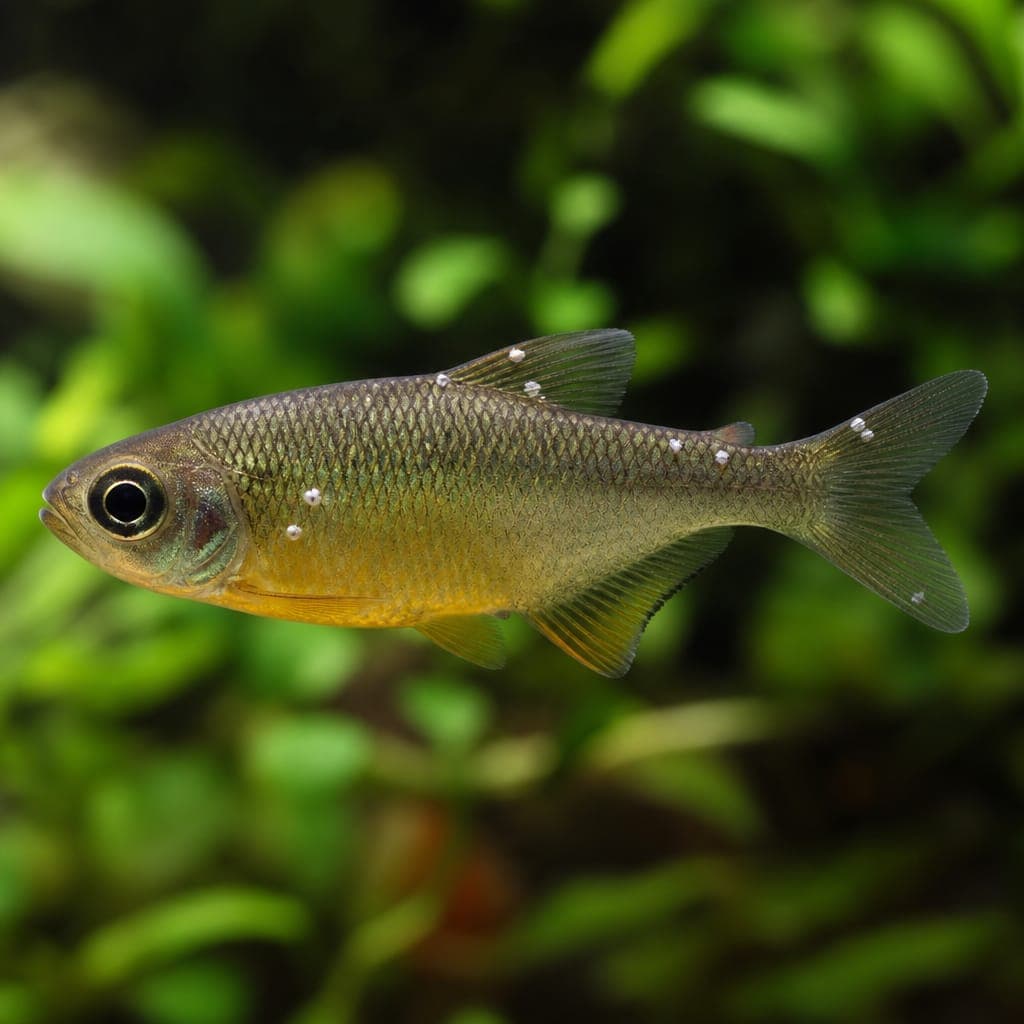
- Ich (Ichthyophthirius multifiliis): Recognized by white cysts on the body and fins, ich can be treated with anti-parasitic medications or raised water temperature.
- Fin Rot: Often caused by poor water quality, this bacterial infection can be treated with water changes and appropriate medications to restore health.
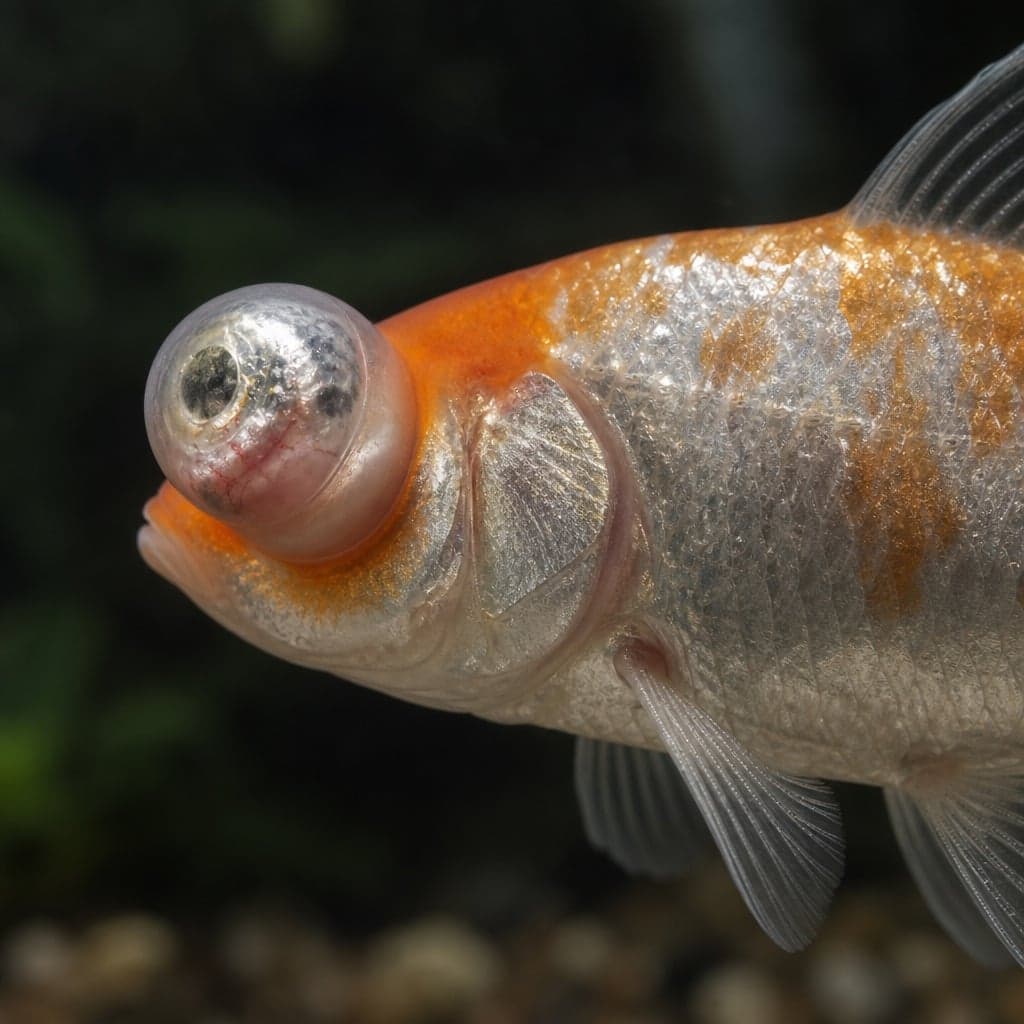
- Popeye: An indication of poor water quality or infection, with swollen eyes as a primary symptom.
Preventive measures include maintaining high water quality through regular water changes, avoiding overcrowding, and ensuring the fish are provided with a balanced diet. By attentively managing their health and habitat, aquarists can enjoy the beauty and grace of the Rainbow Emperor Tetra for years to come.