Rainbow Shiner: Notropis chrosomus
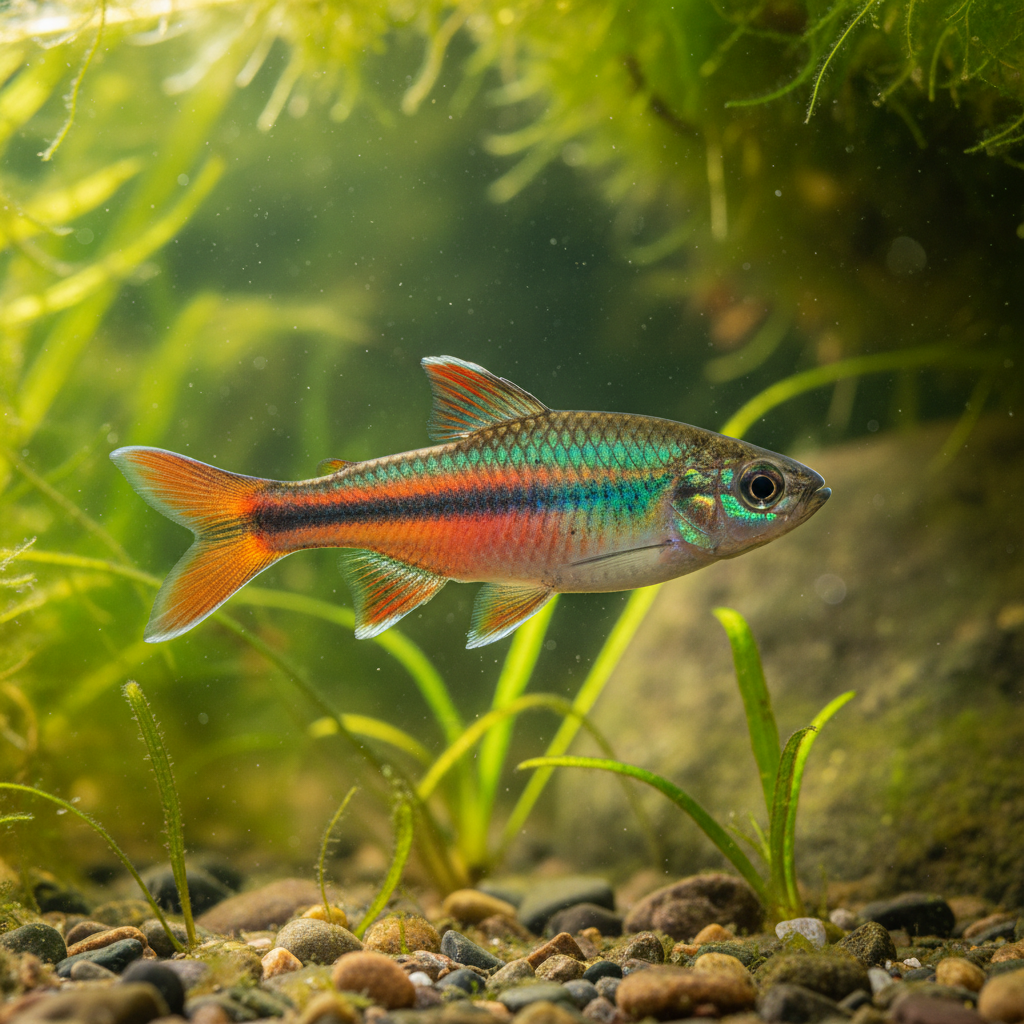
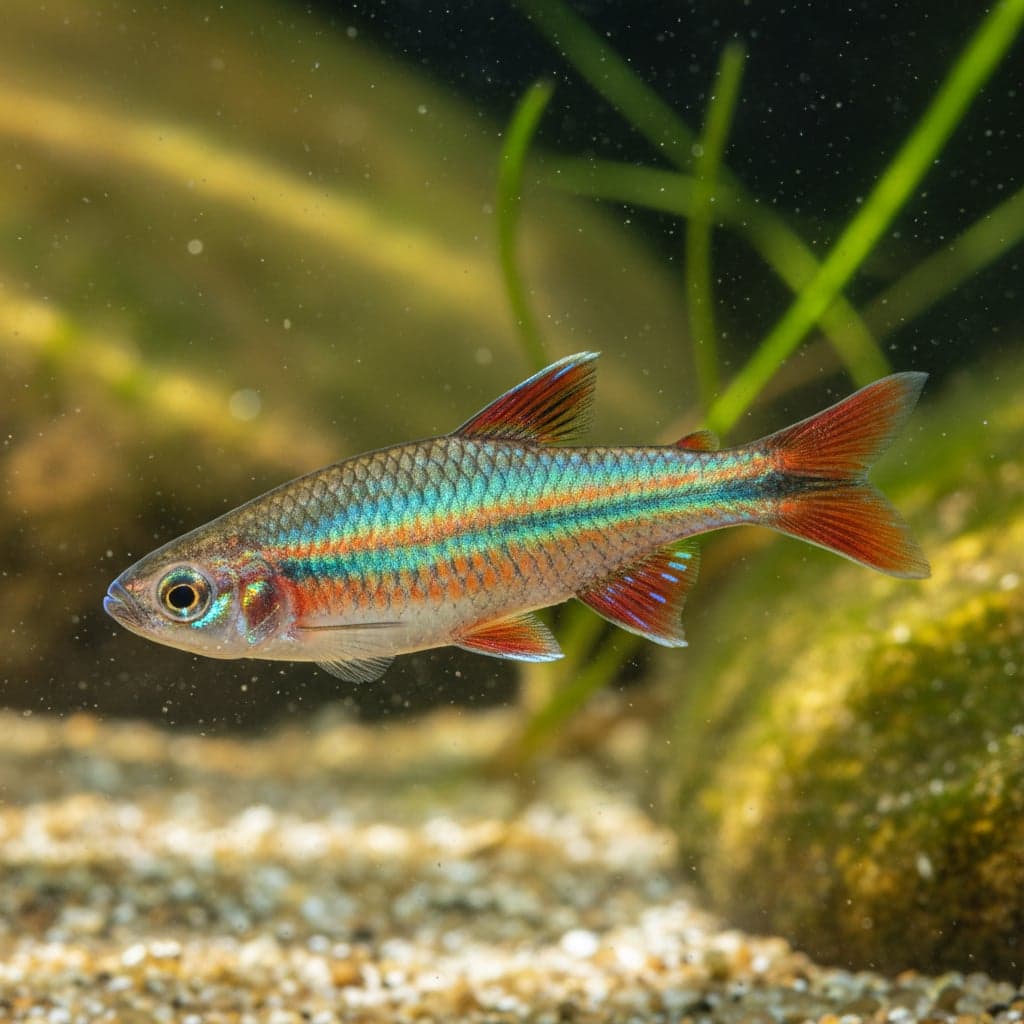
An astoundingly colorful North American native minnow that turns bright neon pink and glowing cyan blue when breeding.

Rainbow Shiner
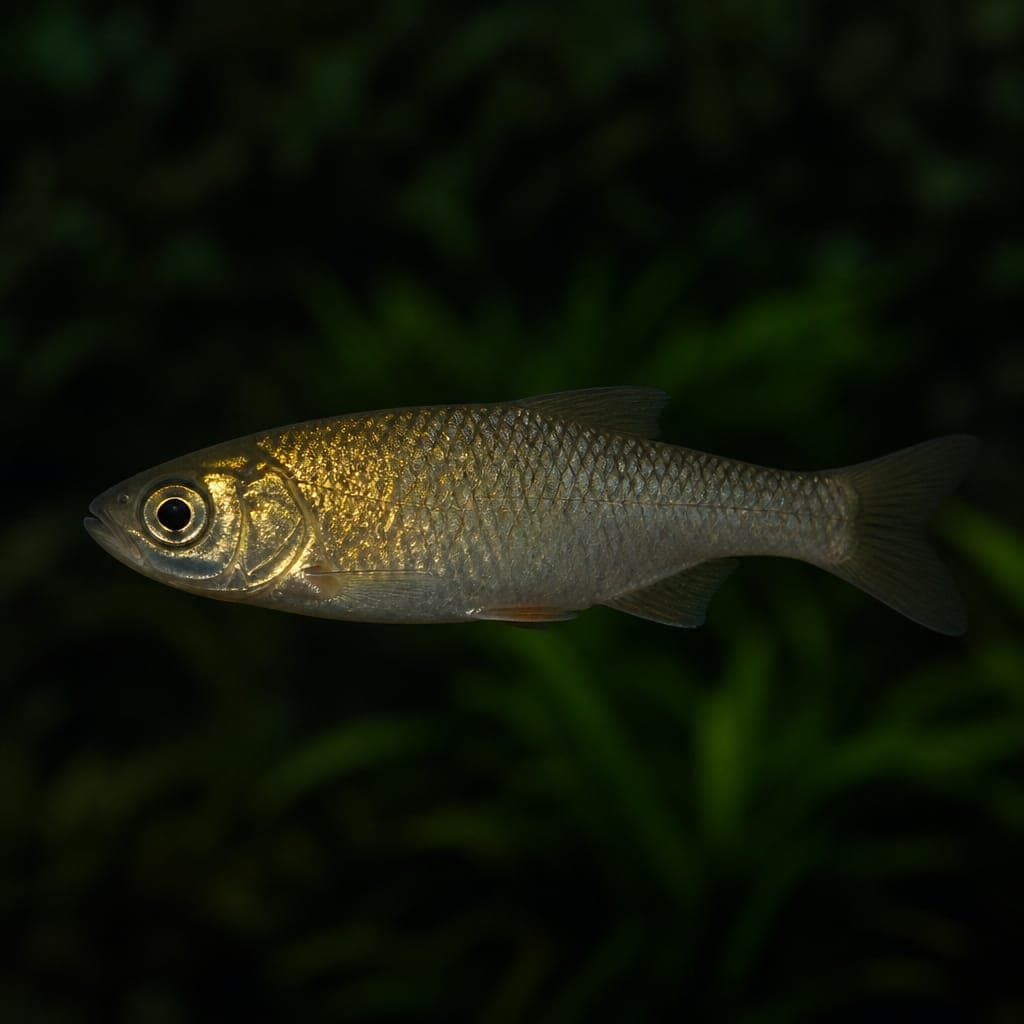
The Rainbow Shiner (Notropis chrosomus) is a strikingly beautiful freshwater fish native to the Southeastern United States. Renowned for its vibrant coloration, this species exhibits a luminous shimmer of iridescent oranges, reds, and blues, particularly in well-lit environments. Adult Rainbow Shiners typically reach about 2 to 3 inches in length, making them perfect for smaller aquariums or community tanks. Their dazzling colors and lively swimming patterns make them a favorite among aquarists, who often find joy in both their appearance and engaging behavior.
In addition to their visual appeal, Rainbow Shiners hold significant importance in the aquarium hobby for several reasons. They are not only relatively easy to care for, making them suitable for both novice and experienced aquarists, but they also exhibit fascinating social behaviors when kept in schools. These fish contribute to the ecological balance of their native habitats and serve as an indicator species for water quality. As such, they reflect the health of aquatic ecosystems, giving hobbyists an incentive to understand and promote the preservation of their natural environments.
Natural Habitat & Origin
Rainbow Shiners are endemic to the USA, particularly found in the Appalachian region, including parts of Tennessee, North Carolina, and Georgia. They predominantly inhabit clear, flowing streams and rivers, embracing various substrates like gravel and sand. Their natural environment includes areas with dense aquatic vegetation, which provides essential cover and breeding grounds. The water in these habitats tends to be slightly acidic to neutral, with temperatures ranging from 68°F to 78°F (20°C to 26°C). This specific habitat preference underscores the Rainbow Shiner's adaptability yet highlights its vulnerability in changing environmental conditions.
These fish thrive in clean, well-oxygenated waters that often exhibit varying degrees of flow, offering them dynamic spaces to explore. Seasonal changes in their habitats influence their behavior; during warmer months, they can be found closer to the surface, while in cooler weather, they tend to seek deeper areas. Given their reliance on clear water, the presence of pollutants and habitat degradation poses significant threats to their populations, urging fish enthusiasts to consider conservation practices when engaging with this species.
Care Requirements
To keep Rainbow Shiners healthy and thriving in a home aquarium, specific water parameters and tank setups are crucial. The ideal water pH should range from 6.5 to 7.5, with a temperature between 70°F to 76°F (21°C to 24°C). A moderately hard water level, around 6 to 12 dGH, will also benefit their growth and health. A minimum tank size of 20 gallons is recommended to provide adequate space for these active swimmers and to maintain stable water parameters.
For substrate, a mix of fine gravel and sand works well to mimic their natural habitat. Plenty of open swimming space is necessary, complemented by a variety of plants such as Java moss, Anubias, and floating plants, which can provide both shelter and breeding opportunities. Lighting should be moderate, as excessive brightness may stress these fish. Introducing driftwood and rocks can further enhance the environment, creating hiding spots that contribute to the fish’s overall security.
Diet & Feeding
Rainbow Shiners are considered omnivores, with a diet that consists of a variety of food sources. In the wild, they primarily feed on small insects, zooplankton, and plant matter. In captivity, it is vital to offer a balanced diet to maintain their vibrant coloration and overall health. High-quality flakes and pellets designed for small community fish serve as a staple diet. Additionally, supplementing their diet with frozen or live foods, such as daphnia, brine shrimp, and bloodworms, can significantly enhance their health and vitality.
Feeding should occur 1-2 times daily, with care taken not to overfeed, as this can lead to water quality issues. A varied diet not only keeps Rainbow Shiners physically healthy but also supports their natural behavior, as they will forage and explore the tank for food, mimicking their hunting instincts in the wild.
Behavior & Temperament
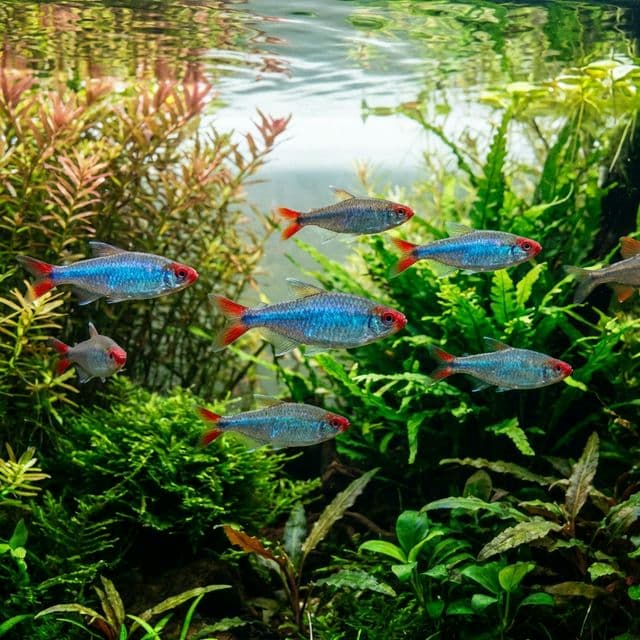
Rainbow Shiners are known for their lively and energetic disposition, making them a pleasure to observe. They are shoaling fish and thrive in groups of at least six individuals. This school behavior not only enhances their natural behavior but also promotes their overall well-being. They are relatively peaceful and can coexist harmoniously with other non-aggressive species in a community tank. However, males can exhibit territorial behaviors during breeding times, which may result in mild aggression among males.
In terms of tank placement, Rainbow Shiners tend to occupy the middle and top levels of the aquarium, providing an eye-catching display as they dart through the water columns. Their energetic swimming style and vivid colors create a dynamic visual spectacle, making them an excellent choice for lively community aquariums.
Tank Mates
Finding the right tank mates for Rainbow Shiners is essential for fostering a peaceful community environment. Compatible species include:
- Small tetras (like Neon Tetras and Ember Tetras)
- Rasboras (such as Harlequin Rasboras)
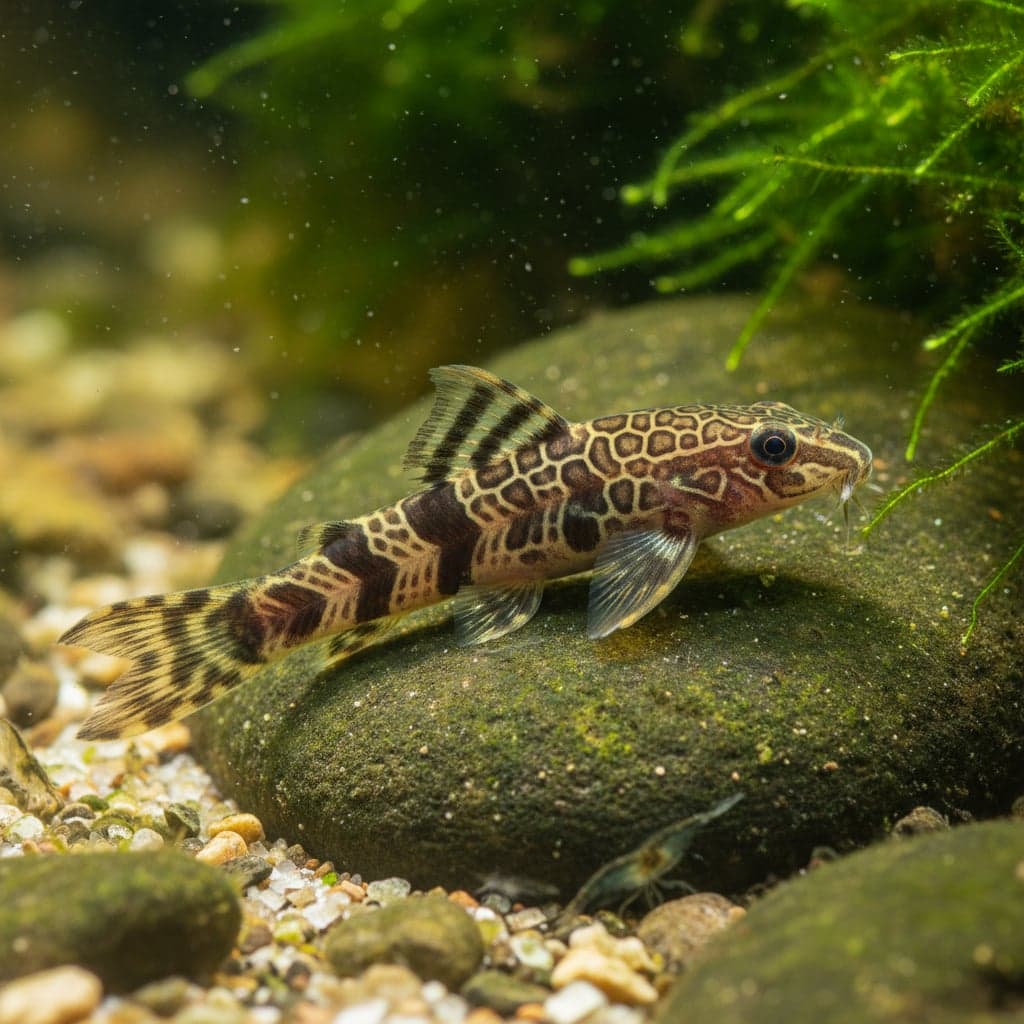
- Corydoras catfish
- Small gouramis (like Dwarf Gouramis)
- Danios (Zebra or Giant Danios)
These species share similar water requirements and generally peaceful temperaments. On the flip side, it is best to avoid larger predatory fish like cichlids and aggressive species like barbs, which might stress out or consume the Rainbow Shiners. Additionally, fast-moving or fin-nipping species can also pose a threat to their well-being and lifespan.
Breeding
Breeding Rainbow Shiners in captivity is a rewarding challenge for aquarists. Spawning typically occurs in spring when water temperatures rise. To encourage breeding, a dedicated breeding tank with soft, slightly acidic water and abundant plant cover is essential. Provide fine-leaved plants (like Java Moss) where the fish can lay their eggs, as these species don’t exhibit parental care and will eat their own eggs if not protected.
Once conditions are optimal, males will display brilliant colors and exhibit courtship behaviors, swimming vigorously around females. After a successful pairing, females will scatter their eggs among the vegetation. It is advisable to remove the adult fish once spawning has occurred to protect the eggs from predation. The eggs usually hatch within 5 to 10 days, and the fry can be fed with infusoria or finely crushed flakes until they grow larger and can accept more substantial food.
Common Health Issues
Like many species, Rainbow Shiners can be prone to several health issues if not properly cared for. Common conditions include:
-
Ich (Ichthyophthirius multifiliis): Often caused by stress and poor water conditions, this parasite manifests as white spots on the fins and body. Treatment involves raising the tank temperature and adding aquarium salt or commercial medications specifically designed to target ich.
-
Fin Rot: Often a result of poor water quality or injury, fin rot appears as frayed or discolored fins. Regular water changes, maintaining excellent filtration, and ensuring no sharp objects are in the aquarium can prevent this issue.
-
Velvet Disease: Characterized by a dusty gold appearance, velvet disease can stress fish and lead to significant health decline. Treatment typically consists of raising the tank temperature and using copper-based medications.
Preventive measures focus on maintaining optimal water quality, ensuring proper tank maintenance, and providing a balanced diet while quarantining new fish. Early detection and steady husbandry keep Rainbow Shiners vibrant and healthy in the community tank.